






shutterstock

100 Traditional Foods
You Have To Try in New York City

Last updated on May 22, 2026
01

New York-Style Pizza

4 ·

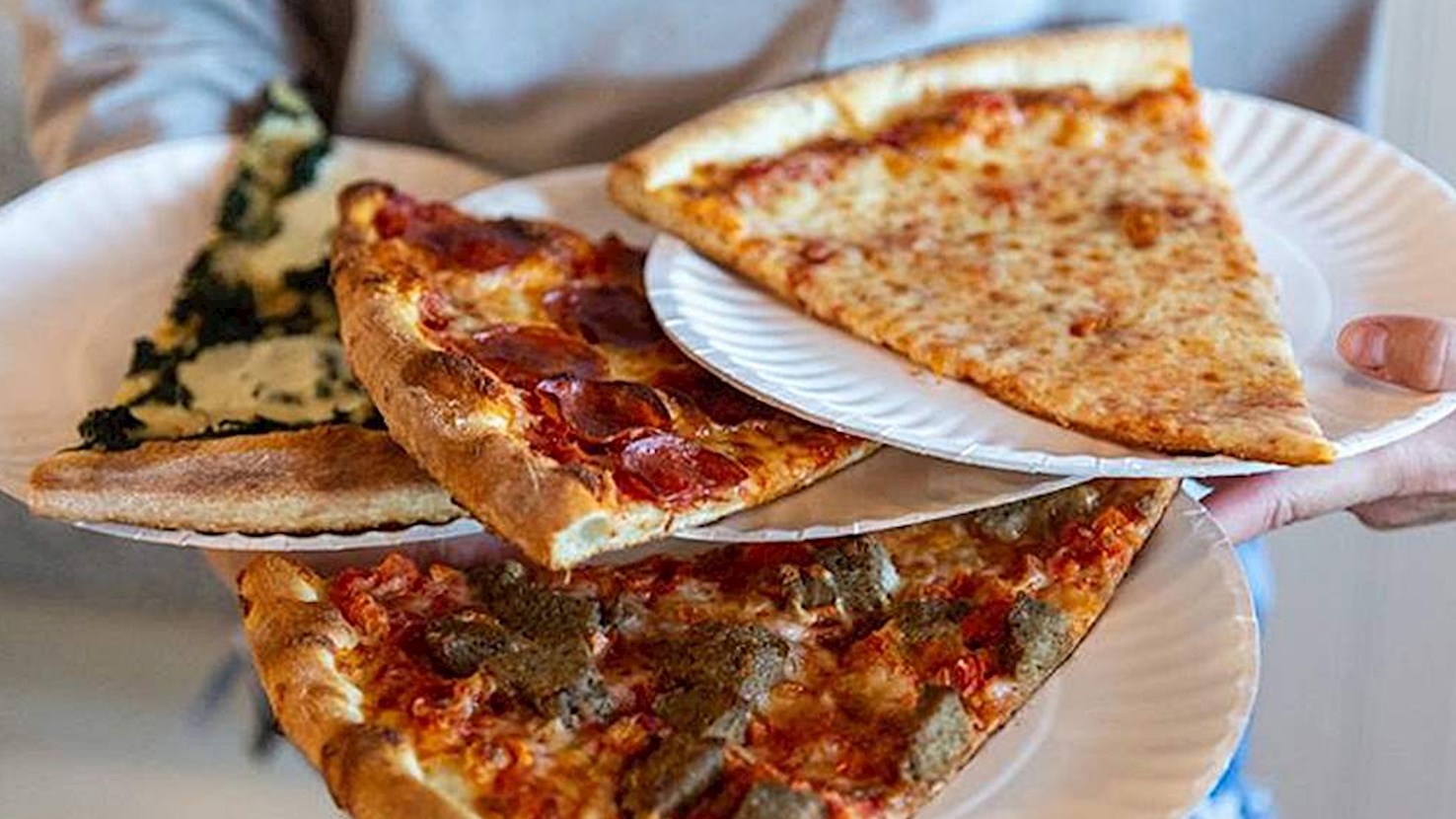
New York-style pizza is a large, thin-crusted pizza that evolved from the classic Neapolitan-style pizza, brought to New York City by Italian immigrants during the early 1900s. The dish began with the opening of America's first pizzeria, called Lombardi's, where the owner Gennaro Lombardi served unusually large and wide pizza pies. When sliced, the pieces are also very large and wide, while the crust is crispy, yet foldable for easier consumption. Some claim that the unique texture of the crust owes much to the minerals that are only found in New York City's tap water. Traditionally, the pizza is topped with mozzarella and heavily-seasoned tomato sauce (olive oil, tomatoes, garlic, sugar, salt, oregano, crushed red pepper, basil), while the additional ingredients such as vegetables or sausage come on top of the cheese. Typical condiments for additionally topping the pizza include garlic powder, red chili pepper flakes, and oregano.

02

New York-style cheesecake

4.1 ·

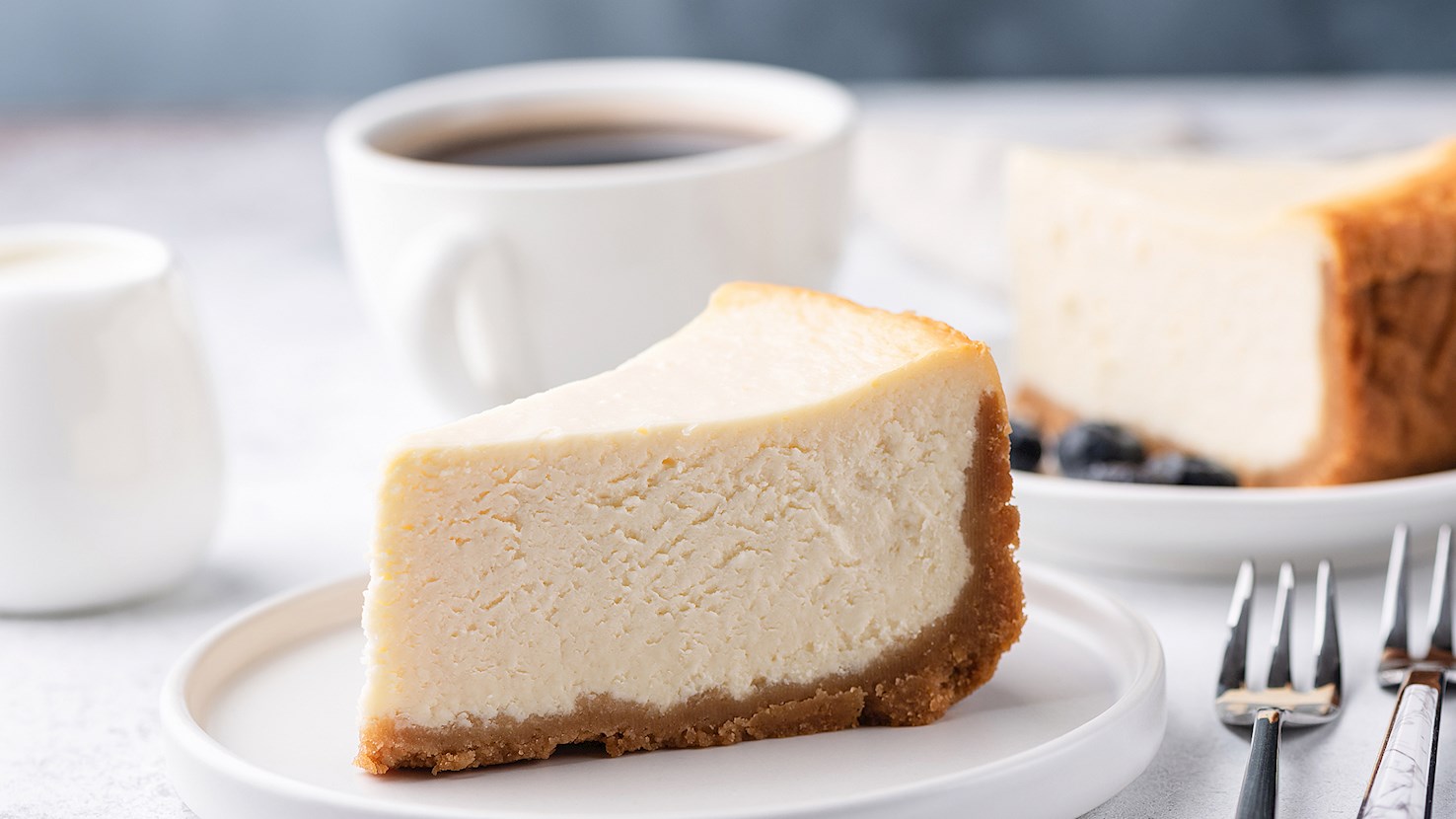
New York-style cheesecake is different from other cheesecakes mainly because of its heavy and dense texture that feels extremely smooth and rich. Its flavor should be sweet and tangy, not citrusy, chewy, or starchy. It is believed that the first New York-style cheesecake was made by Junior’s in the 1950s. The magic formula includes heavy cream, eggs, vanilla, cream cheese, and (optionally) sour cream, while the base usually consists of a sponge cake crust or graham cracker crust.

03

Roast Beef Sandwich

3.5 ·

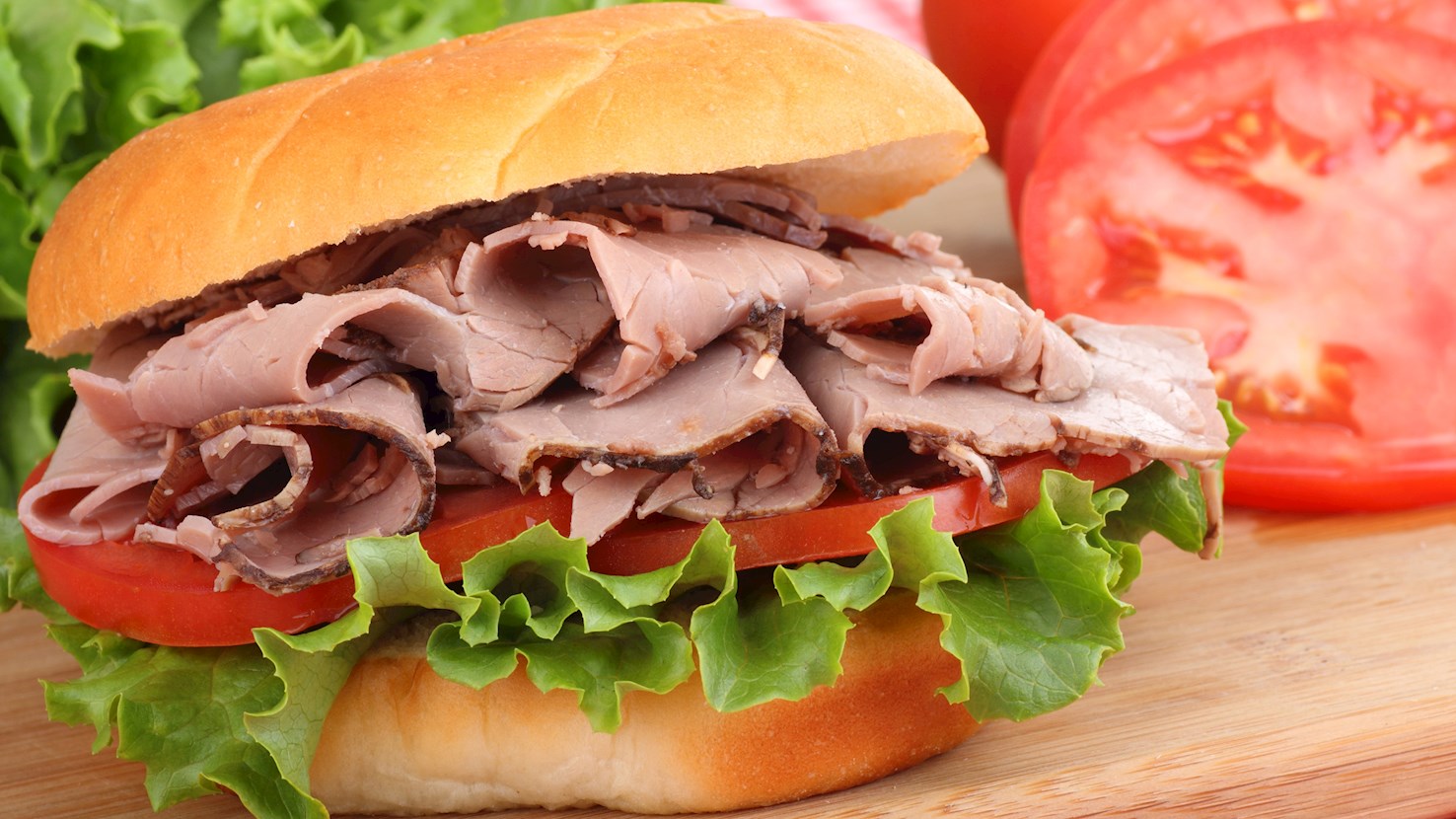
Roast beef sandwiches encompass a large variety of sandwiches filled with roasted and sliced beef as their main ingredient. They may be served hot or cold. The meat should be succulent, slightly pink, and thinly sliced, while the buns are typically soft and topped with sesame seeds or onion pieces. As for the toppings, anything is possible, but in Boston, where roast beef sandwiches are one of the area's specialties, they are traditionally topped with cheese, barbecue sauce, and mayonnaise (called a three way when served together).

04

Matzah ball soup

3.8 ·

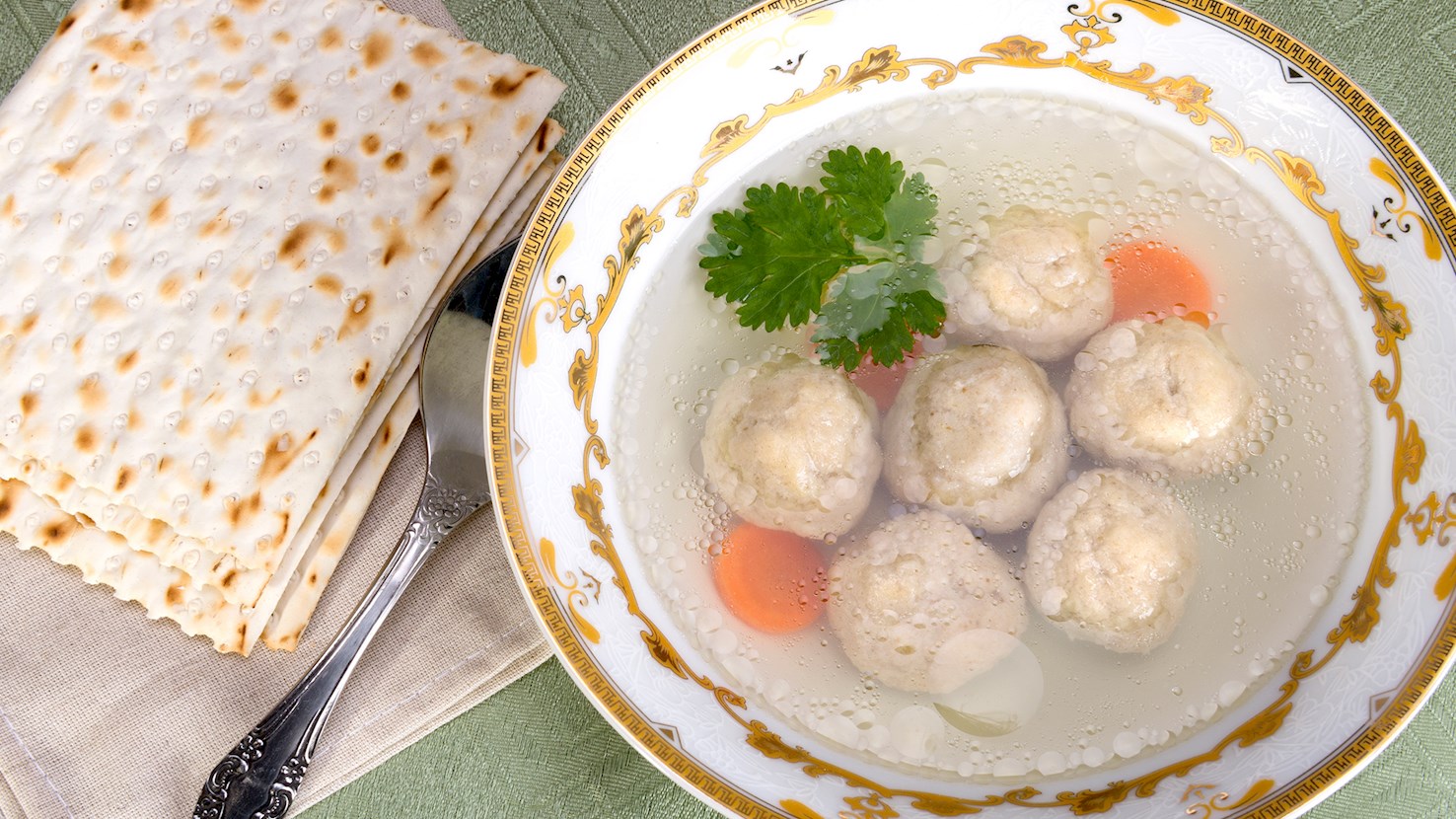
The center of every Jewish Seder—Passover meal—is a bowl of chicken broth with large matzah balls. The dish is deeply rooted in Jewish tradition, and it is believed that it originated among the Ashkenazi Jews who invented it as an adaptation of Central European bread dumplings (knödels). In Jewish tradition, the large balls are often referred to as kneydl, knaidel, kneidel, or knodel and are made with matzo meal—consisting of ground matzo bread—and rendered chicken fat. Nowadays, matzah ball soup is not exclusively associated with Passover and has become a year-round comfort food that is enjoyed in most Jewish communities.

05

Pastrami on rye

4 ·

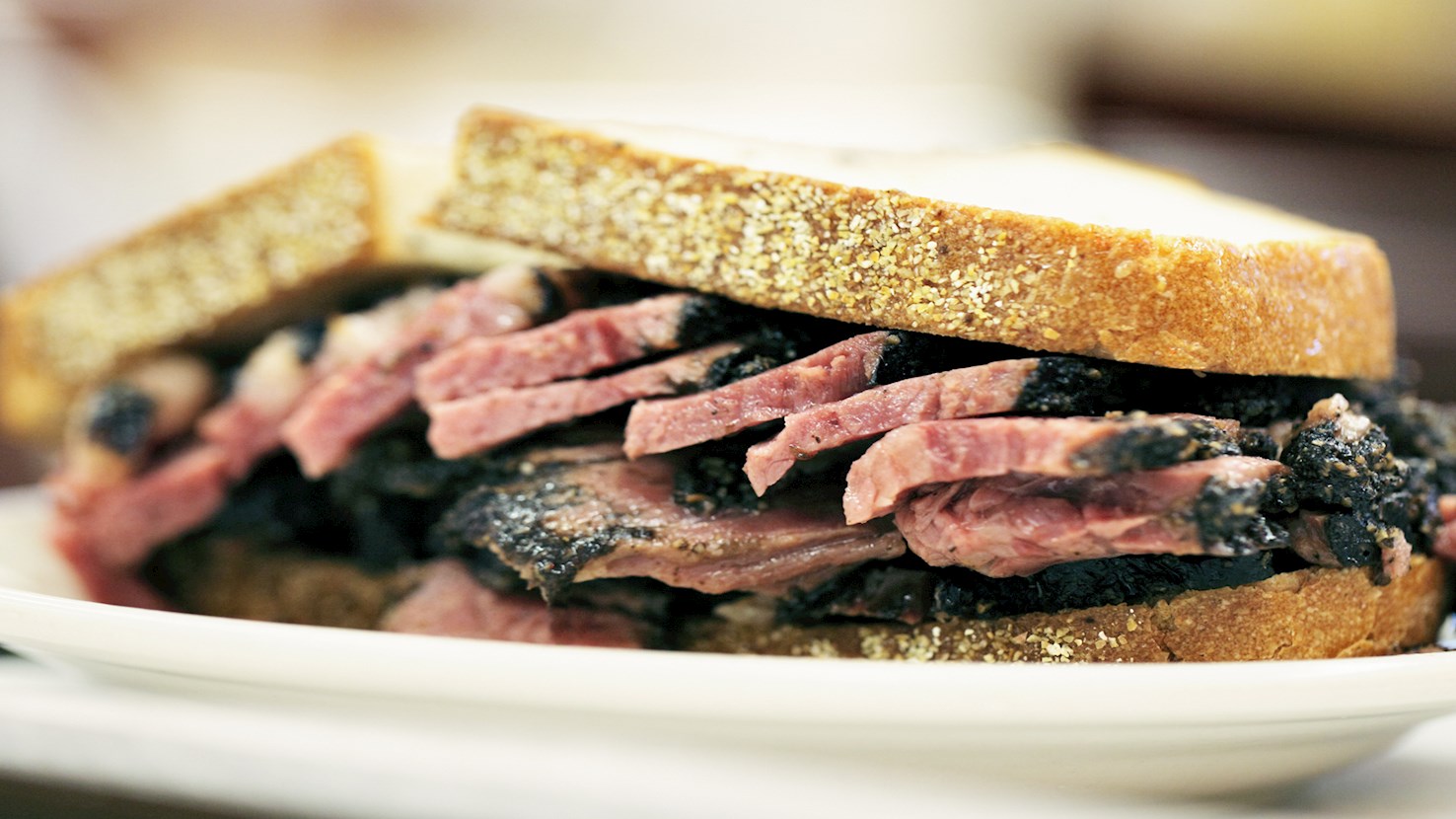
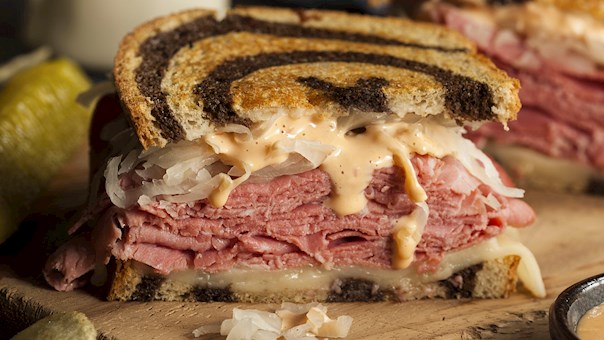
Pastrami on rye is New York's signature sandwich and a staple of many Jewish delis. This simple sandwich traditionally consists of delicate pastrami slices that are placed on rye bread, then topped with spicy mustard, and the whole thing is typically accompanied by kosher dill pickles on the side. It was originally invented in 1888 by a Lithuanian immigrant named Sussman Volk, who was also the owner of one of the first delis in New York City. Today, Katz's Delicatessen is believed to be the best place for a great pastrami on rye sandwich.

06

Avocado Toast

3.8 ·

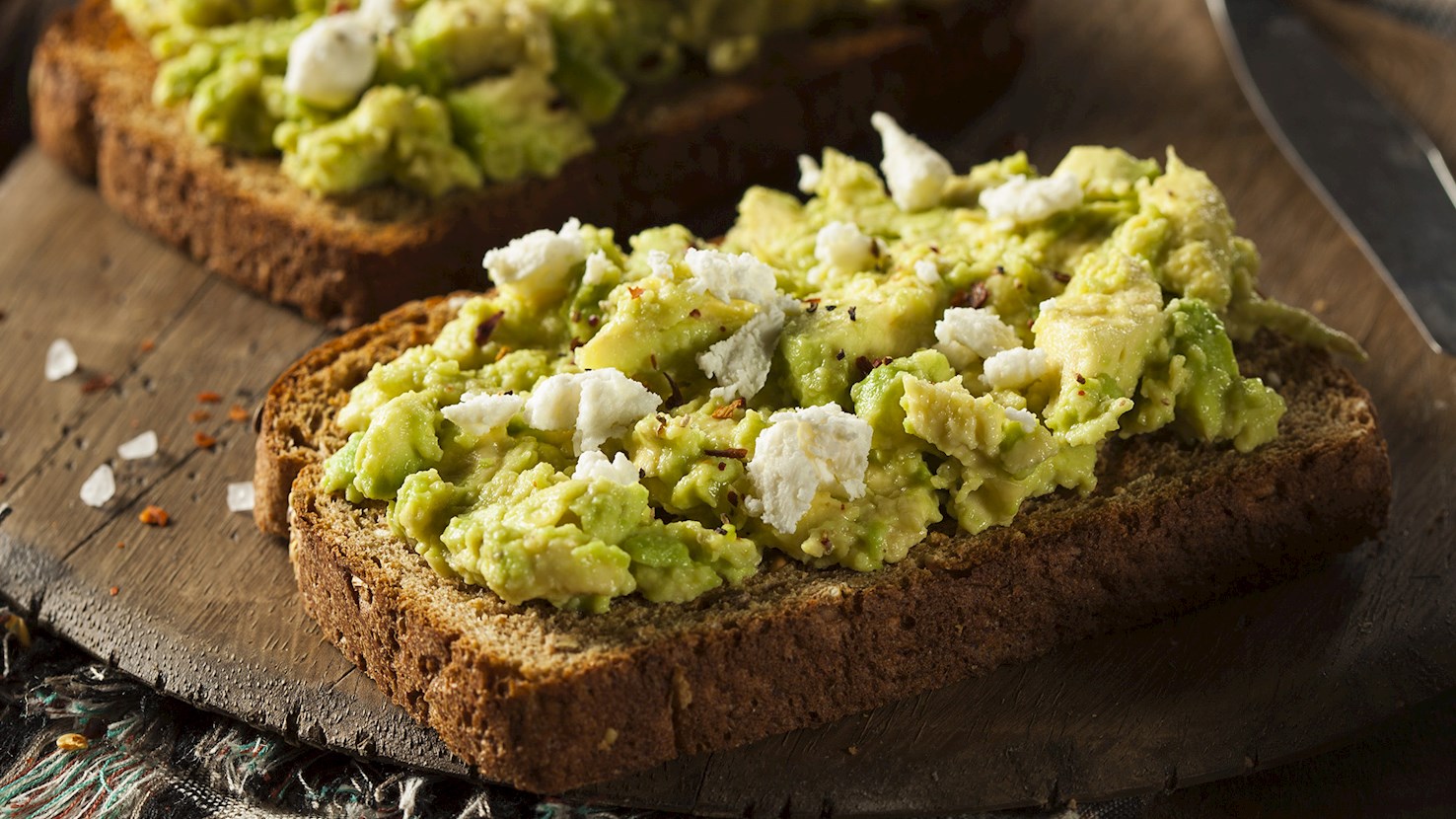
Avocado toast is a dish consisting of a piece of toasted bread topped with a combination of mashed avocados, salt, pepper, and (sometimes) citrus juice. There are many varieties of this dish, so it can be enriched with ingredients such as salmon, tomatoes, onions, eggs, garlic, cheese, olive oil, or red pepper flakes. Although the dish is quite simple and straightforward, the location of its origin is not – some claim that it is an Australian invention, while others proclaim that Los Angeles is the place where it was born. Regardless of its origin, avocado toast started its modern-day revival on Instagram, and it has been trending across the globe ever since.

07

Sicilian Pizza

3.8 ·

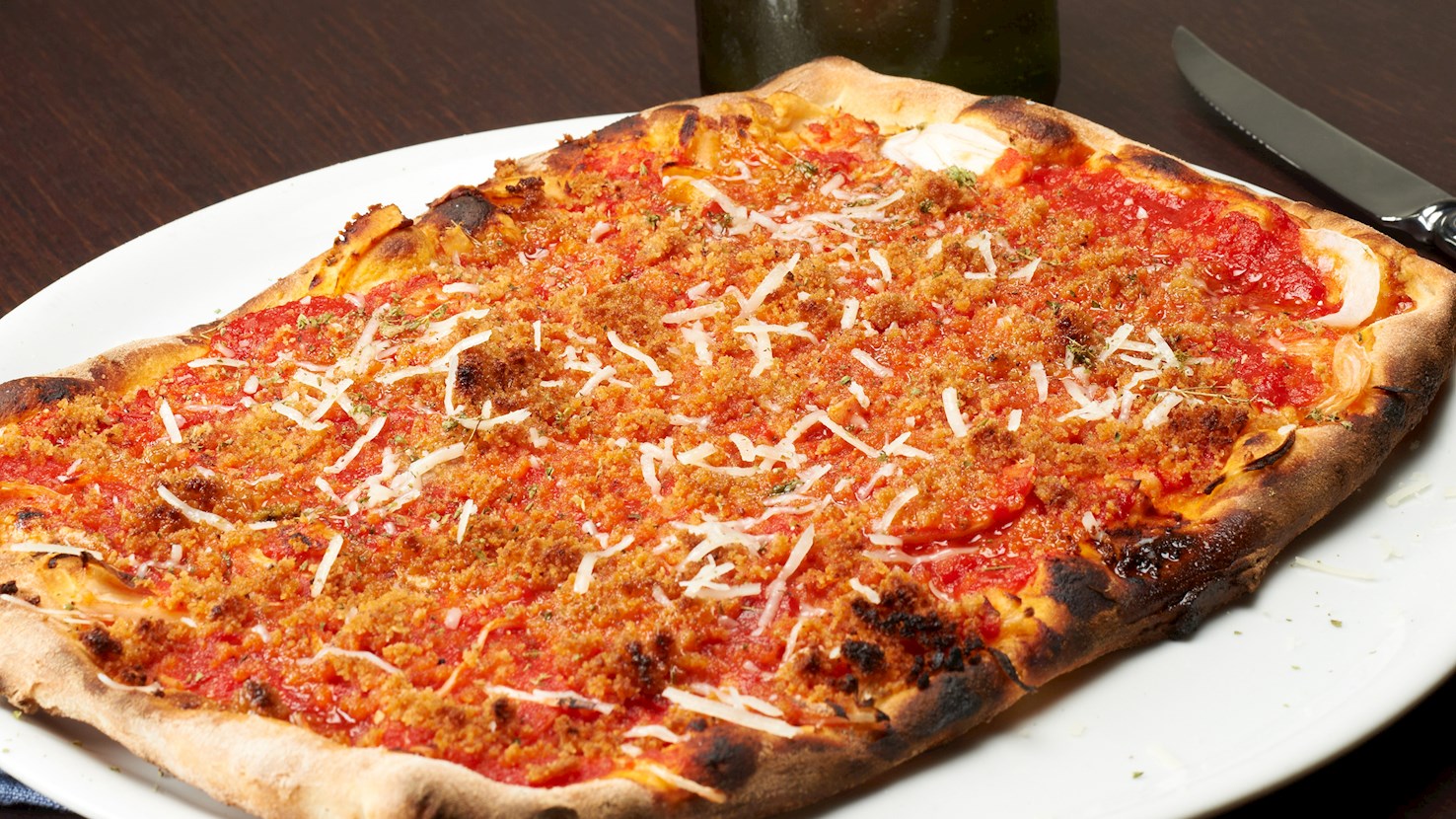
In the United States, Sicilian pizza denotes a thick, square-shaped dough topped with mozzarella cheese and tomato sauce. The sauce is often placed on top of the cheese in order for the crust to be well-cooked. This pizza was brought to the United States (primarily New York) by Sicilian immigrants, and it was derived from sfincione. Although sfincione doesn't contain mozzarella, Italian bakeries in NYC had access to inexpensive mozzarella so it was only logical that they began to top their sfincione with it. Nowadays, Sicilian-style pizza is popular in numerous Italian-American communities in New York, New Jersey, Michigan, Connecticut, Rhode Island, and Massachusetts.

08

Bagel and Lox

4.2 ·

Bagel and lox is a classic New Yorker sandwich consisting of a freshly baked bagel that's split in half, then topped with cream cheese and cured salmon. The sandwich can be additionally garnished with capers or thinly sliced red onions, while the plain cream cheese can be replaced with dill and chive cream cheeses. Both the bagels and lox were introduced to America by European Jewish immigrants at the turn of the 20th century, and by the 1950s, the bagel became a staple food in America. Traditionally, they could be found at New York's Jewish delis, but today they're available throughout the country. However, if you're a purist that wants only the authentic bagel and lox sandwich, stick with New Yorker delis.

09

New York City Bagels

4.1 ·

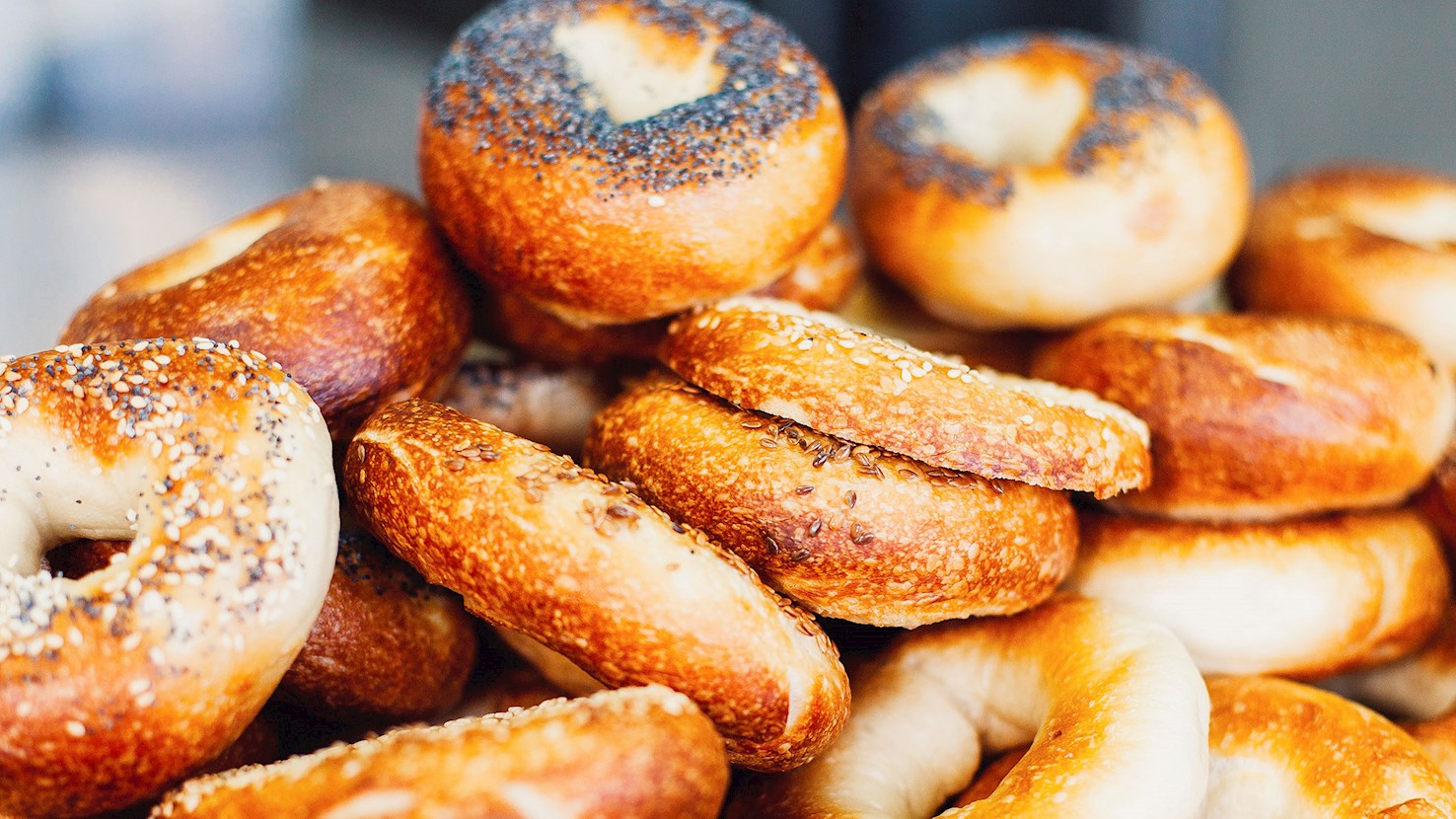
Bagels are an iconic New York City food: boiled, then baked hand-shaped, round rolls with a hole in the middle. It is a small and dense bread with a malty flavor and a dark, shiny, and crunchy exterior which should snap when bitten into it. Originally, they were brought to the United States by Jewish immigrants from Eastern Europe. There is a theory that bagels were popular in the Jewish community because the dough needs to rest for twelve hours before being baked, so it was convenient for Jews to let it rise during the Sabbath, when work is forbidden. New Yorkers claim that their bagels are the best due to the water's softness, as there are low levels of calcium and magnesium that could toughen the dough when combined with gluten. In the past, bagels were made in four original varieties: plain, poppy, salt or sesame, but nowadays they are made with garlic, onion, cinnamon, and raisins, best enjoyed fresh out of the oven and paired with butter, scallions, lox, and cream cheese.

10

Fried Chicken

4.2 ·

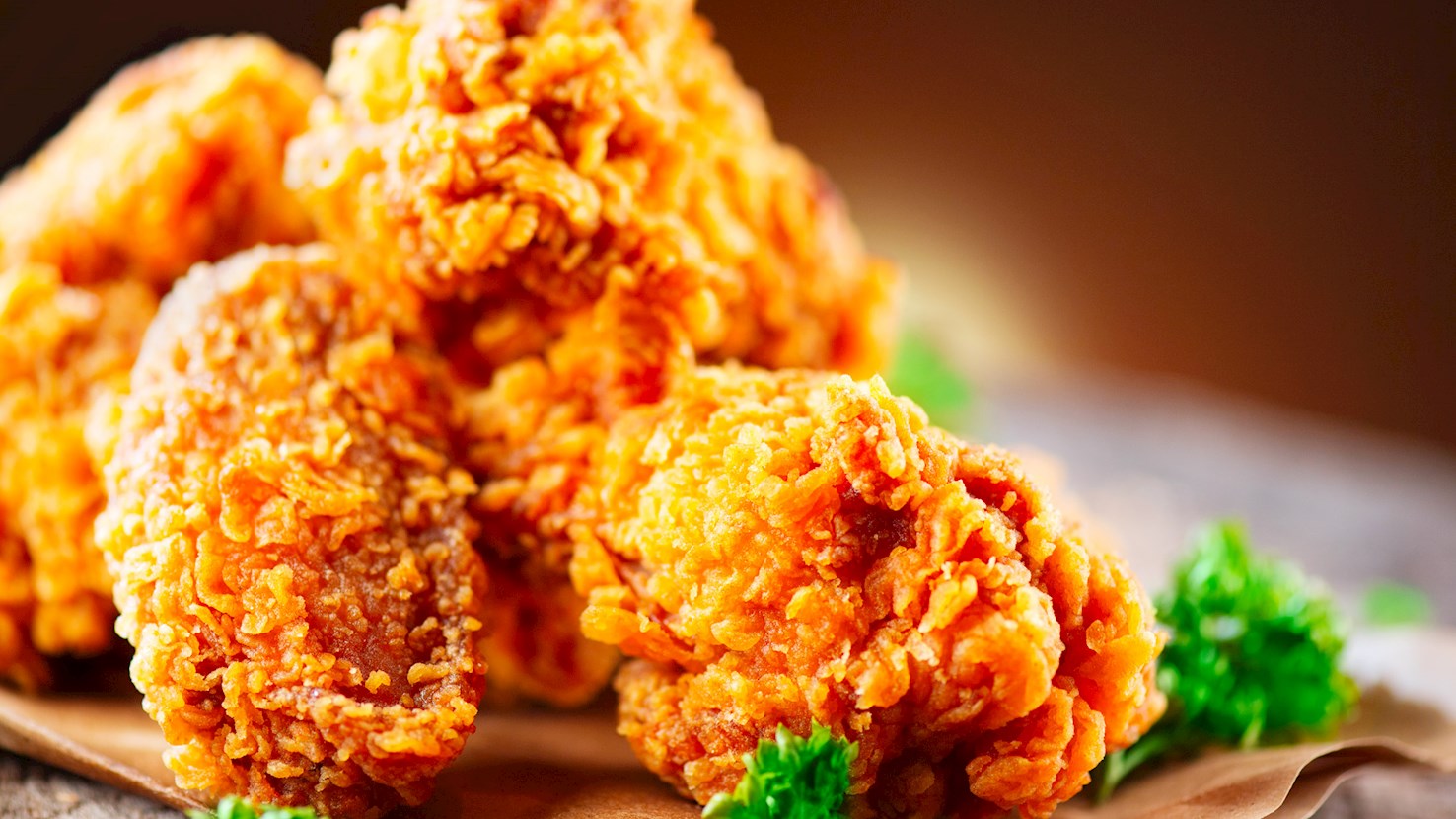
The most popular food of the Southern cuisine, fried chicken is the theme of many arguments where everyone involved seems to have a favorite, be it what their mothers used to make, a cult roadside eatery, or a bygone restaurant. However, it is universally agreed that the meat must be moist, succulent, and tender, coated with a crunchy, golden-brown crust. It all started during the colonization period, when Scottish immigrants settled in the South, bringing their fried chicken recipes along. The African slaves then introduced new seasonings and spices, and the dish quickly gained popularity. Typical seasonings include salt, pepper, and hot chiles, and the pieces of meat should be edible by hand so that the consumer can bite both the crust and the meat at the same time. The birds must be fresh and smaller in size, as the meat will be much more tender and the proportion of crust to meat will be perfectly balanced. Once the chicken parts are hot, crispy, and ready to be consumed, they are traditionally accompanied by buttered biscuits, Southern potato salad, mashed potatoes, or cream gravy on the side.

About this ranking

TasteAtlas food rankings are based on the ratings of the TasteAtlas audience, with a series of mechanisms that recognize real users and that ignore bot, nationalist or local patriotic ratings, and give additional value to the ratings of users that the system recognizes as knowledgeable. For the “100 Traditional Foods You Have To Try in New York City” list until May 22, 2026, 5,126 ratings were recorded, of which 4,667 were recognized by the system as legitimate. TasteAtlas Rankings should not be seen as the final global conclusion about food. Their purpose is to promote excellent local foods, instill pride in traditional dishes, and arouse curiosity about dishes you haven’t tried.

Similar lists