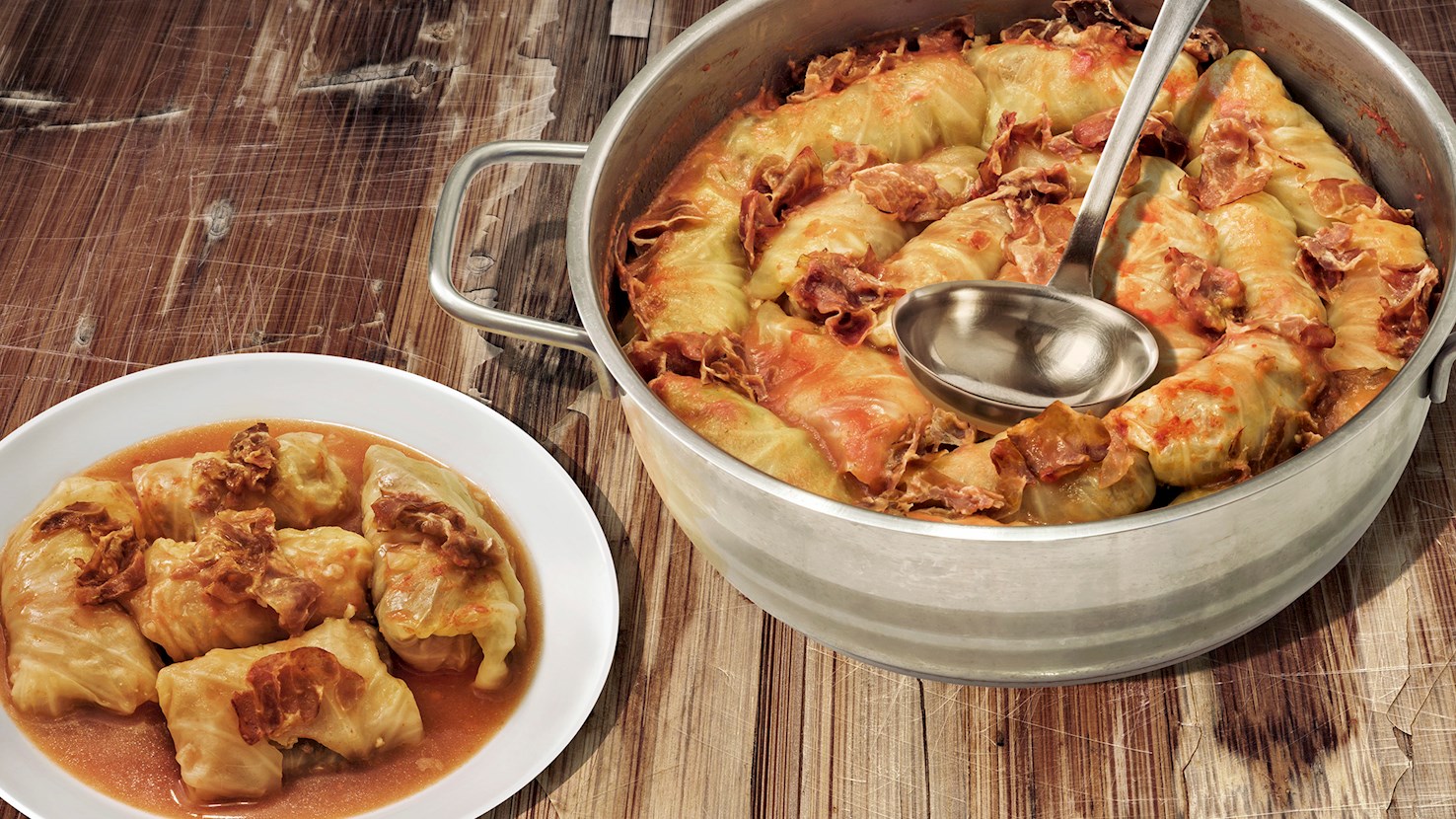
One of the staples of traditional Turkish cuisine, sarma consists of a filling that is snugly surrounded by leaves or leafy vegetables. There are numerous versions of this dish but the mixture typically combines ingredients such as minced meat, rice or bulgur, various herbs, seasonings, red pepper, paprika, ground sumac, or tomato sauce, while the typical wrapping usually includes vine, cabbage, or sauerkraut leaves, or a variety of leafy vegetables such as collard greens and swiss chard. Having its roots in the Ottoman Empire, sarma is also traditionally consumed in the Balkans, the countries of Central Europe, the South Caucasus, and the Middle East. Although it is commonly enjoyed as a filling lunch or dinner (typically during the winter season), sarma is often prepared on special occasions and holidays. The dish is usually accompanied by plain yogurt, mashed potatoes, and crusty bread on the side.
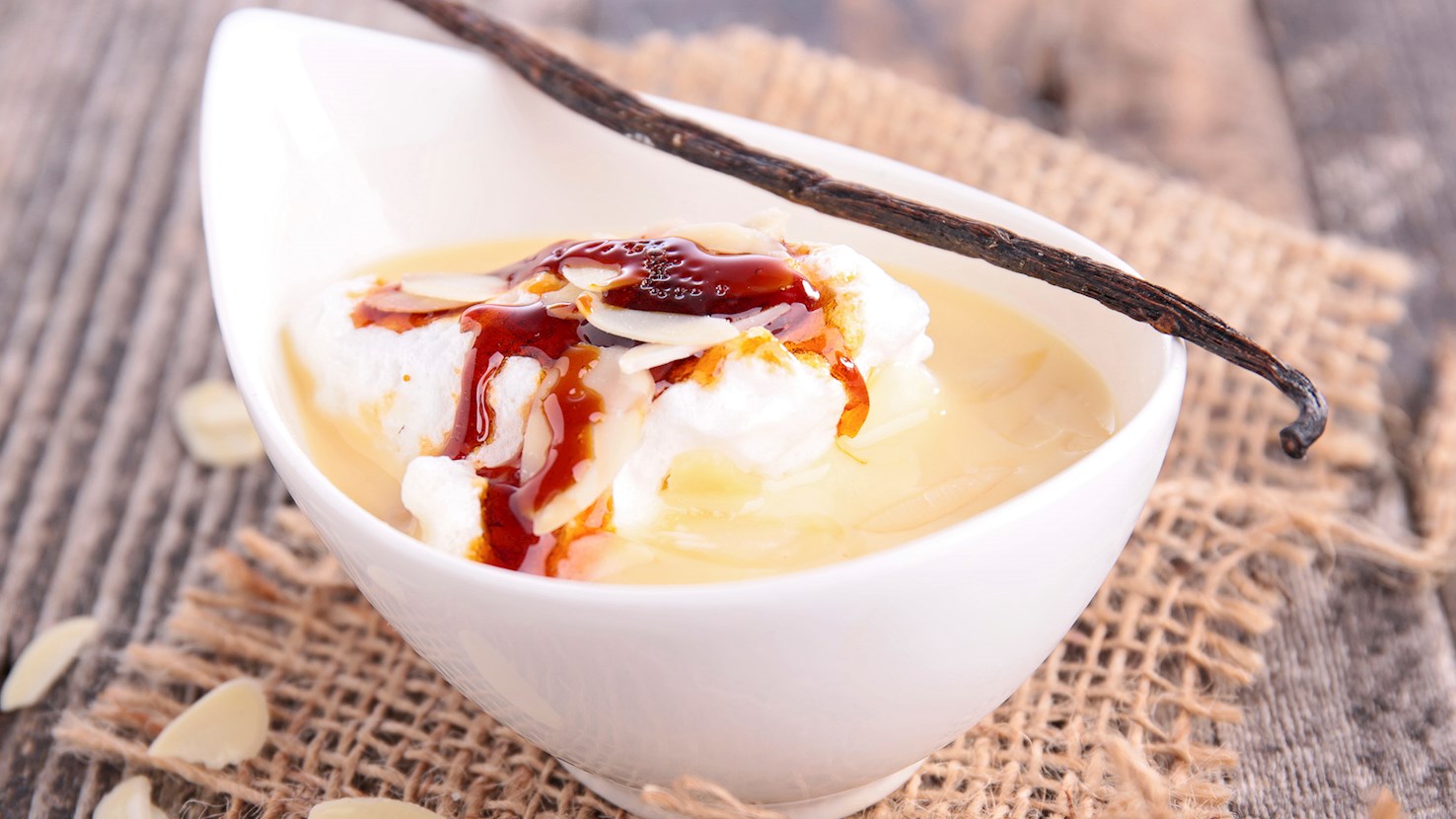
Île flottante or floating island is a popular dessert originating from France, consisting of meringues that are poached in vanilla custard and often topped with caramel sauce and toasted almonds. The meringues are usually made from whipped egg whites, sugar, and vanilla extract. This classic dessert is one of the staples of French comfort food, although it is popular internationally, sometimes with small tweaks and variations, in countries such as Austria (Schneenockerln), Hungary (Madártej), Croatia and Serbia (šnenokle), and Italy (uova di neve). In France, it is usually served in bistros, canteens, and hip restaurants. Although it is an extremely popular dessert, its inventor still remains unknown. Light, fluffy, and low in fat, floating island is believed to taste the best when served cold (or in some cases, at room temperature) after a big meal, although it can be consumed on its own, as a tasty mid-day treat.
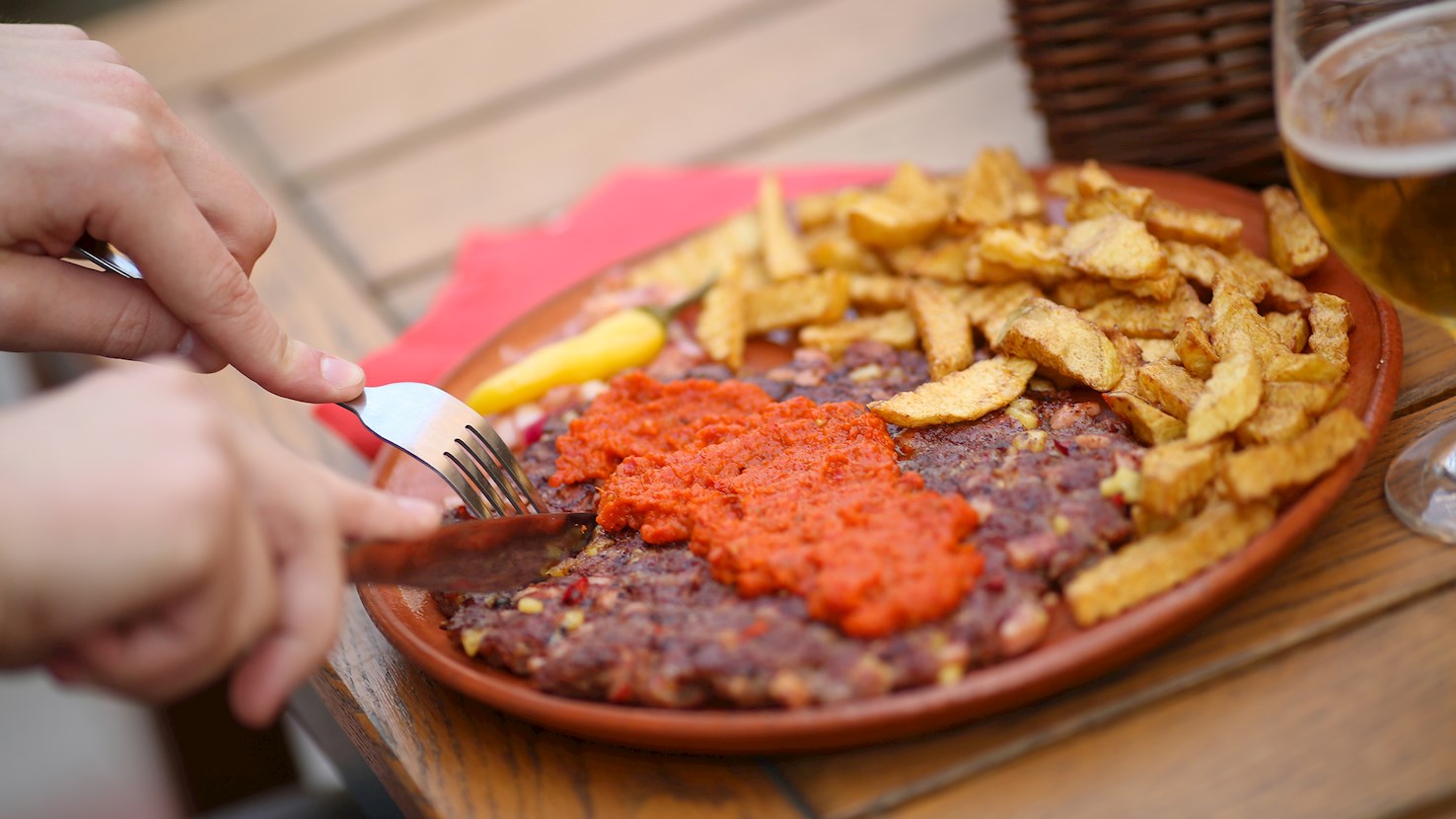
Pljeskavica, a Serbian national dish also known as the Serbian hamburger, is a flat, round patty made from minced beef, pork, and veal, or a combination of the three, with the addition of selected seasonings such as paprika, salt and pepper, and in some cases, finely minced onions and garlic. It is a simple dish that is hard to master, as the ratio of meat and fat is extremely important in the preparation process. Flavorful and juicy, the word pljeskavica comes from the word pljeskati, meaning to clap, since this is the motion made when forming the patties that are then grilled on both sides to a smoky brown color, with typical grill marks on both sides. Traditionally, the meat is then placed inside a thick flatbread called lepinja, which is as equally important as the meat - it should not be too dry, cold, nor crumbly, but moist, springy, and warm. The perfect pljeskavica should be juicy, perfectly spiced, and preferably topped with kajmak–a rich, clotted, slightly salty, local cream cheese. Along with kajmak, the perfect accompaniments to the meat include finely chopped fresh onions, bell peppers, or pickled vegetables known as turšija, but the list of possible condiments is a long one, since pljeskavica pairs extremely well with a large number of different ingredients. There are also two significant varieties of pljeskavica: one is called gourmand's pljeskavica and has hot pepper flakes, tiny cheese cubes, and pieces of bacon dispersed throughout the meat, and the other one is called stuffed pljeskavica with sliced cheese, bacon, and sometimes ham inside the meat.
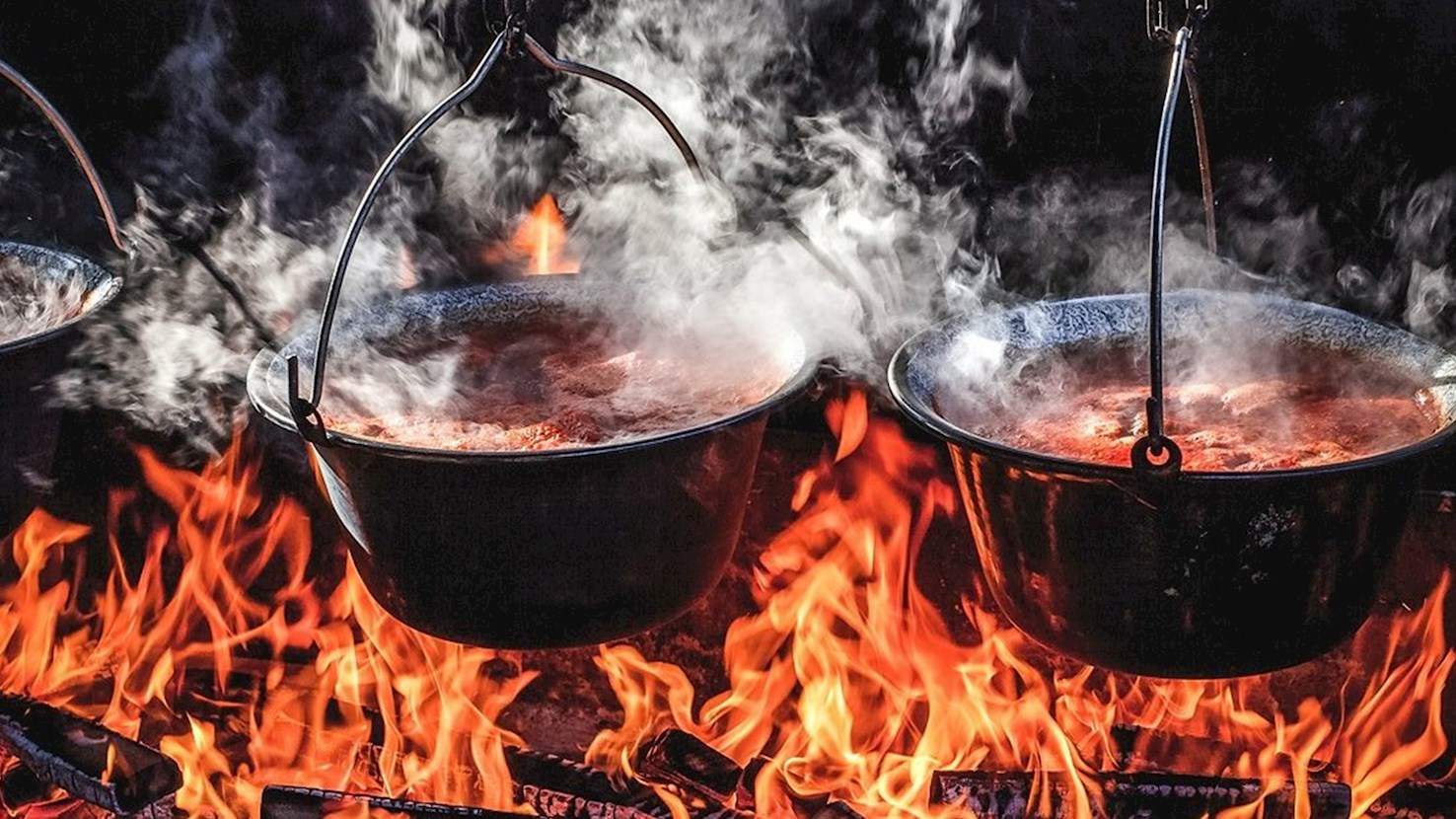
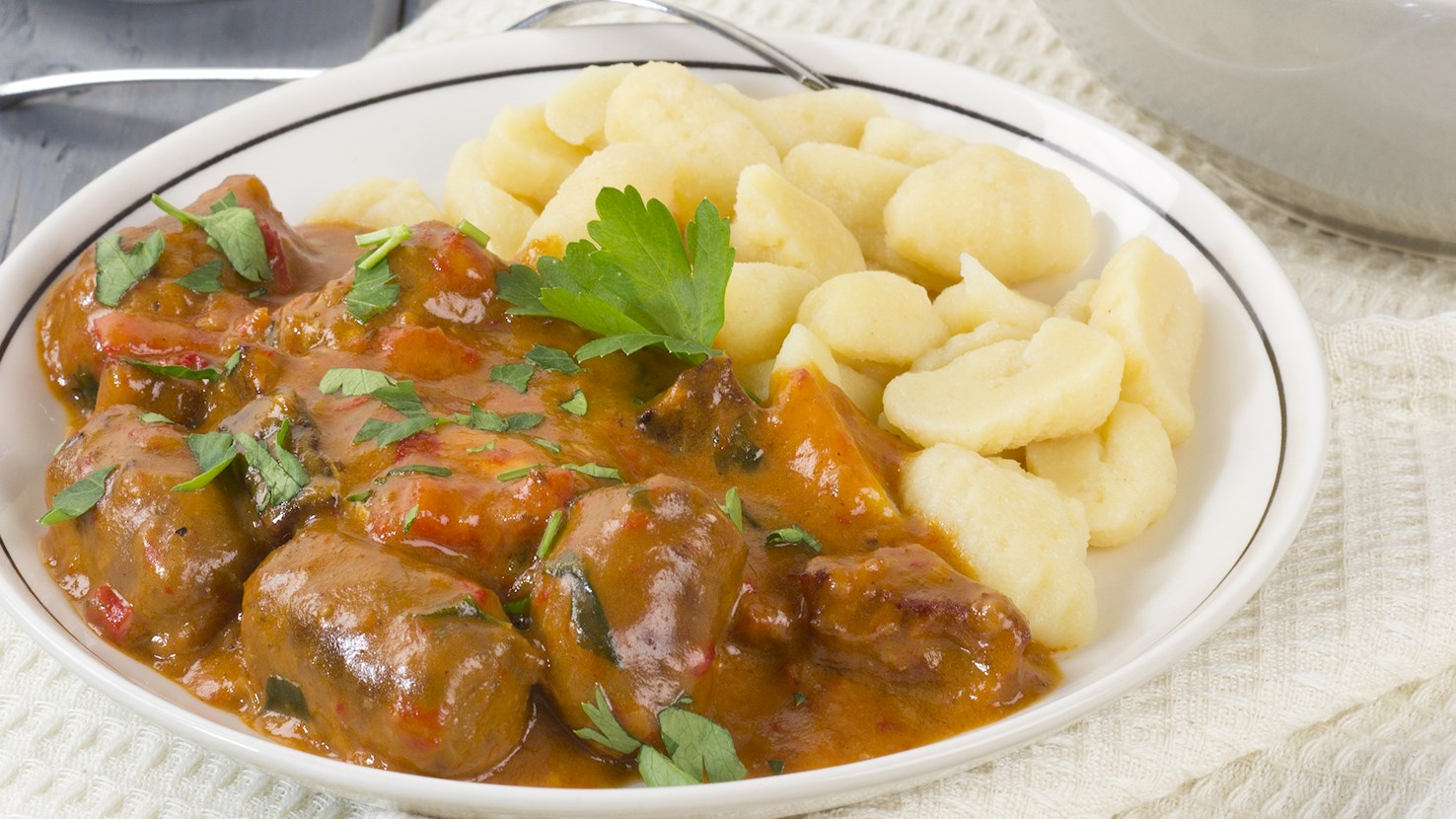
Fiš paprikaš (or hal paprikas in Hungary, with the addition of sour cream) is a traditional stew cooked in a big cauldron over an open fire. This spicy fish stew is traditionally made with a variety of freshwater fish such as catfish, starlet, pike, and carp. The stew is heavily flavored with large amounts of the region's staple – ground red paprika, which can range from mild to very hot. Fiš paprikaš is often served with homemade noodles, and it is so popular in the region that there are numerous fiš cooking competitions organized throughout the year. The dish is traditionally accompanied by hot ground paprika on the side so each person can increase the spiciness according to personal preferences.
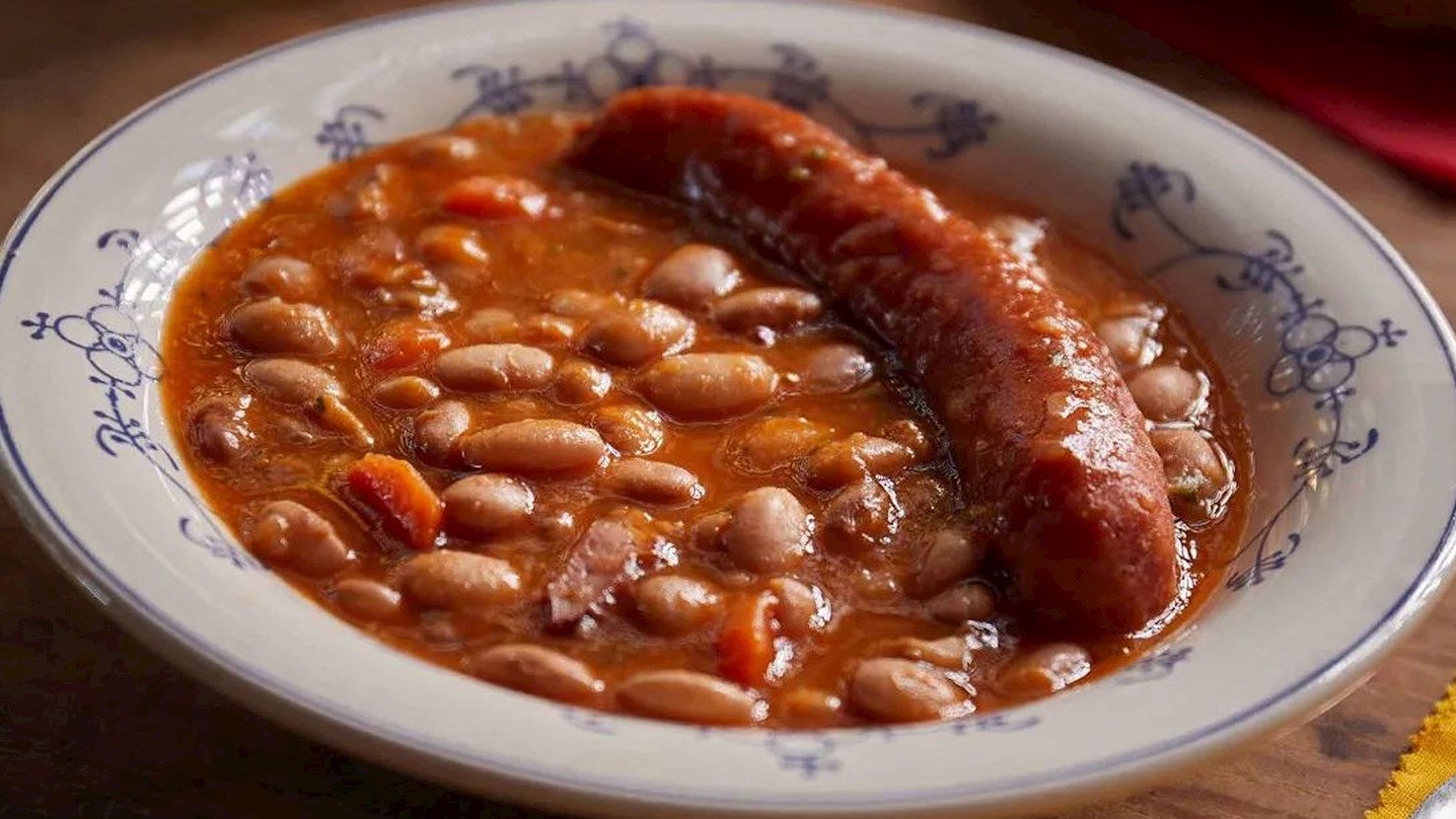
Pasulj is a popular Serbian bean soup that is traditionally prepared with white beans. The beans are usually simmered with sausage, bacon, or ham, and vegetables such as onions and carrots. Paprika, bay leaves, and garlic are commonly used as seasonings in the soup. Pasulj is a typical representative of Serbian comfort food, and it is also very popular throughout the Balkans, especially in the neighboring countries. It is recommended to serve the dish with some crusty bread or sliced raw onions on the side.
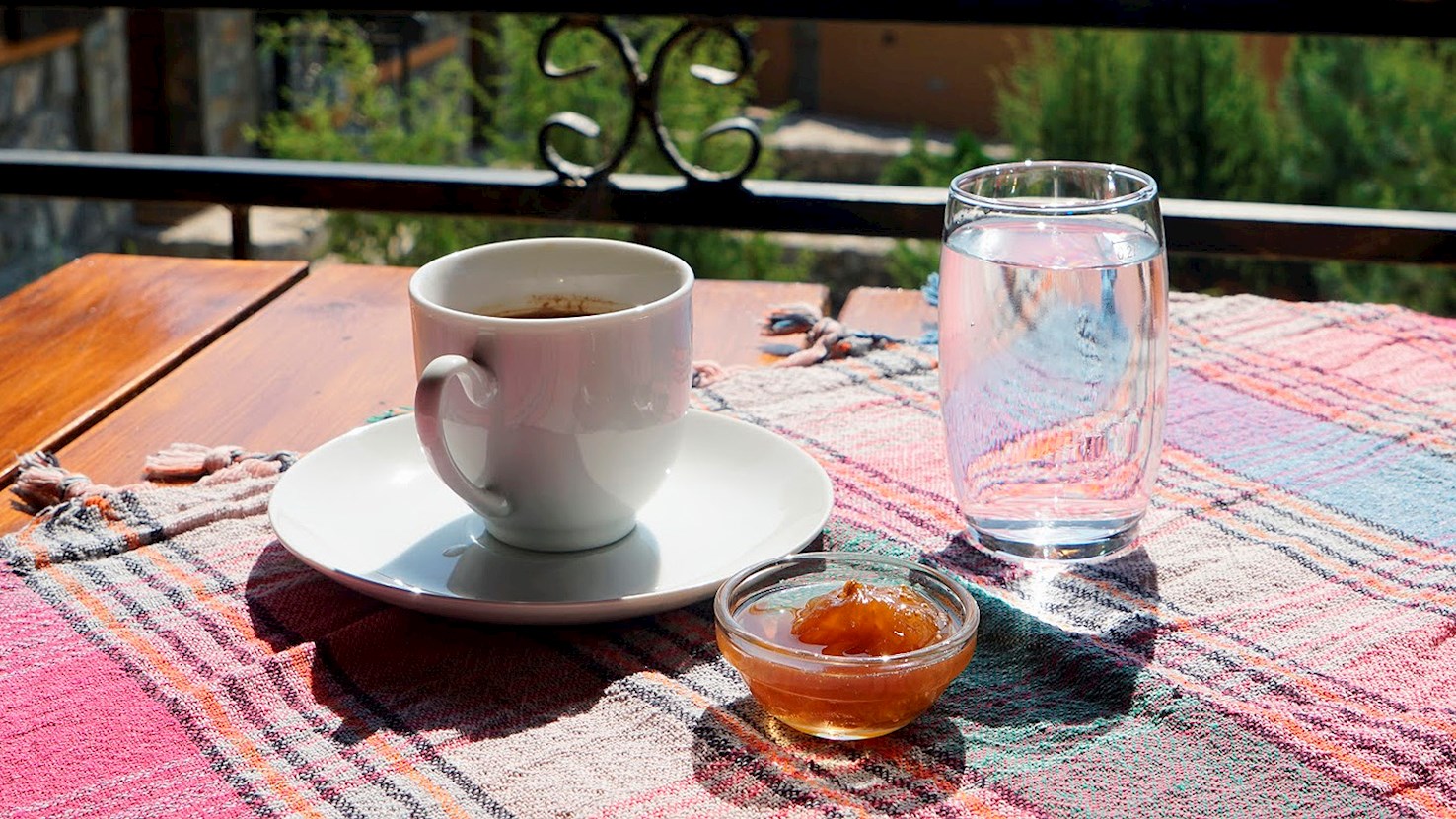
Slatko is a Serbian fruit preserve that consists of distinguishable, usually whole pieces of fruit that are doused in a thick, sugary syrup. It can be prepared with various types of fruit such as quinces, watermelon rinds, cherries, raspberries, strawberries, blackberries, figs, grapes, plums, prunes, and even rose petals, while sugar-based syrups can often be flavored with vanilla, lemon juice, cinnamon, or cloves. Serbian slatko, which translates as sweet, is a sign of hospitality that is traditionally offered as a warm welcome to guests. It is always served in small glass bowls and the guests should customarily enjoy only a spoonful of the preserve. A portion of slatko is usually accompanied by a glass of water and is typically followed by coffee and traditional plum brandy (rakija). Slatko is closely associated with the Greek spoon sweets, while similar preserves can also be found in Montenegro and Bulgaria.
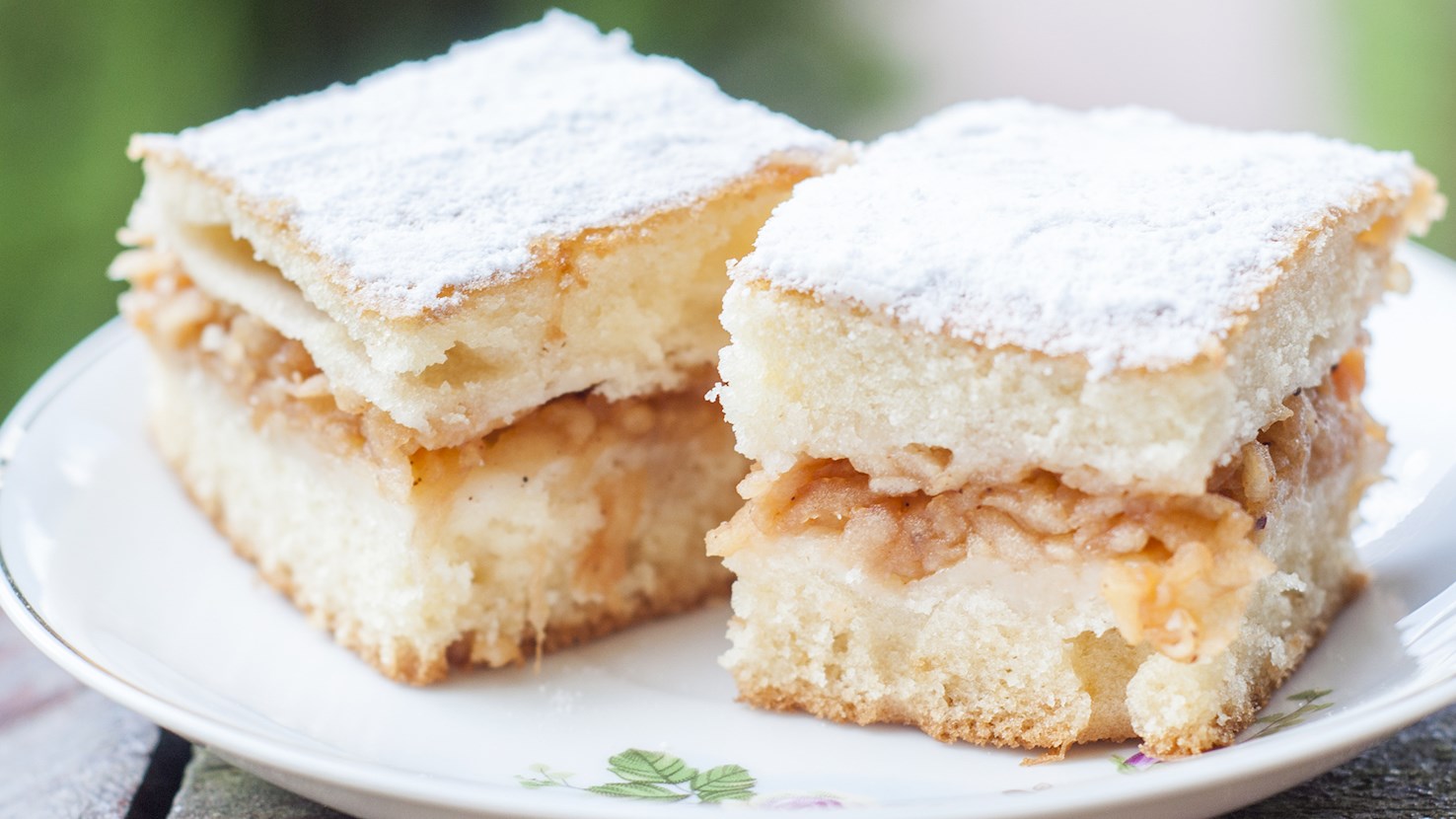
Lenja pita or lazy pie is a traditional dessert consisting of two layers of biscuit with either a fruit filling, cheese, or nut filling sandwiched in between. The name of the dish refers to the fact that this cake is inexpensive and easy to prepare. The dough consists of eggs, sugar, oil, flour, yogurt, and baking powder, while the fruit filling may be prepared with apples, cherries, blueberries, and similar forest fruits. The version with cheese is also very popular, as is the one with poppy seed filling. The cake is traditionally served sliced and dusted with powdered sugar.
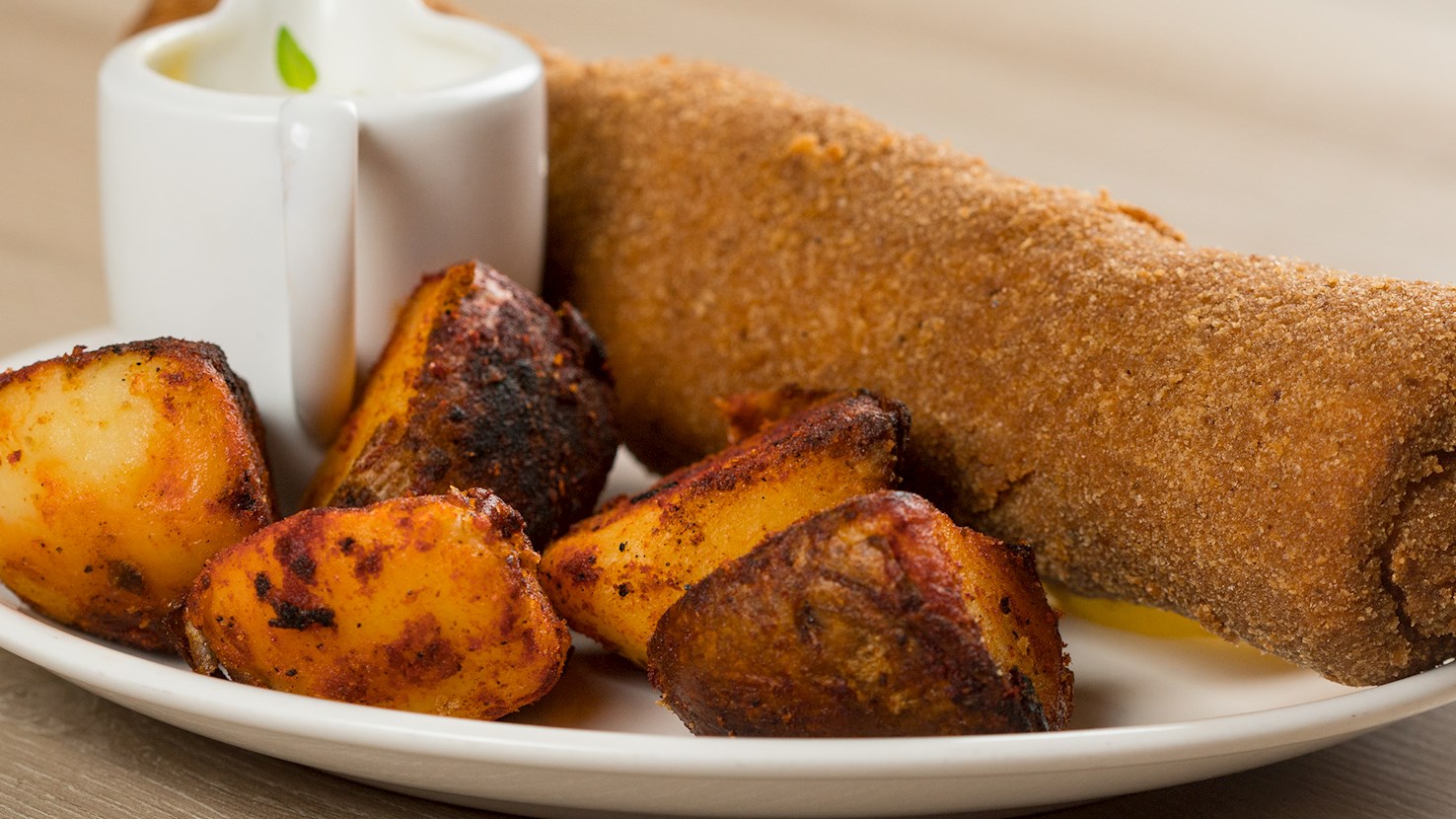
Karađorđeva šnicla is a traditional dish consisting of veal or pork cutlet that is filled with kajmak, then rolled in breadcrumbs and fried in hot oil. The cutlet was created in 1956 by a chef Mića Stojanović, who would later become a personal chef to Josip Broz Tito, the president of the former republic of Yugoslavia. The chef claims he invented it out of necessity at the restaurant Golf in Belgrade, and named it after the Serbian Prince Karađorđe. Today, the dish is a staple at many traditional restaurants and is typically accompanied by roasted potatoes, a lemon wedge, and tartar sauce on the side. The other name, devojački san (maiden's dream) refers to the phallic shape of the dish.
Pörkölt is Hungary's national stew, its name derived from the word pörkölni, meaning to roast or singe. The stew is made from meat such as beef, lamb, pork, or chicken, simmered in a red sauce with lots of onions, garlic, and paprika powder. It is traditionally served with dumplings, boiled potatoes, or pasta, and it is recommended to pair it with a Hungarian fruit brandy. Pörkölt's history is closely linked to the traditional Hungarian goulash, as both dishes were originally prepared as peasant meals that made hefty use of powdered paprika. Today, there are many varieties of pörkölt, with the names accordingly matching the key ingredient used in the dish, such as pacalpörkölt (tripe), marhapölkört (beef), and borjupörkölt (veal). In the Czech Republic, pörkölt is traditionally made with pork, dark bread, caraway seeds, and dark beer.
The index sendvič (lit. index sandwich) is a popular, hearty sandwich from Novi Sad, Serbia, particularly loved by students due to its affordability and filling nature. The sandwich is typically made with a large, soft white bread roll (kifla in Serbia) and filled with a combination of savory ingredients. The classic indeks sandwich usually is filled with layers of ham, cheese, and mushrooms, all topped with sour cream, ketchup, and mayonnaise. The sandwich is then often grilled or baked until the cheese melts, creating a warm, crispy, and gooey treat. Variations may also include additional ingredients like pickles, different seasonings, types of cheese, and vegetables. But in general, the sandwich is customizable as when ordering, one chooses what he or she would like in the sandwich. It is named "indeks" (index) after the booklet that university students in Serbia use to record their grades, as it was invented as a cheap and filling meal fitting for a student's budget. It became a symbol of student life in Novi Sad, but these days, it is eaten by everyone, and it's a popular street food.
TasteAtlas food rankings are based on the ratings of the TasteAtlas audience, with a series of mechanisms that recognize real users and that ignore bot,
nationalist or local patriotic ratings, and give additional value to the ratings of users that the system recognizes as knowledgeable.
TasteAtlas Rankings should not be seen as the final global conclusion about food. Their purpose is to promote excellent local foods,
instill pride in traditional dishes, and arouse curiosity about dishes you haven’t tried.






What People Say