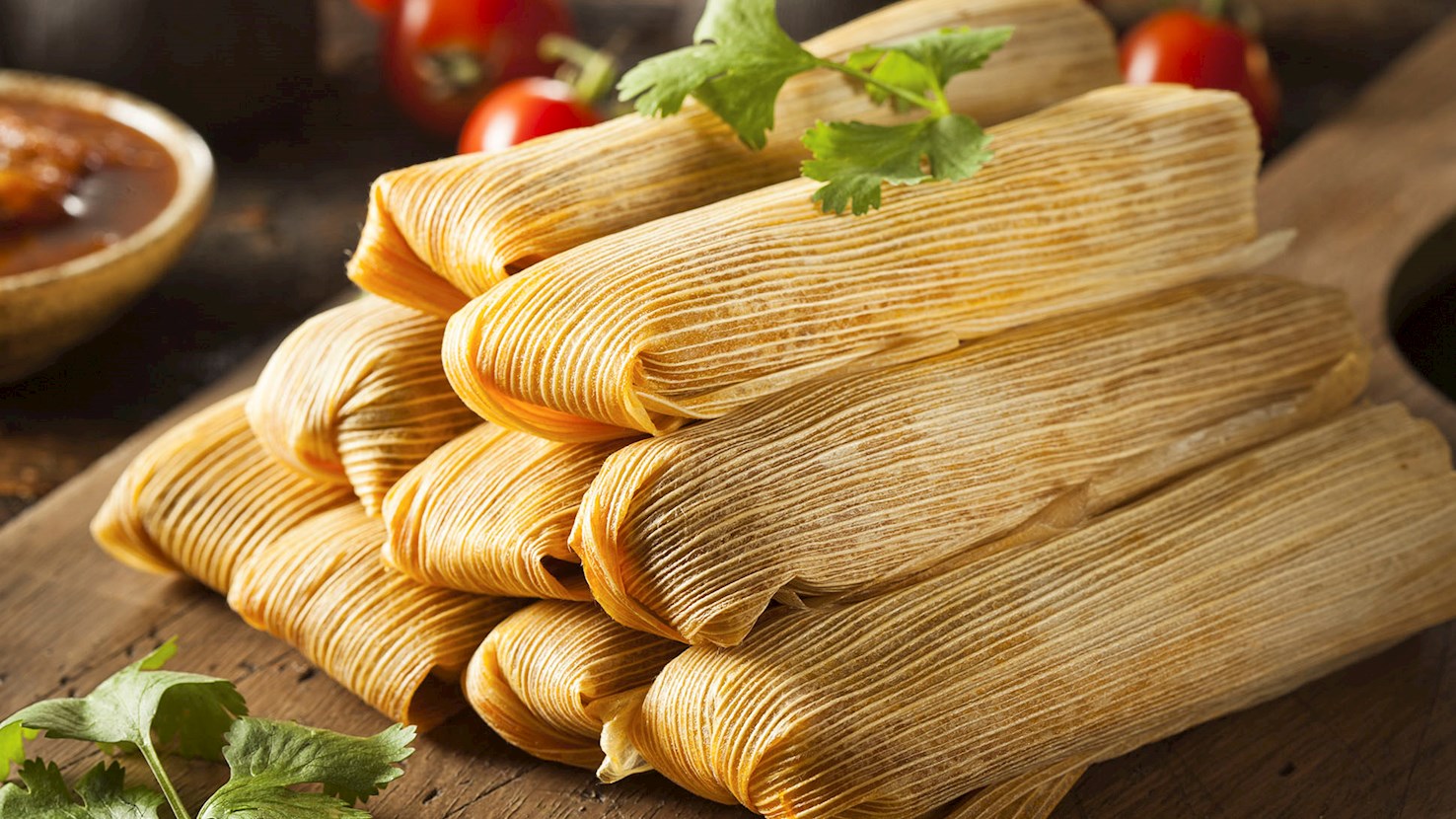
Tamal is a dish dating back to the Aztecs, consisting of corn masa dough with a filling that can be either savory or sweet, steamed and wrapped in corn husks, leaves, or banana leaves. The tamales are traditionally accompanied by atole, a masa drink. Even though it is common for Mexican food to be served with a variety of sauces and salsas, tamales are the exception because they are usually eaten plain and simple without any sauces, although it is not a rule set in stone. One of the first records of tamales dates back to the 1550s when the Spaniards were served the dish by the Aztecs who made them with beans, meat, and chiles. Today, the fillings can be anything from beans to chicken, fish, pork, hard cooked eggs, pumpkin seeds or squash. Tamales rojo (red tamales) are filled with shredded meat such as beef or pork in a red chili sauce. Tamales verde (green tamales) have the same meat and a different sauce made from sour, green tomatillos. Tamales dulce, the sweet variety, is filled with dried fruits such as raisins or berries. Hot and flavorful tamales vary by region. In Culiacan and Sinaloa, they like them with sweet brown beans, pineapple, and corn. In Oaxaca, tamales are drizzled with the regional speciality called black mole, and in Yucatan, there is a variety with a filling consisting of chicken, tomato, and achiote. Whatever the variety, tamales have a special place in the colorful Mexican cuisine and culture.
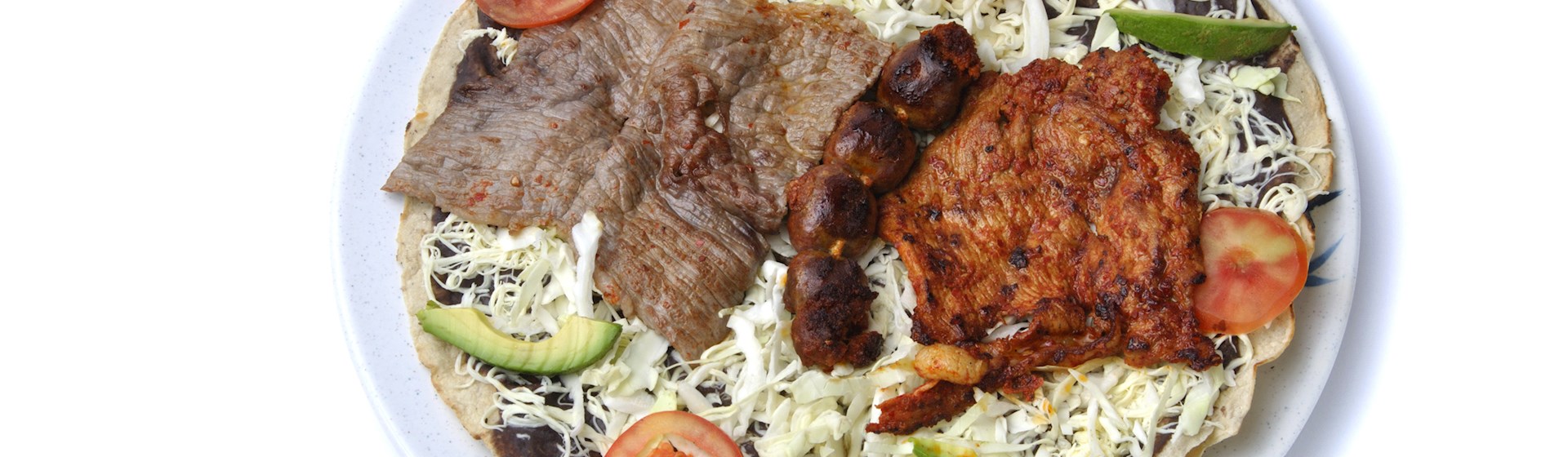
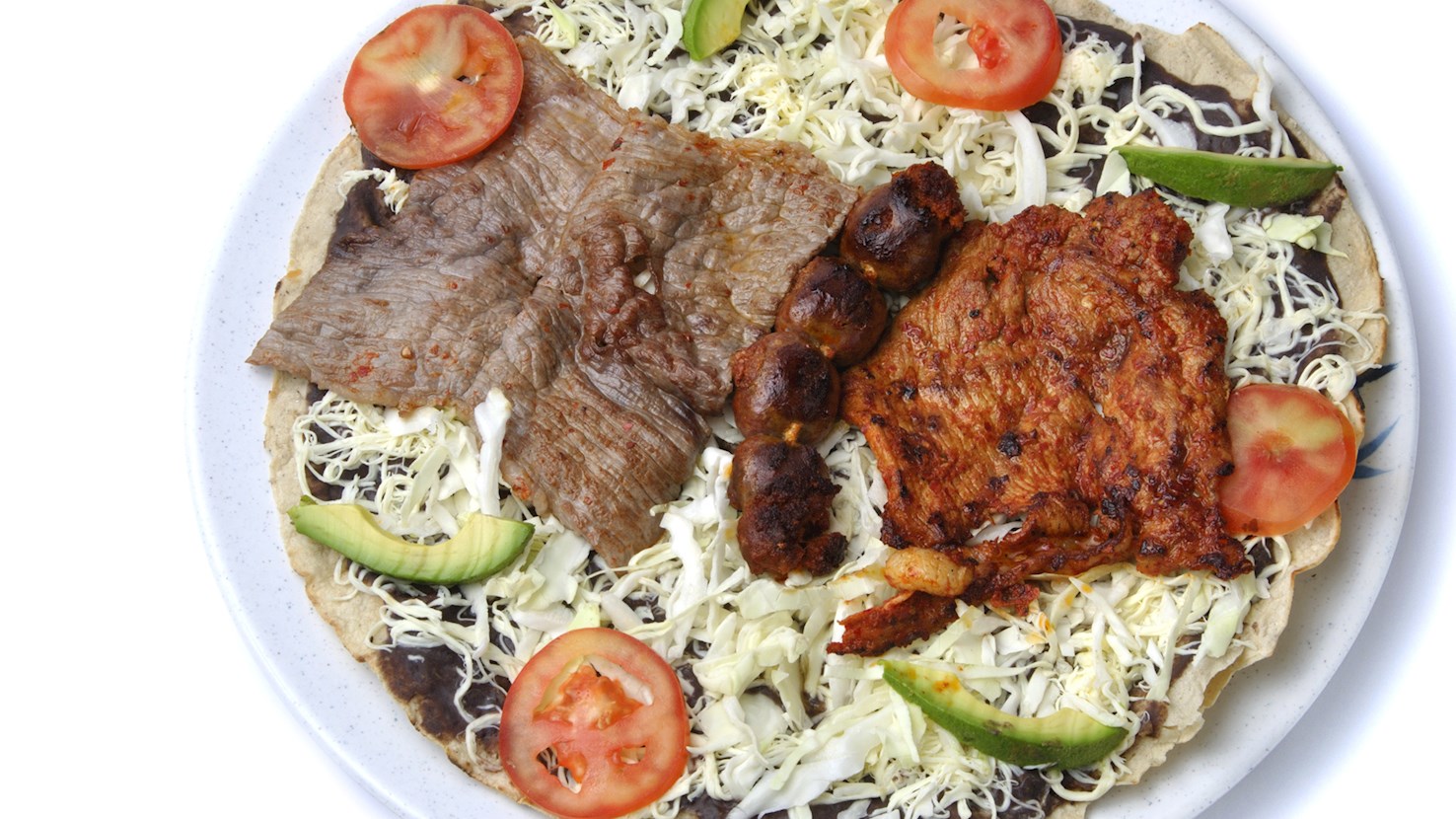
Tlayuda is an Oaxacan street food dish consisting of an oversized corn dough tortilla smothered with asiento lard, refried beans, and quesillo string cheese. The term tlayuda refers both to the dish and the name of the large tortilla. It can be served open-face or folded, and is then additionally topped with a variety of meats, salsas, and guacamole.
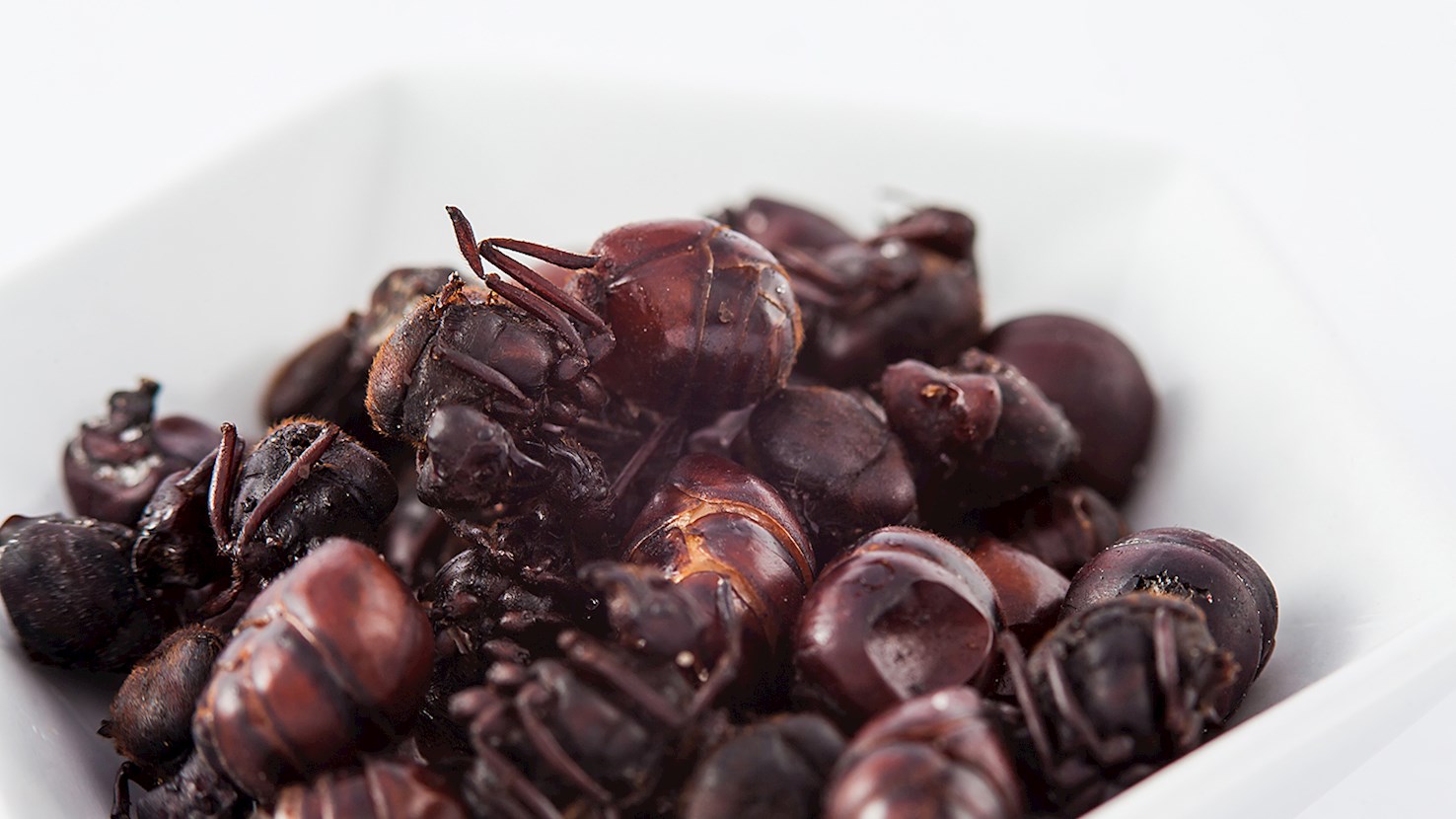
Chicatanas are large Mexican flying ants that appear annually during the first rain of the season because they're trying to flee their flooded nests and search for food sources. In Mexico, people collect them and prepare specialty dishes such as salsa de chicatana, a sauce that's ground in a molcajete with salt, chile de arbol, avocado leaves, and garlic. The smoky sauce is folded in quesadillas, added to soups, or mixed with eggs. The ants can also be toasted on a comal griddle, then consumed as a snack. When mixed with spices and seasoned with salt, the crunchy chicatanas are often served as an accompaniment to mezcal. They're very nutritious and a great source of protein, while the flavor is often compared to pork rinds.
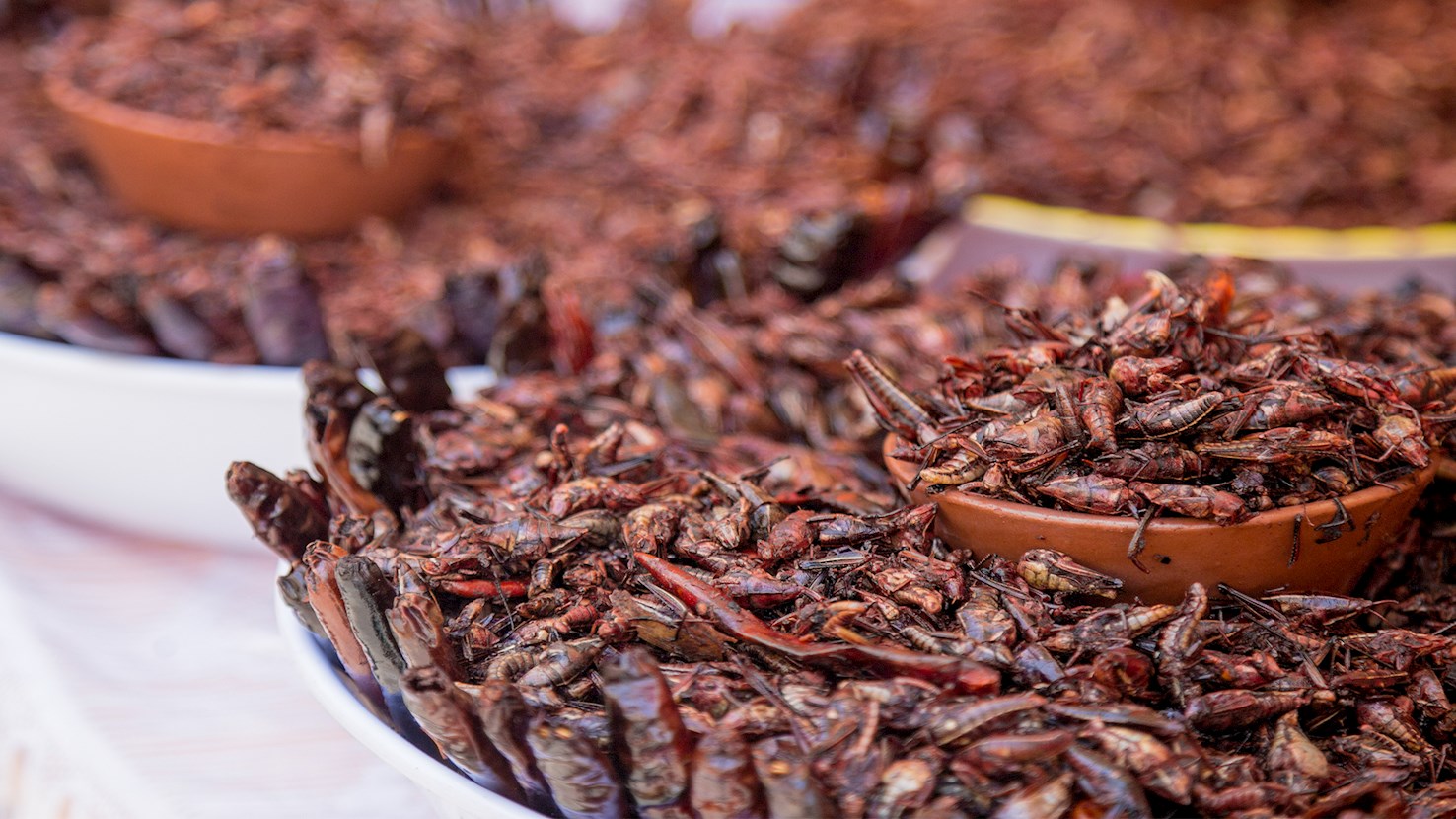
Chapulines are edible grasshoppers that are thoroughly cleaned, toasted on a hot clay griddle, and heavily seasoned with garlic, lime juice, and salt. Walking through a bustling regional market in Oaxaca, you will easily spot these deep red, crispy insects piled high in massive woven baskets. Vendors sell them by the scoop, handing them over in small paper cones to be eaten straight away as a crunchy, high-protein snack. Beyond serving as street food, these toasted insects function as a highly versatile ingredient in many different meals. They get folded into warm corn tortillas with a scoop of fresh guacamole, scattered over massive, crispy tlayudas smothered in melted cheese, or ground directly into fiery salsas to add an earthy, savory depth. Transforming the raw insects into a safe, shelf-stable snack requires a very specific cooking process. After being caught in wild alfalfa fields, the live grasshoppers are soaked in clean water to rinse off any dirt or other impurities. Once washed, they are tossed onto a screaming hot comal—a flat clay or cast-iron griddle. The intense heat instantly neutralizes the insects, firms up the interior, and evaporates their internal moisture. As they toast, generous amounts of fresh lime juice, smashed garlic cloves, and coarse salt are thrown onto the griddle. The grasshoppers absorb these acidic, savory liquids, becoming completely brittle and taking on a dark, rusty red color. Flavor profiles and textures shift considerably depending on the specific harvest and the chosen spices. The smallest, youngest grasshoppers offer a delicate, incredibly crispy texture that shatters instantly, while the fully mature adults provide a much denser, meatier chew. Some spice blends rely exclusively on mild dried chilies for a gentle warmth, while other batches feature an aggressive coating of sal de gusano—a pungent, smoky salt blended with ground, toasted agave worms. The practice of harvesting and eating these insects dates back thousands of years to pre-Columbian Mesoamerica, long before European livestock arrived in the Americas. Indigenous groups recognized the dense swarms not as crop-destroying pests but as a crucial, readily available source of daily protein and essential vitamins. Catching them remains a seasonal, labor-intensive task. Harvesters head into the tall grass at dawn, swinging large sweep nets to capture resting insects before the morning sun warms them and they fly away.
TasteAtlas food rankings are based on the ratings of the TasteAtlas audience, with a series of mechanisms that recognize real users and that ignore bot,
nationalist or local patriotic ratings, and give additional value to the ratings of users that the system recognizes as knowledgeable.
TasteAtlas Rankings should not be seen as the final global conclusion about food. Their purpose is to promote excellent local foods,
instill pride in traditional dishes, and arouse curiosity about dishes you haven’t tried.



What People Say