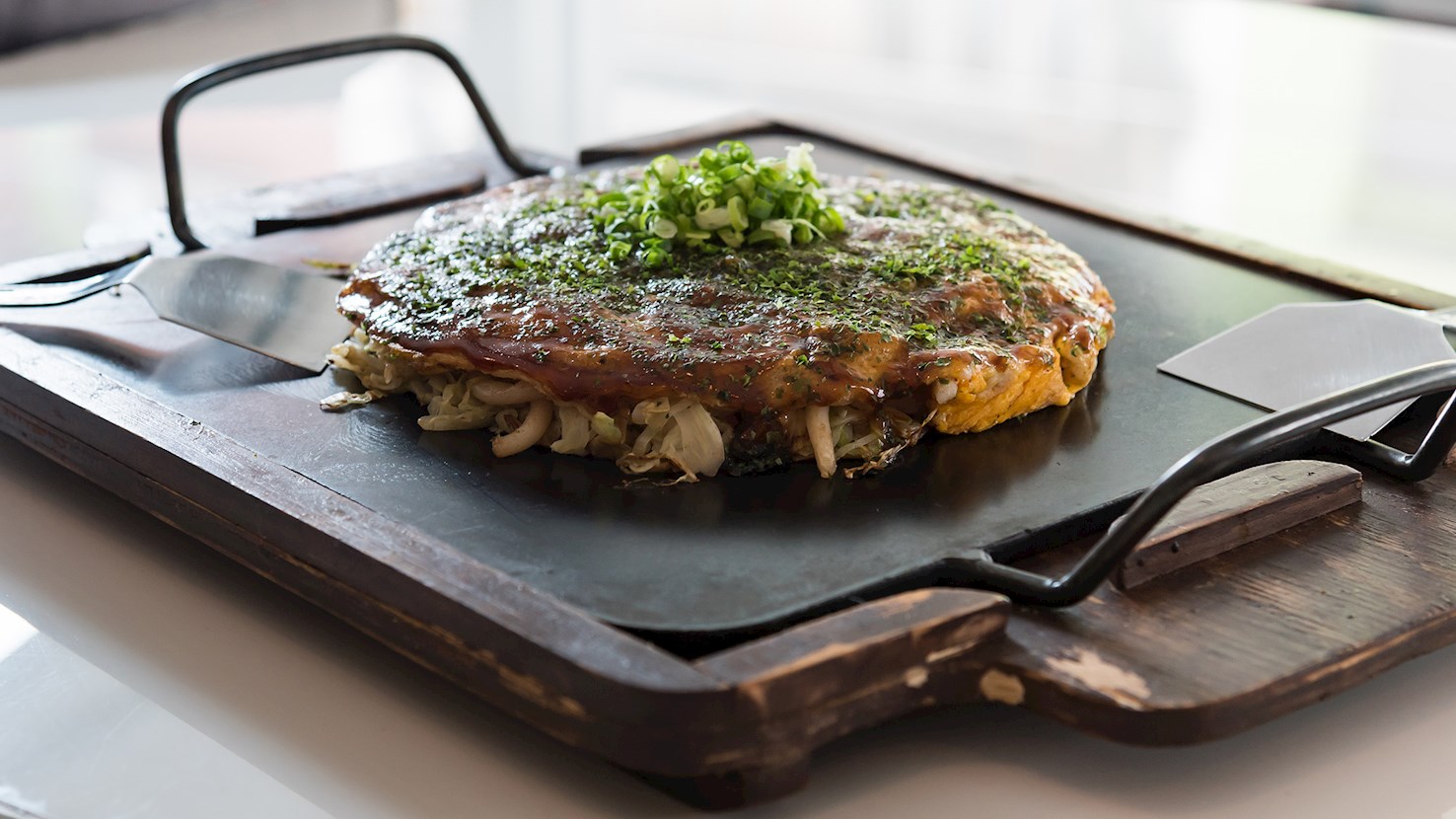
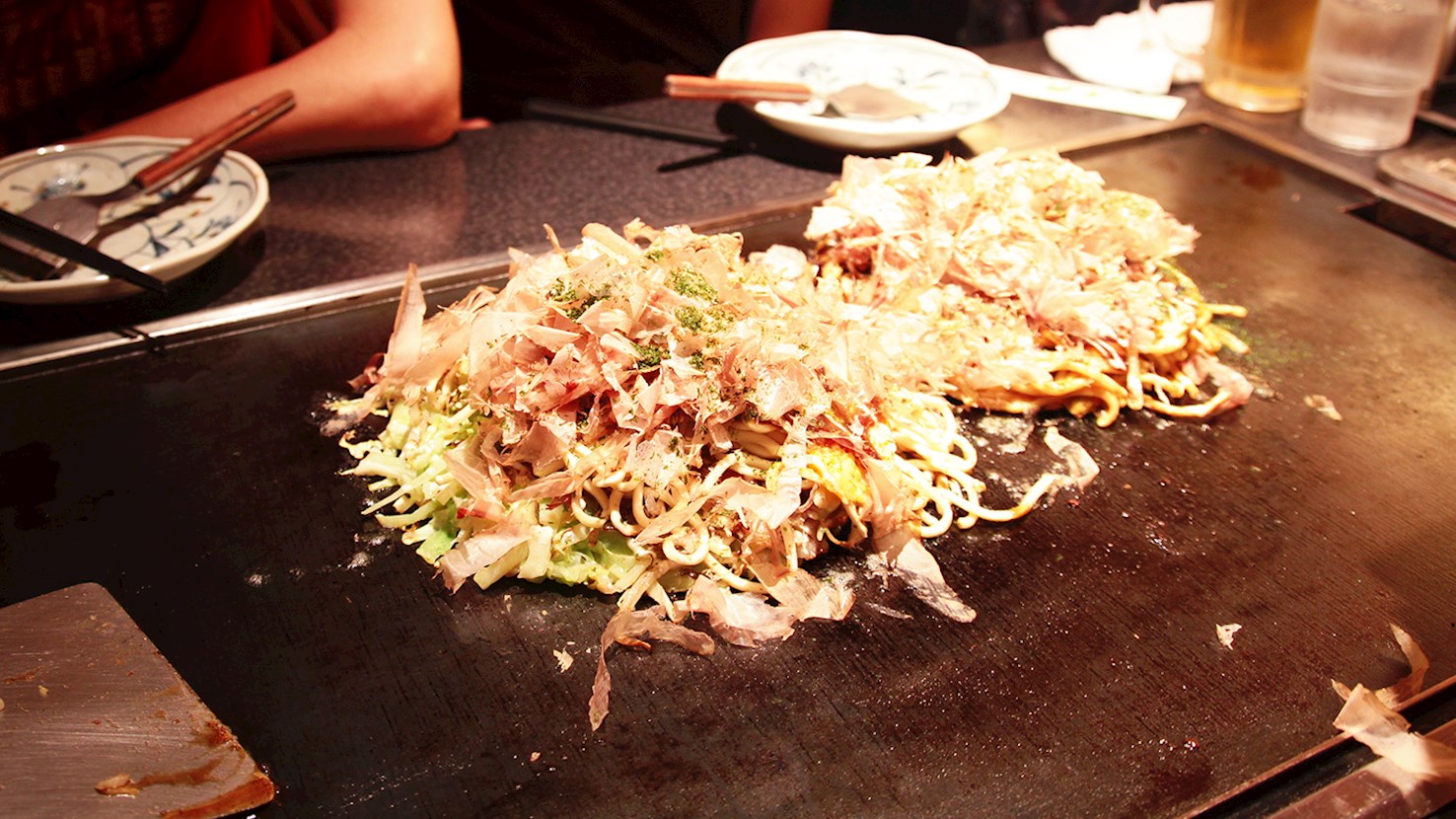
Similar to an omelet or a pancake, okonomiyaki is an immensely popular Japanese dish. The batter is made with eggs, flour, water, grated yam, and shredded cabbage. Additional ingredients such as fish, seafood, meat, vegetables or cheese are also occasionally added to the mix. The batter is then pan-fried, similar to a pancake, and finally garnished with condiments such as Japanese mayonnaise, pickled ginger, fish or seaweed flakes, and topped with a sauce similar to the thick Worcestershire sauce. The dish is eaten everywhere in Japan, but it is usually associated with the Kansai region. Although there are certain disagreements about whether okonomiyaki was developed in Osaka or Tokyo, there is no doubt that Osaka popularized this unusual dish and made it an irreplaceable part of Japanese cuisine. The style and the ingredients of okonomiyaki also depend on the region, the two most prominent varieties are the Osaka and Hiroshima-style okonomiyaki. The Osaka type, also referred to as Kansai, is considered to be the traditional and more popular variety, where the condiments are usually mixed and placed on top of the pancake. The Hiroshima variety often includes yakisoba noodles, larger amounts of cabbage, and the garnishes are typically layered on top of the pancake. Japanese restaurants typically offer two choices - prepare the dish yourself or order the already cooked okonomiyaki.
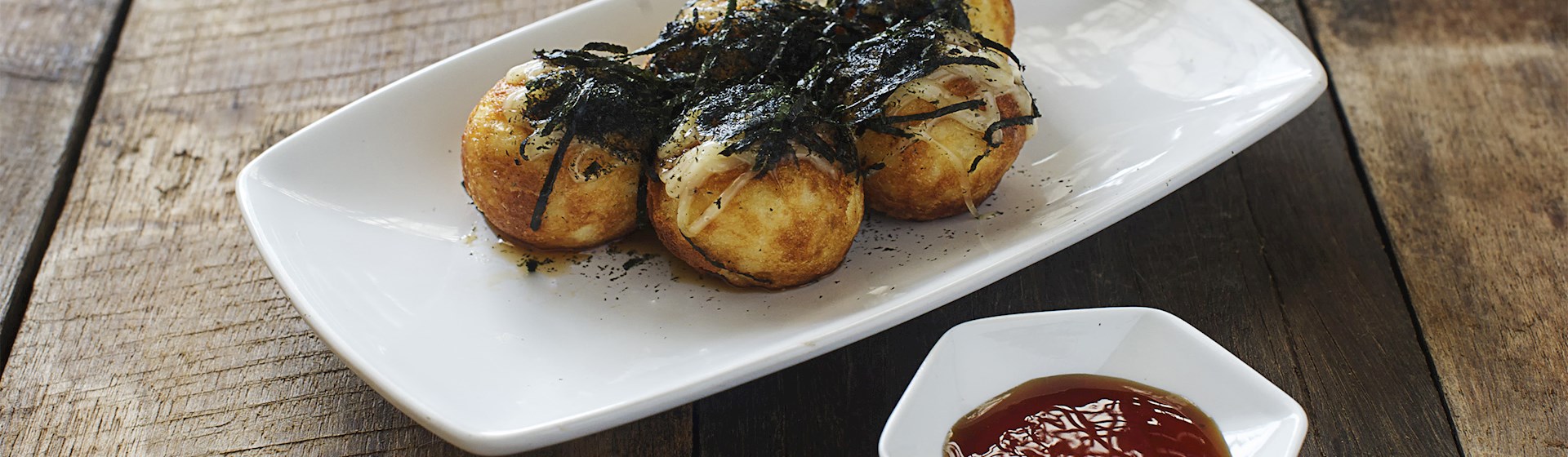
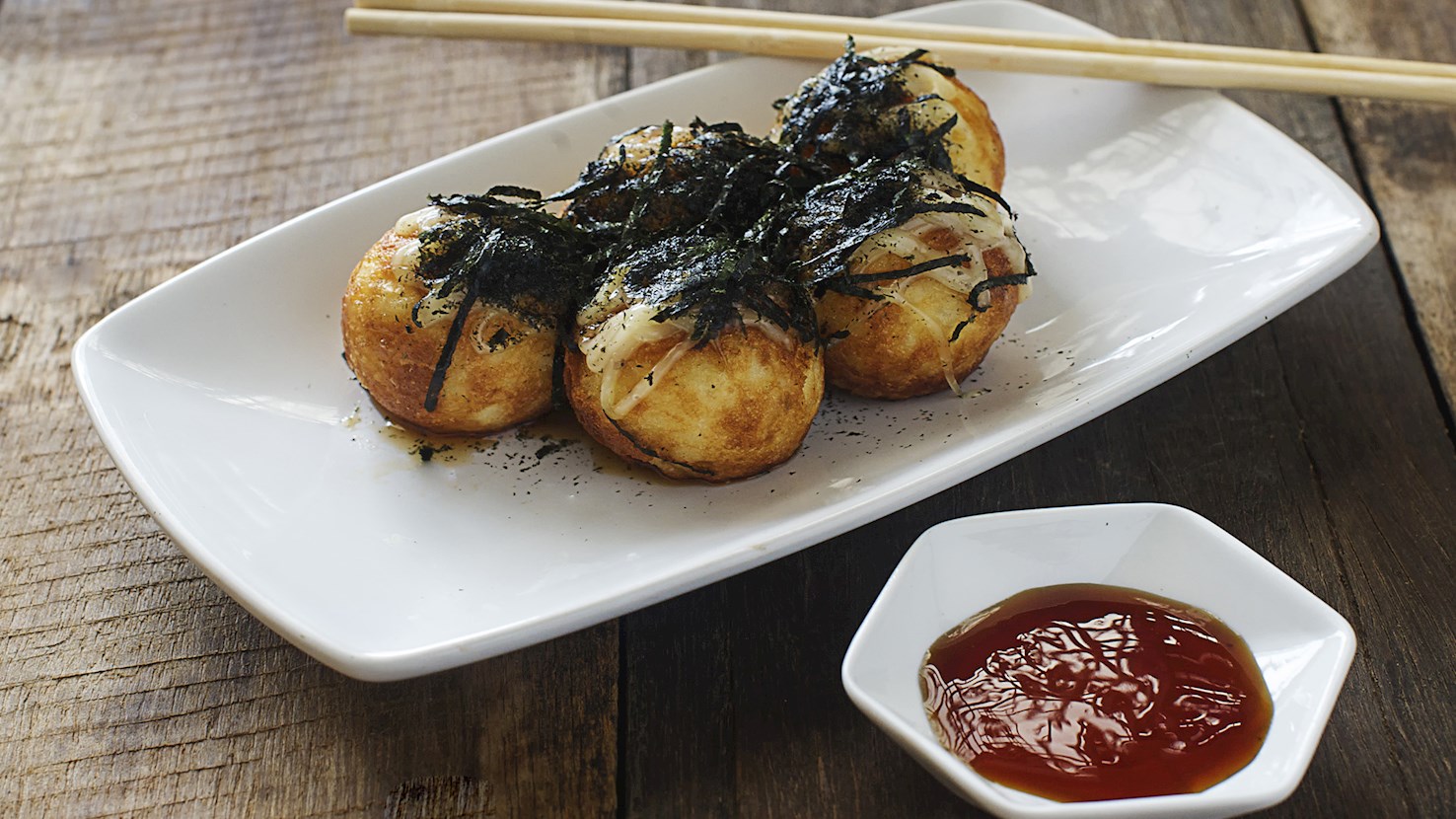
The small, round takoyaki are one of the most famous Japanese snacks, made with a simple egg batter that is enriched with diced octopus pieces. These tiny balls get their signature shape from the traditional iron pan in which they are grilled. The pan is filled with small round molds in which the batter is poured and swirled until the traditional round shape has been developed. The creamy egg mix consists of wheat flour, soy sauce, and dashi stock, and after it has been poured into the sizzling molds it is topped with tender octopus pieces. Sliced scallions, pickled ginger, crispy fried tenkasu pieces, and dried fish flakes are often incorporated to elevate the flavors of the dish. Takoyaki is believed to have originated in Osaka in 1935, and the invention of this Japanese classic is usually linked to Endo Tomekichi, a street vendor who used to sell chobayaki pancakes which were baked in similar molds. He added boiled octopus and other flavorings to create what would become one of the favorite Japanese snacks. Although octopus is the traditional complement to takoyaki, homemade varieties can include many different ingredients. Takoyaki can be found everywhere in Japan: at numerous food courts, stores, bought from street vendors, or served in specialized takoyaki restaurants. They are always served hot and are usually sold in packs of eight or twelve pieces. Traditionally, each serving is topped with a thick takoyaki sauce (similar to Worcestershire sauce), Japanese mayonnaise, a sprinkle of dried seaweed, and a layer of smoky fish flakes.
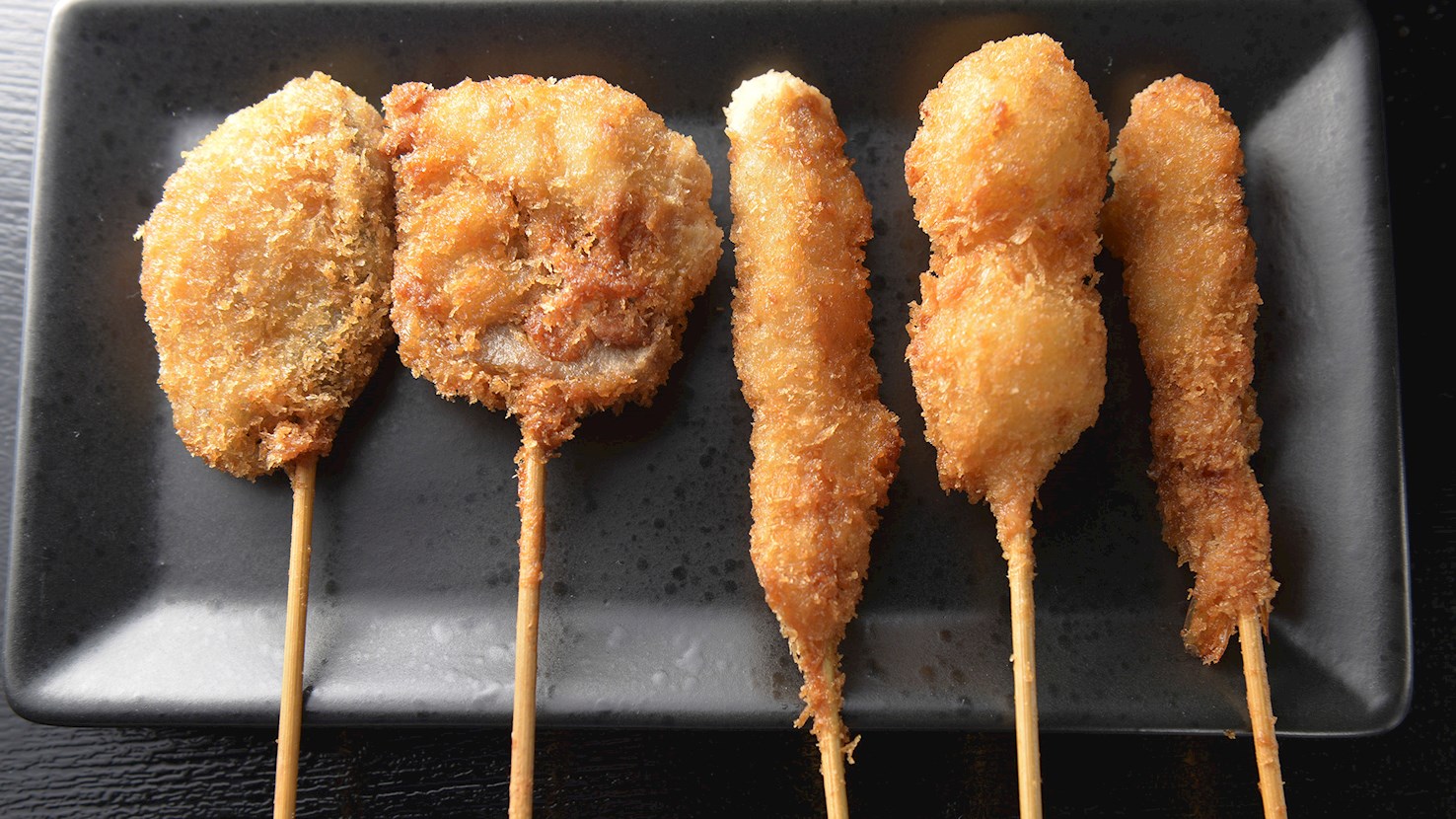
Breaded, skewered with a bamboo stick and deep-fried, the delectable bite-sized pieces of various fish and seafood, pork, chicken, beef, and even horse meat or fresh vegetables are collectively called kushiage, also kushikatsu, and originate from Osaka, a city aptly nicknamed the kitchen of Japan. Kushiage first appeared in the 1920s in Shinsekai, but today, these incredibly popular fried skewers can be enjoyed anywhere from numerous street food stands to kushiage-specialized restaurants that offer a truly unique Japanese dining experience. And while the street snack version of kushiage is simply served with a Worcestershire-like brown sauce which comes in a communal pot, the gourmet kushiage prepared at high-end Asian fusion restaurants is amazingly creative and sophisticated. It is often counterbalanced by small, refreshing side dishes, and comes served with a variety of dipping sauces and condiments, with each skewer pointing to the recommended dip for that variety of kushiage. These most commonly include the classic kushiage brown sauce, ponzu or soy sauce mixed with vinegar or citrus juice, ichimi or chili salt, sesame sauce, and Japanese Kewpie mayonnaise made with apple cider or rice vinegar. Kushiage menus change according to what’s in season, often featuring a countless assortment of varieties and combinations such as shrimps with shiso basil, crab claws, salmon and cheese, shiitake mushrooms, whole garlic cloves, rice cakes, okra, quail eggs, bacon-wrapped asparagus, lotus root, sea tangle with herring roe, monkfish liver, etc. Some places even offer the kushiage version of a popular Osaka soul food called okonomiyaki, which is a savory pancake-like omelet often referred to as the Japanese pizza. The variations are virtually endless and left for food lovers to discover both in Osaka and beyond.
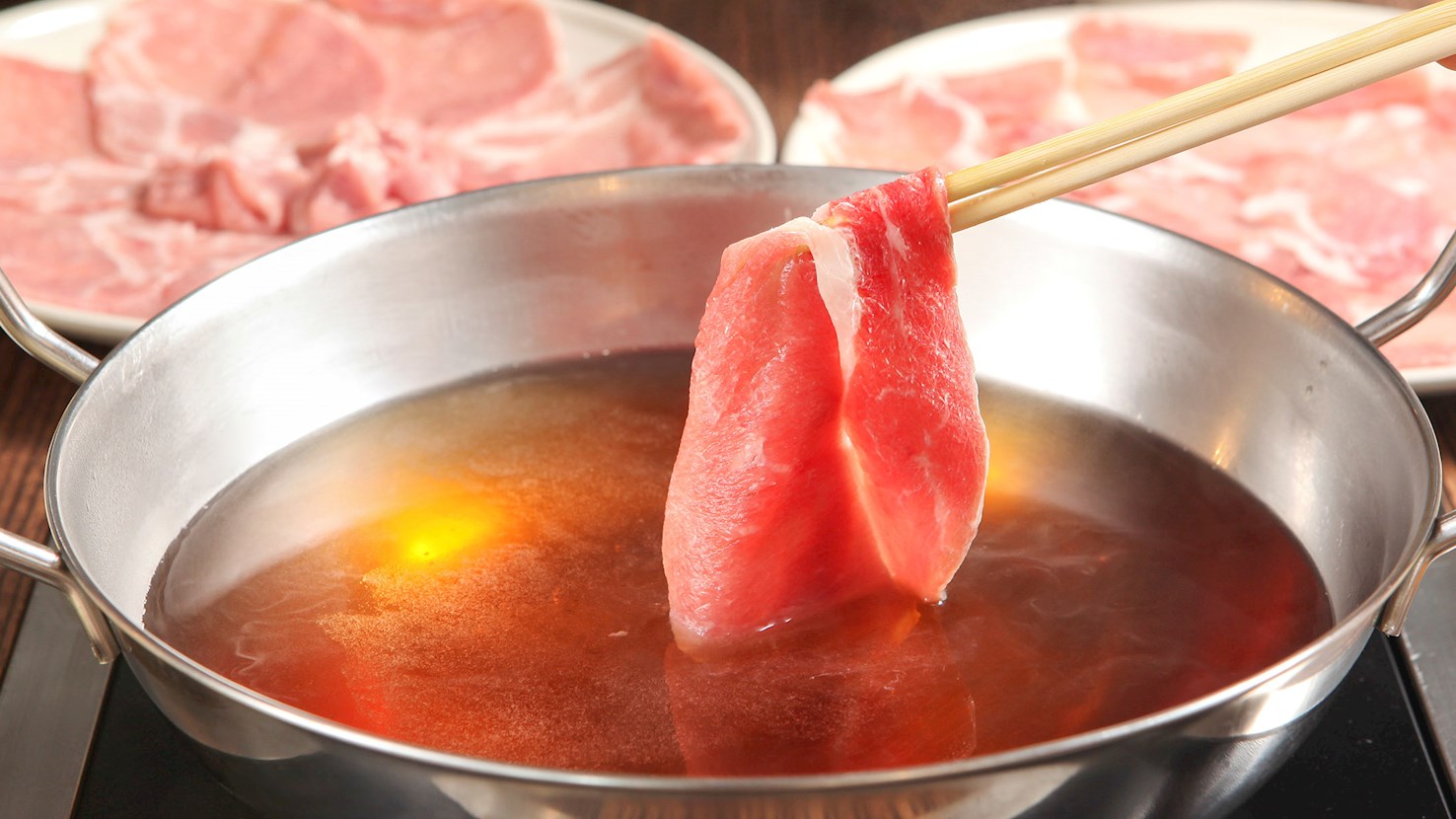
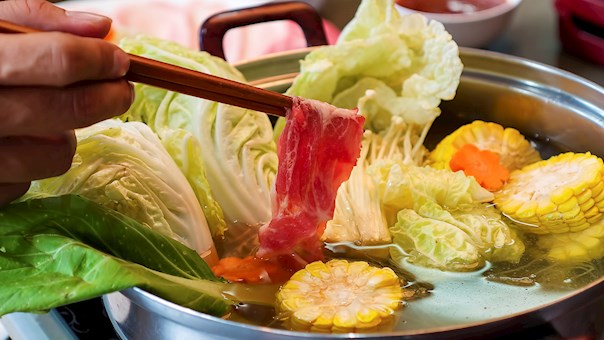
Shabu-shabu is a popular Japanese dish consisting of thinly sliced meat and vegetables cooked in water. The dish is an evolved version of the traditional Mongolian nabemono (one-pot) cooking. Roughly translated to swish-swish, its name is referring to the sound that is made when the sliced pieces of meat go through the water. Although beef is the most popular choice of meat, shabu-shabu can also be prepared with lamb, chicken, pork, duck, crab, or lobster. Steamed rice and a variety of sauces are often served on the side, accompanying the main dish. The dish is typically shared and eaten communally, each consumer dipping a slice of meat in the central pot that is filled with boiling water. Although shabu-shabu originates from China, it was popularized during the 20th century in Osaka, Japan.
Okonomiyaki is a traditional dish that consists of batter and shredded cabbage. Two main variations come from Osaka (also called Kansai-style) and Hiroshima. The Osaka-style okonomiyaki is prepared by mixing the ingredients together – including grated yam, flour, eggs, water or dashi, and shredded cabbage – and pouring the batter on a hot griddle just like a pancake. Additional toppings and ingredients are all mixed into the batter, such as seafood, meat, and scallions, unlike the Hiroshima-style okonomiyaki, which is layered and the ingredients are cooked separately. Once cooked, the dish is topped with a special sweet and sour okonomi sauce, and usually Japanese mayonnaise and bonito flakes.
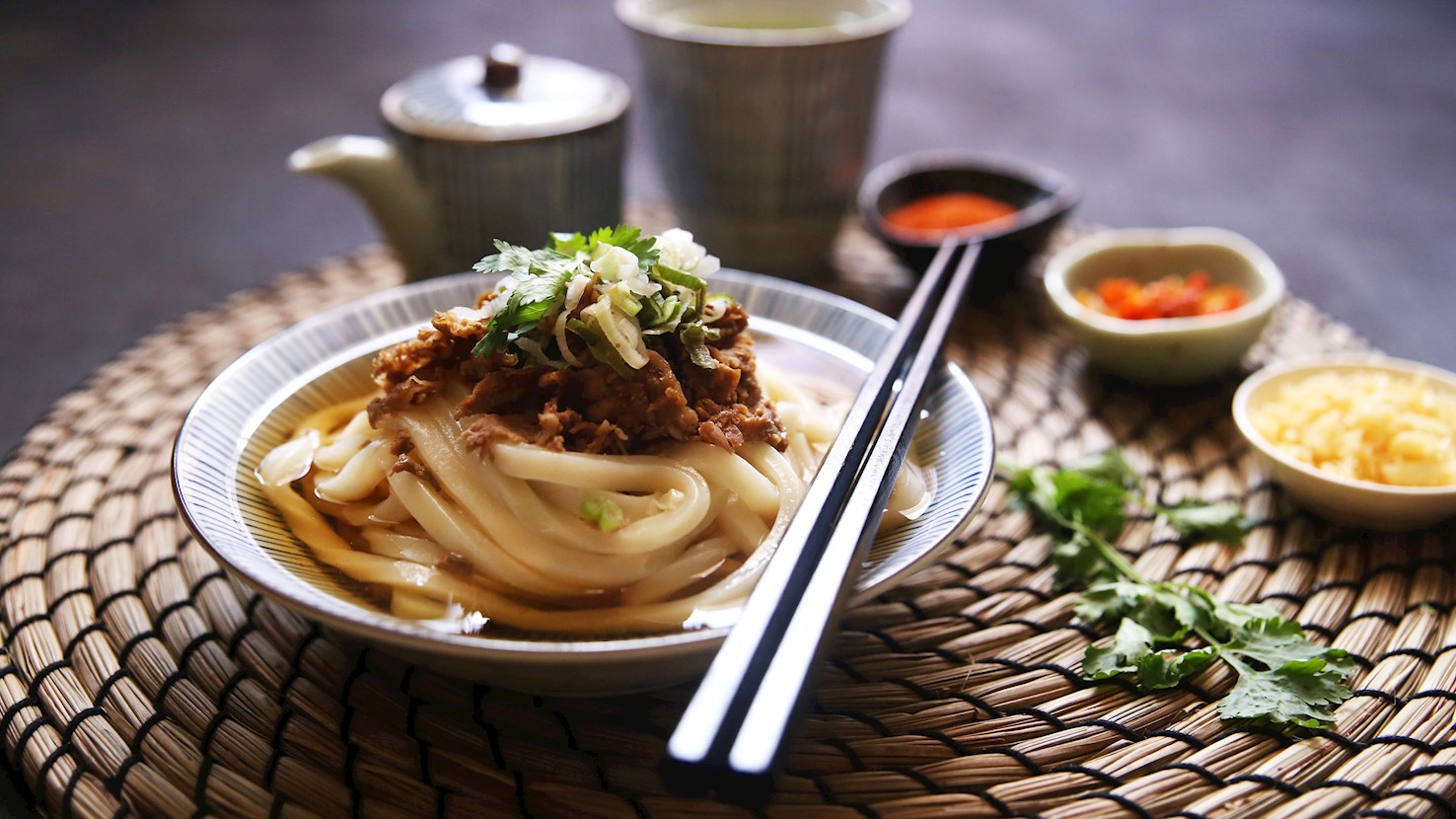
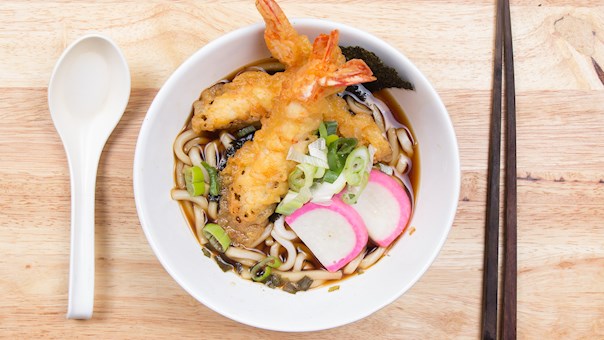
Udon are thick and chewy noodles from Japan made from wheat flour. The noodles are round in shape and they have a firm and chewy texture. In their simplest form, udon noodles are served in kake udon, a noodle soup with a broth made with soy sauce, dashi, and mirin. Although kake udon is served hot, the noodles can also be served in a cold broth, usually during the warmer seasons. The toppings for udon are also seasonal, and they include tempura-battered vegetables, shrimps, sliced spring onions, fried tofu, or rice cakes. When served, udon noodles are picked up with chopsticks, then slurped down loudly. Udon dishes can be found in specialized udon-ya restaurants, buffet-style restaurants, and local eateries. There are numerous regional varieties of these noodles, which differ in size and thickness.
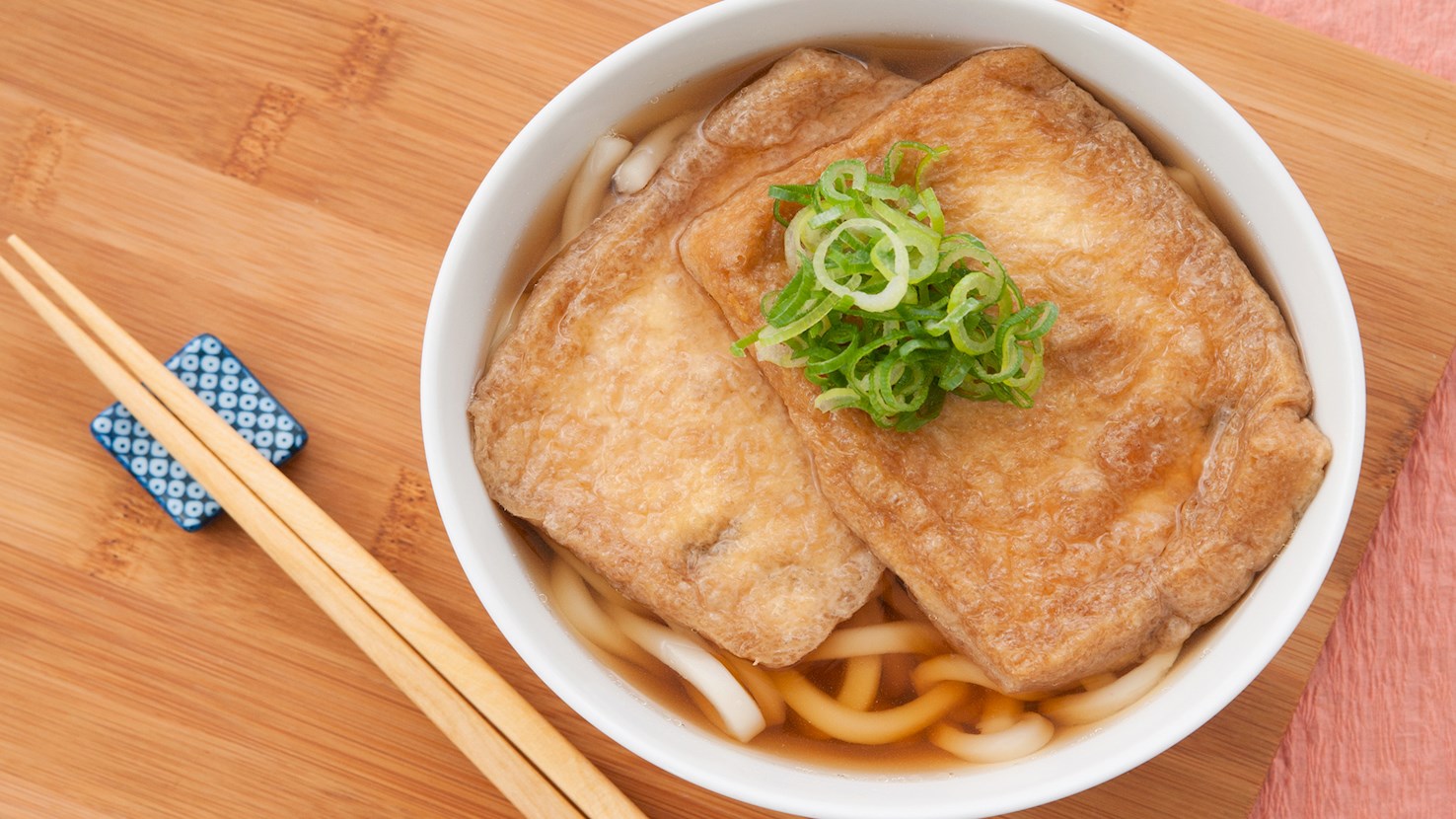
Kitsune udon is a famous Japanese dish which consists of thick udon noodles served in a fragrant dashi broth which is then topped with sliced or whole deep-fried tofu known as aburaage. The name of the dish is translated as fox udon, following the old folk tale which suggests that foxes are great admirers of deep-fried aburaage. Even though the origin of this dish is vague, it is believed that it originated in the 19th-century Osaka, from where it spread throughout Japan and became one of the most common dishes served in traditional Japanese udon restaurants.
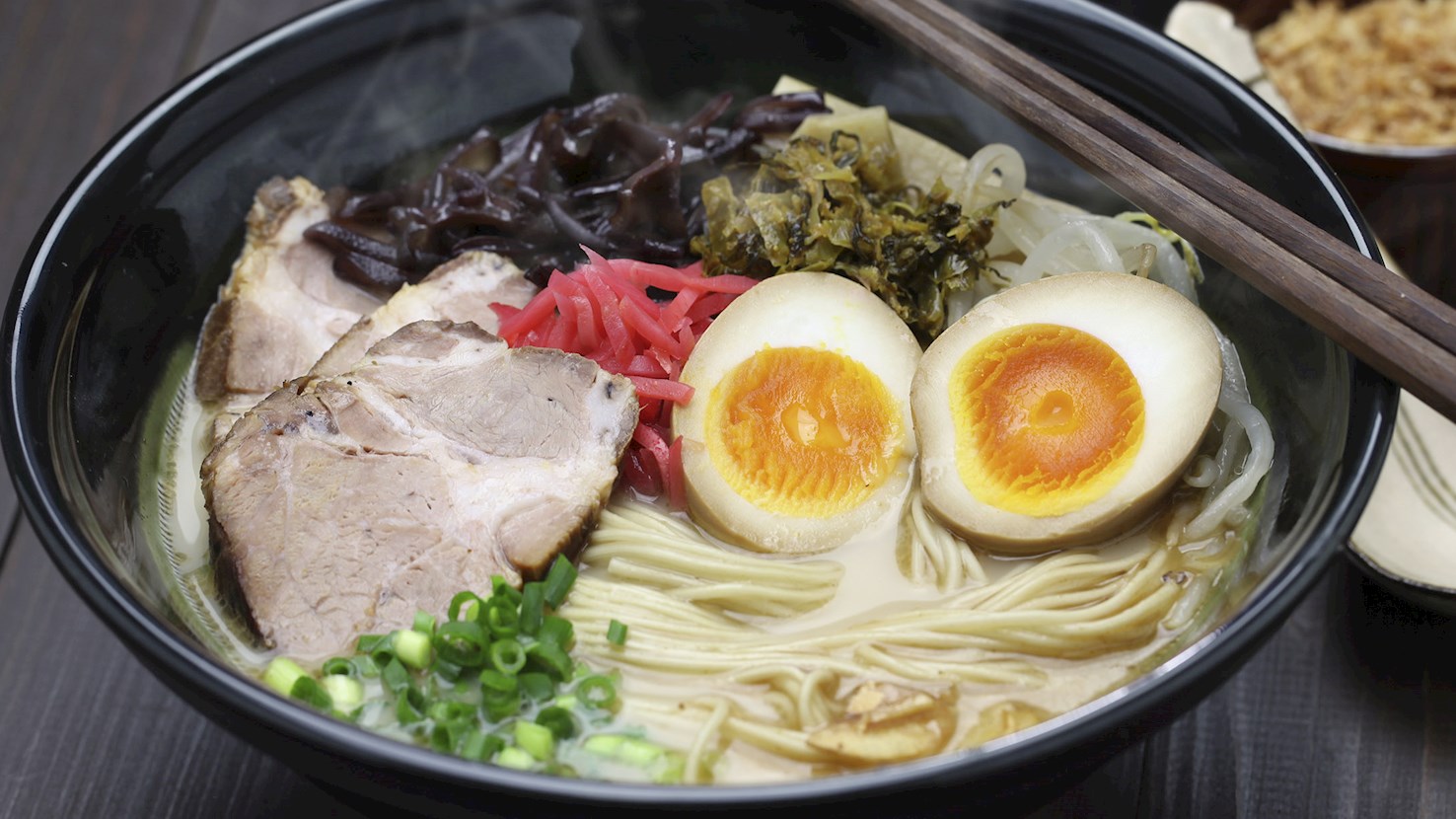
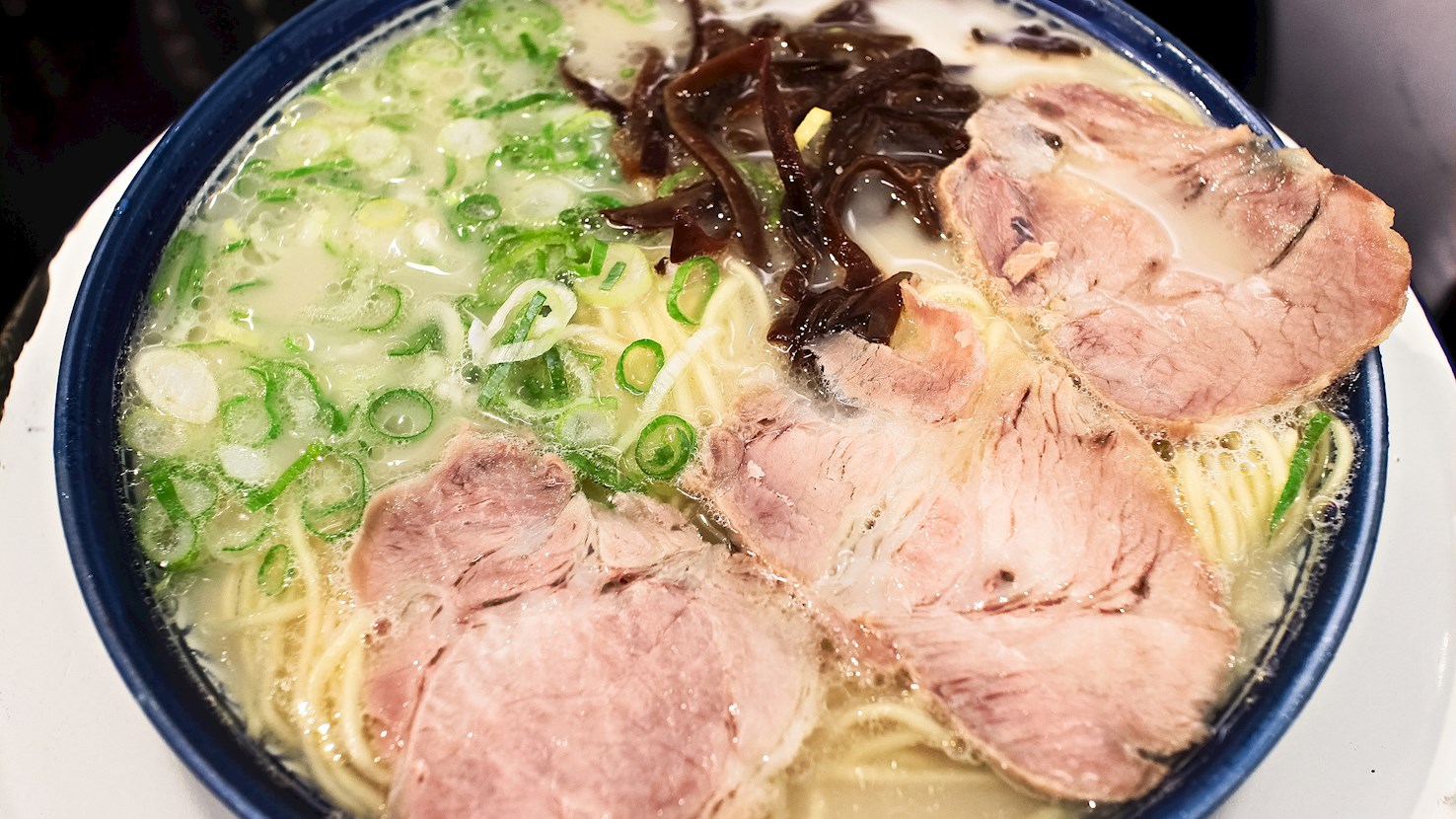
Tonkotsu is a unique style of ramen consisting of an extremely rich, fatty pork broth, fresh noodles, soft-yolk eggs, and tender pork belly that melts in the mouth. It is so popular and special that it could be a dish of its own, not just a ramen style. The ramen is usually topped with scallions for brightness and vibrancy, bamboo shoots for a crunchy, nutty flavor, nori seaweed for crispness, and sweet corn for an even better flavor. The rich broth is developed by cooking the pork bones for a very long time, until the collagen and fat dissolve, resulting in a unique, creamy texture of the dish. In recent years, it has been quite trendy to add some mayu (burnt sesame or garlic oil) to the dish, giving it an even richer, bolder flavor.
Hailing from Fukuoka, hakata is one of the most famous ramen variety in Japan. The base of the ramen is tonkotsu (which is why it is sometimes, especially in Fukoaka, refered to as tonkotsu ramen, although there are various other regional varieties of tonkotsu ramen), the creamy pork bone broth which gives the dish its incredibly rich and layered taste. It is often only seasoned with shio (salt), and occasionally with shoyu (soy sauce) and miso (fermented soybean) paste. Hakata ramen is typically served with ultra-thin, straight, and firm wheat noodles, though it’s possible to choose the firmness of the noodles according to individual preferences. Although thin slices of chashu pork and chopped green onions are the most common, other typical additions to the broth include spicy mustard greens, ramen eggs, wood ear mushrooms, beni shōga (pickled ginger root), garlic, bean sprouts, mayu, and crushed sesame seeds. This ramen variety derives its name from the former port city and merchant quarter of Hakata, which, in 1889, was merged with the castle town of Fukuoka into one city that came to be known as Fukuoka city.
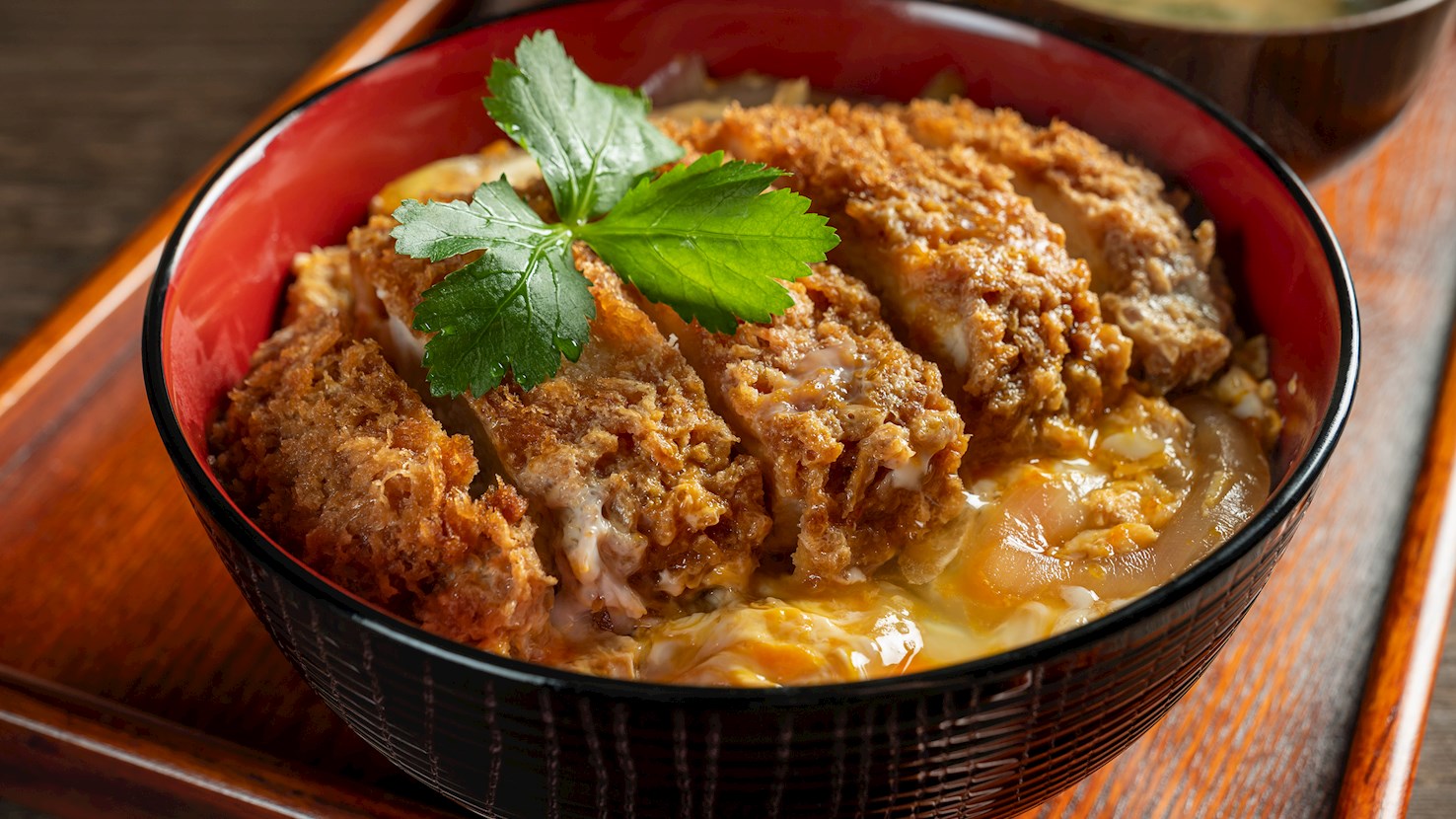
Katsudon is a type of donburi, meaning it's a rice dish served in a bowl topped with simmered ingredients. In this case, the topping is another Japanese favorite — tonkatsu — a deep-fried and crumbed pork cutlet, but here it is simmered together with vegetables in a seasoned sauce bound with eggs. The earliest reference to the dish dates back to 1921 and since then numerous varieties have been developed by adding or replacing the ingredients from the original recipe. The best-known versions include katsudon made with Worcestershire sauce, miso, and soy sauce, but there are also ones that replace pork with beef or chicken.
TasteAtlas food rankings are based on the ratings of the TasteAtlas audience, with a series of mechanisms that recognize real users and that ignore bot,
nationalist or local patriotic ratings, and give additional value to the ratings of users that the system recognizes as knowledgeable.
For the “23 Traditional Foods You Have To Try in Osaka” list until September 17, 2026, 800 ratings were recorded, of which 697 were recognized by the system as legitimate.
TasteAtlas Rankings should not be seen as the final global conclusion about food. Their purpose is to promote excellent local foods,
instill pride in traditional dishes, and arouse curiosity about dishes you haven’t tried.




What People Say