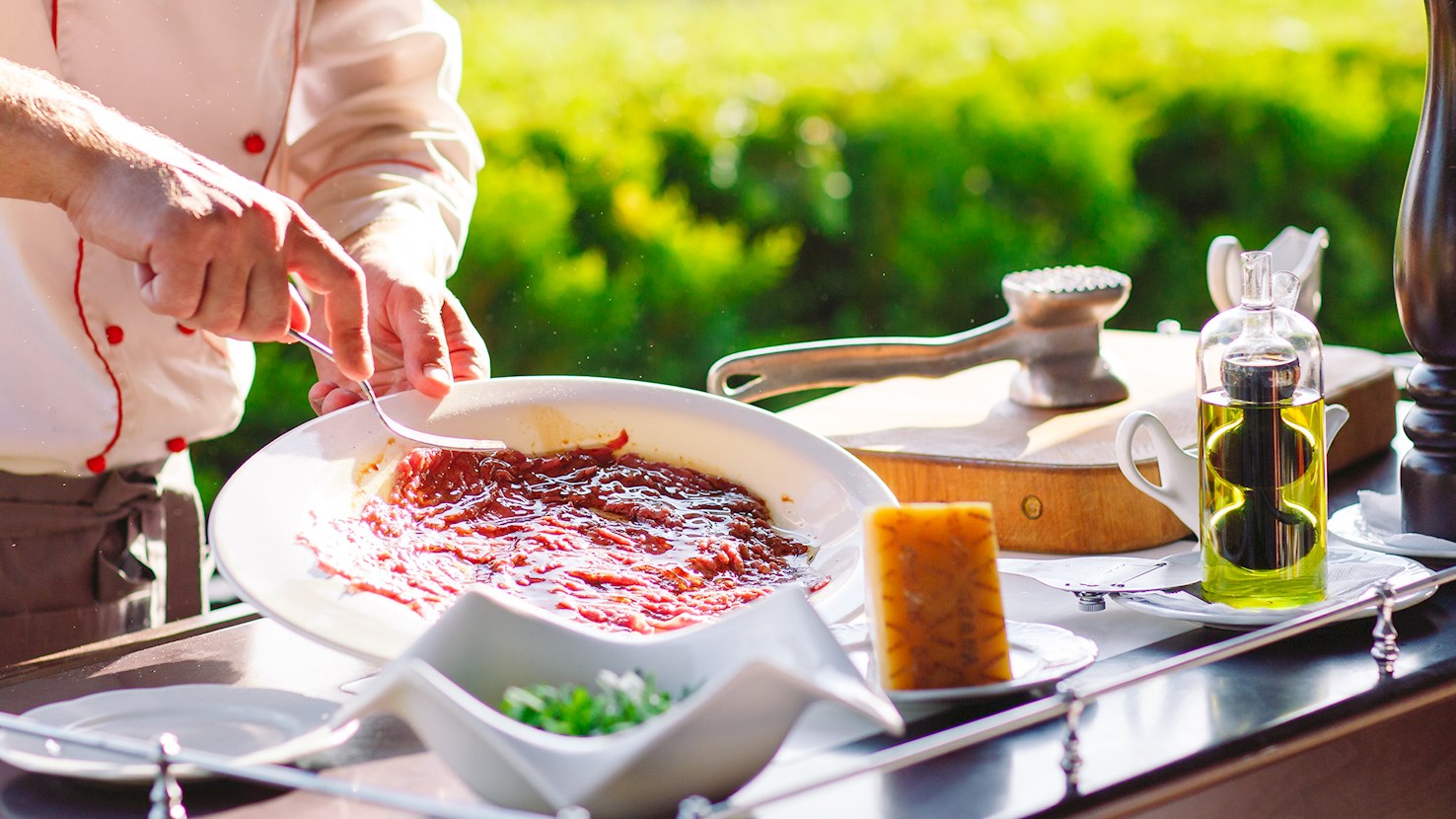
This traditional Italian dish of worldwide fame is typically served as an appetizer, and consists of very thin slices of raw fish or meat served on a plate with olive oil, cheese shavings, and lemon. Carpaccio was created in 1950 by a Venetian restaurateur named Giuseppe Cipriani, the owner of Harry’s Bar, who first made the dish for Countess Amalia Nani Mocenigo, whose doctors had recommended she eat raw meat. Cipriani based the dish on a specialty from Piedmont consisting of slices of raw beef dressed with lemon juice, olive oil, and white truffle shavings. An impassioned art lover, Cipriani named the new dish carpaccio in honor of painter Vittore Carpaccio, whose style and bold colors were reminiscent of the intense red color of raw meat. Today, there are numerous modern varieties of carpaccio made with zucchini, scallops, beet, salmon, figs, and lamb, and it is said that any kind of carpaccio is best paired with a glass of wine on the side.
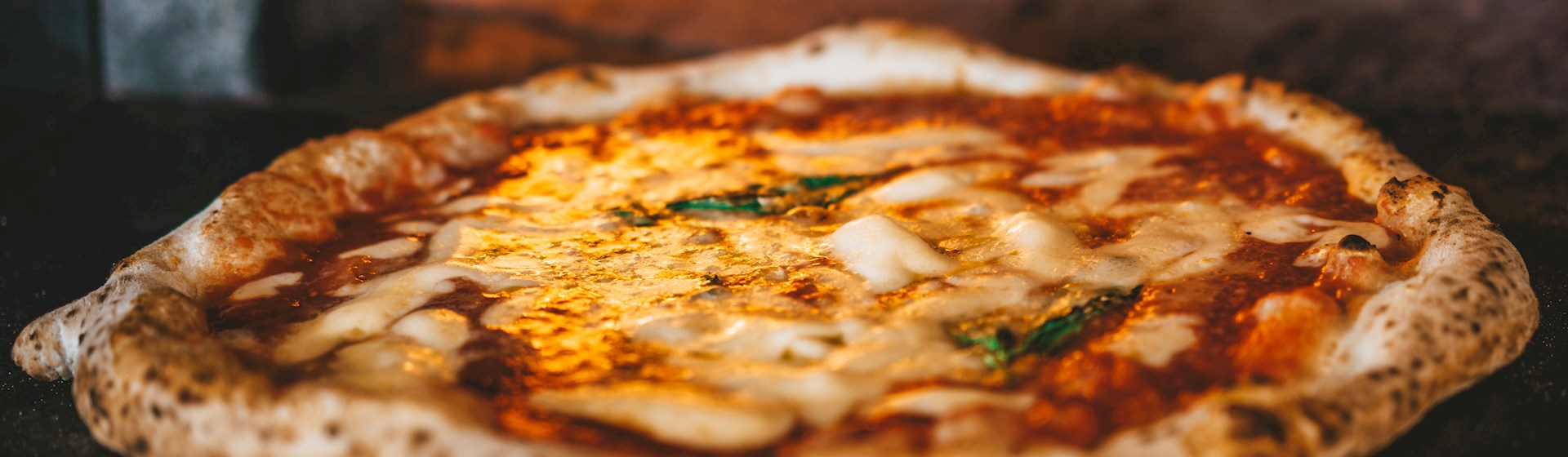
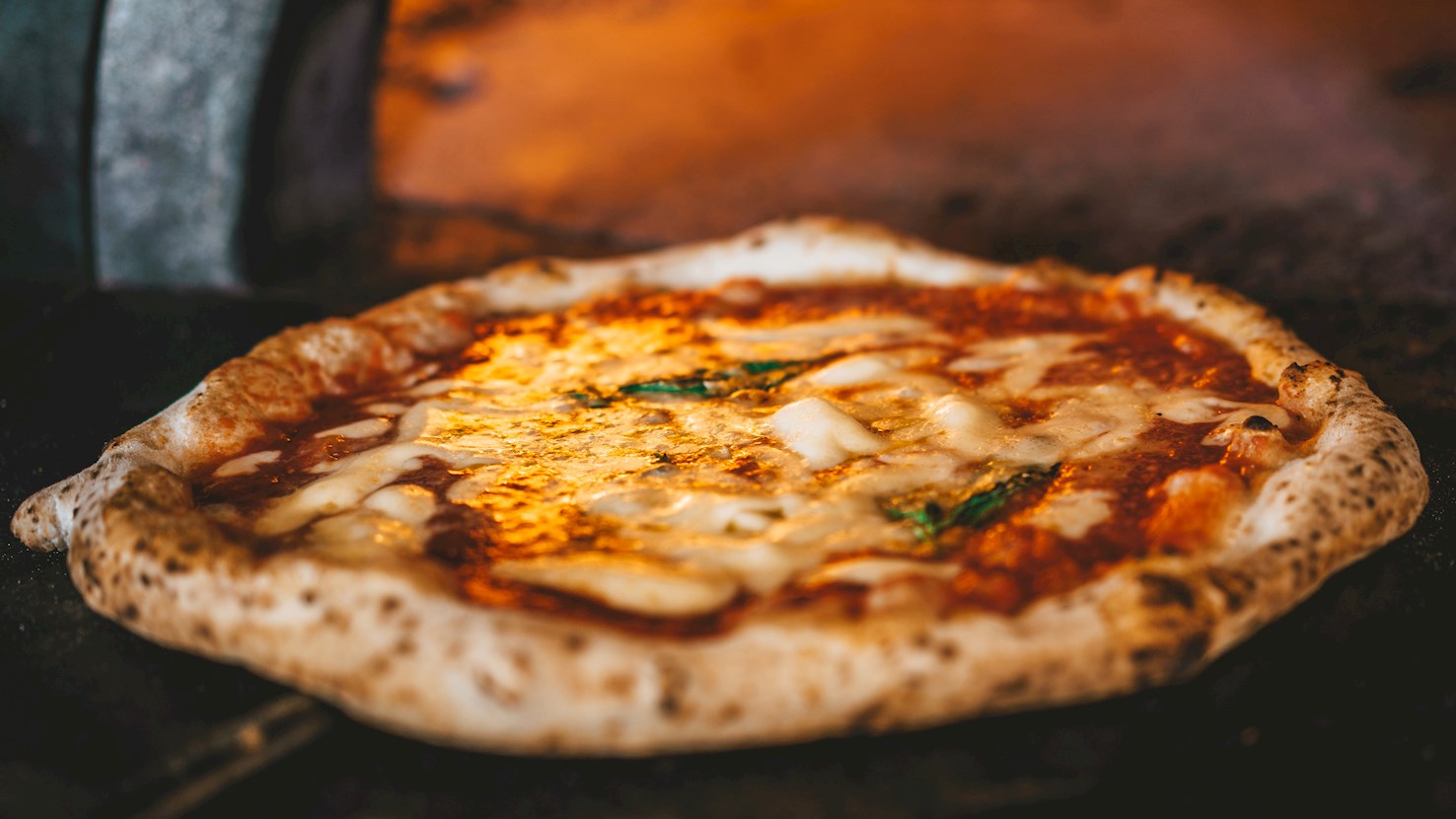
Italy’s most emblematic culinary creation, the genuine pizza Napoletana is made with just a few simple ingredients and prepared in only two variations – marinara, the basic Neapolitan pizza topped with a tomato-based sauce flavored with garlic and oregano, and margherita, which is topped with tomatoes, mozzarella, and fresh basil leaves, a delicious combination whose colors are said to represent the Italian flag. The crust is very thin at the base, and the dough puffs up on the sides, which results in airy crust that should have typical charred 'leopard spots' if baked properly. The origins of this iconic Neapolitan dish can be traced to the early 1700s, when what we know today as pizza marinara was first described by Italian chef, writer, and philosopher Vincenzo Corrado in his treatise on the eating habits of the people of Naples. Almost 200 years later, in 1889, the premier Neapolitan master pizzaiolo Raffaele Esposito added mozzarella to the mix and invented the margherita, which is now generally cited as the first modern pizza. Originally dubbed la pizza tricolore, Esposito’s creation is said to have been made in honor of and named after Margherita of Savoy, the Queen consort of the Kingdom of Italy, who was visiting Naples at the time. In 2010, as one of Italy’s most popular foods worldwide, pizza Napoletana was officially recognized by the European Union and granted the designation of Traditional Specialty Guaranteed. And remember, a good pizza Napoletana doesn't need any additions other than the designated toppings.
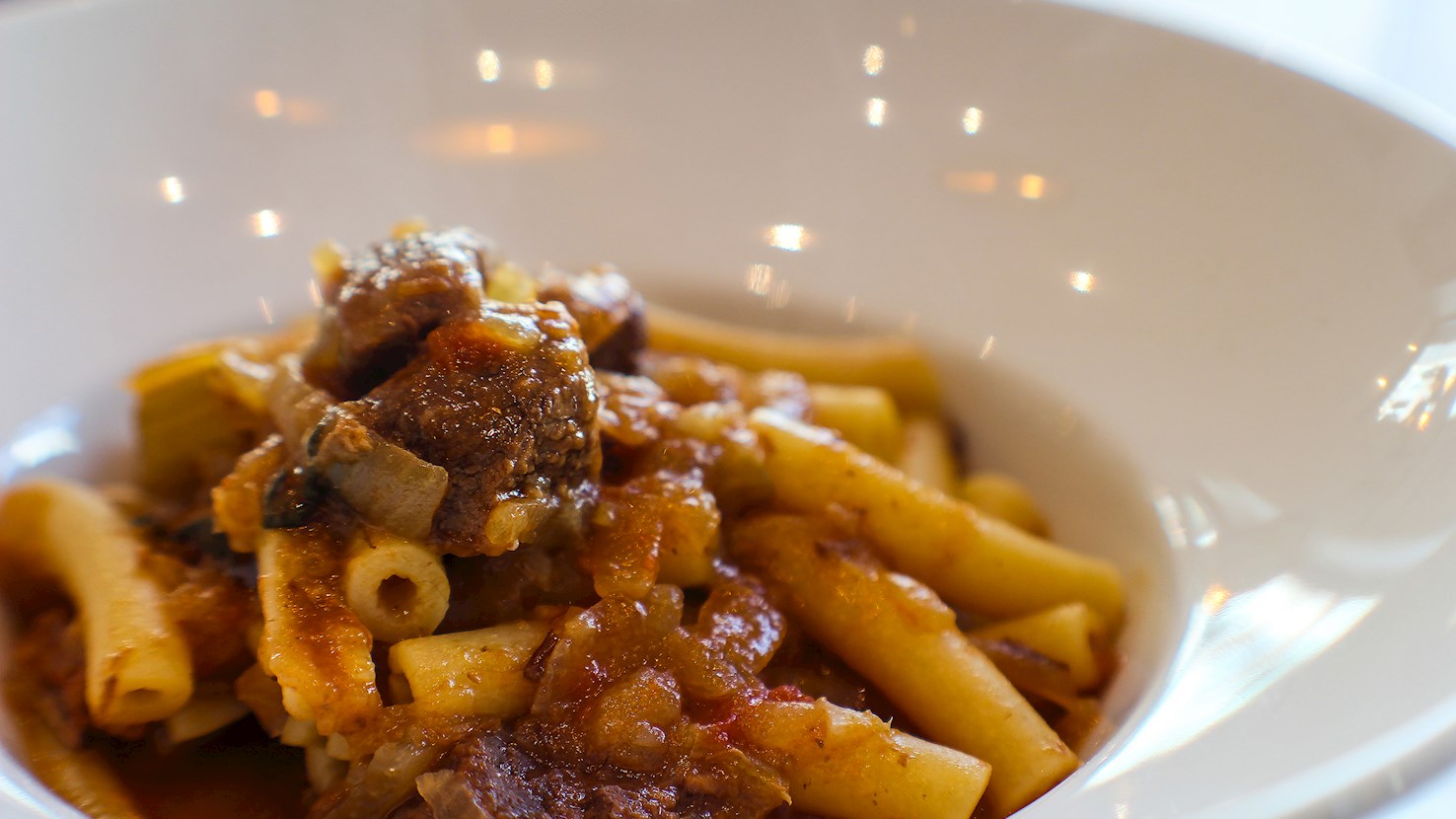
Sugo alla Genovese is a traditional sauce that, despite its name, originates from Naples, but it was likely brought over to the city from Genoa by Genovese immigrants during the Renaissance period. The sauce is prepared by sautéeing veal or beef in olive oil with large amounts of onions, carrots, and celery for a long time, usually from 2 to 10 hours. White wine or stock are often added to the sauce to enrich its flavors. Once done, sugo alla Genovese is served either as it is or the meat is served separately from the sauce. It's traditionally paired with pasta types such as ziti or rigatoni, and the dish is then garnished with tomatoes and topped with grated pecorino.
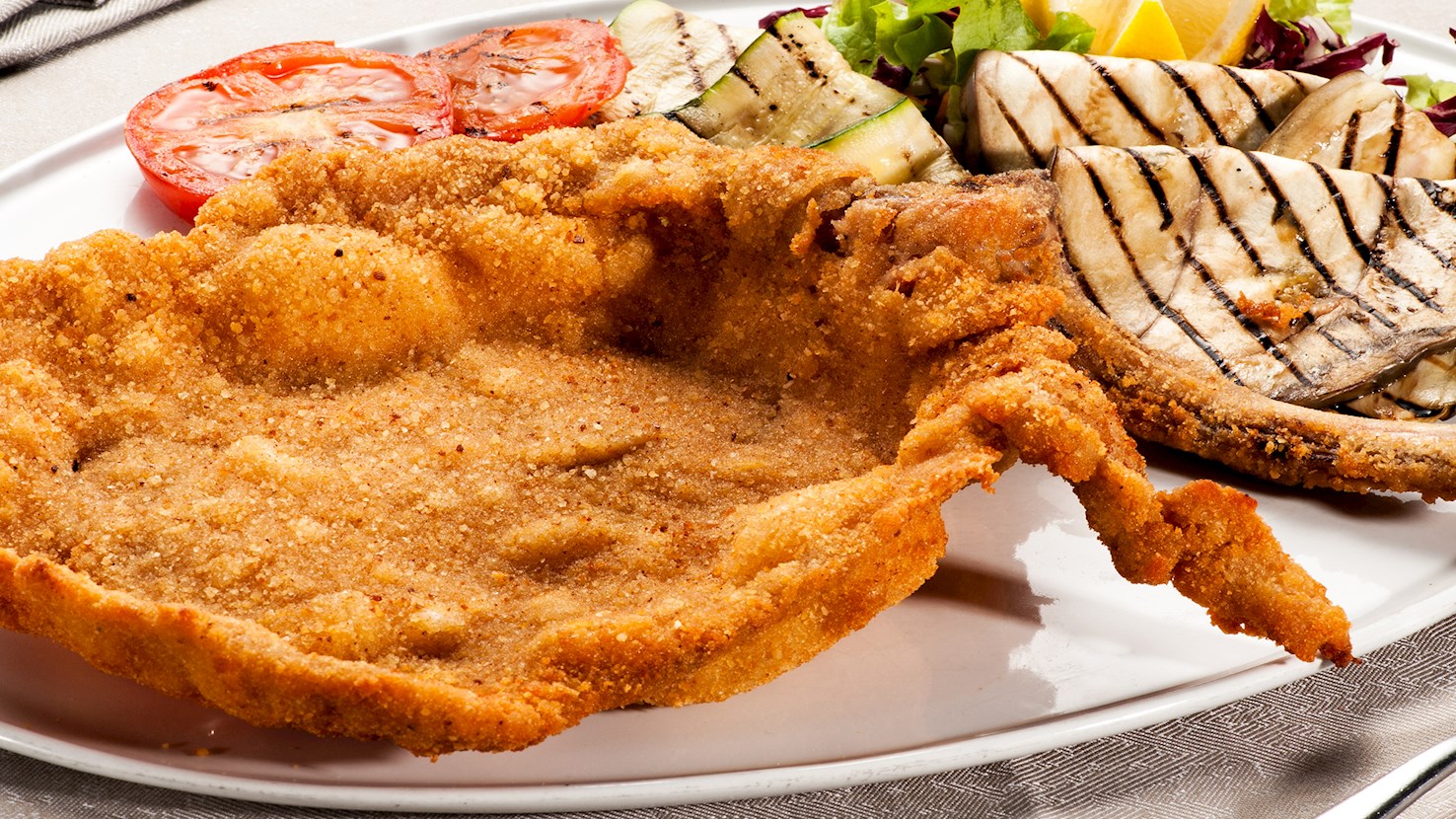
Just like its distant Viennese cousin, cotoletta alla Milanese is a thinly pounded, breaded, pan-fried veal cutlet. Although similar, the two dishes do differ slightly: the Viennese version is traditionally dipped in both flour and bread crumbs before being fried in oil, butter, or a combination of both, while the Milanese version is cooked bone-in and uses only bread crumbs and butter. It is often suggested that the similarities between these two culinary classics are not purely coincidental, as Milan was a part of the Austro-Hungarian Empire in the 17th and 18th century. However, when responding to any superficial comparison between the cotoletta and Wiener schnitzel, the Milanese will proudly point out that their dish has been a specialty of Milan and Lombardy since the 12th century. A recent Milanese invention is a version of the cotoletta called l’orecchia di elefante (lit. elephant's ear) in reference to its size and shape, while the original version gets its name from la costoletta - the cut of meat traditionally used to make it, a nearly inch-thick bone-in veal chop.
TasteAtlas food rankings are based on the ratings of the TasteAtlas audience, with a series of mechanisms that recognize real users and that ignore bot,
nationalist or local patriotic ratings, and give additional value to the ratings of users that the system recognizes as knowledgeable.
TasteAtlas Rankings should not be seen as the final global conclusion about food. Their purpose is to promote excellent local foods,
instill pride in traditional dishes, and arouse curiosity about dishes you haven’t tried.



What People Say