

shutterstock

100 Traditional Foods
You Have To Try in Paris

Last updated on July 17, 2026
01

Crêpes

4.3 ·

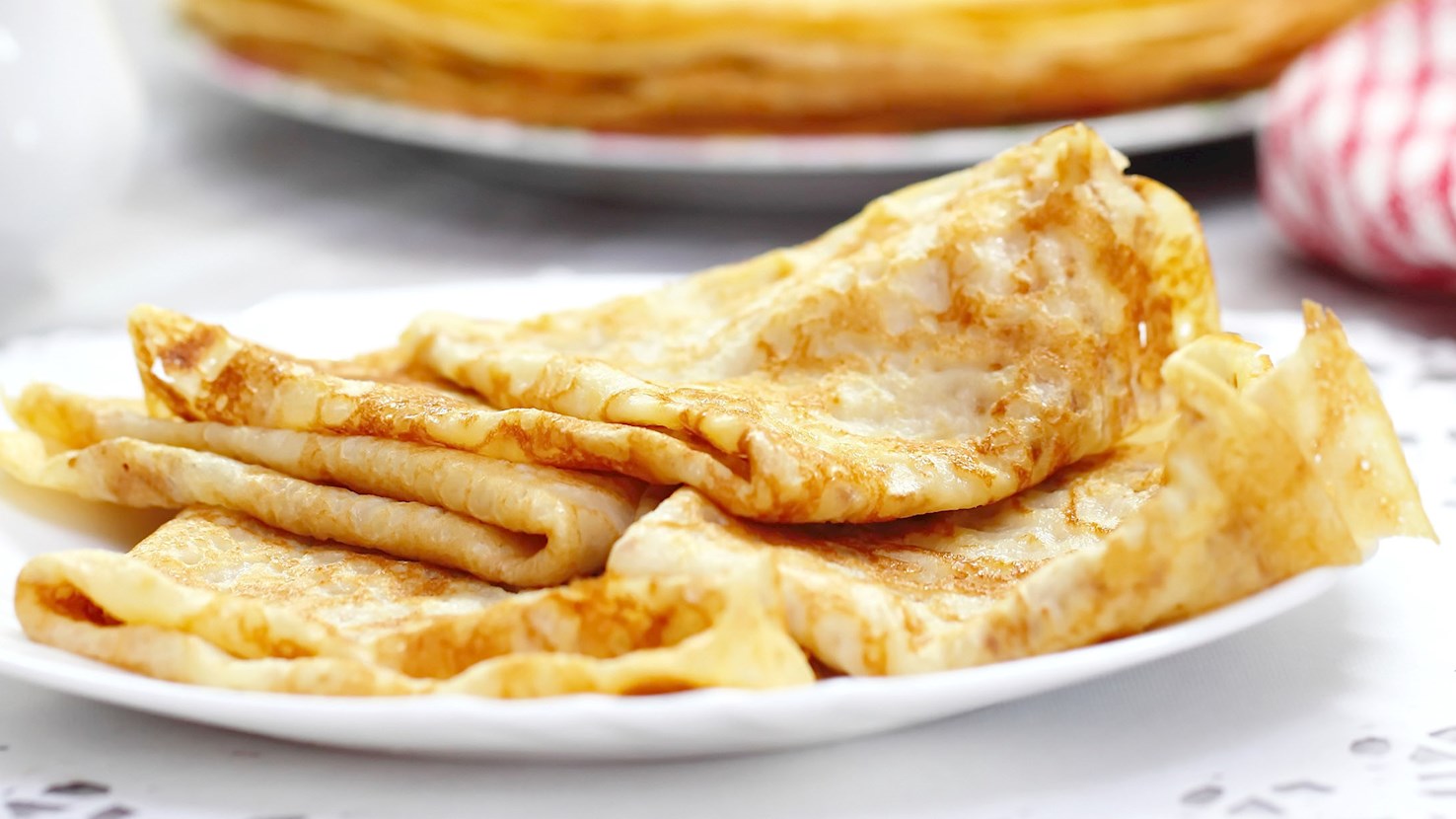
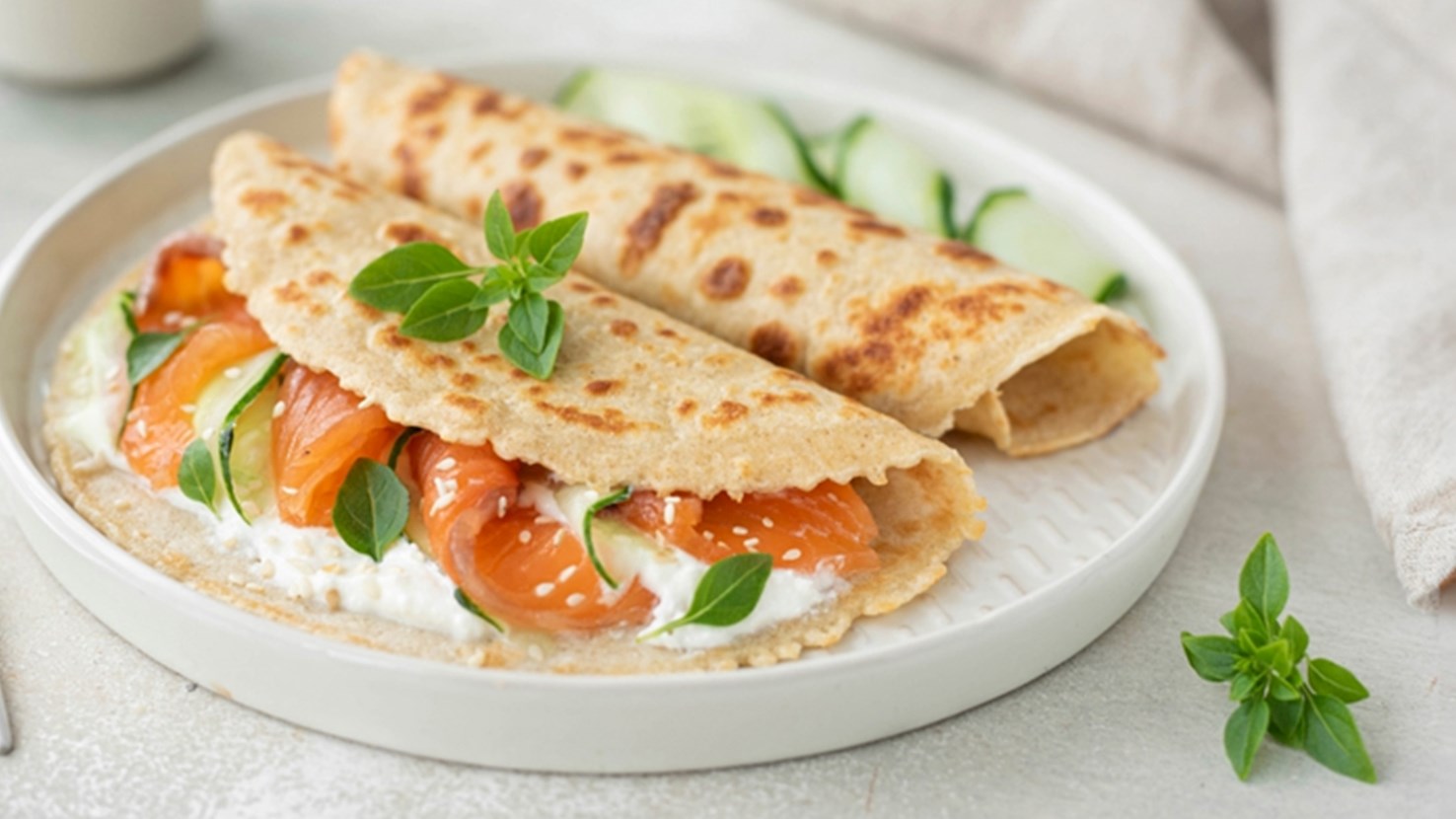
These thin pancakes are made with wheat flour, and have origins in the French region of Brittany. Although they are a French staple and a national dish, crêpes are so popular that they have spread worldwide since the turn of the 20th century, when white wheat flour became affordable. These delectable treats are made with flour, eggs, milk, and butter whipped into a thin batter, which is then poured in a crêpe pan and fried. The tradition is to flip them in the air as they cook, and they say that if you catch it in the pan, your family will be well-off for the rest of the year. The word crêpe is derived from the Latin root crispa, meaning curdled. Crêpes are one of the best-known French desserts, and they are commonly filled with various sweet fillings such as jam, chocolate, berries, or whipped cream. They can also be stuffed with savory ingredients such as ham, sausages, cheese, spinach, eggs, or mushrooms. Eaten hot or cold and found in crêperies throughout France and beyond, these delicious pancakes are a true worldwide hit.

02

Macarons

3.8 ·

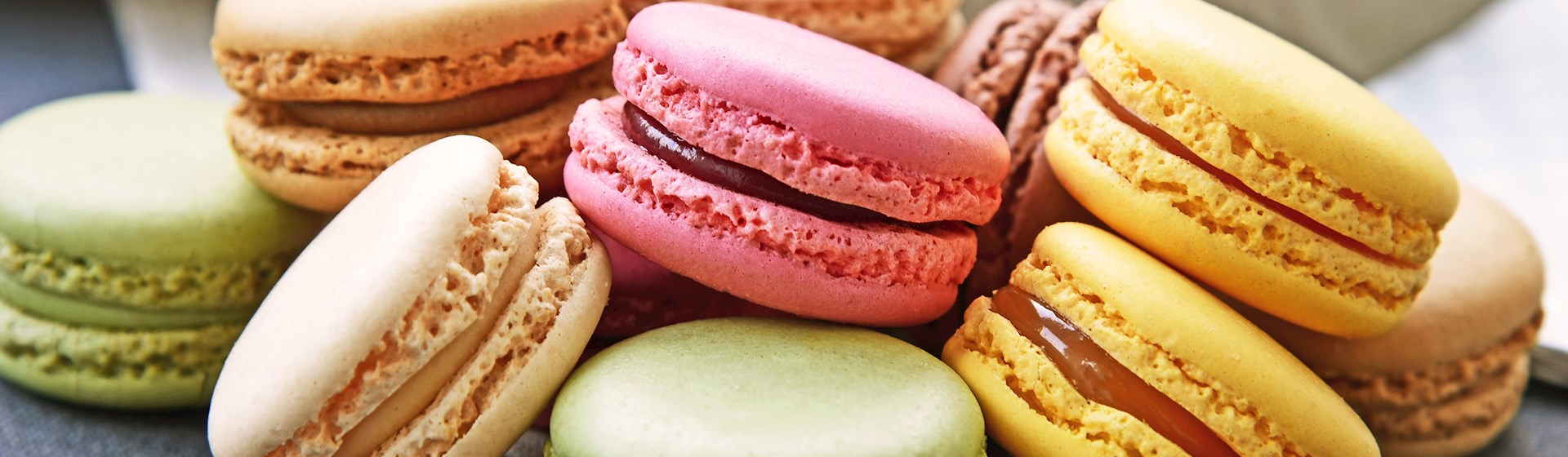
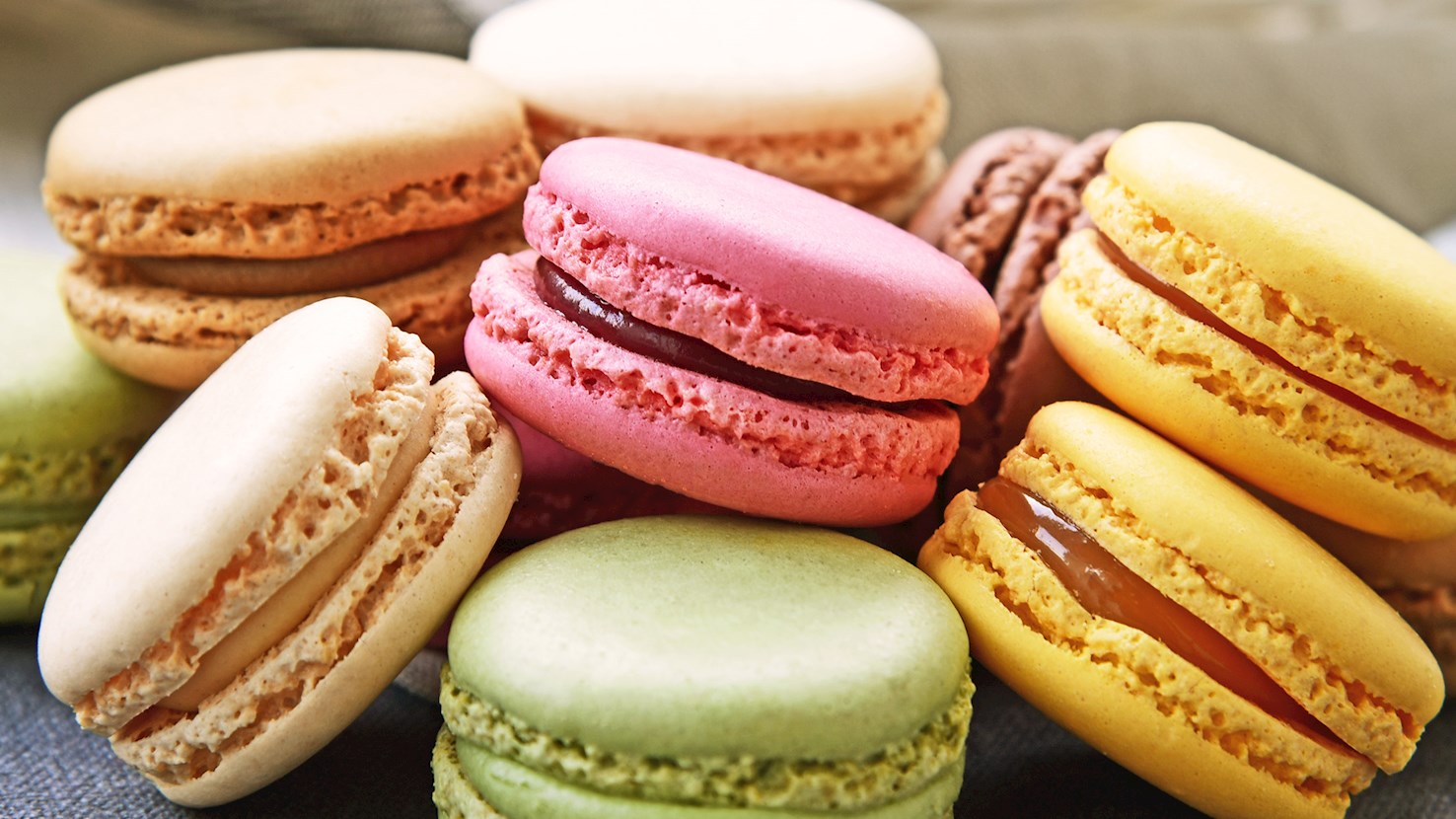
These small, round, sweet meringue-based cookie sandwiches with filling in the middle are light and crunchy on the outside and chewy in the middle. Macarons, which first appeared in Italy in 1533 (albeit without the filling), got their name from the Italian word maccherone, which means fine dough. They were originally made for the marriage of the Duke of Orléans, who later became King Henry II of France. Food historians credit Pierre Desfontaines as the inventor of the macaron. He was the first to fill the cookies with a creamy ganache and stick them together, turning the humble almond cookie into the versatile treat we know today. Macarons are the most popular type of cookie in Paris, but they are popular throughout the rest of the world as well, and they appear with different fillings and in various sizes, colors, and flavors.

03

Soupe à l’oignon (French onion soup)

4.2 ·

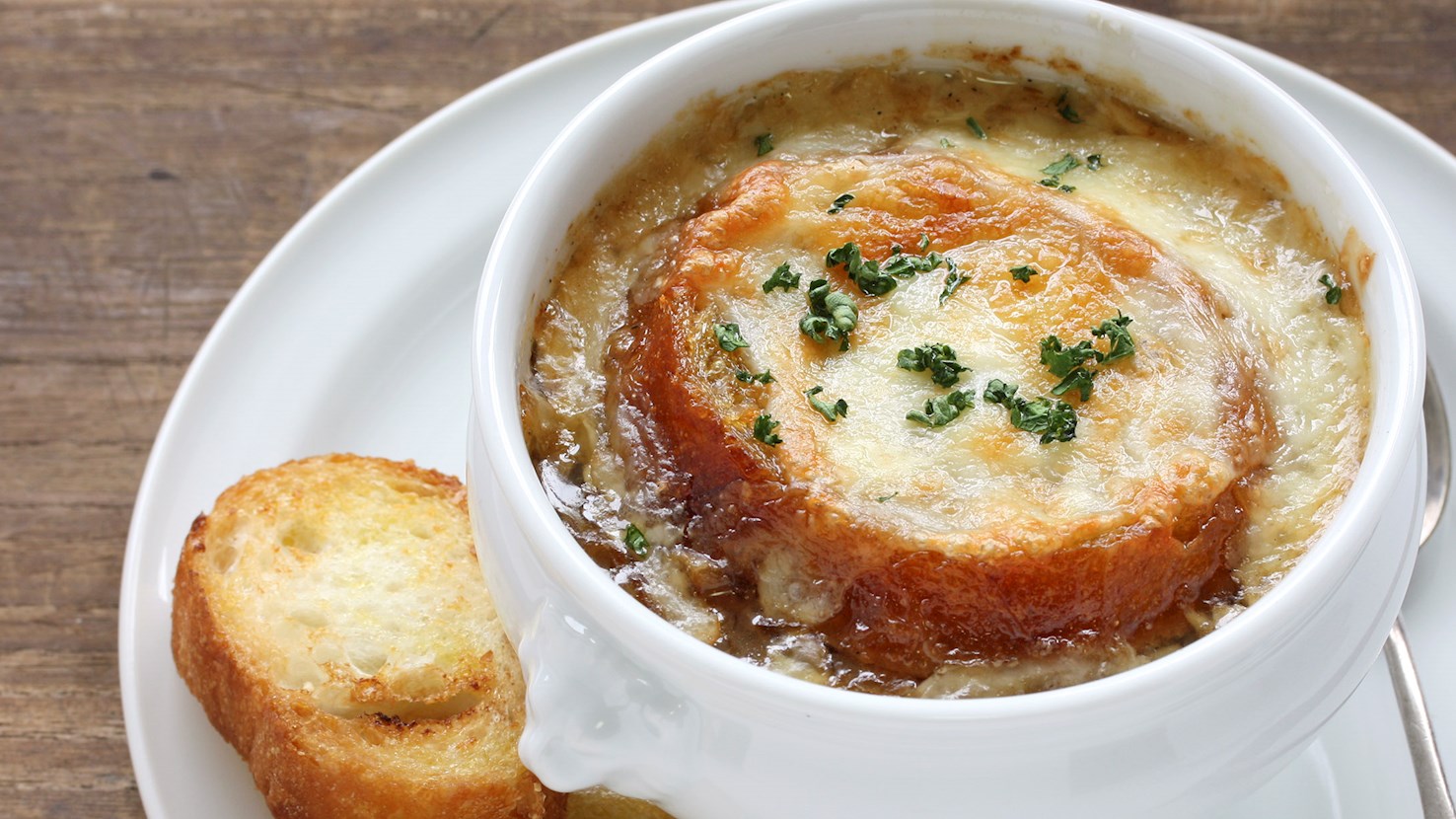
Even though it originated as a humble peasant dish, French onion soup is nowadays regarded as one of the most prized dishes of French cuisine. The broth is simple, made merely with caramelized onions and meat stock. However, the soup is distinguished by croûtes–pieces of crispy baked bread that are placed on top of the soup and are then generously covered with cheese. The assembled dish is finished in the oven, allowing the cheese to melt while the top turns into a golden crust. French onion soup is a dish with a rich history and a very long tradition. The onions have been used since the Roman times, and a similar soup has been known since the Middle Ages. This French classic has been changed through history, establishing its final form in the 17th century. It was primarily known as a simple and hearty traditional dish, but in the 1960s, when French cuisine started to grow in popularity around the world, onion soup became one of its most famous representatives. Today, it can be found in almost every traditional French restaurant, where it is usually served as a starter.

04

Foie gras

3.7 ·

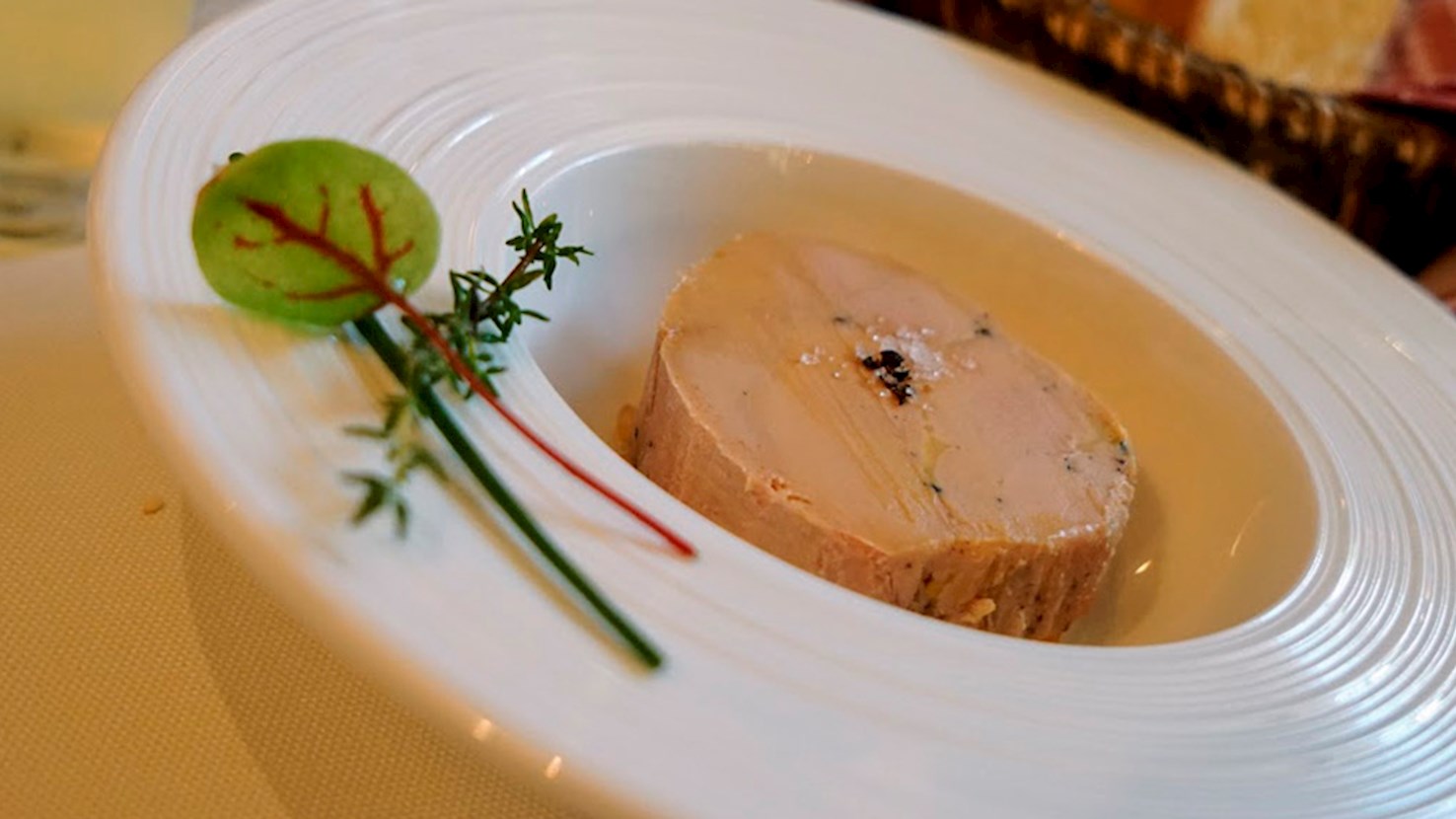
French for fatty liver, this decadent, expensive food product is made by using a controversial force-feeding process known as gavage, in which corn is fed to ducks and geese (primarily to the hybrid male Mulard ducks) through a feeding tube. The livers of birds which are force-fed in this way are enlarged and full of a buttery, slightly sweet fat. Foie gras is prepared by melting the livers in their own juices with a sprinkle of salt, resulting in a supple product. Usually served chilled and in scoops or slices, the texture is similar to that of ice cream. Foie gras is easily spreadable and full of rich flavor. It is creamy pink in color, and the only thing you need to enjoy its flavor to the fullest is a slice of bread or a crusty baguette, or if you’d like to enjoy it in the popular French style, serve it atop a salad. Try it chilled on a piece of toast paired with a few fresh figs. Foie gras is primarily produced in the French regions of Alsace and Périgord, and according to French law, only foie gras made from force-fed ducks or geese can be called foie gras. However, the production or import of foie gras has been banned in many countries, including India, Australia, and a number of EU countries.

05

Crêpes salées (Savory crêpes)

4.2 ·

Crêpes salées, often called savory crêpes or galettes in some regions of France, especially in Brittany, are thin pancakes made from a batter that typically contains either wheat flour or buckwheat flour, which gives them a slightly nutty flavor and a darker color. Unlike the sweet version (crêpes sucrées) which uses various "sweet fillings", crêpes salées are filled with savory ingredients that may include cheese (often Gruyère, Comté, or Emmental), ham or various types of cured meat, eggs, mushrooms, spinach, caramelized onion, or various herbs and spices. Savory crêpes are a versatile food that can be enjoyed for breakfast, lunch, dinner, or as a snack, and are often accompanied by a side salad or served with cider, which is a traditional beverage choice in Brittany.

06

Galette de Bretagne

4.3 ·

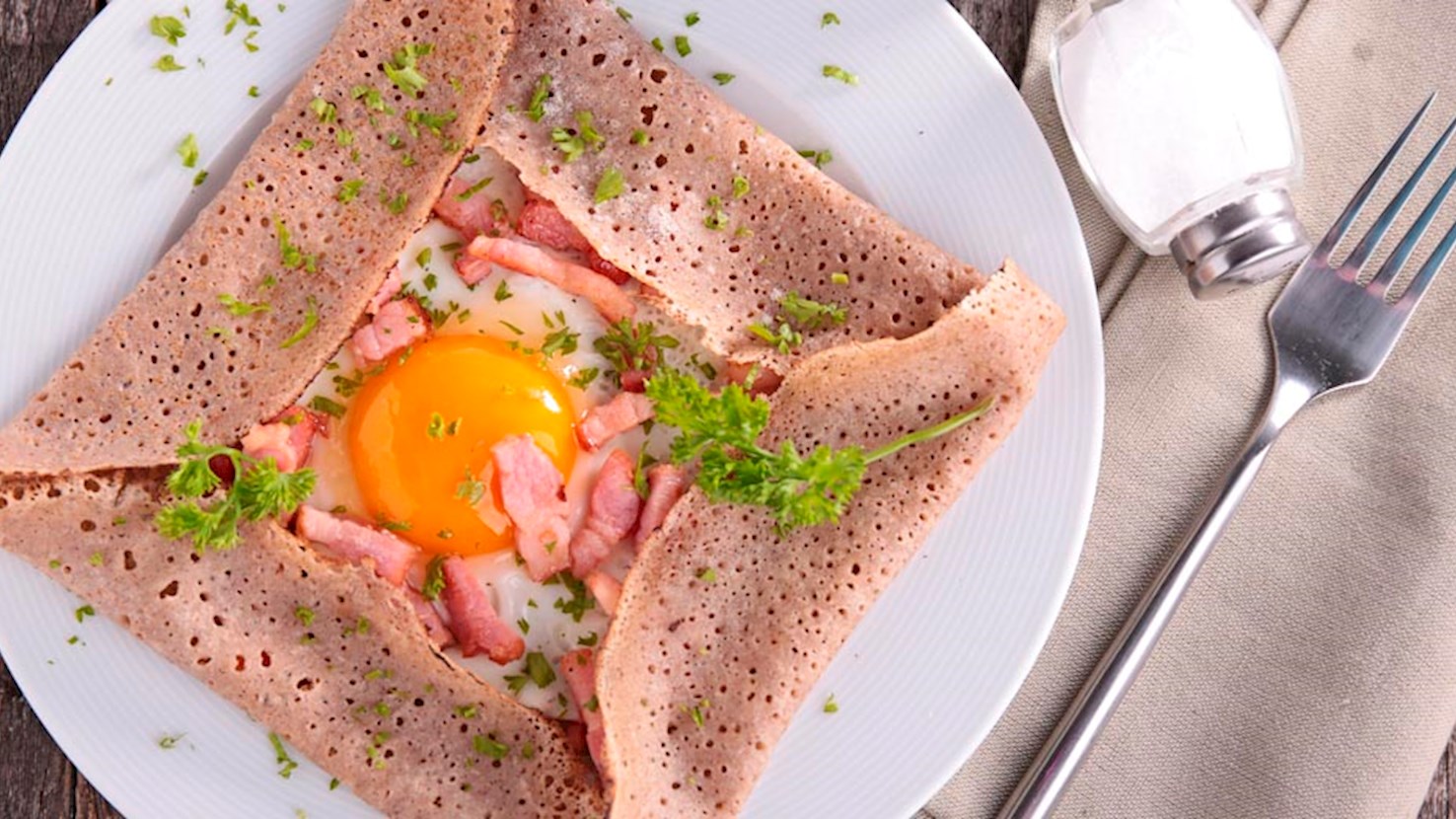
Galettes de Bretagne are generally known as thin buckwheat crépes from Brittany, often filled with ingredients such as eggs, ham, mushrooms, and bacon. However, galettes mean different things in different parts of Brittany. In Lower Brittany, a galette is a thicker crepe made with any kind of flour, while in Upper Brittany, it refers to a crépe made exclusively with buckwheat flour. Also, what is known as galette in Upper Brittany is known in Lower Brittany as crêpes de blé noir (sarrasin) or buckwheat crepes. In Brittany, créperies are so popular that they outnumber cafés, and people regularly use them to eat their galettes with a bit of salted butter. Traditionally, the pancakes are paired with a glass of local cider. According to legend, the Bretagne galette was invented by accident when a farmer spilled buckwheat porridge onto a hot surface. Although people usually associate buckwheat flour with a salty taste, buckwheat crépes are extremely nutritious and contain vitamins B1 and B2, as well as fiber that helps prevent high blood pressure. Buckwheat came to Brittany from the east in the 12th century, so thick, moist, and flavorful galletes were ready to win over even the pickiest palates.

07

Paris-Brest

4.1 ·

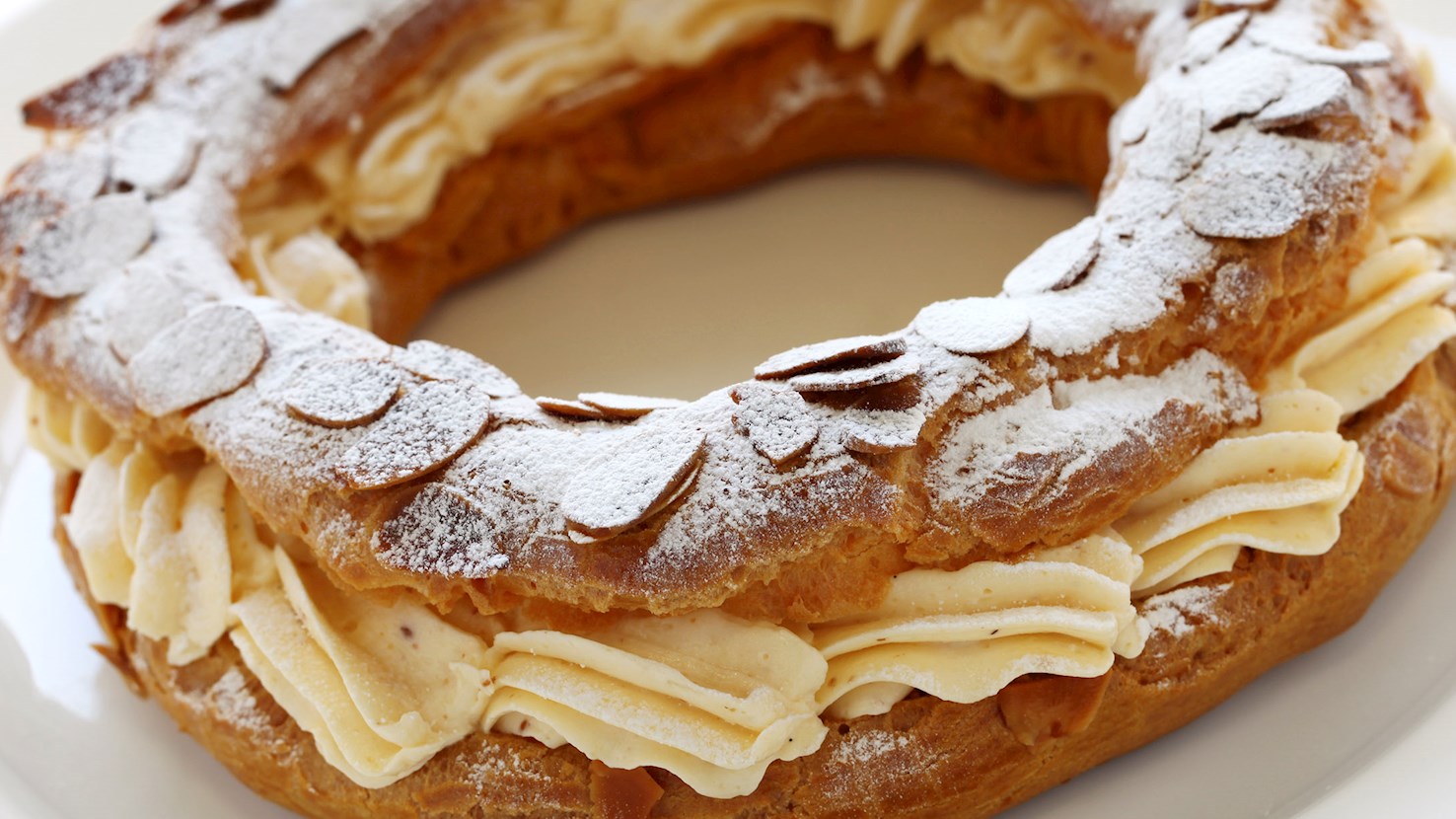
Created in 1910 by chef Louis Durand to celebrate the famous Paris-Brest-Paris bicycle race, which led from the center of Paris past the door of his pastry shop in Maisons-Laffitte to Brittany and back, this decadent dessert is a true French classic found in pâtisseries all over the country. With a shape resembling that of a bicycle wheel, Paris-Brest is made with a ring of pâte à choux – a puffy hollow pastry traditionally flavored with fleur de sel, topped with flaked almonds, and baked until golden brown. The airy pastry ring is then sliced horizontally and filled with a rich hazelnut and almond mousseline praliné cream, while the upper crust is generously dusted with powdered sugar. Regardless of the numerous creative interpretations and modern takes on this classic recipe, the perfect Paris-Brest should always be dominated by the toasted nutty flavor and aroma of praline cream.

08

Steak-frites (Steak and fries)

4.1 ·

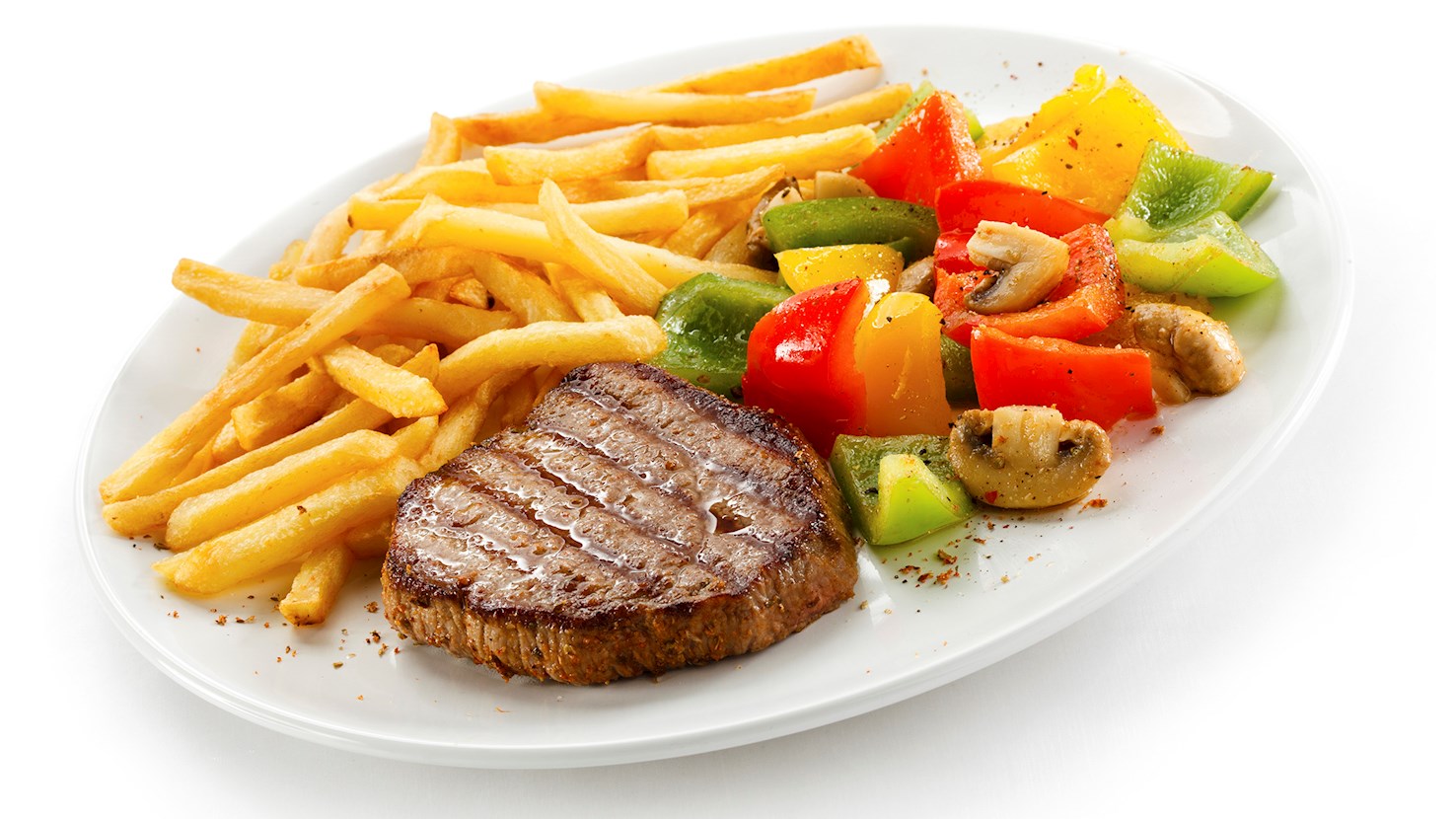
Simply translated as steak and fries, steak-frites is a dish that traces its origins to French and Belgian national cuisine. In this classic, fries vary from the hand-cut rustic potato wedges to thin, factory-produced types. They are always deep-fried, giving them a crunchy texture and an appealing golden color. Although fries are the essential accompaniment, the steak is the main star of the dish. The most common steak used in the dish is the rib eye cut, but sirloin steak or the famous T-bone are also commonly found on restaurant menus. A simple sauce reduction, Béarnaise, or Hollandaise sauce often accompany the dish. Steak and fries is one the most common dishes found in traditional French and Belgian brasseries and bistros, where a glass of fine Belgian beer or French wine acts as an irreplaceable accompaniment.

09

Soufflé

4.1 ·

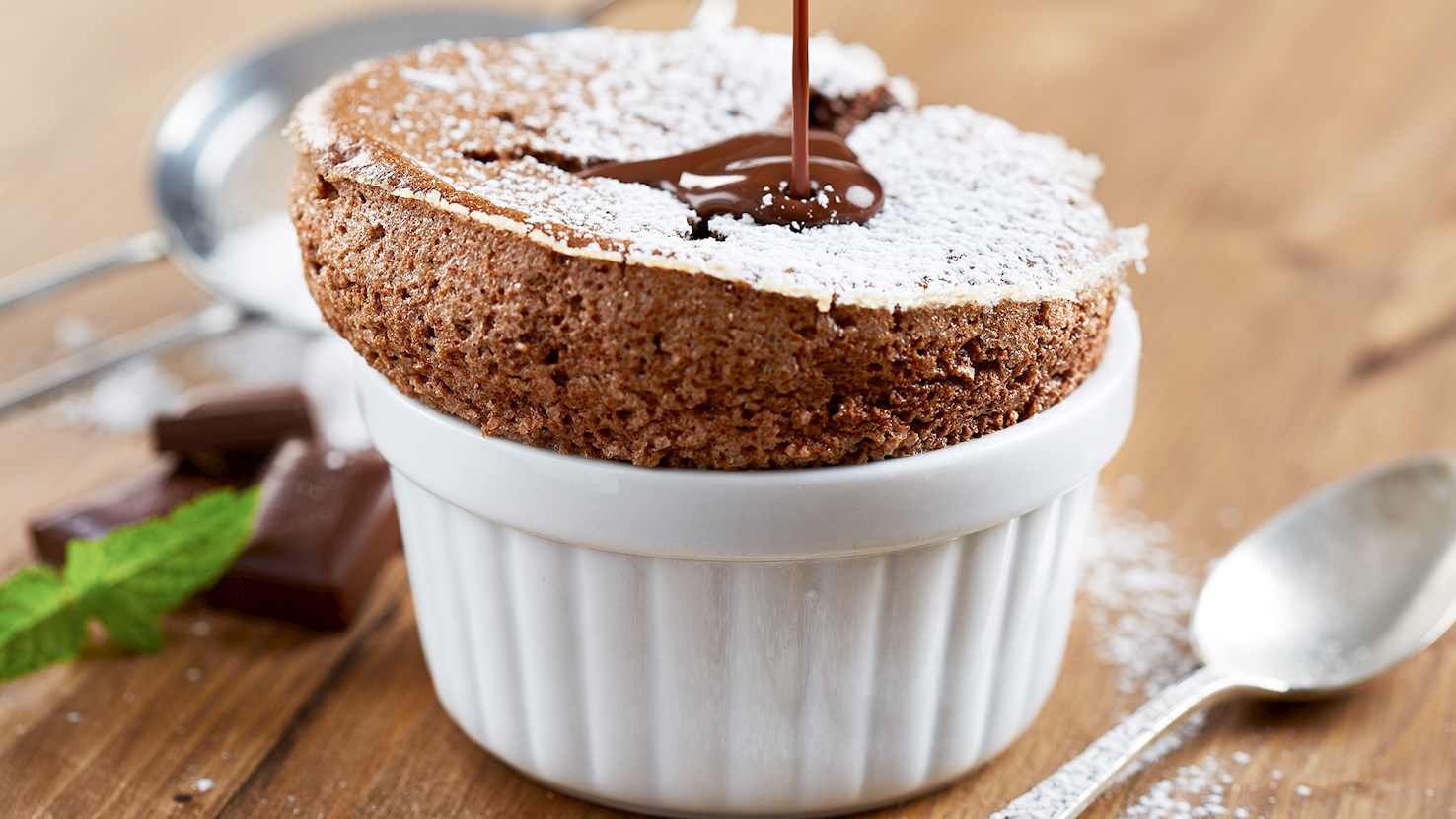
This wildly popular French dessert is beloved all over the world – known to gourmets for its soft, airy texture, and infamous among chefs for its unforgiving nature, which leaves little to no room for error during the cooking process. This delicate cake consists of two elements: a pudding or cream base, and a meringue made of egg whites. Soufflés can be either sweet or savory. Sweet soufflés typically have a sauce in the middle, and are served almost exclusively as a dessert. Savory soufflés often include ingredients such as cheese, crab, or onions, and they are usually served as an appetizer. The dish received its name from the French word souffler, meaning to puff up, and both sweet and savory versions of this delicacy were first created in 18th-century France. The first recipe for the dish is found in Vincent La Chapelle’s 1742 book Le Cuisinier Moderne. Today, there are numerous variations of the dish, containing creative ingredients such as figs, kiwi, chicken, vegetables, broccoli, corn, pineapple, and sweet potato.

10

Baguette

4.2 ·

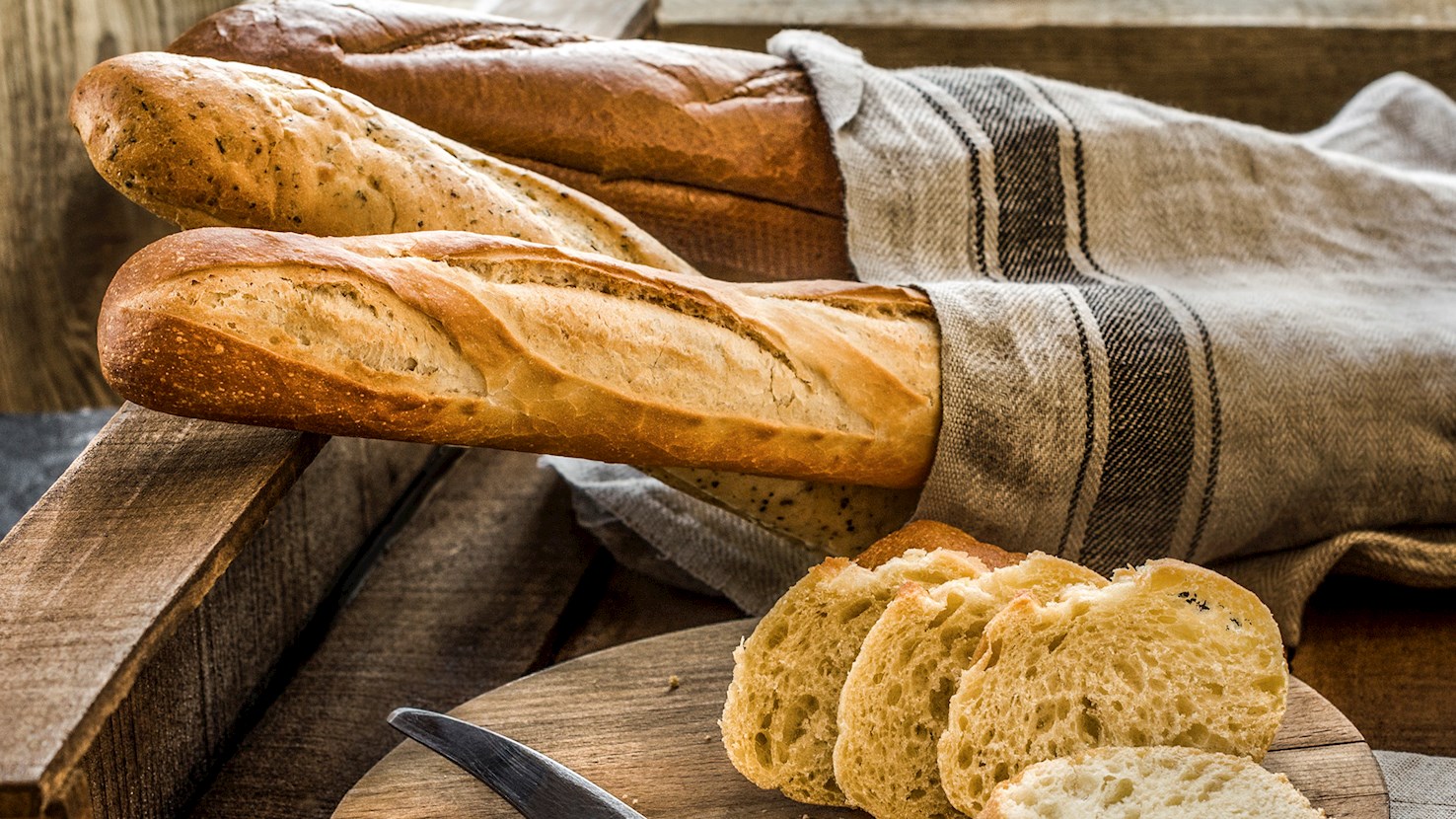
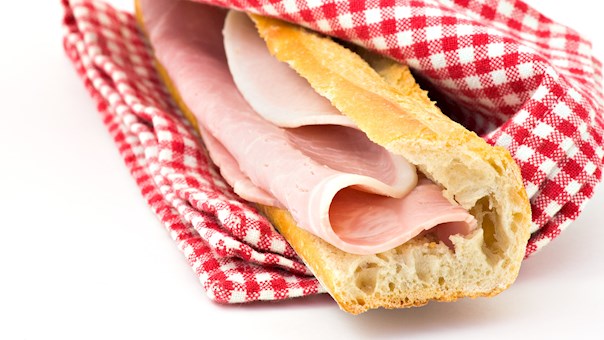
Probably the most iconic image of France, this long, light, airy bread with its characteristically crispy crust dates back to the 19th century, when wheat and white breads were no longer a privilege of the rich. Baguettes were made even before the invention of their name. The word baguette first entered use in 1920, derived from the Latin root baculum, meaning stick or staff, which became baccheto in Italian. Baguettes were first baked as long, wide loaves of bread, but a 1920 law prevented workers from beginning work before 4AM, making it impossible for bakers to finish baking the bread in time for breakfast. They then gave baguettes their typical long, thin shape in order to speed up the baking process. The bread was baked in steam ovens, which were first brought to Paris by an Austrian named August Zang, whom some French sources credit with the invention of the baguette. Another characteristic of the baguette is its typical flower-petal design on the top of the crust, made by making diagonal slashes with a curved knife on top of the loaves before they are put to bake. Today, baguettes can be found throughout France, and they are available for sale in nearly every boulangerie, as well as baked at home. The texture and flavor of a good baguette can transform any sandwich into a gourmet meal. Baguettes are also flexible – they can be made into bruschettas, turned into croutons or garlic bread, used for mopping up sauces, or simply dipped in olive oil as a snack.

11

Escargot

3.6 ·
12

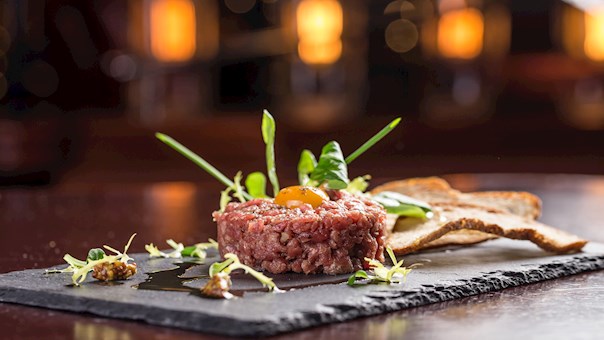
Steak tartare

4.0 ·
13

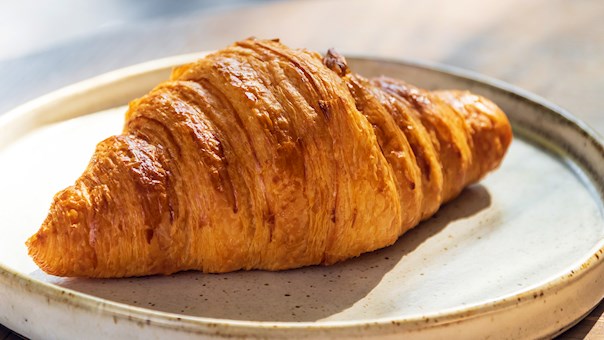
Croissant

4.3 ·
15

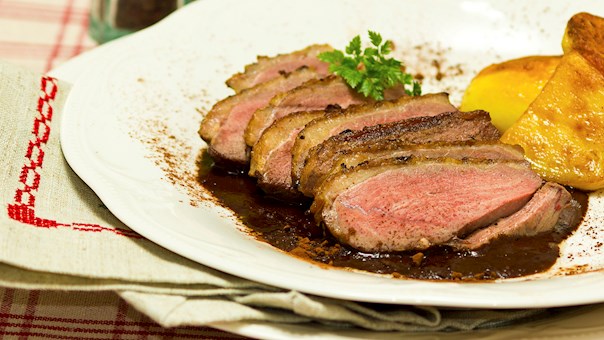
Magret de canard

4.3 ·
18

Pain au chocolat

4.2 ·
19

Éclair

4.1 ·
20

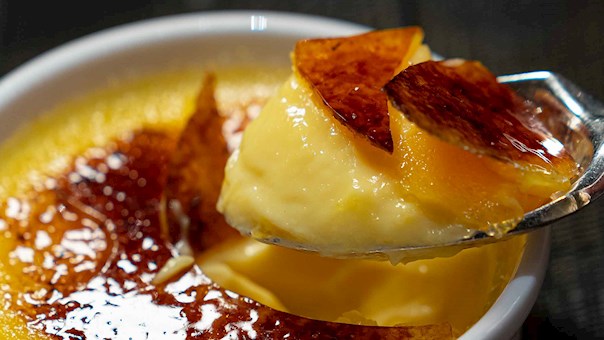
Crème brûlée

4.3 ·
About this ranking

TasteAtlas food rankings are based on the ratings of the TasteAtlas audience, with a series of mechanisms that recognize real users and that ignore bot, nationalist or local patriotic ratings, and give additional value to the ratings of users that the system recognizes as knowledgeable. For the “100 Traditional Foods You Have To Try in Paris” list until July 17, 2026, 3,931 ratings were recorded, of which 3,477 were recognized by the system as legitimate. TasteAtlas Rankings should not be seen as the final global conclusion about food. Their purpose is to promote excellent local foods, instill pride in traditional dishes, and arouse curiosity about dishes you haven’t tried.

Similar lists