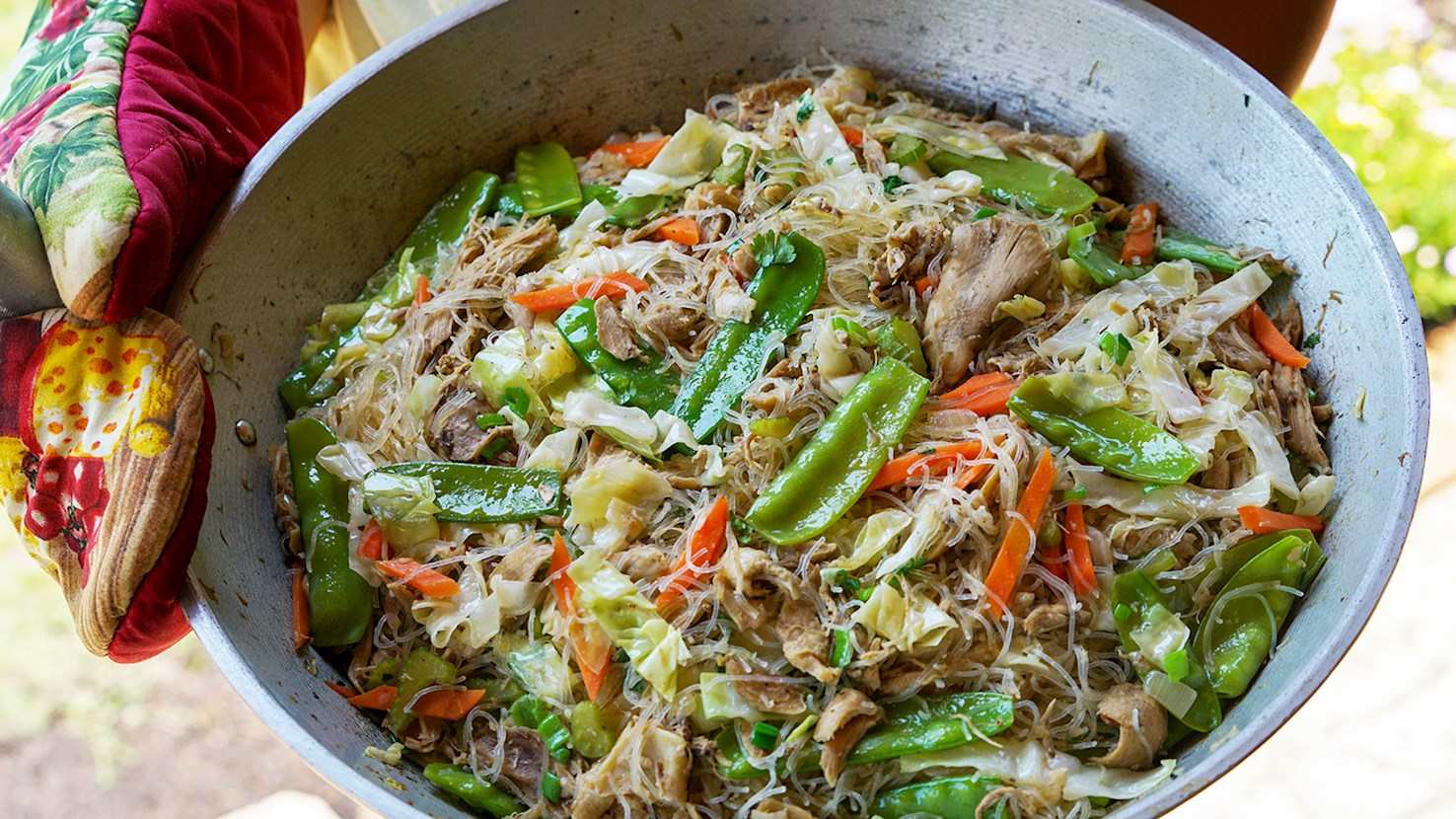
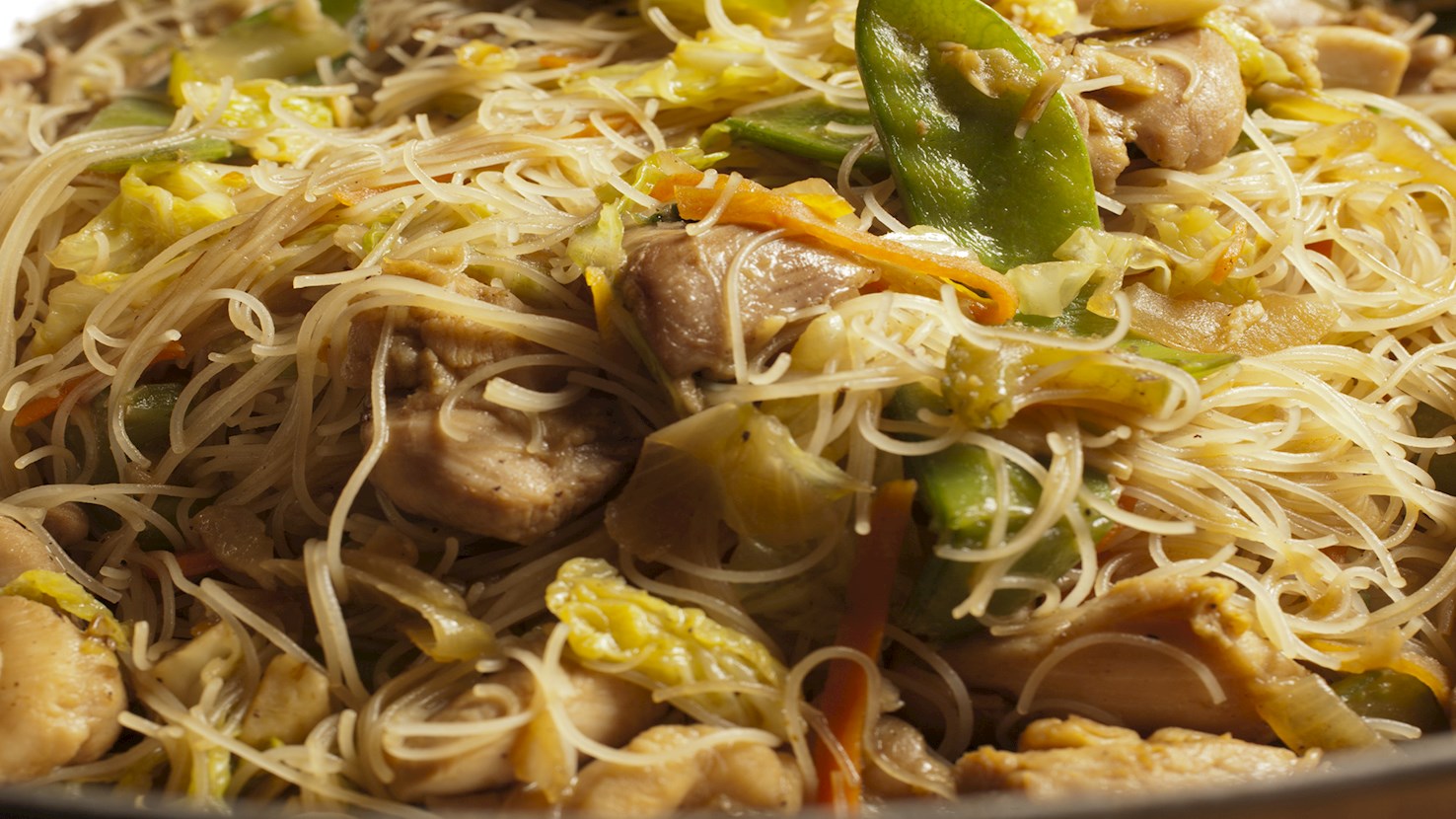
Pancit is a staple Filipino dish found at numerous feasts and celebrations, consisting of stir-fried noodles with meat and vegetables such as chicken, pork, shrimp, celery, carrots, onions, garlic, and cabbage. The dish has Chinese origins, and the name of the dish is derived from the Hokkien phrase pian i sit, meaning something convenient, cooked fast. Over time, pancit evolved and became a signature Filipino dish, so today, there are numerous variations of pancit such as pancit canton and pancit bihon. Egg noodles are used for pancit canton, while thin, translucent rice noodles are used for pancit bihon. The dishes are often prepared for birthday celebrations as they symbolize longevity and health according to ancient Filipino superstitions.
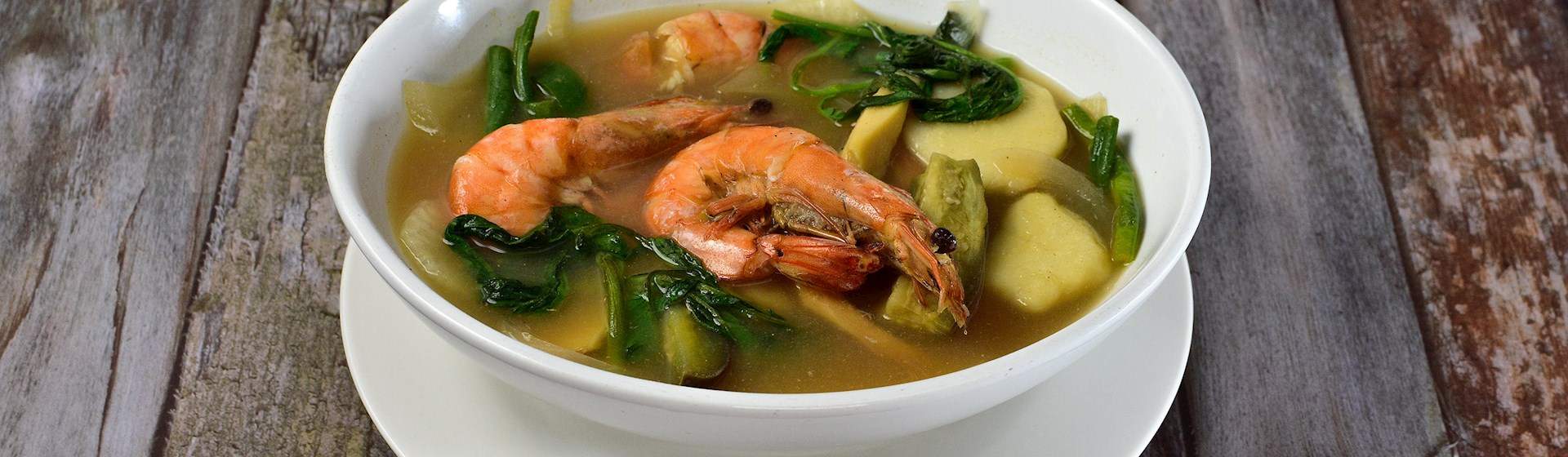
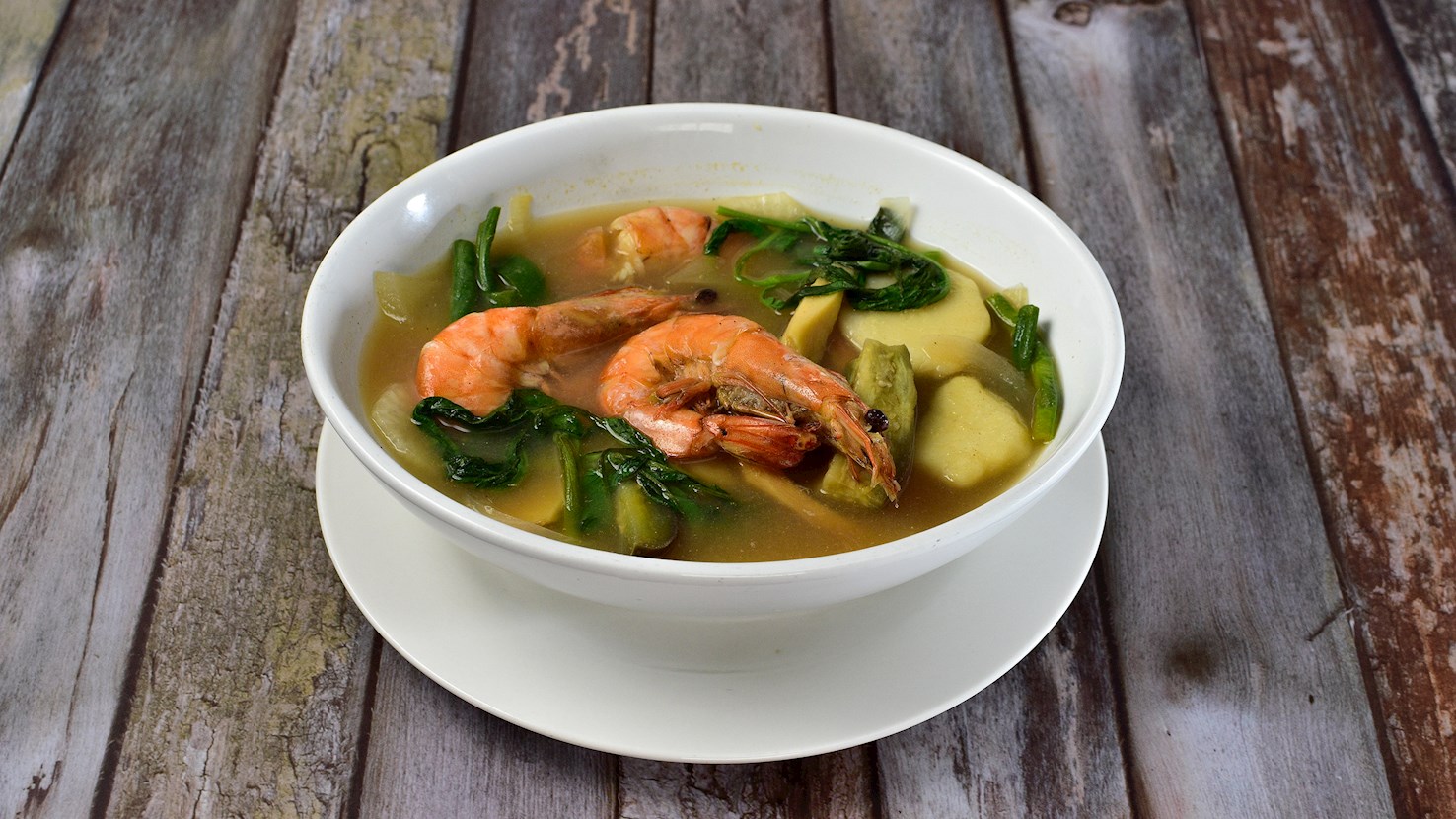
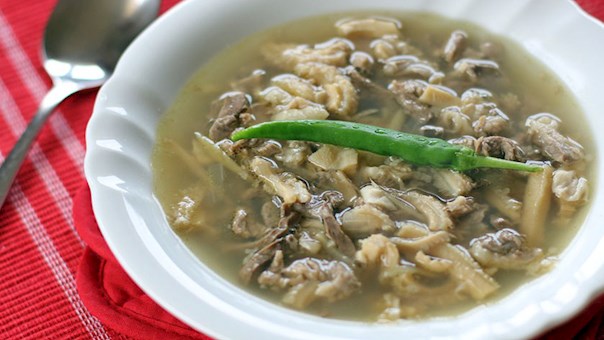
Sinigang is a sour Filipino soup consisting of sampalok (fruits of the tamarind tree), water spinach, hot peppers, cabbage, broccoli, eggplant, diced tomatoes, sliced onions, ginger, garlic, green beans, fish sauce, and salt. The basic broth usually consists of rice washing, with the addition of a souring agent. Ingredients such as pork, fish, milkfish, shrimp, chicken, or beef may also be added to the soup. Sinigang is traditionally served piping hot as a main dish, with rice as its accompaniment. It's an often seen dish at special occasions such as birthdays or weddings, and over time, as the dish became more popular, there were new variations that used guava or raw mango instead of sampalok, and each region developed their own version of the popular soup. With its sour lightness perfectly matching the harsh tropical heat of the country, sinigang is a unique soup that is a true representative of Filipino cuisine.
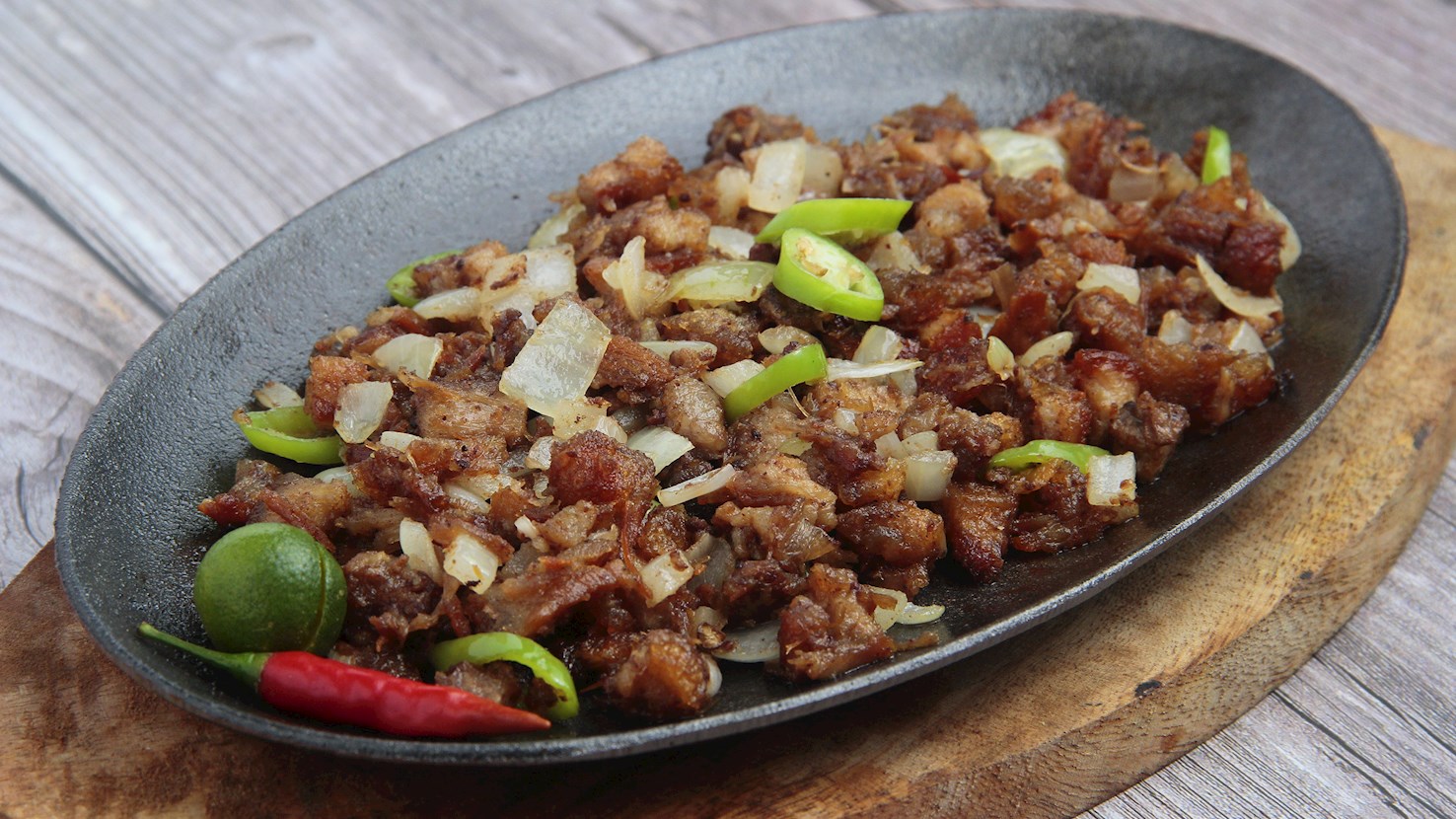
Sisig is a popular Filipino dish made by boiling, chopping, and grilling parts of pig's head such as ears, cheeks, and jowls, which are then seasoned with salt, pepper, and vinegar. The meat is combined with fried onions, sili, and chicken livers, and the whole concoction is traditionally topped with a raw egg. Some cooks like to add mayonnaise or pork cracklings into the dish for extra flavor. Originally, sisig had no meat in it, and was first described in a 1732 Kapampangan dictionary by Fr. Diego Bergano as a salad consisting of guava or green papaya. The name of the dish is believed to derive from the word sisigan, meaning to make sour. It was used as an early remedy for nausea and hangovers, because its sour flavor was considered a vomit suppressant, and that is why today sisig is almost always paired with an ice-cold beer on the side. What started as a simple sour salad has crossed land and sea to become one of the favorite dishes of beer drinkers worldwide.
Pancit bihon is a famous Filipino stir-fry consisting of rice noodles combined with sliced pork or chicken and various vegetables. The dish is infused with soy sauce and it is usually lightly seasoned with lemon juice. Just like other pancit varieties, this version is often found at numerous street stands throughout the country and is a staple dish served on special and festive occasions.
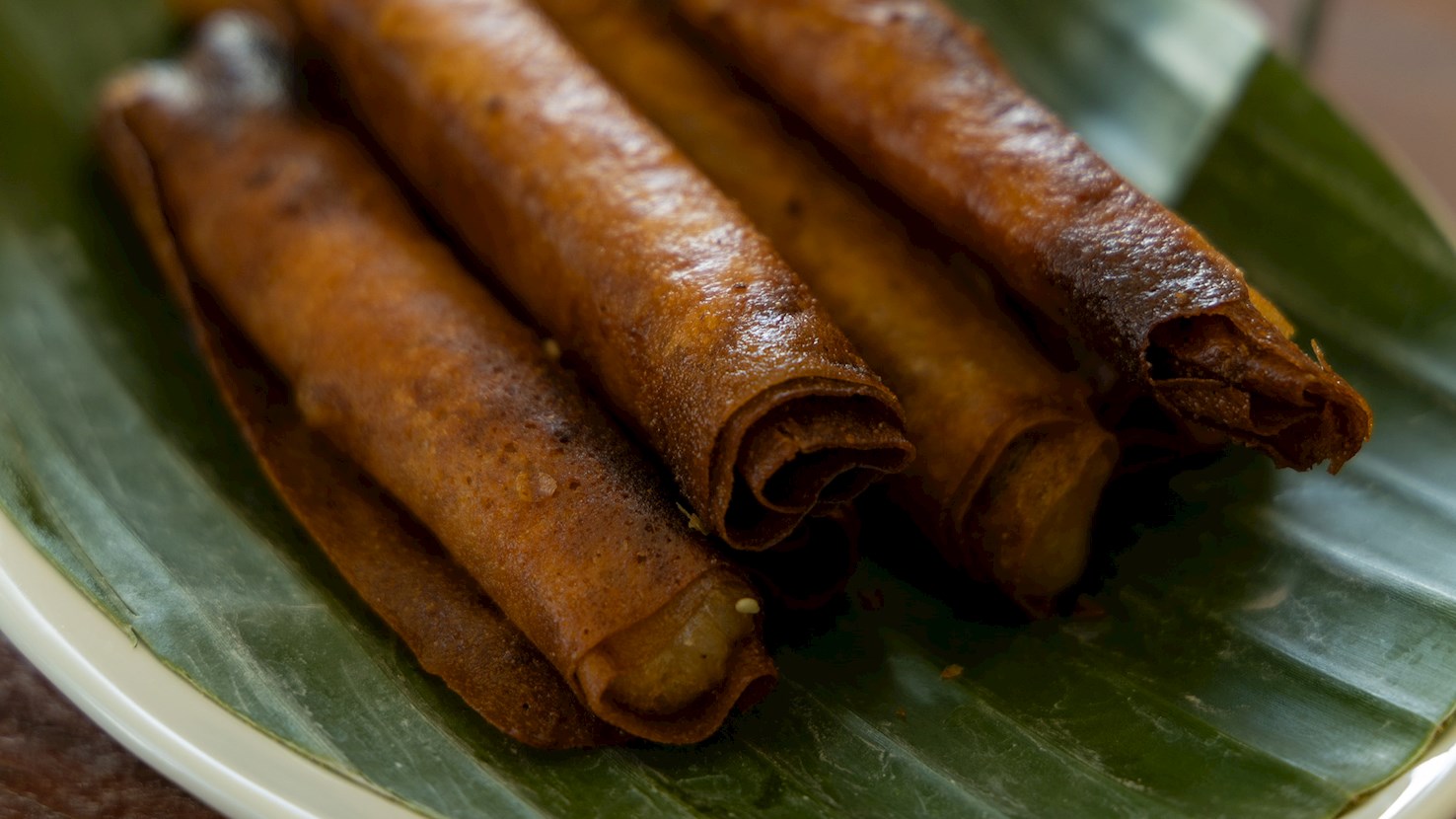
Falling in the group of popular lumpia snacks, turon is the famous Filipino treat made with saba plantains and jackfruit. The fruit is sliced lengthwise, dusted in brown sugar, enclosed in thin wheat wrappers, then fried until golden and crispy. Like other lumpia varieties, turon was also developed from the Chinese spring rolls and represents one of the most common sweet versions of the dish. Before it is served, it is commonly drizzled with caramel or sprinkled with roasted sesame seeds. It is usually sold by Filipino street vendors and enjoyed as a sweet snack or a satisfying dessert.
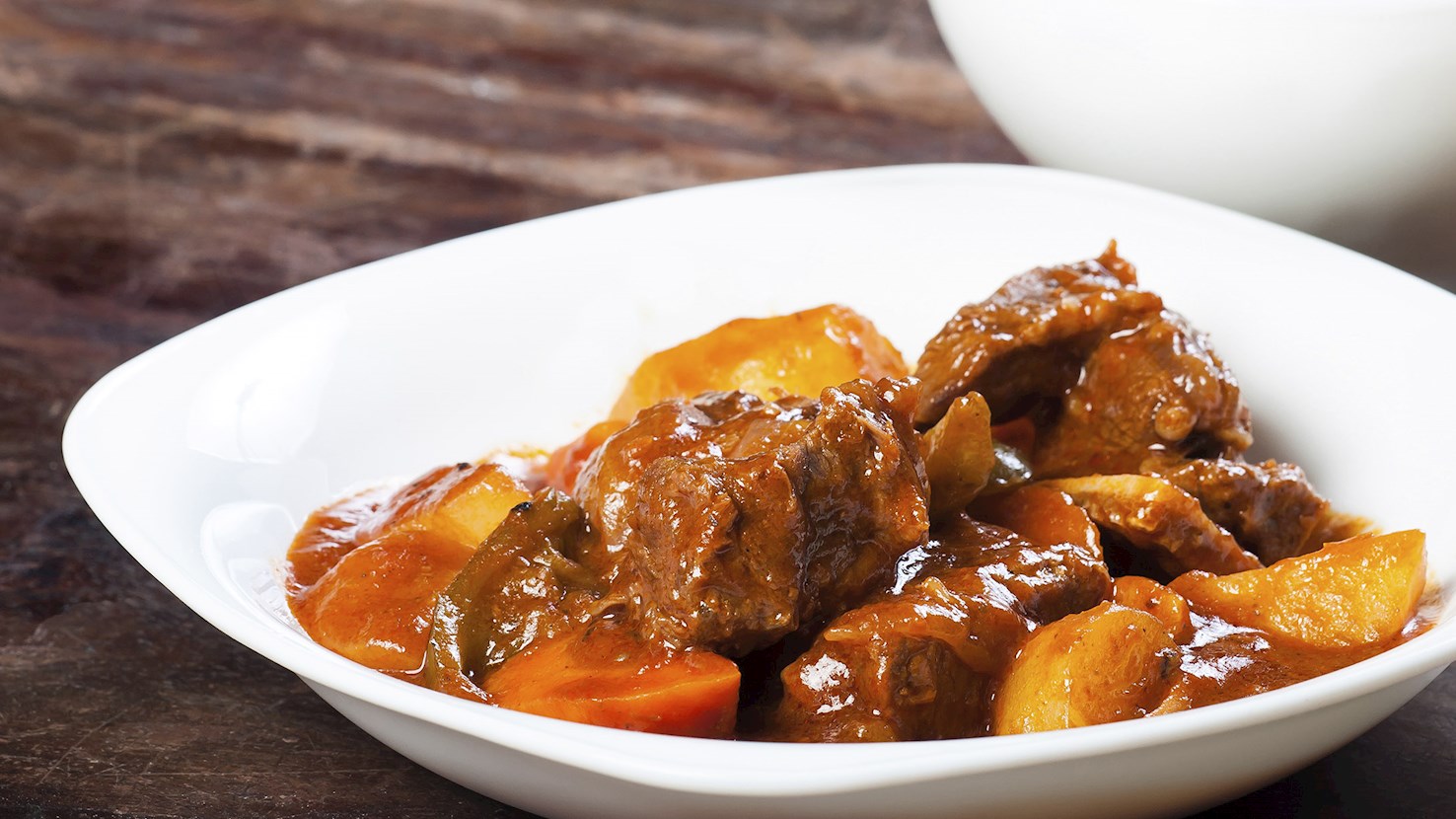
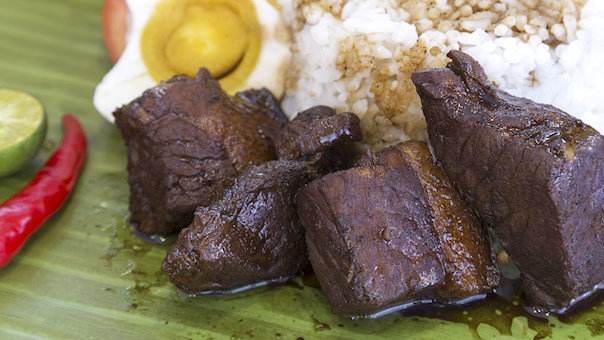
Kaldereta is a Filipino meat stew that is traditionally served with a side of white rice. Although any kind of meat can be used in the stew, beef and goat are the preferred options. The dish is influenced by three centuries of Spanish colonization, and the word kaldereta is derived from the Spanish caldereta, meaning cooking pot or cauldron. Besides meat that is used in the dish, other ingredients include mashed liver, tomato sauce, and seasonings such as onions, salt, pepper, and garlic. Kaldereta is often garnished with sliced tomatoes, chopped onions, or fried potatoes on top, and can be found in numerous Filipino turo-turo joints.
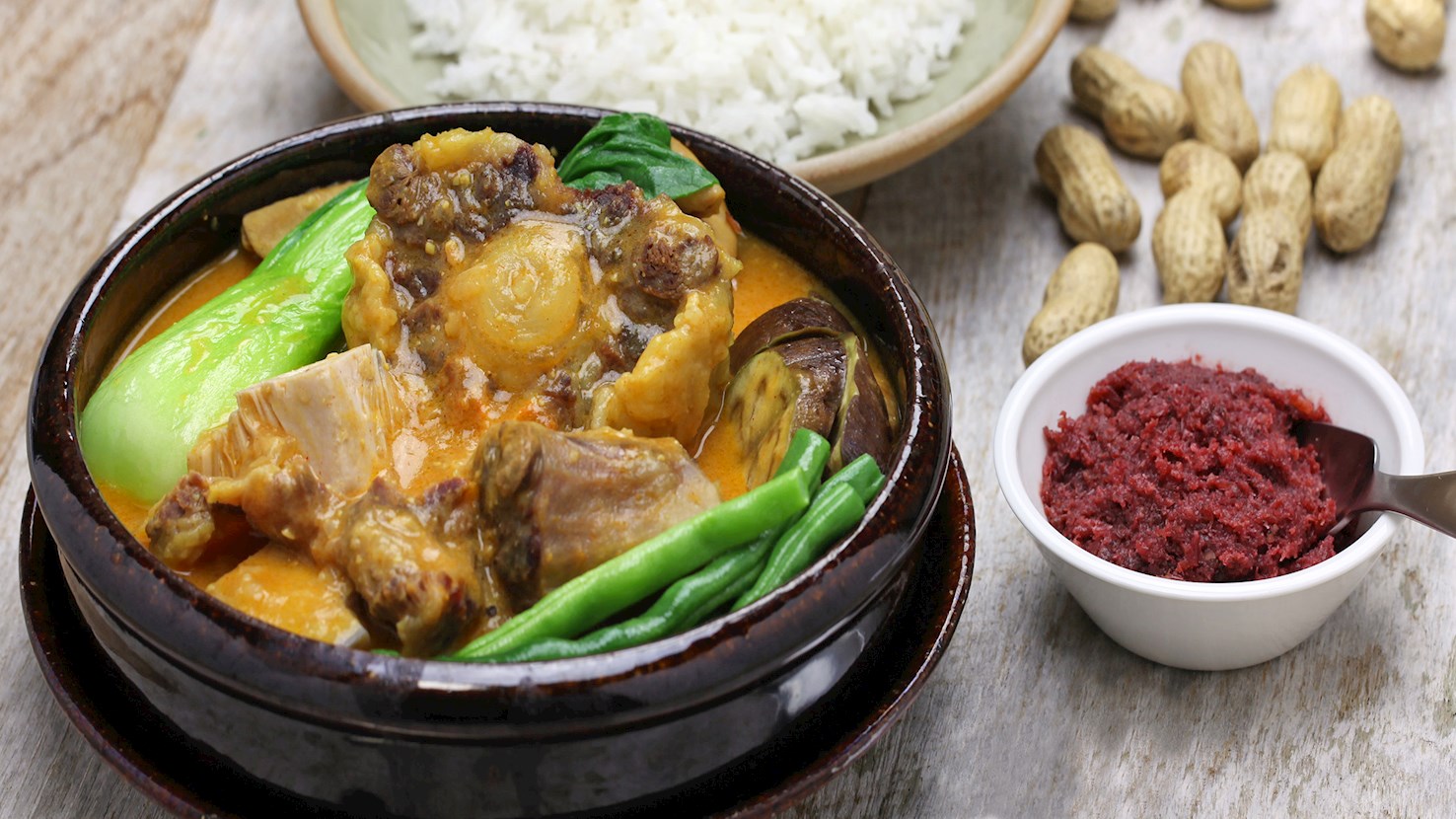
Kare-kare is a traditional stew consisting of meat such as tripe, pork leg, ox tail, goat or chicken, vegetables, and a thick, savory peanut sauce flavored with annatto seeds. Shrimp paste (bagoong) is often served on the side in order to enhance the flavors of the dish. Kare-kare is traditionally cooked in a clay cooking pot known as palayok, and the vessel also acts as a serving bowl once the dish is properly cooked. Nowadays, it is often served at numerous Filipino festivities. Some believe that kare-kare has origins in the Pampanga region, while others claim that the name of the dish is derived from the Indian word curry, and that it was introduced to the Philippines by Indians from the Rizal province. Over the years, the dish has evolved, so some cooks like to add chilis or green papaya for an extra kick, although the traditional kare-kare sauce should ideally be devoid of seasonings, spices, and chilis. Regardless of the origins of kare-kare, it is still a favorite dish among the natives.
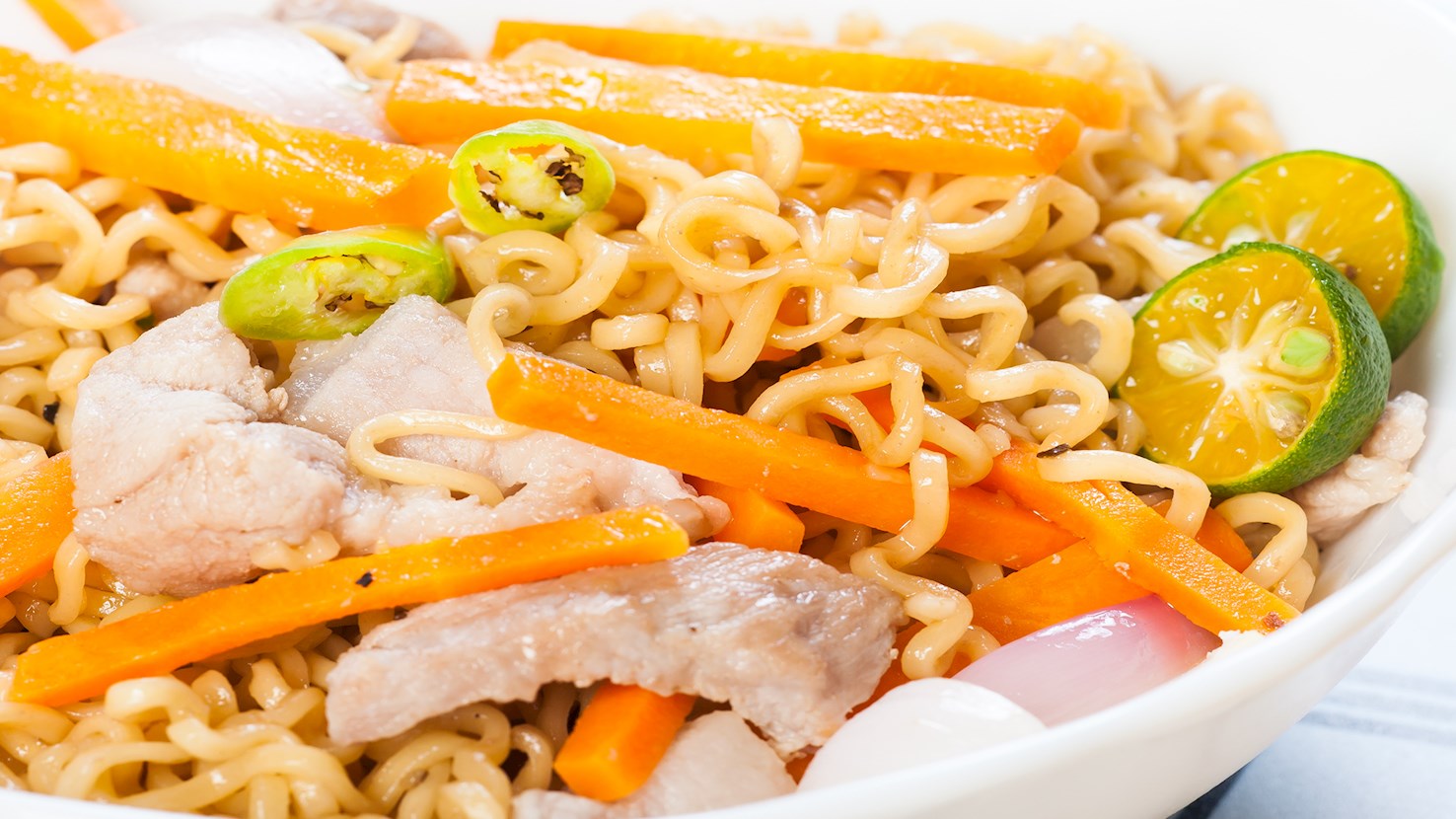
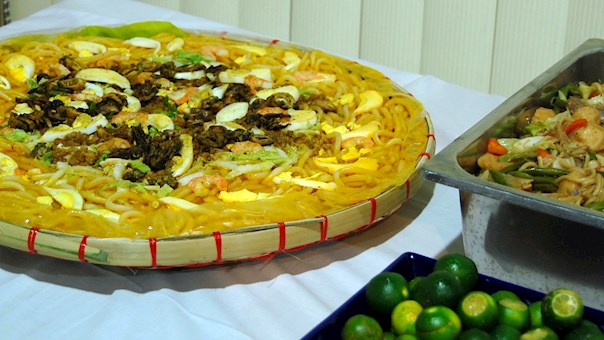
Pancit canton is a savory stir-fried noodle dish consisting of thick, dried egg noodles tossed in a rich soy-and-oyster sauce broth with shredded vegetables, pork, and seafood. Hokkien traders from Fujian province introduced foundational frying and boiling methods to the Philippine archipelago during the Spanish colonial period, with practices accelerating throughout the 17th and 18th centuries as maritime trade expanded. The word "pancit" stems directly from the Hokkien phrase "pian e sit," which translates strictly to "convenient food." The identifier "canton" refers directly to the specific type of extruded, dried egg noodle used in the wok, mirroring the exact wheat-and-egg dough formulas prominent in Guangdong province. Pancit canton requires rendering fat from diced pork belly before tossing in minced garlic and chopped white onions. Once the aromatics soften, peeled shrimp, sliced chicken thigh, and thin slices of pork liver are added to the hot oil and fried until the proteins are completely browned. A heavy liquid base of chicken stock, dark soy sauce, thick oyster sauce, and a small dash of sesame oil floods the pan, coming to a rapid boil. The dry, brittle blocks of yellow egg noodles drop directly into the bubbling liquid. They remain in the wok without boiling them first in separate water, actively absorbing the seasoned broth as it reduces into a sticky, glossy glaze that coats every single strand. In the final minutes, julienned carrots, crisp snow peas, small florets of cauliflower, and chopped green cabbage fold into the softening noodles, ensuring the vegetables retain a firm, raw crunch. Adjusting the internal ingredients drastically shifts the flavor profile. A strictly seafood-focused adaptation completely omits the pork belly and liver, relying on massive quantities of squid rings, peeled mussels, and fermented fish paste to build a pungent oceanic brine. Another prominent modification introduces sliced Chinese sausage, known as lap cheong, and peeled, boiled quail eggs to increase the overall caloric density and inject distinct bursts of sweet, cured meat fat into the salty soy broth. Certain coastal municipalities intentionally scatter heavily toasted garlic bits, fresh chopped scallions, or crushed pork cracklings directly on top of the wet noodles just before eating to ensure a sharp, brittle textural contrast against the soft wheat strands. The massive pile of hot, glossy noodles moves straight from the cast-iron wok to a wide ceramic platter. Freshly halved calamansi, a sharply acidic local citrus, always surrounds the outer rim of the plate. Squeezing the sour juice directly over the savory egg noodles instantly cuts through the heavy soy and animal fats. It routinely anchors massive birthday celebrations to symbolize a long life, but also serves strictly as a daily mid-afternoon snack, frequently sandwiched between two thick slices of soft white bread to form a dense, carbohydrate-heavy meal.
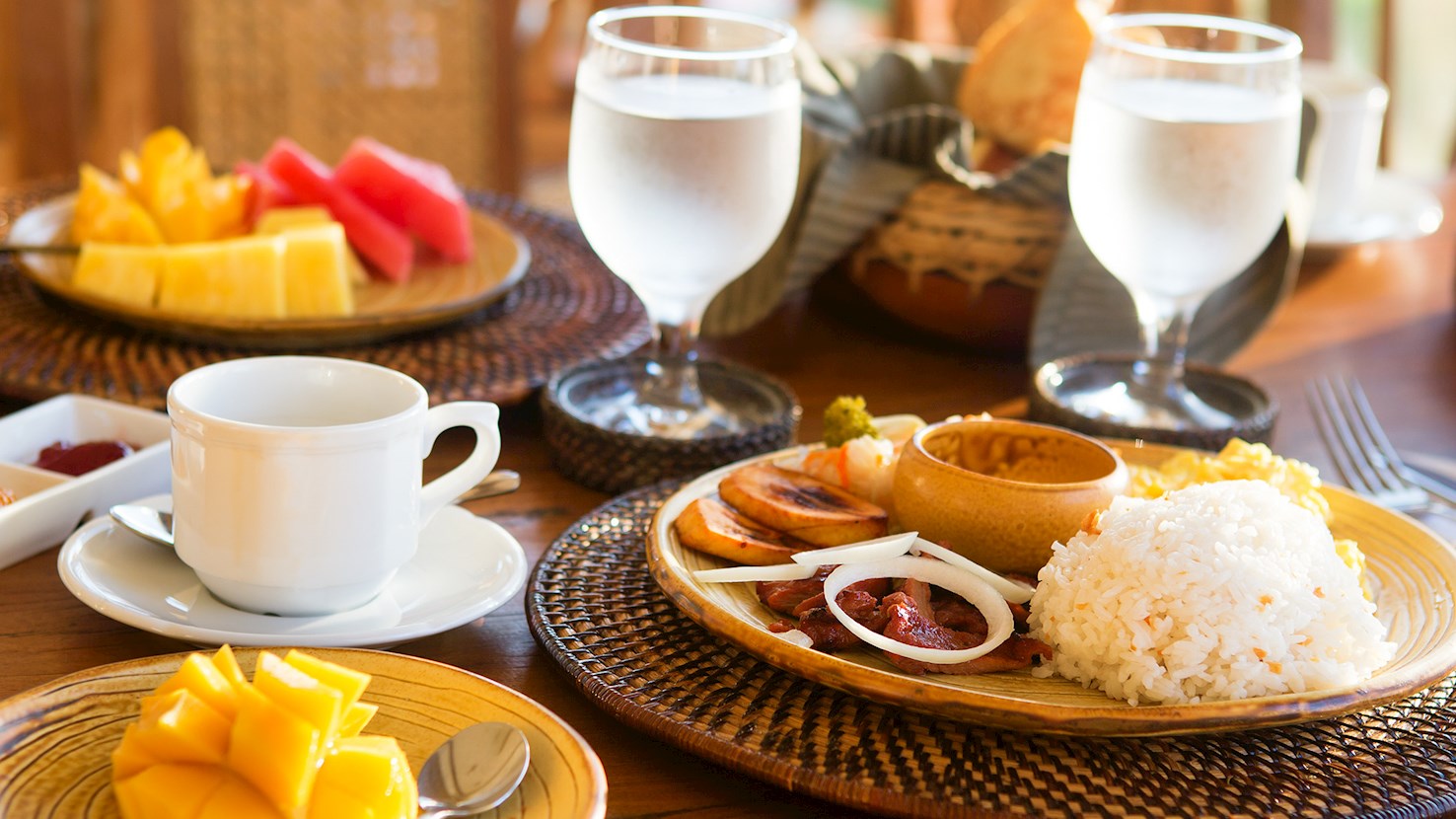
Silog refers to a group of Filipino dishes that are traditionally served for breakfast. The name is an abbreviation for sinangang at itlog, meaning fried garlic rice and eggs. The difference between each of these dishes is in the additional component that's served with the garlic rice and eggs, such as tapa (sliced meat), longganisa sausages, tocino bacon, bangus milkfish belly, chorizo, hot dogs, pork chops, Spam, fried chicken, or beefsteak, among others. It is believed that the first type of silog was tapsilog, invented in the 1980s in Marikina City. These breakfast items are so popular that they can nowadays be found in fast food chains, hotels, and restaurants.
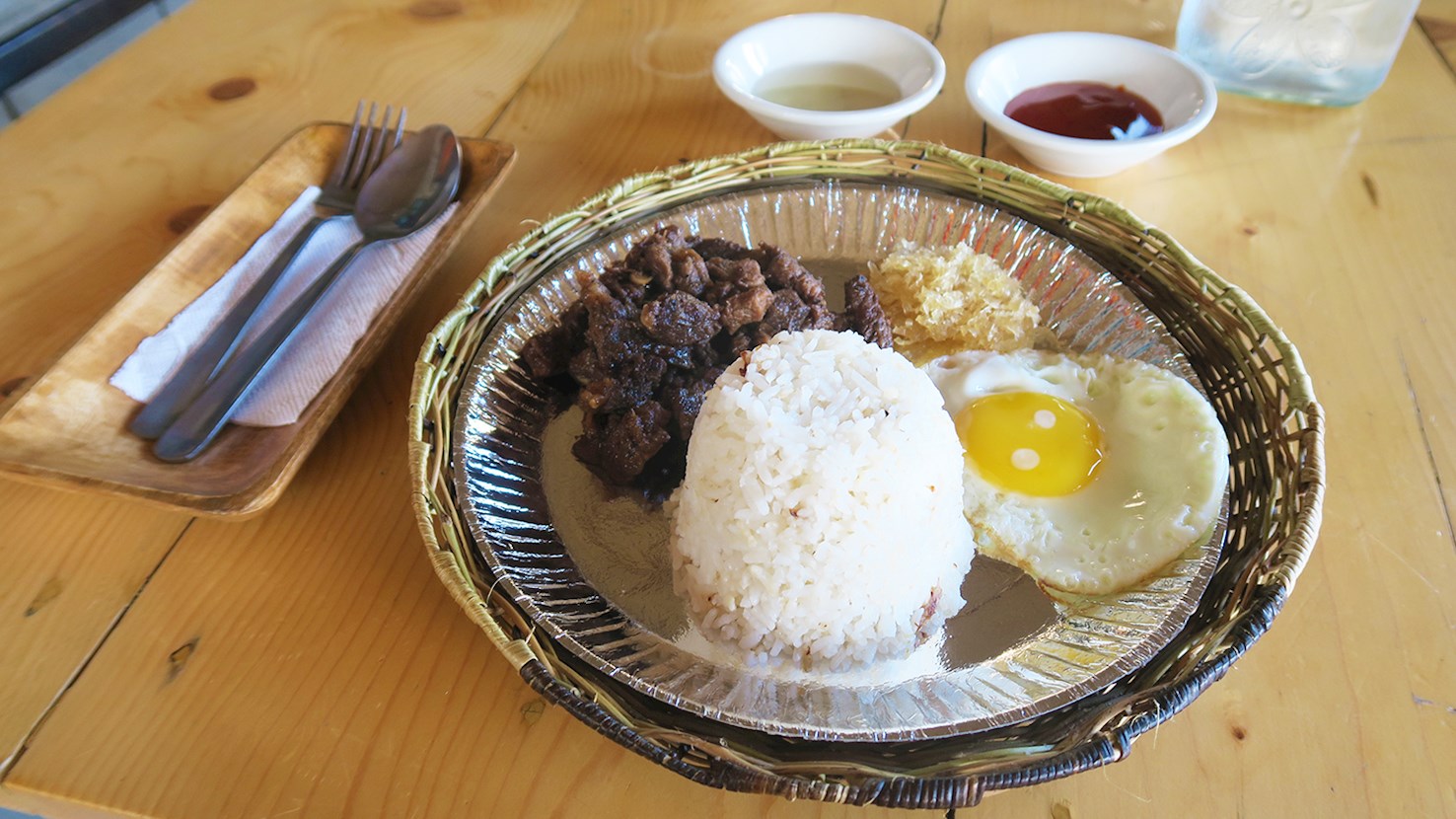
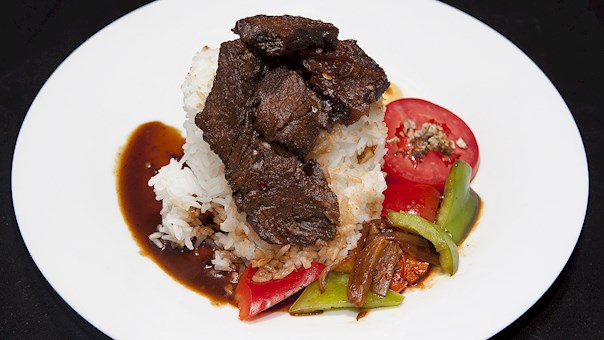
One of the most common breakfast staples in the Philippines is tapsilog, a plate which consists of sliced beef jerky, known as tapa, a heap of garlic rice, and a fried egg. It is believed that the dish grew out of necessity, to cater to the needs of many workers who were in search for a quick, cheap, and nutritious breakfast. Eventually, tapsilog was incorporated on the menus of many Filipino fast food chains and specialized tapsihan eateries. Nowadays, it appears in numerous varieties, and even though it is still a favorite Filipino breakfast it can be enjoyed at any time of day or as a satisfying late night snack.
TasteAtlas food rankings are based on the ratings of the TasteAtlas audience, with a series of mechanisms that recognize real users and that ignore bot,
nationalist or local patriotic ratings, and give additional value to the ratings of users that the system recognizes as knowledgeable.
TasteAtlas Rankings should not be seen as the final global conclusion about food. Their purpose is to promote excellent local foods,
instill pride in traditional dishes, and arouse curiosity about dishes you haven’t tried.



What People Say