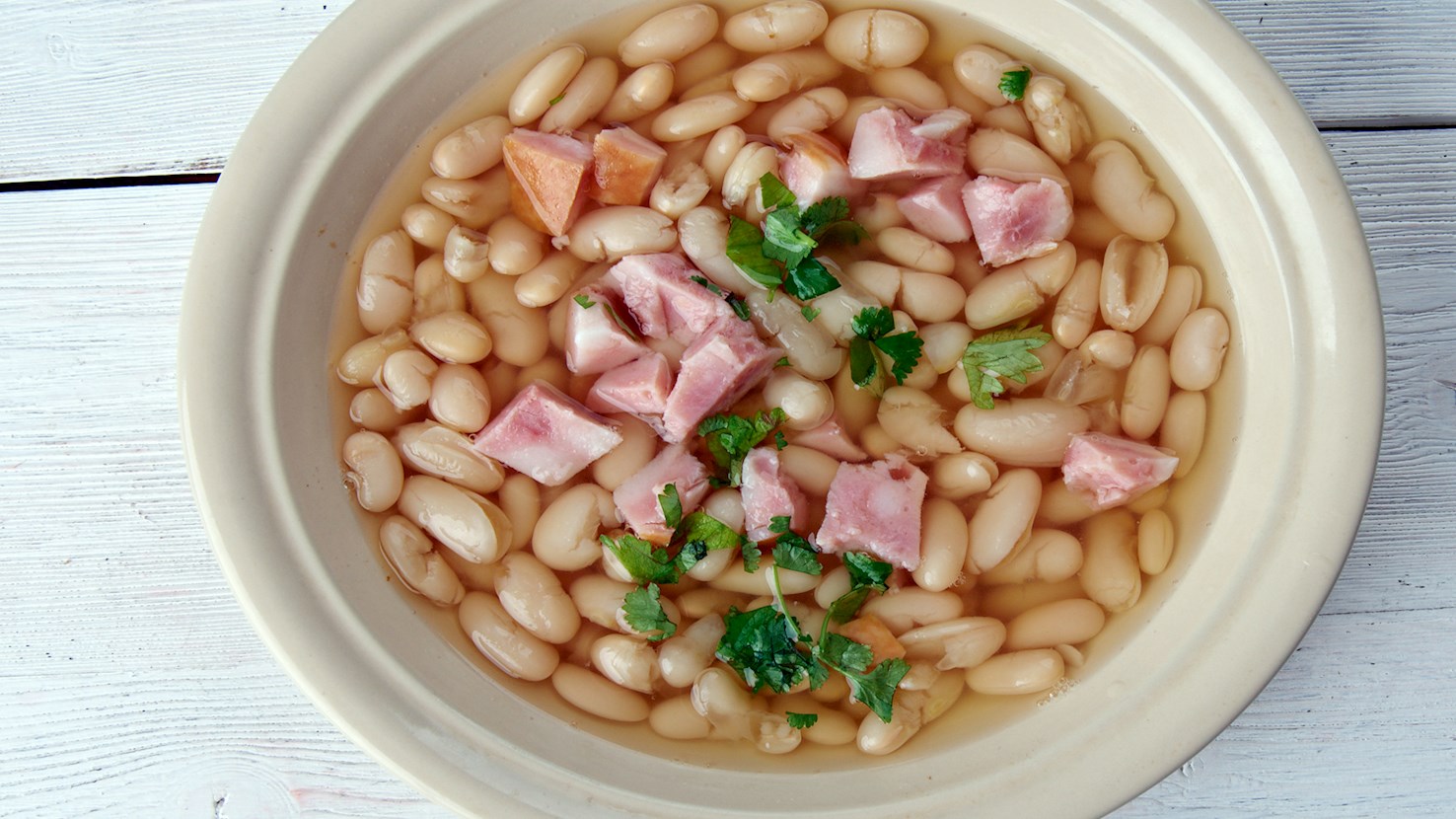
Served every day in the dining room of the United States Senate, Senate bean soup is a dish that dates back to the beginning of the 20th century. The soup is made with navy beans, onions, and ham hock, while the original version additionally included celery, mashed potatoes, parsley, and garlic.
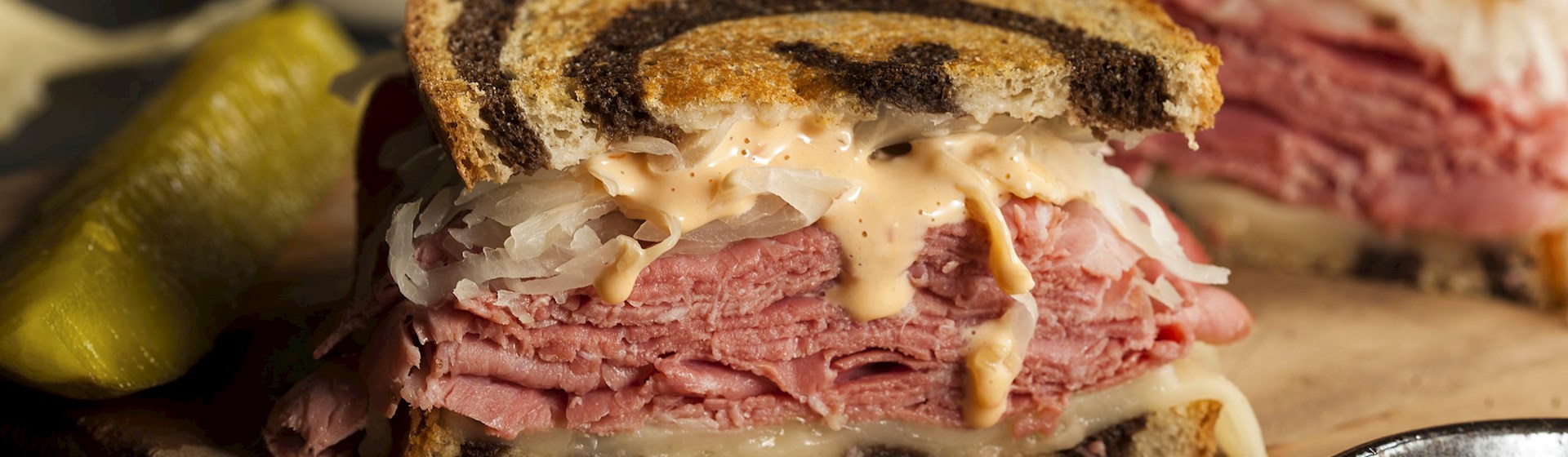
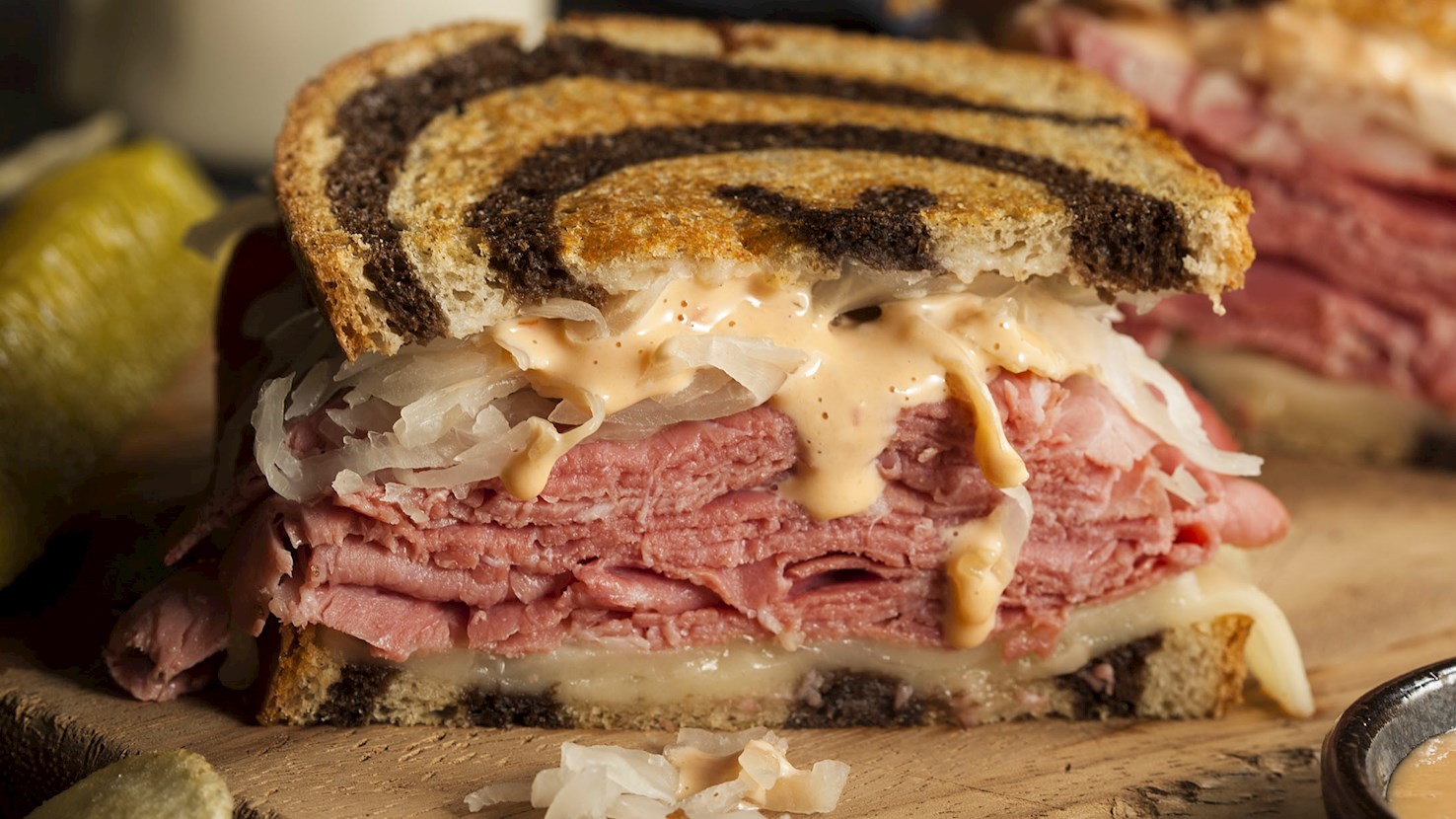
Reuben is a melty sandwich consisting of a combination of corned beef, rye bread, sauerkraut, Russian dressing, and Swiss cheese. According to one out of many theories, it was invented in 1914 at Manhattan's Reuben Delicatessen by its owner, Arnold Reuben, when an out-of-work actress ordered something new, and Arnold made her a Reuben sandwich. The combination of meat and cheese is not kosher, but the sandwich can be found in Jewish delis because it's a part of Jewish food culture and it's mostly eaten by people who are not strictly Orthodox. Just like most popular food, Reuben also has numerous variations such as Rachel sandwich, grouper Reuben, West Coast Reuben, Montreal Reuben and Reuben egg rolls. Savory, sloppy and extremely satisfying, Reuben remains a staple of New Yorker cuisine.
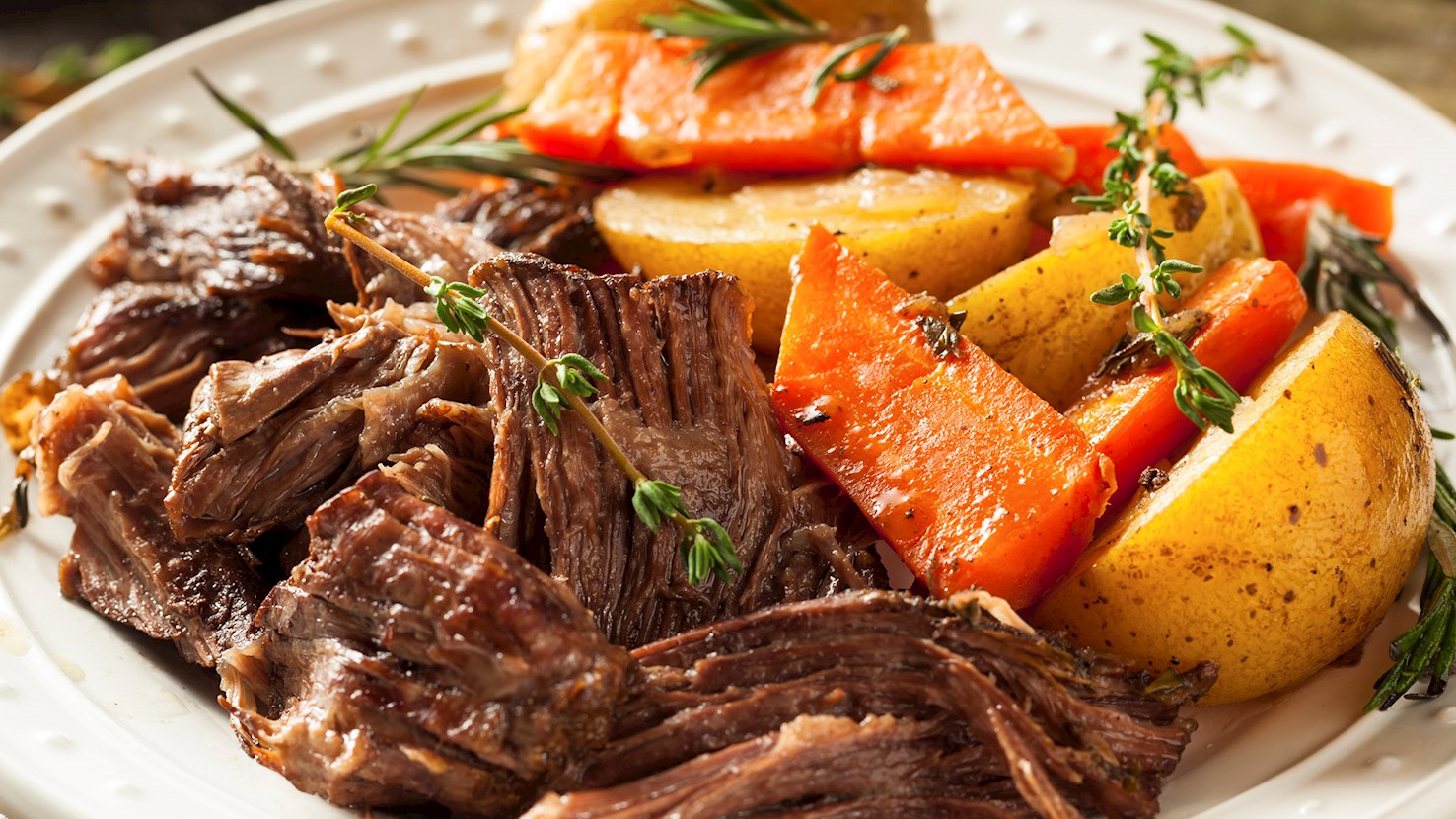
Pot roast, also known as Yankee pot roast, is a slow-braised beef-and-root-vegetable dish that transforms tough, inexpensive cuts of meat into meltingly tender New England comfort food. It is a masterclass in culinary alchemy that evolved from the colonial "New England Boiled Dinner," in which cooks prepared entire meals in a single cauldron over an open hearth. The "Yankee" moniker is a direct nod to famous New England frugality. Early settlers couldn't afford to waste anything, so they adopted European braising techniques—brought over by French and German immigrants—to tenderize heavily worked beef. Unlike European braises that lean on heavy wine reductions and delicate mushrooms, the original Yankee version was strictly utilitarian. It relied on hearty cellar-stored root vegetables, simple beef broth, and whatever herbs were on hand, built to feed a crowd and warm you to the bone during brutal Northeast winters. A true Yankee pot roast isn't about fancy ingredients; it's about combining the right structural components and relying on the magic of braising. The foundation is the meat, typically a three to four-pound chuck roast, brisket, or bottom round. These cuts are high in connective tissue, which might seem tough initially, but during a long cook, that collagen melts into gelatin, creating a silken texture. Before cooking, the beef is generously salted and aggressively seared on all sides in a heavy Dutch oven over medium-high heat. This crucial step creates the Maillard reaction, building the deep, savory flavor profile of the final gravy. Once browned, the meat is set aside while coarsely chopped aromatics like onions and garlic are sautéed until translucent. A splash of broth or red wine is then used to deglaze the pot, scraping up all the caramelized brown bits from the bottom to ensure no flavor is lost. With the savory base built, the beef is returned to the pot along with herbs like fresh thyme and a bay leaf. The braising liquid—usually a mix of beef stock and crushed tomatoes—is poured in just until it comes about halfway up the sides of the meat. It is essential not to submerge the beef entirely, as the goal is to create a moist, low-temperature environment that gently breaks down the tough fibers. The pot is covered tightly and left to simmer gently on the stovetop for several hours. Timing the addition of the root vegetables is the secret to a perfect roast; adding them at the beginning will cause them to disintegrate into mush. Instead, wait until the beef is about an hour away from being fork-tender before tucking large chunks of carrots, potatoes, celery, and turnips around the meat. Once both the meat and vegetables are meltingly soft, they are removed to a platter where the beef can be sliced against the grain or pulled apart with forks. The remaining liquid in the pot, infused with rich beef fat and sweet vegetables, can be skimmed and served as a pan sauce or thickened with a flour slurry to create a hearty gravy, completing a timeless New England feast.
TasteAtlas food rankings are based on the ratings of the TasteAtlas audience, with a series of mechanisms that recognize real users and that ignore bot,
nationalist or local patriotic ratings, and give additional value to the ratings of users that the system recognizes as knowledgeable.
TasteAtlas Rankings should not be seen as the final global conclusion about food. Their purpose is to promote excellent local foods,
instill pride in traditional dishes, and arouse curiosity about dishes you haven’t tried.



What People Say