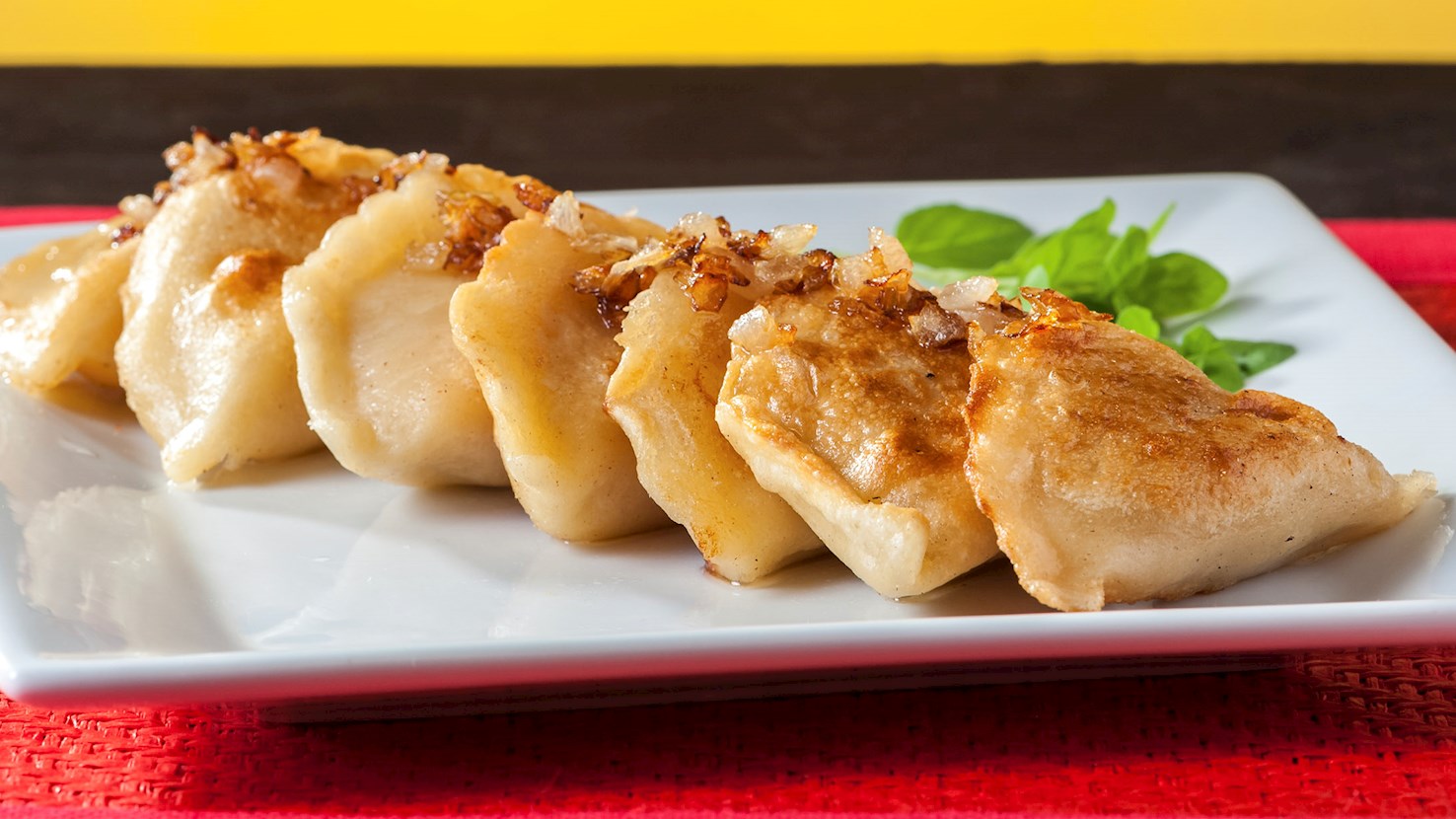
Originally brought to the Pennsylvanian region by immigrants from Eastern Europe, pierogies have become a unique staple dish, both in the city of Pittsburgh and all over Western Pennsylvania. Pierogies are soft, semicircular dumplings that are traditionally filled with potatoes or cheese, but the number of fillings is virtually countless and limited only by imagination. In Poland, pierogies have been made since the 13th century, and they had been brought to the United States during the late 19th and the early 20th century, when Pittsburgh experienced a population boom during the Great Migration. As pierogies are inexpensive and portable, they were a common meal in the lunch boxes of numerous mill workers during the Industrial Age. Today, the dish is served both in upscale restaurants and in the kitchens of Polish descendants throughout the region. Their popularity even gave birth to the Great Pierogie Race (a mascot race of six contestants in giant pierogie costumes) during the baseball game of the local sports team called the Pittsburgh Pirates.
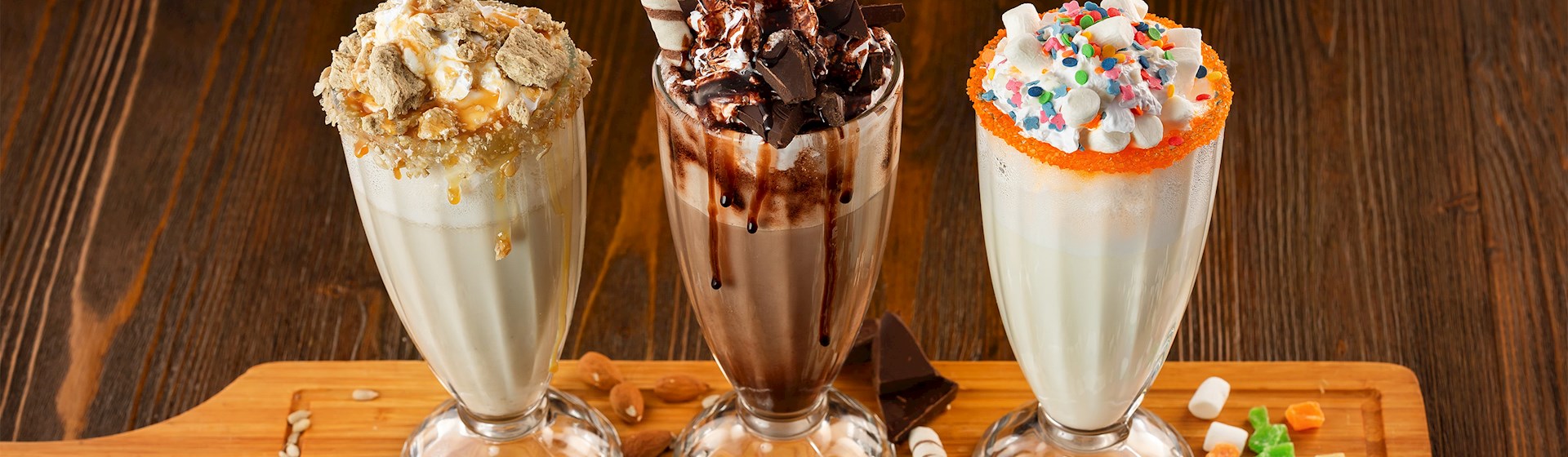
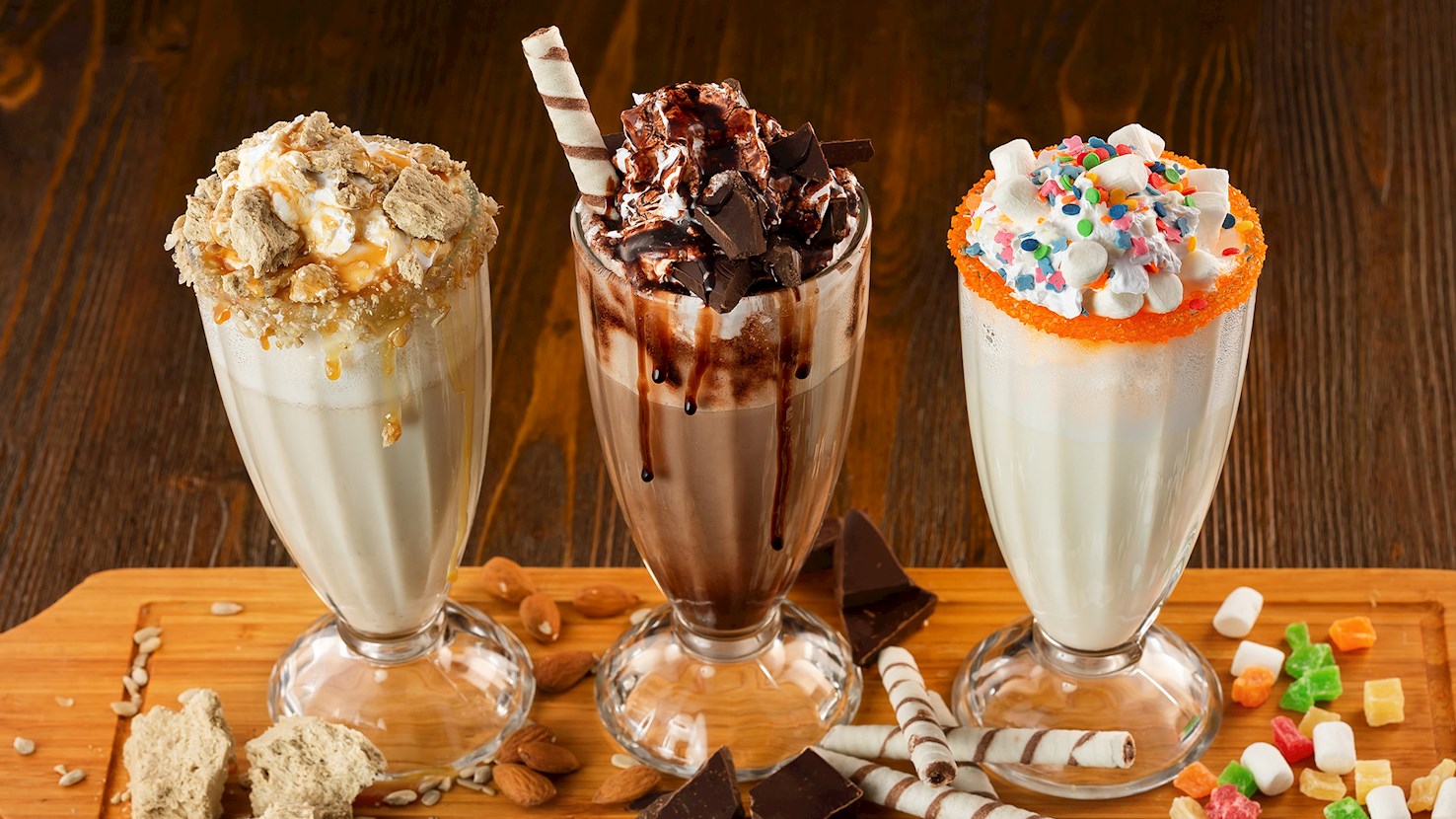
Milkshakes are usually described as flavored milk and ice cream beverages, usually lavishly decorated and served cold. The first written mention, dating from 1885, was somewhat different, and the word was used to refer to a whiskey drink, similar to eggnog, which was used as a health remedy. At the end of the 19th century, milkshakes were already prepared as milk-based drinks made with flavored syrups. The invention of malted milk powders which contained dried milk, malted barley, and wheat flour, along with the popularization of electric blenders, inspired the creation of a more familiar milkshake version. These inventions transformed the old-fashion milkshake into a creamy and airy form that we are more familiar with today. The final contribution to the modern milkshake was made by Ivar “Pop” Coulson, an employee at the Walgreens supermarket, who added scoops of vanilla ice-cream to the already famous malted drink. The creamy, cold drink became an instant hit among the Americans, especially teenagers, who would regularly enjoy their milkshakes in diners and fast-food restaurants. The soda fountains equipped with different flavored milkshakes were also put in drugstores as a quick and convenient refreshment. Although not as popular as they were in the 1950s and the 1960s, they are still a crucial part of American culture, reminiscent of youth and enjoyment. This frothy, refreshing beverage is also favored in Australia and the United Kingdom, where it is usually sold in fast-food restaurants and specialized establishments. Modern-day milkshakes, on the other hand, include some unusual varieties such as mango or mocha, and might include luxury ingredients or even be spiked with alcohol. The recent growth in popularity has led to the emergence of numerous artisan shops which create show-stopping milkshake creations infused with popular candies, whipped cream, marshmallows, and even bacon or blended doughnuts!
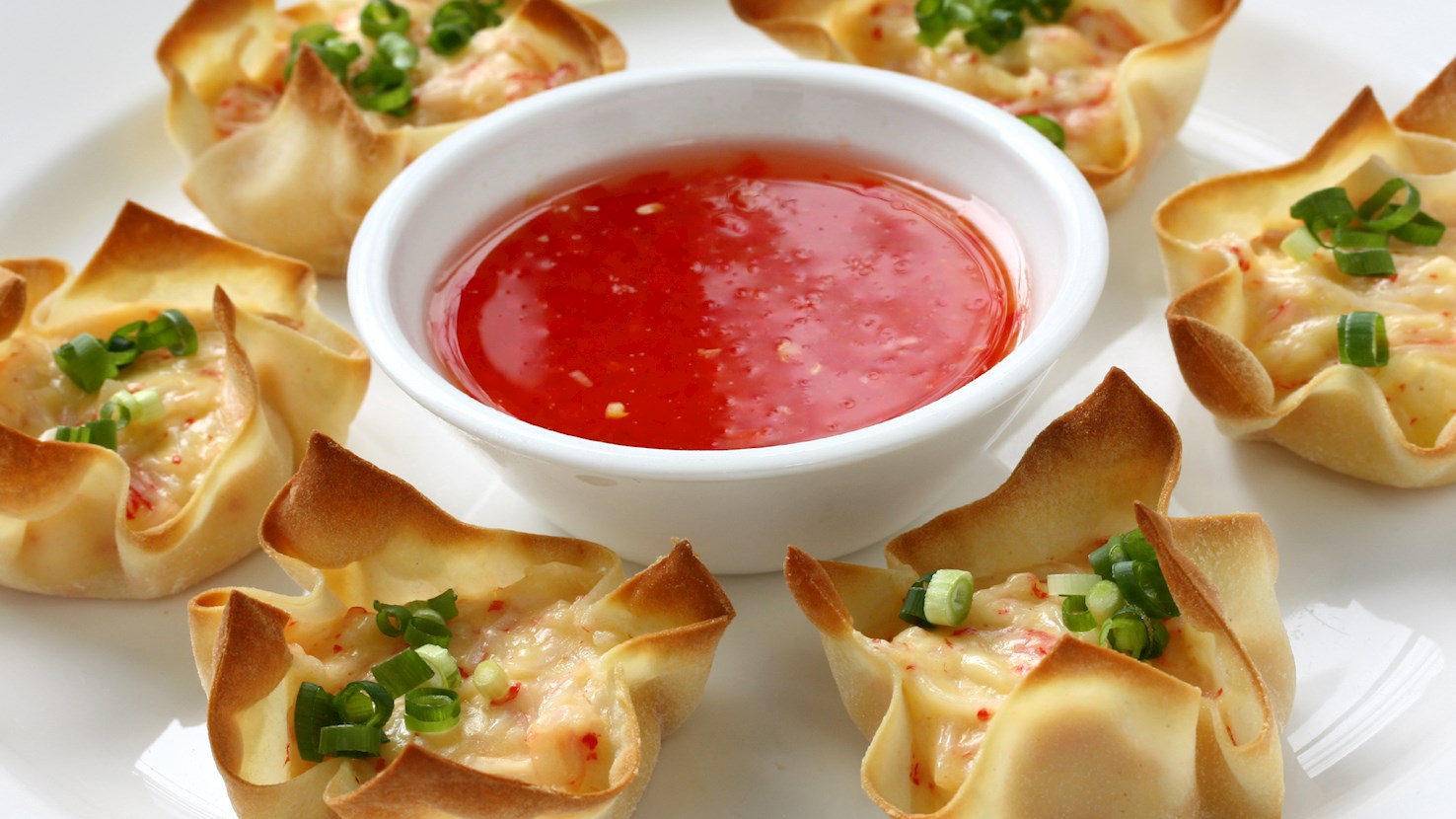
Crab rangoon is an American-Chinese dish consisting of a deep-fried dumpling that is stuffed with crab meat, garlic, scallions, and cream cheese. It is believed that the first crab rangoon was invented at Trader Vic's bar in either Oakland or San Francisco, although some claim that it was invented in Missouri for the World's Fair in 1904. Regardless of the origins, today this appetizer can be found in numerous Chinese-style restaurants throughout America, where it is often served with dips such as mustard, soy sauce, or plum sauce on the side.
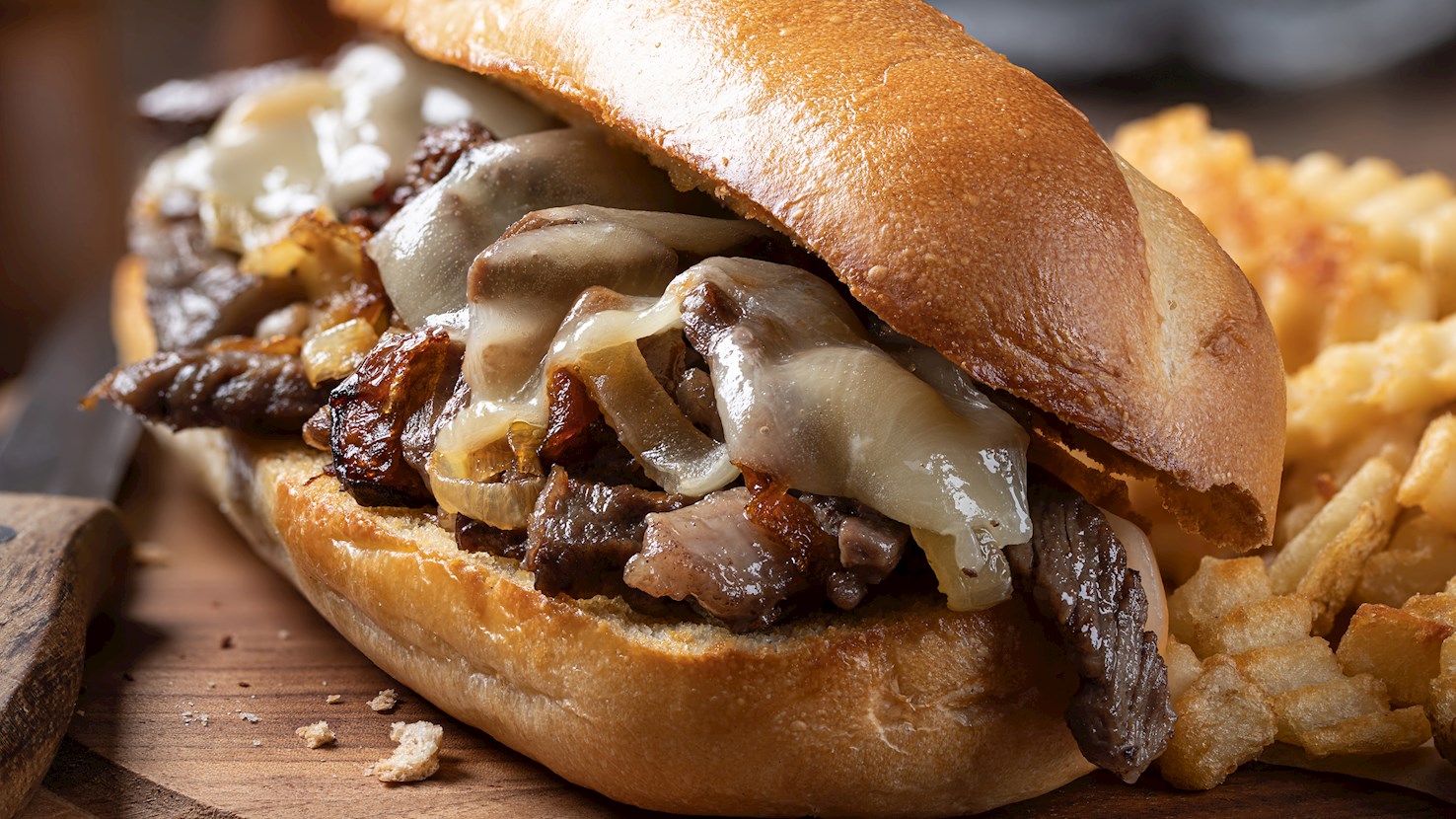
The Philadelphian icon known as Philly cheesesteak is an extremely popular sandwich consisting of thinly sliced pieces of steak and tender, melting cheese in a long and crusty hoagie roll. It was invented in the 1930s in what is now a Philadelphian institution called Pat's King of Steaks. Pat's started as a regular hot dog stand in South Philadelphia, and one day Pat had decided to make himself a sandwich consisting of thinly sliced rib-eye steak and cooked onions placed into an Italian roll. When a hungry cab driver stopped by and smelled the beef, he forgot about the hot dogs, and Philly steak sandwich was born. Originally, the sandwich was made without cheese, which only started to be added during the 1960s. Some claim that the cheese (ideally, Cheez Whiz or Provolone) was added by Pat's friendly rival Joey Vento, the owner of Geno's Steaks, located across the street from Pat's joint. Today, it is one of the most popular fast foods in Philadelphia, ready to satiate even the hungriest customers with additional toppings such as sautéed mushrooms, ketchup, and hot or sweet peppers.
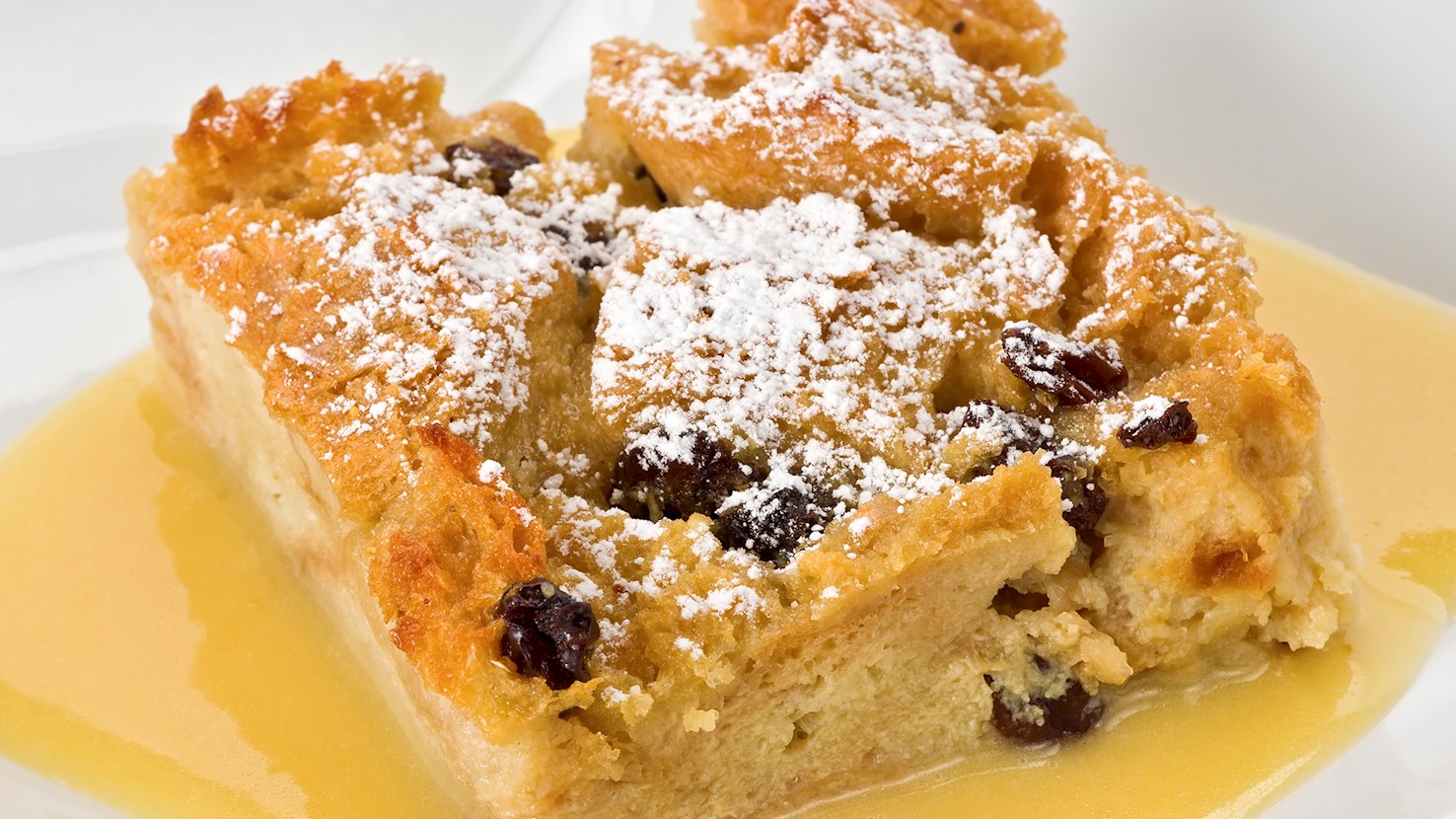
Bread pudding is an old dish that has been prepared since Medieval times in Europe and the Middle East. However, it is extremely beloved and defining in the cuisine of New Orleans. The dish consists of stale bread that is bathed in a combination of milk, sugar, eggs, nuts, and fruits, and is then baked into a delicious dessert. It can be consumed either hot as a pudding or cold as a cake. In the past, there was a practice of hollowing out a loaf which then acted as a container for a sweet dish. There are numerous variations of bread pudding, from Egypt and Turkey to India and Malaysia. The earliest bread and butter puddings in Britain were called white-pot, and were made with butter or marrow. Today, in New Orleans, local bread with a crispy crust and a light interior is combined with a sweet custard, resulting in a light, airy, and decadent dessert. The cooks are always making new variations of the dish in Louisiana, adding white chocolate, strawberry compotes, Creole cream cheese, and caramel sauce with brown sugar and rum. Comforting and hearty, bread pudding has even been called the gumbo of New Orleans desserts.
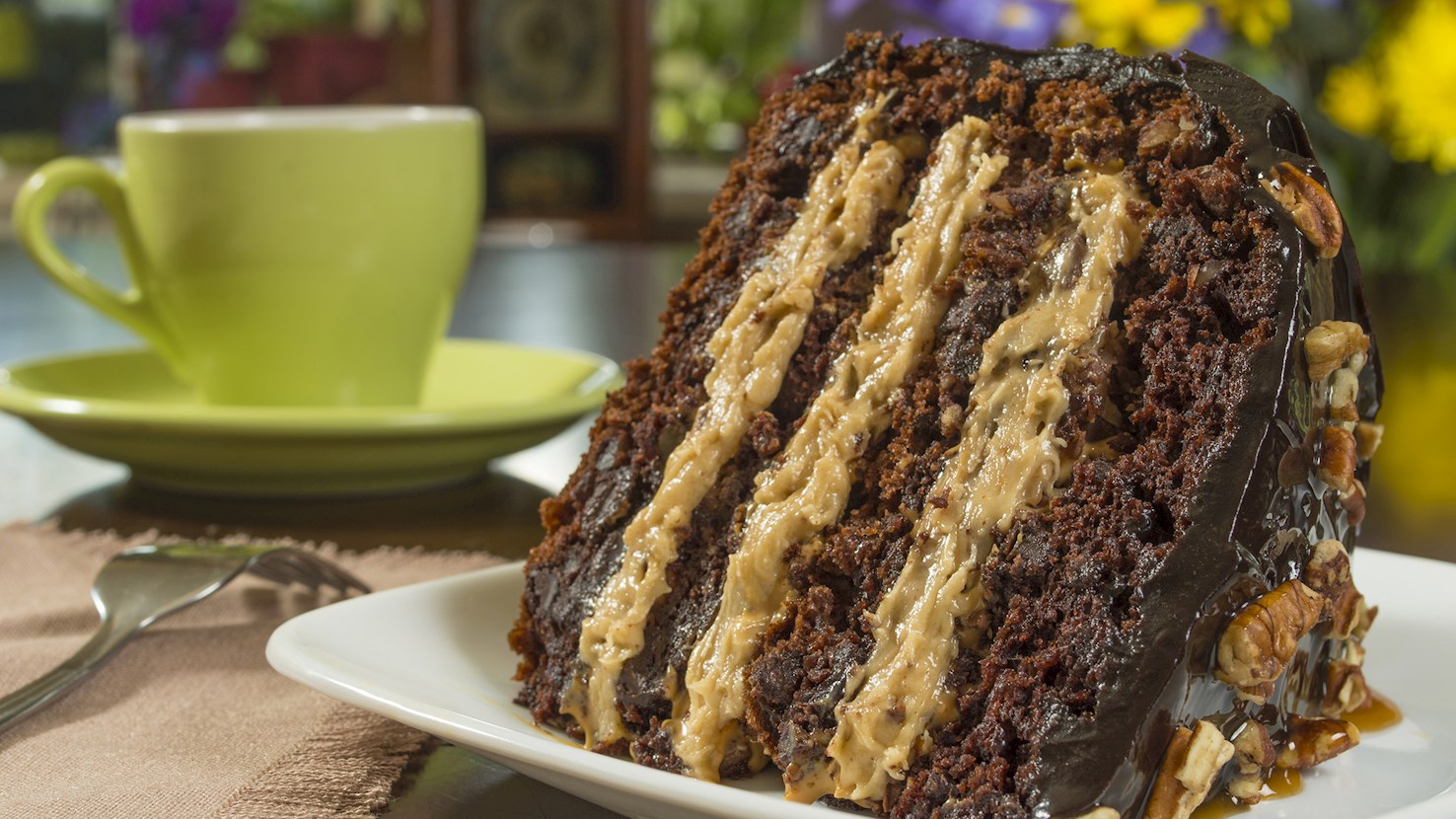
Despite its name, German chocolate cake is an American invention, a decadent dessert consisting of three interspersed layers of buttermilk sponge and chocolate, combined with desiccated coconut and peanuts. The cake is often garnished with even more desiccated coconut, pecans, or maraschino cherries, giving it a luxurious visual appearance. The name comes from Sam German, who invented a baking chocolate for Baker's chocolate company in 1852, and in return, the company named the cake in his honor. The cake became famous in 1957, when a Texas cook sent her recipe to a Dallas-based newspaper. As time went by, the possessive form was lost, creating the name German chocolate cake, which gives the wrongful impression of the cake's German origin until this day, although it is an American classic, celebrated every year on June 11, also known as the National German Chocolate Cake Day.
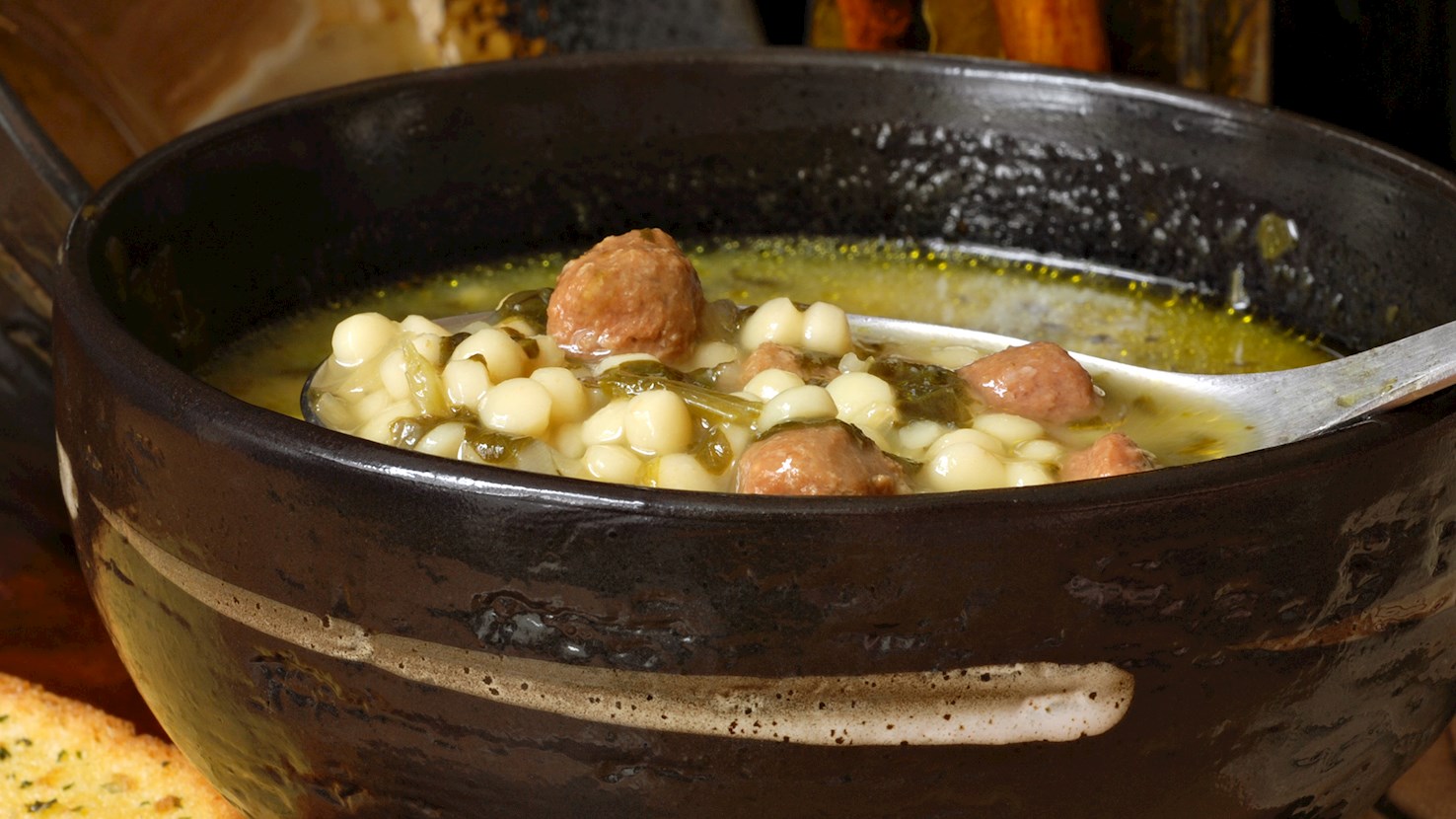
The famous American-Italian invention known as wedding soup gets its name from the Italian words minestra, meaning soup, and maritata which means married, referring to the delicious and harmonious union of flavors coming from meat and vegetables in a clear chicken broth. The meats of choice are typically meatballs or sausages, while the greens can be any variation of escarole, chard, cabbage, spinach, broccoli, rabe, chicory, endive, lettuce, or kale. Other variations of the classic Italian wedding soup may also include small pasta—most often of the tiny acini di pepe (lit. peppercorns) variety — but also long noodles, or sometimes even beans. In America, this soup is so popular that it has even been marketed in a canned variety under the name Chickarina.
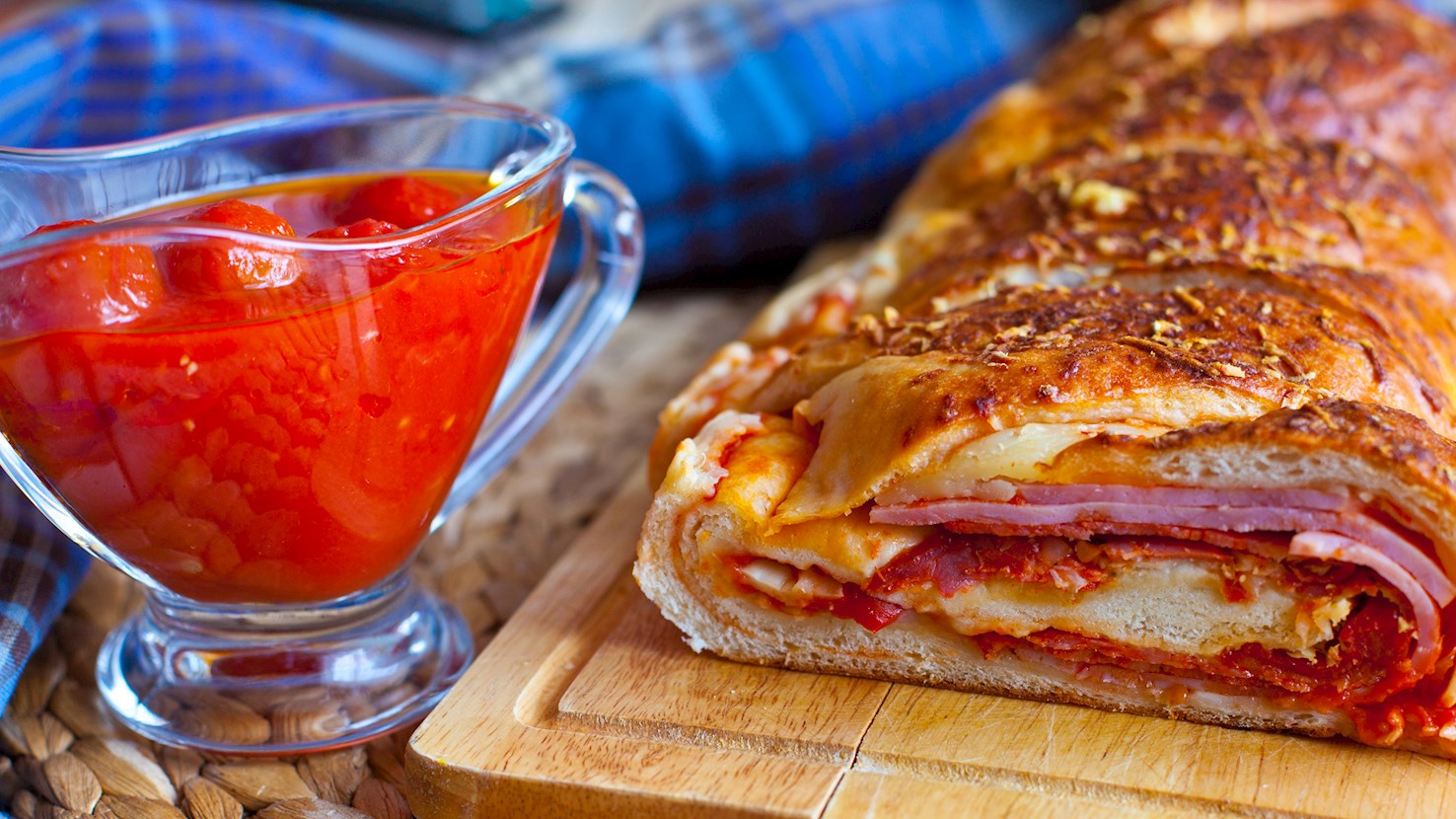
Somewhat similar to a calzone, the American stromboli is a savory type of turnover filled with classic pizza ingredients: mozzarella or other types of cheese, Italian meats like salami, pepperoni, bresaola, and capocollo, and sometimes even vegetables, while the marinara sauce is served on the side, rather than baked inside with the filling. The dough can be either Italian bread dough or standard pizza dough, and before baking, the finished product is rolled into a loaf, similar to that of a jellyroll. Unlike calzone, stromboli did not originate from Italy, but supposedly from suburban Philadelphia where it was invented in the 1950s and named after one of Roberto Rossellini's movies.
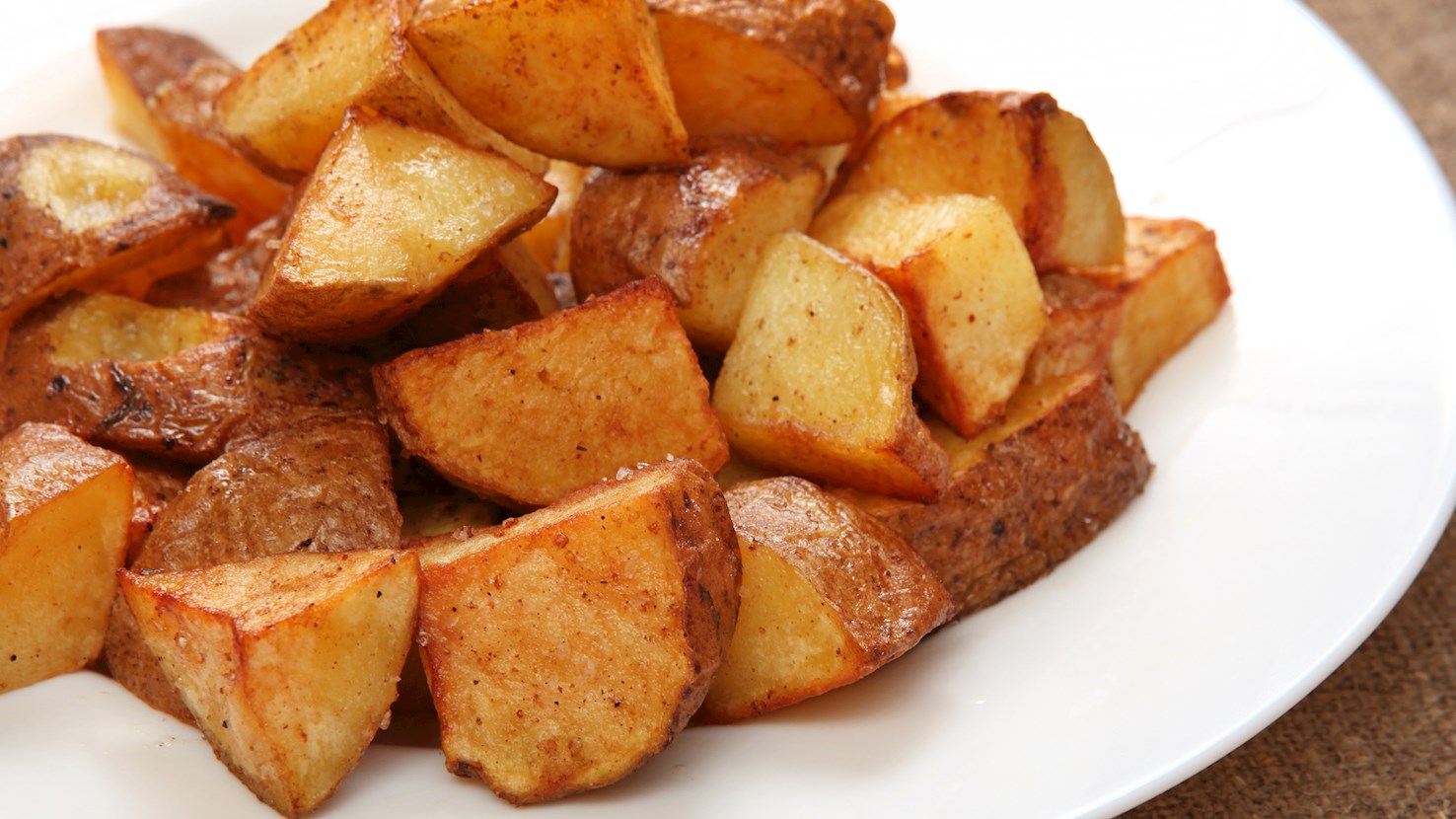
Home fries is a popular American side dish made by frying larger chunks of potatoes in butter or oil until they are crispy and golden in color. The potatoes might sometimes be unpeeled, and they are often shortly boiled or steamed before frying. Home fries are often paired with onions and peppers in the same pan. The dish can be consumed on its own with some salt as a snack, or as a crispy breakfast accompaniment.
TasteAtlas food rankings are based on the ratings of the TasteAtlas audience, with a series of mechanisms that recognize real users and that ignore bot,
nationalist or local patriotic ratings, and give additional value to the ratings of users that the system recognizes as knowledgeable.
TasteAtlas Rankings should not be seen as the final global conclusion about food. Their purpose is to promote excellent local foods,
instill pride in traditional dishes, and arouse curiosity about dishes you haven’t tried.



What People Say