

shutterstock

3 Traditional Foods
You Have To Try in Plovdiv

Last updated on July 17, 2026
01

Sarma

4.2 ·

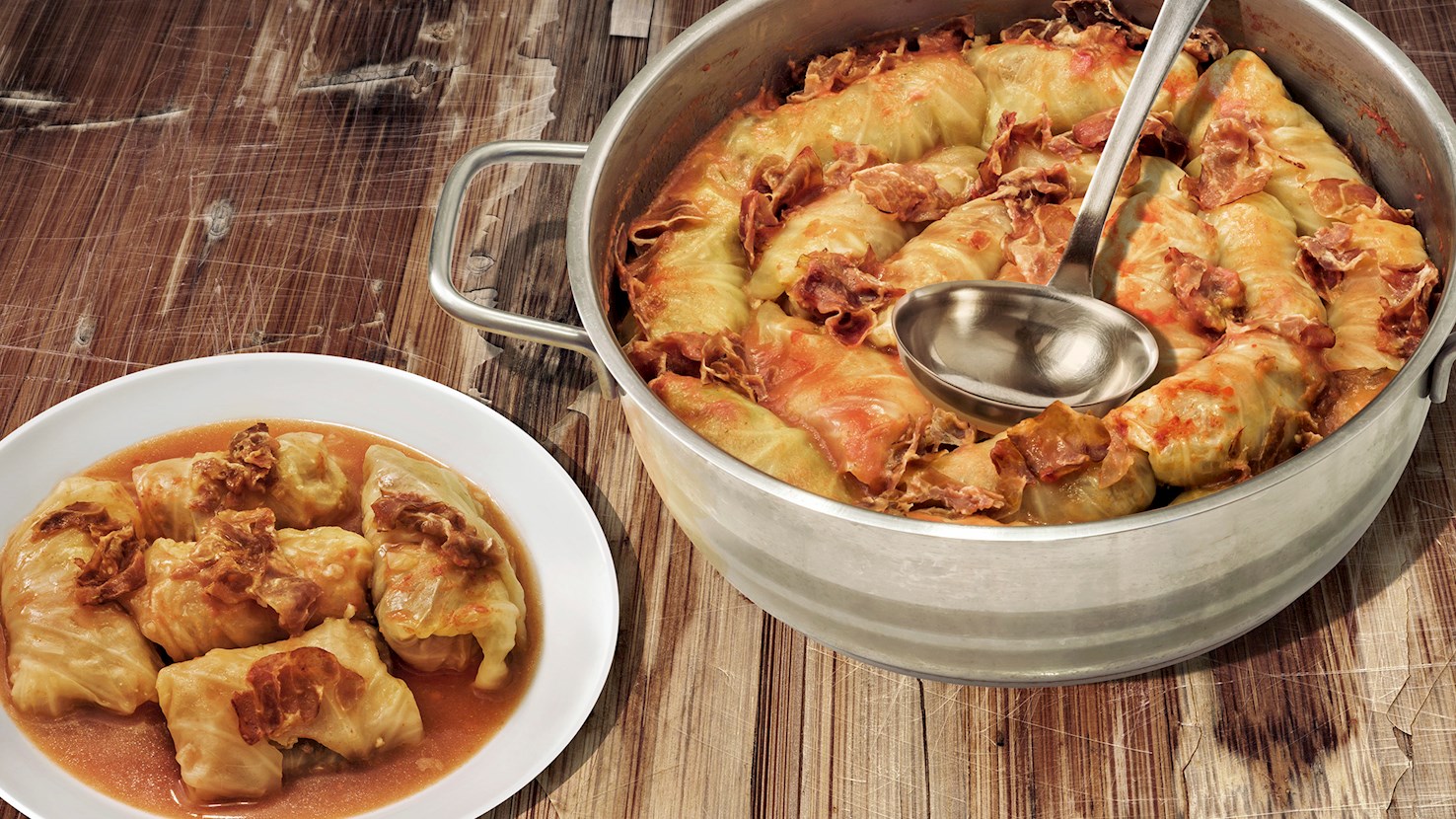
One of the staples of traditional Turkish cuisine, sarma consists of a filling that is snugly surrounded by leaves or leafy vegetables. There are numerous versions of this dish but the mixture typically combines ingredients such as minced meat, rice or bulgur, various herbs, seasonings, red pepper, paprika, ground sumac, or tomato sauce, while the typical wrapping usually includes vine, cabbage, or sauerkraut leaves, or a variety of leafy vegetables such as collard greens and swiss chard. Having its roots in the Ottoman Empire, sarma is also traditionally consumed in the Balkans, the countries of Central Europe, the South Caucasus, and the Middle East. Although it is commonly enjoyed as a filling lunch or dinner (typically during the winter season), sarma is often prepared on special occasions and holidays. The dish is usually accompanied by plain yogurt, mashed potatoes, and crusty bread on the side.

02

Kavarma

3.8 ·

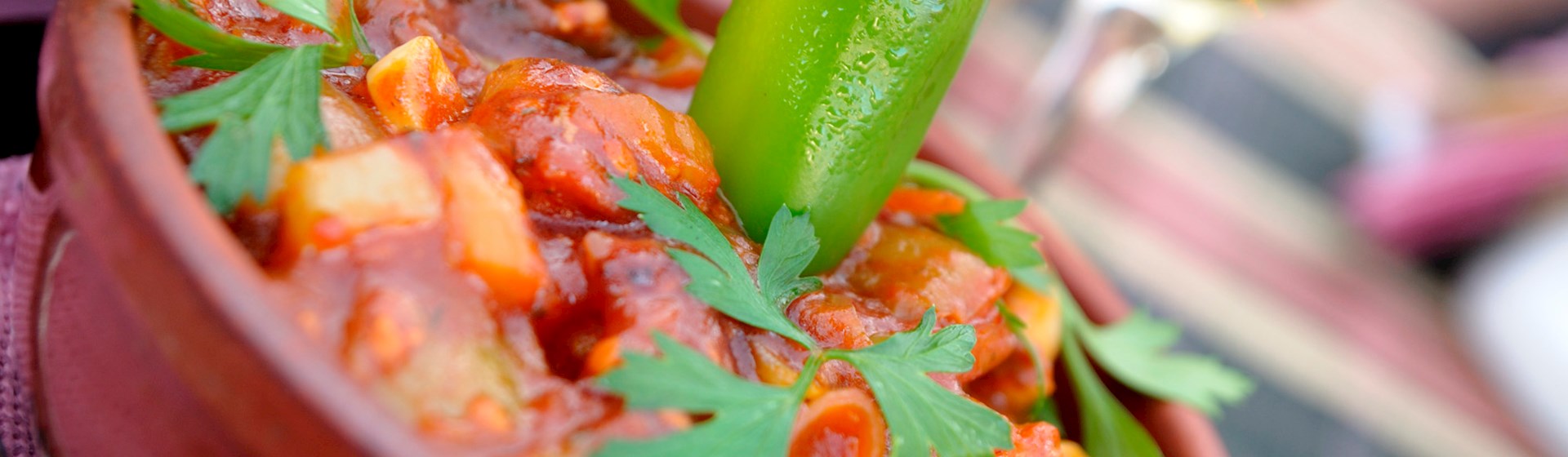
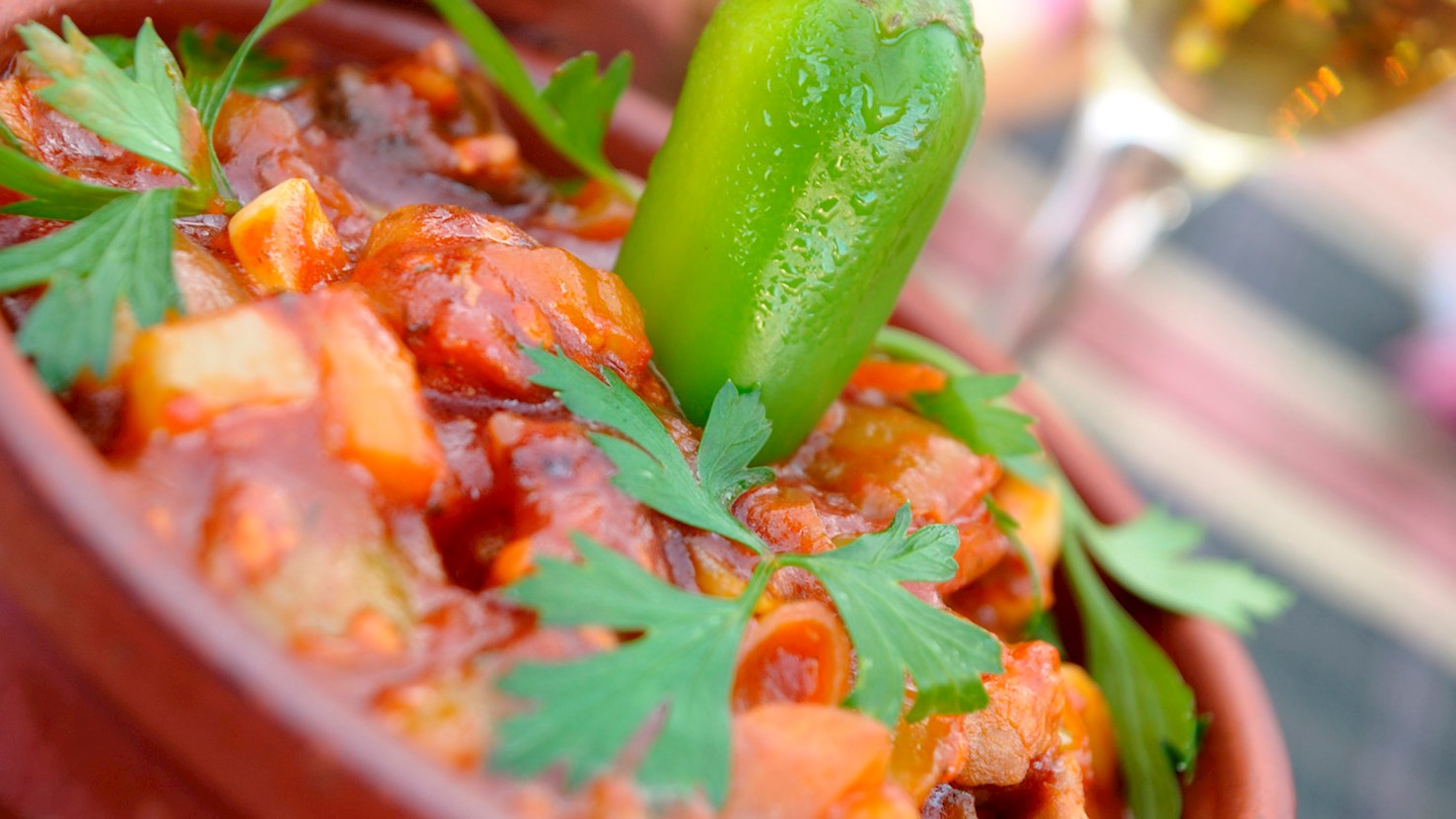
Kavarma is a slow-cooked stew consisting of pork or chicken, onions, peppers, tomatoes, and mushrooms baked in a lidded earthenware pot. The cooking vessel is a specific clay container called a gyuveche, which concentrates the flavors of the ingredients and evenly distributes the heat. Heating the meat and vegetables happens slowly in this sealed environment. The history of this cooking method traces back to the Ottoman era, which introduced slow-stewing techniques in sealed vessels and spices like cumin to the region between the fourteenth and nineteenth centuries. The meat first cooks low and slow in water or a hot frying pan before transferring to the final clay pot. Sliced fresh vegetables, including leeks, carrots, onions, red peppers, green peppers, and mushrooms, join the protein inside the vessel. Seasonings rely on a simple mixture of cumin, oregano, and bay leaves. A pour of wine acts as the braising liquid, mingling with the natural juices of the tomatoes and meat to create a thick gravy. The heavy lid of the gyuveche traps the steam inside during the long baking process. This trapped steam softens the cuts of pork or chicken until they fall apart easily. People eat this hearty, warm meal heavily during the colder winter months. A loaf of sliced baguette or fresh bread often accompanies the hot clay pot to the table to soak up the leftover seasoned gravy. Sometimes the hot stew arrives with a side of baked potatoes au gratin. Subtle variations exist across different towns, with some families adding extra parsley or altering the ratio of vegetables, but the reliance on the baked clay pot remains the defining constant of the meal.

03

Supa topcheta

3.7 ·

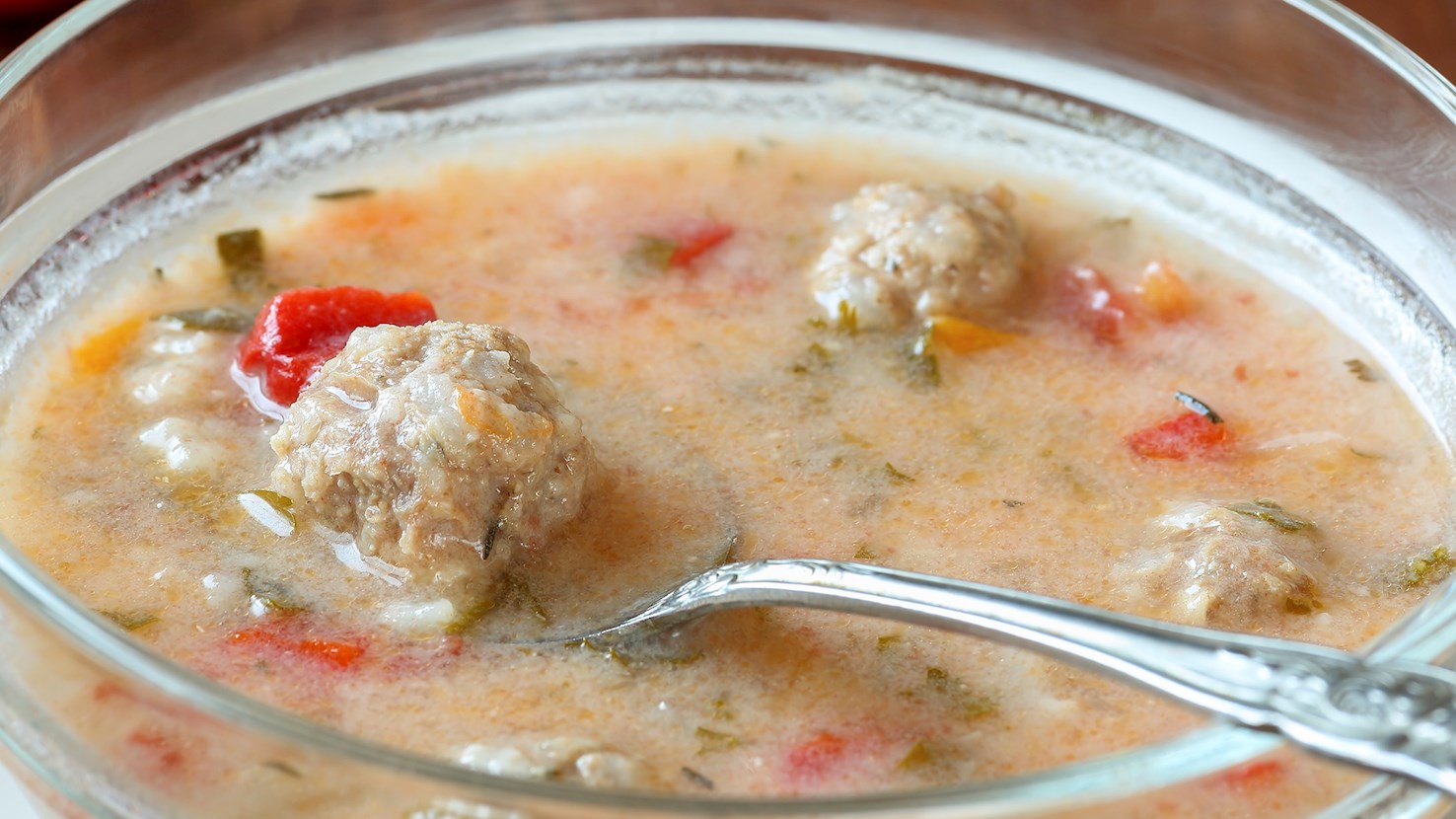
This classic Bulgarian soup consists of beef or pork meatballs cooked in a flavorful broth alongside various vegetables. The tender meatballs mostly incorporate rice, onions, and a variety of spices, and the broth is usually thickened with yogurt or eggs, and typically seasoned with lemon juice. Traditionally associated with Christmastime, this comforting, creamy soup is a staple dish enjoyed on many special occasions, generously garnished with parsley and usually served alongside bread.

Best restaurants
About this ranking

TasteAtlas food rankings are based on the ratings of the TasteAtlas audience, with a series of mechanisms that recognize real users and that ignore bot, nationalist or local patriotic ratings, and give additional value to the ratings of users that the system recognizes as knowledgeable. For the “3 Traditional Foods You Have To Try in Plovdiv” list until July 17, 2026, 0 ratings were recorded, of which 0 were recognized by the system as legitimate. TasteAtlas Rankings should not be seen as the final global conclusion about food. Their purpose is to promote excellent local foods, instill pride in traditional dishes, and arouse curiosity about dishes you haven’t tried.

Similar lists