


shutterstock

24 Traditional Foods
You Have To Try in Porto

Last updated on June 17, 2026
01

Francesinha

3.9 ·

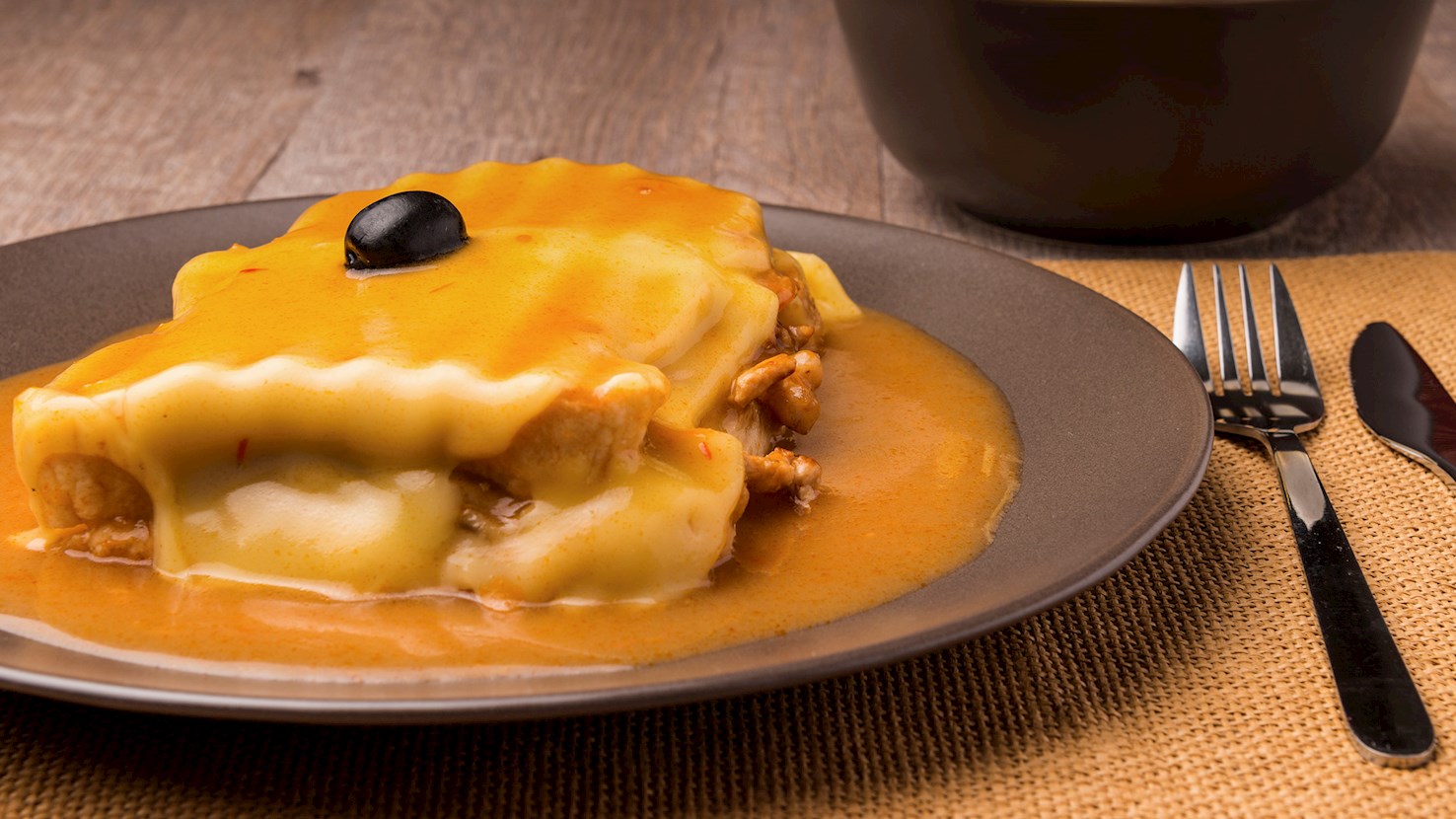
Traditionally associated with Porto, francesinha is a unique sandwich consisting of toasted bread, beef or pork, sausages, ham, and cheese, while the whole combination is then doused in a rich beer-infused tomato sauce. The sandwich has different variations that include mushrooms, chicken, or vegetables. Francesinha is not a sandwich you can enjoy on the go or as a quick snack; it is a wholesome meal that is usually found on the menus of traditional restaurants where it is served as a nutritious lunch or dinner. Among the numerous stories about its origin, one stands out, claiming that it was inspired by the famous croque-monsieur, a French sandwich enjoyed by many Portuguese immigrants. According to the story, a Portuguese immigrant Daniel David Silva first served the sandwich at the Regaleira restaurant. He adapted the French version with traditional Portuguese ingredients and created a dish that is today considered as one of the classics of Portuguese national cuisine. The sandwich is usually served with French fries on the side, and it is sometimes topped with a fried egg.

02

Bifana

4.1 ·

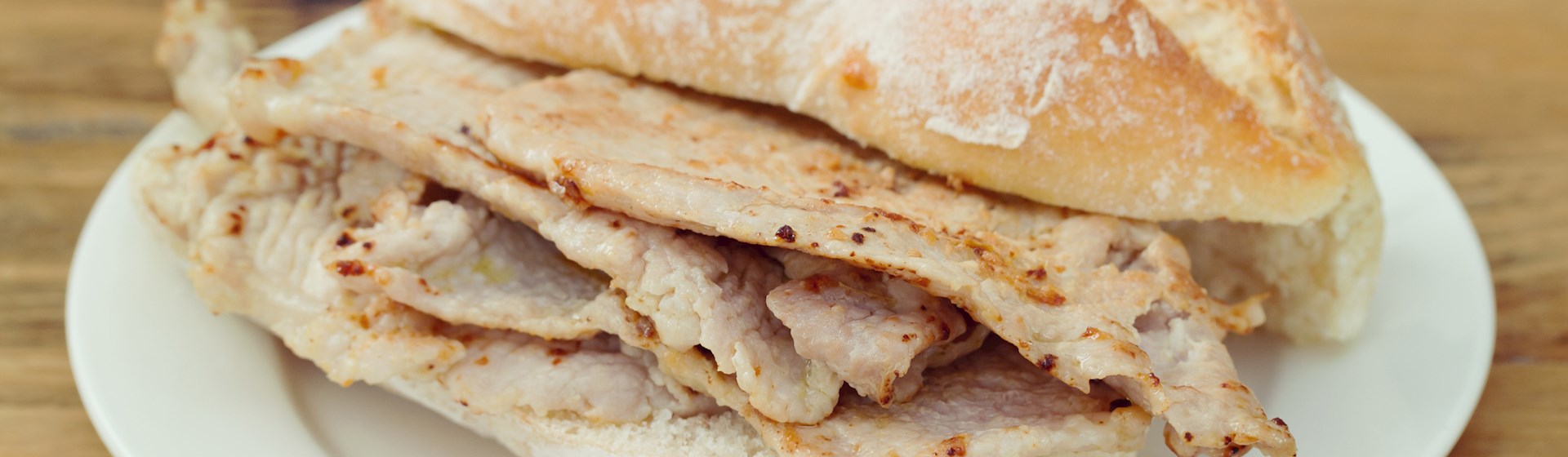
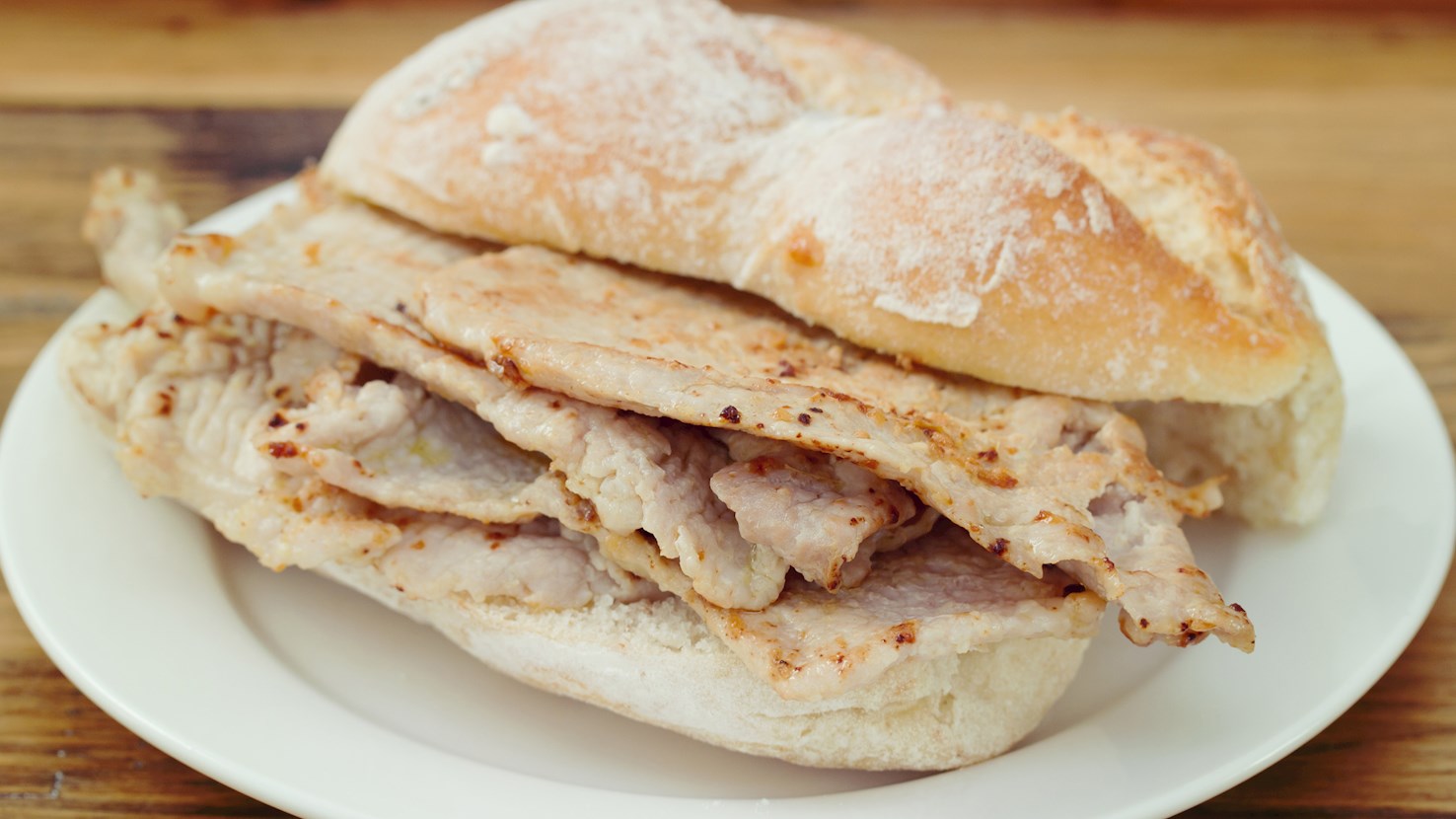
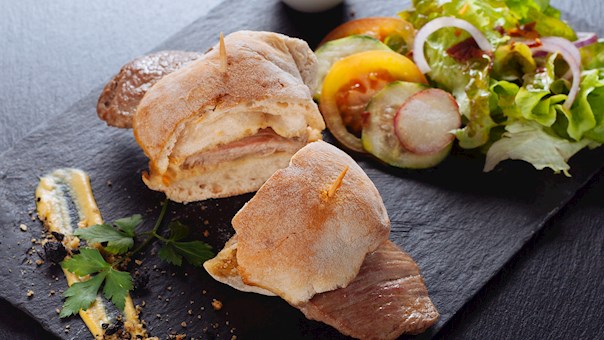
Bifana is a classic Portuguese sandwich that employs few ingredients but makes for an exquisite dish. It consists of a seasoned, lightly pounded, sliced or whole pork steaks that are simmered in garlicky sauce, and then placed inside a bread roll. The variations on this classic can slightly differ depending on the region. In the north, the steaks are simmered in a spicy broth that is usually drizzled on the bread roll. Bifana is traditionally consumed without additional condiments, but it is occasionally accompanied by sautéed onions. In Lisbon, the meat is sometimes marinated and grilled, while mustard is a common accompaniment in Lisbon and in the south of Portugal. Regardless of the slight differences, all varieties produce moist and juicy steaks that perfectly pair with crusty bread rolls. Not much is known about the origin of bifana, and even though it is enjoyed throughout the country, it is often suggested that it first appeared in the municipality of Vendas Novas. The popularity of bifana in Portugal is reflected in the fact that even McDonalds has included it in their menu under the name McBifana.

03

Bacalhau

4 ·

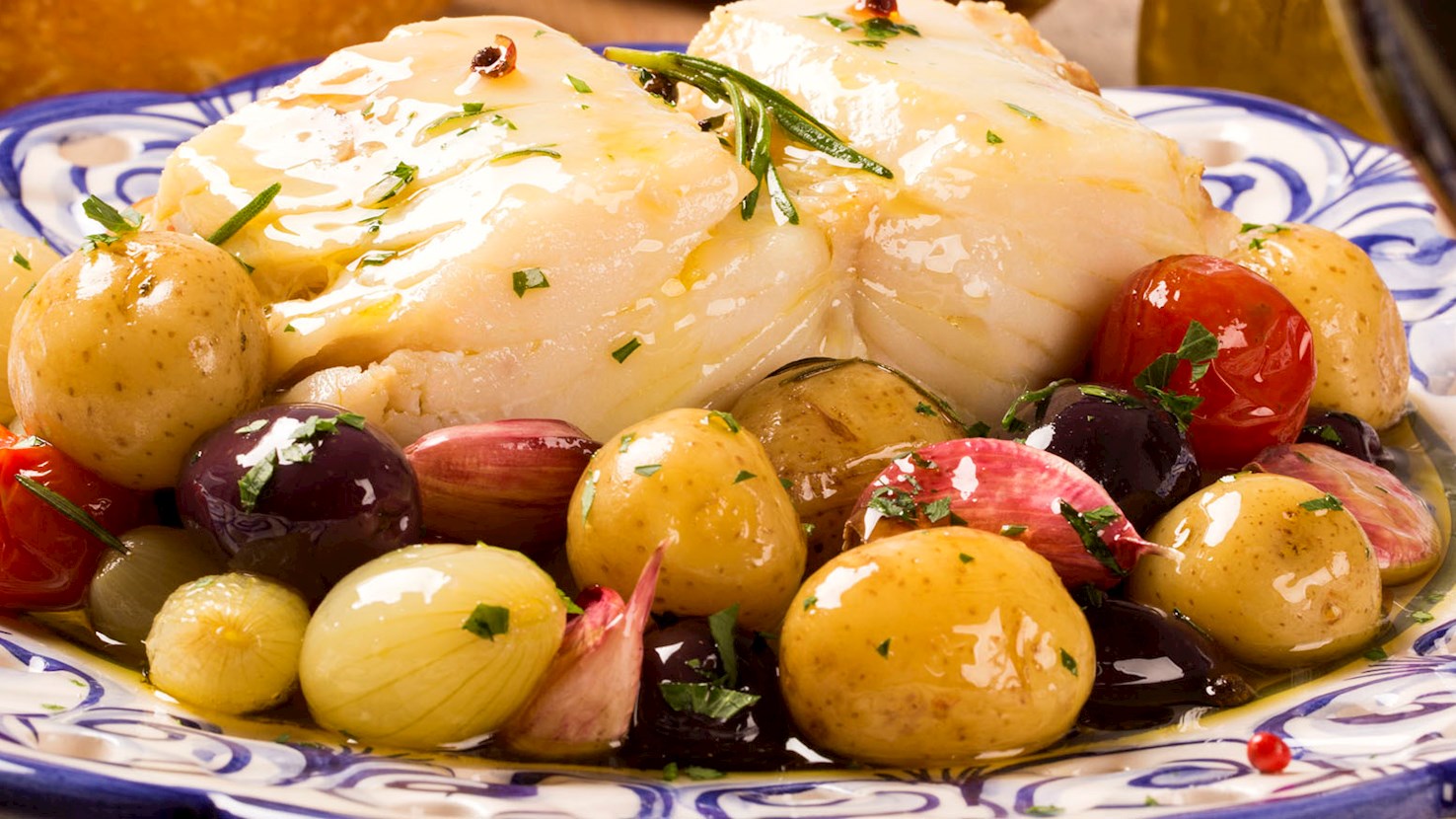
Cod-based dishes are a Portuguese staple, and it is often suggested that there are more than one thousand recipes in which dried and salted cod is the star ingredient. This includes simple, everyday dishes, as well as more elaborate versions that are usually served on special occasions, including Christmas Eve and Good Friday. Interestingly, cod is traditionally not caught off the Portuguese coast, but it became a prominent ingredient in the traditional cuisine during the exploration era because it could be stored for longer periods. Salted cod is primarily soaked in water, and later it can be used in a variety of ways, which include grilling, cooking, frying, or braising. Some of the most popular salt cod dishes in Portugal include crispy bolinhos de bacalhau fritters, creamy bacalhau com natas, Lisbon's favorite bacalhau a bras, and a Christmas Eve staple bacalhau com todos.

04

Bacalhau à Gomes de Sá

3.8 ·

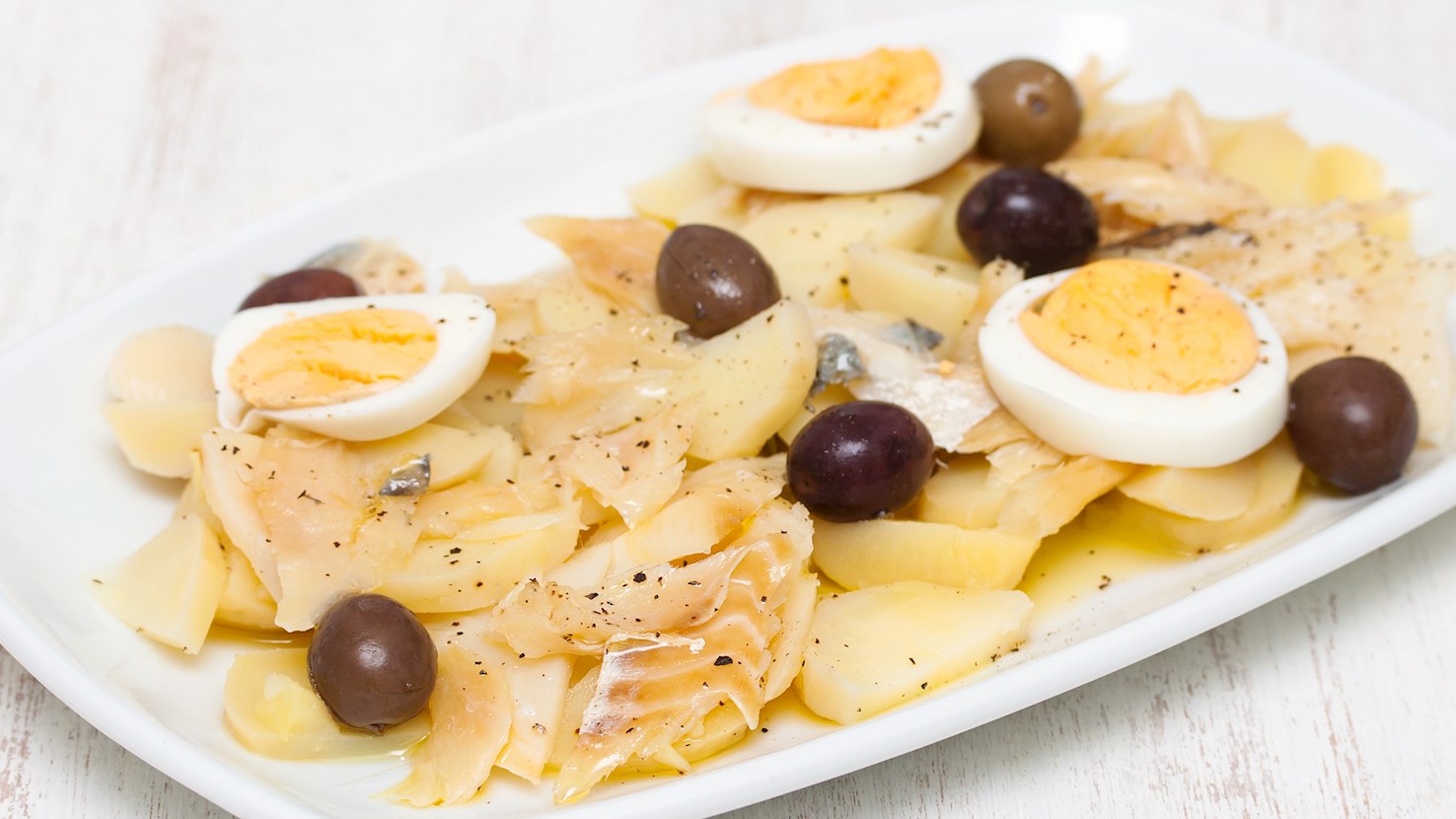
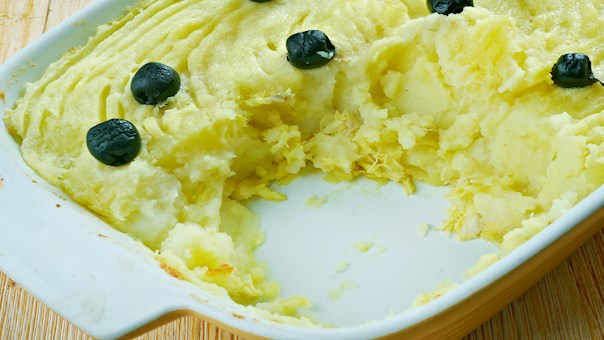
Traditionally prepared for every Christmas Eve dinner in Portugal, bacalhau à Gomes de Sá is a festive dish made with salt cod, potatoes, and onions. Those key ingredients are layered in a pan, topped with hard-boiled egg slices, baked, then garnished with olives and chopped parsley. The dish is typically dressed with olive oil and flavored with chopped garlic. It is believed that the dish was invented by José Luis Gomes de Sá, who was the son of a well-off 19th-century cod trader. The new dish was derived from bolinhos de bacalhau (cod fish cakes), only without the flour, so José, who had financial difficulties at the time, sold the recipe to the owner of Restaurante Lisbonense, and the dish quickly gained popularity throughout Portugal.

05

Bifana à moda do Porto

3.9 ·

While its origins are often linked to Vendas Novas, in Porto, the bifana undergoes a distinctive transformation. Here, thin slices of pork are marinated and then simmered in a savory sauce enriched with garlic, paprika, and occasionally a hint of piri-piri for added heat. This method yields tender, flavorful meat that is generously piled into a soft bread roll, allowing the robust flavors to meld seamlessly with the bread. The Porto-style bifana is renowned for its juicy, succulent profile, often enjoyed with a cold beer or a glass of vinho verde. In contrast, the Lisbon variant of the bifana features pork marinated in a blend of white wine, garlic, and spices, which is then grilled or fried. The cooked meat is typically served in a crusty roll, sometimes accompanied by mustard or piri-piri sauce, offering a spicier experience.

06

Pastel de Chaves

3.9 ·

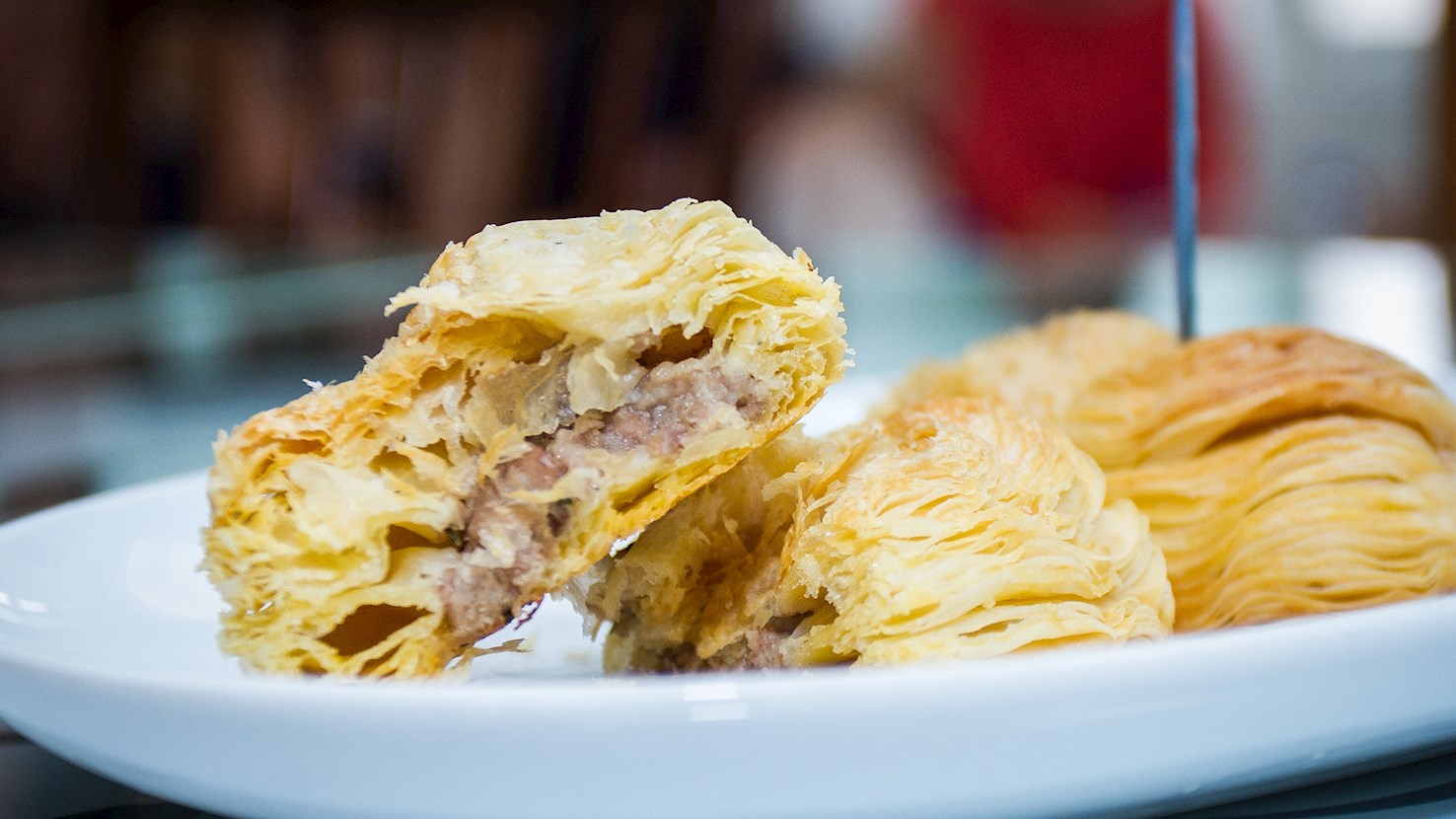
This clam-shaped Portuguese delicacy is made with a puff pastry shell that is filled with a unique mixture of minced veal, bread, and onions. The tradition of preparing pastel de Chaves dates back to 1862, and according to a popular legend, the first person to sell these unique pastries was Teresa Feliz Barreira, the founder of Casa do Antigo Pasteleiro, the first establishment where pastel de Chaves could be bought. The original recipe stayed in her possession for 75 years, until the 1940s, when other bakeries in Chaves started to manufacture and sell the same product. The Portuguese city of Chaves protected this famous pastry as their authentic product, which licensed them to be the only location where pastel de Chaves can be produced and sold. According to municipal records, the town of Chaves produces more than 25,000 of these delectable pastries daily. In recent history, numerous other varieties have appeared, including the sweet versions, but only the original, savory version is allowed to carry the name pastel de Chaves.

07

Tripas à moda do Porto

3.6 ·

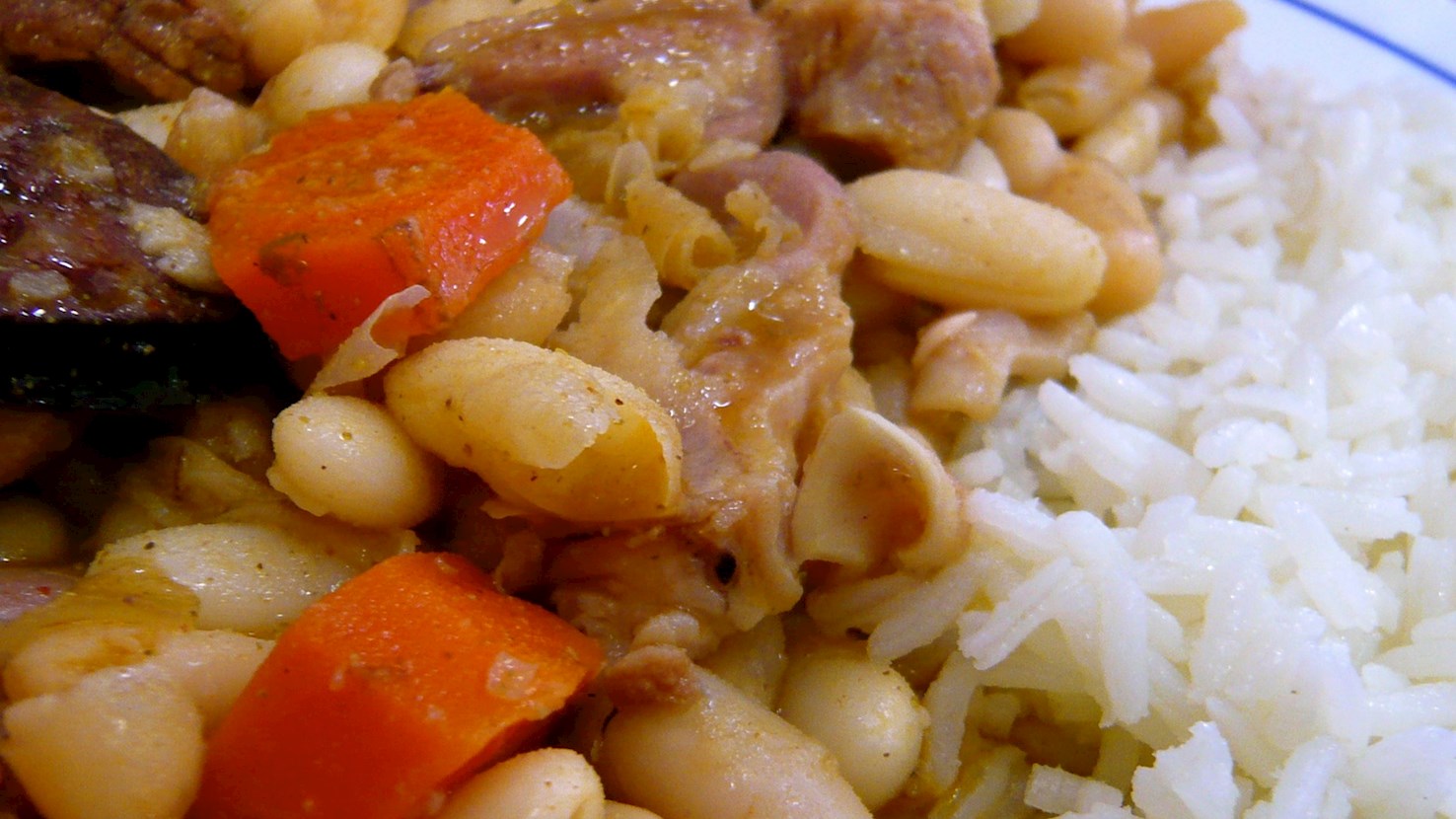
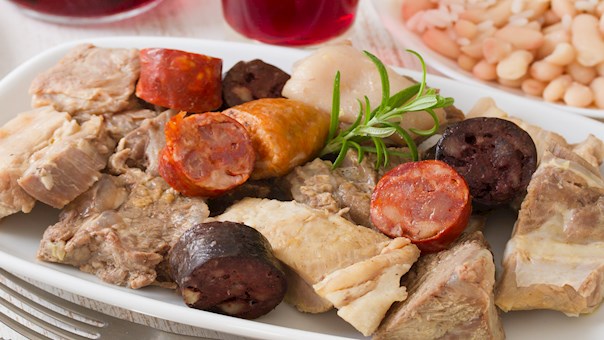
This traditional tripe stew is a signature dish of Porto, a city whose citizens are even nicknamed tripeiros because of their love for tripe. The dish typically consists of veal tripe, white beans, smoked ham and pork sausage, pork or calf knuckles, carrots, onions, various spices such as paprika and cumin, and different cuts of pork and chicken. Though numerous legends describe the invention of the dish, the most popular one claims that when Henry the Navigator went to conquer Ceuta, the locals supplied him with all the meat except tripe, which they then used to create this rustic stew. From the 15th century, the dish evolved into an iconic dish that is a staple in traditional restaurants in Porto. It is best enjoyed with cooked rice on the side.

08

Sanduíche de pernil

4.2 ·

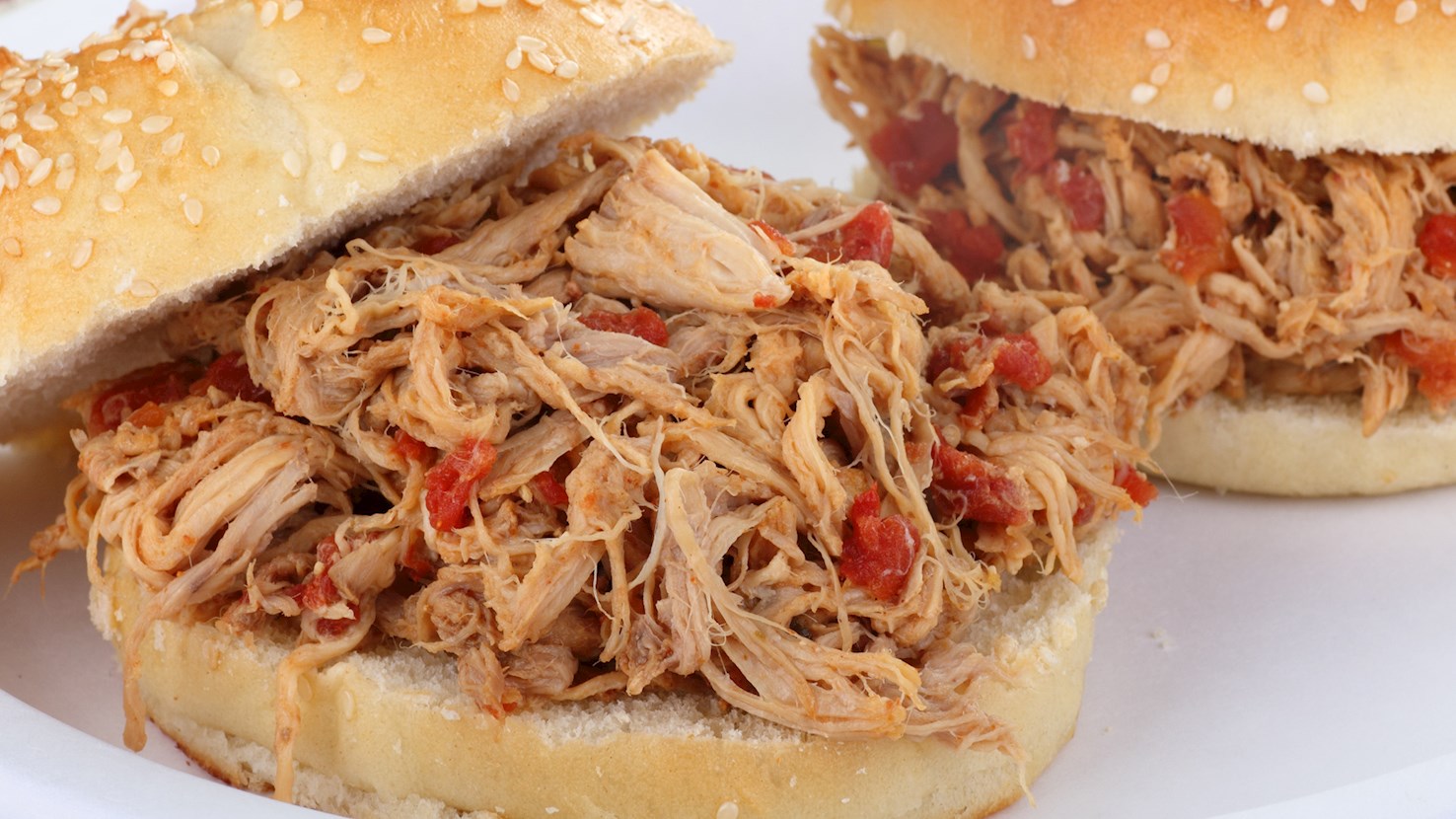
This Portuguese sandwich consists of shredded pieces of slowly roasted pork shoulder (pernil) which are placed on a crusty bread roll. The sandwich is typically enjoyed plain, but it can be enriched with mustard or cheese (ideally the Serra da Estrela variety). Sanduíche de pernil is mainly associated with Porto and the humble Casa Guedes restaurant, which is believed to prepare the best version of this hearty sanwich that first appeared at traditional Portuguese tascas bars.

09

Arroz de polvo

3.9 ·

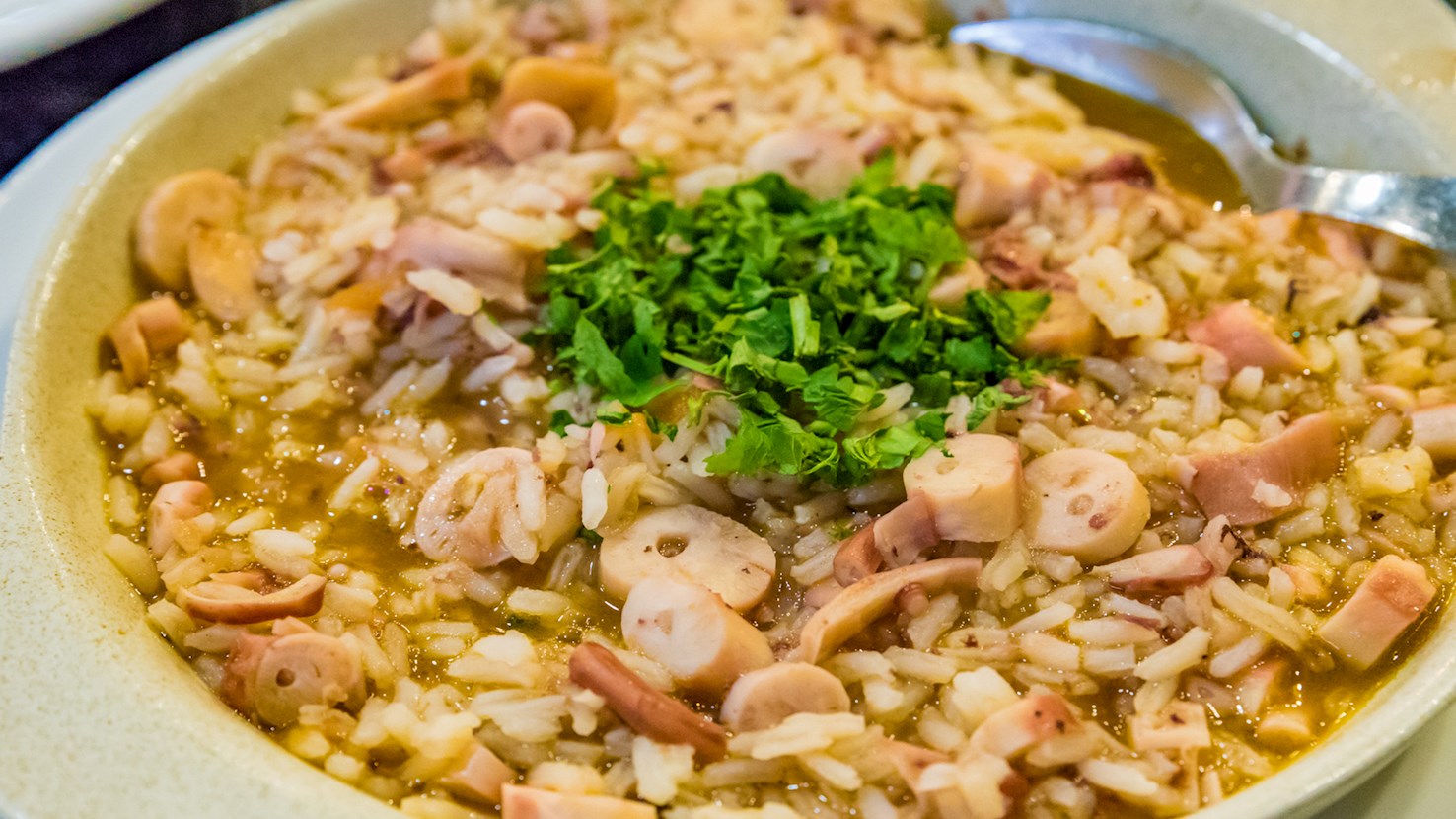
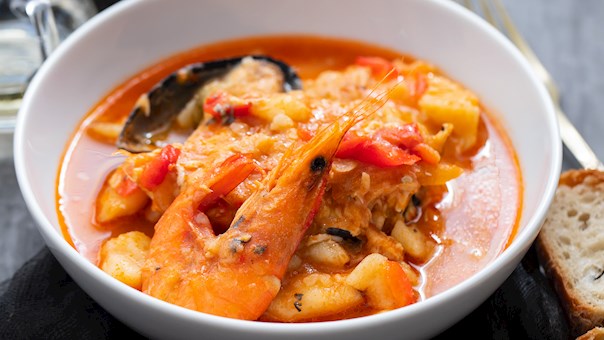
Arroz de polvo is a versatile Portuguese dish consisting of cooked diced octopus and rice, incorporated into a rich base of tomatoes, sautéed onions, garlic, and various spices. It is usually prepared in the traditional malandrinho style, in which the liquid is not completely reduced, and the dish resembles a thick rice stew. Arroz de polvo is a hearty meal that is traditionally associated with colder seasons. It is usually served garnished with fresh parsley or cilantro and enjoyed as a nourishing main course.

10

Bacalhau à brás

4.2 ·

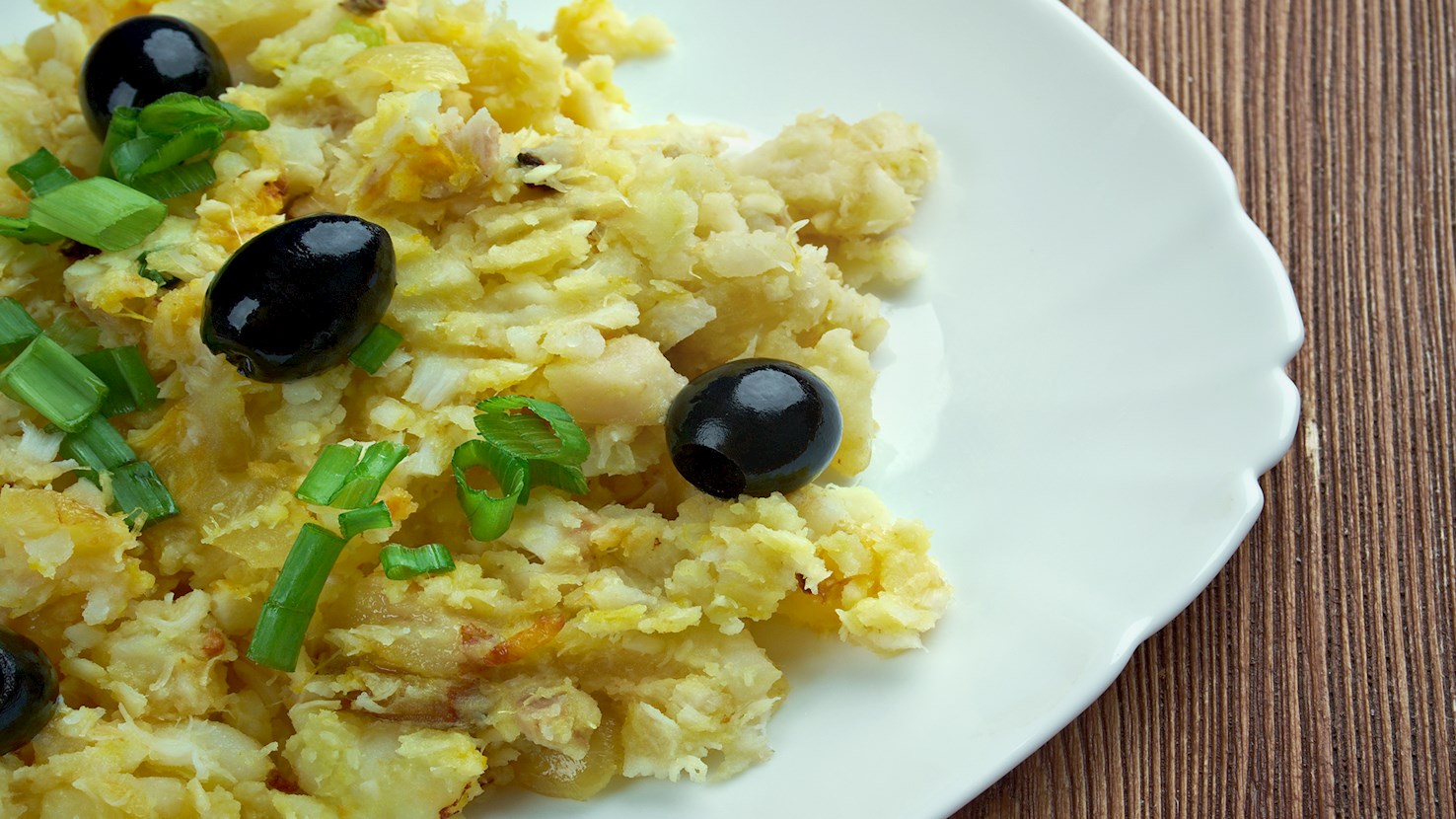
Bacalhau à bras is a simple Portuguese dish consisting of cooked and shredded salt cod, fried potato strips, onions, eggs, and olives. A delicious combination of flavors and textures results in an incredibly satisfying dish that is popular throughout the country. It is usually garnished with parsley and served hot, while the potatoes are still crispy. Believed to have originated in the Lisbon quarter Bairro Alto, today bacalhau à bras is one of the most famous Portuguese salt cod dishes.

About this ranking

TasteAtlas food rankings are based on the ratings of the TasteAtlas audience, with a series of mechanisms that recognize real users and that ignore bot, nationalist or local patriotic ratings, and give additional value to the ratings of users that the system recognizes as knowledgeable. For the “24 Traditional Foods You Have To Try in Porto” list until June 17, 2026, 875 ratings were recorded, of which 612 were recognized by the system as legitimate. TasteAtlas Rankings should not be seen as the final global conclusion about food. Their purpose is to promote excellent local foods, instill pride in traditional dishes, and arouse curiosity about dishes you haven’t tried.

Similar lists