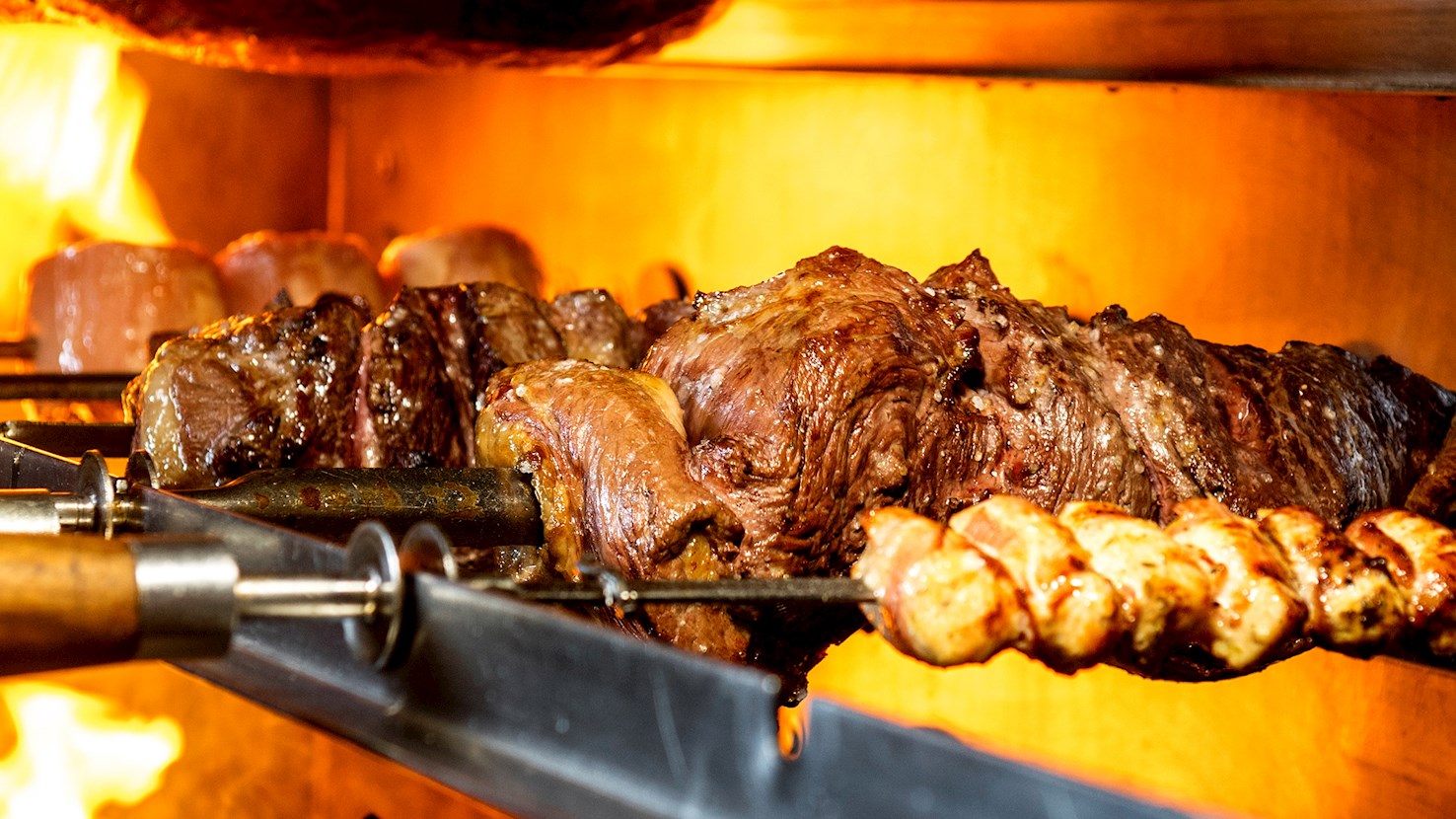
Churrasco is a Brazilian barbecue method where juicy pieces, slices, steaks, and chops of beef, veal, lamb, pork, and chicken are placed on big skewers and grilled over wood fire. It started in the early 1800s when the Gauchos (European immigrants that settled in the Rio Grade do Sul area) would get together and start a fire, adding large portions of meat on skewers and slowly grilling the meat. In the restaurants, known as churrascarias, the skewers are paraded across the restaurant in a flashy manner, and the waiters circulate among the tables in order to show off the succulent meat to hungry diners. After the customers have chosen their preferred type of meat, it is sliced off the skewers to the dining plates. Also known as rodízio, the theme of this barbecue experience is all you can eat, so the customers should know to come with an empty stomach. Beef is the most popular option, although livers and hearts are especially rich and chewy. In Brazil, the meat will often be from the zebu, a succulent, lean breed of cattle with a hump that's especially popular in churrasco as a cut of meat called cupim. Churrasco starts with appetizers and a variety of salads offered from a big buffet, as a preview of things to come. The usual accompaniments for the meat include farofa grains, rice, fried potatoes, potato salad, steamed greens, black beans, onions, fried bananas, and numerous chili-based sauces. After the big meal, it is typical to consume grilled pineapple slices, serving as a palate cleanser as well as a tasty dessert. Churrasco (lit. barbecue) is also popular as a cooking method in countries such as Nicaragua, Puerto Rico, Argentina, Uruguay, Ecuador, Guatemala, and Chile, and each country has their own favorite cuts of meat and accompaniments for this popular barbecue style.
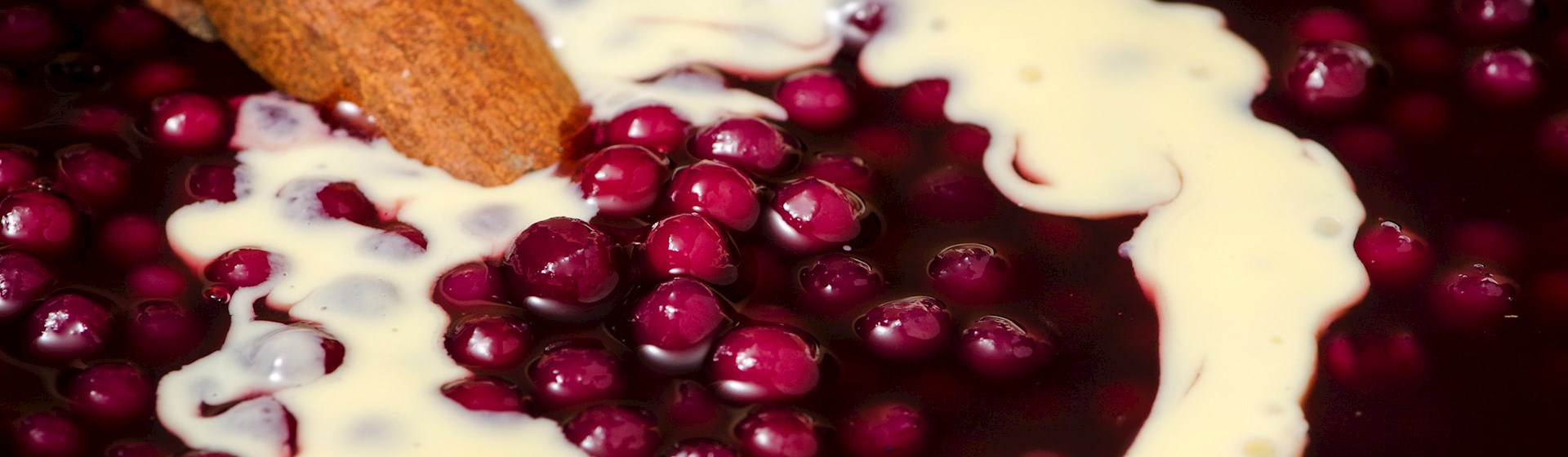
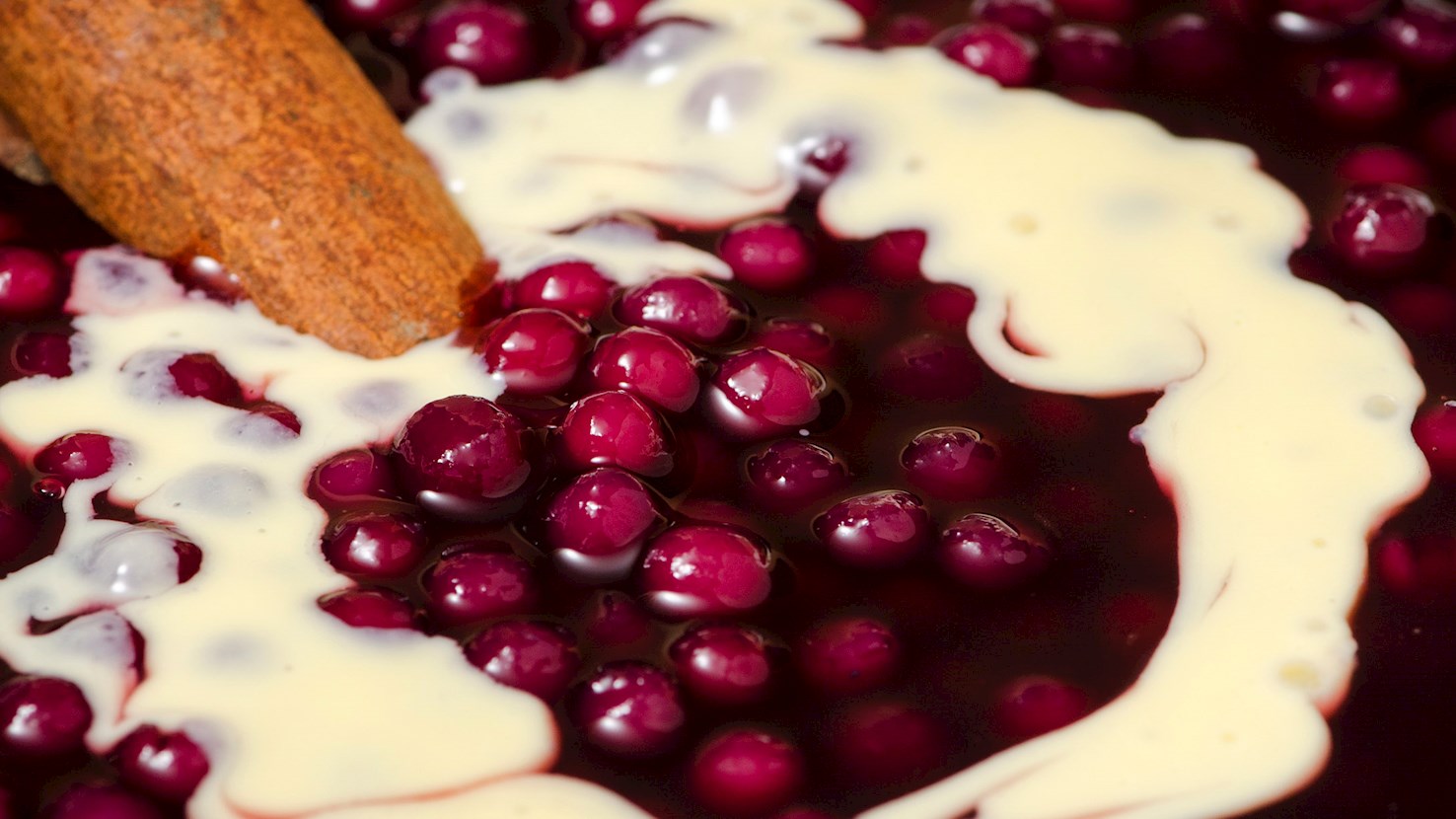
Sagu is an unusual Brazilian alcohol-infused dessert made with cassava, one of the oldest starch sources found in South America. This sweet concoction is made with tapioca pearls – round-shaped, chewy ingredients gained from tapioca starch. To prepare sagu, the pearls are cooked in wine until all of the liquid is absorbed and the pearls turn dark red. Occasionally, wine is mixed with an equal amount of grape juice, which makes this interesting dessert sweeter and less alcoholic. The wine is usually infused with cinnamon and cloves in order to add extra flavor to the dish. Most commonly, sagu is consumed plain and served in individual portions. However, it is also a perfect complement to creamy desserts such as cheesecake or vanilla custards. Although tapioca pearls can be made at home, sagu is most commonly prepared with the store-bought variety.
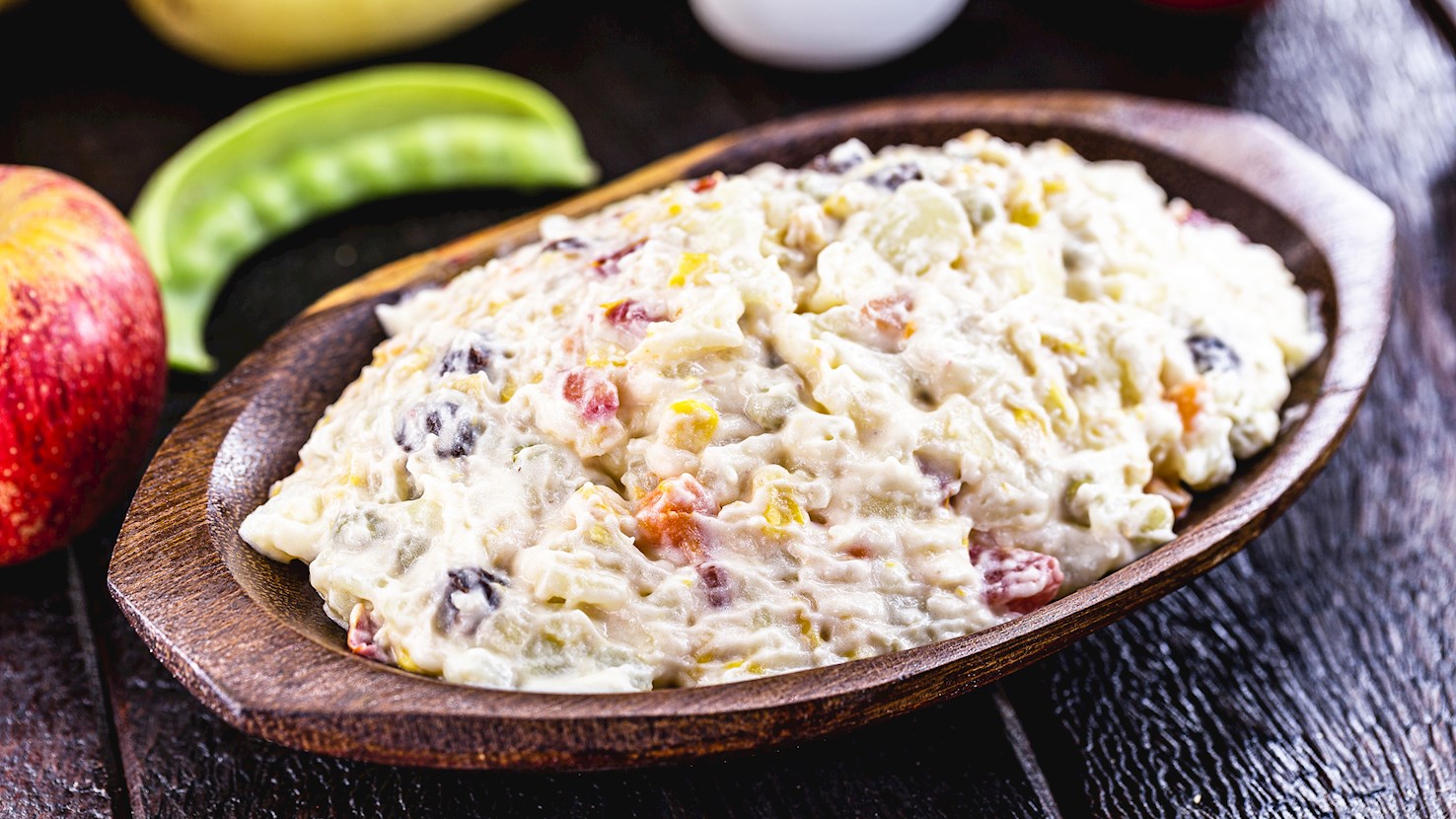
Salada de maionese is a Brazilian salad that's traditionally served with churrasco barbecue. It's also known as Gaúcho potato salad since it was invented by Gaúchos, Brazilian cowboys. The salad is made with a combination of potatoes, carrots, peas, corn on the cob, thinly sliced green apples, raisins, and mayonnaise. The potatoes, carrots, and corn are cooked until soft, yet firm. The carrots and potatoes are cut into cubes, while the corn kernels are sliced from the cob and the peas are simply blanched in boiling water. The ingredients are mixed with apples, raisins, and mayonnaise until well combined, and the salad is ready to be served alongside nicely barbecued pieces of churrasco meat.
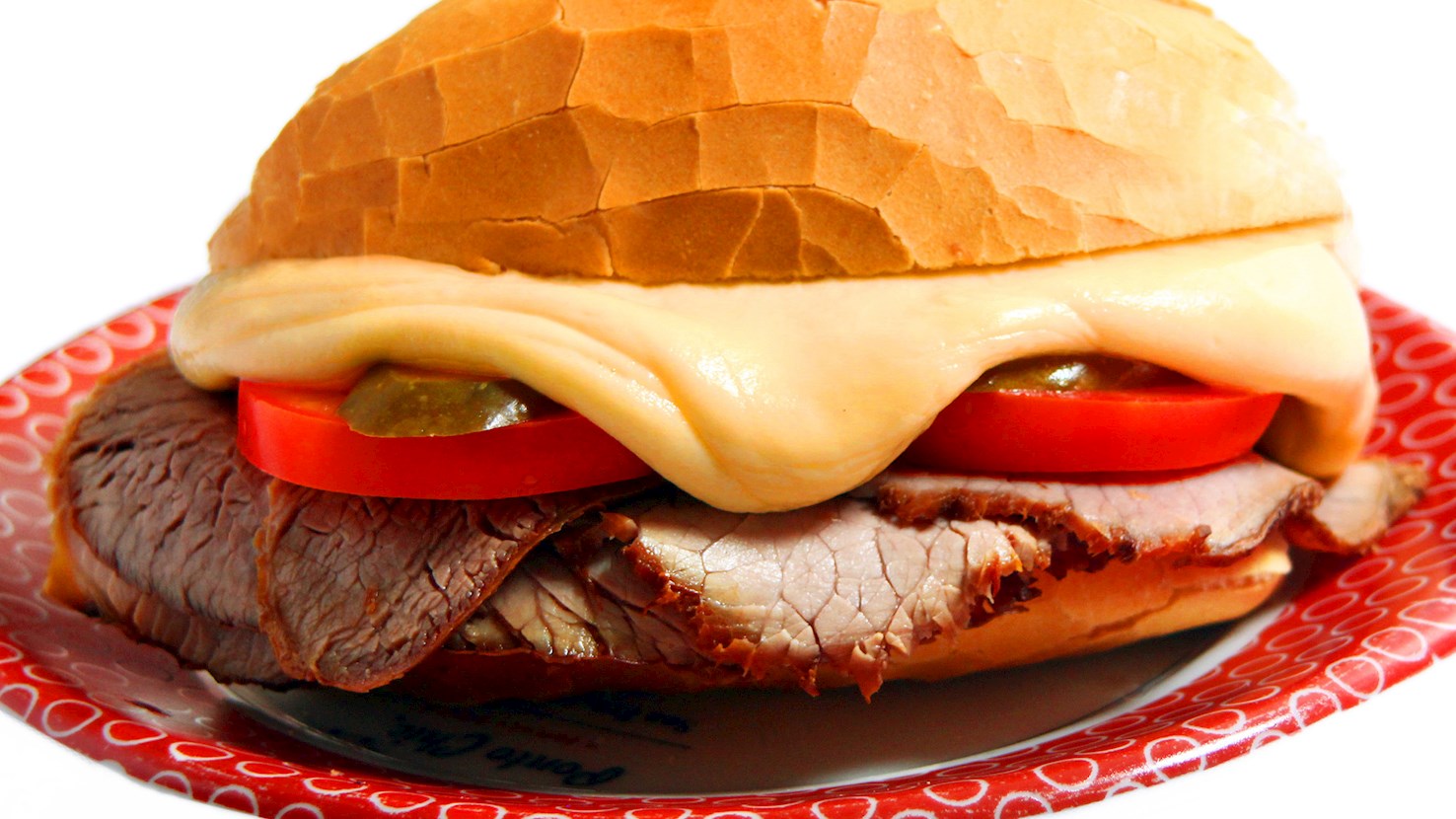
A true Brazilian classic, Bauru is a sandwich consisting of a crusty bread roll without the soft bread inside, stuffed with melted cheese, tomatoes, sliced pickles, and roast beef. Bauru was invented in the 1930s by Casemiro Pinto Neto, also known as Bauru (after his hometown), a law student and a customer at the Ponte Chic restaurant in São Paulo who told the cook to make a special sandwich just for him. Because the restaurant was frequented by politicians and footballers who loved the new sandwich, its popularity quickly grew and it became the restaurant's best selling item. Today, the sandwich still has an army of fans and numerous variations, for instance, using sliced ham instead of roast beef, or using sliced bread instead of the traditional French roll.
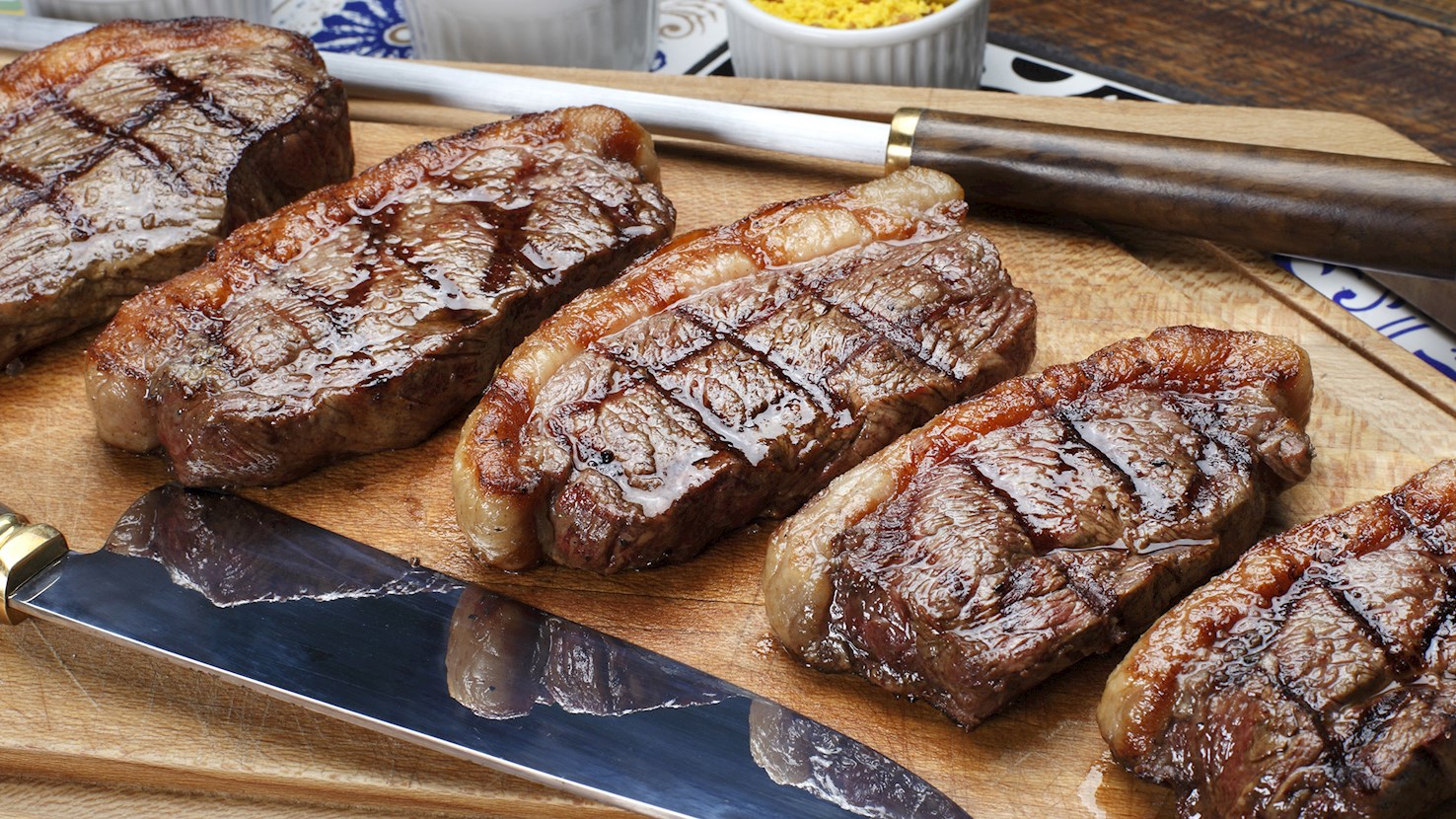
Picanha is a fresh cut of beef that's especially popular and highly prized in Brazil. In the US, it's called sirloin cap, and in the UK, it's known as the rump cap. Picanha is situated on the back side of the animal, above the butt, where it sits on a fat cap. It's mostly used for churrasco – the meat is first grilled, then sliced off of a skewer. This cut holds very little fat in the meat, so it must be cooked perfectly in order not to make it tough. In Brazil, every churrasco has picanha, and all of the best churrascarias feature picanha on their menus. The name picanha is derived from the word picana, referring to the ranchers' pole used for herding cattle in Portugal and Spain. The technique was brought over to Brazil where the word picanha was used to refer to the part of the cow that was poked by ranchers with the pole.
TasteAtlas food rankings are based on the ratings of the TasteAtlas audience, with a series of mechanisms that recognize real users and that ignore bot,
nationalist or local patriotic ratings, and give additional value to the ratings of users that the system recognizes as knowledgeable.
TasteAtlas Rankings should not be seen as the final global conclusion about food. Their purpose is to promote excellent local foods,
instill pride in traditional dishes, and arouse curiosity about dishes you haven’t tried.



What People Say