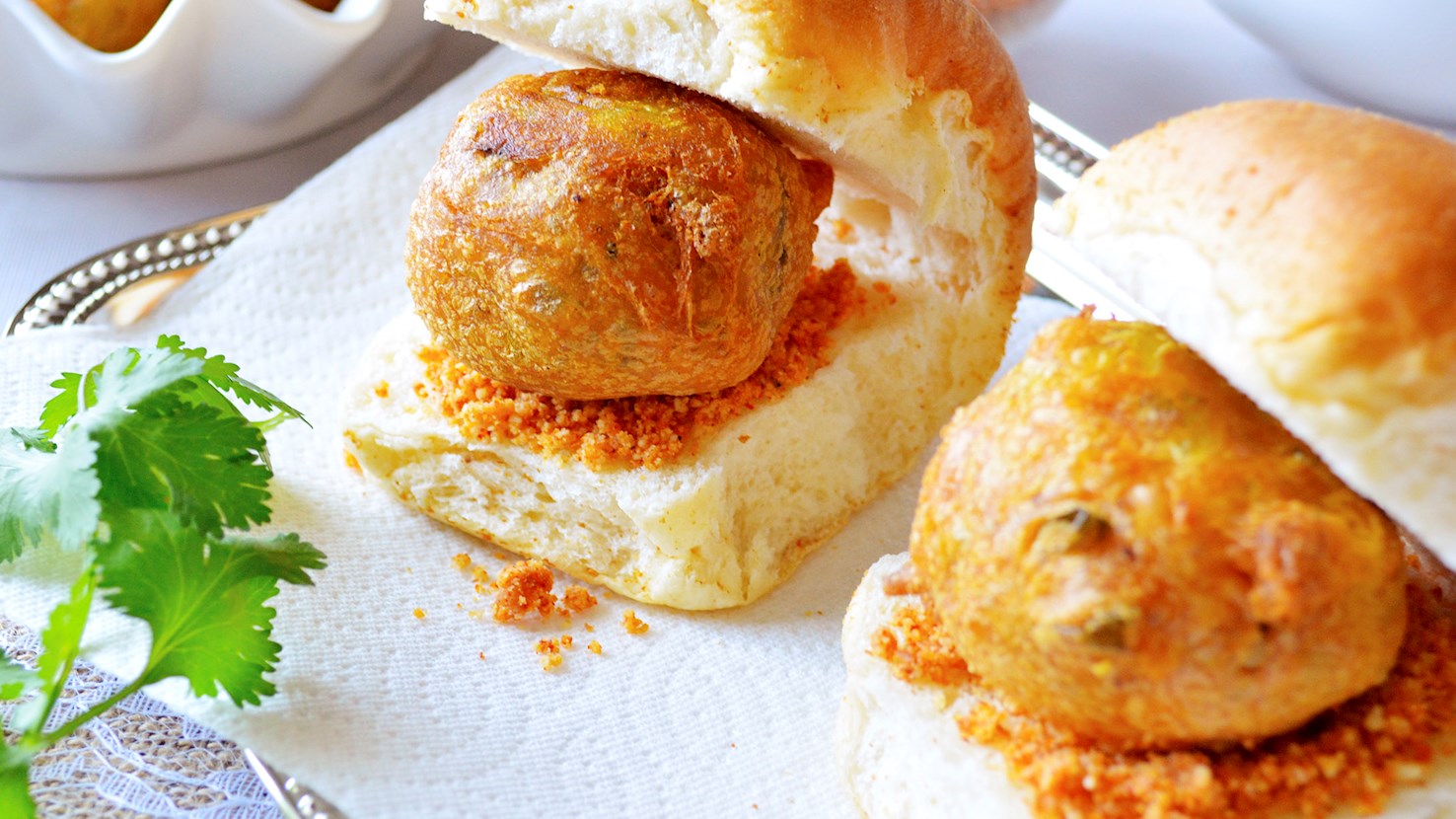
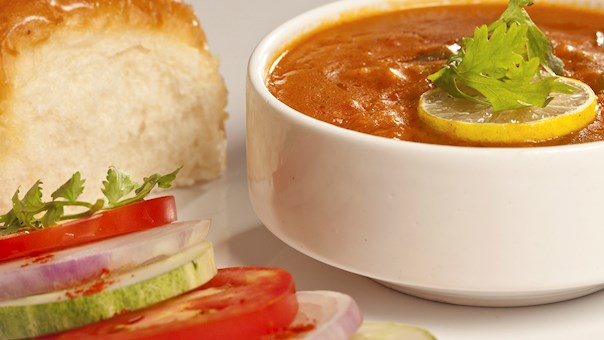
Vada pav is one of Mumbai's favorite sandwiches, its name referring to the key ingredients: vada, or spicy mashed potatoes that are deep-fried in chickpea batter, and pav, or white bread rolls. This iconic street food is said to have originated from a street vendor named Ashok Vaidya, who worked near the Dadar train station in the 1960s and 1970s. He thought of a way to satiate the hungry workers, and concluded that the ideal dish should be portable, affordable, and easy to prepare. Ashok made vada pav, and its popularity skyrocketed, especially after the Shiv Sena, a Marathi-Hindu nationalist political party, started to promote the sandwich as an ideal working class snack. Today, the sandwich is sold throughout Mumbai, both on street stands and in elegant restaurants, ideally accompanied by a hot red chutney with coconut, peanuts, garlic, tamarind, and chiles.
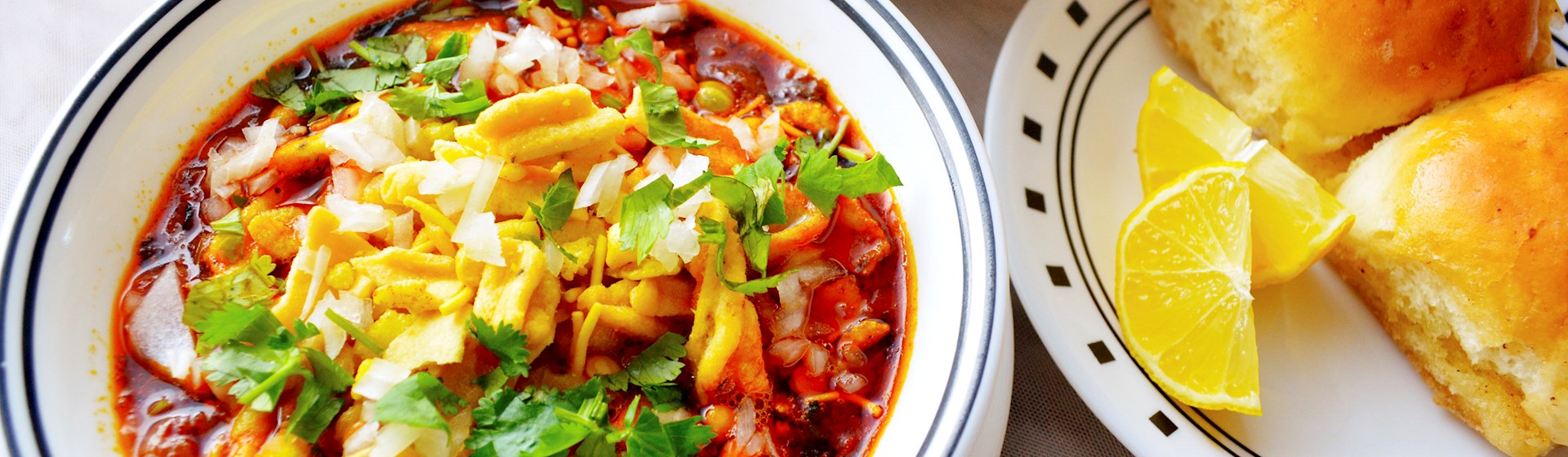
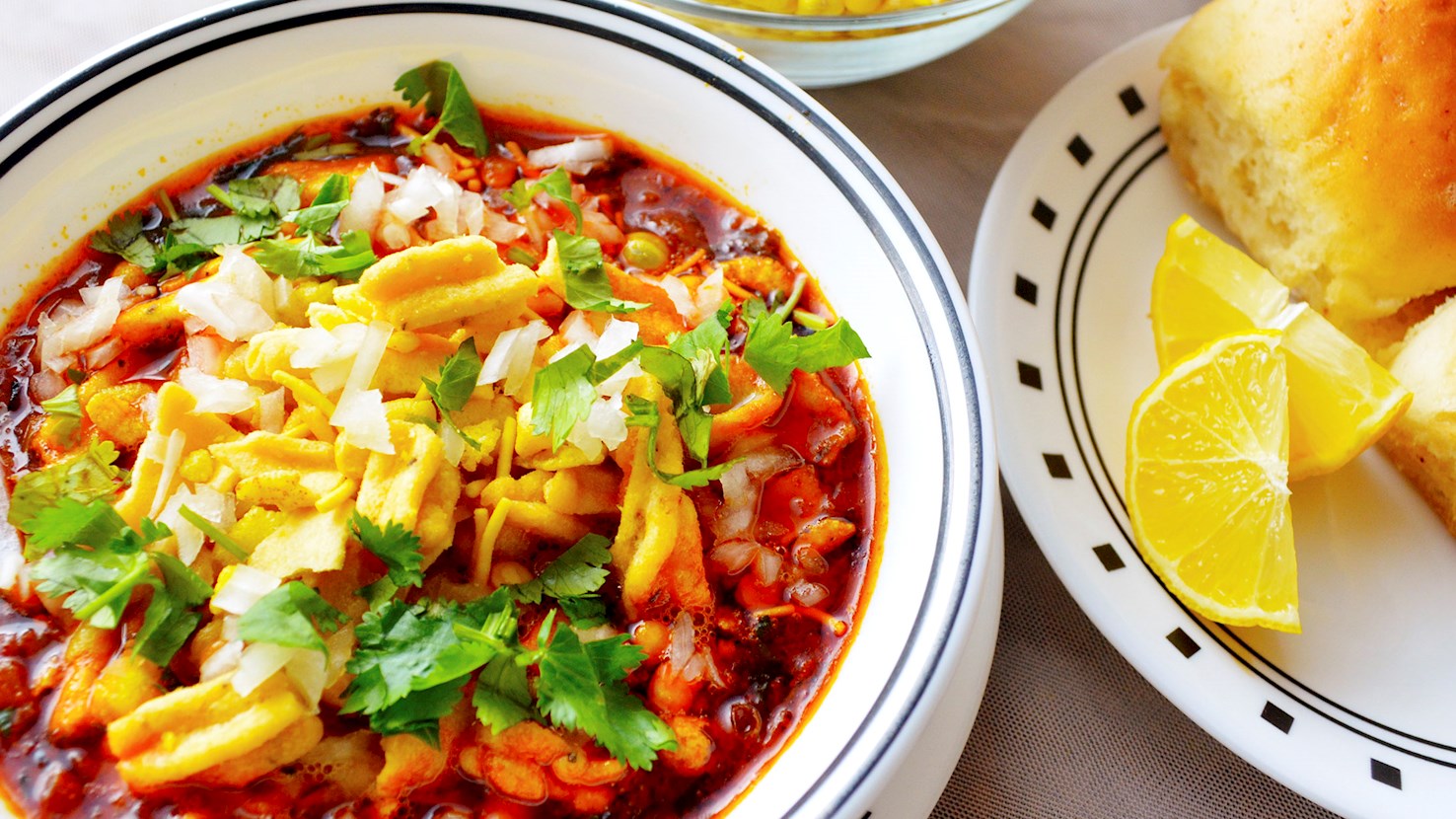
Misal is a specialty dish of the Indian state of Maharashtra, its name literally translated to a mixture of everything, so the ingredients vary from cook to cook. However, a combination of these ingredients is the most common in a typical misal: curd, moth bean or pea curry, gravy, spiced potatoes, and garnishings such as onions, coriander, and tomatoes. It is mandatory for a true misal to be spicy, while the base needs to be crunchy. Visually, it should look like a work of art, with lots of colors - typically red, brown, orange, and green. The earliest mention of the dish appeared around the early 20th century. Since it is highly nutritious, easy to prepare, and relatively inexpensive, it remains one of the most popular meals in Maharashtra.
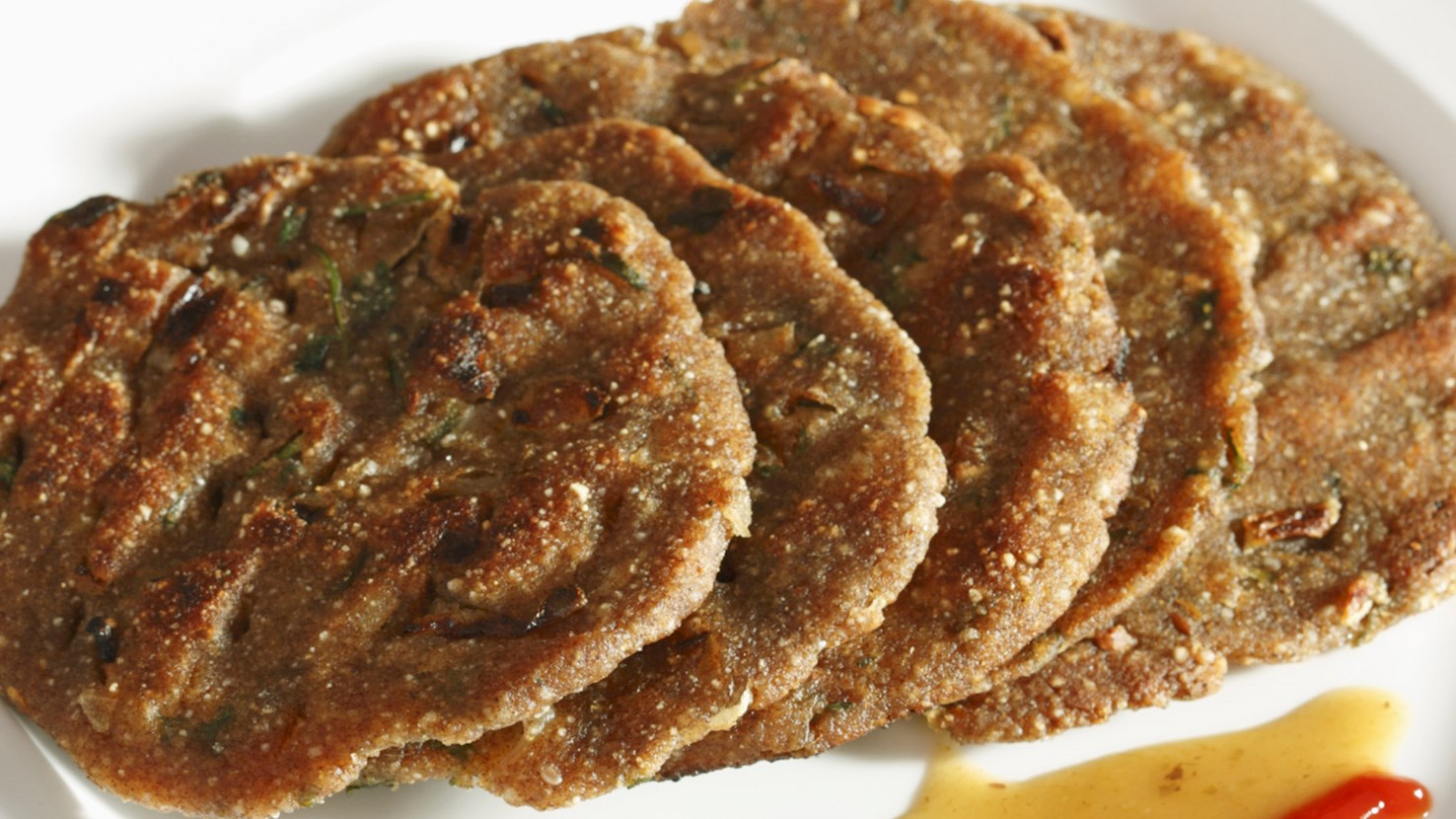
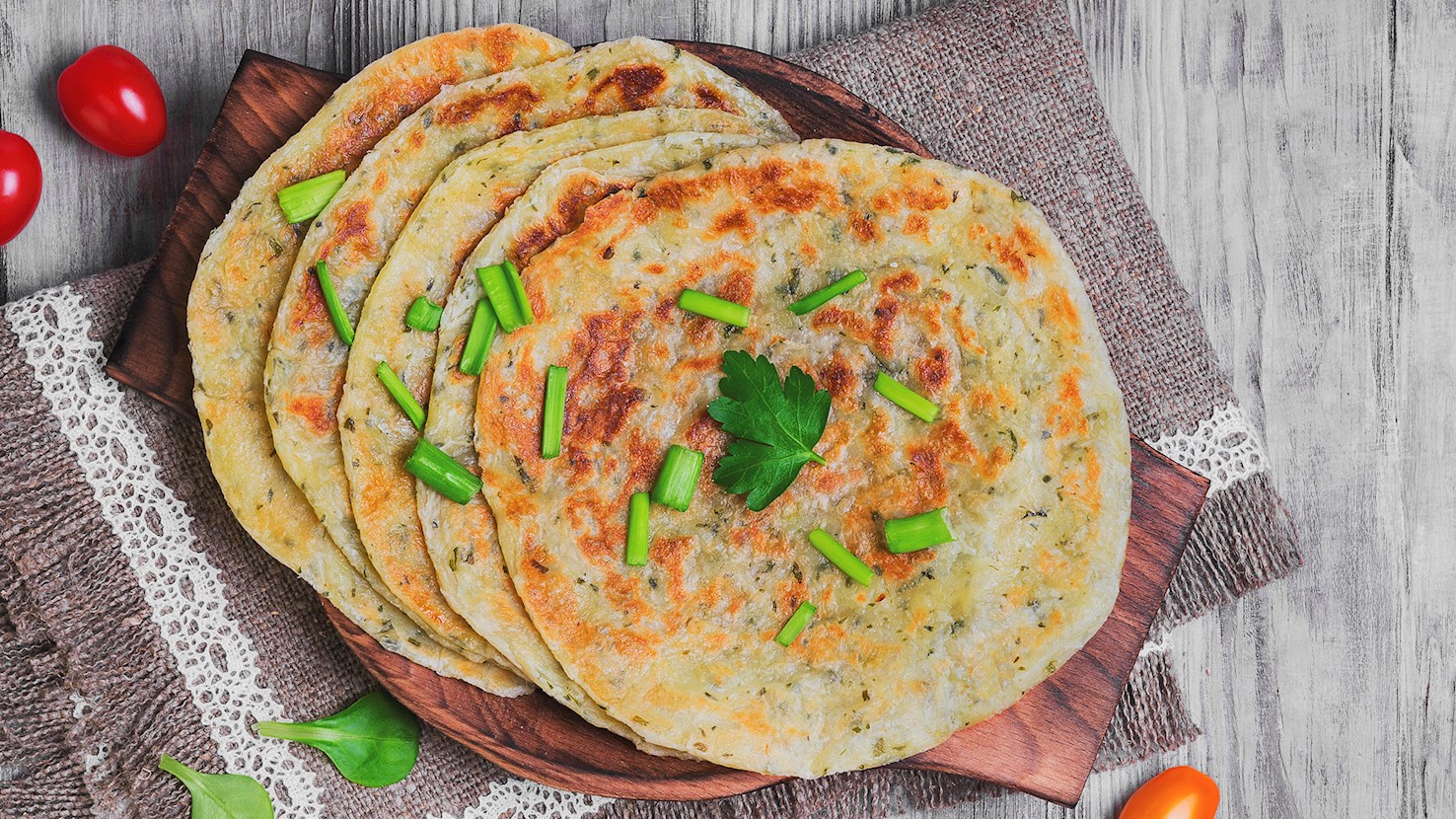
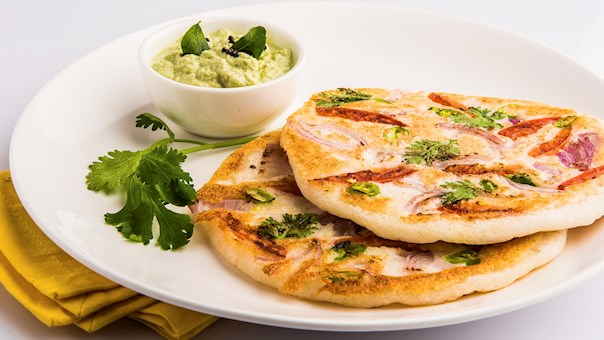
Thalipeeth is a pancake-like bread belonging to the Maharashtrian cuisine of India. The batter is prepared with a base of Bhajani multi-grain flour, while cumin, chilies, coriander, turmeric, and onions are also added to the mix, making the dish slightly hot and spicy in the process. Thalipeeth is commonly served for breakfast with butter, yogurt, or curd, and it is characterized by a hole in the center. Hot oil is drizzled in the hole, making sure that the pancake is cooked evenly. Although the dish is mostly served for breakfast, it is also popular as a daily snack or a flavorful dinner, best accompanied by tomato chutney on the side. There are also some variations on the dish, such as thalipeeth with potatoes and peanuts, and thalipeeth with finely chopped vegetables.
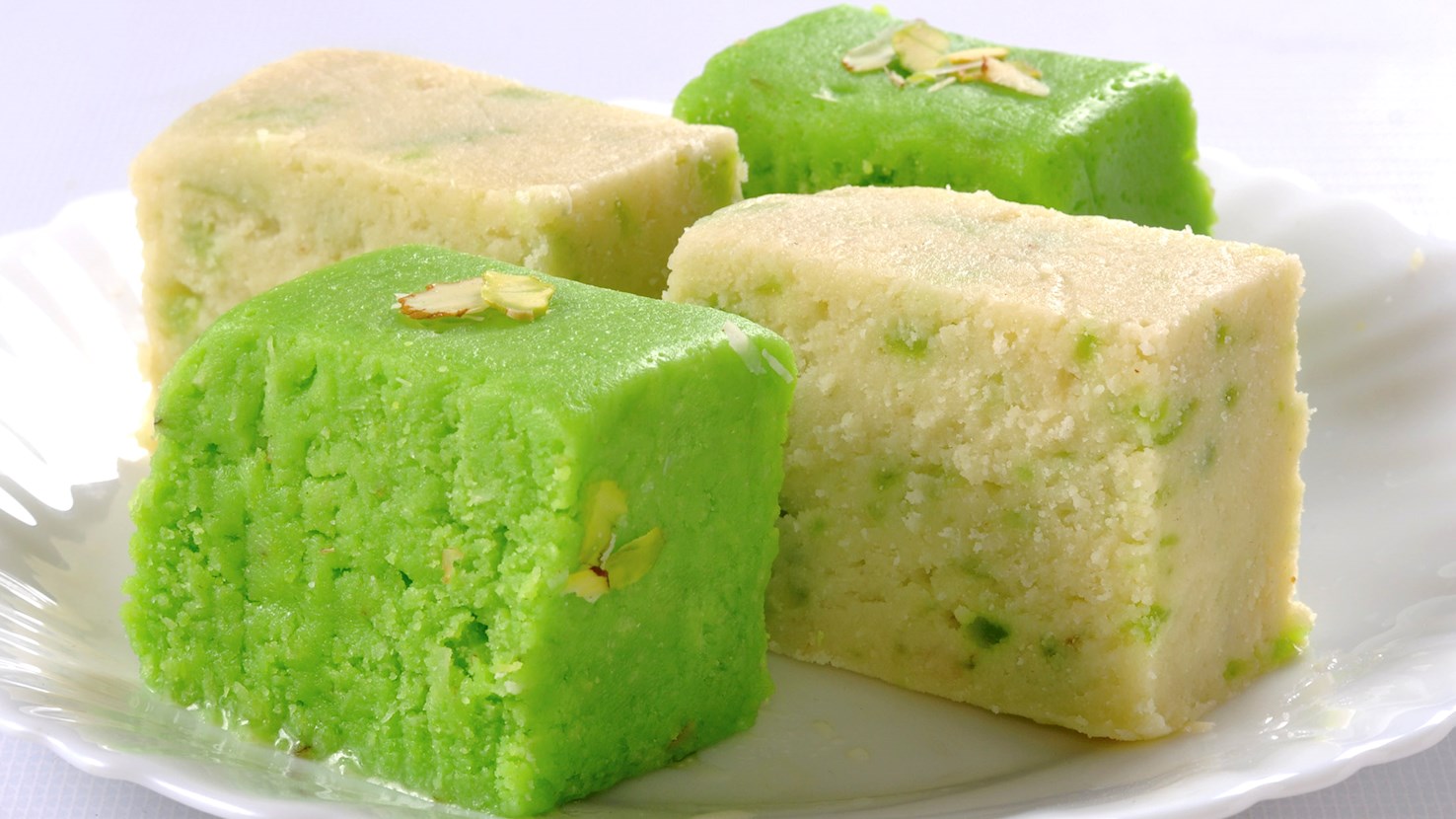
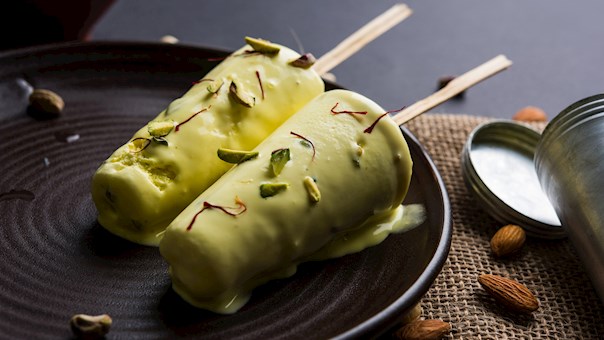
Even though its name originates from Persia, barfi is an original Indian dessert which resembles a fudge. It belongs to a wider group of Indian sweets united under the name mithai. In Persian and Urdu, the name burfi denotessnow and ice, referring to the visual characteristics of this dessert in its simple, original form. It is made with a base of condensed milk solids (khoa or khoya), granulated sugar, and ghee, and the most common ingredients added to the base include nuts, usually pistachios, cashews, and peanuts. However, fruits, saffron, rose water, gram flour, or almonds are also found in some regional varieties. The additional ingredients affect the final appearance, consistency, and color of each type. When cooled, the dessert is cut into diamonds, circles, or squares. Barfi is eaten throughout the country but it’s especially popular in northern India, and it is a common dessert staple served on special occasions. It is also prepared and gifted during the annual Diwali festival. When served at weddings and similar festivities, barfi is usually decorated with beaten and edible silver leaf called vark.
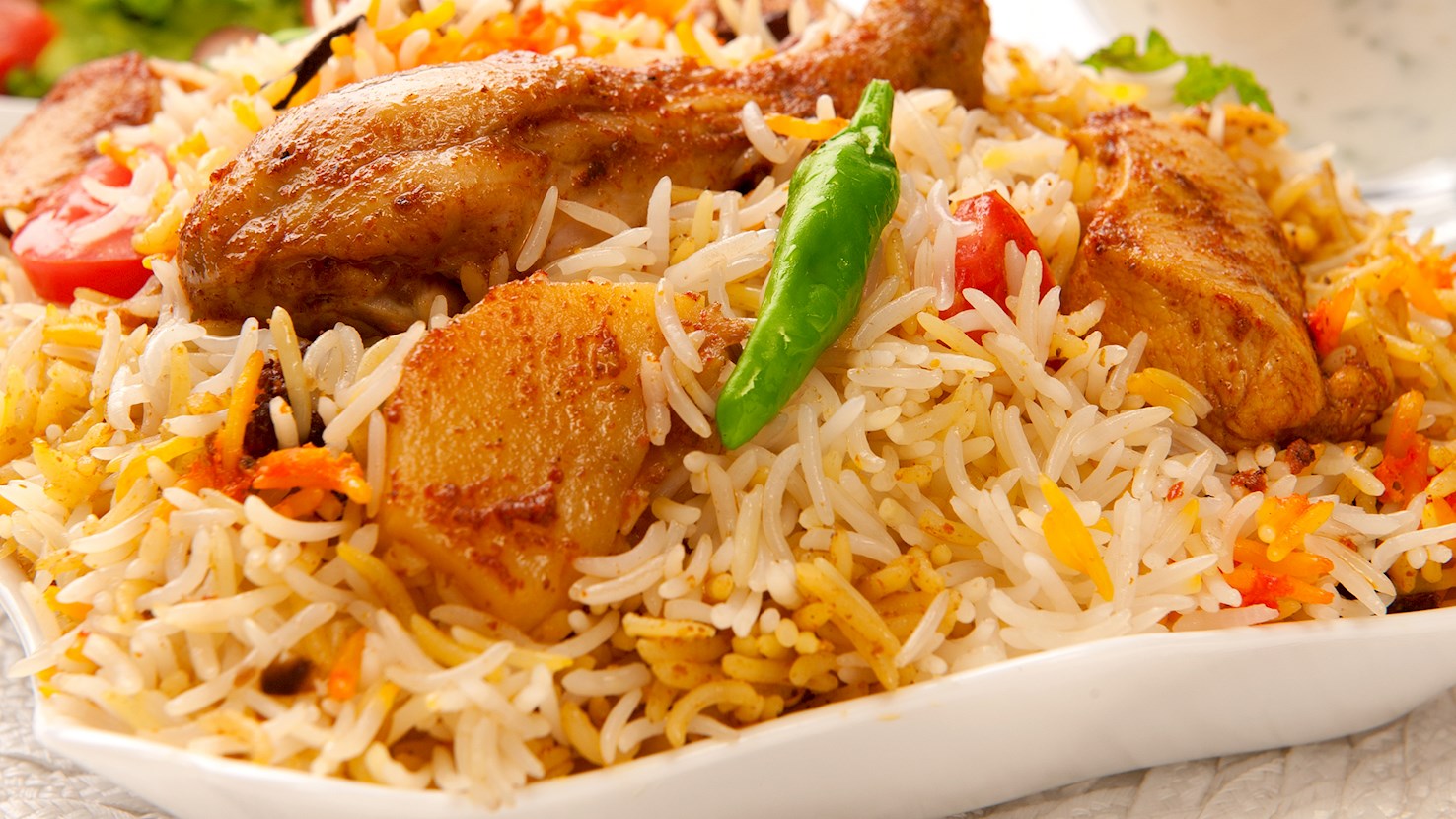
Biryani is a group of classic rice dishes dating back to the Mughal Empire. It combines long-grain rice, usually basmati, with marinated meat, seafood, or vegetables, all cooked together with spices such as cardamom, cloves, cinnamon, and saffron. The origins of biryani are often linked to Persian culinary influences brought to India by Mughal rulers, who adapted pilaf-style cooking into elaborate preparations with fragrant rice and richly seasoned meat. Over time, regional variations emerged, each shaped by local ingredients, tastes, and cooking methods. The preparation of biryani involves several steps that build its distinct texture and flavor. The rice is typically parboiled separately, while the meat is marinated in yogurt and spices. In many recipes, the two components are then layered in a heavy pot, often with fried onions, fresh herbs, and ghee. This assembly is cooked over low heat using a method called dum, which seals the vessel so the steam infuses the rice with the aromas of the meat and spices. In some regions, a dough is used to close the pot entirely, ensuring no moisture escapes. The result is a dish where the grains remain separate, lightly coated in spiced juices, and the meat is tender without falling apart. Biryani has numerous regional styles that reflect the diversity of Asian cooking. In Hyderabad, the dish is known for its rich flavor, the use of goat or chicken, and the distinctive aroma of saffron and kewra water. Kolkata biryani, influenced by Awadhi cooks, includes potatoes and a lighter spicing. In Kerala, Malabar biryani features short-grain rice and incorporates local ingredients like curry leaves. Sindhi biryani, from Pakistan, is often spicy and garnished with sliced green chilies and lemon wedges. Each version has a unique preparation and presentation, yet all share the foundation of rice and seasoned protein cooked together. Biryani holds a central place in celebratory meals and large gatherings, often prepared in large vessels to serve many guests.
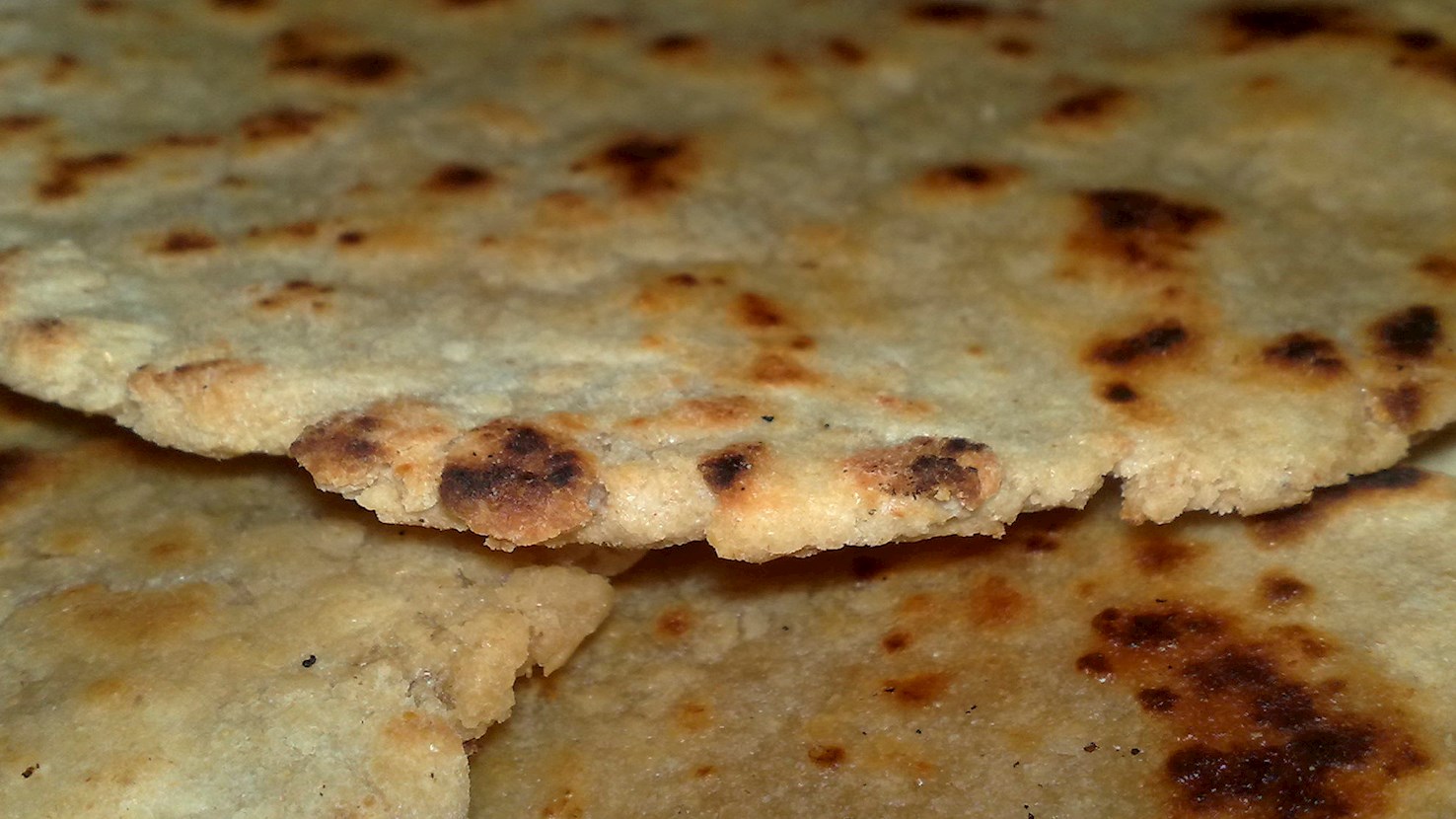
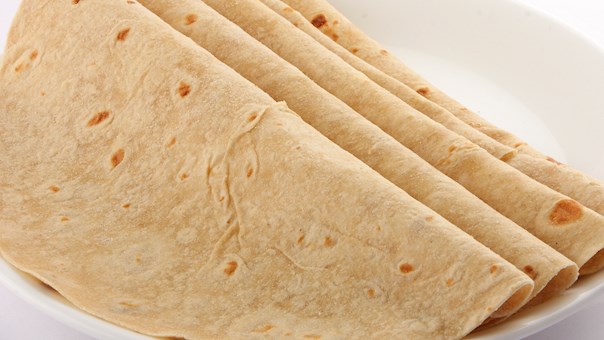
Roti is a flat and unleavened bread made with wholemeal flour. It is traditionally cooked on an iron griddle called tava, an important vessel in the Indian cuisine. In Indian cuisine, roti is as essential as rice. There are several theories regarding its origin. One says that it was invented in Persia, when it was made with maida and was much thicker than today's rotis. Another theory says that it traveled to India from East Africa, where unleavened bread was a staple and the production of wheat was abundant. The Ayurveda dates it back to India's Vedic period. Regardless of the origin, roti is nowadays popular throughout the world, in countries such as Pakistan, Nepal, Sri Lanka, Maldives, South Africa, and South Asia. Its name stems from the Sanskrit word रोटिका, meaning bread. There are many variations of the basic roti, such as chapati, makki di roti, tandoori roti, and roti canai. It is commonly used as an accompaniment to various dishes, including curries, and on the Caribbean, it is commonly used as a sandwich wrap and consumed as street food.
Bhakri is a popular Indian unleavened flatbread native to the Indian state of Maharashtra, although it is commonly found throughout Gujarat, Goa, and Rajasthan. It can be made with jowar, ragi, sorghum, wheat, or rice flour, all of them high in dietary fibers, making bhakri a healthy type of flatbread. It is sometimes additionally flavored with ghee butter or cumin seeds, and served with chutneys, baingan bharta, vegetables, curry, or rice. Traditionally, bhakri was often consumed by the farmers for breakfast and lunch, providing sustenance throughout the long working days. Since it tastes the best when the flour is freshly milled, some Indian cooks use a millstone before making the bread in order to enhance bhakri's texture and flavor.
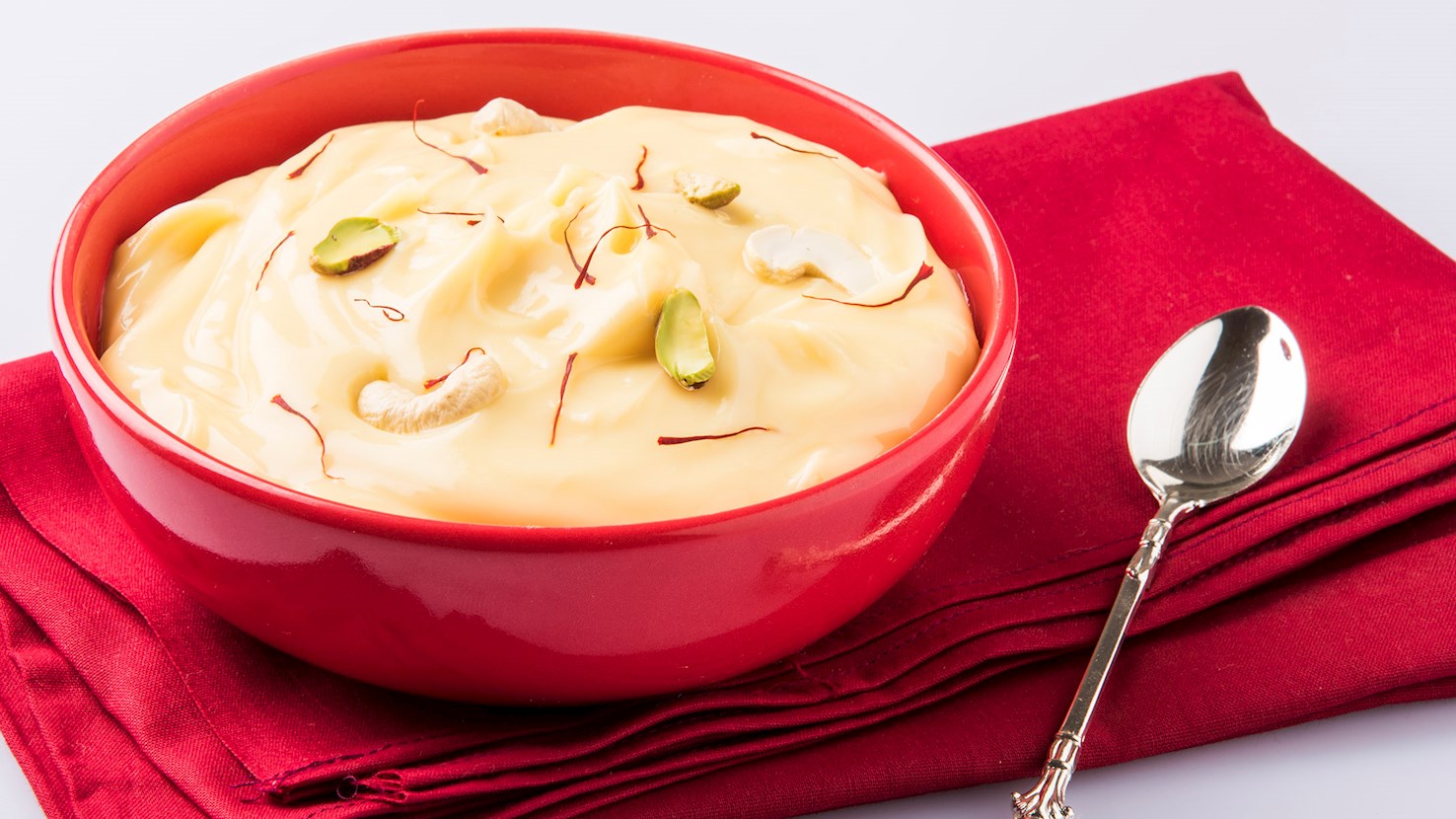
Shrikhand is a popular Indian yogurt-based dessert, combined with sugar and nuts in order to develop a rich, creamy texture and sweet flavor. In North India, it is usually served for breakfast, while in South India, it is commonly served as a dessert after the main dish. Shrikhand is also a festive dish that is made for Janmashtami (the birthday of Lord Krishna) in Maharashtra and Gujarat. There is a popular theory about the origin of shrikhand; it is said that the herdsmen used to hang curd or yogurt overnight so they could carry it more easily while traveling. The next day, they would collect the thick yogurt and combine it with dried fruits, nuts, and sugar to make it more flavorful during their long travels. Nutritious and filling, the dish is also very easy to prepare at home, where it is ofen served for breakfast or as a light dessert after a meal.
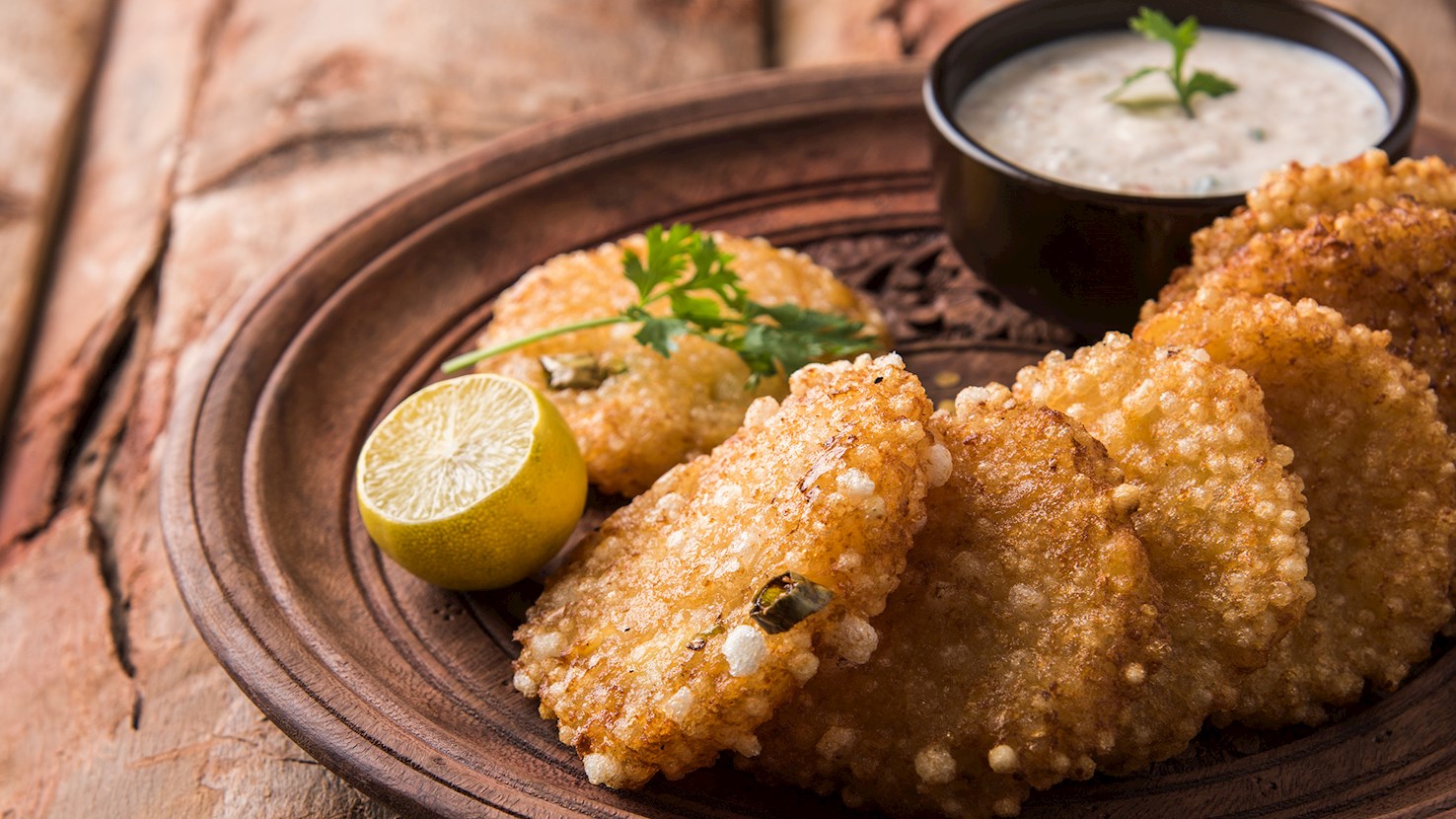
These crispy Indian fritters consist of a combination of soaked tapioca pearls, mashed potatoes, roasted and crushed peanuts, and a variety of spices such as turmeric, chili, ginger, and fresh coriander. Sabudana vada fritters can be found at many stalls throughout Maharashtra and are especially popular in Mumbai. Since they do not contain meat, the fritters are a favorite fasting snack. Sabudana vada is typically served hot, paired with yogurt or chutney.
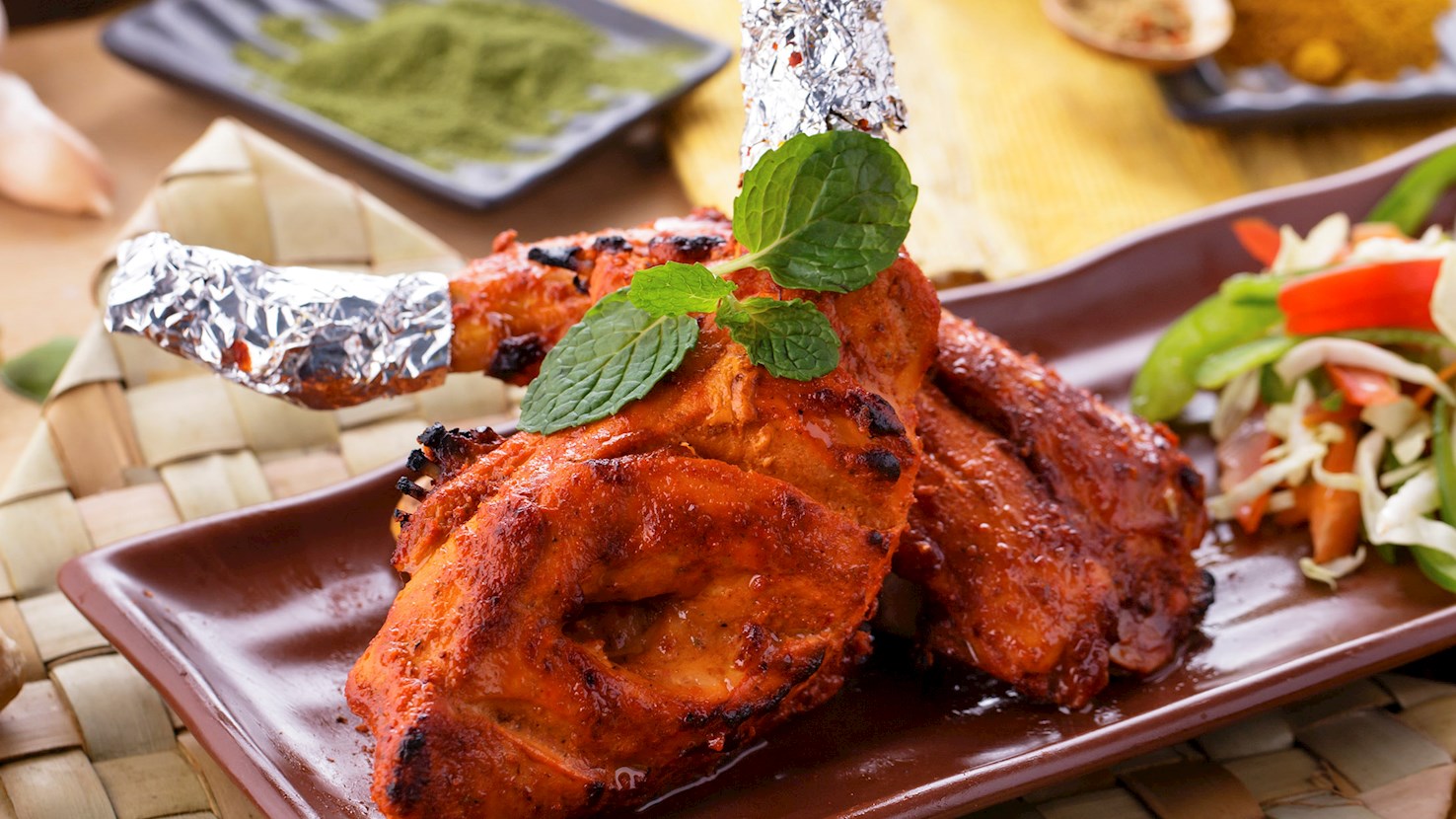
Tandoori chicken or tandoori murgh is one of the most popular dishes in Indian cuisine, its name derived from the Persian word tannur, meaning fire. The dish consists of chicken meat that is marinated in yogurt, seasoned with tandoori masala, nutmeg, and cumin, then placed on skewers. It is a unique dish because of the way it is prepared - traditionally, it is cooked at high temperatures in cylindrical clay ovens called tandoor, resulting in succulent meat with a smokey flavor. One popular theory suggests that it was invented by a man named Kundan Lal Gujral in his restaurant Moti Mahal (Palace of Pearls). He wanted to make a new dish, so he tried cooking the chicken in the tandoor, which was mostly used for baking the famous Indian bread called naan. The dish was an instant hit with the hungry customers, and the crispy, yet succulent chicken dish even caught the attention of Indian Prime Minister Jawaharial Nehru, who often ate at the restaurant and made it a regular dish at official banquets. The aforementioned theory belongs to the recent past, but historians claim that tandoor-cooked chicken actually dates back to the Mughal period, when the dish was merely a part of gigantic Indian feasts at the time. Tandoori chicken's fame led to many derivatives such as chicken tikka masala and butter chicken, both of them commonly found in restaurants across the country.
TasteAtlas food rankings are based on the ratings of the TasteAtlas audience, with a series of mechanisms that recognize real users and that ignore bot,
nationalist or local patriotic ratings, and give additional value to the ratings of users that the system recognizes as knowledgeable.
TasteAtlas Rankings should not be seen as the final global conclusion about food. Their purpose is to promote excellent local foods,
instill pride in traditional dishes, and arouse curiosity about dishes you haven’t tried.



What People Say