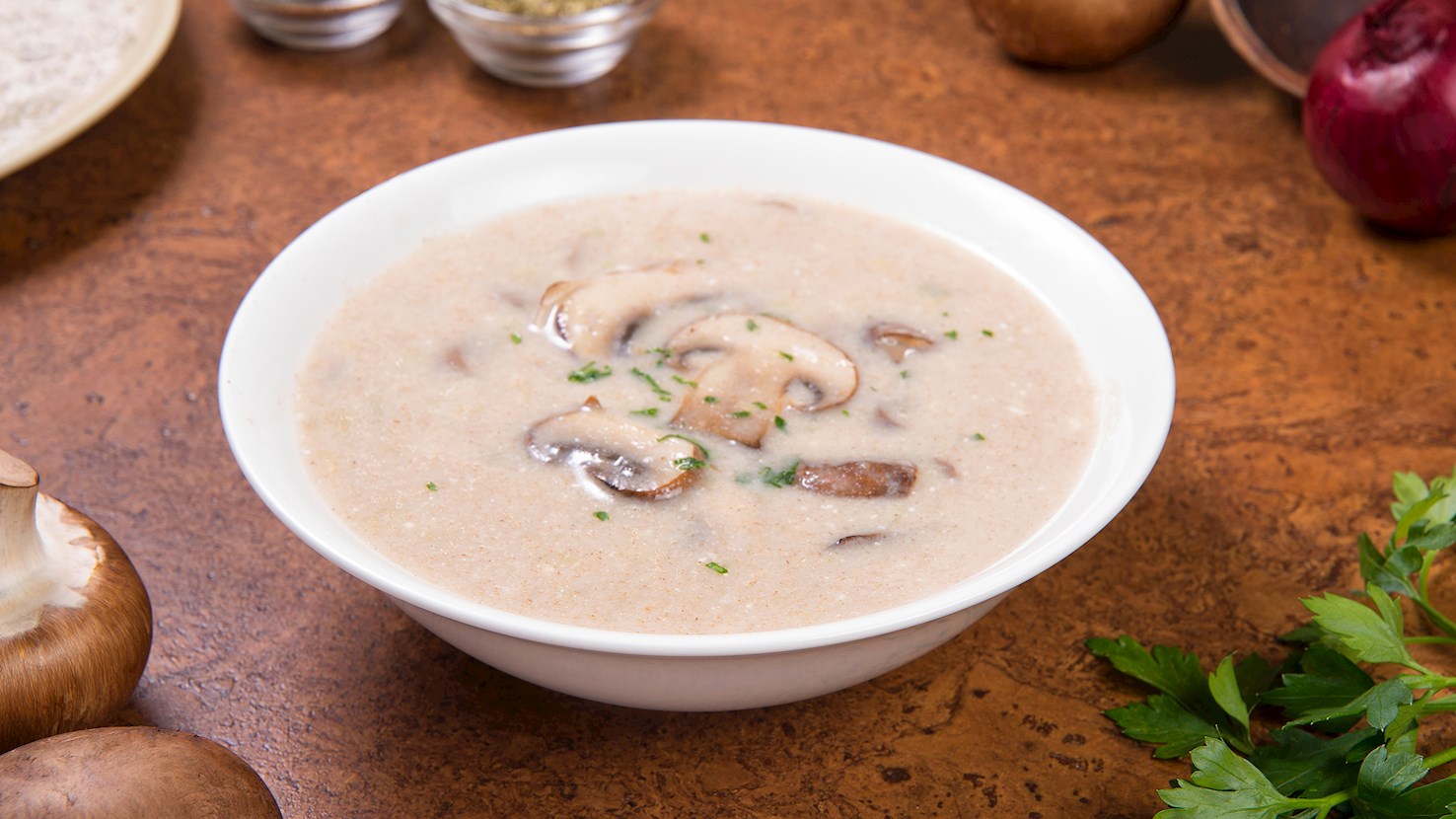
Gobova juha is a traditional mushroom soup. Although there are many variations, the soup is usually made with a combination of wild mushrooms, onions, garlic, butter, flour, potatoes, white wine or wine vinegar, bay leaves, marjoram, salt, and pepper. The onions are sautéed in butter and then mixed with flour and garlic. The mushrooms are cut into chunks and added to the pot with water, marjoram, bay leaves, potatoes, salt, and black pepper. The soup is simmered over low heat until the potatoes become tender. White wine or vinegar are added to the pot near the end of cooking, and the soup is then ladled into bowls and garnished with chopped parsley and a dollop of sour cream for extra creaminess. Gobova juha is especially popular in the fall.
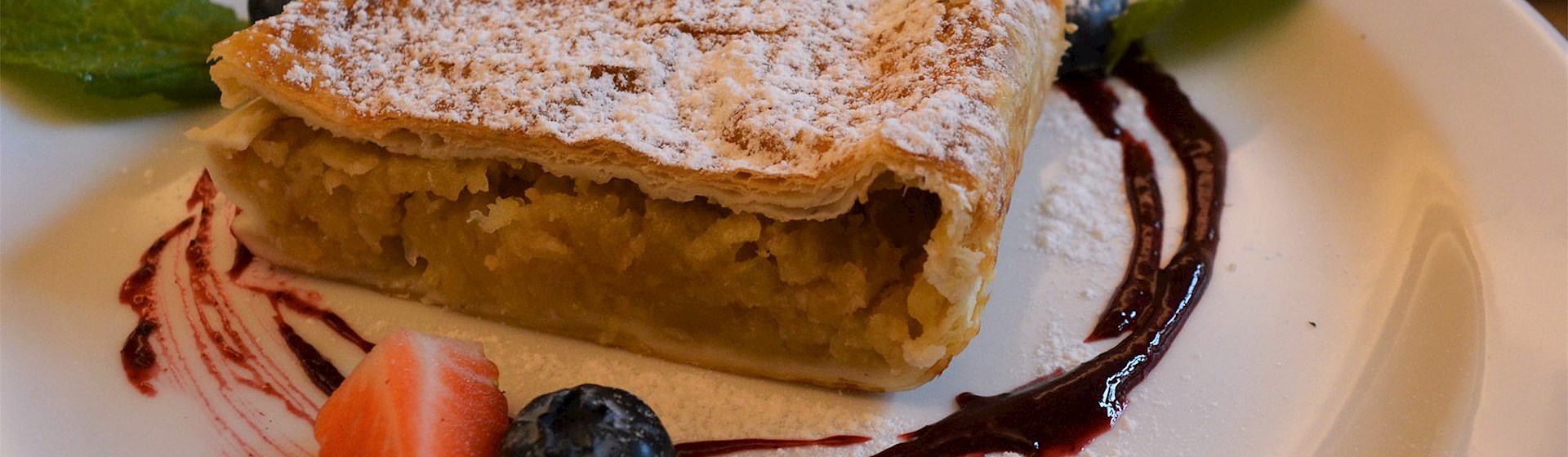
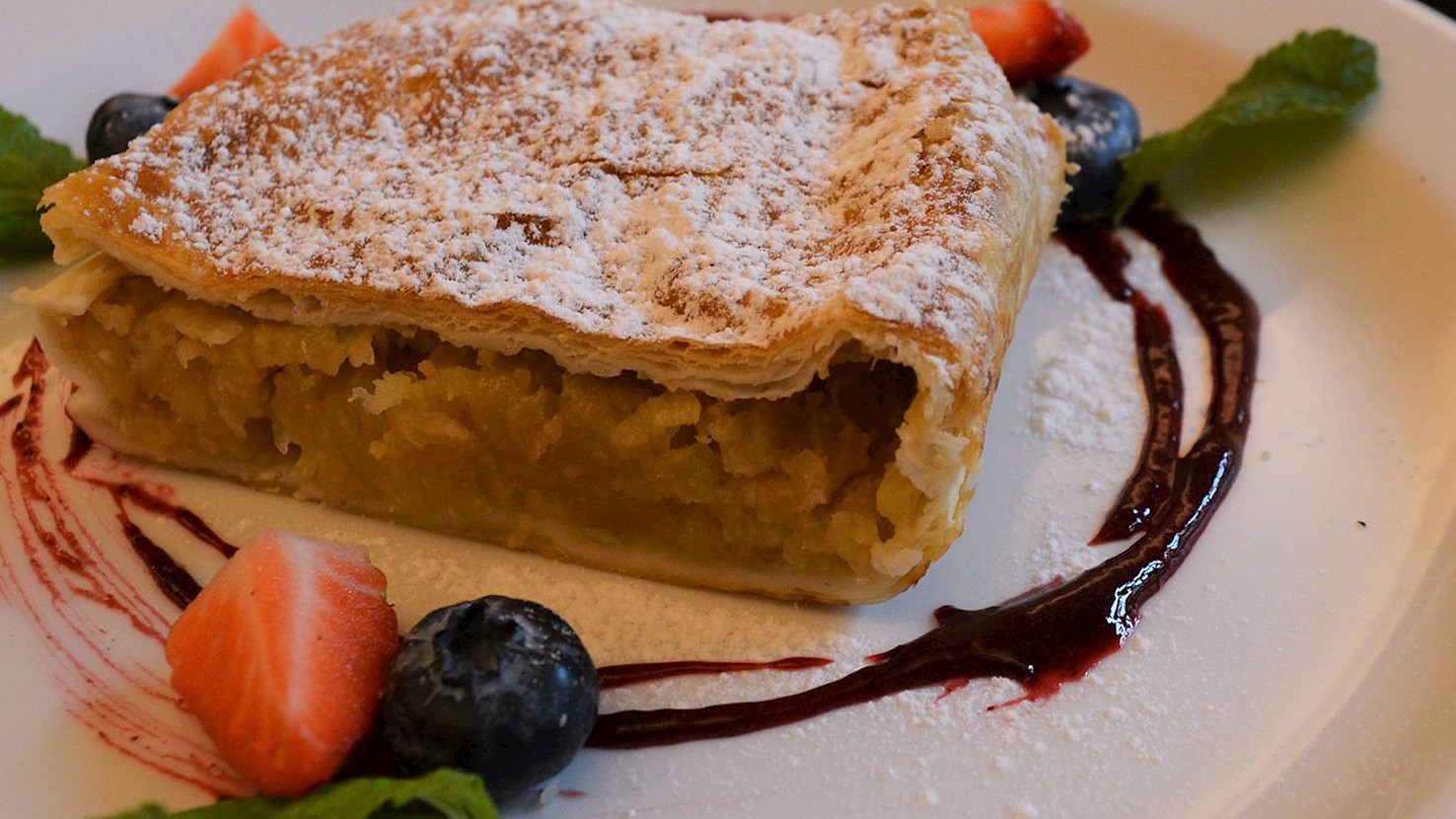
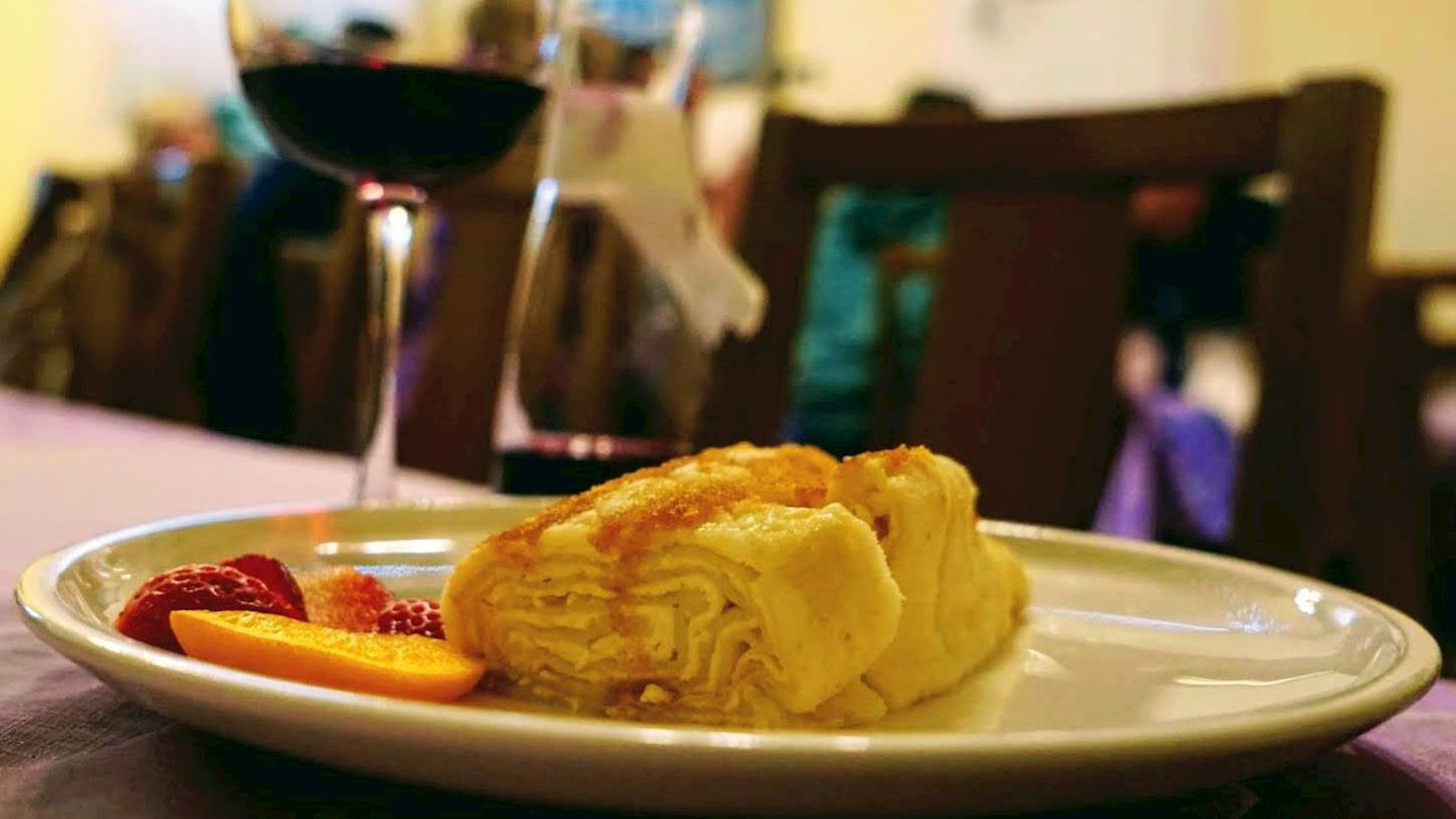
As the name suggests, strudelj is the Slovenian version of strudel, which is especially popular in the Vipava area. Since fruit is always at hand in the valley, sweet strudelj is one of the favorite desserts of the locals. Cherry strudelj is the most popular variety, but there are also other varieties prepared with apricots, peaches, pears, plums, and apples. In late autumn, dainty eaters will surely be delighted by the exceptional persimmon strudelj.
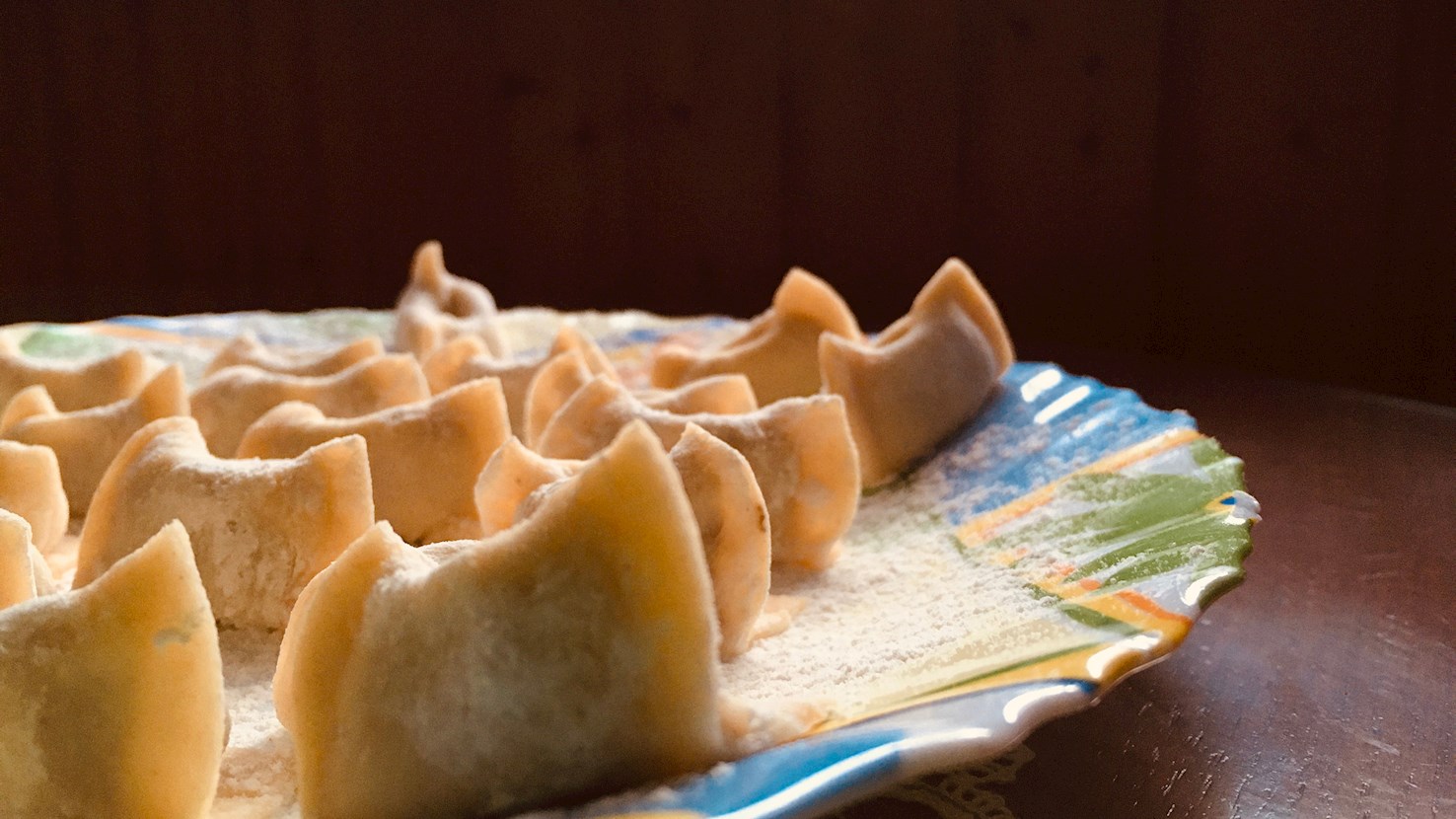
Traditionally prepared in western Slovenia, namely the town of Idrija, this popular pasta dish can be described as a variety of ravioli. Žlikrofi are made with two layers of thin pasta dough wrapped around the filling, and apart from their charming shape resembling a bicorne hat, their authentic potato filling is even more distinctive. Ever since the first references to this delicious Slovenian dish, except for the variations in the filling, the recipe hasn't significantly changed over the years. The oldest written source is found in a 1936 book Naš Idrijski Kot, in which the author describes how the popular žlikrofi were prepared only on special occasions when they were typically filled with potatoes, meat, or turnip mash. Although it has been suggested that Idrijski žlikrofi are in fact quite similar to the Austrian Schlickkrapferl (dumplings filled with offal and fresh herbs), their true origin hasn't yet been discovered.
Štruklji is one of the most typical Slovenian dishes, consisting of different varieties of rolled dough that is filled with either savory or sweet ingredients such as cottage cheese, walnuts, apples, and poppy seeds. They can be found throughout Slovenia–in home kitchens, restaurants, and numerous mountain huts. Štruklji can be baked or cooked, and one unique variety of the dish is especially popular during spring and summer, when štruklji are filled with fresh tarragon. Originally, the dish was prepared at celebrations and festivities in order to celebrate the end of hard labor at the farms, and the practice was present until the 1930s, when people started making štruklji throughout the year.
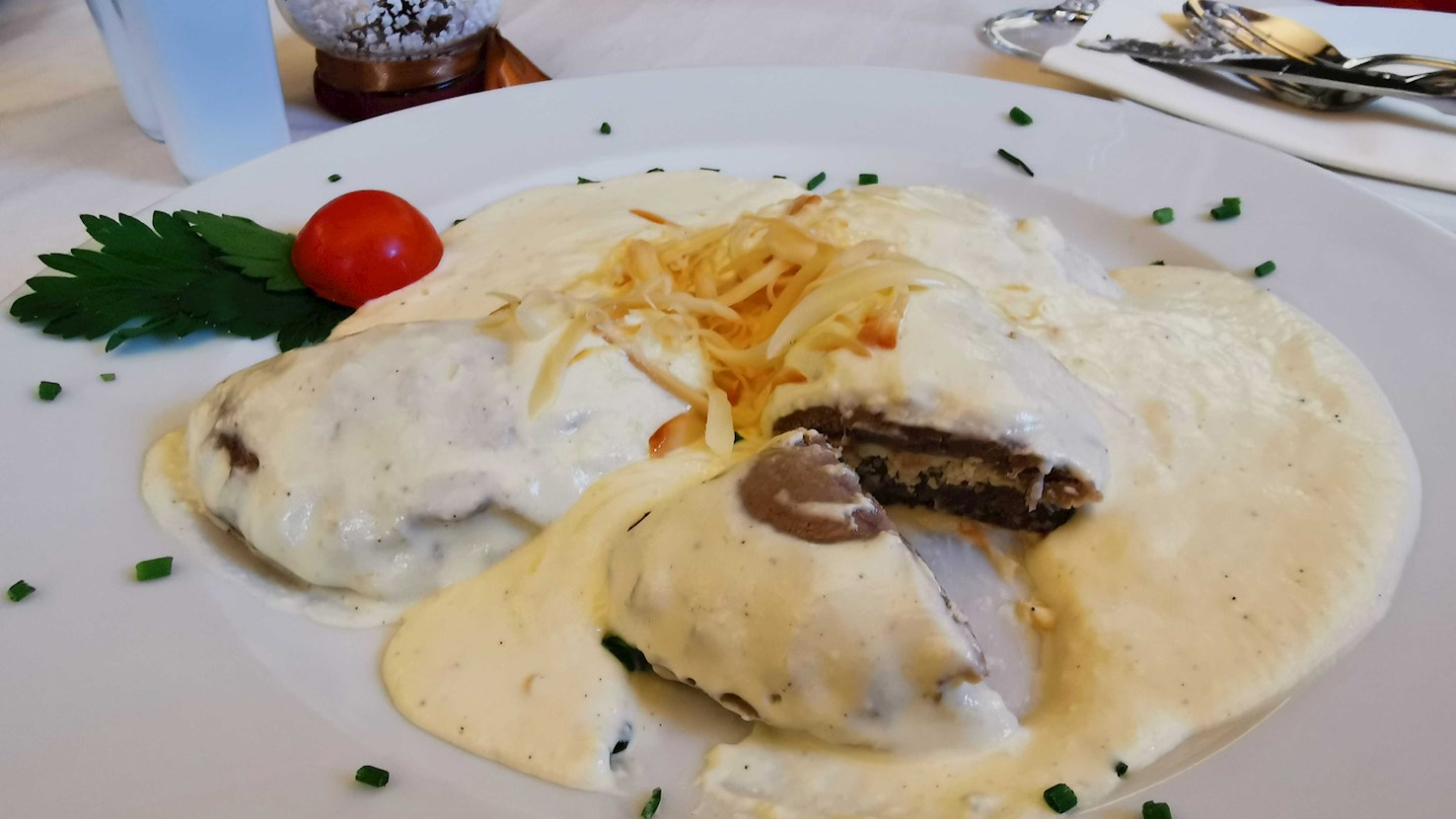
Ajdovi krapi are traditional buckwheat dumplings filled with a mixture of cottage cheese and millet porridge. They are traditionally served topped with sour cream and sprinkled with cracklings. Although ajdovi krapi are a typical Slovenian side dish, they can easily be enjoyed as the main course. There is also a sweet version which is usually filled with hazelnuts and served doused in vanilla sauce.
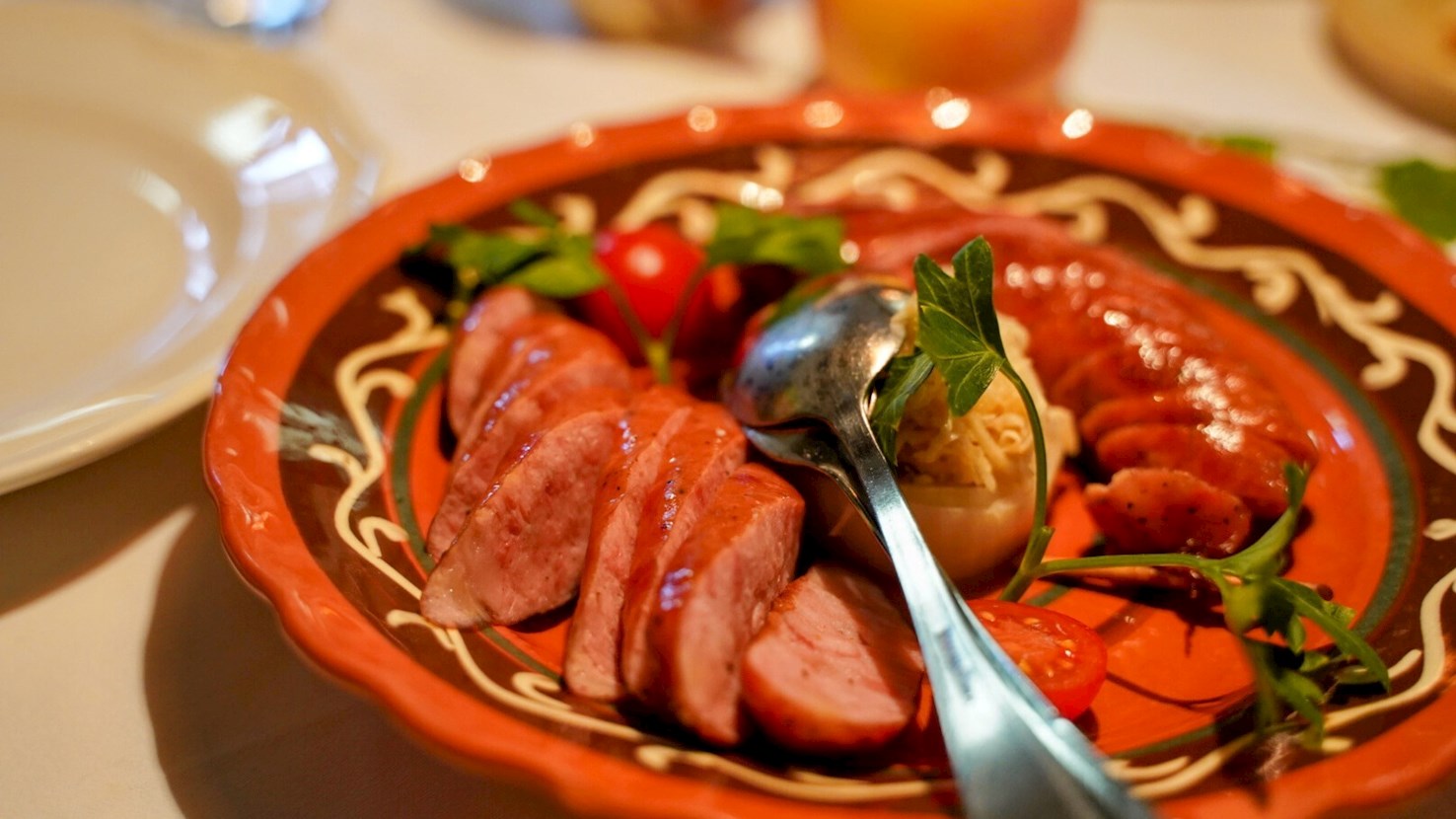
Internationally known as Carniolan or Krainer sausage, Kranjska klobasa originates from the historical region of Kranjska, once the Duchy of Carniola, a crown land of the Austrian Empire. It has the perfect meat-to-bacon ratio: at least 80% coarsely ground good-quality pork cuts (leg, shoulder, neck) and 20% bacon (back fat), seasoned with salt from the Sečovlje saltern, black pepper, and garlic. Funneling the meat mixture into natural casings forms 12-16 centimeter long sausages that are twisted into links, tied, and held together by a wooden skewer. The links are then pasteurized and hot-smoked until they reach a moderate reddish-brown color. To achieve what is known as the signature flavor of Kranjska klobasa, it's recommended not to boil it, as this would mean overcooking it, but to simply warm it up in hot water. Traditionally, this famous Slovenian product with a mild, smoky aroma is best enjoyed accompanied by sauerkraut and mustard.
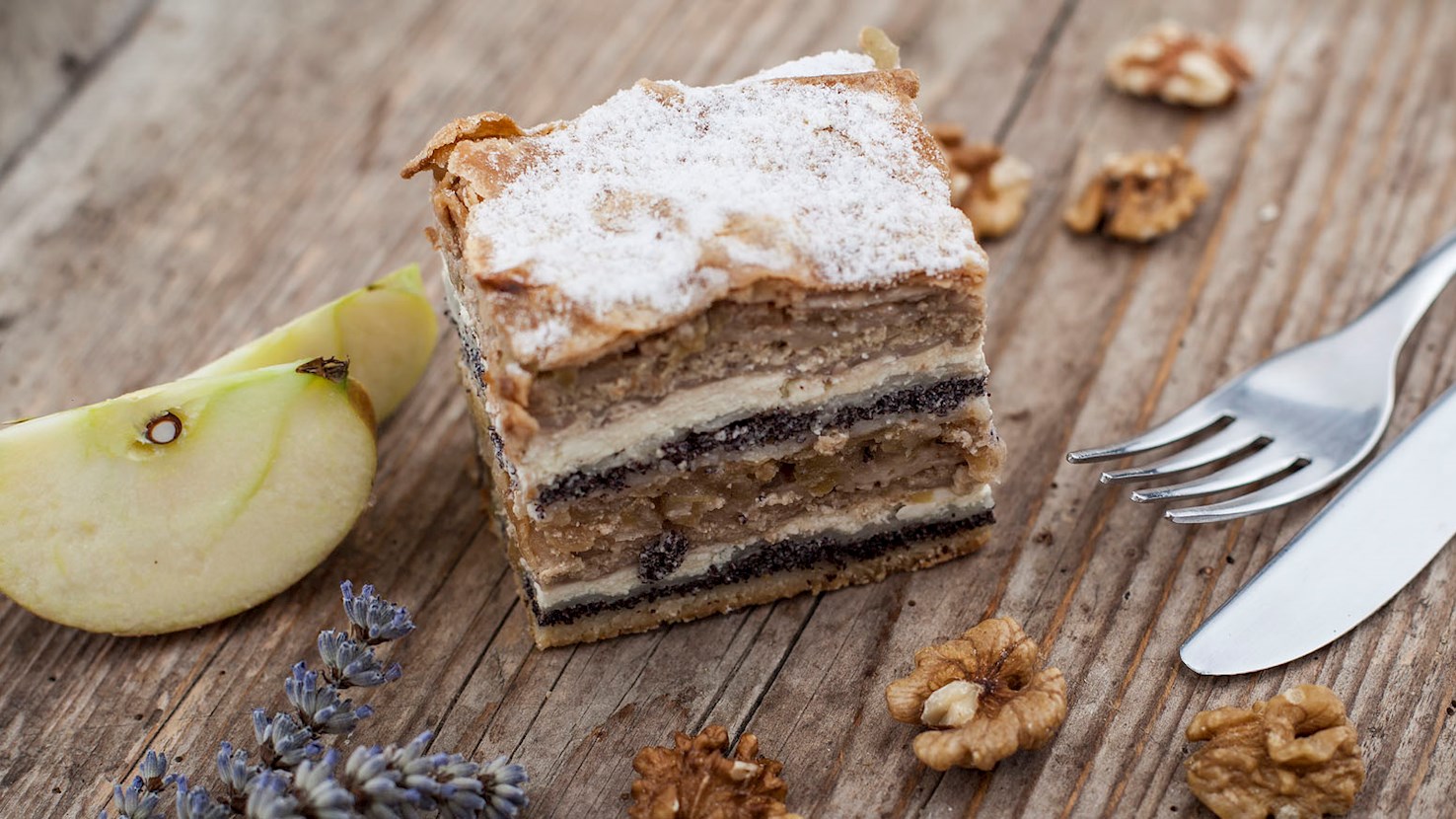
This well-known dessert is a traditional dish of Prekmurje, Slovenia’s northeastern region whose recipes have often been inspired by Hungarian and Austrian traditions. According to the Etymological Dictionary of the Slovenian Language, Prekmurska gibanica is a variety of potica, a layered strudel pie characteristic for the eastern part of the country. The name comes from gibâničnik, a type of pastry basket, or gibâničar, an old Slovenian word for a baker. The oldest written records of Prekmurska gibanica date back to the 1700s when it was first mentioned as gebanza, while another written source from 1828 described it as a dessert that is typically served at weddings. This interesting combination of different fillings and paper-thin phyllo strudel pastry is actually very common in Central European cuisine, but what makes Slovenian gibanica different from the others is the bottom layer, often made with shortcrust pastry. The fillings used to make Prekmurska gibanica are divided by butter-brushed pastry sheets and layered in this exact order: poppy seeds, cottage cheese, ground walnuts, and grated apples. Also, the original gibanica has eight layers of filling, which means that the layering is done twice, finished with another sheet of pastry, and brushed with egg wash before baking. Traditionally prepared during festive seasons, Prekmurska gibanica has a rich flavor, an intense aroma, and must retain its succulent sweetness without being too greasy.
TasteAtlas food rankings are based on the ratings of the TasteAtlas audience, with a series of mechanisms that recognize real users and that ignore bot,
nationalist or local patriotic ratings, and give additional value to the ratings of users that the system recognizes as knowledgeable.
TasteAtlas Rankings should not be seen as the final global conclusion about food. Their purpose is to promote excellent local foods,
instill pride in traditional dishes, and arouse curiosity about dishes you haven’t tried.



What People Say