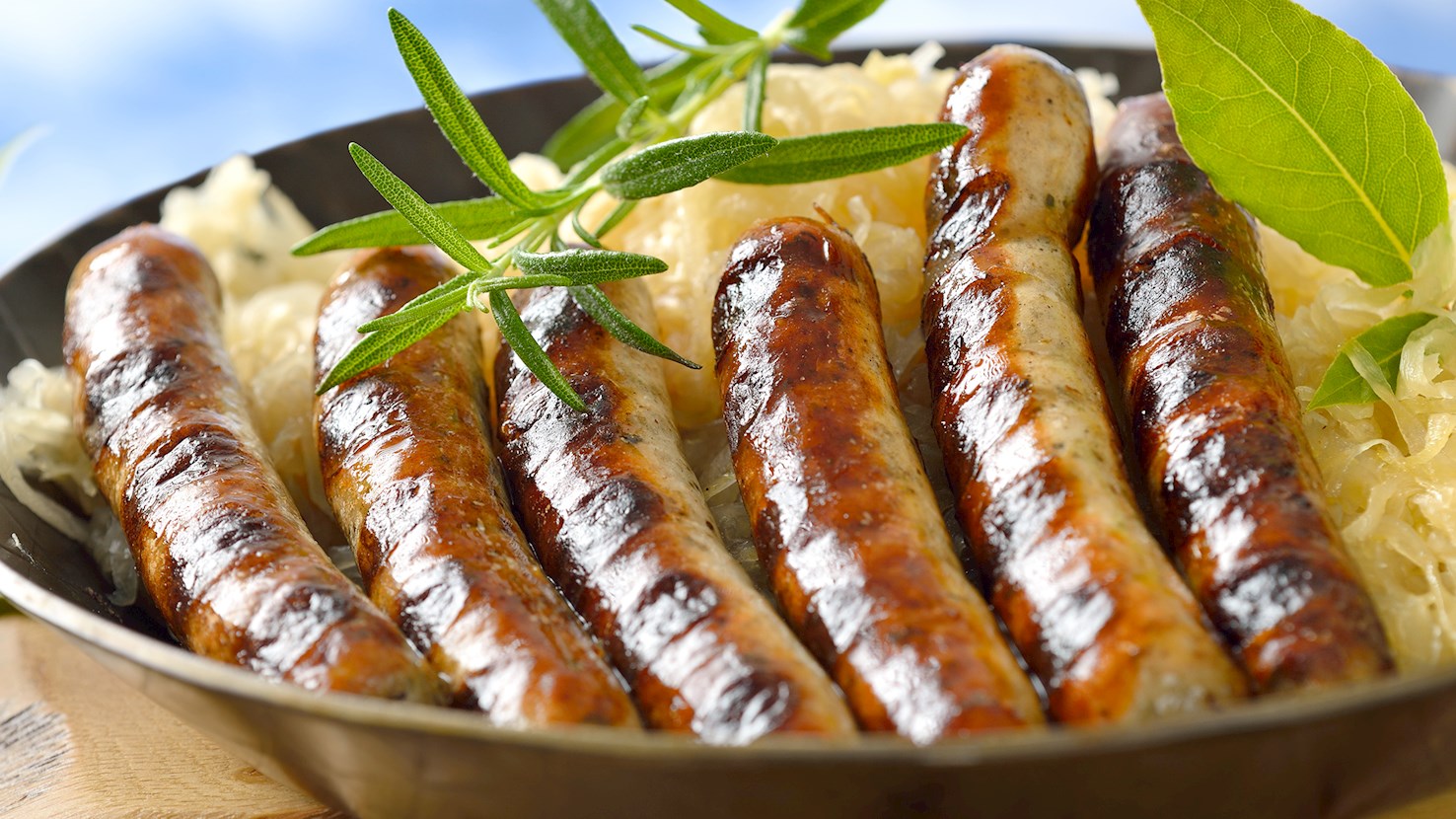
What was once an item for survival during the cold winter months and a technique of not wasting meat scraps is nowadays a delicacy consumed throughout Germany and abroad. Bratwurst stems from two words, an Old High German word brat, meaning meat without waste, and wurst, which means sausage. Bratwurst has origins with the Celtics, but the Franconians developed it further. It dates back to the 1300s in a region that would eventually become Eastern Germany. Bratwurst is usually consumed for breakfast, due to the tradition of farmers who would make the sausages in the morning and eat them by noon, as they would otherwise spoil. Technically, a bratwurst must be made from either pork, veal, or beef, but there are more than 40 varieties of the sausage throughout Germany. The oldest recipe for bratwurst was discovered in 2000 by a historian named Heinrich Höllerlhas. The same recipe, for the Thuringian bratwurst (one of the most famous varieties), says that the makers had to use only the purest, unspoiled meat in the production process. Today, bratwursts are commonly served with sauerkraut, potato salad, horseradish, or mustard in Germany, but the sausages are also popular in the United States, especially in Wisconsin, where they are commonly found at summer cookouts and barbecues.
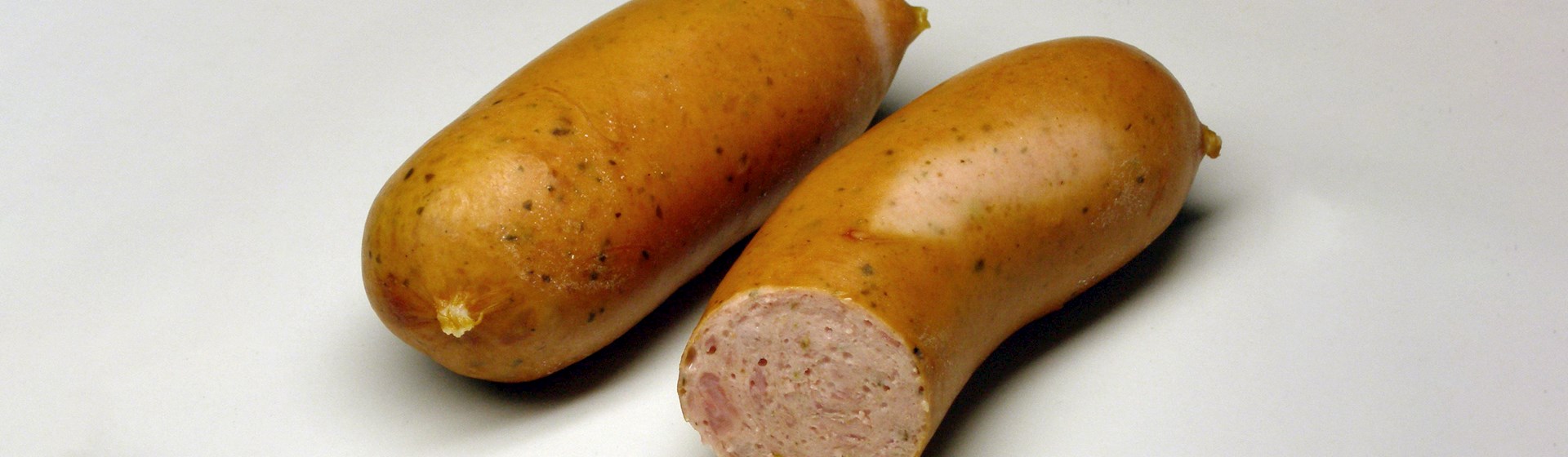
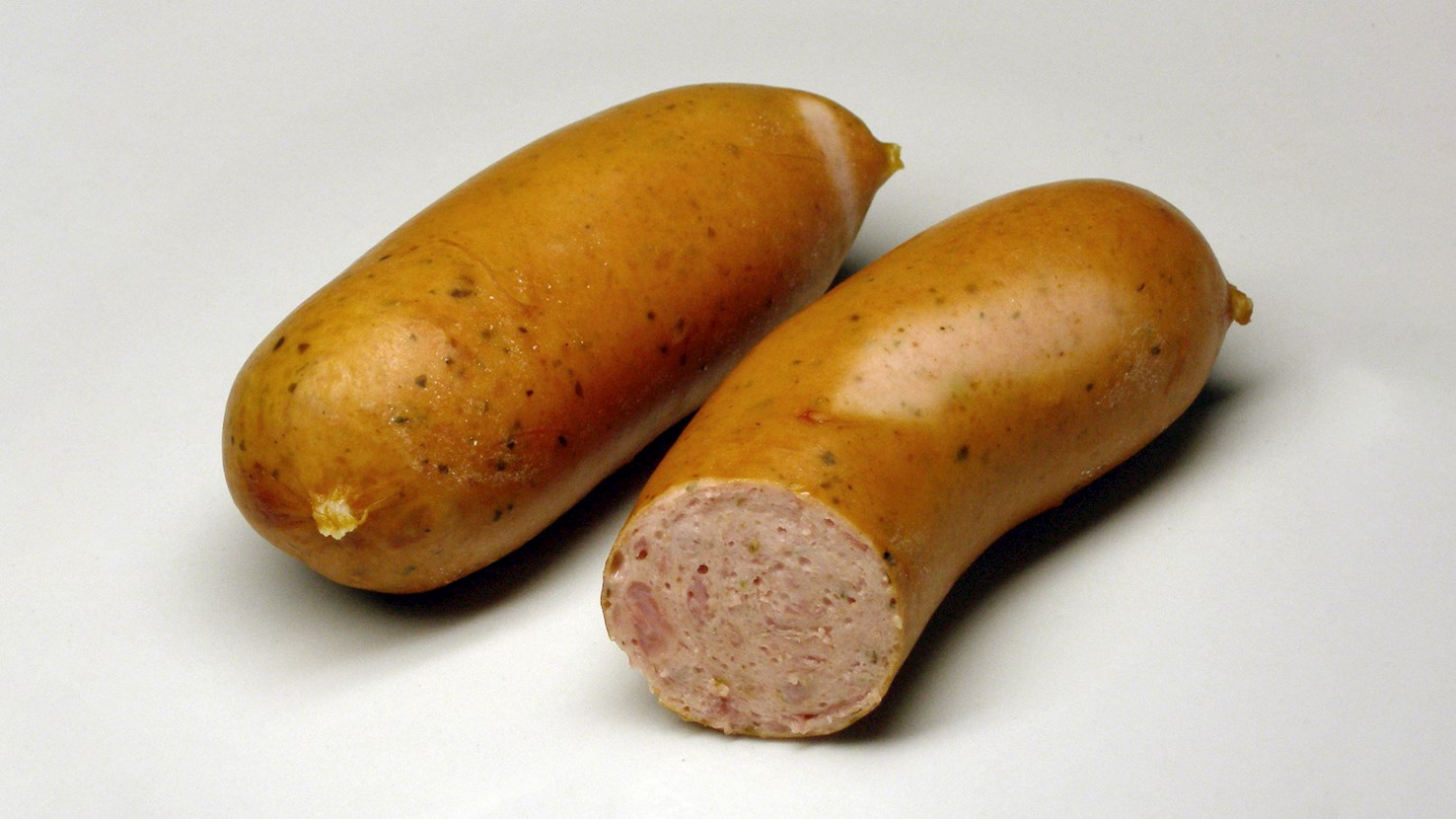
Regensburger wurst is a German sausage originating from Regensburg, where it was invented in the late 19th century. The sausages are made from fine or coarse pork and they're smoked and boiled before being sold or consumed. The pork is usually finely ground without fat, then mixed with spices, salt, and small chunks of pork. Once cooked, they can be served hot or cold, or used in dishes such as salads or sandwiches.
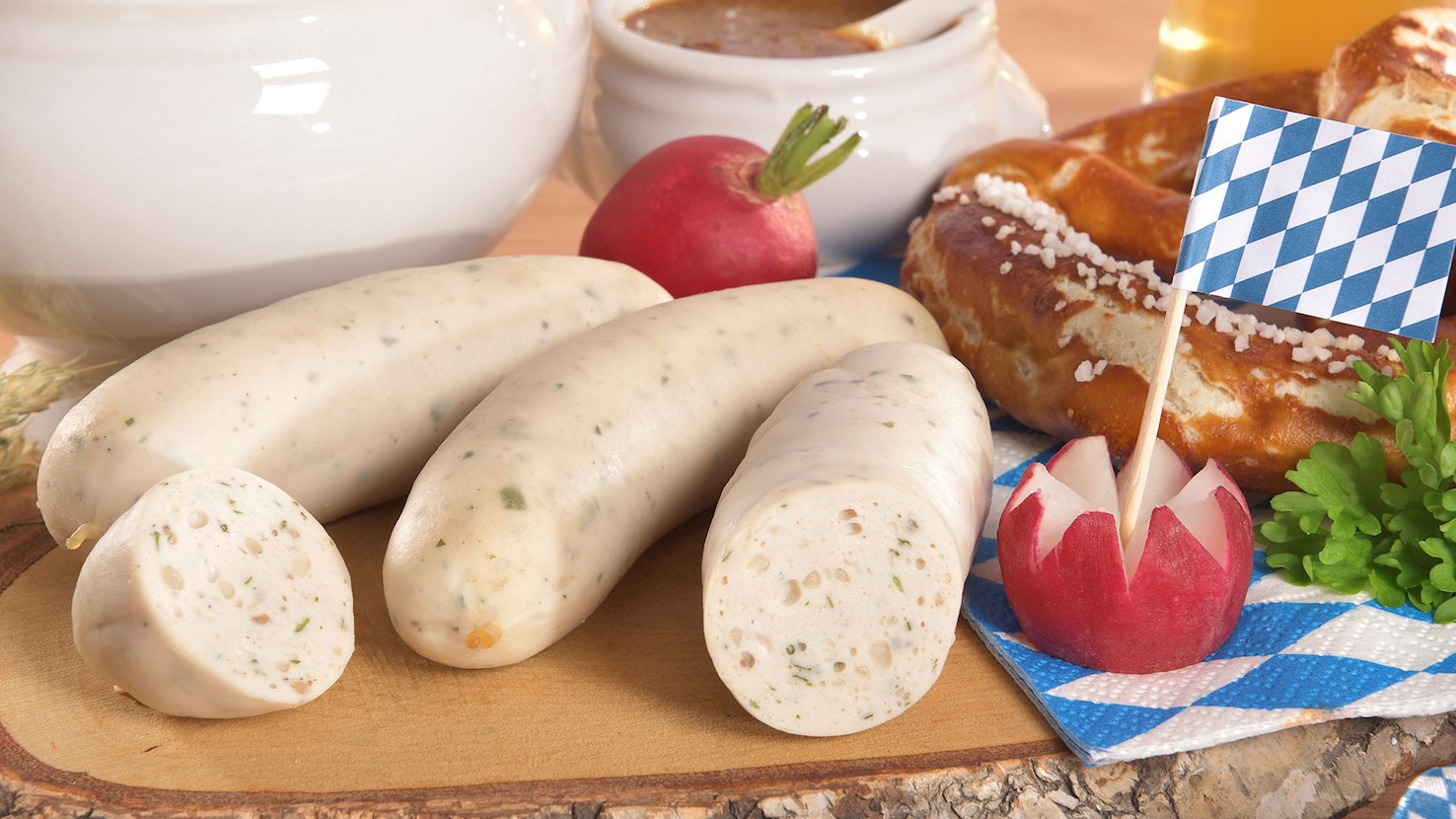
Weisswurst or white sausage is a famous specialty of the city of Munich, invented in 1857 by a butcher named Sepp Moser. He was working in a restaurant next to his butcher's shop and had used the last of thick sausage skins used to make regular sausages. To solve the problem, he opted for thin skins. As he made the sausage, he was worried that it would burst open during the frying process, so he put them in hot water and cooked them for 10 minutes. After serving the cooked sausages to the guests, the new dish was praised, and Weisswurst was born. The sausages consist of a mixture of pork, veal, and pork fat, seasoned with parsley, pepper, lemon, and salt. Today, the sausages are most popular in southern Germany, and they are one of the most consumed items at Oktoberfest. In restaurants, Weisswurst is always served hot, usually accompanied by pretzels and, ideally, Händlmaier's Hausmacher Senf, although it can be served with other Bavarian sweet mustard varieties if the original Händlmeier brand is unavailable. The sausage casing is not intended for consumption, so the sausages are often sliced along their length, and the casing is peeled. Interestingly, it is considered a taboo to eat Weisswurst after noon in Bavaria. This tradition stems from the past when the sausages were made fresh, and were supposed to be consumed as quickly as possible.
TasteAtlas food rankings are based on the ratings of the TasteAtlas audience, with a series of mechanisms that recognize real users and that ignore bot,
nationalist or local patriotic ratings, and give additional value to the ratings of users that the system recognizes as knowledgeable.
TasteAtlas Rankings should not be seen as the final global conclusion about food. Their purpose is to promote excellent local foods,
instill pride in traditional dishes, and arouse curiosity about dishes you haven’t tried.



What People Say