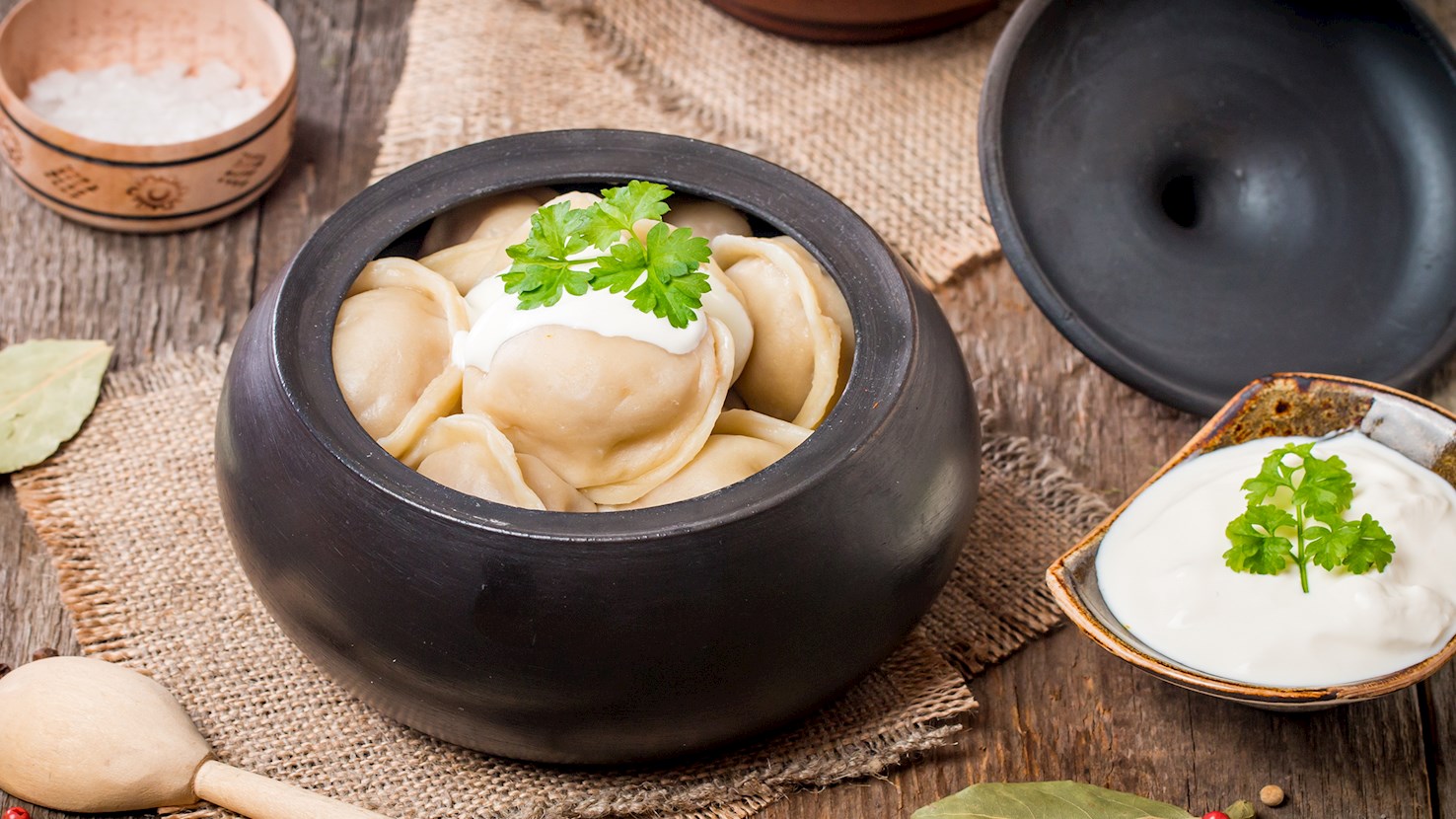
Pelmeni is one of Russia's national dishes, a small dumpling with a delicately thin dough, filled with anything from ground meat or fish to mushrooms. The fillings can be mild or very spicy, depending on the amount of seasonings such as various fresh herbs, black pepper, and onions. Pelmeni dumplings are served in almost every Russian restaurant, as well as in numerous Russian homes where each family has their own recipe for the dish.
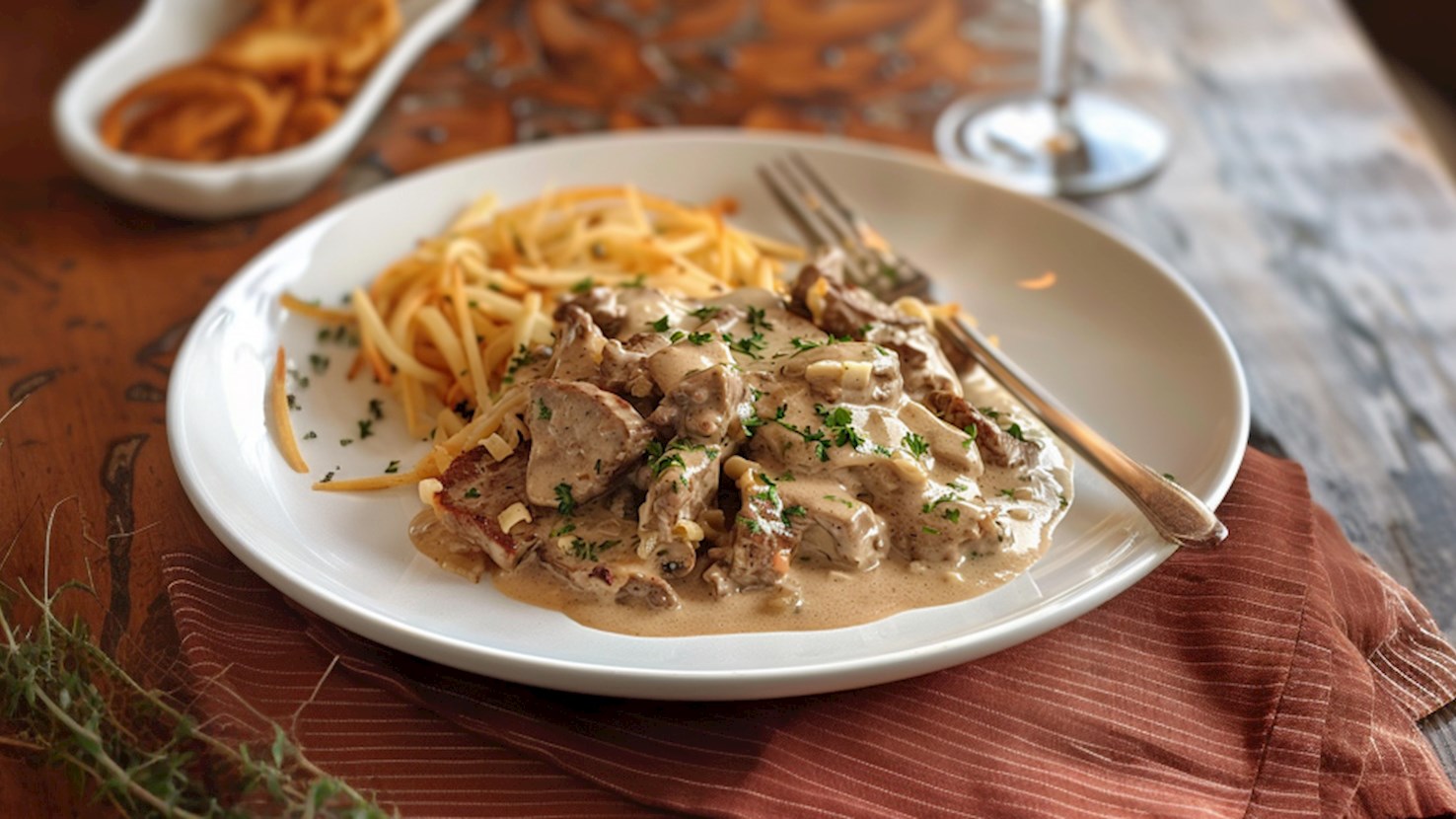
When it first appeared in the mid-19th-century Russia, beef Stroganoff was a dish made out of lightly floured beef cubes that have been sautéed and cooked in a simple sauce made from stock and mustard with only a small amount of sour cream. The origin of the dish is unclear, but it is most likely linked to a French chef—or a French-trained chef—working for the Stroganoff family. Although Russian in origin, the dish is strongly influenced by the French style of cooking—this is most obviously seen in the way the beef is cut, in either cubes or strips. The first known recipe appeared in Elena Molokhovets’s A Gift to Young Housewives, published in 1871. Since then, the dish has had major alterations. The beef is still cut in strips, but the sauce is much richer; with sliced mushrooms and onions that are cooked with beef stock and thickened a bit with sour cream that is only stirred in at the end. The dish is traditionally served with potato straws, but is often served with either rice pilav, egg noodles, or mashed potatoes.
These traditional Russian pancakes are prepared with flour, eggs, milk, yeast, and a pinch of salt. What distinguishes them from other pancakes is the addition of yeast, since similar equivalents mostly do not add any leavening agents. The batter is poured over a hot pan, shaped into a circle, and fried for a couple of minutes on both sides. The tradition of preparing this traditional Russian dish originates from ancient times: it was a ceremonial dish, served during the pagan holiday called Maslenitsa – a week-long festivity praising the end of winter and the celebration of spring. With their shape and color, blini symbolized the long-awaited Sun. However, blini are not consumed exclusively during Maslenitsa, as they have become one of the most popular dishes in Russia, and are also commonly eaten around the world. Blini are extremely versatile and can be served with sweet or savory fillings. Some of the Russian favorites include various jams, condensed milk, while the most famous savory version is topped with fish roe or caviar.
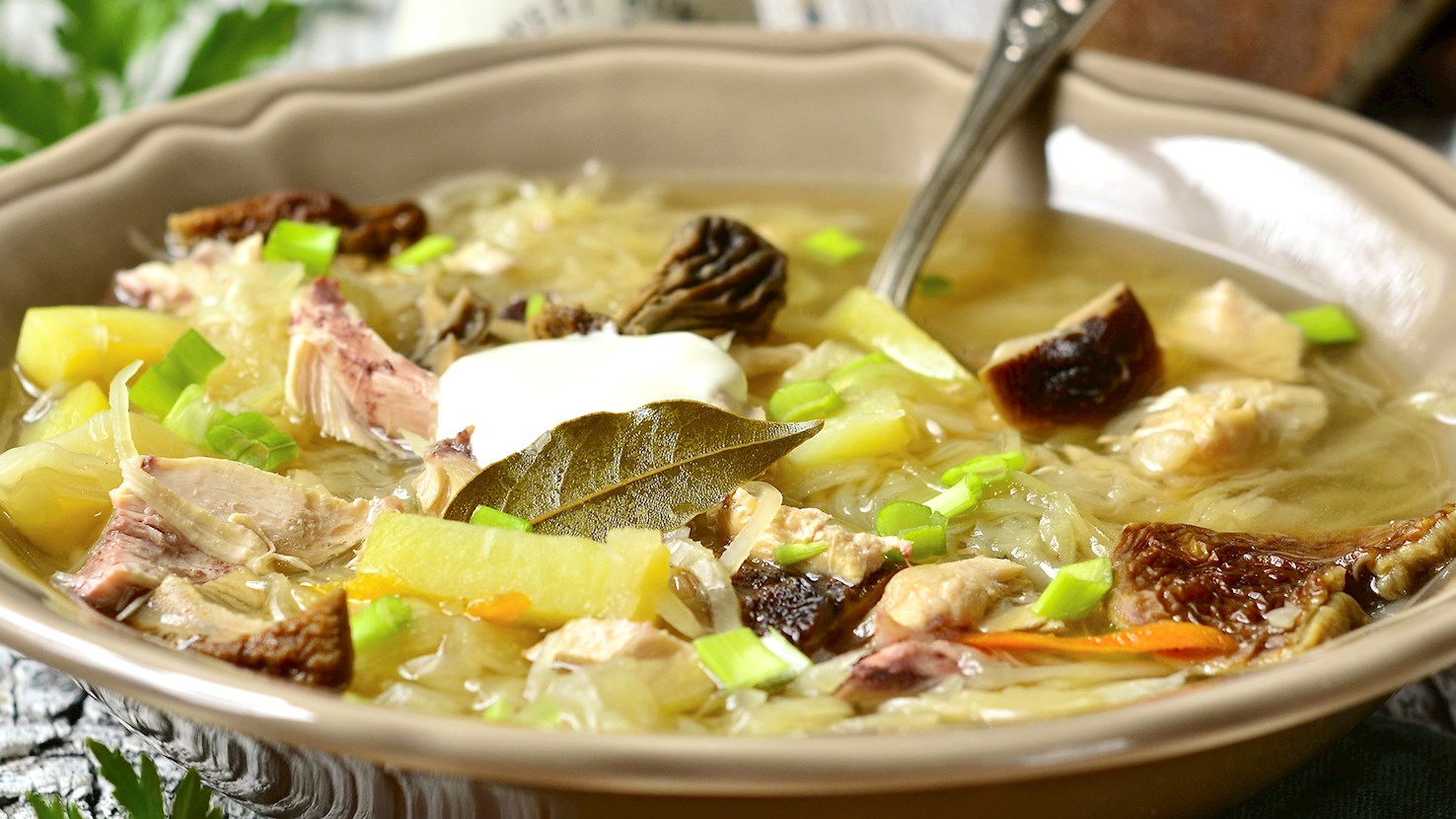
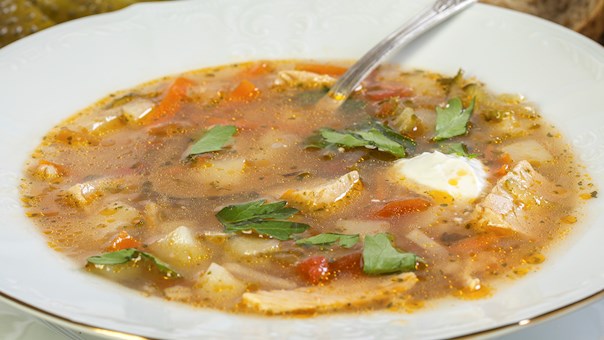
Shchi is a popular, traditional Russian soup made with sour cabbage, meat, mushrooms, flour, and seasonings. Originally, cabbage and meat such as beef, poultry, or pork were cooked separately, and smetana cream was added later as a garnish. The soup has been known since the 9th century, and over time, the ingredients have changed, so today the flour is not added to the dish, the spices are expanded with bay leaves and pepper, and meat is sometimes replaced by fish. Depending on the region, shchi may be called differently: if it's made with meat, it is called bogatye (rich), and if there is no meat, it is called pustye (empty) or bednye (poor). Shchi is traditionally served with a few slices of rye bread on the side.
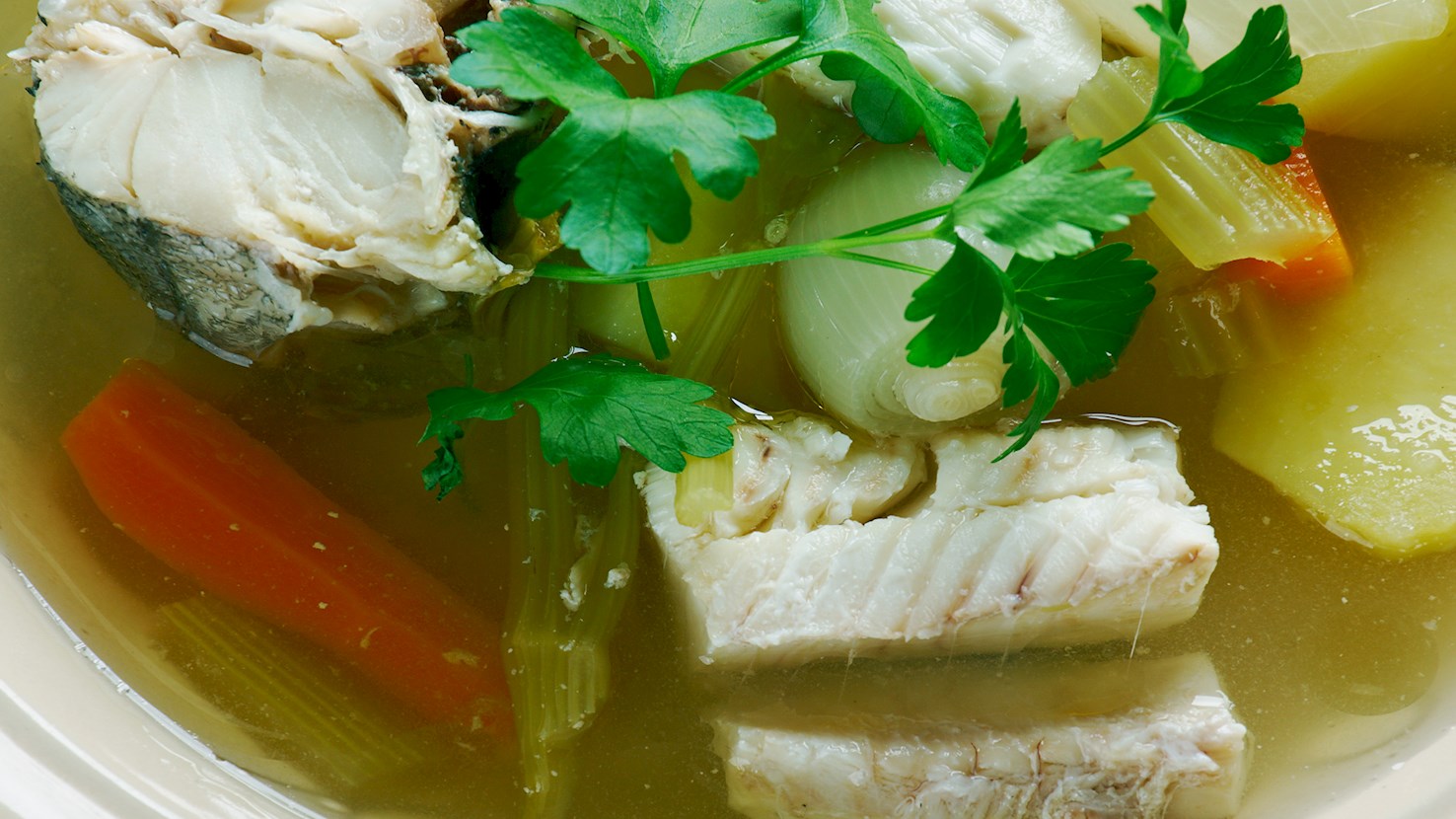
Ukha is a rustic Russian soup consisting of a broth filled with herbs, seasonings, root vegetables, and fish such as salmon, cod, perch, and trout. A bit of vodka is often added into the pot while the soup is simmering. Although it originated as a simple broth, it evolved into an elaborate dish during the 16th and 17th centuries, when it was served in Russian courts. Apparently, the soup is so good that it was even a favorite of Ivan the Terrible.
Syrniki is a dessert consisting of fried cottage cheese pancakes that are usually garnished with honey, fruit jam, sour cream, or applesauce. It is part of the Russian (where it's sometimes also called tvorozhniki), Belarusian, Ukrainian, Latvian and Lithuanian cuisine. Cottage cheese is traditionally first swetened with sugar, then combined with flour into a dough which is fried in hot oil until it develops a golden-brown color. Syrniki can be served for breakfast or consumed as a tasty dessert after a large meal.
Shashlik is the name for a traditional Central and West Asian barbecue consisting of marinated, skewered, and grilled chunks of meat such as lamb, beef, or pork, depending on regional and religious preferences. Lamb, beef, or pork is usually combined with chunks of vegetables such as bell peppers, onions, mushrooms, or tomatoes. The meat is typically marinated overnight in vinegar, herbs, spices, and dry wine. In Russia, barbecue is traditionally reserved for men, who are in charge of the whole grilling process, while the women are usually busy slicing vegetables and setting the tables. Shashlik is traditionally prepared for events with a large number of people gathered around the fire, cooperating and socializing in the process, making the dish a communal affair. Because the origins of the dish lie between Turkey and Russia, many believe that the name is derived from the Turkish word shish, meaning skewer. In Georgia, shashlik is known as mtsvadi.
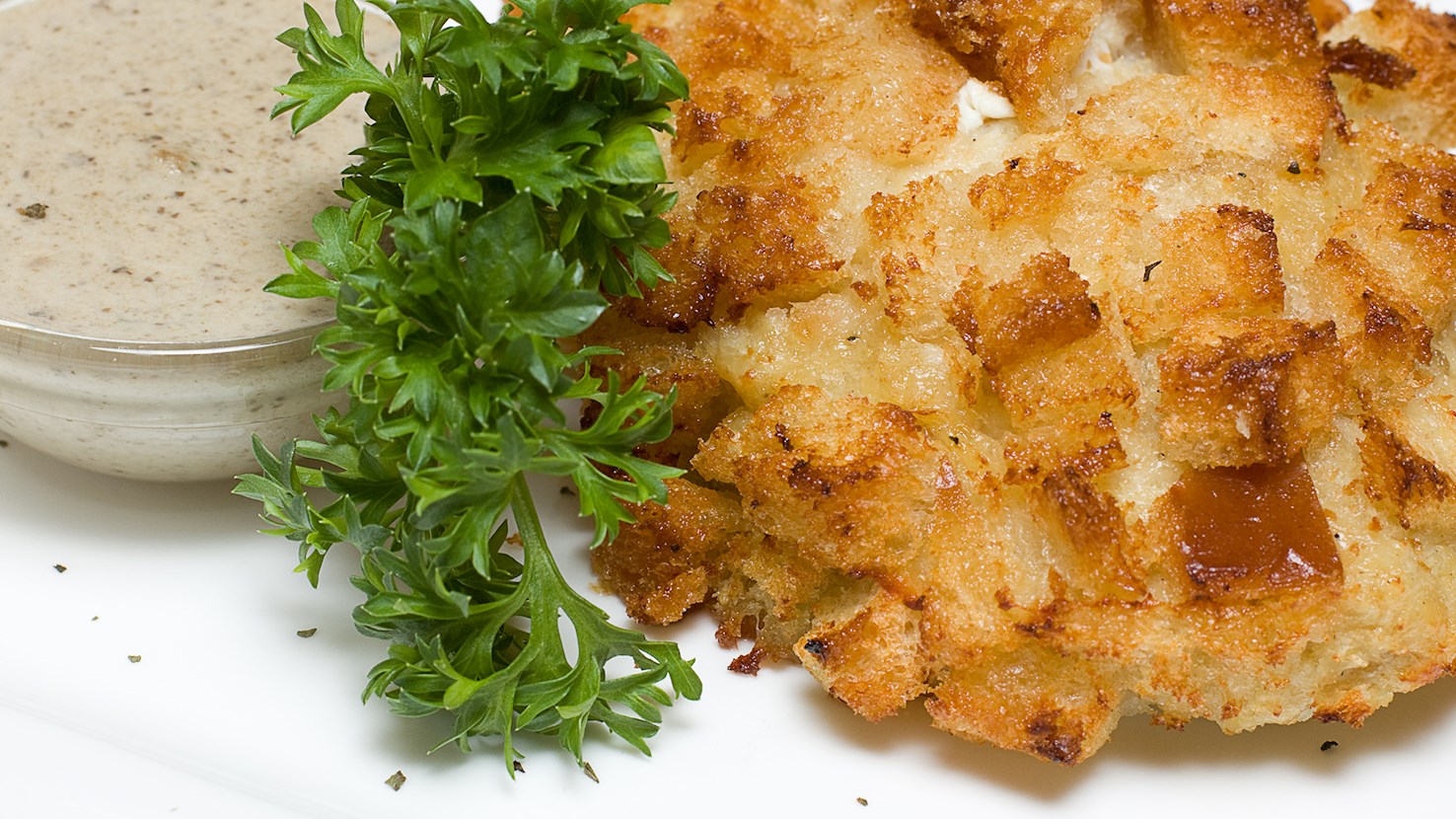
Pozharsky cutlet is a traditional dish originating from the 19th century. It is named after prince Pozharsky, who was having important guests for dinner at the time. As there was no veal, his guests' favorite, the prince ordered the chefs to make chicken cutlets, and a new dish was born. The dish consists of ground chicken that is breaded and fried with butter. It is recommended to serve the cutlets with roasted potatoes, green beans, or similar vegetables.
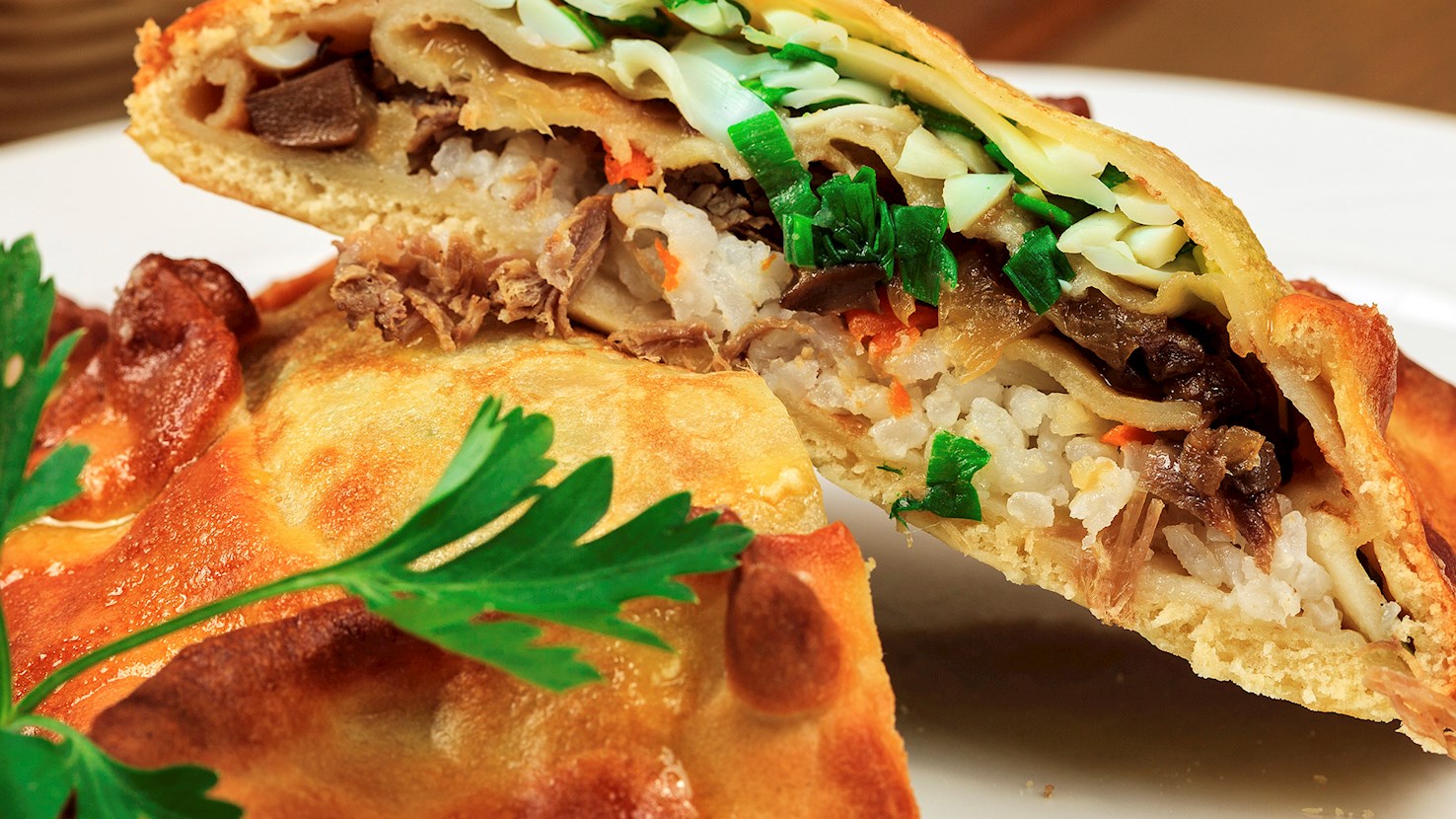
Pirog is a popular Russian pie made from yeast dough, shortcrust, or puff pastry that is filled with either sweet or savory ingredients. Some of the more popular fillings include meat, fish, mushrooms, cheese, cabbage, potatoes, and fruits such as plums, apples, or a variety of berries. The pie can be either closed or open-faced. In Russia, pirog is so popular that it has often been considered as a sign of a good housewife.
Kissel is an interesting fruit combination, often referred to as a dessert drink or soup, usually made with refreshing summer berries. It is prepared with water, mashed fruit or fruit juice, and thickening agents such as cornstarch or potato starch. Kissel can be served hot or cold, and depending on the amount of starch, its consistency varies from liquid to firm and creamy. Liquid kissel is most often served as a drink, or a soup variation, when it is combined with sliced fruit and eaten with a spoon. The firm variety is usually eaten as a refreshing cold dessert, commonly topped with cream, and often combined with pancakes and waffles. Russians prefer to make their traditional kissel with cranberries, cherries, and redcurrants. However, kissel and its variations are also commonly eaten in Poland, Lithuania, Finland, Ukraine, Latvia, and Estonia. Typically, each country has a special and favorite fruit to employ in kissel, such as gooseberries, raspberries, and even the tart rhubarb. In Russia, kissel is regarded as an ancient dish, with its first written mention dating back to the 12th century. It is an important part of Russian tradition and a dish often described in myths and folk tales. Today, in Russian households is it usually prepared with a store-bought powder mix, but the freshly prepared kissel, with luscious summer fruit, is still considered the ultimate version of the dish.
TasteAtlas food rankings are based on the ratings of the TasteAtlas audience, with a series of mechanisms that recognize real users and that ignore bot,
nationalist or local patriotic ratings, and give additional value to the ratings of users that the system recognizes as knowledgeable.
For the “21 Traditional Foods You Have To Try in Saint Petersburg” list until July 17, 2026, 14 ratings were recorded, of which 8 were recognized by the system as legitimate.
TasteAtlas Rankings should not be seen as the final global conclusion about food. Their purpose is to promote excellent local foods,
instill pride in traditional dishes, and arouse curiosity about dishes you haven’t tried.