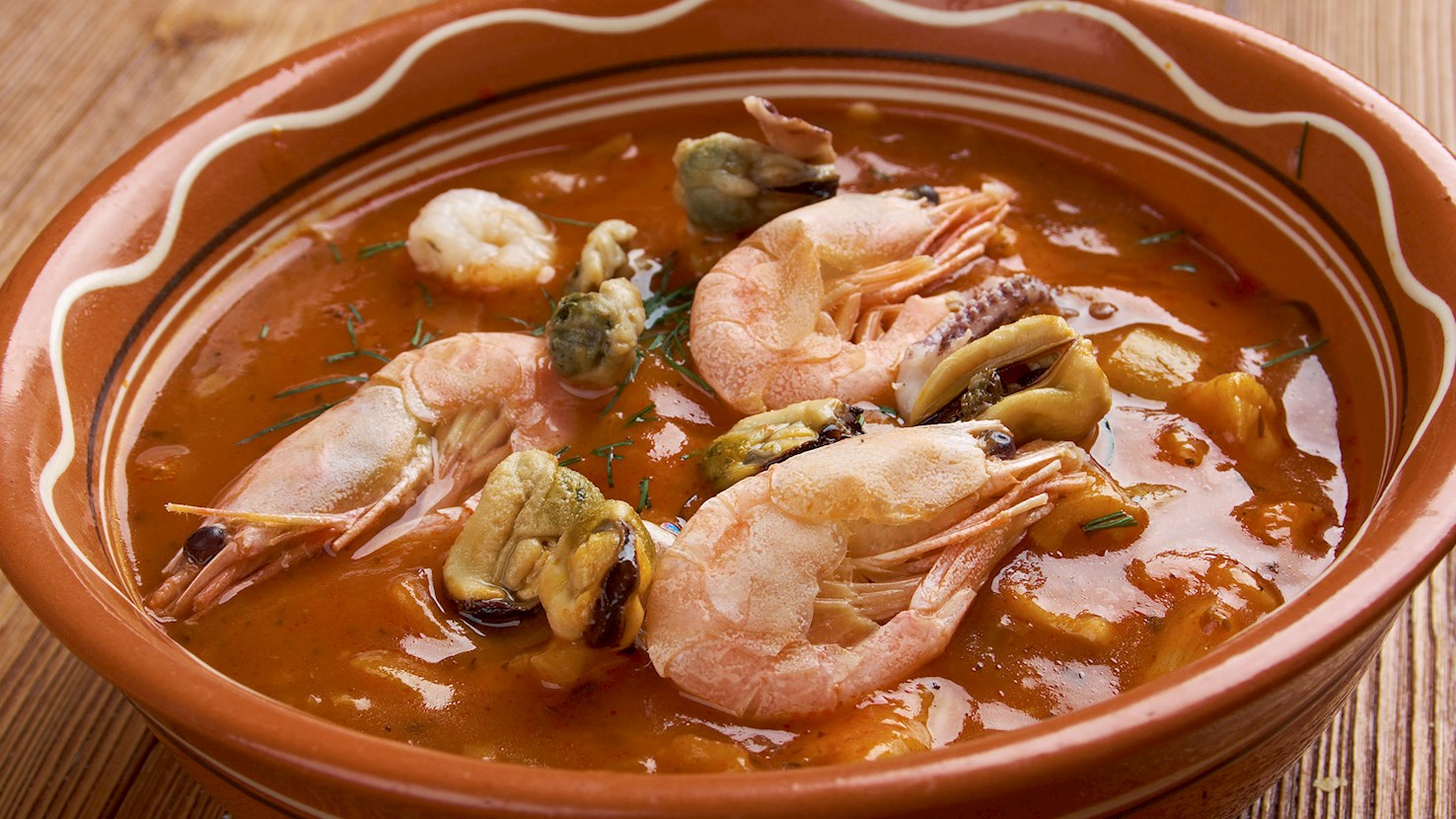
Often described as a nourishing, hearty stew, and one of San Francisco's greatest contributions to culinary history, cioppino is a fish stew that is traditionally made from the catch of the day, combined with tomatoes and wine sauce. Cioppino is often made with crabs, clams, shrimp, scallops, squid, and mussels, while the typical accompaniment might include a local favorite - toasted sourdough bread. According to a food historian named Jean Anderson, this Italian-sounding dish was invented by the fishermen from Genoa who immigrated to the US and settled in California's Bay Area. It is most likely that cioppino originated on the fishing boats, when the fishermen made use of what was readily available to make their dinner, similar to the French bouillabaisse. As for its name, some believe it stems from ciuppin, a Ligurian word meaning to chop or chopped, referring to chopping up of the various leftovers of the day's catch.
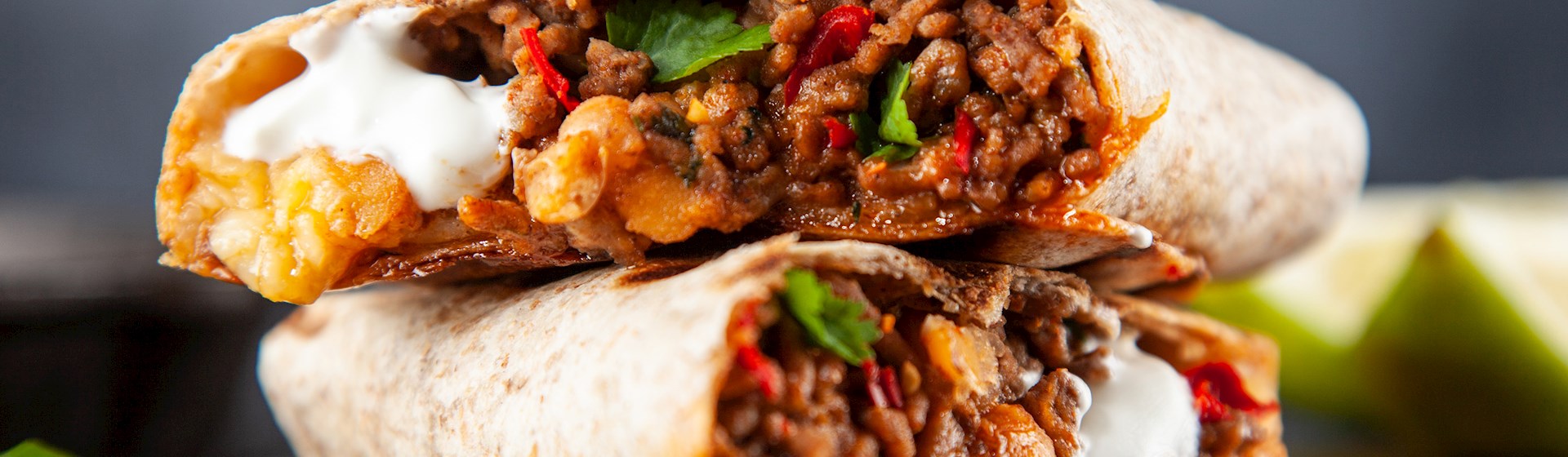
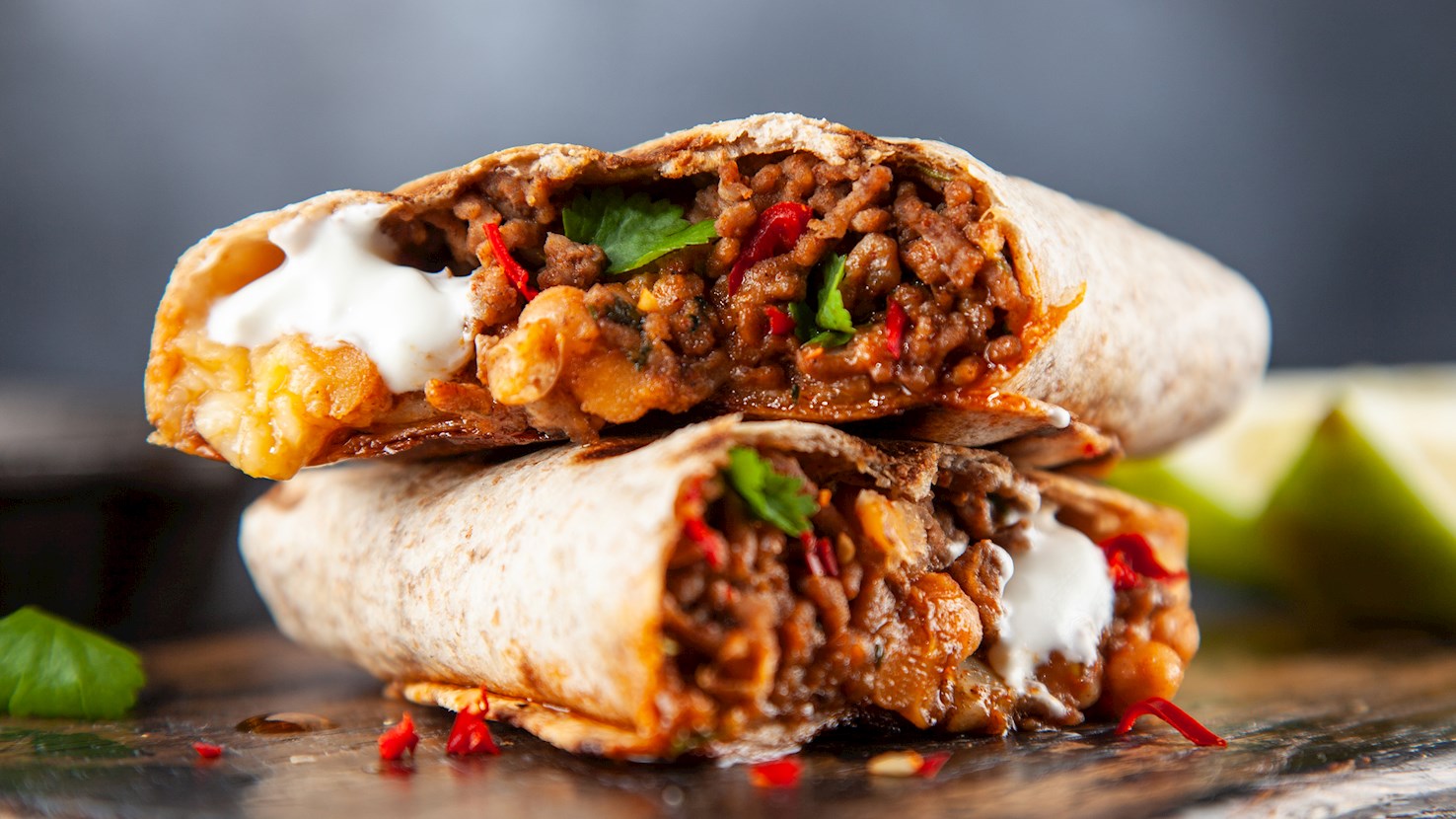
Burrito is a dish consisting of a wheat flour tortilla that is wrapped in such a way that it is possible to fully enclose the flavorful filling on the interior. The filling consists of a combination of various ingredients such as meat, beans, rice, lettuce, guacamole, and cheese, among others. Its name means little donkey in Spanish, and a popular theory suggests that it stems from the way the bedrolls and packs appeared on the donkeys that carried them. Some claim that the dish originated in the 19th century by either the vaqueros in Northern Mexico, farmers in California, or the miners from Sonora. The first appearance of burrito in American restaurants was recorded in the early 1920s in Los Angeles, when the owner Alejandro Borquez opened the Sonora Café and started serving the dish. He changed the name of the restaurant to El Cholo Spanish Café, and it's still in business. Once it became popular across the United States, numerous variations of the dish started appearing, such as Thai chicken burrito, Chinese pork burrito, and breakfast burrito.
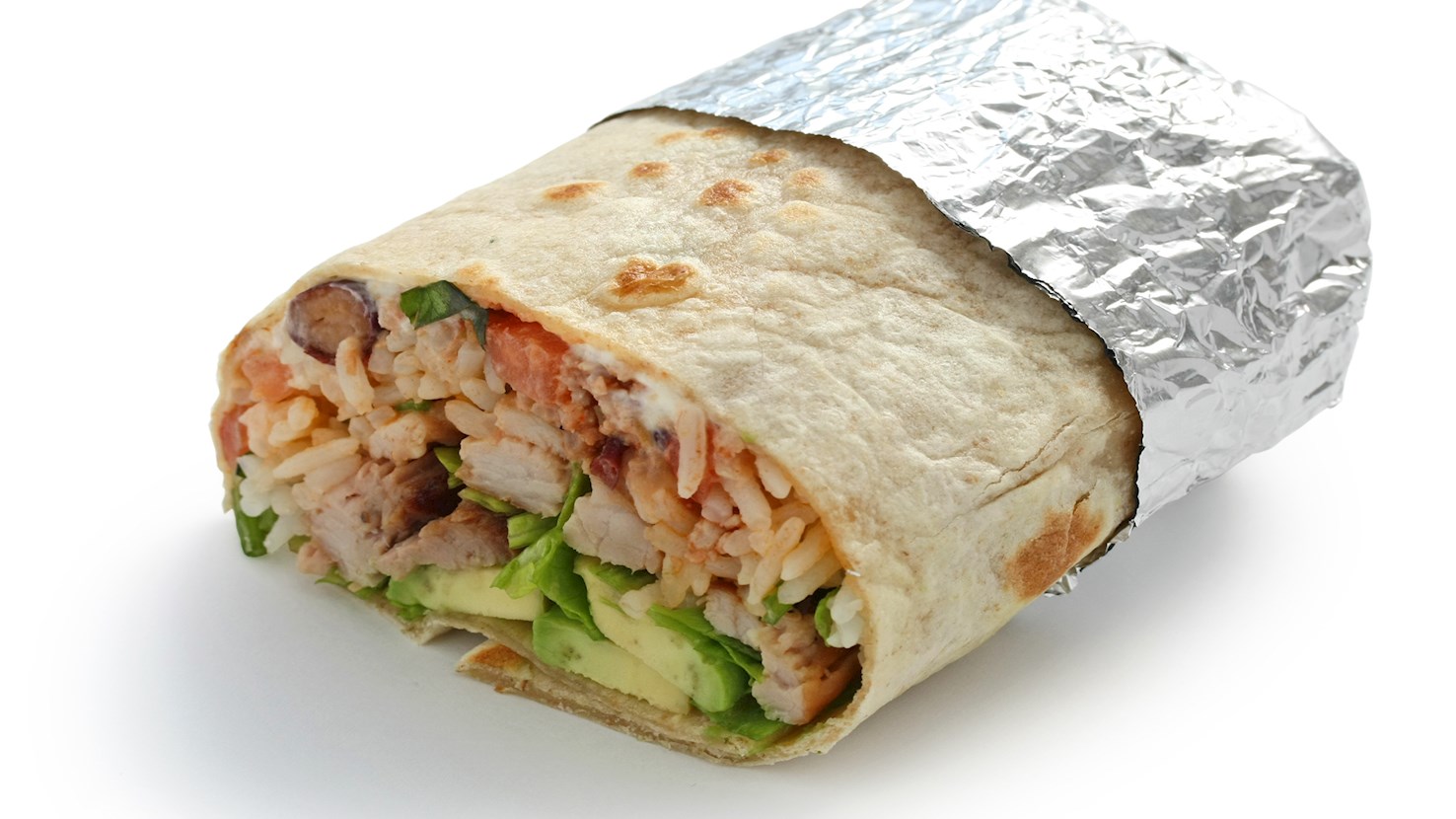
The first Mission burrito was made either at El Faro taqueria in San Francisco's Mission District on September 26, 1961 or at La Cumbre taqueria on September 29, 1969. The burrito is quite large and consists of a big, press-steamed tortilla that is usually filled with baked beans, rice, sour cream, guacamole, salsa, shredded lettuce, and jalapeños. It should always be served wrapped in tin foil, ensuring that the tortilla doesn't break due to its size. There is also a popular practice of adding some salsa to the burrito in between bites to make it even juicier.
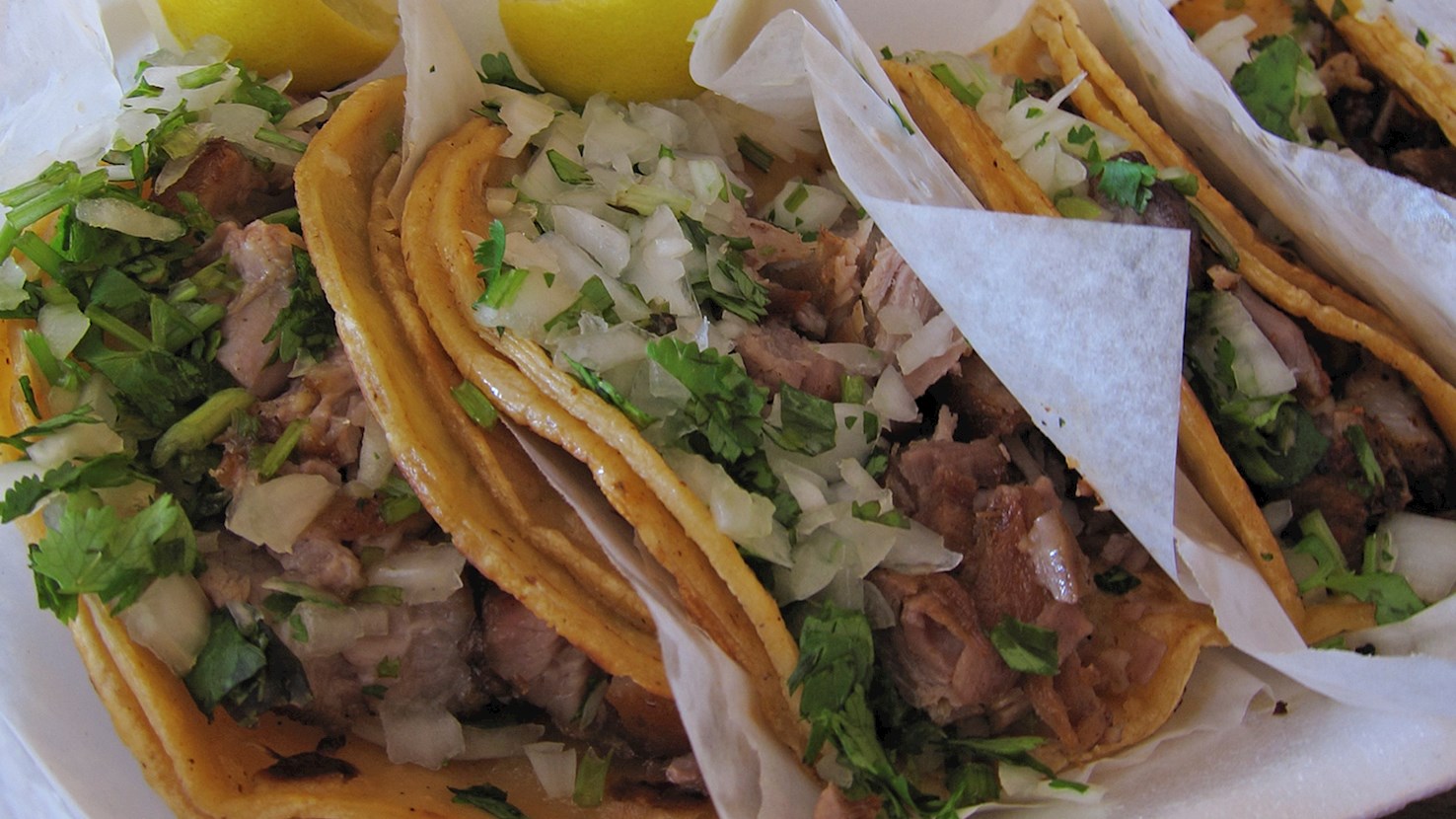
These flavorful tacos originate from San Francisco's Mission district, famous for its Latin community and great burritos. Mission-style tacos are typically filled with carne asada meat, cooked beans, refried beans, lettuce, cheese, and a variety of different salsas. It is recommended to serve them with radish slices and lime wedges on the side for the best eating experience.
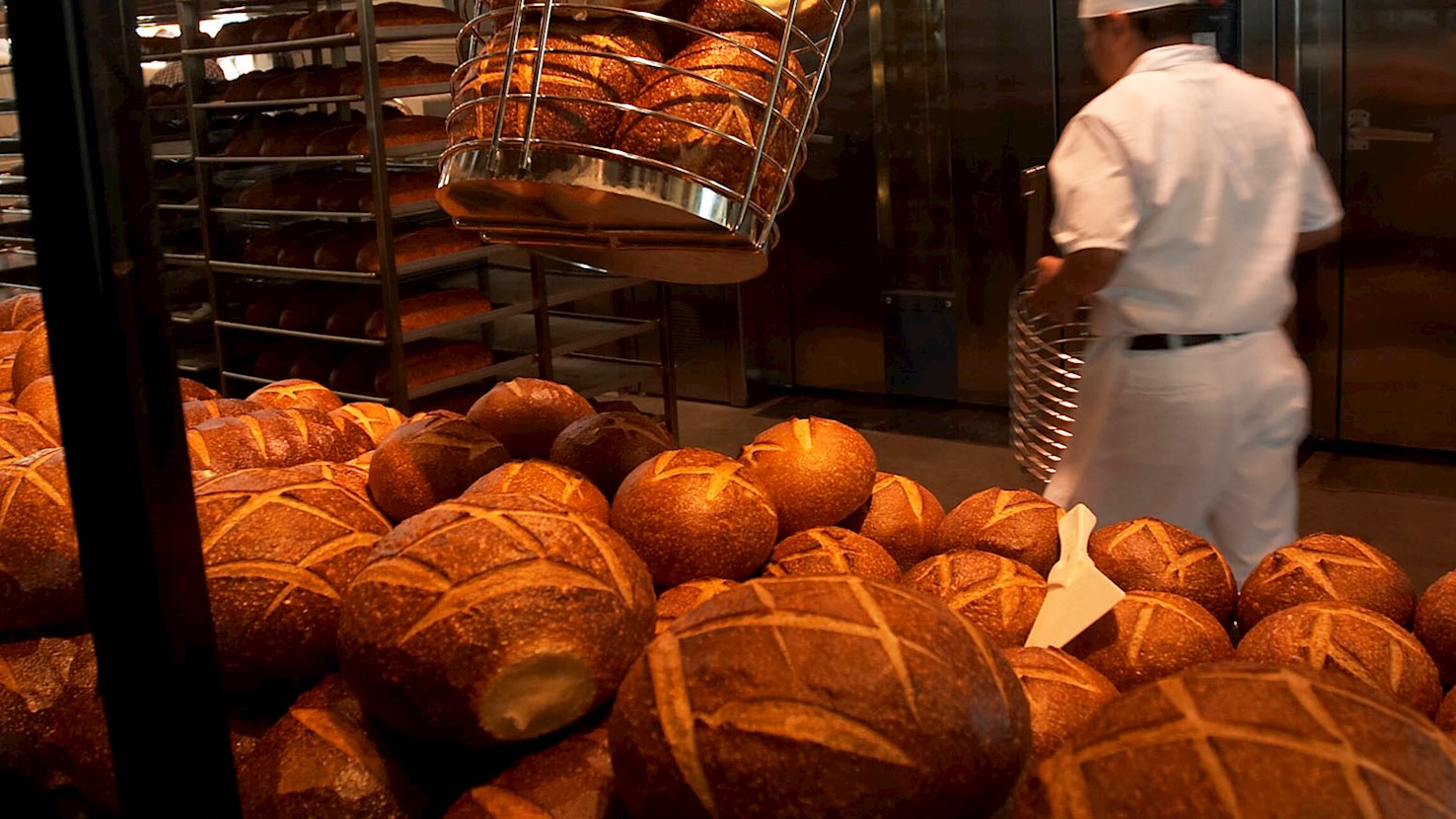
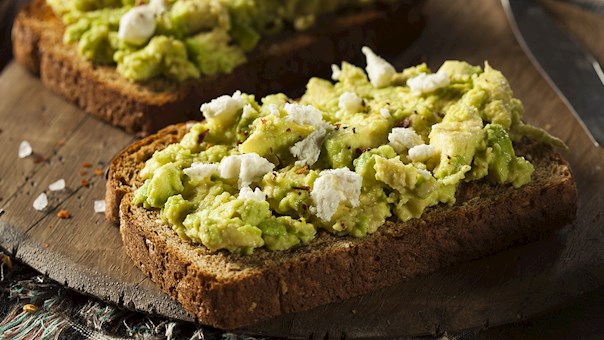
Ever since California's days of gold mining around 1849, sourdough has been an iconic bread and a staple of the Western cuisine. It is the oldest and the most original form of leavened bread, with the oldest recorded use of sourdough dating back to the ancient Egyptians. During the gold rush period, the Boudin family (well-known bakers from France) came to San Francisco and became famous for their unique sourdough bread. It was a hugely popular food, especially for the hungry miners who flocked into the bakery every morning, appreciating the bread for its taste and durability. The Boudin bakery has been using the same starter sourdough culture since 1849, called Mother Dough, and it is still operating today. The sourdough craze spread like wildfire, and today there is a huge number of artisanal bakeries that sell sourdough bread all around the San Francisco Bay Area.
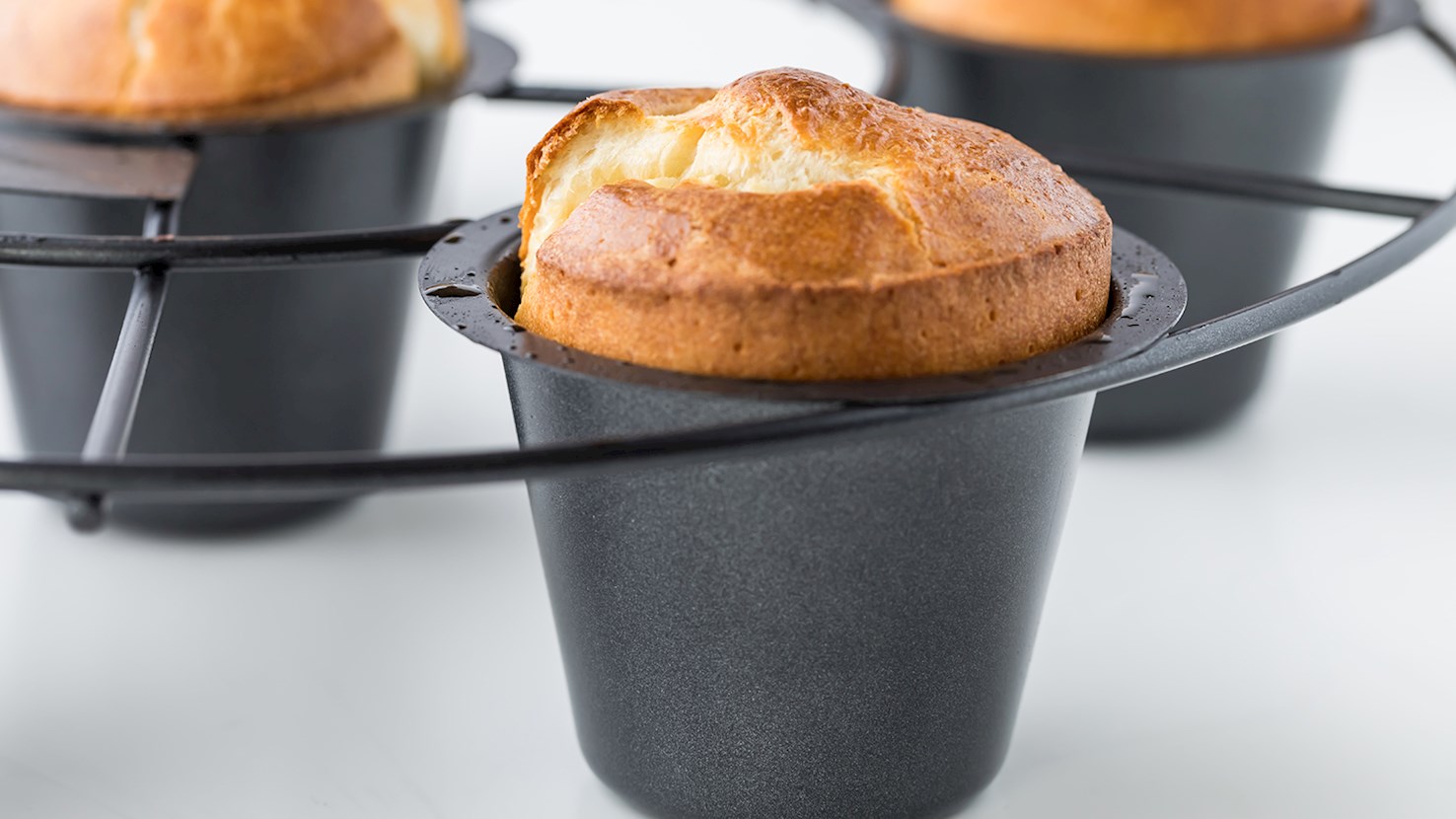
Popover is a traditional variation on English Yorkshire pudding. It's usually associated with the cuisine of New England. The popovers are a type of bread or muffin made with a combination of milk, flour, eggs, and butter. The flour, milk, and eggs are poured into heated butter that's placed in a muffin pan. Once baked, the popovers will puff up and develop a crisp crust and tender, moist center. These puffs are often served with butter and jam or stuffed with various savory fillings.
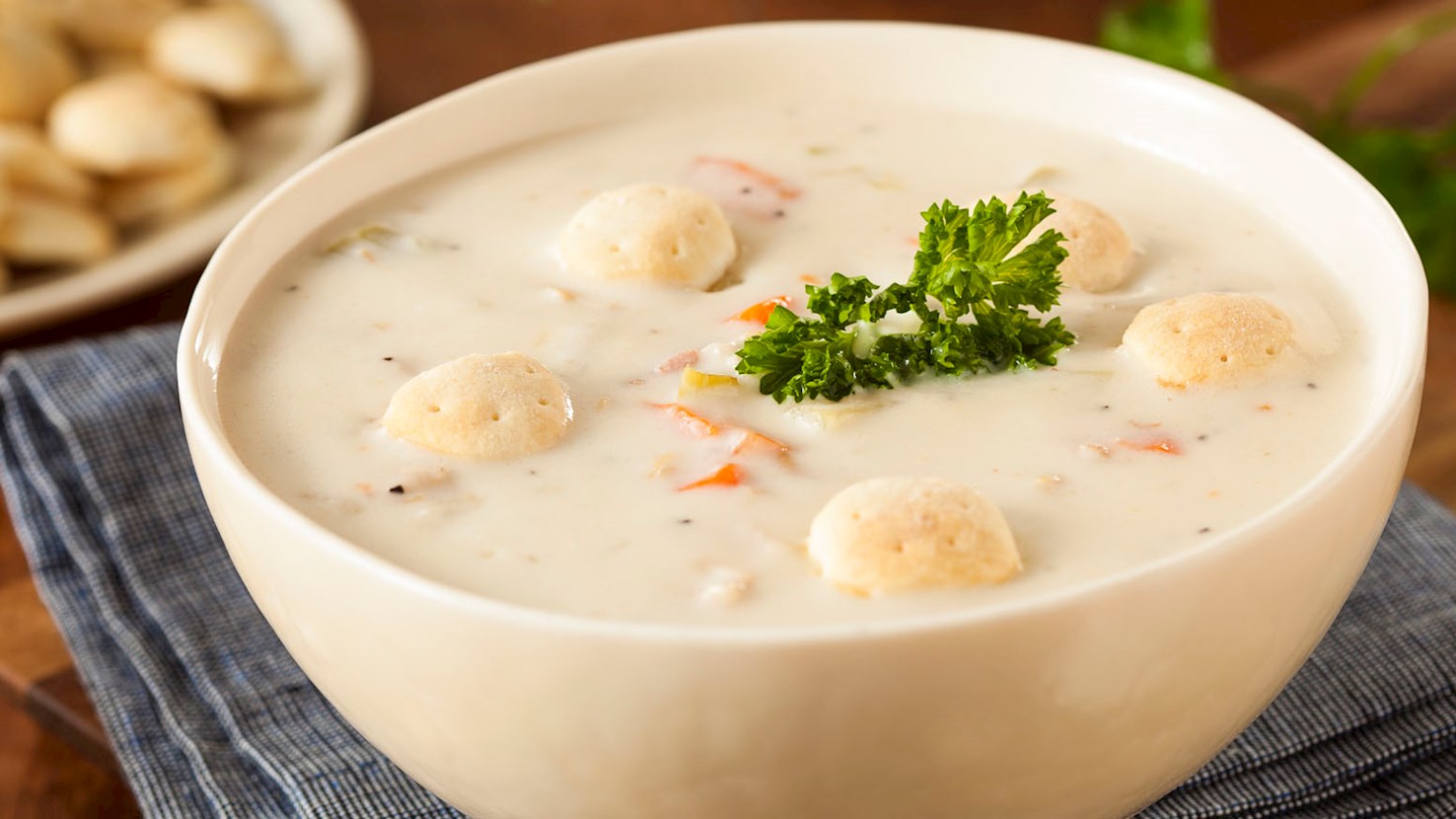
One of the earliest and quintessential American dishes, New England-style clam chowder is a creamy stew made with briny clams, chunks of salt pork, sweet onions, potatoes, and milk. The dish was invented by the Pilgrims who had landed near Plymouth Rock in 1620. Hungry and with nothing to eat, they turned to delicious clams that are commonly found on New England's shores and cooked them in pots filled with water over an open flame. As for the word chowder, some claim it stems from the French chaudiére, denoting an iron cooking pot, while others claim it stems from chaudeau, meaning hot water. The creamy version we all know and love today started to become popular at the beginning of the 19th century, and by the end of it, there were also some regional versions of the dish. Some of them added crushed crackers, butter, or chopped fish to the already flavourful broth. Aromatic and sea-flavored, it is almost a sacred dish in New England, regularly celebrated with various competitions, festivals, chowder lovers societies, and boat races. Today, there are many versions of clam chowder in Manhattan, Rhode Island, Long Island, Minorcan, Hatteras, Delaware, and New Jersey.
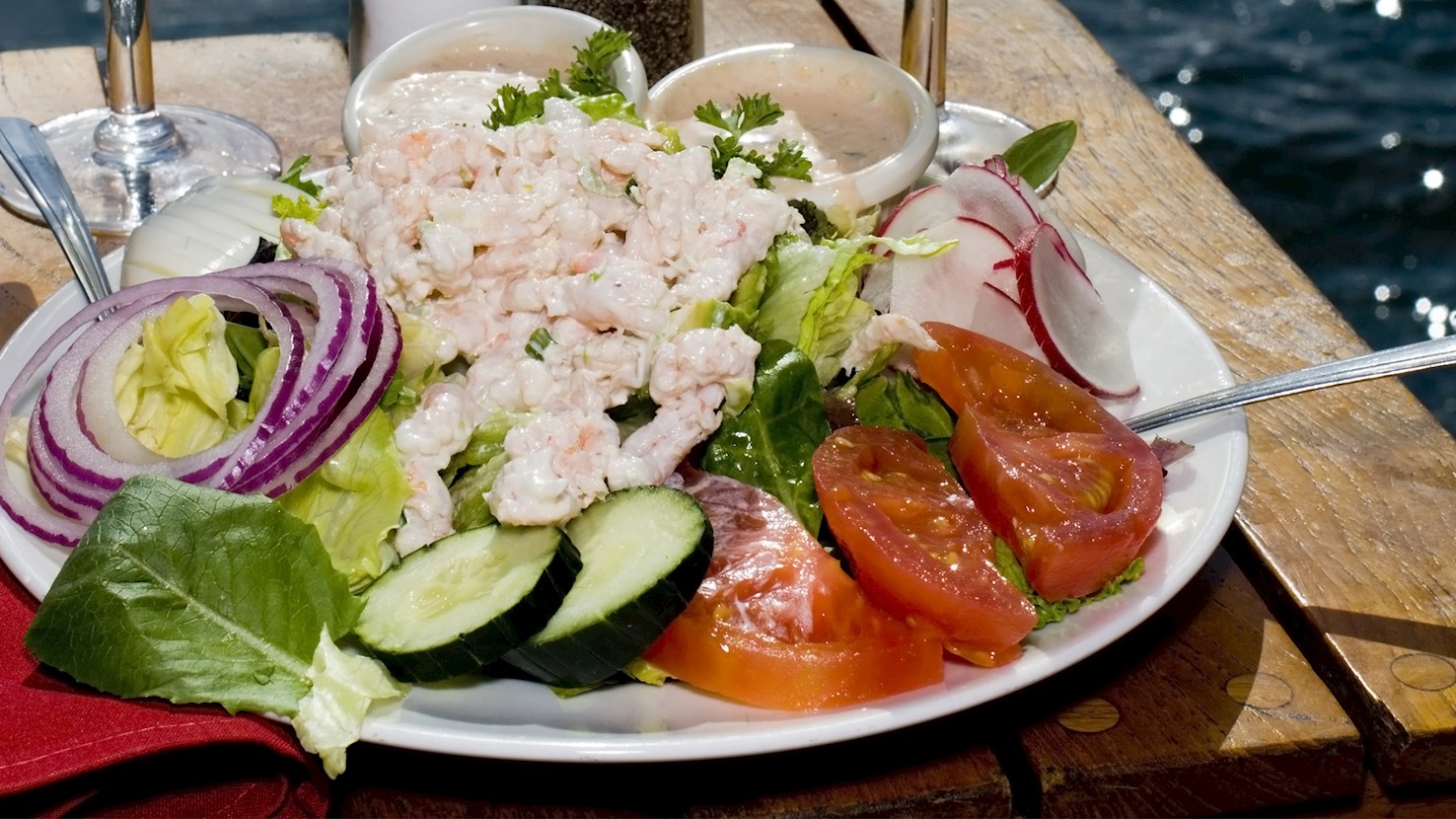
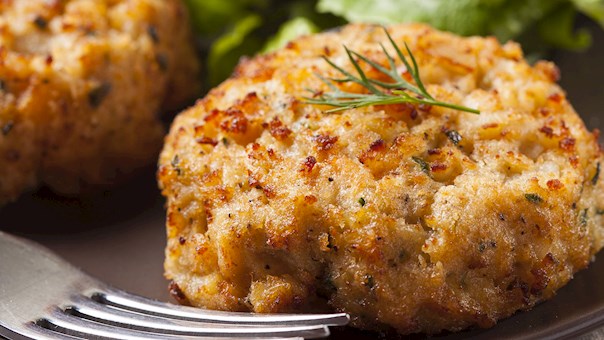
Crab Louie is an American salad dating back to the beginning of the 20th century. The salad is prepared with a combination of Dungeness crab meat, tomatoes, iceberg lettuce, asparagus, hard-boiled eggs, and Louie dressing (based on chili sauce and mayo), while olives, green onions, and bell peppers are optional, but can be added if desired. The origins of the dish are quite murky, but many sources claim that the dish was served as early as 1914 in a San Francisco restaurant called Solari's. This tasty salad is mostly served as an appetizer.
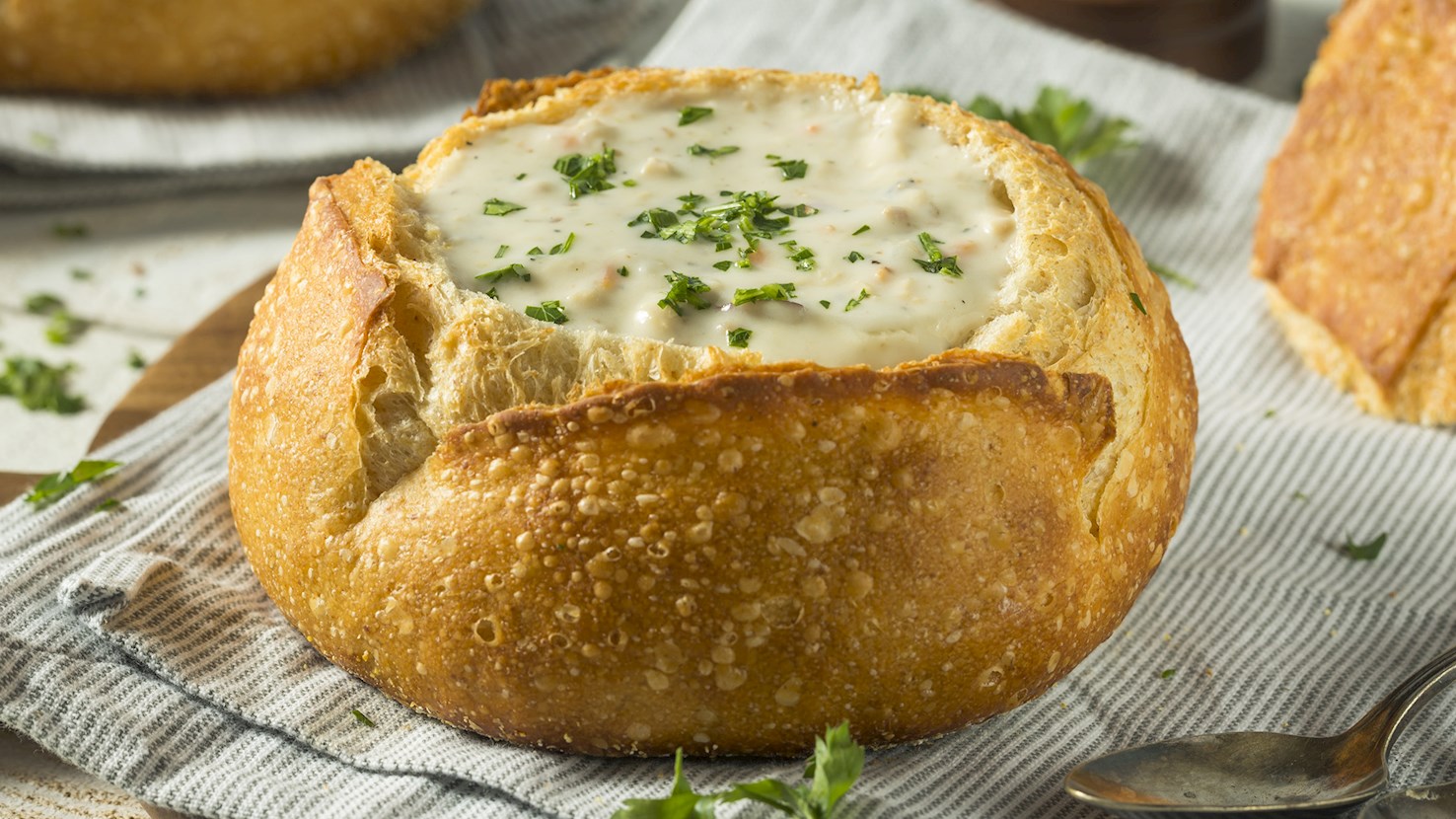
Following in the footsteps of the classic New England-style clam chowder, Californian clam chowder is a creamy stew containing clams, potatoes, and onions. The key to making it Californian-style is to carefully tuck the chowder inside a sourdough bread bowl, which is the Californian way to enjoy this iconic American dish. Clam chowder in a sourdough bread bowl is believed to have originated in 1849, in the San Francisco restaurant called Boudin, and has since become the signature dish of the city.
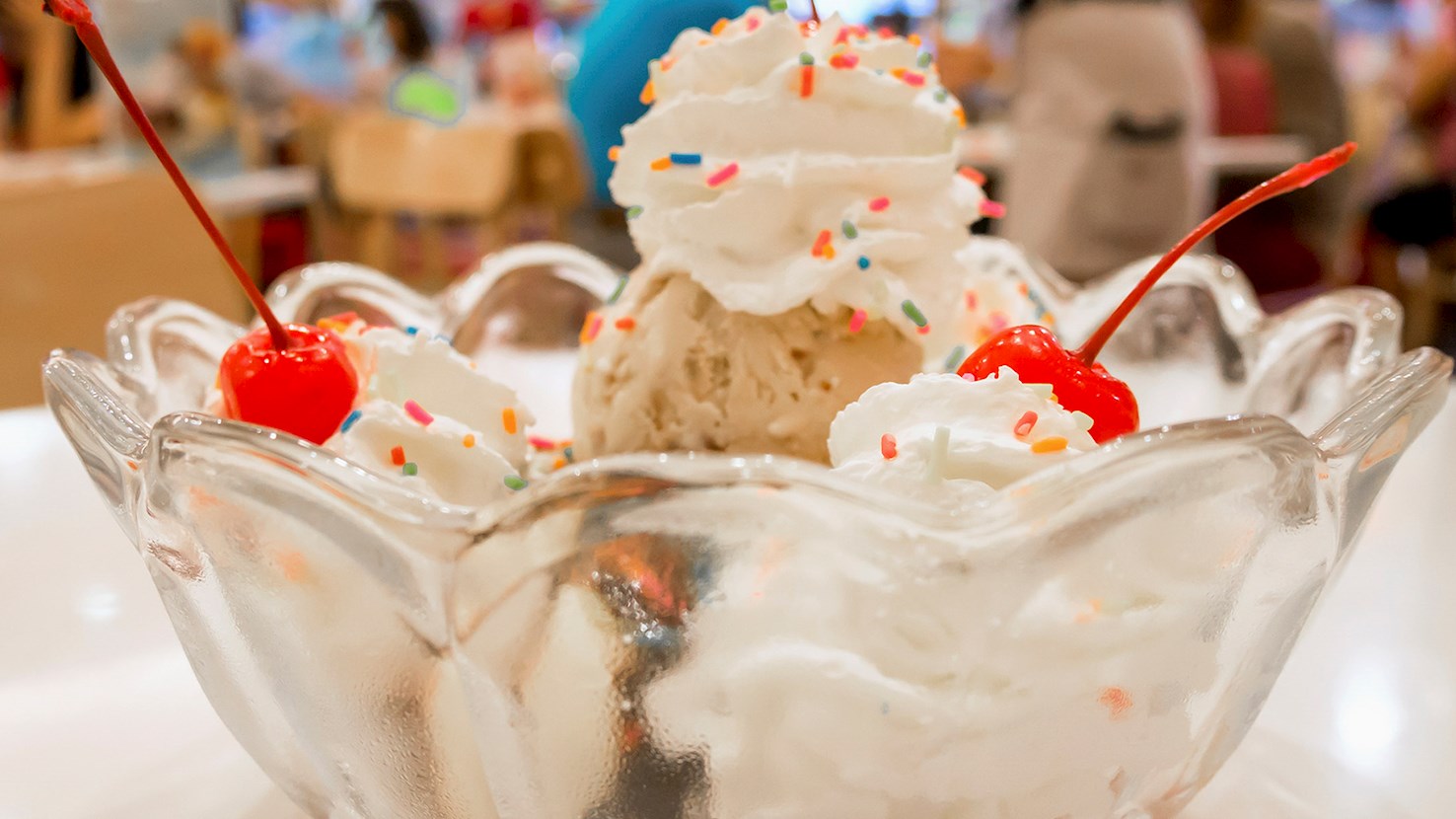
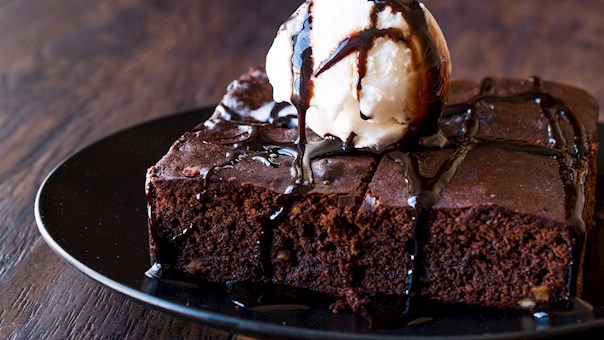
Along with Banana Split, sundae is one of the most served ice cream-based desserts in the United States of America. A sundae is ice cream topped with a sauce or syrup, typically served in a bowl. The most popular varieties of sundae are chocolate caramel, butterscotch, and strawberry. Cherries, dairy cream, and nuts are the most common additions to the popular treat. Food historians still argue about the origin of the ice cream sundae, but there are three theories which remain the most popular. The first one says it was created in Illinois, where the law prohibited the selling of soda water on a Sunday. As an alternative, local soda fountains started selling ice cream sodas without the soda, leaving the customers with only syrup and ice cream, known as sundaes. The second theory says that it was invented in Wisconsin by a soda fountain owner named Ed Berners, who served ice cream topped with syrup used for sodas to his customers. Berners loved the dish and charged a nickel for it. His competitor, George Giffy, started to serve the dessert on Sundays. Once he started to make money, he changed the name from Ice Cream Sunday to Ice Cream Sundae and served it every day of the week. The last theory suggests that the sundae was first made in Ithaca, New York by Chester Platt, a drugstore owner who served a dish of vanilla ice cream, cherry syrup, and candied cherries to one Reverend John Scott, and he named the dish after the day. Regardless of its inventor, today there are over hundred types of sundaes, offered in numerous flavors such as pineapple, blueberry, banana, raspberry, or marshmallow, among others.
TasteAtlas food rankings are based on the ratings of the TasteAtlas audience, with a series of mechanisms that recognize real users and that ignore bot,
nationalist or local patriotic ratings, and give additional value to the ratings of users that the system recognizes as knowledgeable.
For the “58 Traditional Foods You Have To Try in San Francisco” list until July 17, 2026, 501 ratings were recorded, of which 466 were recognized by the system as legitimate.
TasteAtlas Rankings should not be seen as the final global conclusion about food. Their purpose is to promote excellent local foods,
instill pride in traditional dishes, and arouse curiosity about dishes you haven’t tried.