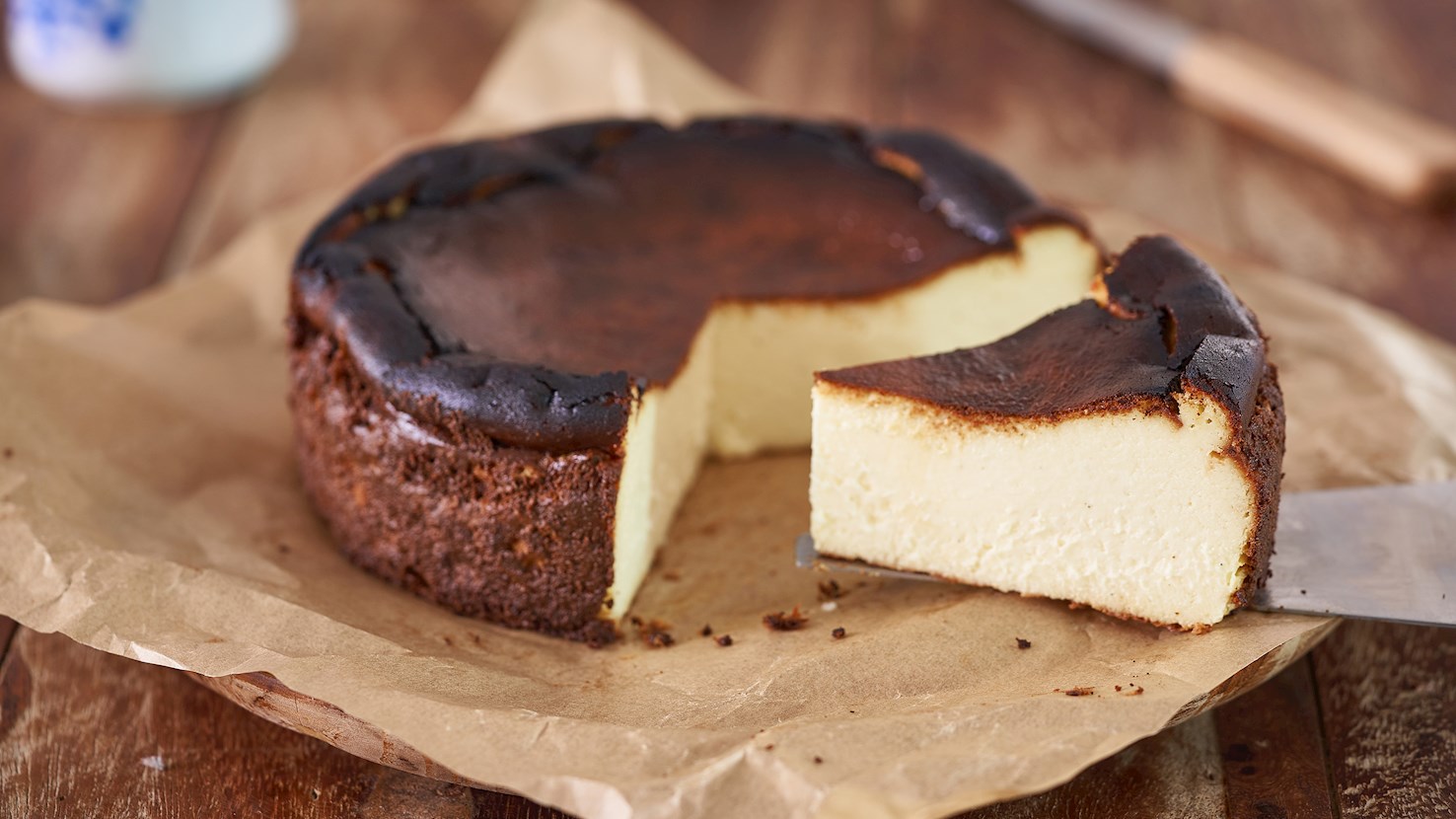
Known simply as tarta de queso or gazta tarta in its native Basque, this simple yet incredibly creamy cheesecake variation is a decades-old local specialty of the La Viña Bar in San Sebastián. The recipe is a simple combination of classic cheesecake ingredients such as sugar, heavy cream, eggs, and cream cheese, but unlike its more popular counterparts, this Basque version does not have any crust. Instead, it is baked on a high temperature which leaves the outside firm, darker, and somewhat burnt, while the center remains gooey. Basque cheesecake is immensely popular, and while La Viña remains its place of origin, different variations are nowadays found in several patisseries around the world.
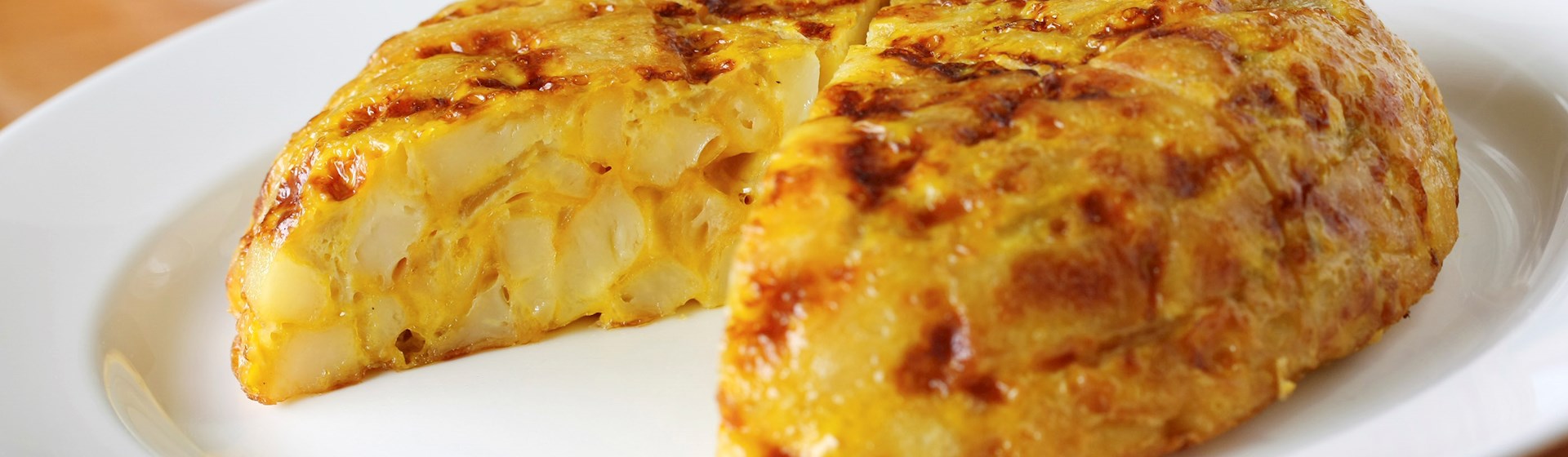
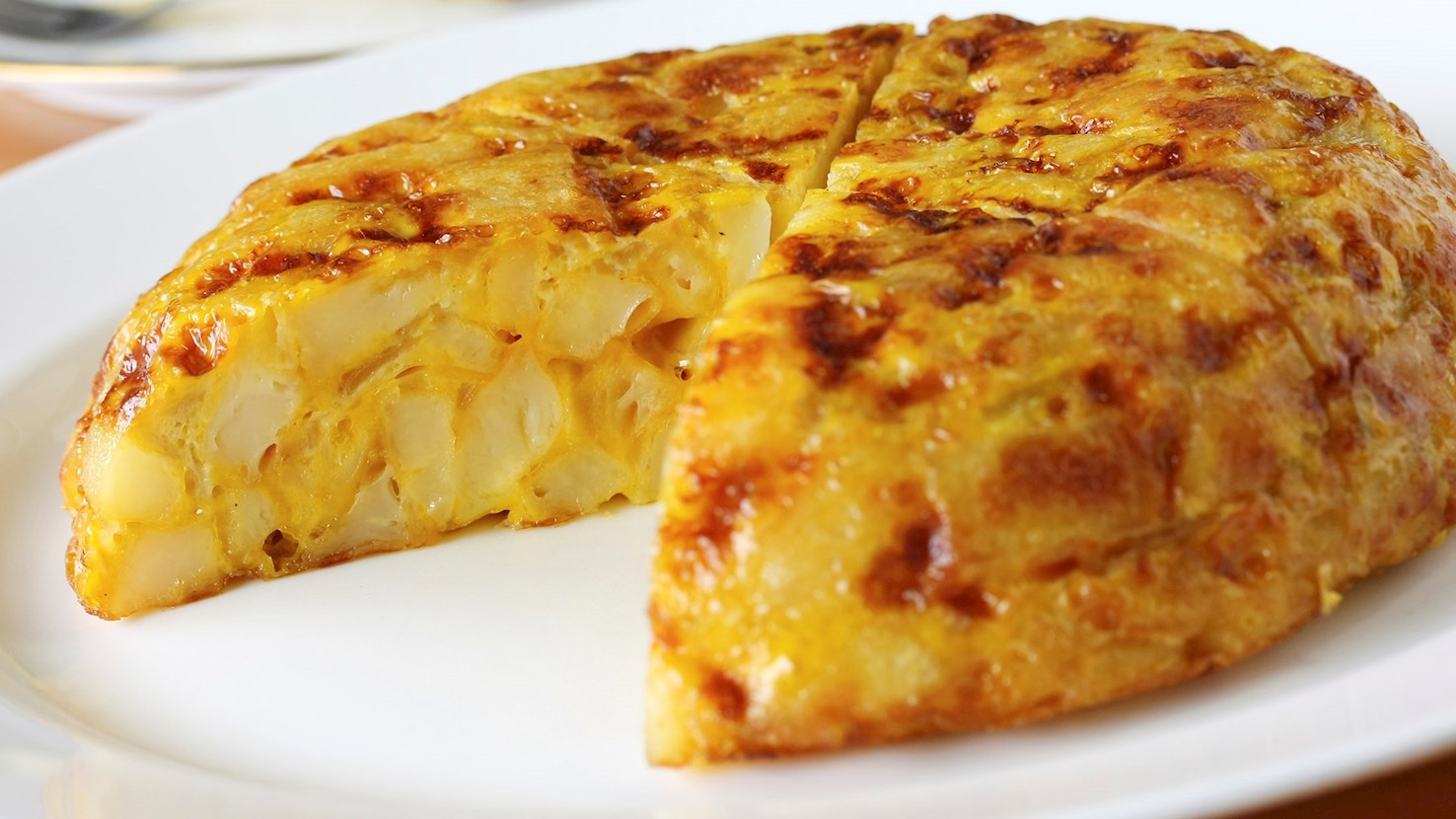
Tortilla de patata, often called Spanish omelette, is a dish from Spain made with little more than potatoes, eggs, olive oil and salt, sometimes enriched with onions depending on preference. It is one of the country’s most recognisable recipes, found in homes, markets and restaurants across every region. What began as a humble preparation using the most accessible ingredients has become a national emblem of Spanish cooking. The origins of tortilla de patata can be traced back to the 19th century, when the widespread cultivation of potatoes in Europe after their introduction from the Americas made them a cheap and nourishing staple. One of the most cited references comes from Villanueva de la Serena in Extremadura, where a local story credits the invention of the dish to a housewife who, during wartime scarcity, made a simple meal for General Tomás de Zumalacárregui using just eggs, potatoes, and a little onion. Zumalacárregui is then said to have popularised it among his troops during the First Carlist War (1830s), because it was filling, cheap, and easy to prepare. Over time, the dish spread beyond its rural beginnings and established itself in urban kitchens, taverns and eventually restaurants. Its reputation grew not through extravagance but through its comforting simplicity and consistency. The preparation is straightforward yet requires care. Potatoes are sliced or diced and gently cooked in olive oil until tender but not browned. They are then mixed with beaten eggs and cooked slowly in a pan until set, with the centre either firm or slightly runny depending on regional and personal tastes. The decision to include onions, a matter of constant debate in Spain, adds sweetness and depth but is by no means universal. Tortilla can be served warm or cold, cut into wedges or cubes, making it as suitable for a full meal as it is for tapas. It can be eaten at any time of day, whether as breakfast, a light lunch, dinner or a late-night snack. Its portability has also made it popular as a dish taken on picnics or eaten at festivals. Variations exist, such as tortillas filled with vegetables, ham or cheese, but the potato and egg base remains constant. Today, tortilla de patata is eaten everywhere in Spain, from cafés and bars to fine dining establishments that may reinterpret it in creative ways.
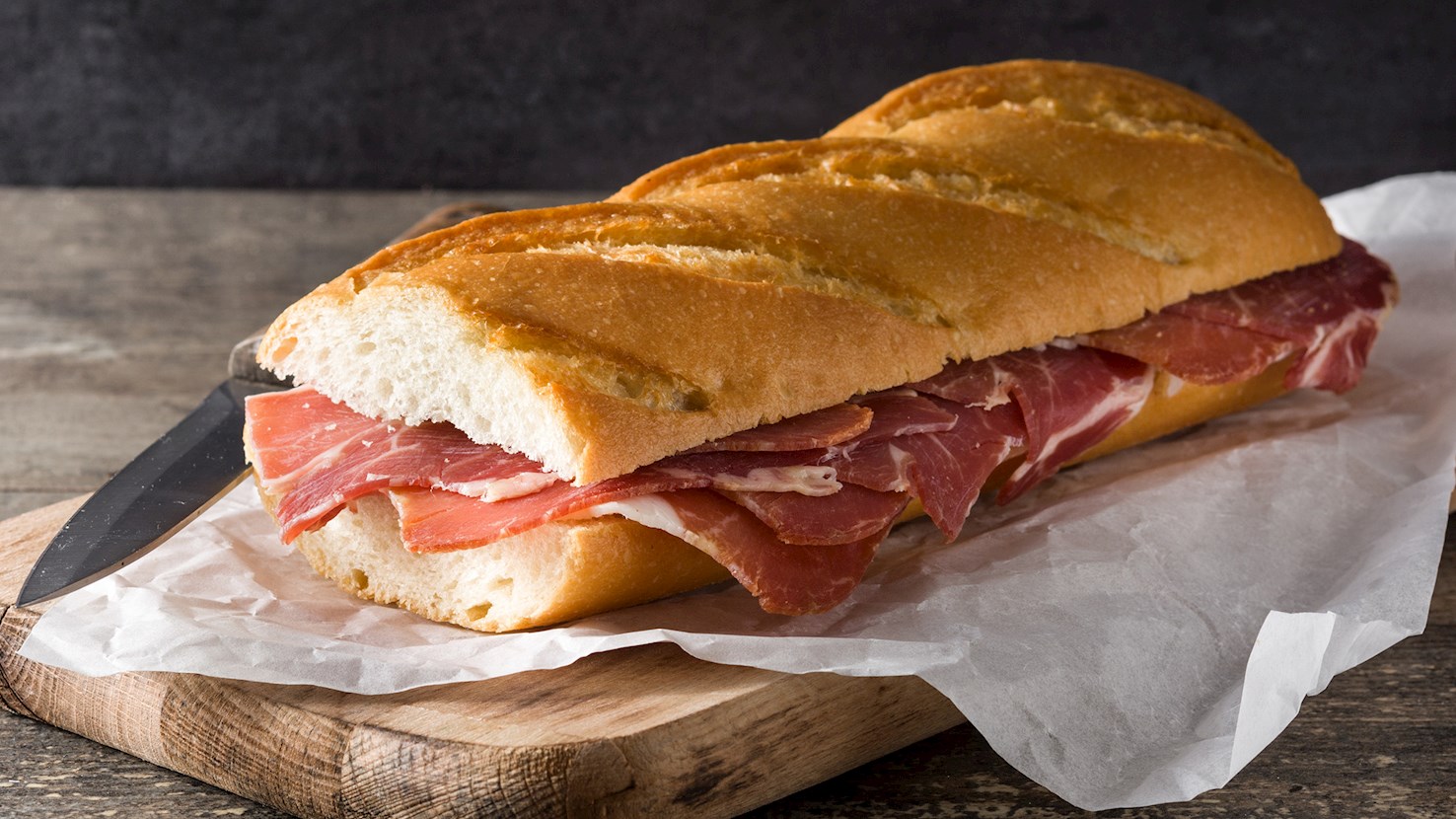
Bocadillos or bocatas are Spanish sandwiches made with Spanish-style baguettes known as barra de pan, unlike regular sandwiches which are made with modern white bread, known as pan de molde in Spain. The most common fillings for bocadillos include meat, cheese, tuna, omelets, jamón, or chorizo sausages. The Spanish typically don't add onions, mayonnaise, pickles, or lettuce to bocadillos, but the bread is sometimes rubbed with halved tomatoes or olive oil. Due to the popularity of these sandwiches, the fillings vary from one region to another – omelet bocadillos are usually eaten for breakfast or as an afternoon snack and include eggs, cheese, beans, peppers, and potatoes; meat-based bocadillos are often made with chicken, beef, pork, horse, or goat; and fish bocadillos often include cuttlefish, sardines, and squid. These sandwiches can be found everywhere from bars and taverns to roadside eateries, but you probably won't find one on a restaurant menu.
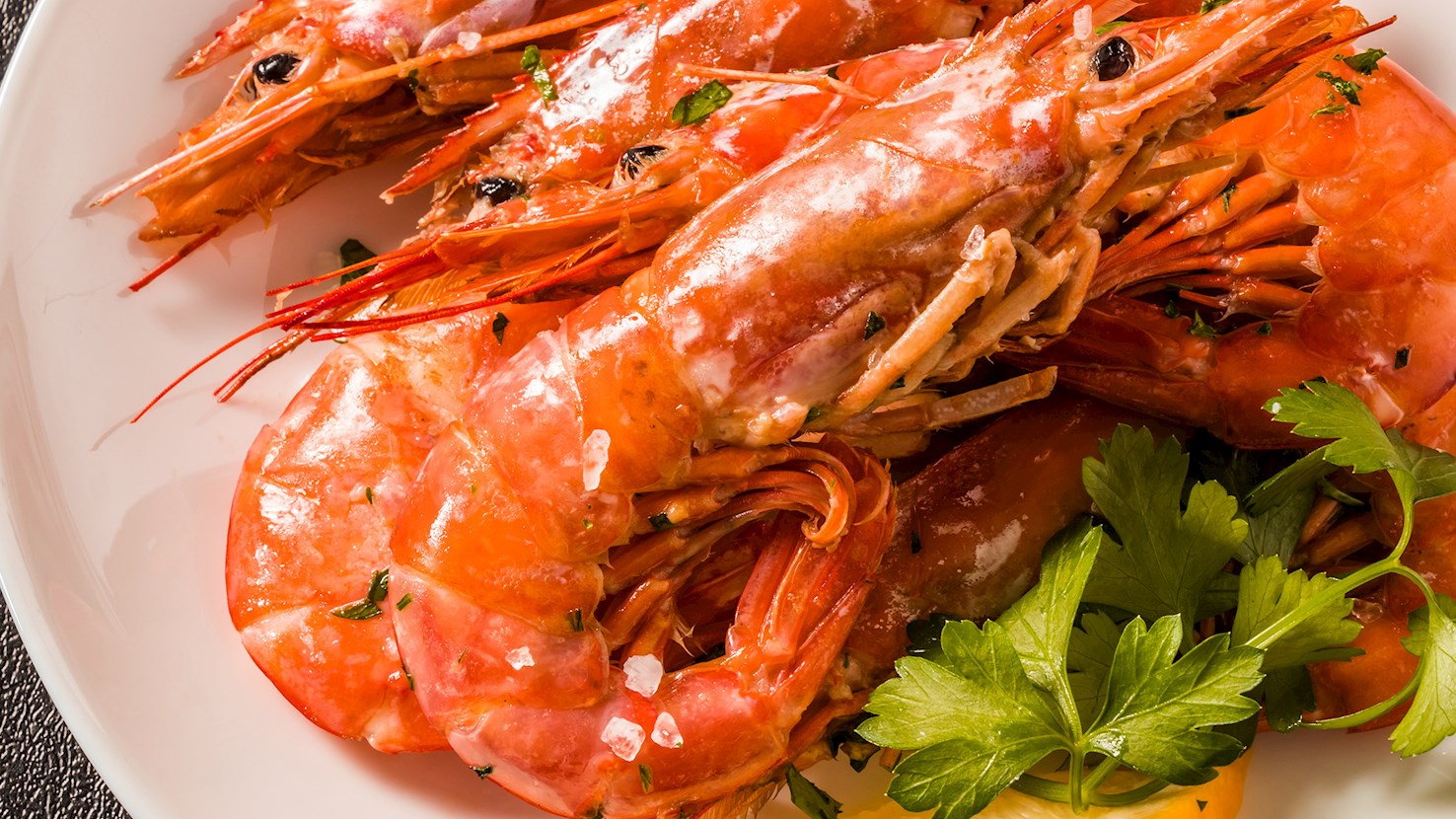
This is a traditional tapa dish where whole shrimps are seasoned with salt, then quickly grilled on an iron skillet over high heat. It is recommended to enjoy them simply with a few squeezes of lemon or lime juice on top, while black pepper is optional, according to personal preferences. Pair the shrimps with a cold beer or a glass of wine on the side.
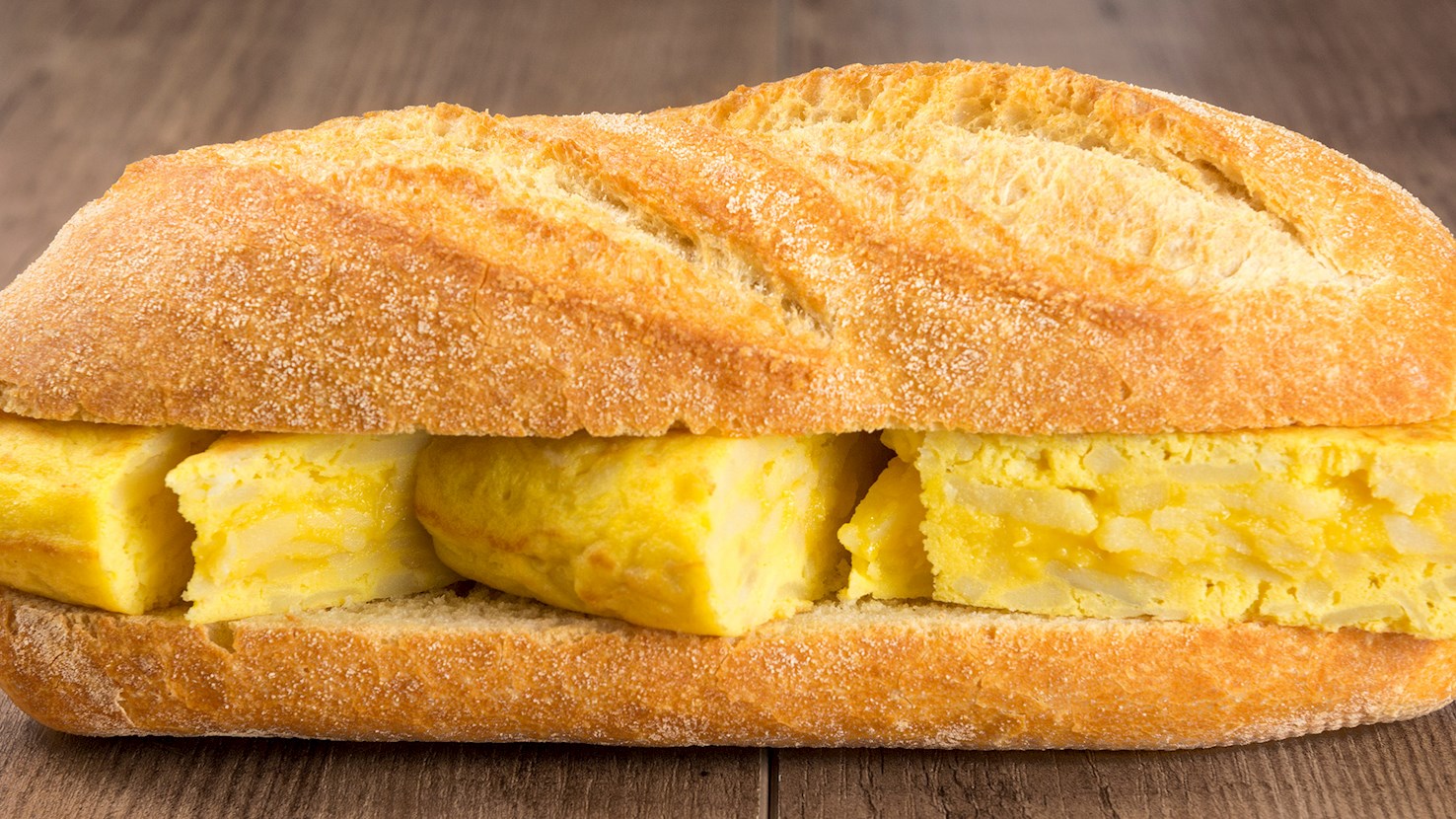
One of the classic bocadillo sandwich varieties, bocadillo de tortilla typically consists of a thick slice of the quintessential Spanish tortilla (potato omelet) nestled between two slices of bread. This sandwich generally uses a rustic, Spanish-style baguette known as barra de pan, which is usually cut in half lengthwise and may (sometimes) get toasted to make the sandwich crispier. Although it’s usually as simple as bread and potato omelet, the sandwich may occasionally be drizzled with olive oil or rubbed with tomatoes or tomato sauce on the inside, or it may be enhanced with condiments such as ketchup, mayonnaise, or Tabasco sauce. This traditional Spanish sandwich can be enjoyed either hot or cold, and it makes for an excellent, filling snack or a simple dinner. In Spain, tortilla sandwiches can be enjoyed at numerous tapas bars where they’re usually accompanied by a cold beer or a soft drink on the side.
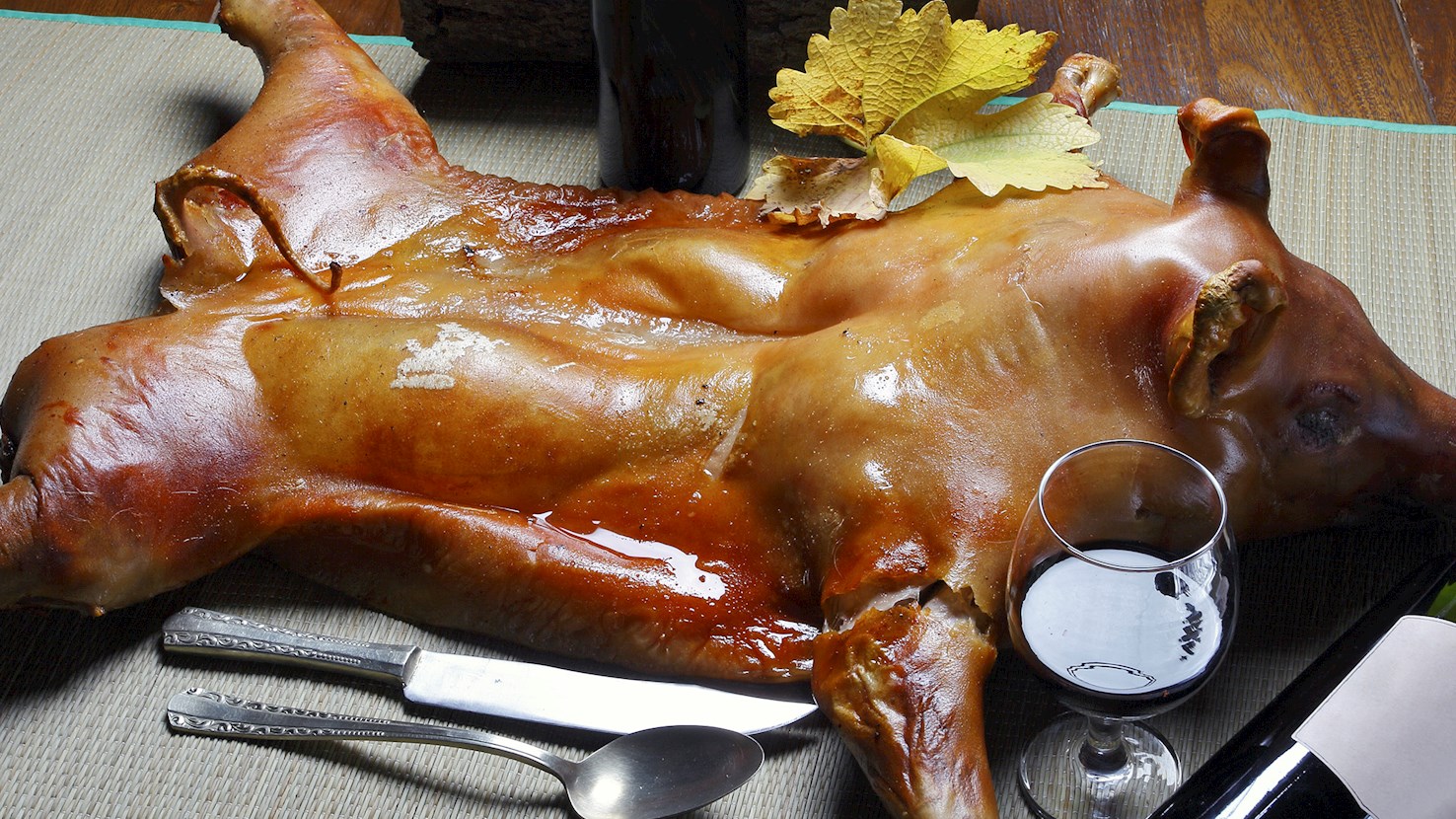
Cochinillo is a whole roasted suckling pig characterized by its extraordinarily tender, milk-fed meat and shatteringly crisp, glass-like skin. The core requirement for this roast is a highly specific main ingredient: a piglet no more than three weeks old, weighing between four and five kilograms, having consumed nothing but its mother's milk. This strict diet ensures a delicate texture and prevents any tough muscle fibers from developing. The cooking begins by flattening the animal completely, bone-side down, inside a wide terracotta dish. Water is poured directly into the bottom of the vessel to maintain a steady steam level, ensuring the meat remains incredibly moist during the prolonged heat exposure. The skin is pricked or scored, then rubbed aggressively with coarse salt, which draws out moisture and forms a blistering crust. The entire roasting dish is then placed inside a scorching, dome-shaped wood-fired oven for several hours until the underlying fat renders completely, leaving the exterior paper-thin and fragile. However, some rural areas coat the interior cavity in a heavy paste of crushed garlic, parsley, and olive oil prior to baking. This method of slow-roasting young livestock in large clay ovens traces its origins deep into the Roman Empire, eventually finding its permanent epicenter in the central Iberian Peninsula, particularly in and around the city of Segovia. Centuries of agricultural practices in these high-altitude plains perfected the use of oak-wood fires and specific clay cookware designed to absorb and distribute heat evenly. When the roast is pulled from the flames, it is presented whole on a large platter. Because the flesh is profoundly soft and the crust brittle, separating the portions requires no sharp knives or metal utensils. Instead, the entire animal is famously carved using the blunt edge of a standard ceramic dining plate, pressing down firmly to crack through the ribs and separate the joints. This dramatic presentation frequently concludes with the individual carving the meat, deliberately smashing the plate onto the floor.
Txalupa is a warm, seafood-filled pintxo from San Sebastián in Spain’s Basque Country, typically served in a small, boat-shaped pastry shell and known for its creamy texture and elegant presentation. It is most often found in the bars of the Parte Vieja, where pintxo culture embraces both classic and contemporary styles. The name “txalupa,” which means “small boat” in Basque, refers not only to the shape of the dish but also to the concept of a self-contained, composed bite that stands out from simpler bread-based offerings. The filling usually consists of a mixture of shellfish such as crab, shrimp, or scallops, blended with a béchamel-style or cheese-based sauce. This mixture is spooned into a tartlet or puff pastry shell, sometimes gratinated under a salamander to give it a lightly browned top. The result is served warm and often garnished with finely chopped herbs or a light dusting of cheese, depending on the bar's particular version. Though variations exist, most versions maintain a balance of richness and seafood flavor, presented in a structured, polished format. Txalupa is representative of a more modern approach to pintxos in San Sebastián, where chefs elevate familiar local ingredients through thoughtful technique and presentation. It does not rely on the common base of sliced bread seen in many pintxos but instead uses a molded or baked shell to contain the filling. This approach reflects the influence of restaurant-style plating within the casual pintxo bar setting, a hallmark of the city’s evolving food culture.
Completo de bonito is a cold pintxo from Logroño made with preserved white tuna, roasted red pepper, and hard-boiled egg served on a slice of crusty bread. It originates from La Rioja, a region in northern Spain known for its wine culture and dense network of pintxo bars, especially along the famous Calle Laurel. This pintxo is a common offering on bar counters in the area, appreciated for its simple construction and balanced flavors. The name “completo” refers to the fact that it brings together multiple ingredients into one complete bite, offering protein, vegetables, and egg in a compact, convenient format. The main ingredient is bonito del norte, a high-quality white tuna preserved in olive oil. This tuna is known for its mild, clean flavor and firm texture, and is a staple in northern Spanish cuisine. It is typically placed directly on the bread, topped with a strip of roasted red pepper (often piquillo or another sweet variety) and finished with a slice of hard-boiled egg. Some versions may include a touch of mayonnaise or olive oil, but the classic format remains minimal, allowing the core ingredients to speak for themselves. Completo de bonito is served at room temperature and eaten quickly, often standing at the bar with a drink in hand. It is not meant to be elaborate or innovative, but rather to offer a dependable, satisfying option during a pintxo crawl.
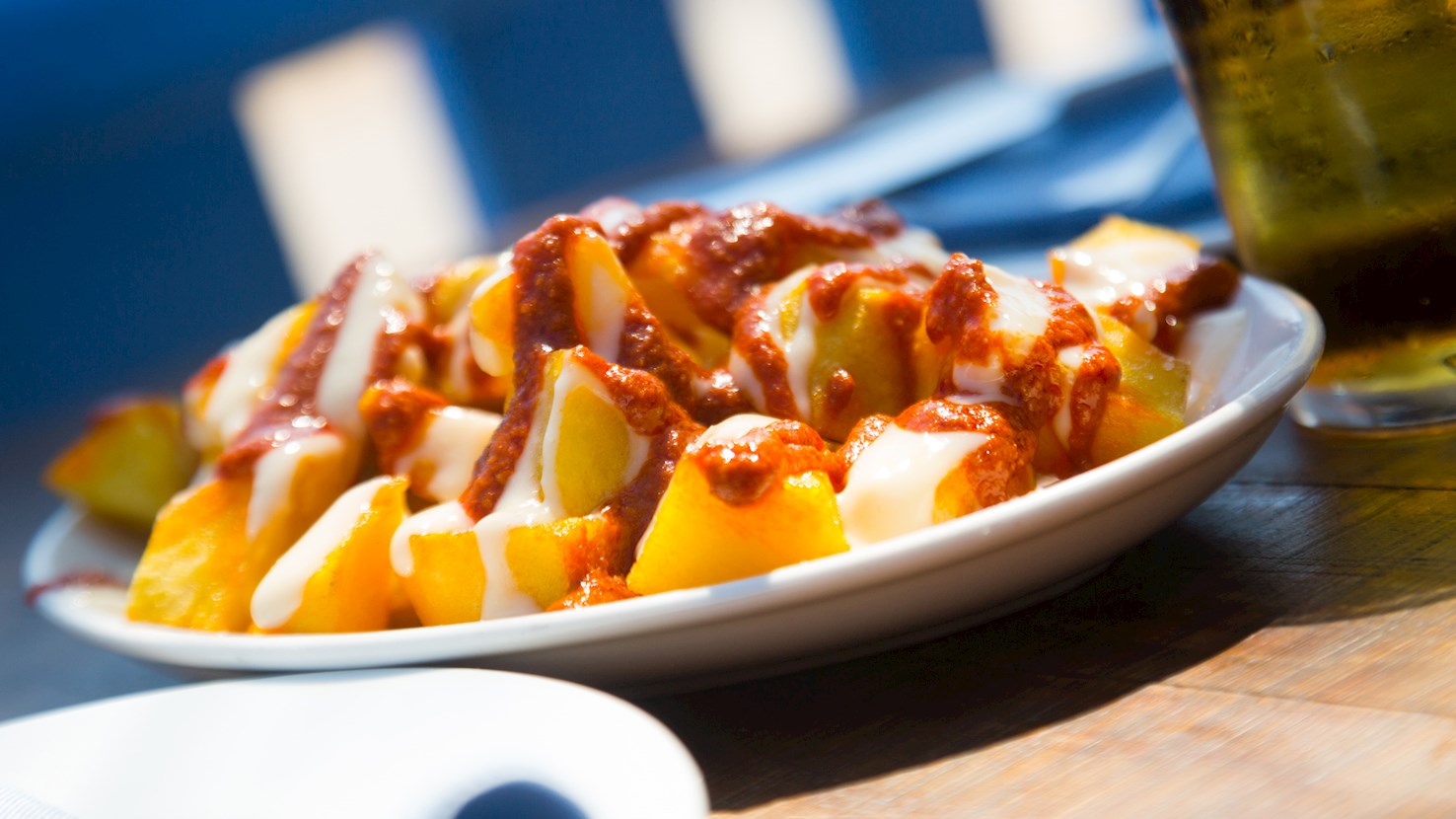
Patatas bravas is a traditional tapas dish consisting of potato cubes drenched in a spicy tomato sauce with onions, garlic, chili powder, and pimentón. This flavorful combination of ingredients is a staple at numerous tapa bars throughout Spain, and it is especially popular as a late-night snack. The dish is traditionally served with aioli sauce on top, but there is also a variety of other toppings that can be ordered with the snack, such as chorizo slices or fried fish.
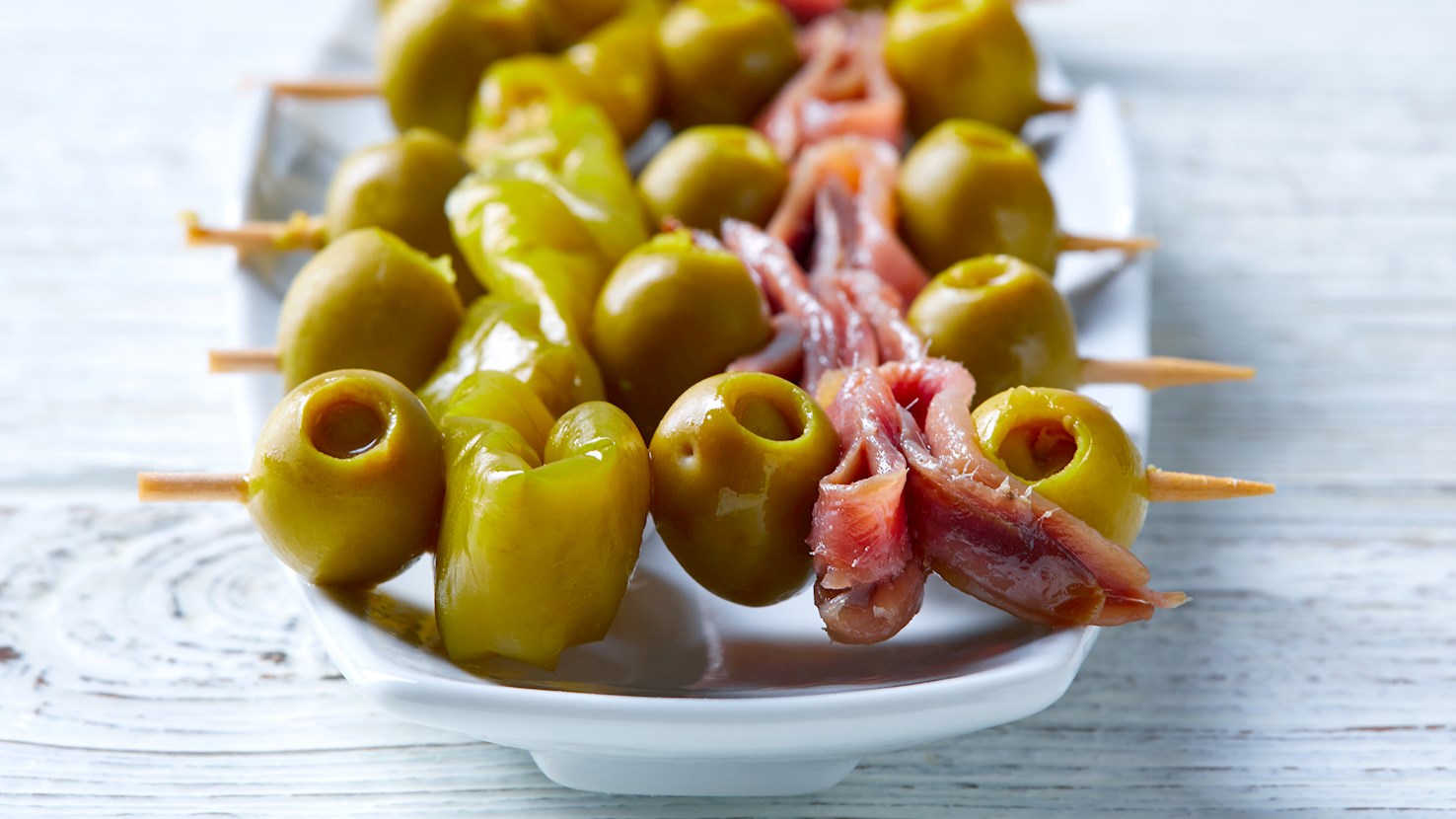
Pinchos Gilda are traditional Spanish pinchos originating from San Sebastian, Basque Country. They're made with a combination of pitted green olives (preferably of the manzanilla variety), anchovy fillets, and small hot pickled peppers such as guindillas or pepperoncini. In order to make pinchos Gilda, an olive, a folded anchovy, a pepper, and another olive are skewered on a toothpick, then served. This pincho variety was named after Rita Hayworth's character in the 1946 movie called Gilda. It's also the first pincho in history.
TasteAtlas food rankings are based on the ratings of the TasteAtlas audience, with a series of mechanisms that recognize real users and that ignore bot,
nationalist or local patriotic ratings, and give additional value to the ratings of users that the system recognizes as knowledgeable.
TasteAtlas Rankings should not be seen as the final global conclusion about food. Their purpose is to promote excellent local foods,
instill pride in traditional dishes, and arouse curiosity about dishes you haven’t tried.




What People Say