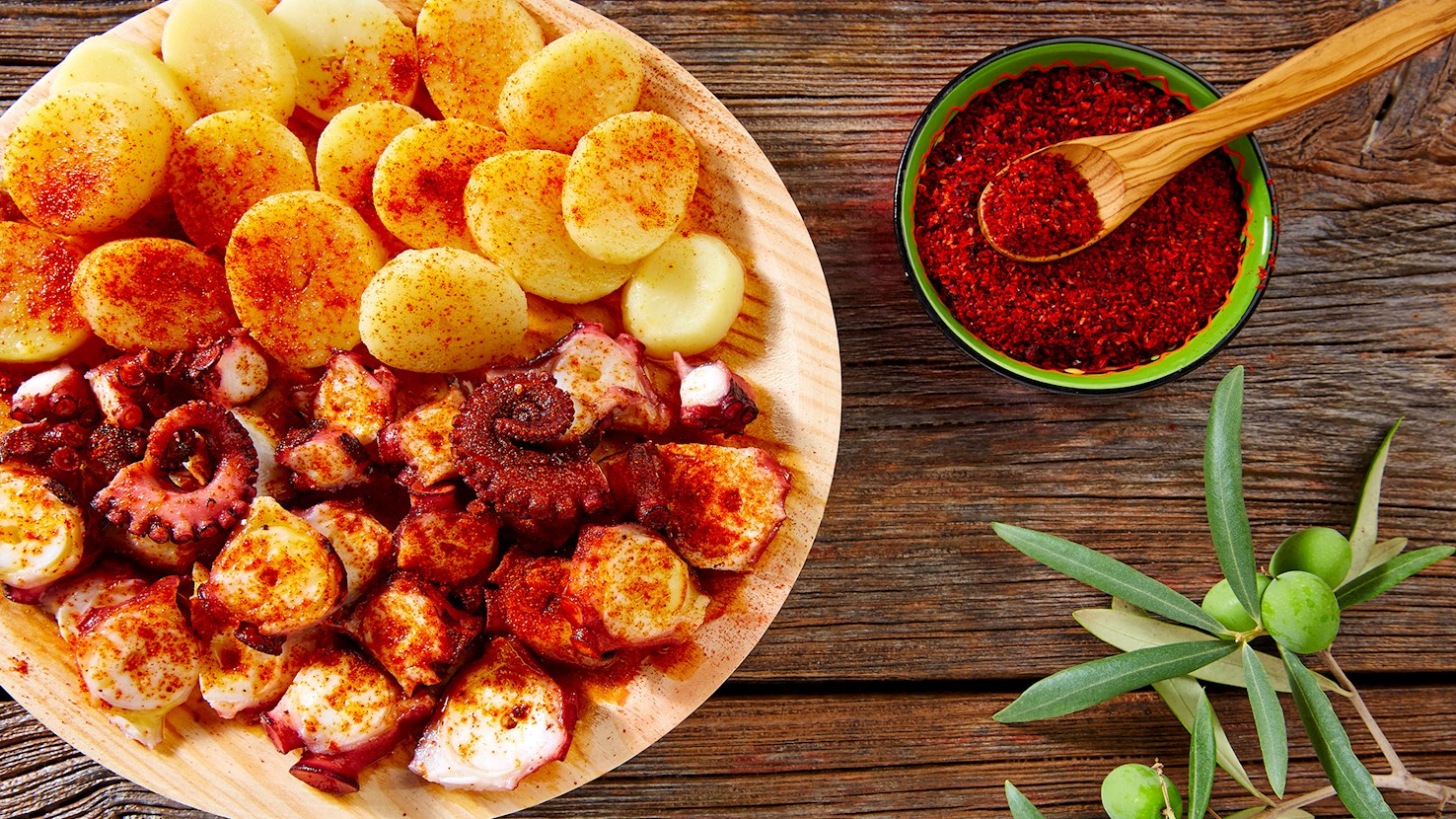
Polbo á feira (a.k.a. pulpo a la gallega) is a traditional Galician dish made by cooking octopus, potatoes, and pimentón in copper cauldrons. The cauldrons impart a unique flavor to the dish, and it is said that it is impossible to obtain that kind of flavor with any other material. In the Sanabria region, it is traditionally served with garlic, while elsewhere, pulpo a la gallega is presented on a wooden board, drizzled with lots of olive oil and sprinkled with coarse salt. It is recommended to pair the dish with a glass of red wine on the side. The dish is also known as pulpo á feira (fair-style octopus), since it is very popular during festivities and celebrations, when the owners of pulpeiras (stands specialized for octopus) prepare the dish throughout the day.
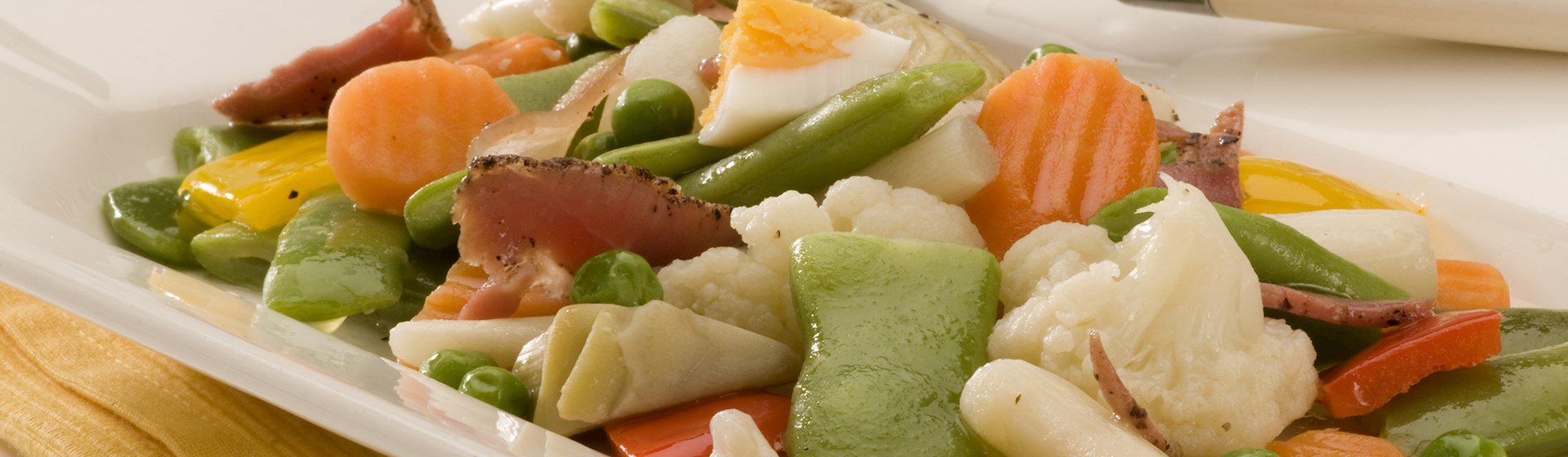
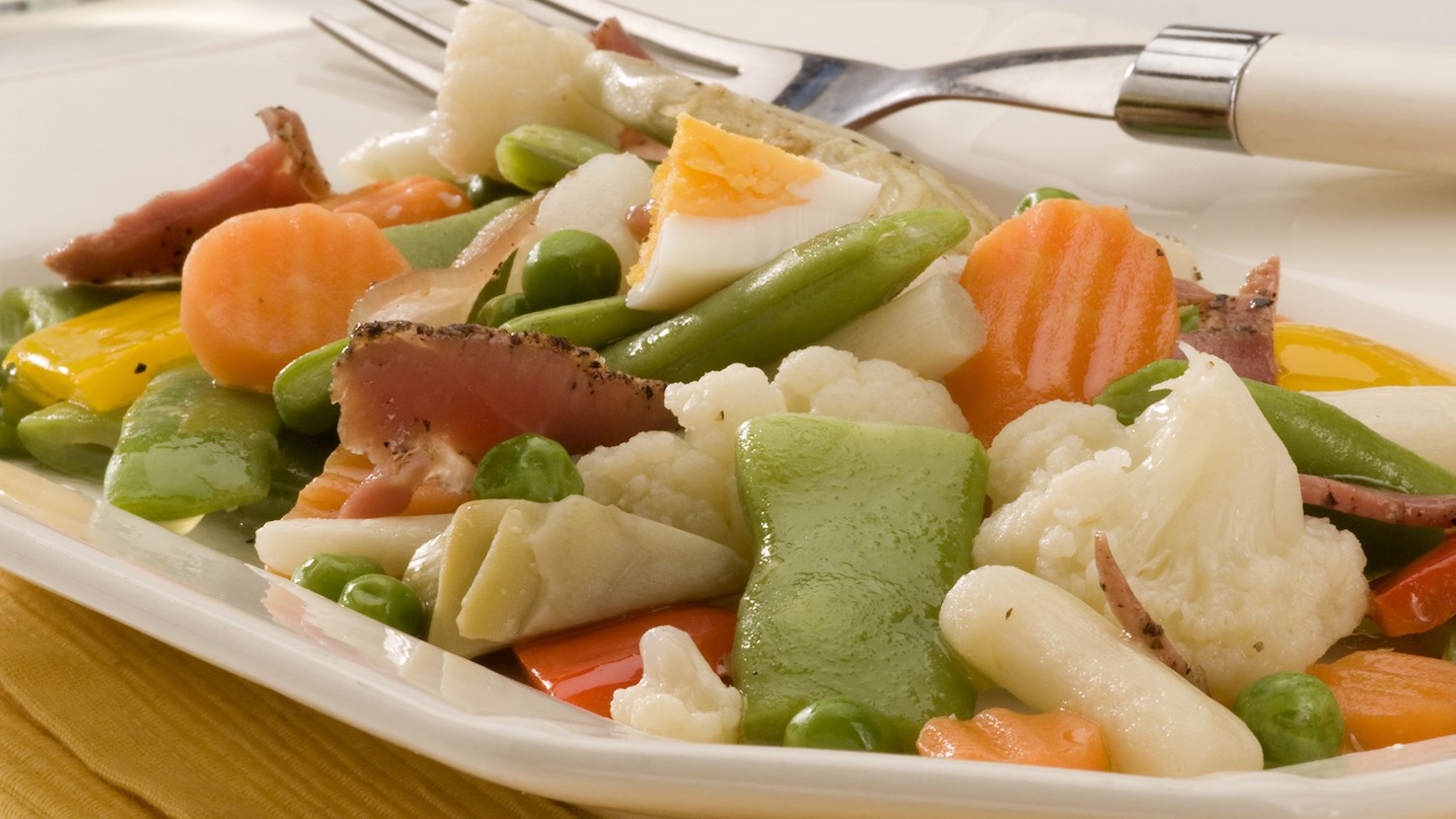
Menestra de verduras is a vegetable stew built upon a seasonal harvest of tender spring produce, primarily featuring fresh artichokes, bright green peas, broad beans, and asparagus. Its origins race directly back to the agricultural basin surrounding the Ebro River, particularly in Navarre and La Rioja, where farmers relied heavily on the fertile soil to sustain themselves. The stew starts by boiling each vegetable separately for precise times, ensuring they soften properly without losing their distinct textures or bleeding colors into one another. While the greens drain, finely diced white onions and minced garlic cloves soften in a wide pan loaded with warm olive oil. Small cubes of cured ham drop directly into the hot fat, rendering their oils and infusing the base with a deep, salty flavor. A small scoop of wheat flour goes into the pan to form a light paste before a pour of vegetable or meat broth turns the mixture into a glossy, savory sauce. The blanched produce folds gently into this thickened liquid, simmering just long enough for the flavors to meld completely. Widespread regional adaptations change the ingredients depending on availability. Coastal towns frequently toss fresh clams or chunks of white fish into the boiling broth to add a briny sweetness, while inland areas often swap the cured ham for slow-roasted lamb. A highly popular modification involves dredging the artichoke hearts and asparagus spears in flour, dipping them in beaten egg, and frying them in hot oil before adding them to the final stew, giving the vegetables a spongy coating that absorbs massive amounts of the garlic-infused sauce. The steaming-hot stew goes straight from the stove to the dining table in shallow clay bowls and is served as a standalone main course. Wedges of hard-boiled eggs frequently sit on top to provide an extra layer of protein, while thick slices of crusty bread always accompany the bowl, serving as the essential tool to mop up every drop of the stew.
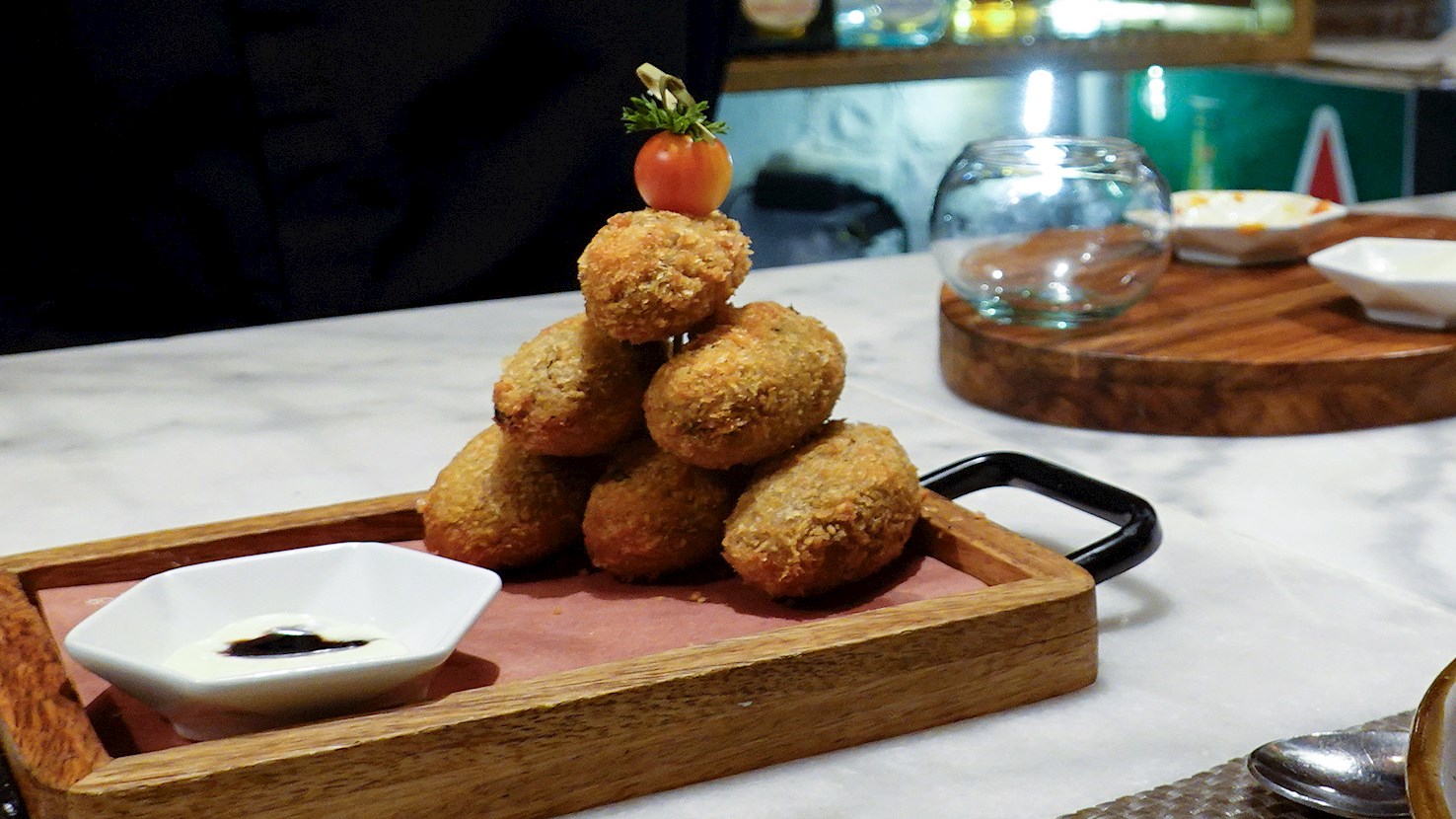
These traditional Spanish fritters are usually prepared with a buttery béchamel base that is well chilled and formed into round or cylindrical patties, which are then coated in egg wash and breadcrumbs, and finally fried until crispy and golden. Spain abounds in various types of croquetas, and the most popular versions incorporate ham or shredded chicken in the béchamel base, but other ingredients such as mushrooms, cod, or shrimp are also common. Though they originated as a frugal dish, which made use of leftover ingredients, today they are a classic that is often served as tapas—small finger foods that are usually accompanied by a few drinks.
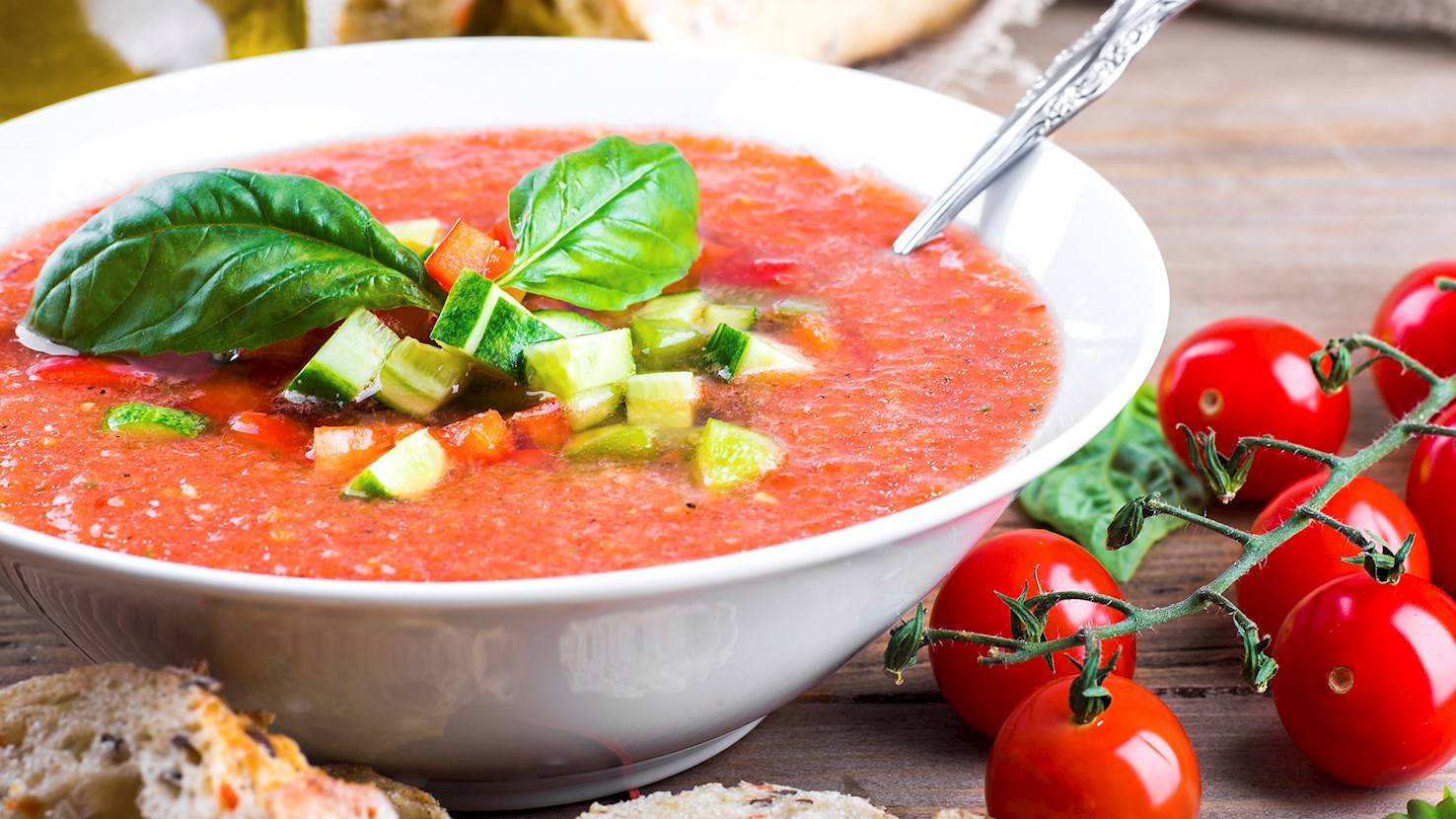
A perfect remedy for a hot summer day called gazpacho is a cold soup consisting of crushed tomatoes, finely chopped cucumbers, onions, peppers, croutons, vinegar, and olive oil. With the same level of familiarity as paella to the consumers worldwide, the soup's refreshing, cool and acidic flavors promote Spanish cuisine at its best. The dish began as a light lunch that the wives brought to their husbands in the field in order to cool them down from the hot summer sun. Shortly after, it began to be served at the end of big meals, although today it is a popular summer appetizer. Throughout Spain, there are a number of gazpacho varieties, such as gazpacho blanco (white gazpacho) or ajo blanco, a Málaga specialty made with garlic, bread, and almonds, with a garnish of green grapes. As the dish evolved, all kinds of ingredients started to be added to the soup, such as watermelon and cantaloupe. Regardless of the varieties, all gazpachos share a common thread of three key ingredients - bread, vinegar, and oil.
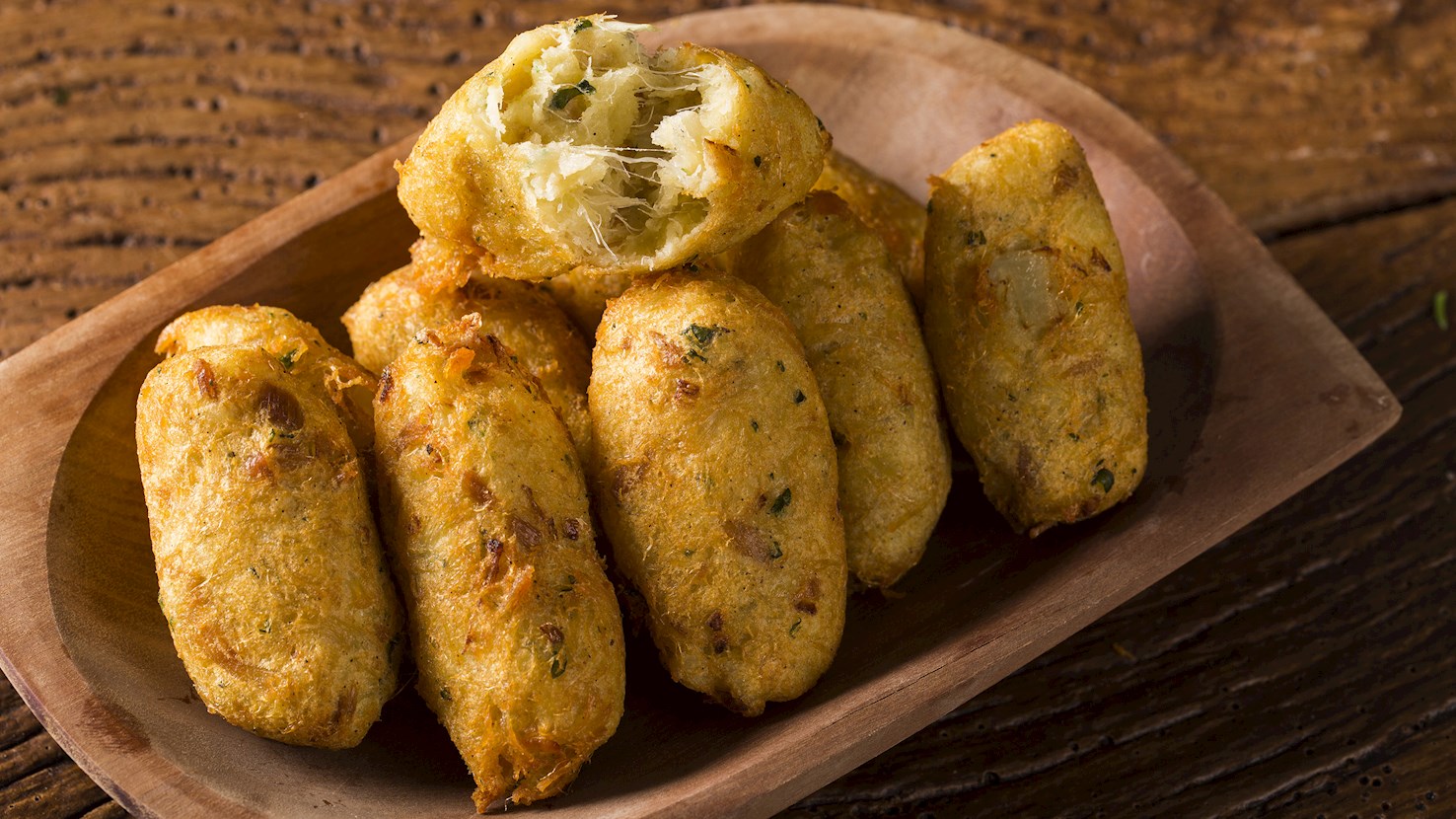
Croquetas de bacalao are small fried croquettes made by combining flaked salt cod with a thick béchamel, chilling the mixture until firm, coating portions in breadcrumbs, and frying them until crisp and golden. The center should remain soft and creamy, with the saltiness of the cod balanced by milk, onion or garlic, and often fresh parsley. Croquetas themselves came to Spain from France. The Spanish word derives from French croquette, from croquer, meaning to crunch. French croquettes were known before the nineteenth century, although their composition changed considerably over time. The croquetas in Spanish are recorded in 1819, already associated with a béchamel-bound mixture that was shaped and fried. There is no reliable evidence that croquetas de bacalao were specifically invented because of food shortages during the Peninsular War. The broader Spanish habit of turning small amounts of meat, fish, or leftovers into croquettes did later make them an obvious way to use ingredients economically, but that should not be confused with a documented origin story. By the twentieth century, croquetas had become firmly established throughout Spain in versions made with ham, chicken, cod, cooked meat, seafood, cheese, and many other fillings. Salt cod became one of the particularly successful fillings. Its strong flavor works well in a relatively mild béchamel, and croquetas de bacalao are now common as tapas, appetizers, and especially during periods when cod dishes are popular, including Lent. When salted cod is used, it first needs to be desalinated. The fish is submerged in cold water in the refrigerator, with the water changed several times. About 24 to 48 hours is common, although the exact time depends on the fish's thickness and salt content. Thick pieces may require longer. Once desalinated, the cod is drained thoroughly and flaked into small pieces. It does not necessarily need to be boiled first. Some versions poach it briefly, while others add the raw desalinated flakes directly to the cooked aromatics or béchamel, where the fish finishes cooking. Removing excess water is important because too much moisture can make the croquette mixture difficult to shape. The béchamel begins with butter, olive oil, or a combination of the two. Finely chopped onion, spring onion, or garlic may be softened in the fat first. Flour is then added and cooked briefly to remove its raw taste before milk is incorporated gradually while the mixture is stirred continuously. The sauce is cooked until considerably thicker than an ordinary pouring béchamel. It needs enough structure to hold its shape once chilled while still becoming creamy after frying. The flaked cod is mixed into the sauce along with chopped parsley and, depending on the recipe, garlic, onion, black pepper, or nutmeg. Salt is added cautiously because even properly desalinated cod retains some salinity. The finished mixture is spread into a shallow dish and refrigerated until completely cold and firm. Several hours are usually enough, although leaving it overnight makes shaping easier. Cooling is essential: warm béchamel is too soft to form into neat croquettes. Small portions are then shaped into short cylinders, ovals, or occasionally balls. The elongated cylinder is especially recognizable, but there is no requirement that every croqueta have the same shape. The usual coating consists of flour, beaten egg, and breadcrumbs, although some recipes omit the initial flour coating. The breadcrumb layer gives the croquette its crisp shell and also helps contain the creamy filling as it heats. The breaded croquettes are fried in plenty of hot olive or vegetable oil. The oil should be hot enough to brown the coating quickly but not smoking. Excessively hot oil can burn the breadcrumbs before the center is heated, while oil that is too cool allows the coating to absorb more fat. During frying, the chilled béchamel softens again but should remain creamy rather than becoming completely liquid. A properly made croqueta has a thin, crisp exterior surrounding a smooth filling in which the cod remains clearly noticeable. Once golden, the croquettes are lifted from the oil and briefly drained on a rack or absorbent paper. They are best eaten soon after frying, while the crust is still crisp and the center is hot and creamy. Hard-boiled egg is an established addition to béchamel-based croquetas de bacalao. It is chopped finely and folded into the cod mixture, adding small, firm pieces to the otherwise creamy center. Croquetas de bacalao are usually served hot as a tapa, appetizer, or small snack. They are often eaten completely plain because the creamy cod filling already provides plenty of flavor. A lemon wedge can be offered alongside, but it is not a required or universal accompaniment. Many classic Spanish versions are served without lemon or sauce at all.
TasteAtlas food rankings are based on the ratings of the TasteAtlas audience, with a series of mechanisms that recognize real users and that ignore bot,
nationalist or local patriotic ratings, and give additional value to the ratings of users that the system recognizes as knowledgeable.
TasteAtlas Rankings should not be seen as the final global conclusion about food. Their purpose is to promote excellent local foods,
instill pride in traditional dishes, and arouse curiosity about dishes you haven’t tried.



What People Say