

shutterstock

13 Traditional Foods
You Have To Try in Sapporo

Last updated on May 22, 2026
01

Karē

4.4 ·

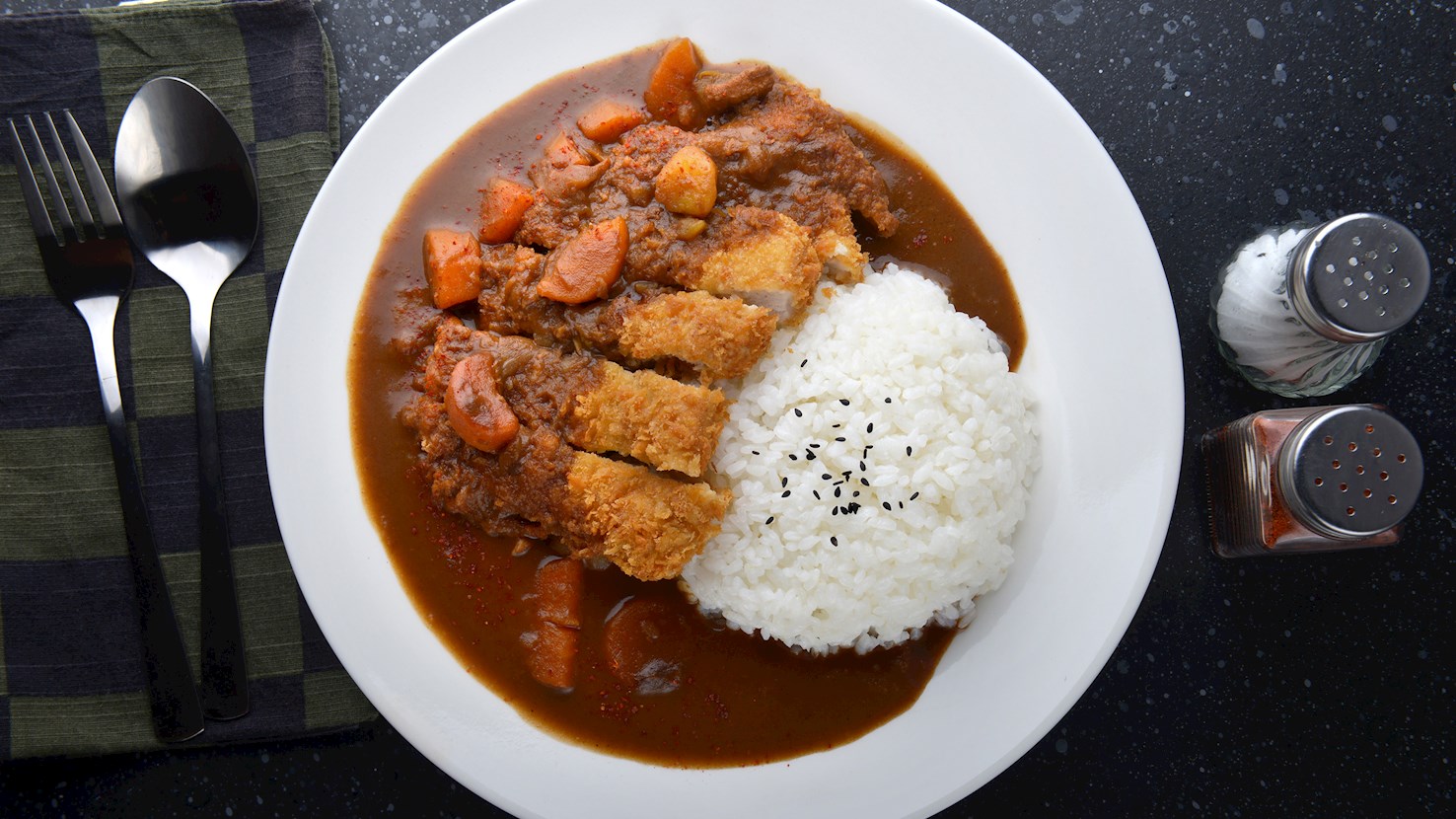
Japanese-style curry known as karē is one of the most popular dishes in the country. It started gaining popularity in Japan during the Meiji period (1868-1912), when the British introduced it to the country. During its early years, karē with rice was an expensive, gourmet dish reserved only for the wealthy. Compared to Indian curries, karē is less spicy, sweeter, darker, and usually thicker, which is thanks to the addition of flour or roux. There are three main version of karē in Japan - karē raisu (curry over rice), karē udon (curry over noodles), and karē -pan (a pastry filled with curry). The most popular variety, is, as expected, karē raisu, which is usually served with fukujinzuke pickles or Japanese scallions on the side. Today, karē is so popular in Japan that it can be called a true national dish.

02

Sūpu karē

3.8 ·

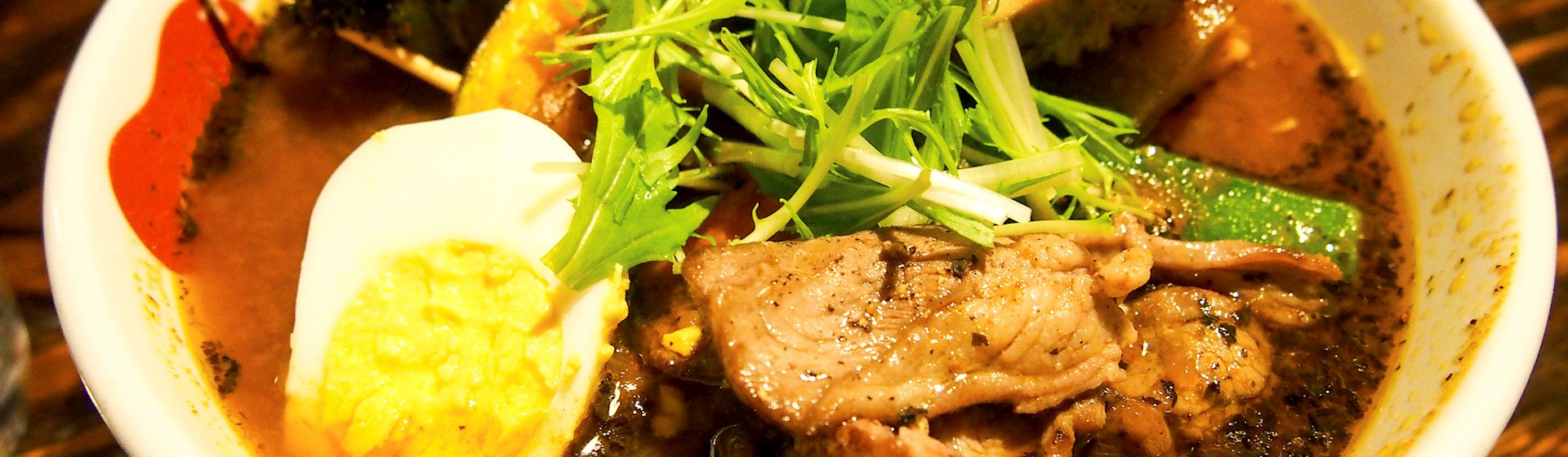
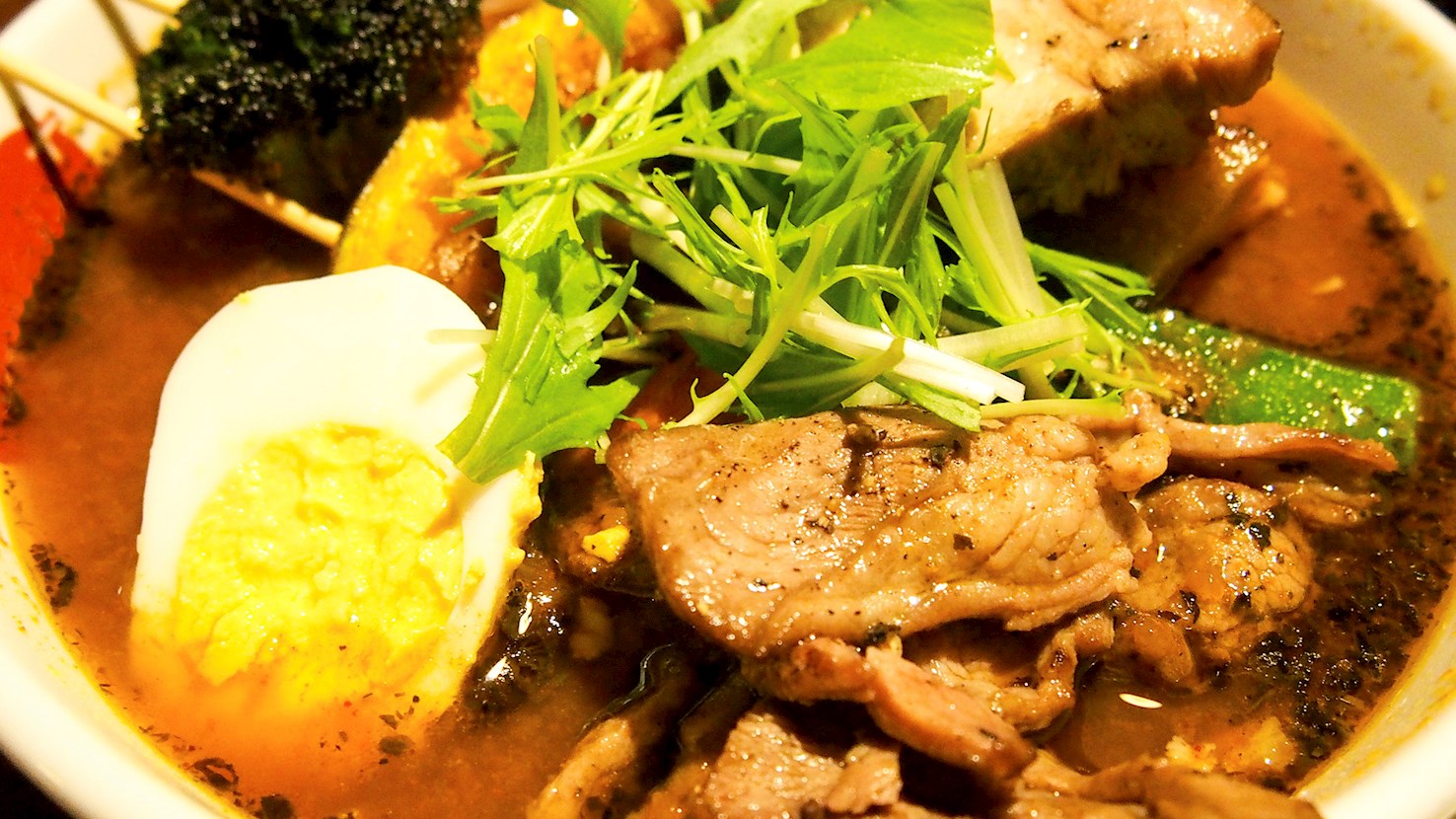
Sūpu karē or soup curry is a watery, brothy curry sauce that is usually served with big pieces of meat such as chicken legs and coarsely cut, chunky vegetables. The earliest versions of the dish contained spices from India and Sri Lanka, but today, cooks are using ingredients from Indonesia and China as well. Sūpu karē was invented in 1970 in Ajanta, a restaurant in Sapporo, Japan. However, it didn't receive much attention until 2002, when hundreds of restaurants serving the dish started popping up all over the major cities of Japan. Sapporo still remains the number one spot for sūpu karē lovers, with more than 250 restaurants serving the dish. The most common bases for the soup are based on tomatoes, seafood, or chicken. The dish is traditionally served with a side of rice, which can be white or yellow. Most of the restaurants serve lassi as an accompanying drink, clearly signifying the influence of Indian cuisine on sūpu karē.

03

Miso ramen

4.3 ·

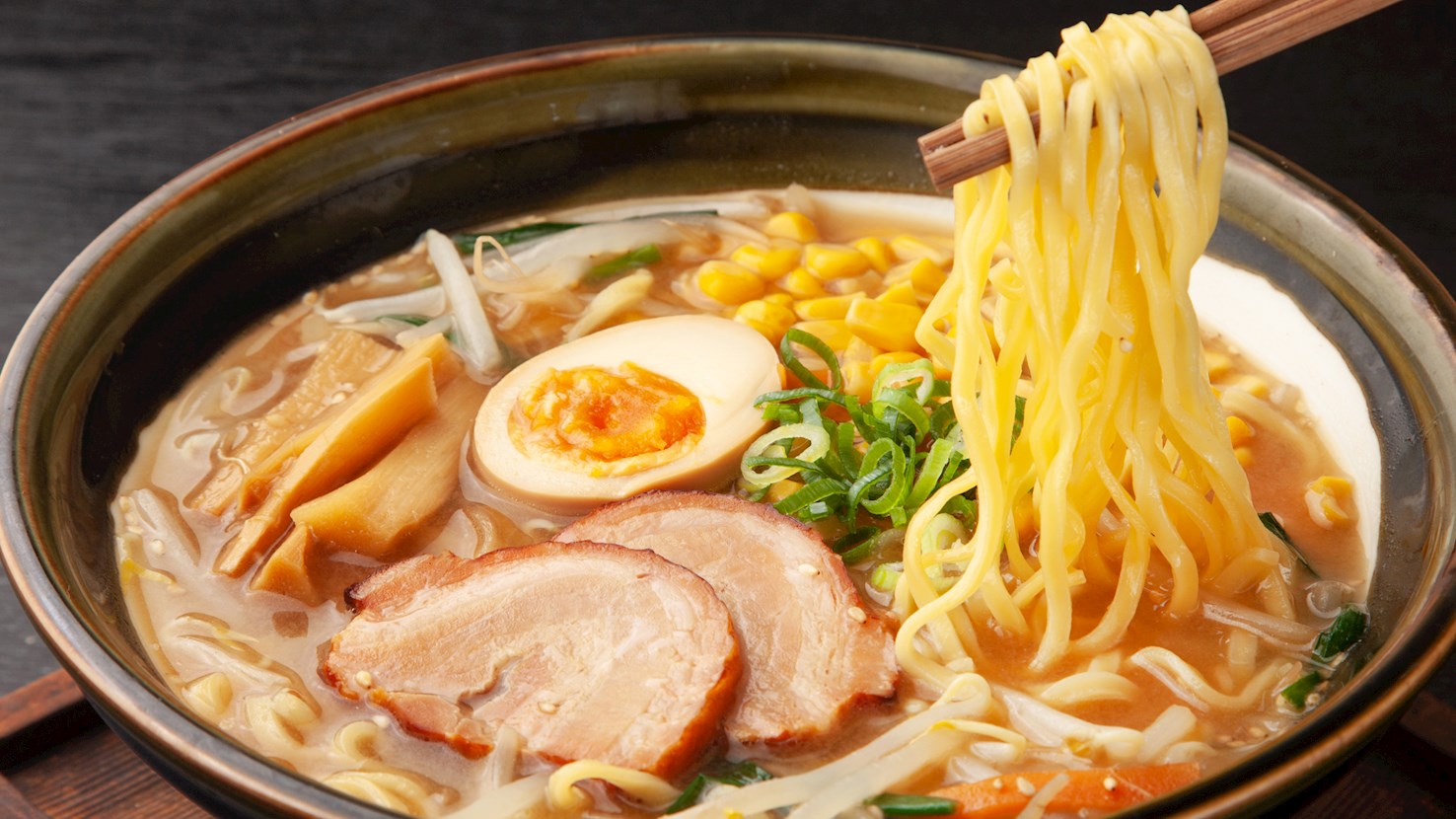
Miso ramen is a flavorful dish made by cooking the miso base, broth, and vegetables in a wok. The concoction is then topped with bean sprouts, chopped pork, garlic, sweet corn, and (sometimes) local seafood such as crabs, scallops, and squids. The dish was invented in 1955 in Sapporo, when a customer in Aji no Sanpei noodle house asked the chef to put noodles in his pork and miso soup. In the 1960s, miso ramen's popularity had skyrocketed, and Sapporo still remains a paradise for ramen lovers, taking pride in its Ramen Alley, with over a dozen ramen shops scattered through the street.

04

Jingisukan

4.2 ·

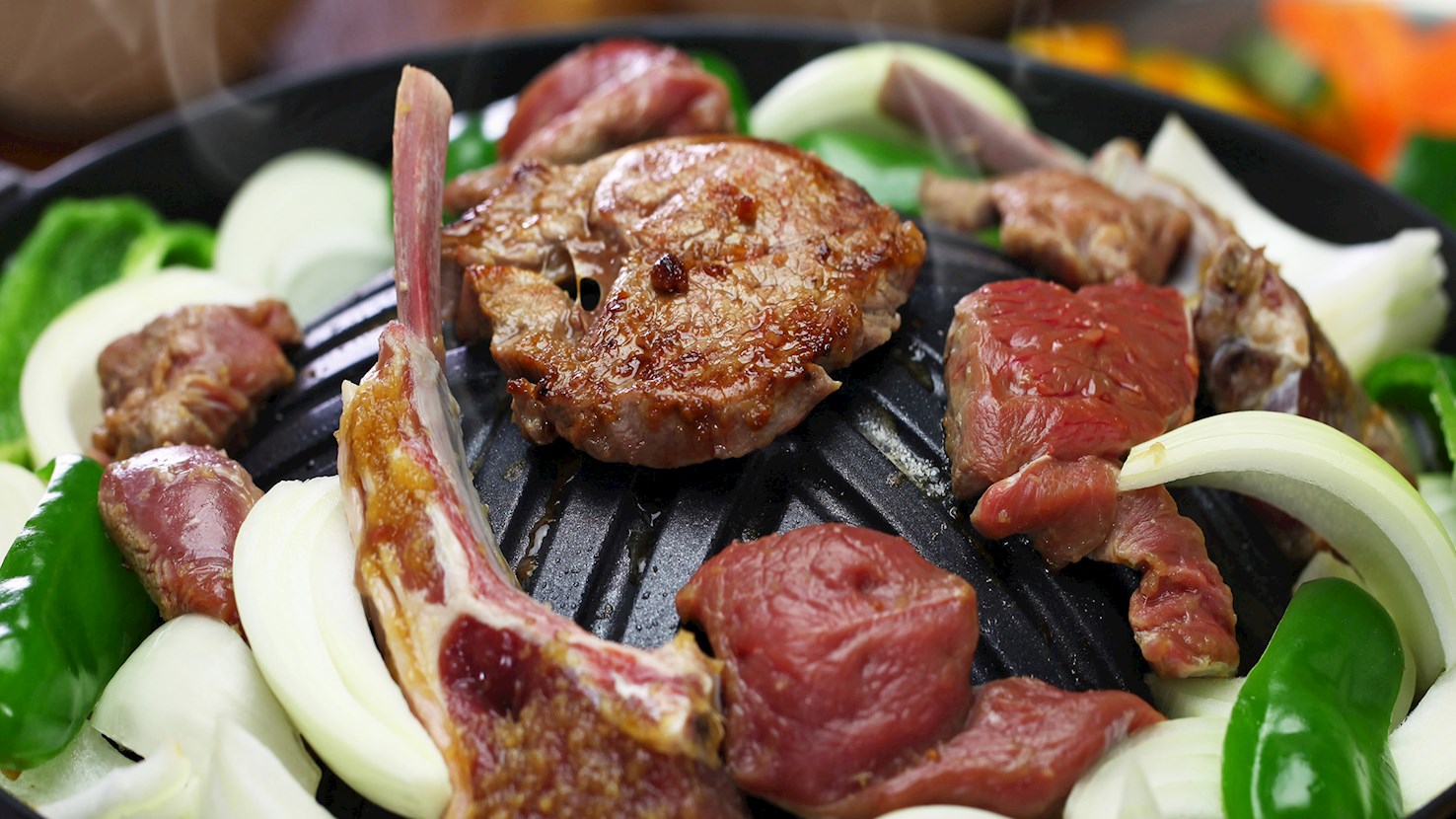
Jingisukan is a Hokkaido-specialty consisting of grilled mutton or lamb. The dish is always prepared tableside on the convex-shaped grills. The guests are served with sliced meat, which can be plain or marinated, and are then encouraged to grill the meat themselves, along with various vegetables such as onions, cabbage, leeks, or peppers. Typical accompaniments include special soy sauce-based condiments, chili sauce or grated garlic. The origins of consuming mutton in Japan date back to 1918 when the government promoted sheep farms, but the practice only remained on Hokkaido, and though restaurants specialized in preparing Jingisukan can be found elsewhere, the dish has remained a favorite on Hokkaido and in its capital Sapporo. It is believed that Jingisukan was named after Genghis Khan—the founder of the Mongol Empire. Although there are many theories about the origin of the name, the most popular say that it was influenced by the convex shape of the grill, which resembles a warrior’s hat, and the fact that the Mongolians were well-known for favoring sheep in their diet. Outside of Japan, the dish can also be found in Taiwan, China, and Thailand.

05

Kaisendon

4.5 ·

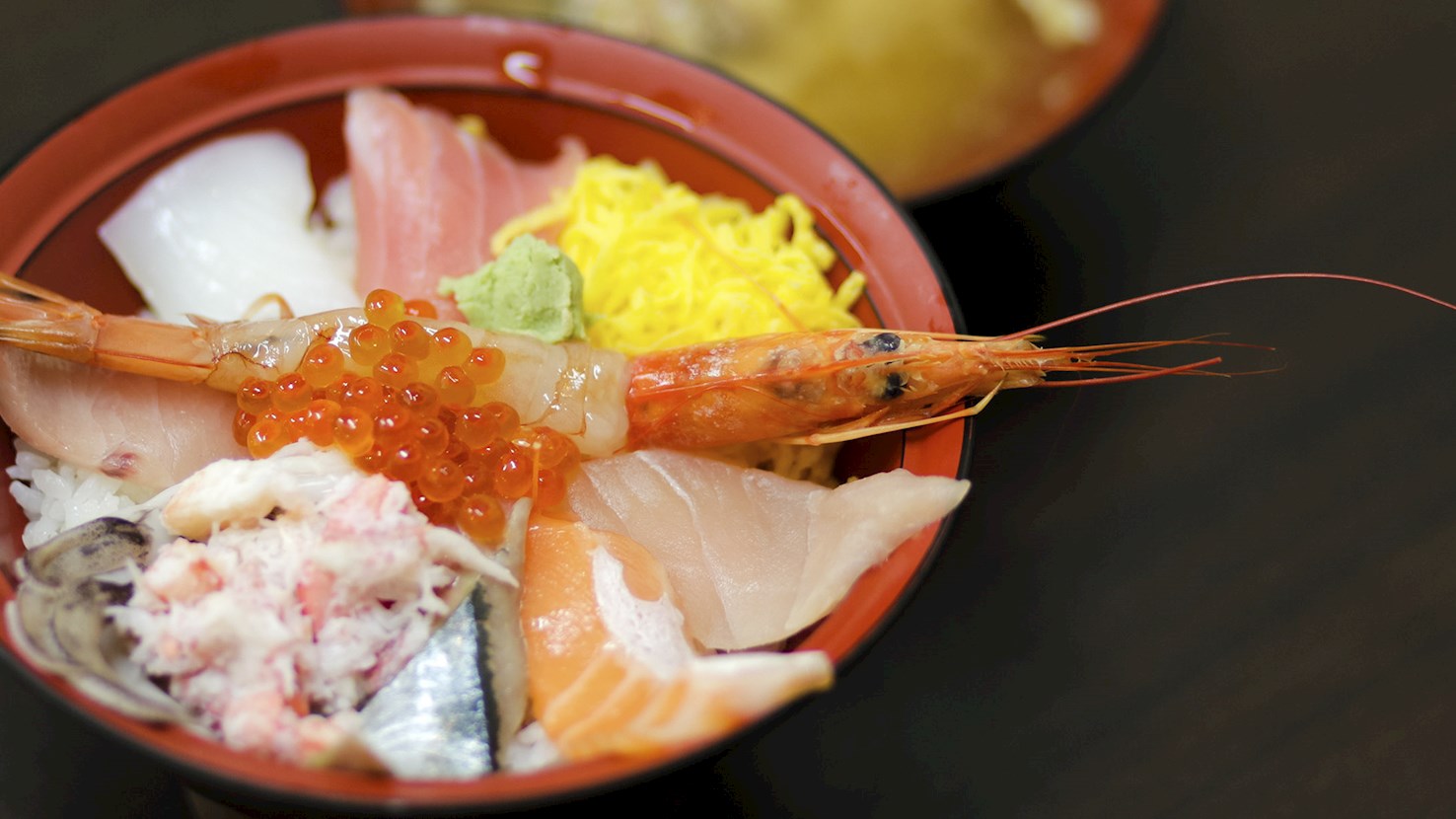
One of the most popular fresh seafood one-bowl donburi dishes, kaisendon consists of thinly sliced, assorted raw seafood called sashimi laid over freshly steamed rice. What kind of sashimi will be used in a kaisendon dish is not fixed, but the seafood selection depends on both location and season, and most often includes maguro (tuna), tai (sea bream), ama ebi (deep-water shrimps), hotate (scallops), uni (sea urchin), kani (crab), and sometimes even marinated ikura (salmon roe). Apart from sashimi, kaisendon is typically topped with toasted nori seaweed, myoga ginger, shiso or Japanese basil, cucumber, onions, and either fresh or pickled ginger. Before being placed on a bed of steamy rice, all of the ingredients are drizzled with wasabi-laced soy sauce, and the kaisendon bowl is lastly garnished with some white sesame seeds, white radish sprouts, and wasabi paste. In Japan, fresh seafood donburi dishes have a huge following; light yet nutritious, they make for a great lunch option and can be found at any sushi restaurant.

Best restaurants
06

Sushi

4.4 ·

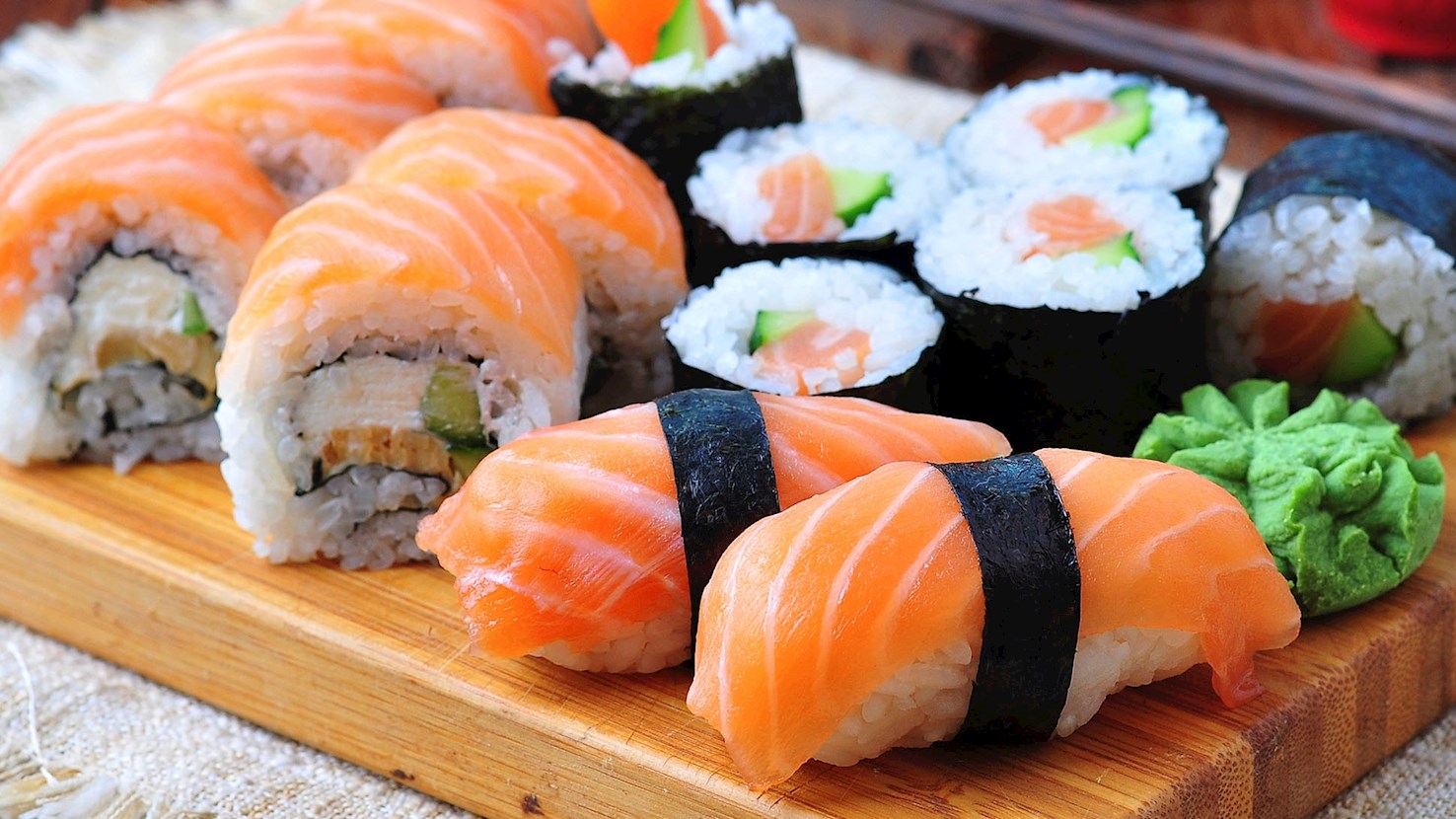
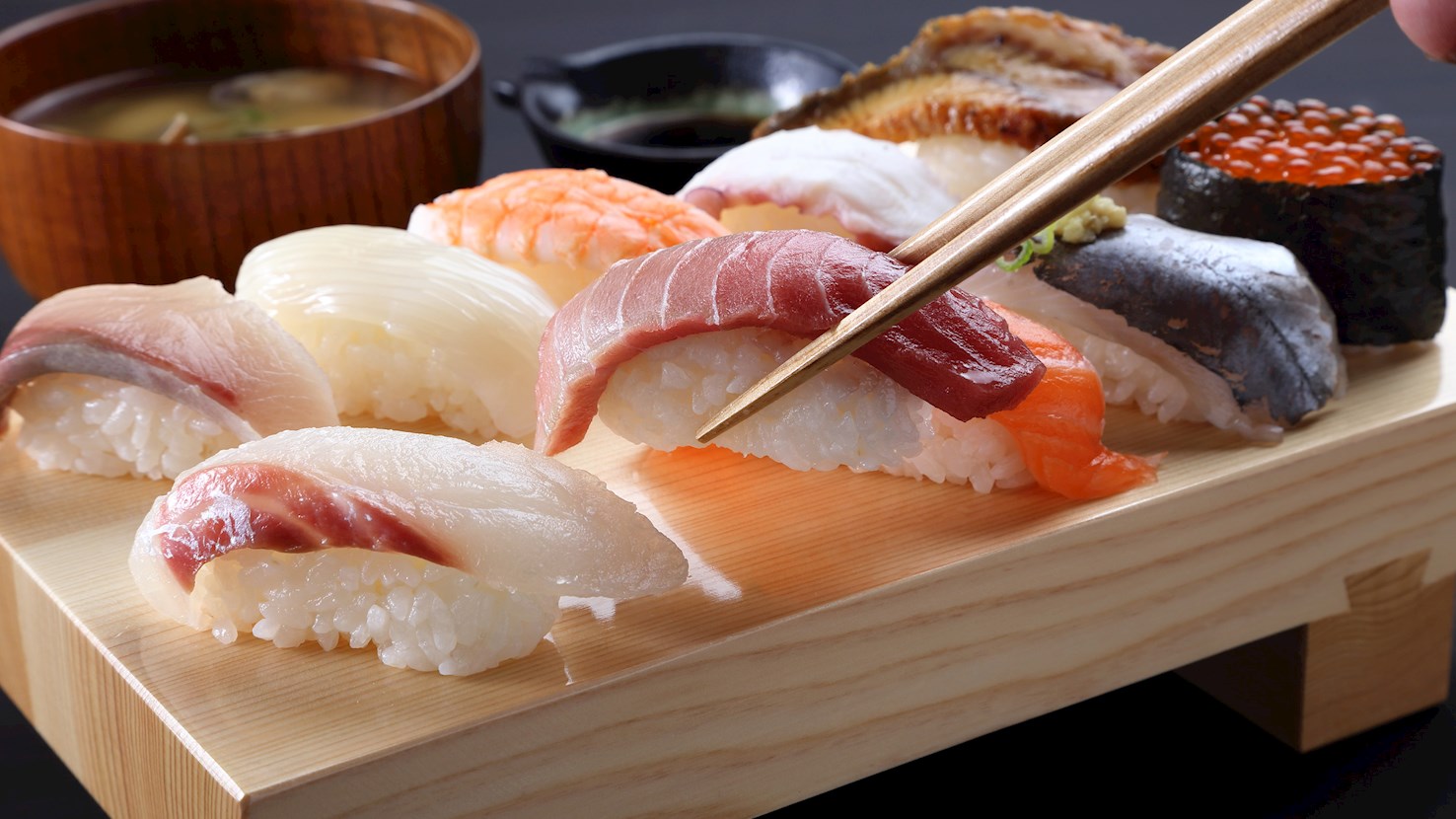
Sushi is Japan's most famous culinary representative, typically made with rice and fillings which have been rolled inside a sheet of dry seaweed. However, the term sushi is actually an umbrella term covering a wide range of subvarieties which can be made with a myriad of different ingredients and in as many forms and presentations. Although the dish has become wrongly synonymous with raw fish, the primary ingredient of every type of sushi is only vinegared rice. Originally, sushi was only a method of preserving fish - first developed in Southeast Asia, but it reached Japan in the 8th century. Over time, the dish slowly transformed. Rice was no longer fermented but vinegared and eaten together with fish, and by the 19th century, sushi as we know it today was invented. Besides rice, which can be white or brown, other ingredients include seafood, meat, and vegetables that can be either raw or cooked. Termed as the original type of sushi, nigirizushi is prepared by draping a mound of rice with a sliced topping, frequently with some wasabi in between or on the side, while probably the most popular type of sushi known worldwide is makizushi; small, usually bite-sized cylindrical pieces most commonly wrapped in nori — a sheet of dry seaweed. Other best-known types of sushi include chirashizushi, served as a bowl of rice topped with a selection of raw ingredients; the pressed variety called oshizushi; inarizushi - deep-fried tofu sacs containing a filling; the traditional narezushi made with fermented rice; and temaki, cone-shaped pieces of seaweed filled with ingredients. Sushi can be eaten with chopsticks or fingers, and it is typically served on a platter or in a bento box with a compartment for dips (usually soy sauce). Due to the worldwide popularity of sushi, many variations of the dish developed outside of Japan.

Best restaurants
07

Miso Soup

3.9 ·

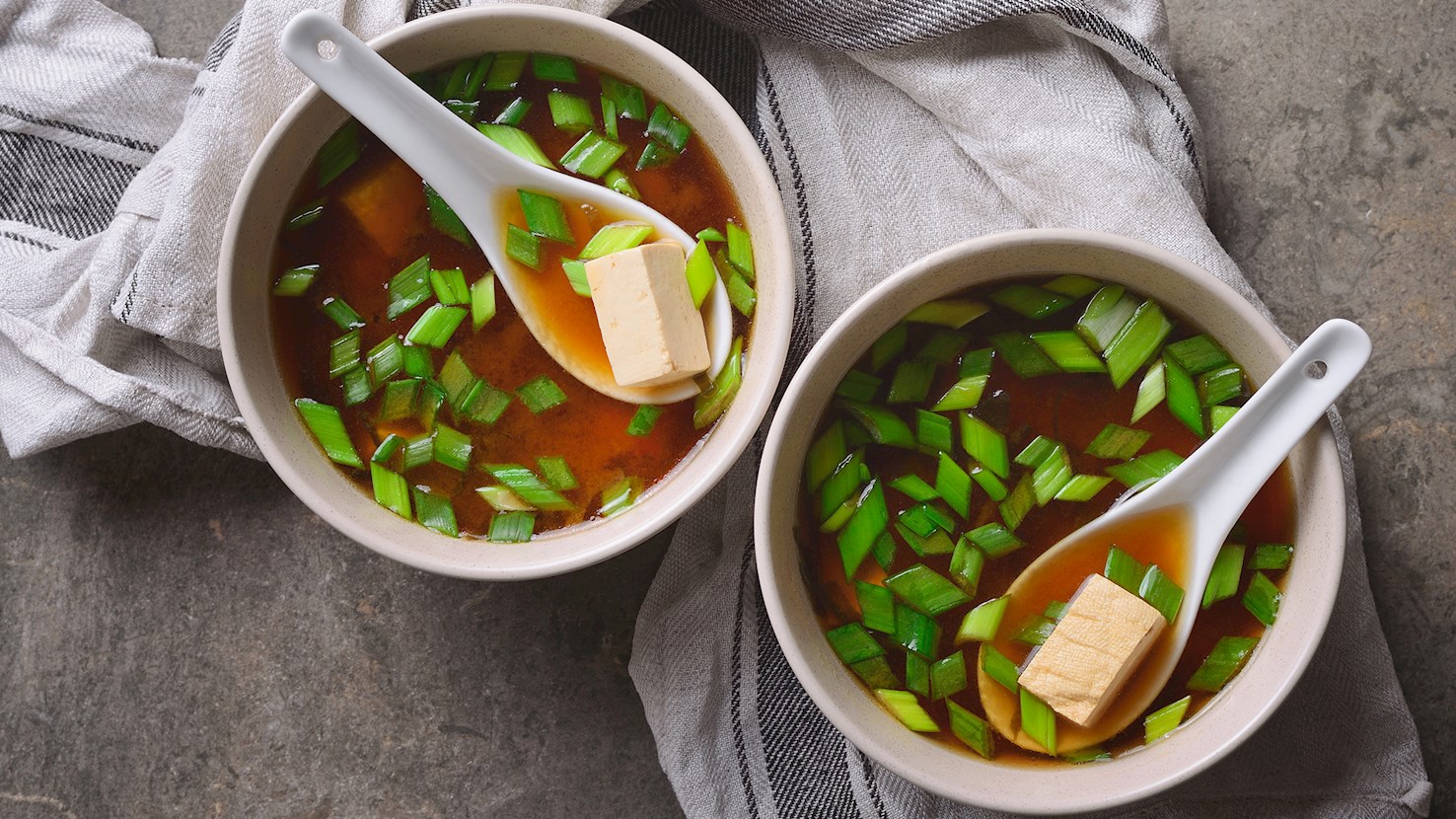
Miso soup is a traditional soy-based soup made from a stock called dashi, miso paste, and various additional ingredients such as seaweed or tofu. It is estimated that more than 70% of Japeanese people consume the soup for breakfast, although it is commonly available at any time of the day. In Japanese restaurants in the United States, miso soup is often offered as an appetizer. The soup is thought to have medicinal properties, as it alkalizes the blood and revives the nervous system. The main ingredient is called miso - a combination of rice, salt, water, and fermented soybeans, shaped into a paste that is similar to peanut butter in texture. Miso is centuries old, and its roots are in chiang - a fermented soybean paste invented in China by Buddhist priests more than 2500 years ago. Since miso soup is relatively quick and easy to prepare, in Japan, there are even instant cups of the soup available in vending machines for a small amount of money, acting as a testament to the soup's enormous popularity.

Best restaurants
08

Nigiri

4.3 ·

Nigiri or nigirizushi is a special kind of hand-pressed sushi where the meat is sliced and pressed on top of sushi rice. It was developed in Tokyo (then called Edo) during the 1800s. Sometimes, nori seaweed is used to wrap the whole concoction and keep it together. The topping is usually seafood such as shrimp, tuna, haddock, or eel, and it should always be fresh and of the highest quality. Traditionally, nigirizushi is paired with shiso leaves, wasabi, soy sauce, or pickled ginger. It is sometimes garnished with daikon and salted seaweed. The dish is traditionally eaten by hand, in a single bite.

Best restaurants
09

Tempura

4.2 ·

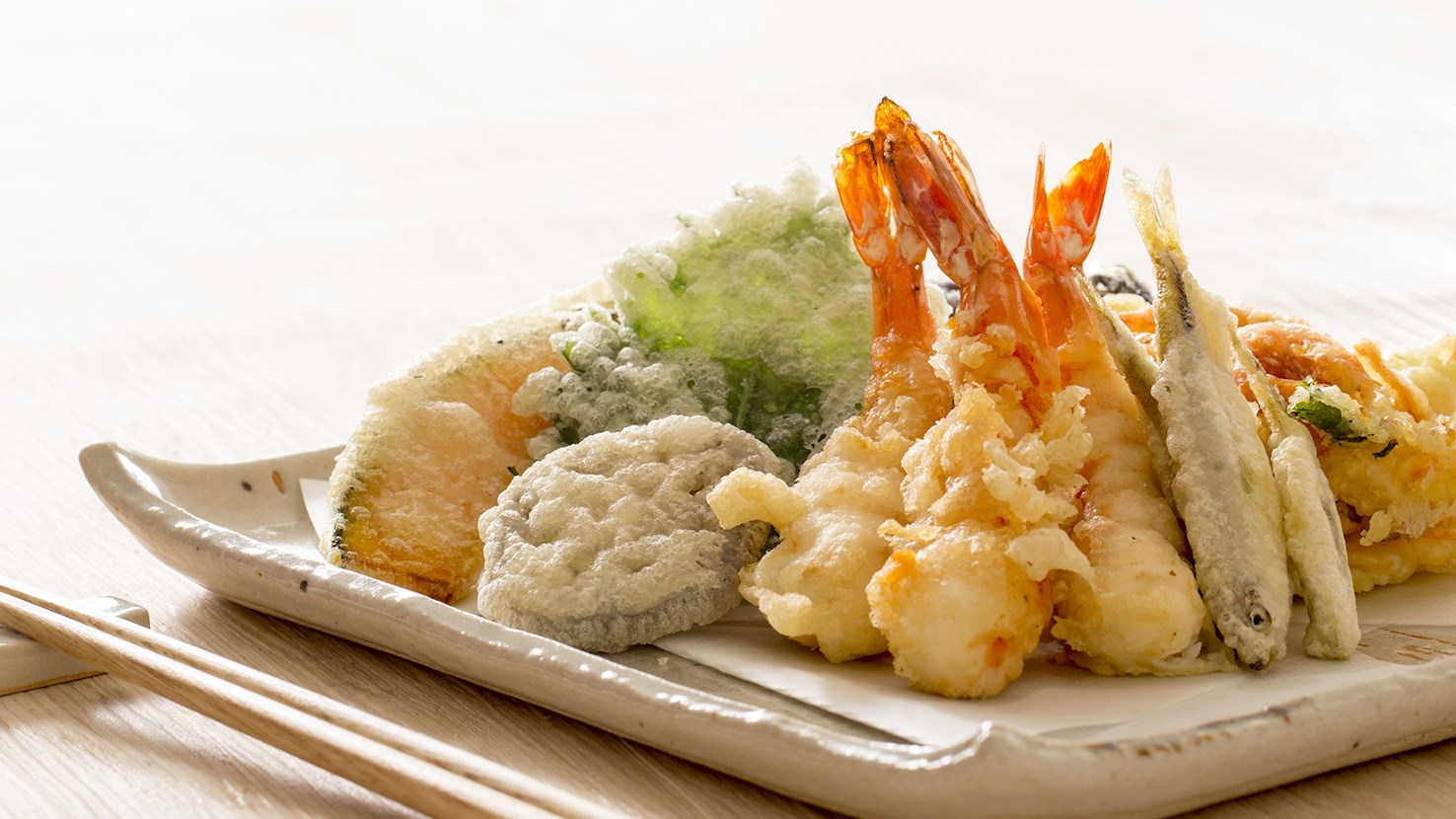
Although tempura is battered and deep-fried, the Japanese approach to food, characterized by clean flavors, simplicity, and minimalistic approach to ingredients remains intact. The most favorable ingredients for the dish include shrimp, scallops, squid, and small crabs, or vegetables such as shiitake mushrooms, asparagus, Japanese eggplant, and snow peas. The batter is the most crucial part of tempura, consisting of flour, eggs, and water, keeping the ingredients moist and flavorful. Even though the dish is very simple, it has quite murky origins. The most popular theory says that the Jesuit missionaries who came to Japan from Portugal in the 16th century were the most probable inspiration for the dish, consuming vegetable and seafood fritters on ember days (days on which no meat was allowed to be consumed). Another theory says that battered and deep-fried food was introduced to Japan by the Chinese, initially embraced by Zen priests who wanted to make their vegetarian diet more flavorful. Regardless of the origins of tempura, it remains an iconic dish that is served in a wide variety of ways: on its own, over rice, accompanied by tentsuyu or soy sauce, or even as a filling in sushi rolls.

Best restaurants
10

Chawanmushi

4.1 ·

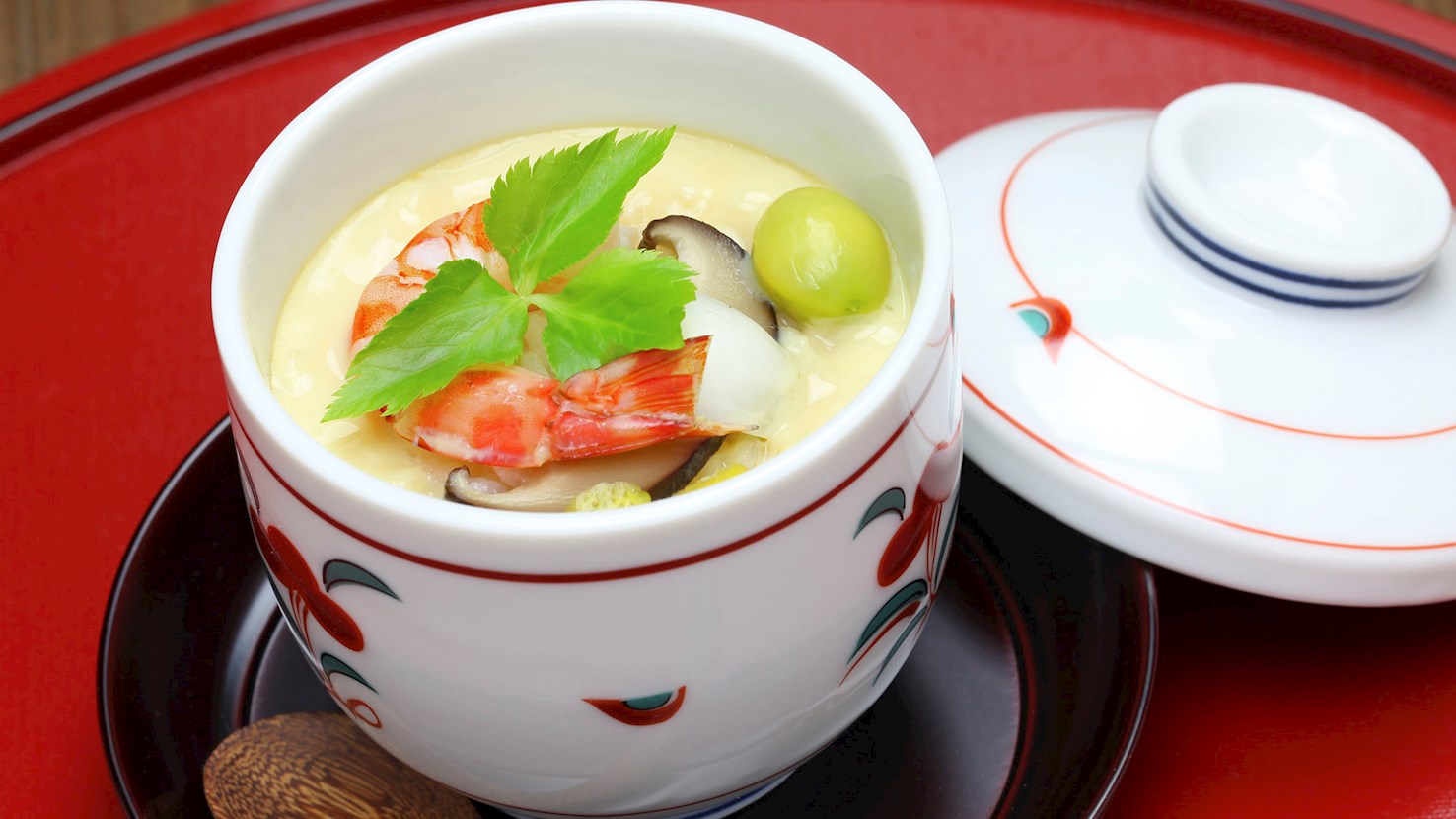
Chawanmushi is a delicate custard-soup, its name meaning steamed in a tea cup. Each portion of the dish is ideally served in a small, lidded cup, either as an appetizer or as a part of a bigger meal. The custard usually consists of an egg mixture that can be flavored with numerous ingredients such as dashi (Japanese stock), soy sauce, mushrooms, tofu, ginko nut, or steamed shrimp. It is believed that the dish originated in Kyoto and Osaka during the Kansei period, later spreading to Edo and Nagasaki. Chawanmushi can be served hot, warm, or cold, and can be garnished with carrot shavings, Japanese parsley, or even more seafood. Since it cannot be eaten with chopsticks, it is one of the few Japanese dishes that are traditionally consumed with a spoon.

Best restaurants
11

Senbei

3.8 ·
12

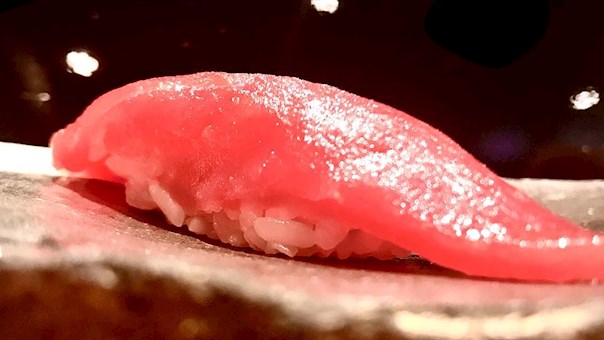
Maguro nigiri sushi

4.4 ·
13

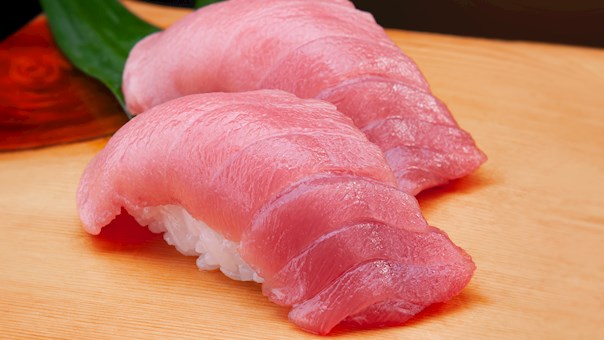
Otoro nigiri sushi

4.6 ·
About this ranking

TasteAtlas food rankings are based on the ratings of the TasteAtlas audience, with a series of mechanisms that recognize real users and that ignore bot, nationalist or local patriotic ratings, and give additional value to the ratings of users that the system recognizes as knowledgeable. For the “13 Traditional Foods You Have To Try in Sapporo” list until May 22, 2026, 547 ratings were recorded, of which 483 were recognized by the system as legitimate. TasteAtlas Rankings should not be seen as the final global conclusion about food. Their purpose is to promote excellent local foods, instill pride in traditional dishes, and arouse curiosity about dishes you haven’t tried.

Similar lists