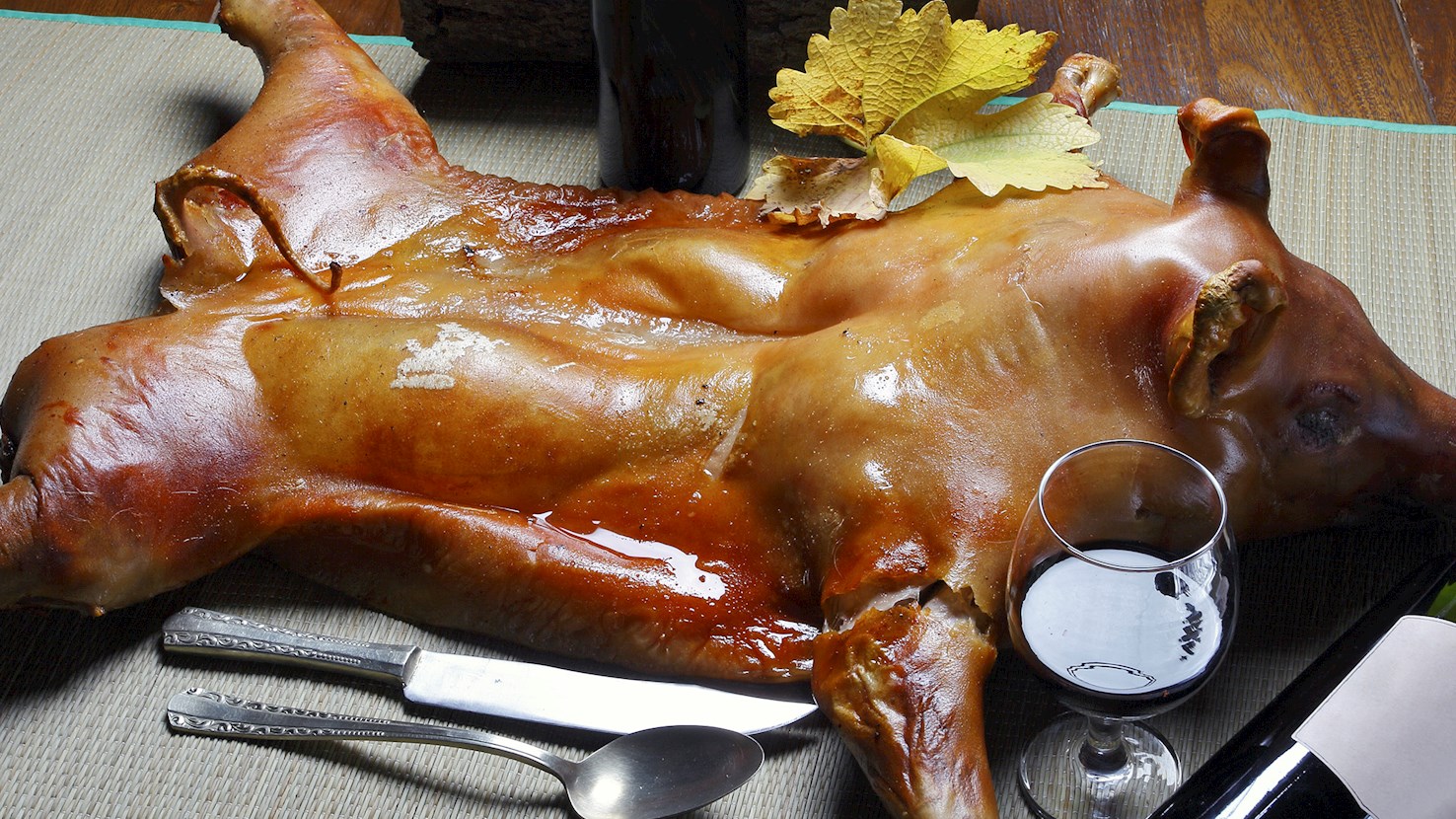
Cochinillo is a whole roasted suckling pig characterized by its extraordinarily tender, milk-fed meat and shatteringly crisp, glass-like skin. The core requirement for this roast is a highly specific main ingredient: a piglet no more than three weeks old, weighing between four and five kilograms, having consumed nothing but its mother's milk. This strict diet ensures a delicate texture and prevents any tough muscle fibers from developing. The cooking begins by flattening the animal completely, bone-side down, inside a wide terracotta dish. Water is poured directly into the bottom of the vessel to maintain a steady steam level, ensuring the meat remains incredibly moist during the prolonged heat exposure. The skin is pricked or scored, then rubbed aggressively with coarse salt, which draws out moisture and forms a blistering crust. The entire roasting dish is then placed inside a scorching, dome-shaped wood-fired oven for several hours until the underlying fat renders completely, leaving the exterior paper-thin and fragile. However, some rural areas coat the interior cavity in a heavy paste of crushed garlic, parsley, and olive oil prior to baking. This method of slow-roasting young livestock in large clay ovens traces its origins deep into the Roman Empire, eventually finding its permanent epicenter in the central Iberian Peninsula, particularly in and around the city of Segovia. Centuries of agricultural practices in these high-altitude plains perfected the use of oak-wood fires and specific clay cookware designed to absorb and distribute heat evenly. When the roast is pulled from the flames, it is presented whole on a large platter. Because the flesh is profoundly soft and the crust brittle, separating the portions requires no sharp knives or metal utensils. Instead, the entire animal is famously carved using the blunt edge of a standard ceramic dining plate, pressing down firmly to crack through the ribs and separate the joints. This dramatic presentation frequently concludes with the individual carving the meat, deliberately smashing the plate onto the floor.
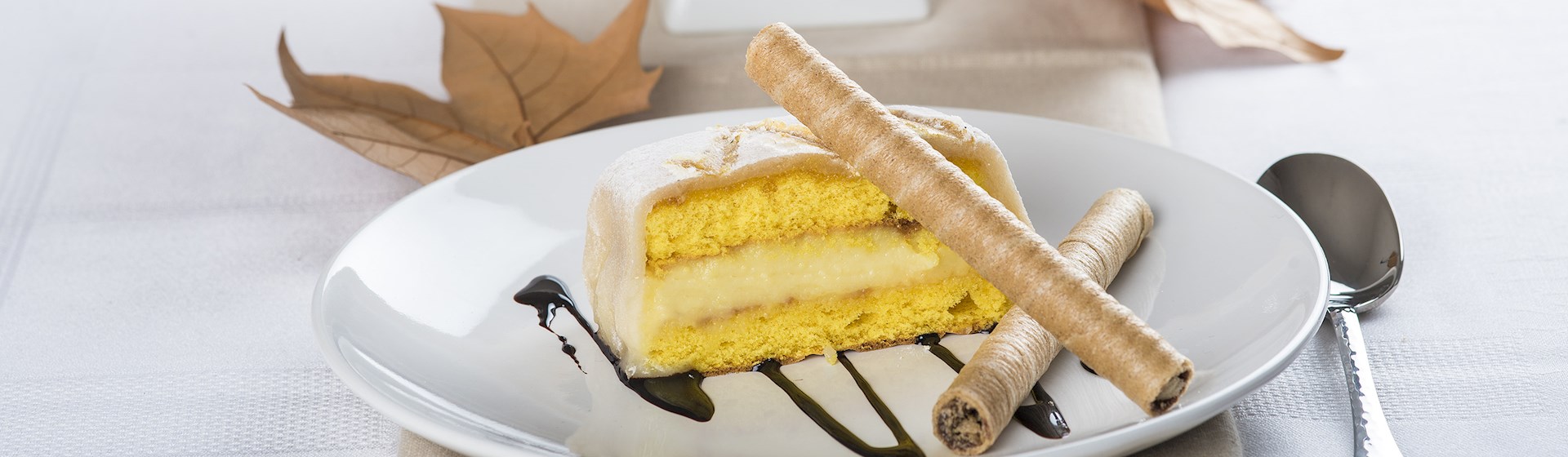
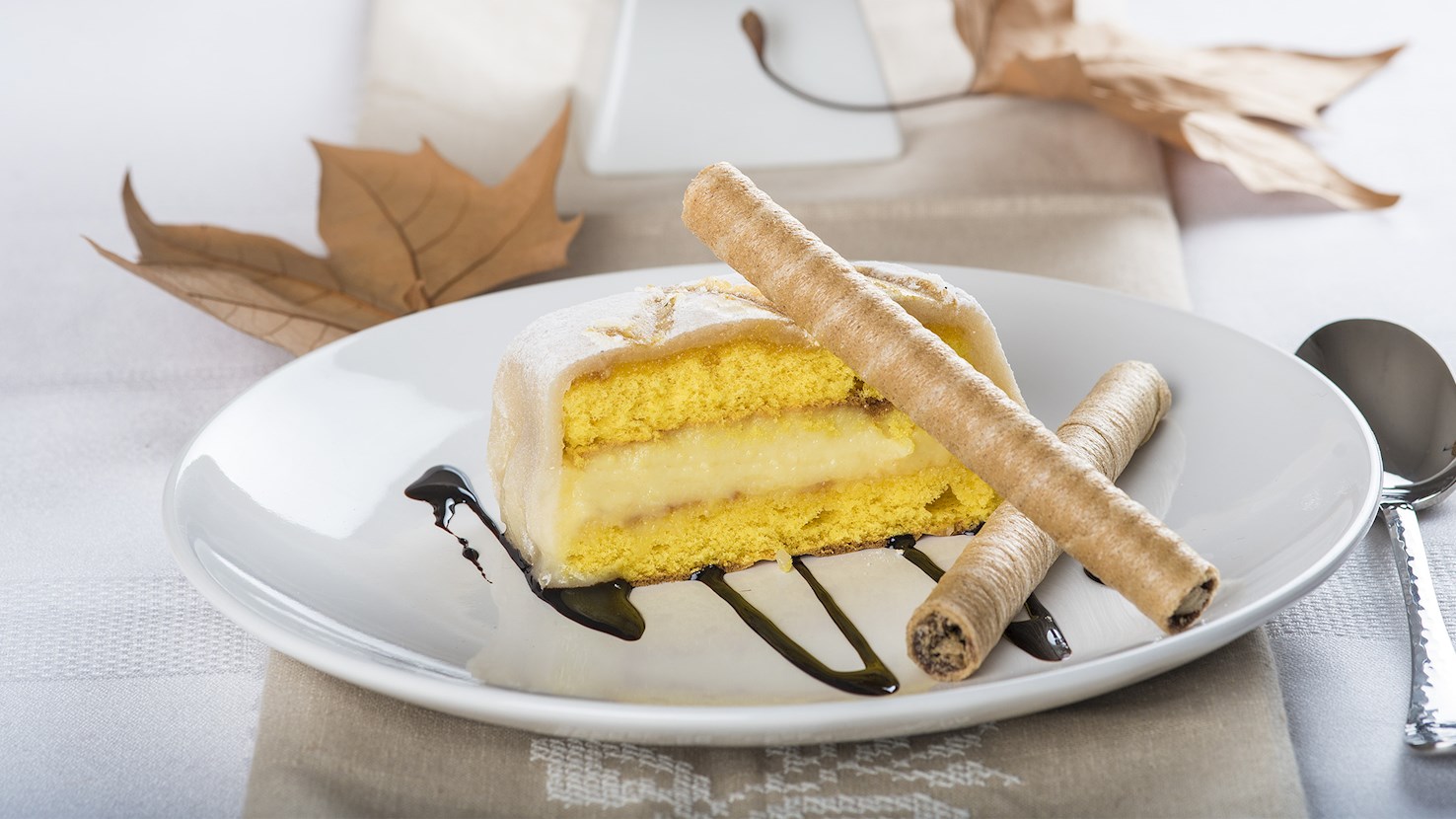
Ponche Segoviano is a traditional cake originating from Segovia. This layer cake looks like a big rectangle of custard and marzipan that are topped with caramelized sugar which is decorated with a criss-cross design. The recipe of the original cake is a patent-protected secret, but it's probably made with a combination of eggs, sugar, milk, flour, lemon peel, cinnamon, and almonds. The cake was invented in 1926 by a confectioner named Frutos García Martín at the El Alcázar cafe. It soon became popular in the town, and King Alfonso XIII (who loved the ponche) told the inventor to take the cake to the Universal Exhibition in Barcelona, where it won the gold medal in 1929.
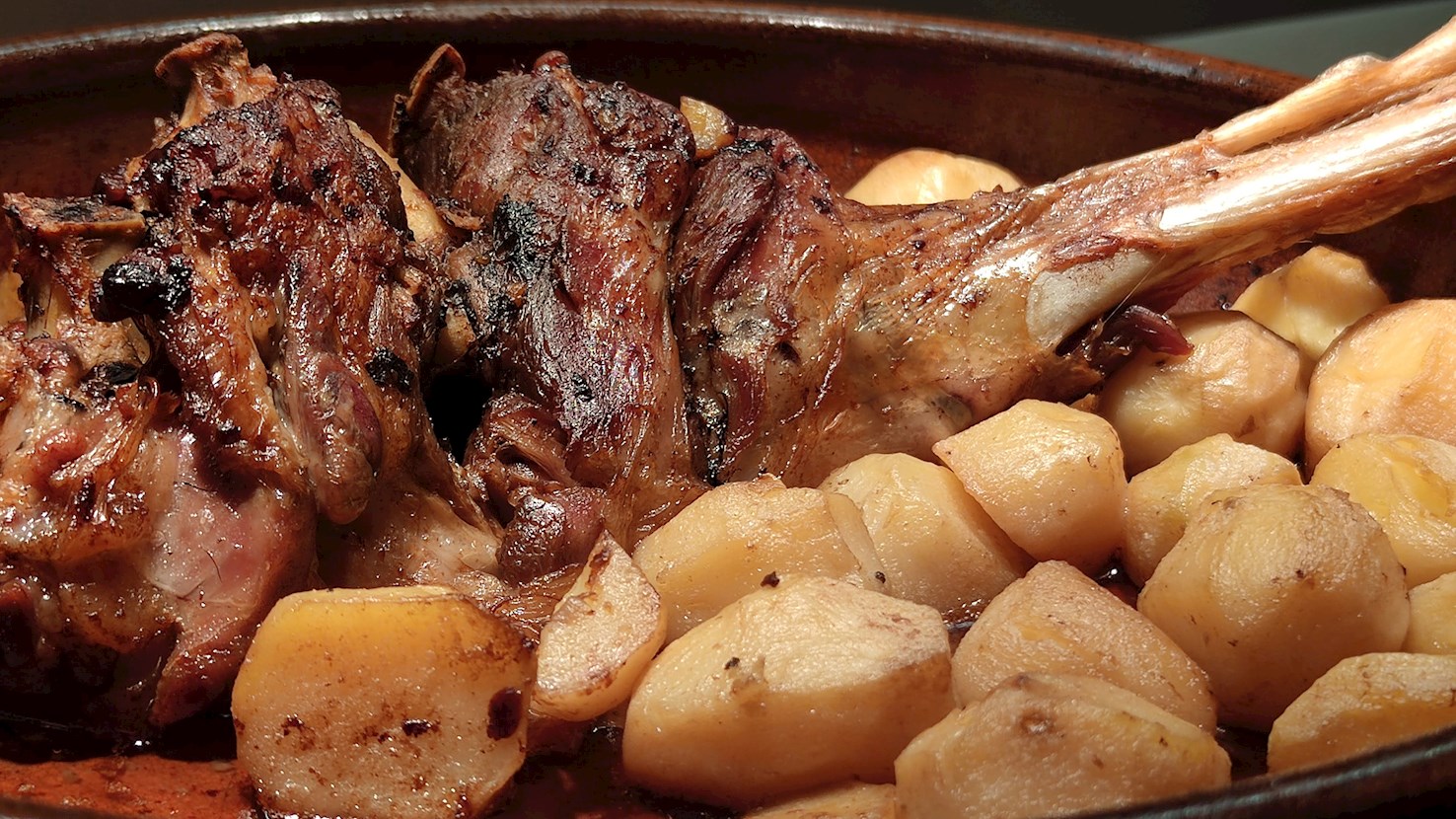
Lechazo is a roasted, unweaned milk-fed lamb prized for its exceptionally tender meat and crackling, brittle skin. The foundation of this meal relies heavily on strict criteria regarding the animal itself; the lamb must be under thirty-five days old, weigh between nine and twelve kilograms, and have consumed absolutely nothing but maternal milk. This diet guarantees a mild flavor and prevents the development of tough muscle fibers. The origins of roasting such young livestock stretch back to the Celtic and Roman eras across the high-altitude plains of the Iberian Peninsula, specifically within the Duero basin. Shepherds navigating the harsh climate relied heavily on massive flocks of sheep, and using dome-shaped clay ovens fueled by local oak branches became the most efficient way to turn young lambs into a robust source of calories. Prepping the meat involves splitting the animal lengthwise down the spine into quarters. These pieces are arranged bone-side down inside wide terracotta earthenware vessels. A small amount of water is poured directly into the bottom of the container to generate continuous steam, keeping the flesh moist, while the exterior skin is vigorously rubbed with coarse salt and occasionally a thin layer of pork lard. The clay pot sits inside a scorching wood-fired oven for a couple of hours. As it roasts, the internal fat renders completely, bathing the meat in its own juices until the outer layer transforms into a golden, blistered crust. While the minimalist approach, using only salt, water, and heat, defines the baseline in Castile and León, regional variations actively alter the flavor profile. Certain recipes add crushed garlic, fresh parsley, and a generous splash of white wine or lemon juice to the roasting pan to baste the meat. Additionally, thick slices of potato are frequently layered beneath the quarters to absorb the rendered fat as the lamb bakes. When pulled from the flames, the hot terracotta vessel is carried straight to the dining table. Because the meat achieves an incredibly soft texture, it separates from the bone effortlessly, requiring no specialized carving knives to dismantle. Slices of crusty bread and a simple side salad of crisp lettuce and white onions, dressed lightly with oil and vinegar, almost always accompany the warm meat, providing a sharp, acidic contrast to the rich, heavy fat.
TasteAtlas food rankings are based on the ratings of the TasteAtlas audience, with a series of mechanisms that recognize real users and that ignore bot,
nationalist or local patriotic ratings, and give additional value to the ratings of users that the system recognizes as knowledgeable.
TasteAtlas Rankings should not be seen as the final global conclusion about food. Their purpose is to promote excellent local foods,
instill pride in traditional dishes, and arouse curiosity about dishes you haven’t tried.



What People Say