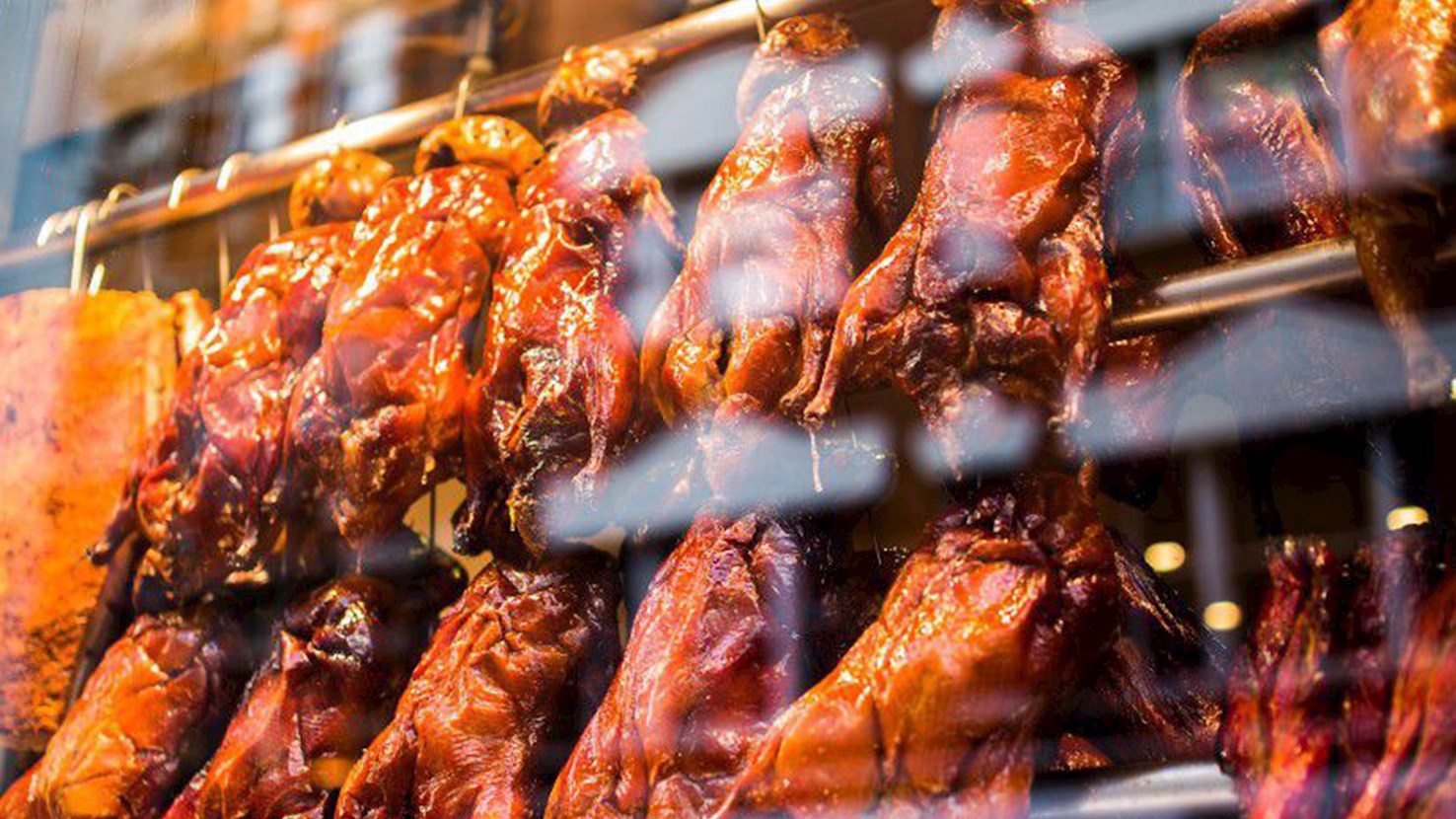
Siu mei refers to a style of Chinese cuisine that is primarily characterized by roasting meat on spits over an open fire or in a rotisserie oven. Originating from Guangdong province, this culinary tradition is particularly prevalent in Hong Kong. The term siu mei translates to "roast flavor" in Cantonese. Some of the most prominent and beloved examples of siu mei include char siu, siu yuk, soy sauce chicken, and white cut chicken. These dishes are typically served with rice and vegetables and sometimes with noodles. Siu mei meats are often displayed hanging in restaurant windows, a characteristic sight in Chinese eateries that specialize in this style of cooking. The visual display is not only appetizing but also allows customers to select their preferred cuts of meat. Siu mei is enjoyed by people all over the world, wherever there are Chinese communities, and it is celebrated for its rich flavors, varied textures, and the mastery required for its preparation.
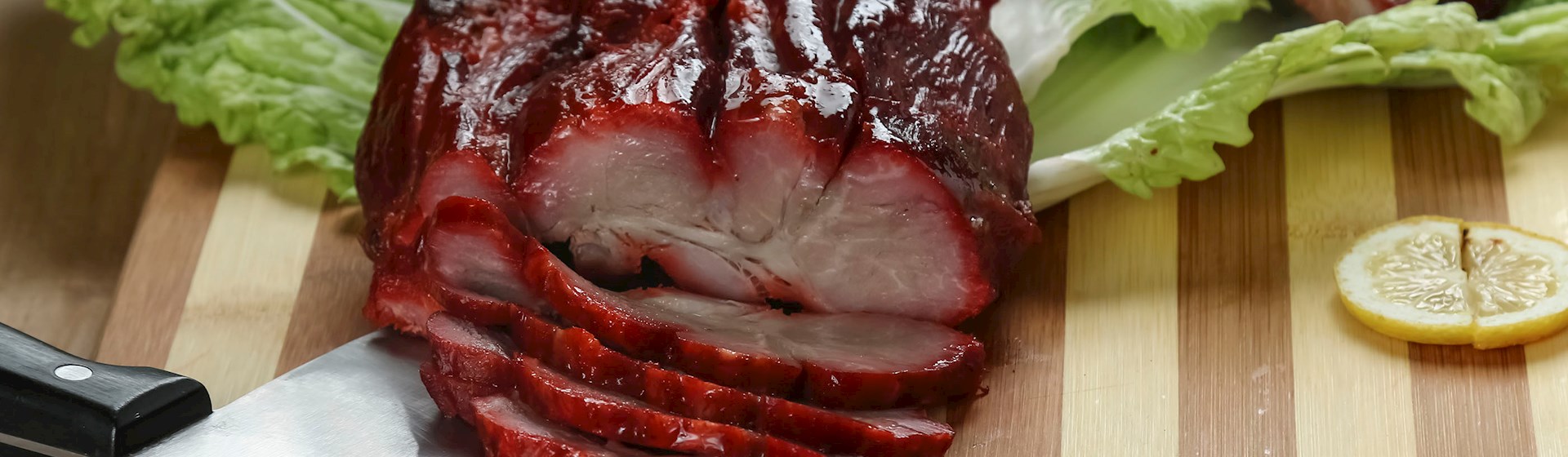
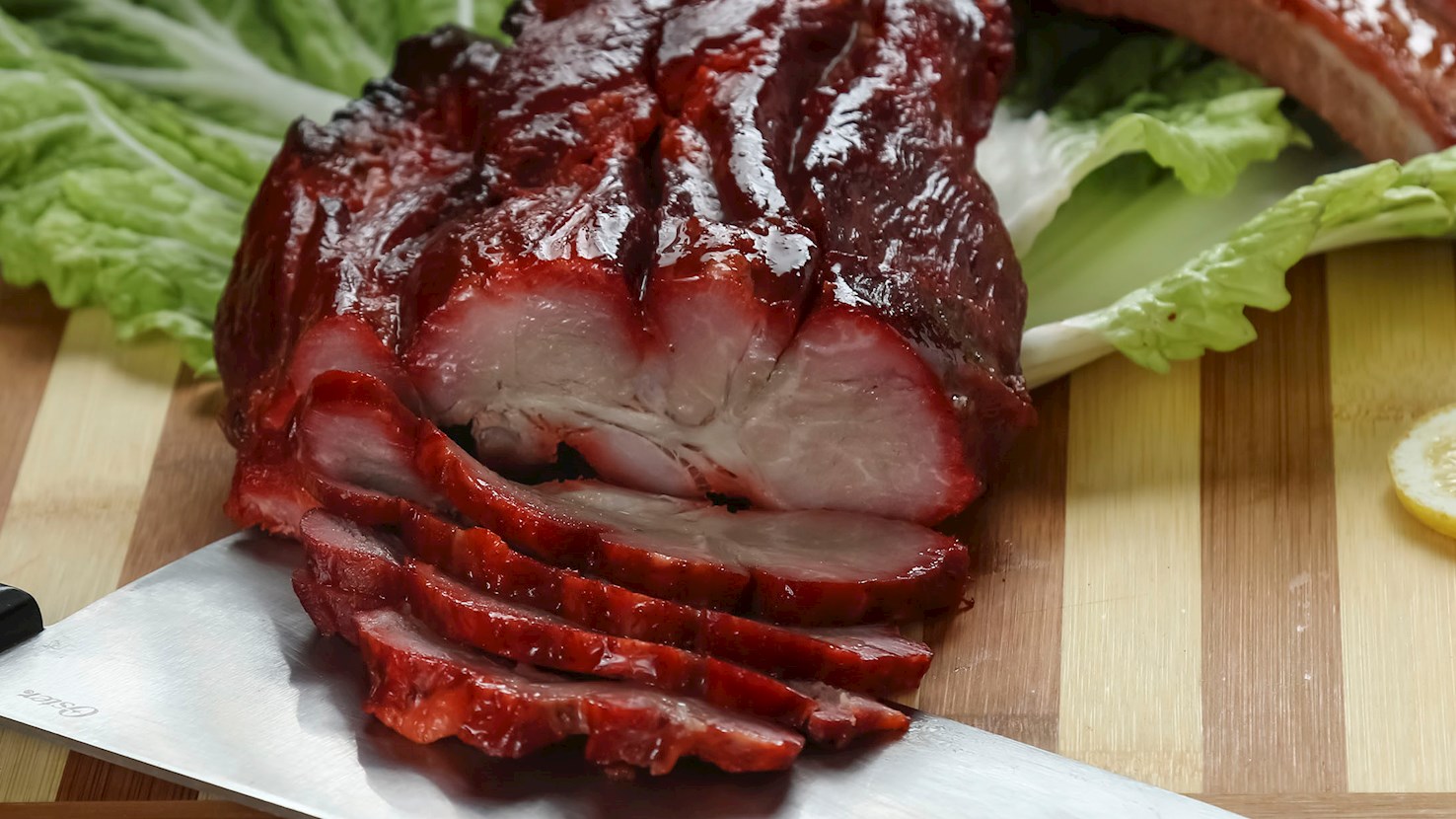
Char siu is a dish consisting of roasted, barbecued pork that has previously been marinated in the eponymous sauce, including ingredients such as soy sauce, hoisin sauce, rice wine, and star anise. The pork is usually served either as a sliced appetizer or shredded and chopped as a main meal. In the early days of char siu, any available meats, such as wild boars and pigs were used to make the dish. The name char siu is literally translated to fork-roasted, referring to the original method of preparation in which the meat is placed on an elongated fork and roasted over an open fire that caramelizes the sugars found in the marinade. One of the most popular ways to use the meat is to serve it in steamed buns called char siu bao. As a proof of char siu's popularity, it was listed as the 28th among the World's 50 Most Delicious Foods in a poll compiled by CNN Go in 2011.
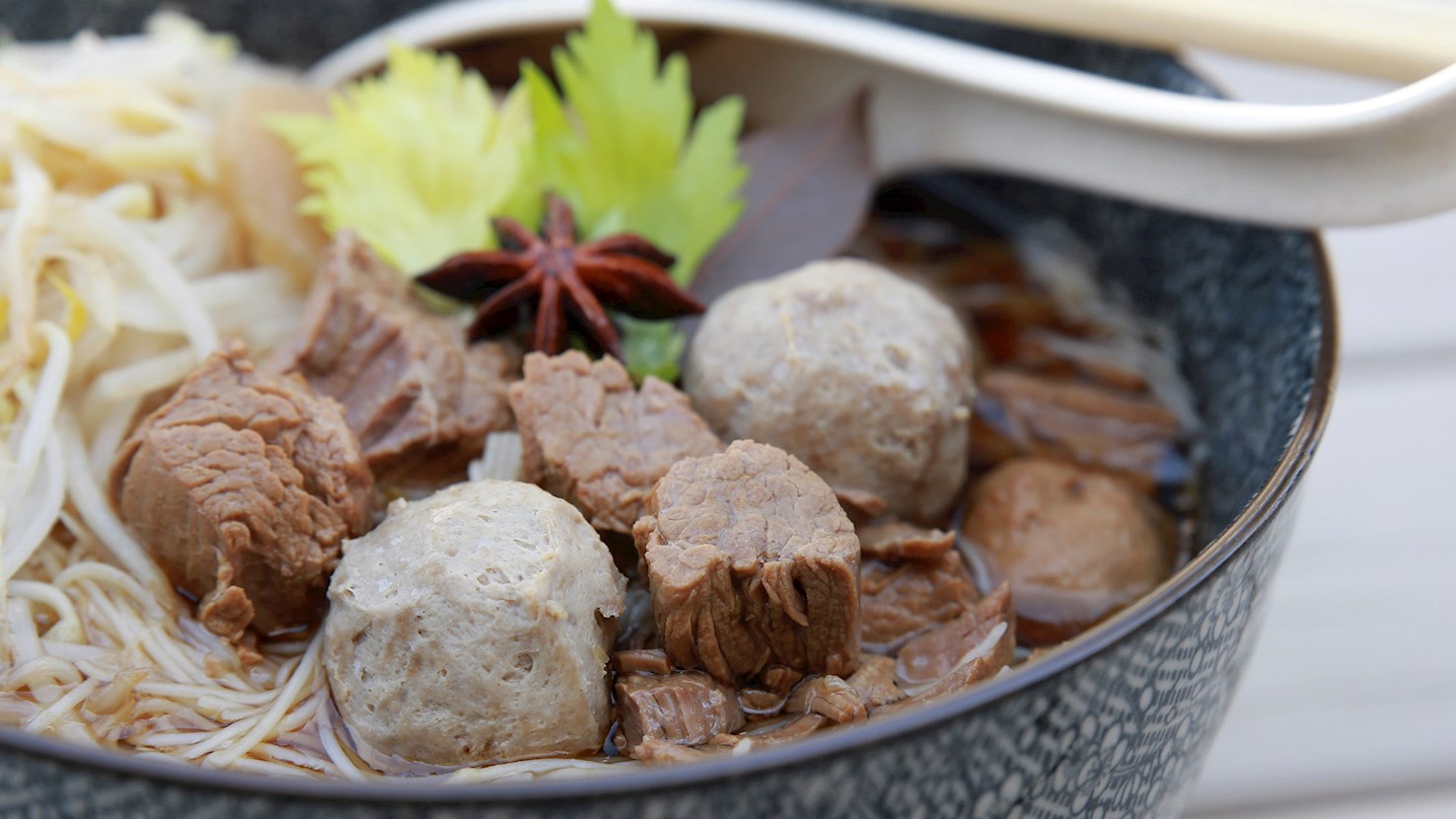
Niúwán are beef balls from the Chaoshan (Teochew), renowned for their extraordinary, almost rubbery elasticity and exceptionally juicy, savory interior. Unlike Western meatballs, which are typically made from minced or ground meat gently bound with breadcrumbs and egg, making niúwán is an intense physical endeavor that relies on bludgeoning rather than grinding. Traditionally, skilled artisans take large, lean cuts of beef—often from the leg or round—and relentlessly pound them on a heavy wooden block using two heavy, squared iron rods until the meat is pulverized into a smooth, highly elastic paste. This vigorous, rhythmic beating, which can take hours, is crucial because it stretches and aligns the muscle proteins without severing the long fibers, creating the signature "Q-texture"—a regional culinary term for the perfect, toothsome bounce. During this laborious process, ice water or crushed ice is carefully folded into the meat paste to prevent the friction heat from prematurely melting the beef fat, ensuring the final product remains cohesive and succulent, while seasonings like salt, white pepper, garlic, and sometimes toasted dried flounder powder are added for a deep, lingering umami finish. Once the paste reaches the perfect glossy consistency, it is squeezed by hand into uniform spheres and gently poached in warm, rather than rapidly boiling, water to set their shape and preserve their delicate internal moisture. Often served swimming in a clear, rich beef bone broth alongside slippery rice noodles, a scattering of fresh cilantro or Chinese celery, and a vital dipping side of savory, pungent Shacha sauce, niúwán is famously immortalized in Hong Kong cinema as meatballs so remarkably springy they could be used as ping-pong balls. In Hong Kong, the beef balls are paired with wonton noodles rather than rice.
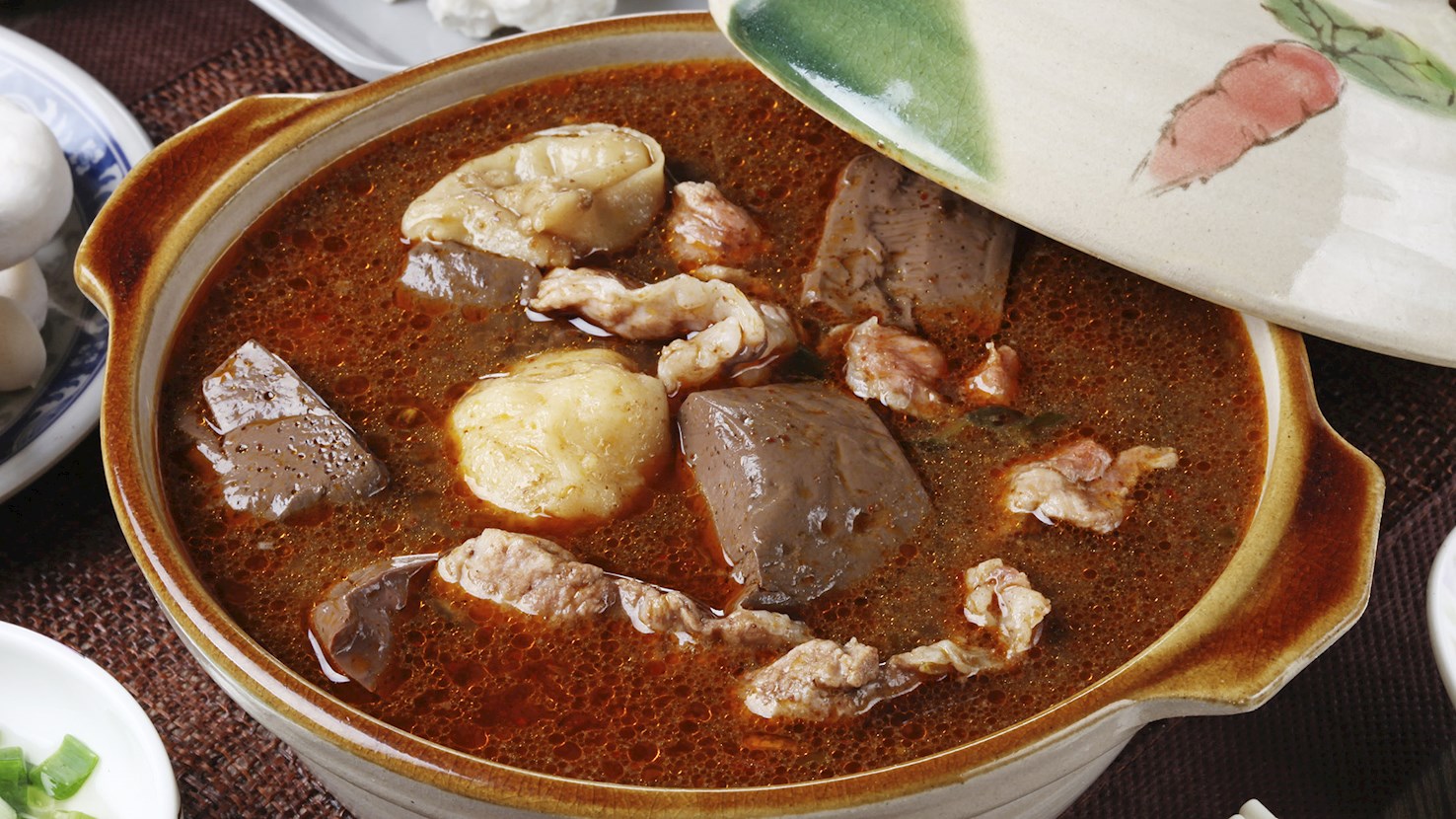
Sichuan hotpot is a numbingly hot and spicy dish made by poaching raw ingredients in a pot of boiling broth. The ingredients might include sliced meat, offal, seafood, vegetables, noodles, and most importantly, Sichuan peppercorns. Consuming hotpot is a communal affair, so people usually gather around the pot while socializing and adding the ingredients into it. As its name suggests, the dish was invented in Sichuan at the beginning of the 20th century. Originally, fisherman and port workers from the region could not afford regular cuts of meat, so they used offal, which was cooked in a spicy broth in order to disguise its pungent aromas. Over time, the dish evolved and became extremely popular throughout China and in the United States of America, due to the addition of fragrant spices and other flavorful ingredients such as ginger, garlic, cinnamon, and Sichuan bean paste. Although the dish is consumed throughout the year, it is most popular during winter because it warms the body and improves circulation.
TasteAtlas food rankings are based on the ratings of the TasteAtlas audience, with a series of mechanisms that recognize real users and that ignore bot,
nationalist or local patriotic ratings, and give additional value to the ratings of users that the system recognizes as knowledgeable.
TasteAtlas Rankings should not be seen as the final global conclusion about food. Their purpose is to promote excellent local foods,
instill pride in traditional dishes, and arouse curiosity about dishes you haven’t tried.



What People Say