



Sodanie Chea CC BY 2.0

10 Traditional Foods
You Have To Try in Siem Reap

Last updated on June 17, 2026
01

Amok trey (Steamed curried fish)

3.8 ·

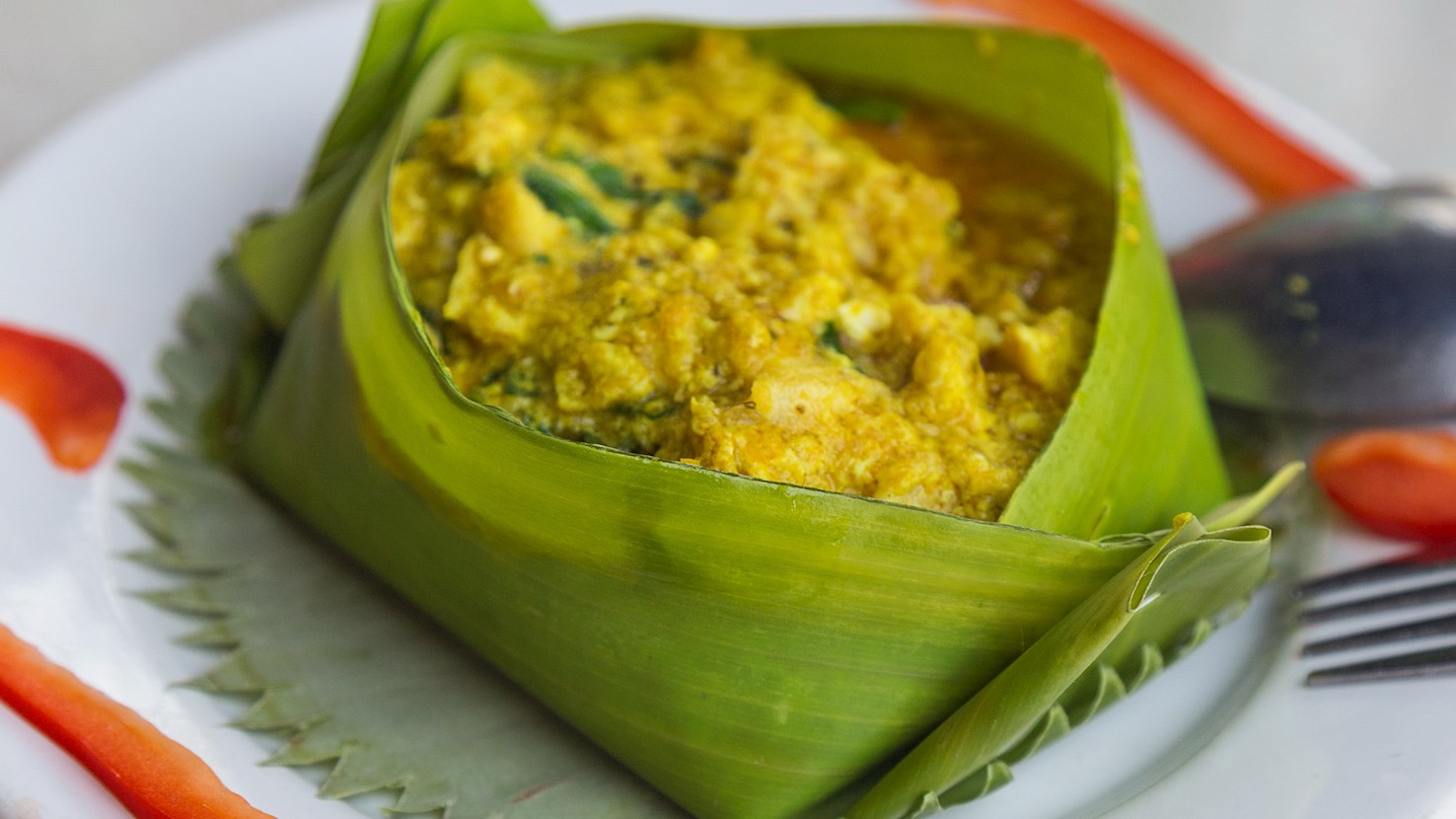
Amok trey is Cambodia's national dish, a fragrant and spicy coconut fish curry that is tenderly steamed in banana leaves, although chicken, tofu, and snails can also be used as a substitute for the main protein. The flavour of the dish is reminiscent of a mild Thai red curry. Usually served in coconut shells, amok trey is the main dish of the Water Festival in Cambodia, celebrating the change of Tonle Sap River's flow, and is a way to thank the Mekong River for providing Cambodia with abundant fish and fertile land. The fish is soaked in a rich curry paste and placed in little steamer cups made from banana leaves, imparting their specific flavor to the dish. The cups are steamed over boiling water, with the aromas of sweet coconut, galangal, and turmeric filling the air. After the dish is done, some coconut cream is usually spooned on top, and the whole thing is garnished with sliced chilies or noni leaf. Jasmine rice makes a great accompaniment to this fragrant and savory dish.

02

Samlar machu

n/a ·

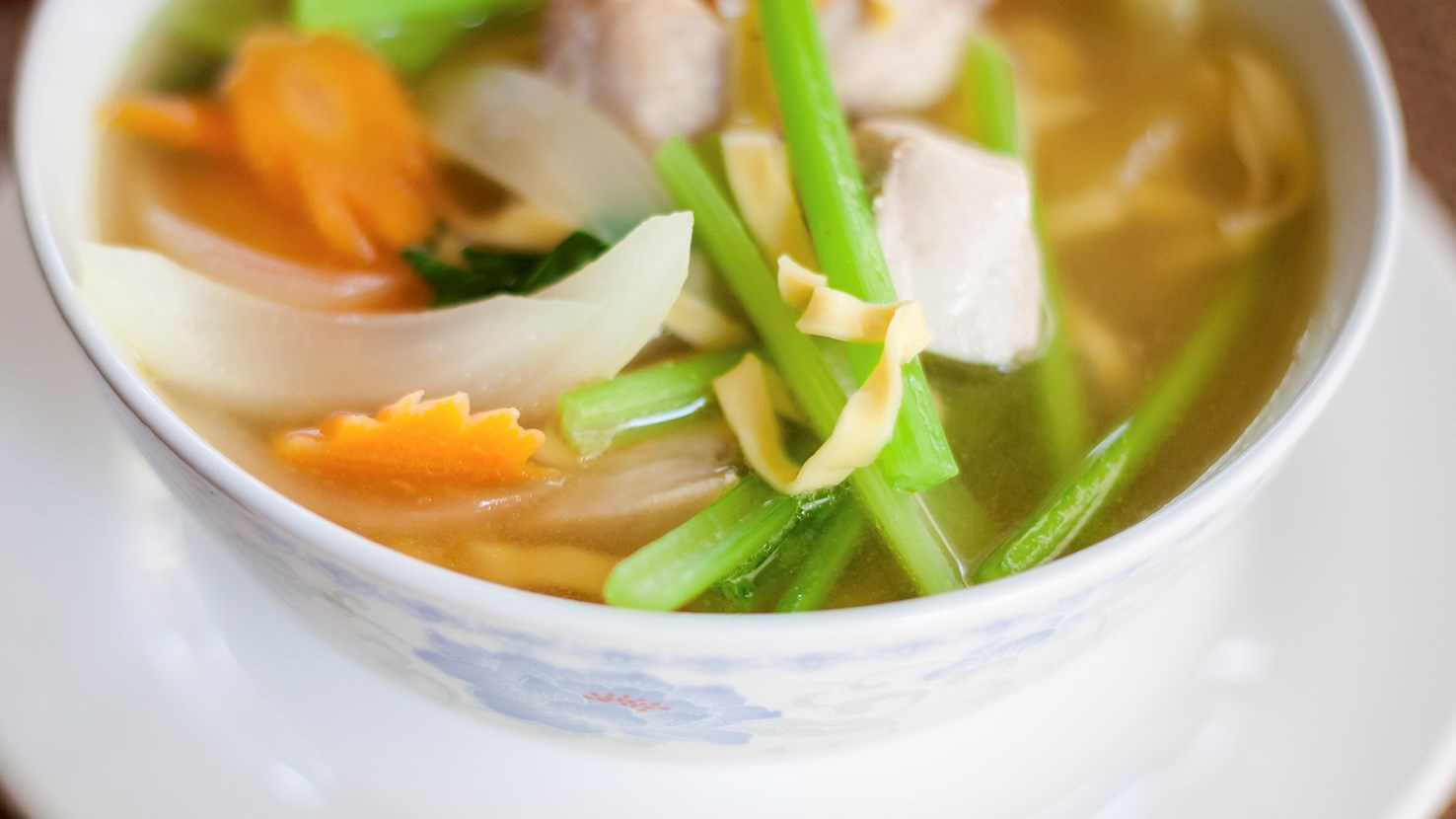
Samlar machu, meaning sour soup in Khmer, is a traditional dish made with meat, fish, or seafood and vegetables cooked in a sour broth base. The soup usually contains seasonal local vegetables and herbs such as Cambodian water spinach, shallots, scallions, tomatoes, kaffir lime leaves, slek kantrop, hot basil, cilantro, and lemongrass. There’s also a version that calls for pineapples. Other key ingredients in this dish are minced prohok, a fermented fish sauce, and Cambodian kroeung, a type of curry, while the typical souring agents include krasaing fruit seeds, tamarind, or kaffir lime juice. Samlar machu is usually flavored with fish sauce, fried garlic, and chilis, and it is commonly eaten with jasmine rice for lunch. In Cambodia, the variations on this sour soup are limitless, and various vegetables and herbs can be used in its preparartion, depending on the region and the seasons.

03

Samlar kari

n/a ·

Samlar kari is a traditional chicken curry consisting of pieces of chicken in a silky-smooth coconut sauce that is typically flavored with Cambodian kroeung paste, shrimp paste, fish sauce, and palm sugar. This soupy curry derives its distinctive flavor and fragrance from the red kroeung paste used in it, which is a type of Cambodian curry paste made with lemongrass, turmeric, galangal, kaffir lime leaves and zest, red chilis, shallots, and garlic. The dish can optionally be enriched with vegetables such as sweet potatoes, onions, bamboo shoots, carrots, eggplants, asparagus beans, or spinach. Aromatic, fragrant, and spicy, the chicken curry is usually consumed either heaped over steamed rice or with slices of bread or noodles and a fresh vegetable salad on the side. Samlar kari is a typical, traditional preparation throughout rural Cambodia during Cambodian New Year, Pchum Ben, and other festivities and special occasions.

04

Lok lak

4.2 ·

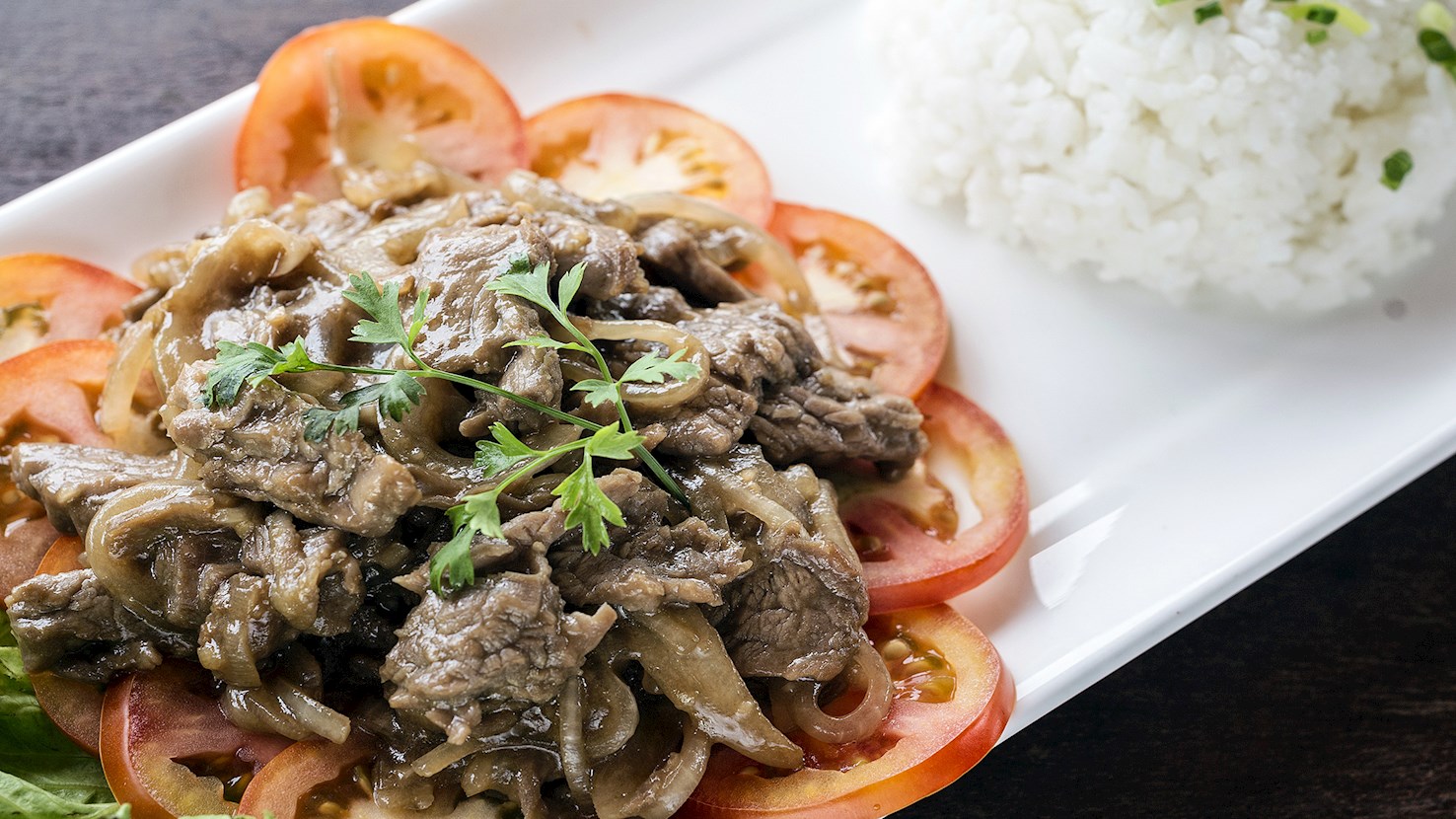
Lok lak is a Cambodian stir-fry utilizing beef, chicken, or shrimp as the key ingredients, although beef is typically the most popular option. For the beef version, a bed of lettuce leaves is traditionally topped with cucumbers, tomatoes, raw onions, and stir-fried beef along with its juices. The dish is typically consumed by pulling lettuce leaves from the bottom and adding other ingredients into it, so it is consumed similar to a wrap. Lok lak is often paired with rice on the side, and it was supposedly brought to the country by the French people from Vietnam.

05

Samlor kako

n/a ·

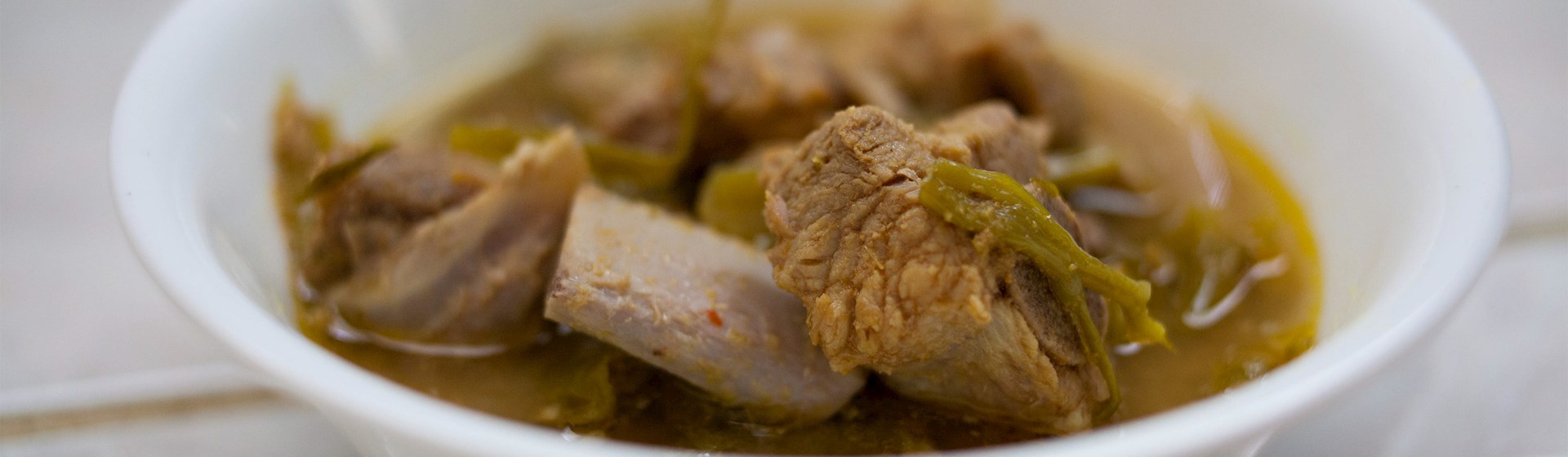
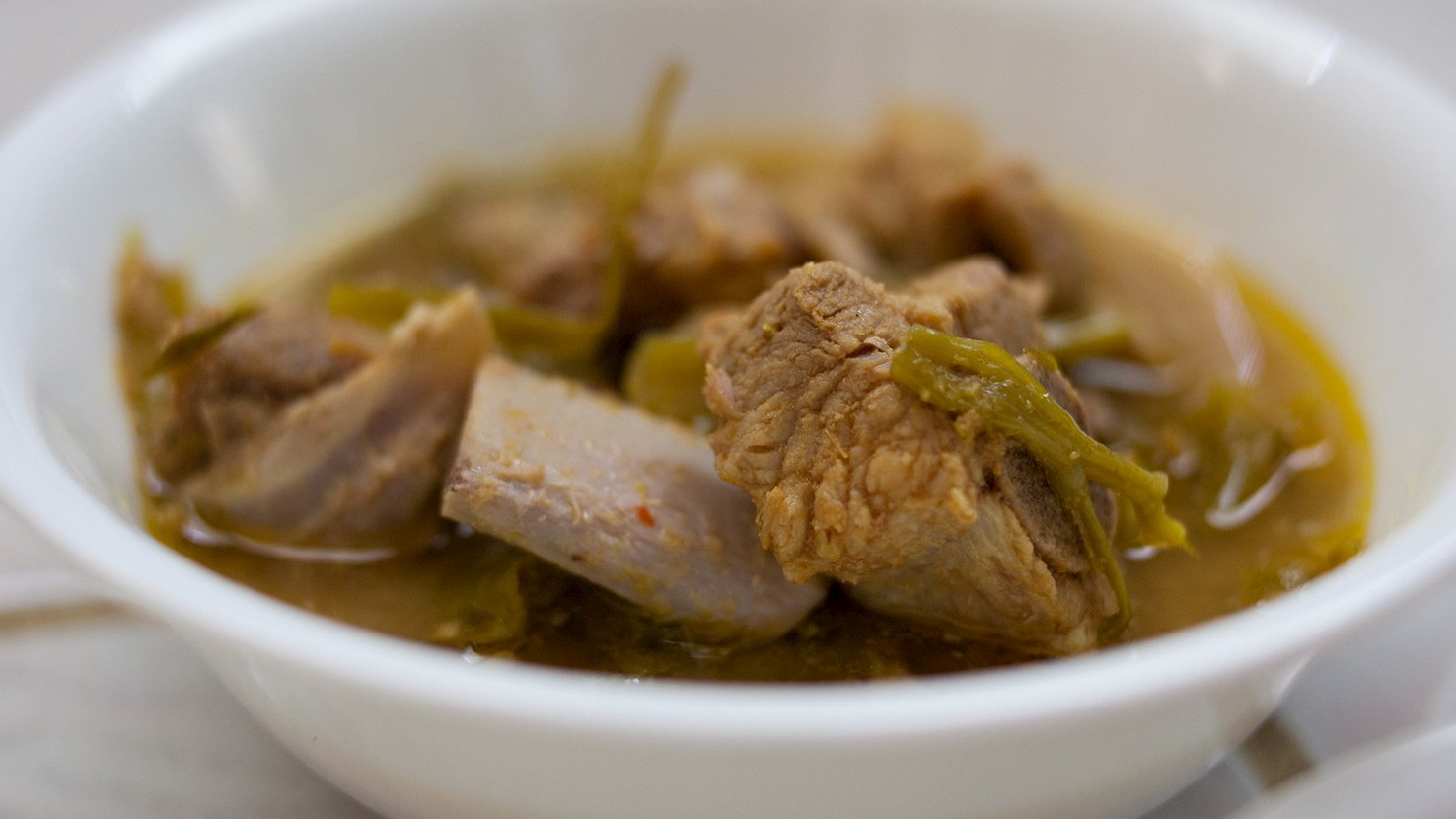
Samlor kako, also known as samlor korko is a traditional national dish, a spicy fish soup with various vegetables. In Khmer, samlor means soup, and korko means to mix or to stir, so it is a stirred, mixed soup cooked with an abundance of vegetables according to preference. Typically, pumpkin, papaya, green banana, eggplant, and long beans are used in preparing samlor korko, but any available vegetables will do. According to a local legend, the dish has been the king's favorite, and there used to be hundreds of vegetables and fruits in the popular soup. Fish meat is mixed with prohok, a fermented fish sauce, and then all the vegetables are added to the pot along with boiling water so the dish can be slowly cooked over moderate heat. Due to numerous ingredients used in the dish, it takes some time to prepare it, but the results are always worth it for the complex range of flavors the dish offers.

06

Nataing

n/a ·

Nataing is a Cambodian appetizer made with ground pork, coconut milk, garlic, shallots, and ground roasted peanuts. Chili powder gives the dish a distinctive red color and a mild spiciness, while the hint of sweetness is imparted by sugar. Sweet, savory, and spicy, nataing is often flavored with fish sauce, lime juice, or tamarind juice, and it is usually consumed as an appetizer or a dip. Crispy rice cakes, rice crusts, steamed white rice, and bread are just some of the typical accompaniments to this Khmer specialty.

Best restaurants
07

Num banh chok (Khmer noodles)

3.4 ·

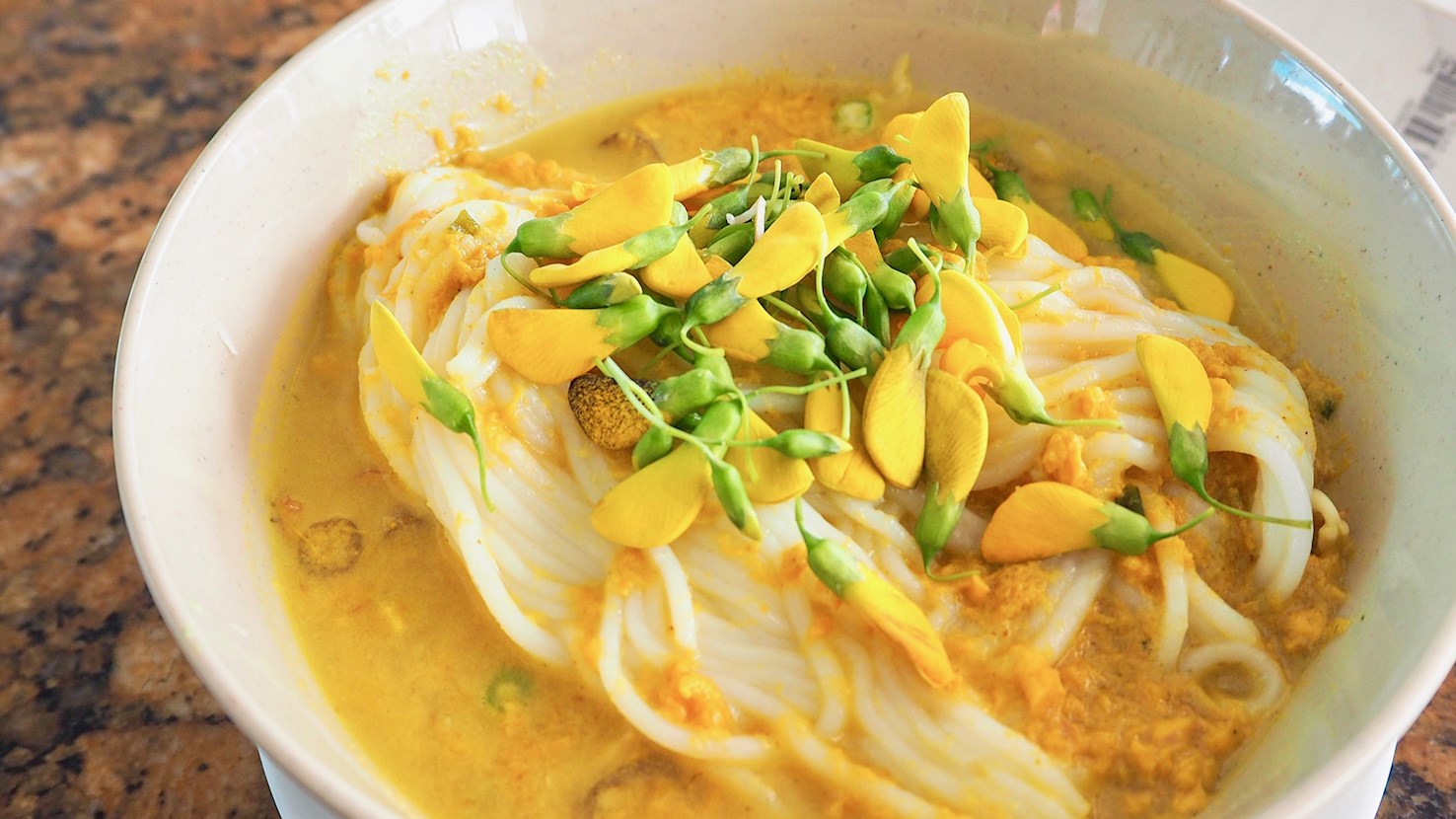
Num banh chok or Khmer noodles is a Cambodian dish that is typically served for breakfast or consumed as an afternoon snack. These fermented rice noodles are hand-made in stone or wooden mills, then topped with fish gravy and raw vegetables such as banana blossom, cucumbers, and water lily stems, along with a variety of fresh herbs such as mint and basil. Nowadays, there are many variations on this noodle dish that is typically eaten in warm weather, and some even say that the Chinese got the idea for rice noodles from the Cambodians, referring to a legend about Thun Chey who was exiled from the Khmer Empire to China.

08

Chruok svay (Green mango salad)

n/a ·

Chruok svay is a variation on the Asian green papaya salad that swaps papaya for green mango. The salad is typically prepared with crunchy strips of raw green mango which are coated with a sweet and sour dressing of makrut lime juice, palm sugar, and fish sauce. Other typical ingredients include seafood and fish, most commonly dried shrimps, roasted cashews or peanuts, shallots, green onions, carrots, cabbage, and herbs such as mint, basil, or Thai basil. Unlike other Asian versions of the salad, Cambodian green mango salad is not defined by a predominant spicy flavor, but it gets only a kick of heat from bird’s eye chilis. Sweet, sour, and with a hint of spiciness, this classic salad is typically consumed as an appetizer, a light meal, or a snack, and it can also be used as an accompaniment to various grilled meat or fish dishes. Cambodian green mango salad is usually eaten with white rice on the side.

Best restaurants
09

Bok l'hong (Green papaya salad)

3.9 ·

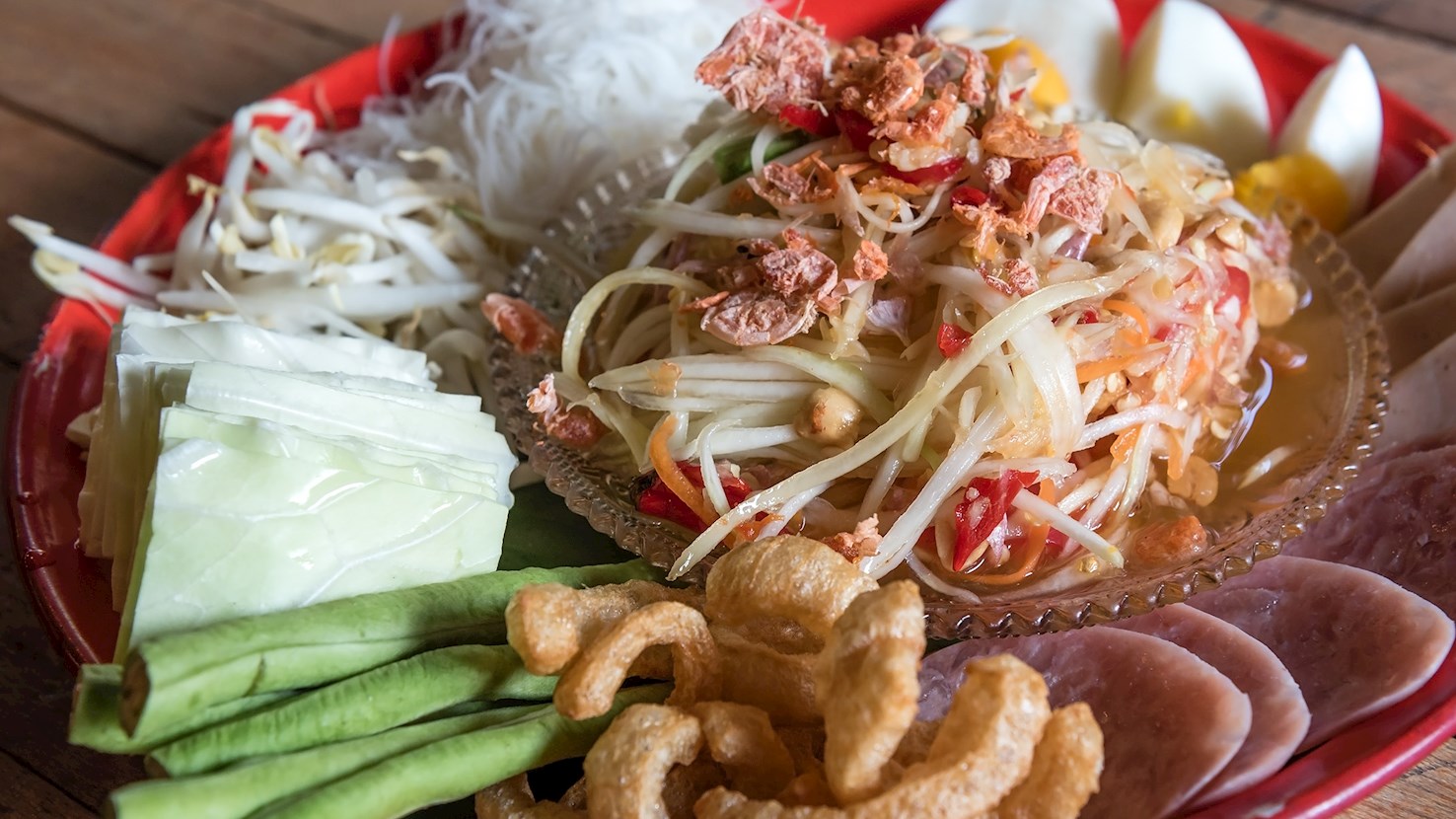
Bok l’hong, meaning pounded papaya in Khmer, is a Cambodian take on the green papaya salad that is widely consumed throughout Southeast Asia and is believed to have originated in Laos. Like the Lao and Thai versions, the Cambodian papaya salad usually requires the shredded fruit to be pounded with other ingredients, while the Vietnamese variety doesn't involve pounding of the fruit. The salad often contains tamarind, galangal, and prohok, a type of Cambodian fish paste. Bok l'hong can also feature smoked fish or salted crabs, and it is usually consumed with steamed rice and grilled meat such as chicken. One significant difference between the traditional Laotian green papaya salad and the Cambodian version of the salad lies in the use of white fish sauce in the latter instead of the much more pungent fermented fish sauce which is typically used in the former. Just like in Thailand, Vietnam, and Laos, in Cambodia, green papaya salad is available in numerous restaurants and is a common street food item.

Best restaurants
10

Pleah sach ko

n/a ·

Pleah sach ko is a Cambodian-style beef ceviche. The dish is typically made with thin, bite-sized pieces of raw beef that are first marinated in lime juice, and then covered with a clear broth of lime juice, fish sauce, and sugar. A variety of chopped up vegetables and fresh herbs are usually added to the dish, while minced prohok, fish sauce, or even slices of beef tripe are optional. Typical ingredients include green eggplants, shallots, garlic, radishes, bell peppers, jalapeño peppers, green onions, and freshly chopped herbs such as saw leaf, lemongrass, basil, mint, and cilantro. Sour and spicy, the ceviche is usually topped with roasted ground rice and crushed peanuts, and it can be served either warm or chilled. In Cambodia, pleah sach ko is commonly prepared for weddings and similar festive occasions.

About this ranking

TasteAtlas food rankings are based on the ratings of the TasteAtlas audience, with a series of mechanisms that recognize real users and that ignore bot, nationalist or local patriotic ratings, and give additional value to the ratings of users that the system recognizes as knowledgeable. For the “10 Traditional Foods You Have To Try in Siem Reap” list until June 17, 2026, 0 ratings were recorded, of which 0 were recognized by the system as legitimate. TasteAtlas Rankings should not be seen as the final global conclusion about food. Their purpose is to promote excellent local foods, instill pride in traditional dishes, and arouse curiosity about dishes you haven’t tried.

Similar lists