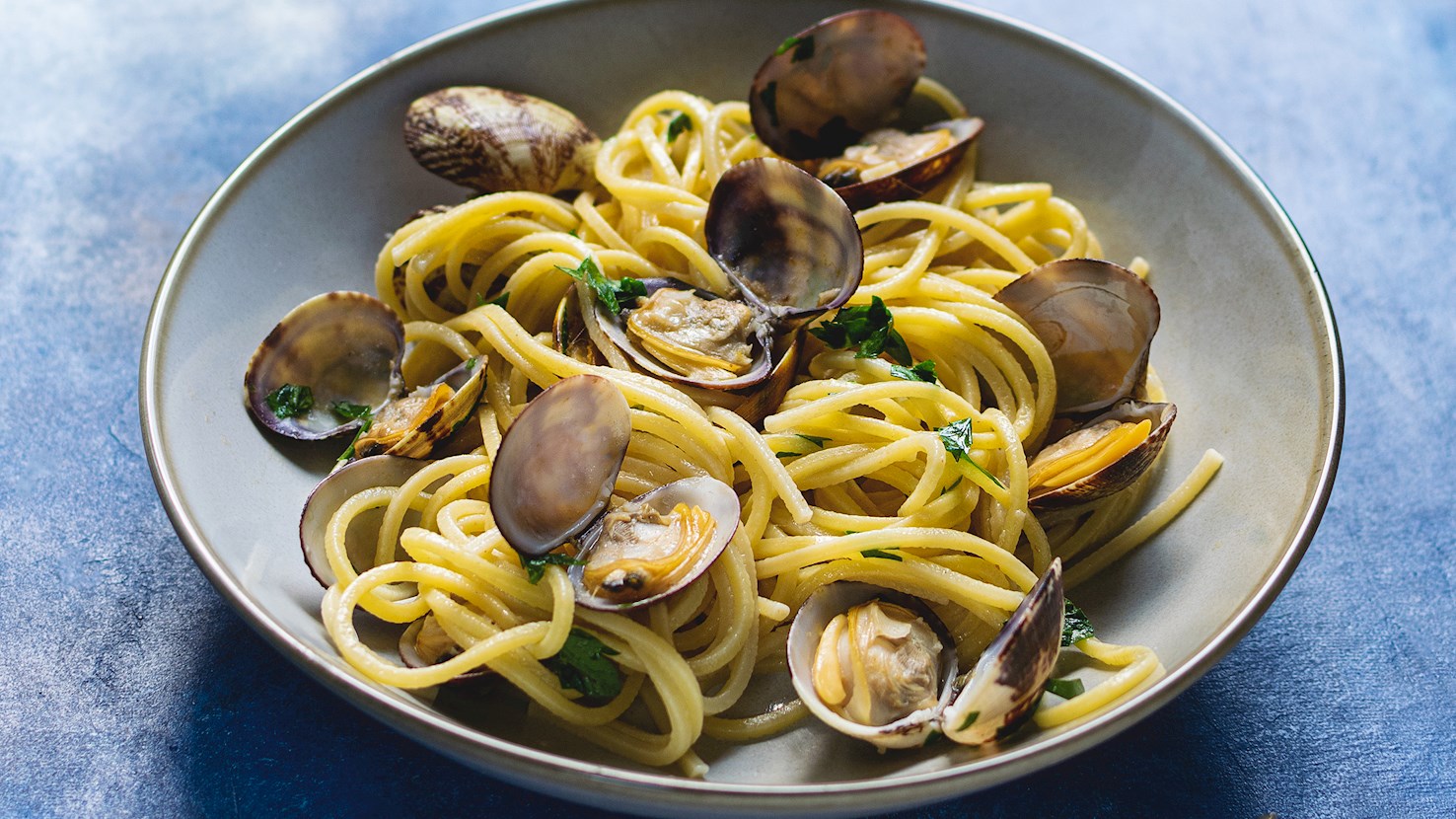
Quick and easy to prepare, yet packing some serious flavor, spaghetti alle vongole is a traditional Neapolitan dish consisting of only two key ingredients: vongole clams and pasta. However, there is a heated debate considering secondary ingredients, primarily the tomatoes. Purists adore the original dish, made without tomatoes, known as bianco version, while the others prefer a version with crushed tomatoes, or a version with a tomato sauce, known as spaghetti alle vongole con la salsa di pomodoro. Similar issues arise regarding the addition or omission of peperoncino and pepper in the dish. Regardless of these issues, everyone agrees that the pasta should be cooked al dente. Although the dish is best in the summer, when all of the ingredients are as fresh as they might be, it is also one of the most important meals of the traditional Neapolitan Christmas Eve dinner, known as Cena della vigilia di Natale.
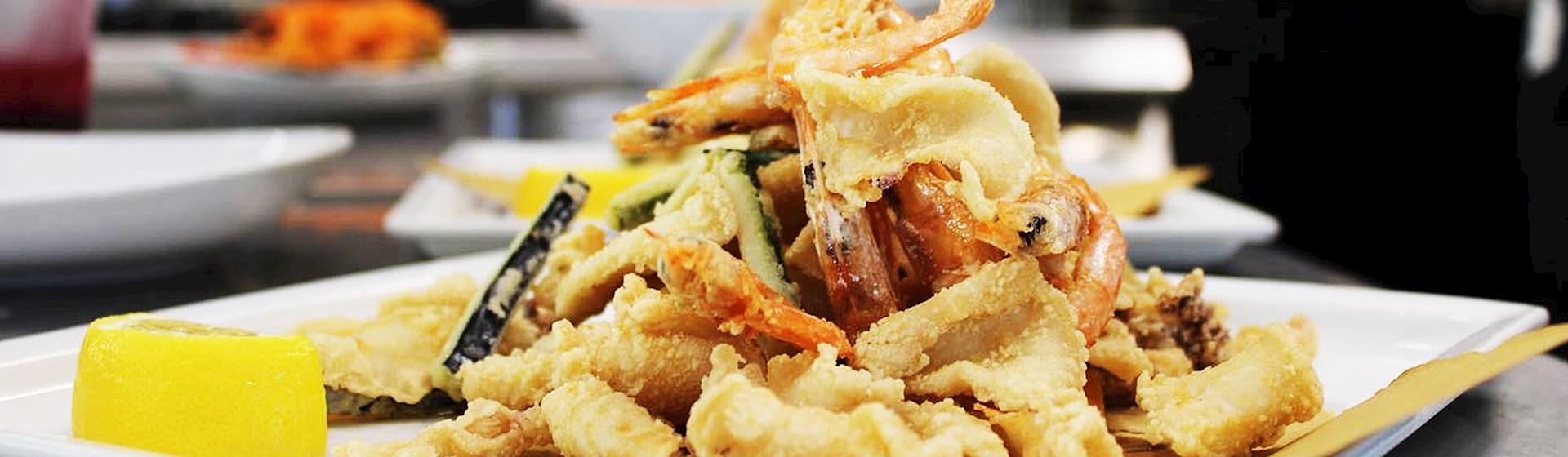
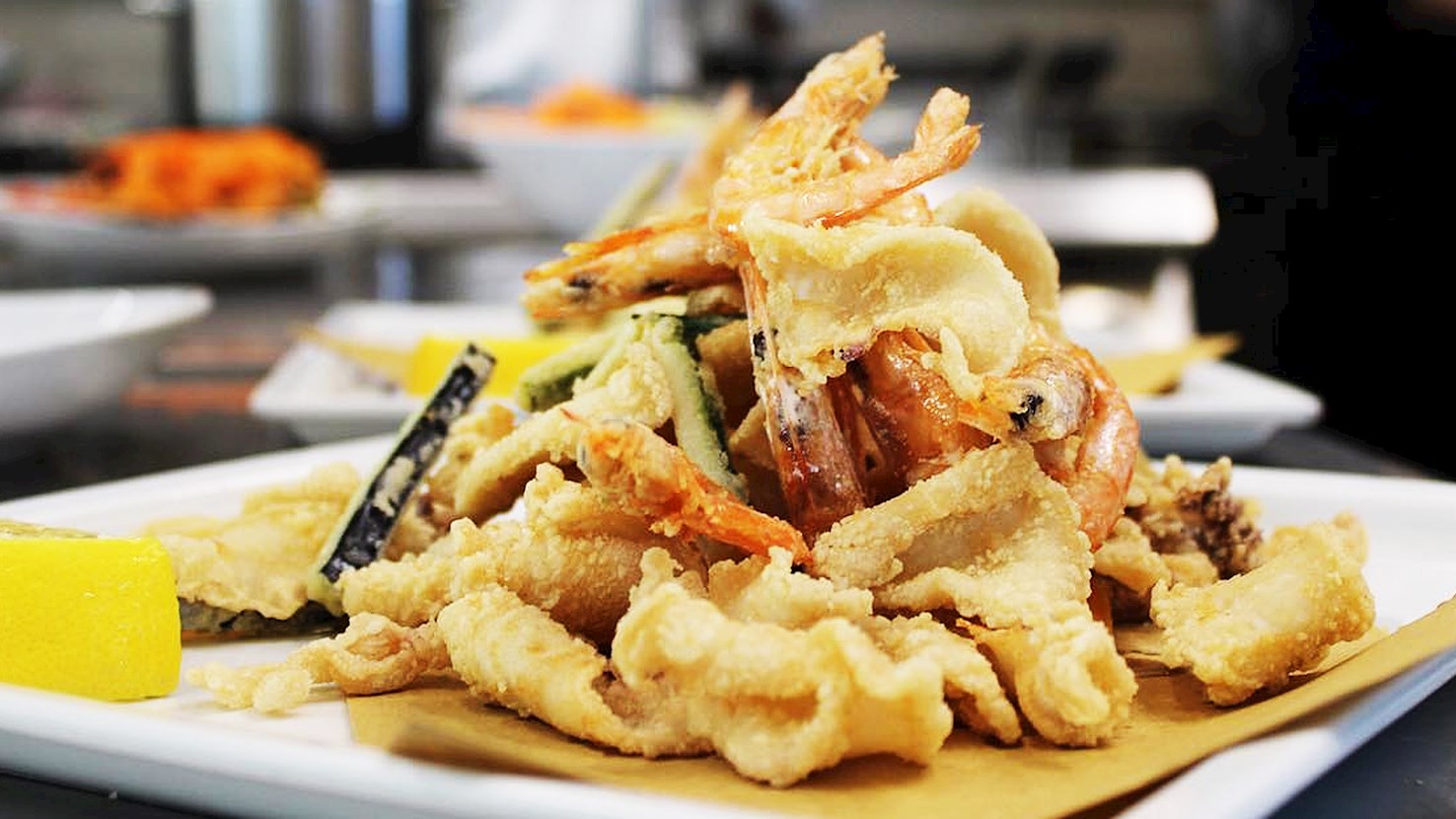
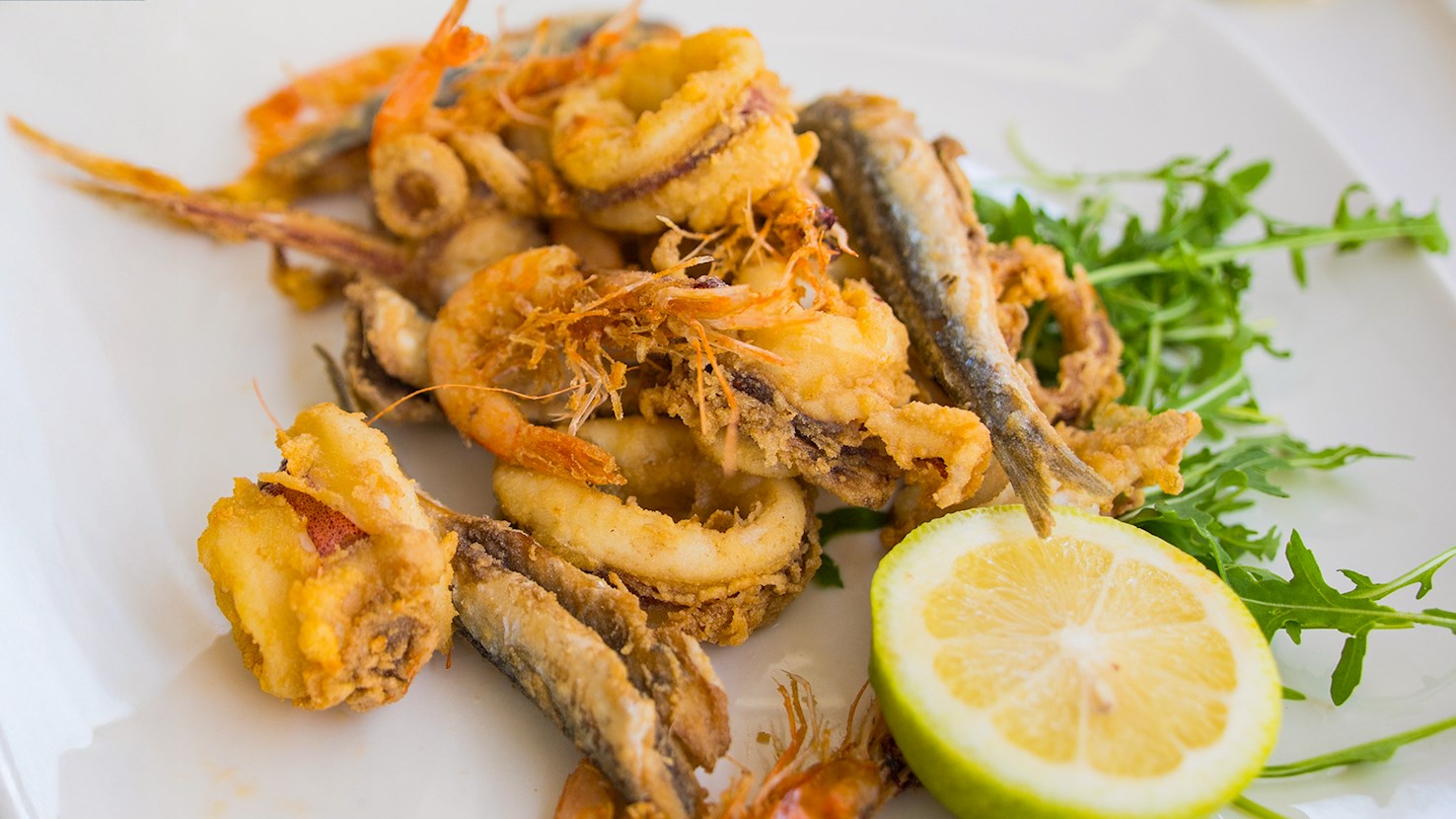
Fritto misto is one of those dishes that differs widely across the country. Along the Italian seaside, it will always include crustaceans and mollusks, typically shrimp and squid, and often paranza, which is a collective name for very small whole fish such as fresh anchovies, sardines, baby mackerel, or mullet. In northern parts of the country, particularly in Piedmont, fritto misto is mostly made with vegetables and, depending on the season, includes semolina, veal brain, brochettes of cheese and prosciutto, sometimes even apples and amaretti biscuits. In the Marche region, every frittura mista includes the famous olive ascolane, green olives stuffed with finely minced meat, often accompanied by fried semolina, squash blossoms and lamb chops; while in the Neapolitan area fritto misto is prepared with no fish other than a few anchovies, crumbed fried mozzarella, and various seasonal vegetables such as cauliflower and artichokes in winter, eggplant and zucchini in summer. Moreover, the Naples-style frittura will sometimes also include sweetbreads, brains and liver with some vegetables and local specialties such as the deep-fried ravioli called panzarotti and Sicilian arancini, fried rice balls. The fritto misto alla Fiorentina contains no fish or fruit, but lambs' brains, crumbed lamb cutlets, rabbit legs, batter-dipped and deep-fried cauliflower florets, whole artichokes, zucchini batons, chicken thighs, and animelle or sweetbreads instead of the aforementioned ingredients. Also depending on the region, fritto misto is sometimes batter-fried, but the simplest method of preparing it is lightly coating the food in flour and quickly deep-frying it in hot oil until it forms a nice golden brown crust.
Assorted fried seafood known as fritto misto di pesce is hugely popular in Campania, but it is also found all over Italy. However, fritto misto is one of those dishes that differs widely across the country. Along the Italian seaside, it will always include crustaceans and mollusks, typically shrimp and squid, and often paranza, which is a collective name for very small whole fish such as fresh anchovies, sardines, baby mackerel, or mullet. Depending on the region, fritto misto is sometimes batter-fried, but the simplest method of preparing it is lightly coating the food in flour and quickly deep-frying it in hot oil until it forms a nice golden brown crust.
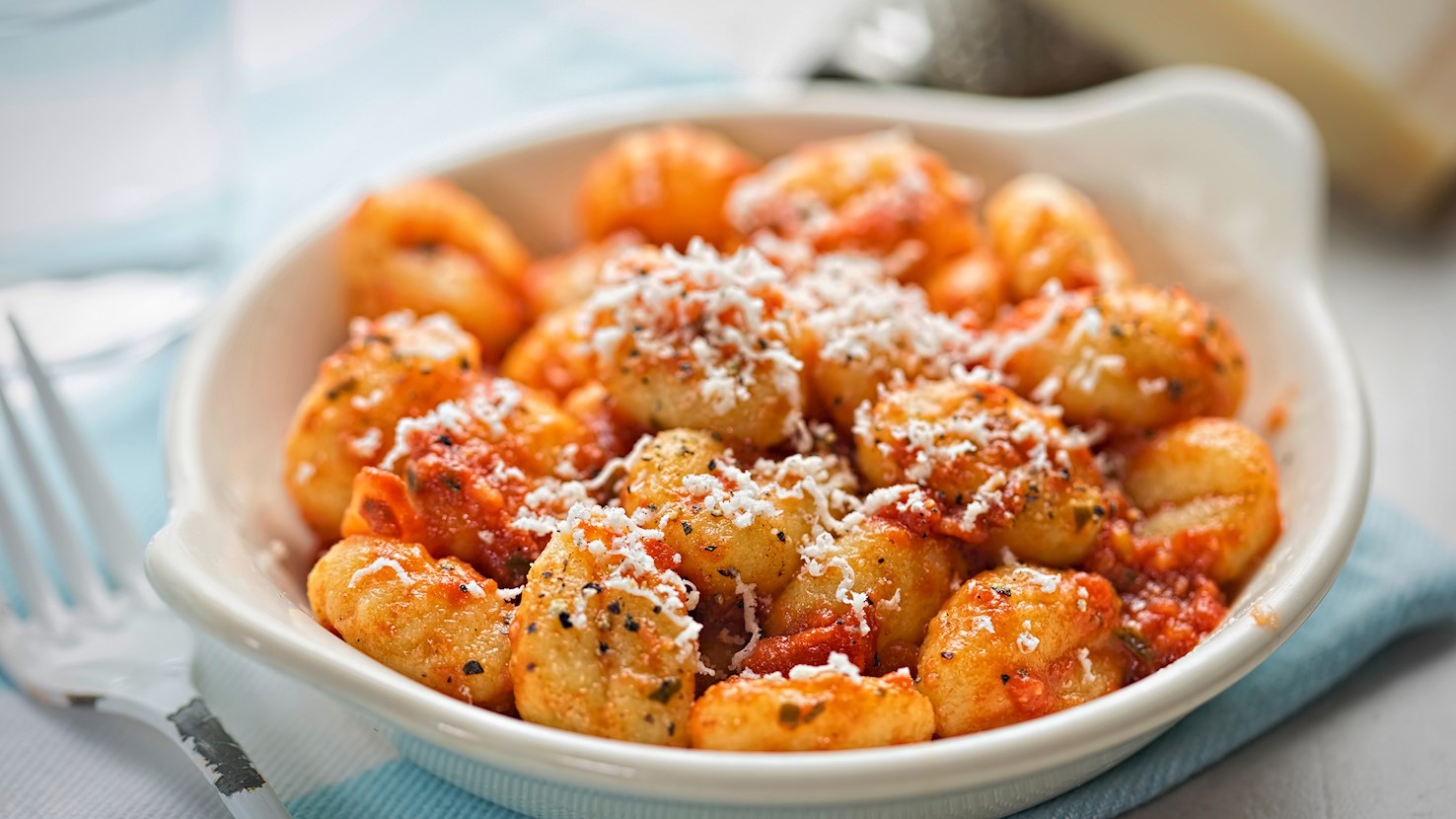
This is the traditional Italian form of dumplings. Today, the word gnocchi usually refers to a dumpling made with potato-based dough shaped into thick bite-sized pieces and pressed into a ribbed wooden board or grater to create an imprint, which helps the sauce to adhere to each piece. They are typically boiled in large amounts of salted water or fried in shallow oil, a technique typical for some Italian regions. Gnocchi are believed to have been a predecessor of pasta, and historical records show that the term gnocchi, or gnocco, was sometimes interchangeably used with the word maccherone, a word that once referred to all pasta in general. Before the introduction of the potato, they were made with any available flour, most commonly wheat and semolina, while gnocchi in mountain regions was made with barley, rye, or chestnut flour. During times of extreme poverty, they were occasionally made with grated and soaked stale bread. Potato only became the star gnocchi ingredient in the 19th century, by which time this New World import had begun making common appearances in Italian households. The proportion of flour and mashed potatoes has drastically changed since the first potato gnocchi was created – today, mashed potatoes are the foundation of the dough, with only a small amount of flour used to bind the ingredients together. Although potato gnocchi are the most common variety, Italy is abound with numerous gnocchi varieties, and each Italian region has its own favorite. These varieties often bear different names, such as malfatti, strangulaprievete, malloreddus, or cavattieli, and they use different base ingredients such as ricotta, spinach, pumpkin, and even beetroot. The essential accompaniment to any gnocchi serving is the sauce. The most common are traditional tomato sauce and flavorful butter and sage, but the possibilities are numerous and often include creamy cheese-based sauces, ragùs, and extras such as cured meat and vegetables, combined with fragrant Italian herbs and spices.
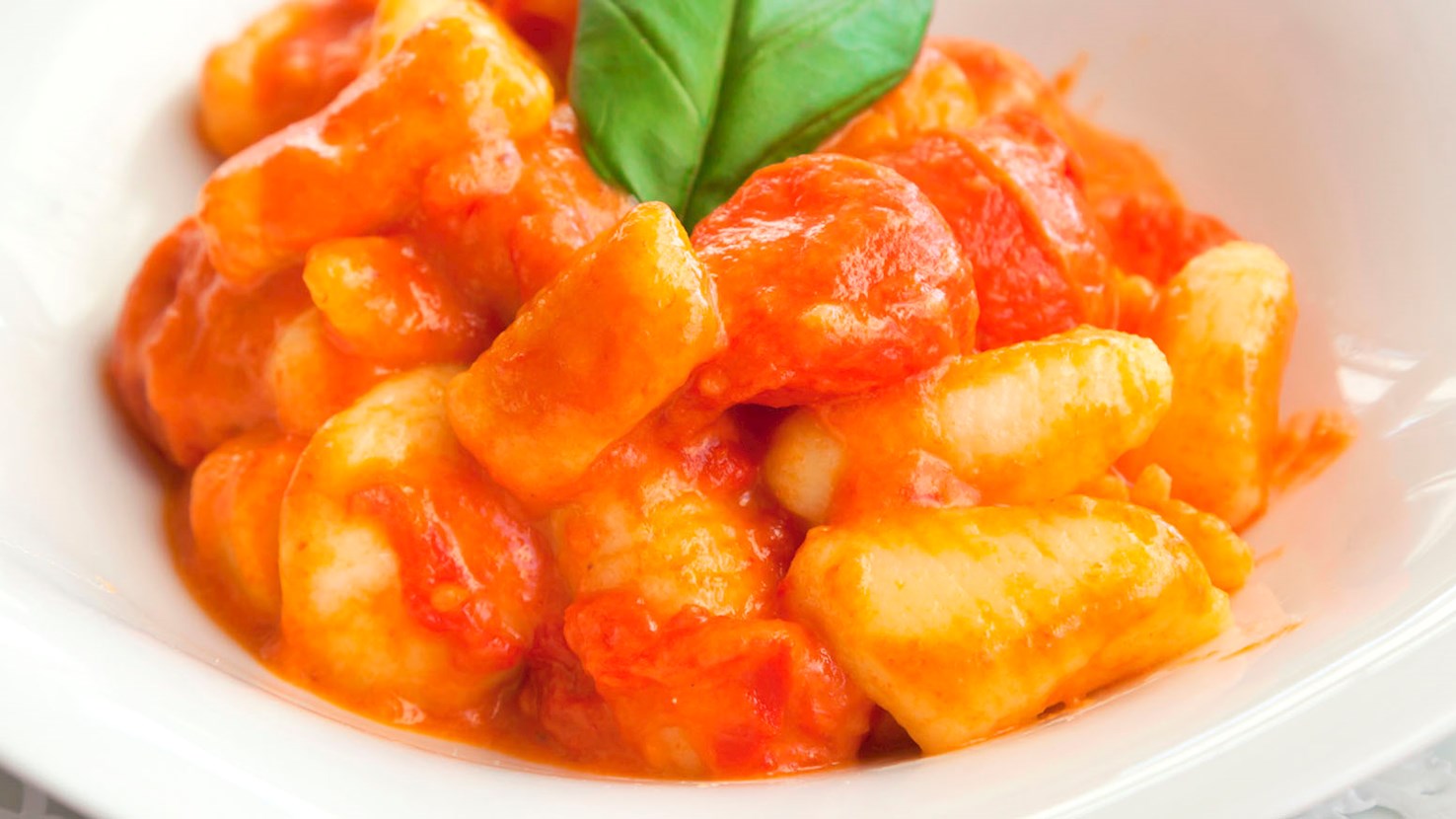
This simple yet delicious dish comes from Campania, more precisely from the beautiful coastal village of Sorrento, hence the name. Gnocchi alla Sorrentina, a Neapolitan classic in the local dialect known as strangulaprievete alla Sorrentina, are tender little potato pillows smothered in a rich, velvety, basil-flavored tomato and mozzarella sauce. They are topped with some more mozzarella or pecorino cheese, sometimes even parmesan, and then oven-baked until bubbly and oozing or until the melted cheese forms a lovely golden crust on the top. Gnocchi alla Sorrentina are traditionally baked in a small single-portion clay pot called pignatiello and served sizzling hot. When prepared using homemade gnocchi, mozzarella di bufala, and the amazingly aromatic homemade sauce made preferably with fresh tomatoes in season, the delicious Sorrento-style gnocchi make for a perfect summer dish.
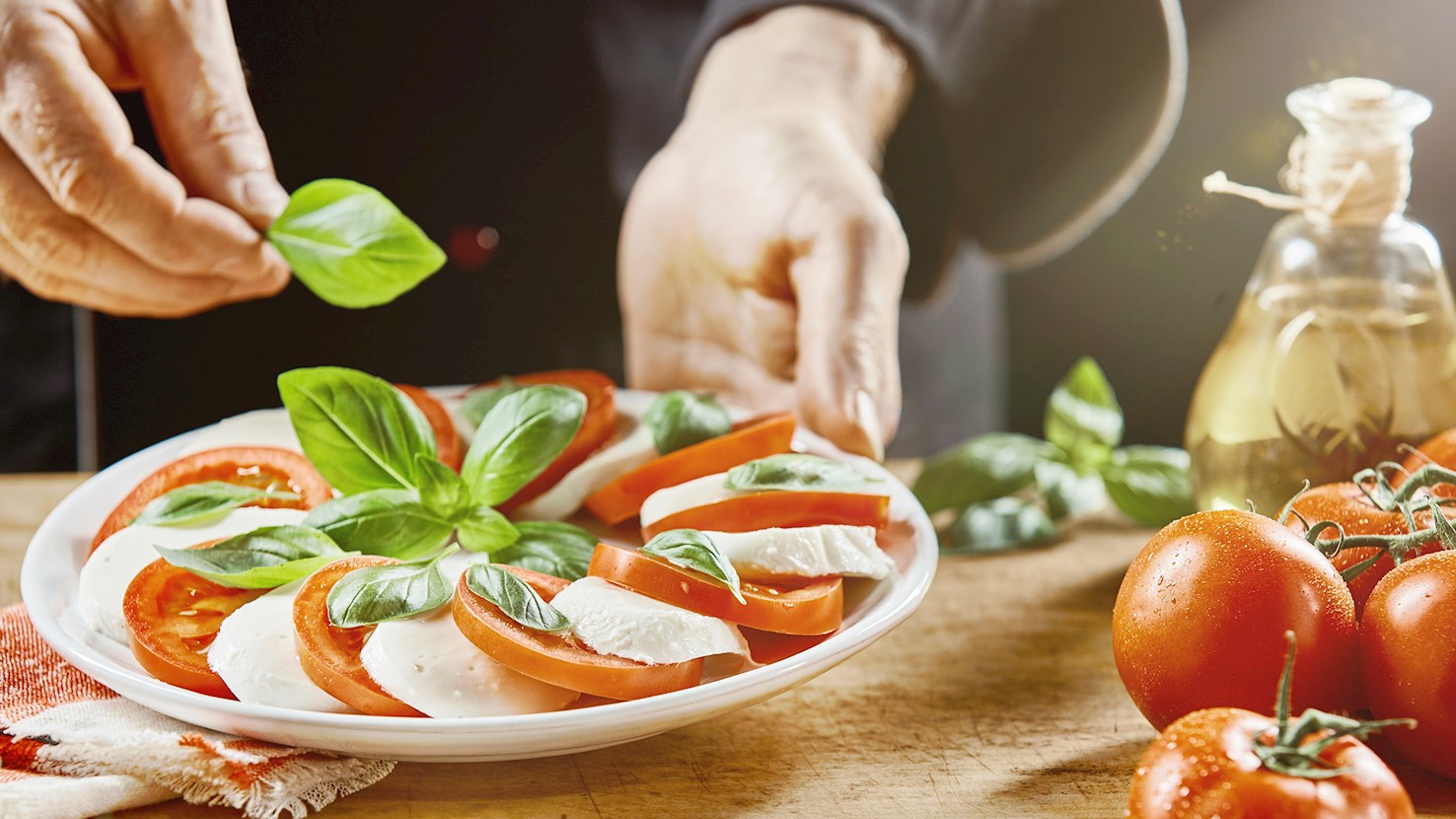
Nothing embodies the essence of summer in southern Italy like vibrant colors of the flavorful insalata Caprese, a true classic of Neapolitan cuisine. The perfect combination of ripe, sun-kissed tomatoes, creamy mozzarella and fresh basil - this simple salad is believed to have originated on the island of Capri, hence the name. Caprese was originally made with the Re Umberto or Fiascone tomatoes, traditionally grown along the beautiful Amalfi coast, and treccia di Sorrento, a type of braided mozzarella cheese. Also, contrary to popular practice, the authentic Caprese salad recipe doesn't call for balsamic or any other type of vinegar. Instead, mozzarella and tomatoes are thickly sliced, arranged on a plate and garnished with basil leaves, sprinkled with some salt and white pepper, then finished with a generous drizzle of extra virgin olive oil.
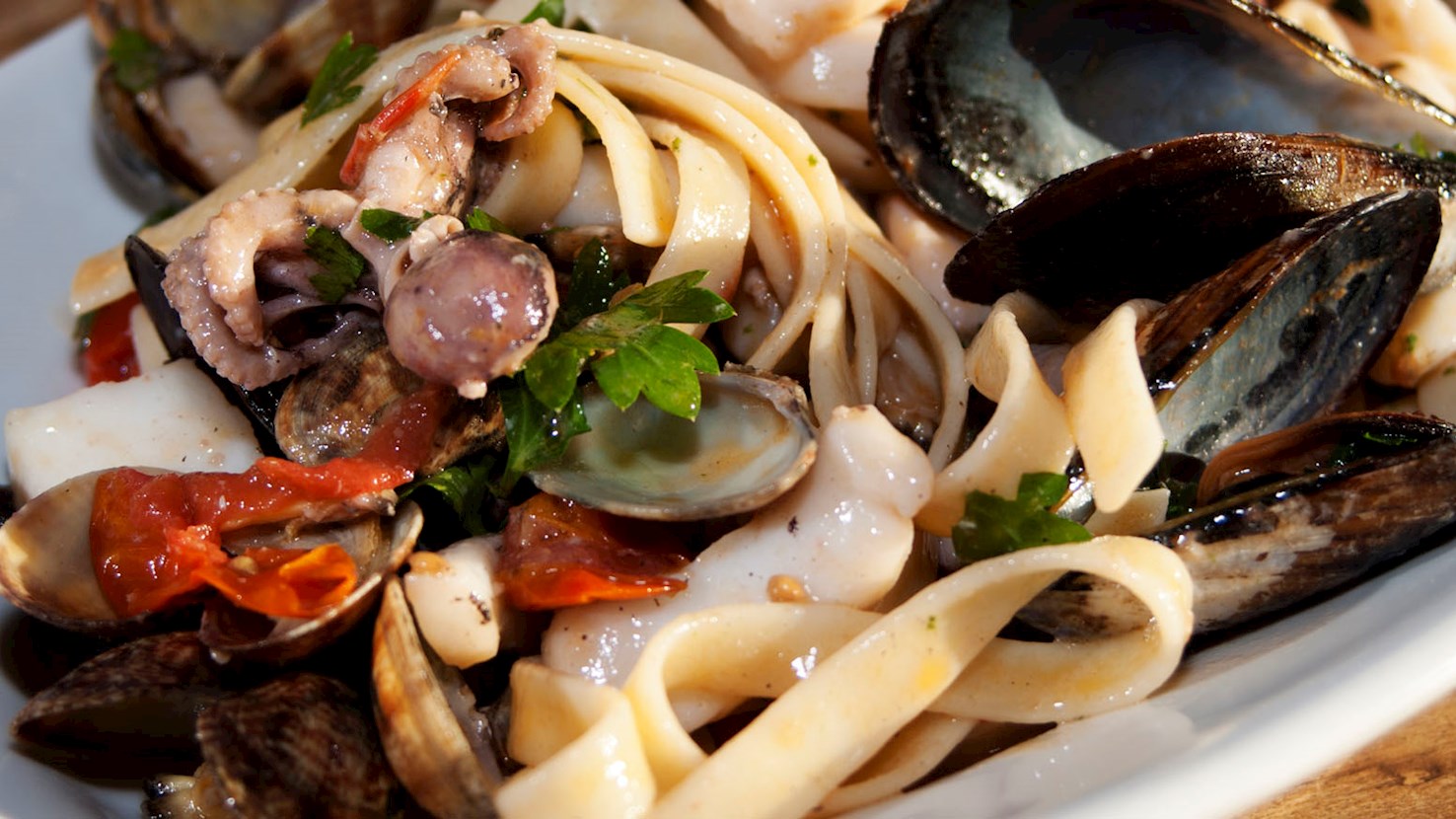
One of Italy's all-time favorites, linguine allo scoglio, often also dubbed linguine ai frutti di mare is a typical southern Italian seafood dish or piatto di mare. Back in the 1980s in the wider Neapolitan area, as well as along the entire southern Italian coast, there was reportedly not a single restaurant that didn't offer some version of such a timeless classic on its menu. This pasta entrée is made with either linguine or spaghetti, and a combination of seafood and shellfish, preferably coming from fresh local catch of the day. Considering seafood seasonality, what Neapolitan and any other scoglio (lit. reef; rock) has to offer varies from month to month, so there is no precise recipe for this dish, and there are countless variations in existence, but the most traditional ones always include clams, mussels, shrimps, and sometimes even calamaretti or baby squids. Pasta allo scoglio is typically flavored with white wine and garlic, and it can be prepared either in rosso or in bianco, meaning in red or white - with or without tomatoes, respectively.
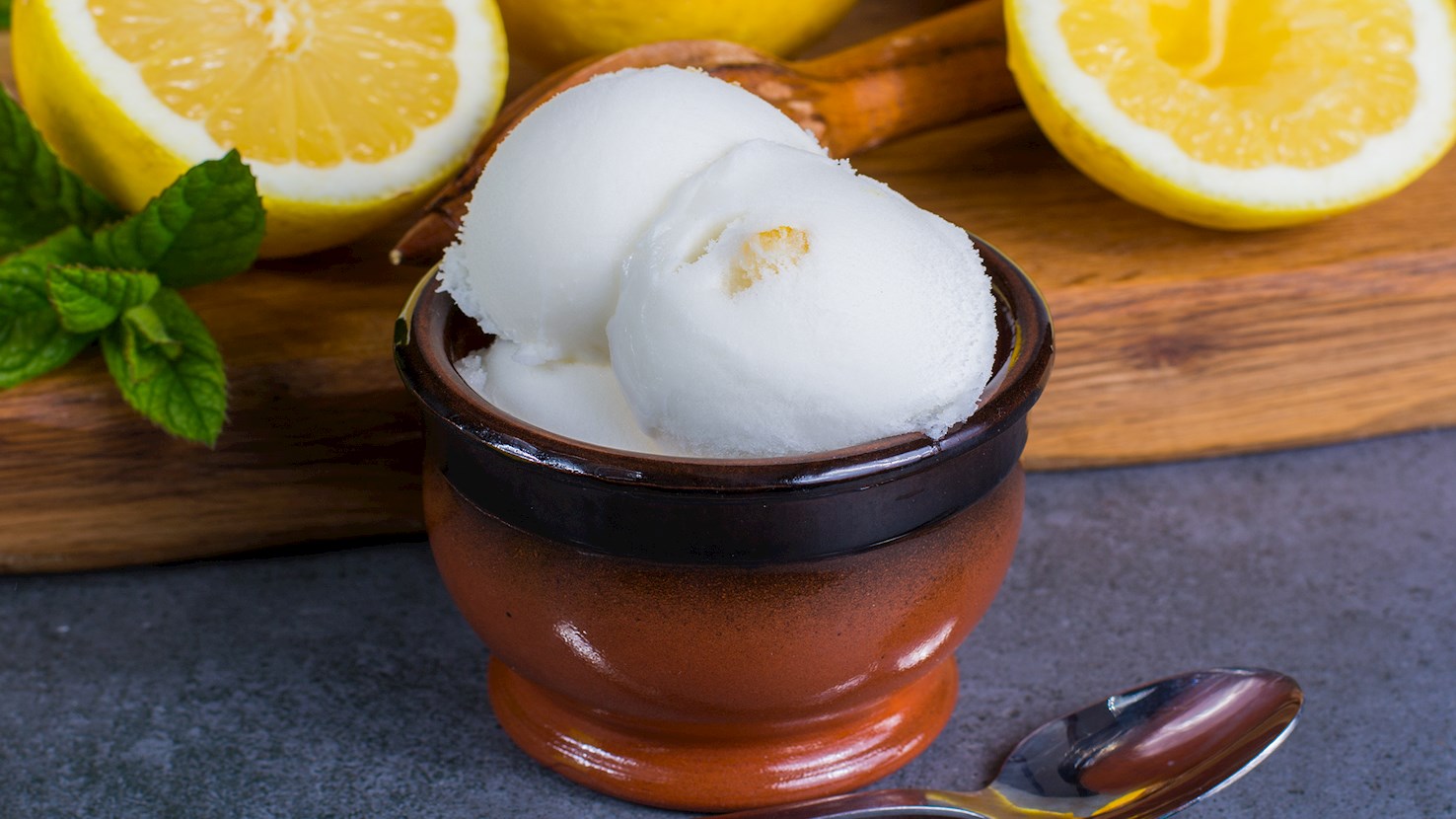
The refreshing lemon gelato is prepared with a base of milk, cream, eggs, and sugar that is typically enriched with lemon juice, lemon zest, and occasionally limoncello. The taste of lemon should not be overpowering, and the emphasis should be on the delicate flavors and the dense, creamy texture of the gelato. Though it is mainly enjoyed plain, lemon gelato is occasionally garnished with fresh basil or candied lemon peel.
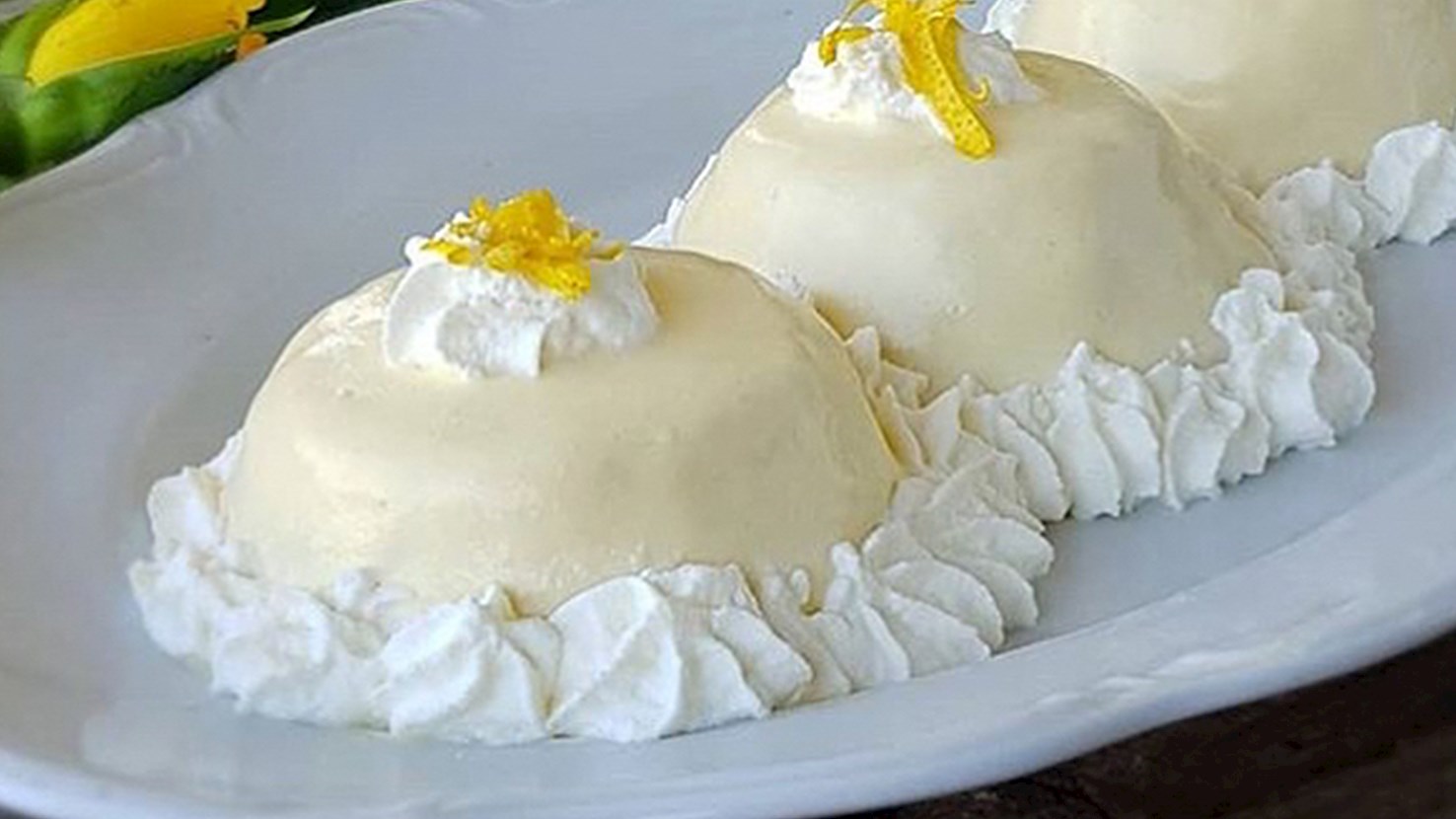
This refreshing Italian treat hails from Sorrentino, but it has been officially recognized as a traditional dessert of the entire Campania. Delizia al limone consists of a dome-shaped sponge base that is drizzled with an aromatic limoncello-based syrup and comes filled with a lemon-flavored custard. Although it can be made in the form of a classic, round cake, delizia is usually served as small, single-serve dessert. It is coated in a lemon glaze, while the top is traditionally decorated with lemon slices, lemon zest, or wild strawberries. This tangy treat is a fairly recent invention that was first created in 1978 by a pastry chef Carmine Marzuillo.
TasteAtlas food rankings are based on the ratings of the TasteAtlas audience, with a series of mechanisms that recognize real users and that ignore bot,
nationalist or local patriotic ratings, and give additional value to the ratings of users that the system recognizes as knowledgeable.
TasteAtlas Rankings should not be seen as the final global conclusion about food. Their purpose is to promote excellent local foods,
instill pride in traditional dishes, and arouse curiosity about dishes you haven’t tried.



What People Say