

shutterstock

6 Traditional Foods
You Have To Try in South Tangerang

Last updated on May 22, 2026
01

Soto

4.1 ·

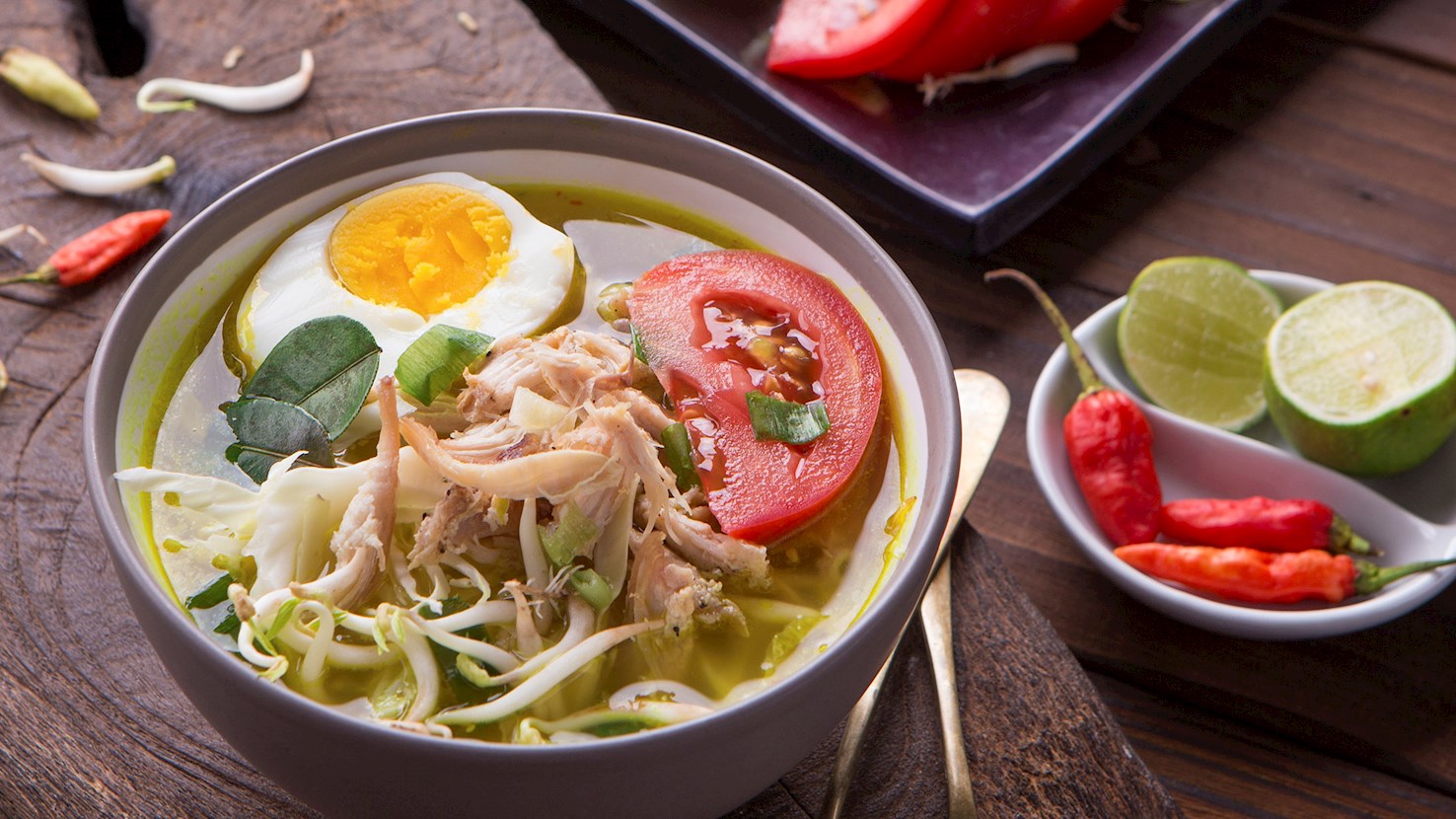
Throughout Indonesia, soto is known under various names such as the Makassar coto or the Pekalongan tauto. However, this traditional Indonesian soup is usually associated with the island of Java, where it is believed to have appeared in its original form. Nowadays there is no right way to prepare soto because the varieties are numerous and usually adapted to local cuisines. Although it is believed that soto was developed because of a strong Chinese influence in the country, it is more likely that the soup was created following common cooking traditions of the area and utilizing the ingredients which were available in abundance. This versatile dish also has a myriad of accompaniments such as stewed eggs, grilled offal, fried tofu, and either chili or soy sauce. Soto is regarded as comfort food, and it can be found everywhere in Indonesia - from local open-air eateries to high-end restaurants. This authentic Indonesian creation is also popular and commonly eaten in Malaysia, Singapore, and Brunei.

02

Soto Betawi

4.4 ·

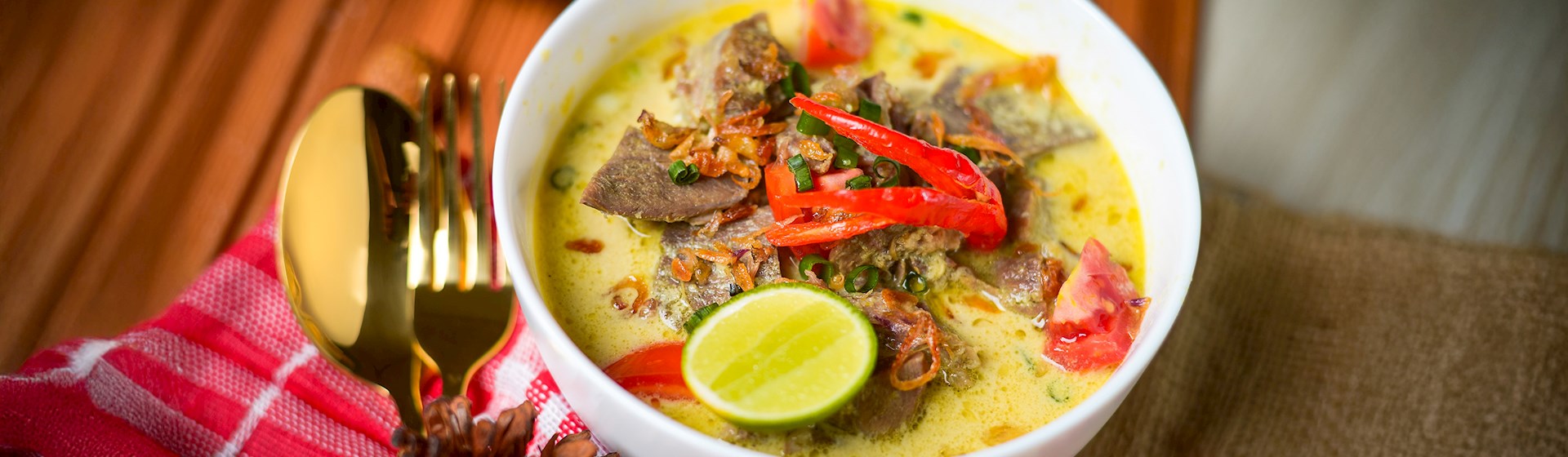
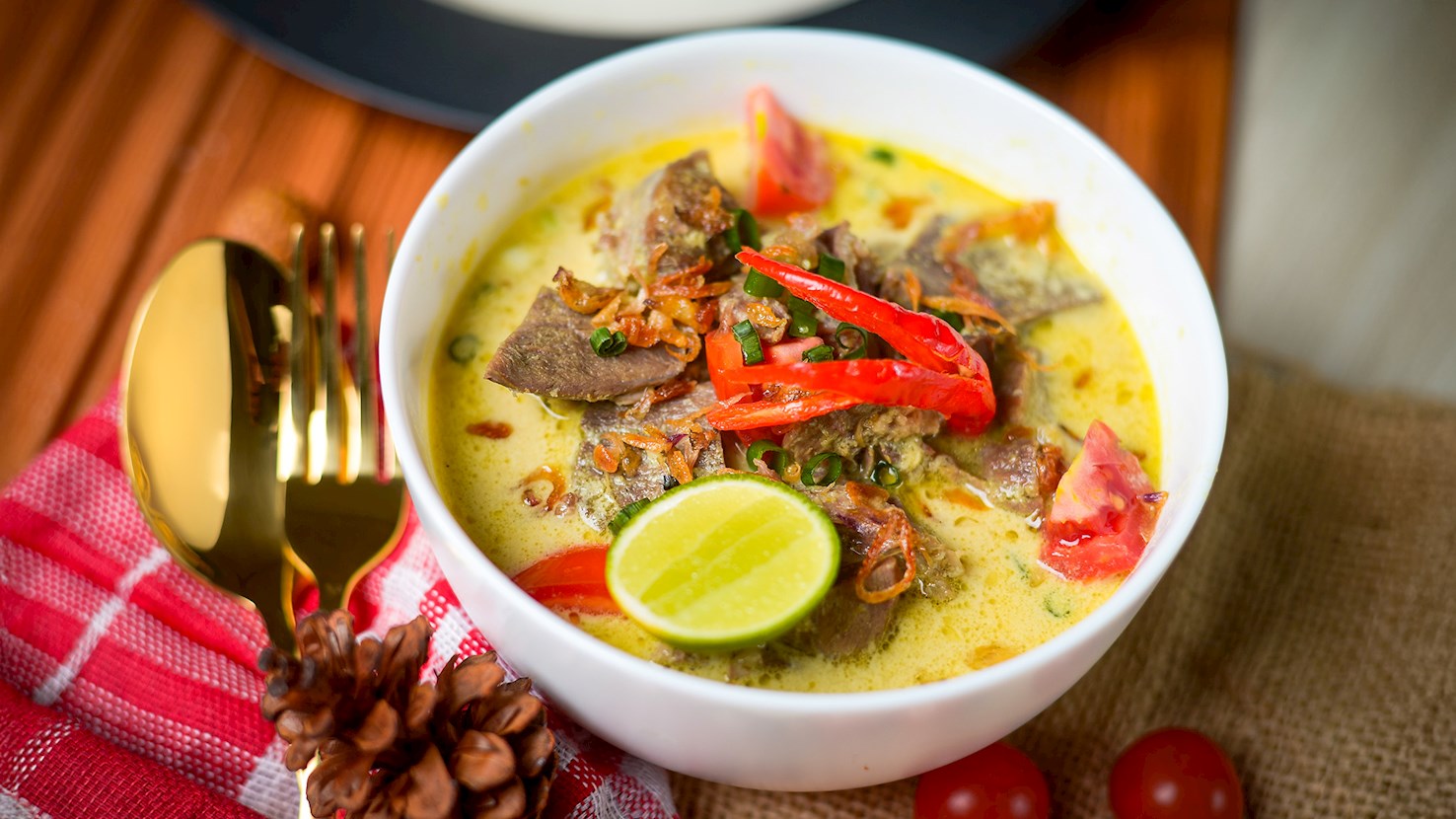
Soto Betawi is a hearty beef soup consisting of chunks of meat and offal that are slowly simmered in a coconut milk broth, which is usually enriched with various spices such as lemongrass, turmeric, galangal, kefir lime leaves, and coriander. When served, the soup is accompanied by different condiments that typically include tomatoes, scallions, sweet soy sauce, and emping crackers. Because of its name, it is believed that the dish originated in Jakarta among the Betawi people, and today it is one of the most popular dishes in the city, usually sold at various street stalls, restaurants, or hawker-style establishments. Soto Betawi is traditionally enjoyed with steamed rice and pickled acar on the side.

03

Pecel lele

3.5 ·

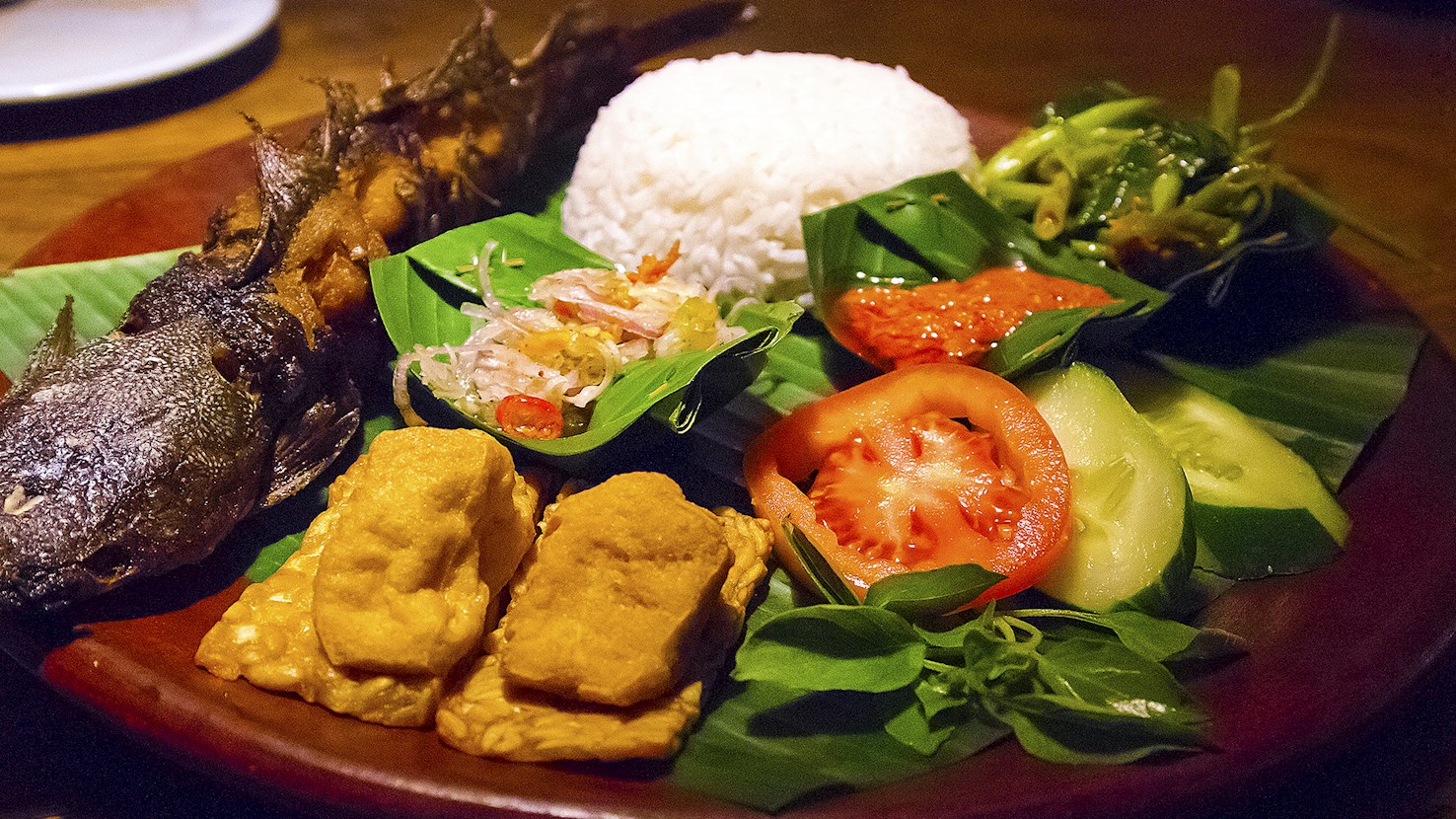
Pecel lele is a beloved Indonesian street food dish featuring deep-fried catfish (lele) served with sambal (spicy chili sauce), steamed rice, and fresh vegetables (lalapan). Originally popularized in Java, especially among Javanese roadside food stalls (warung lesehan), pecel lele has become a nationwide favorite for its affordability, bold flavor, and satisfying crunch. Despite the word pecel traditionally referring to vegetables with peanut sauce (as in nasi pecel), in this dish, pecel simply denotes the serving style—fish with sambal and rice. The lele (catfish) is typically marinated with salt, garlic, and turmeric, then deep-fried whole until the skin becomes crispy and golden, while the flesh remains moist and flavorful. The dish’s defining element is the raw or freshly ground sambal, often made from red chilies, tomatoes, garlic, shallots, shrimp paste (terasi), lime juice, and salt, pounded coarsely in a traditional mortar (cobek). It’s spicy, smoky, and intensely aromatic—perfectly complementing the rich, oily texture of the fried catfish. Pecel lele is usually served with steamed rice, a side of lalapan such as cucumber, basil leaves, lettuce, or cabbage, and occasionally with tempeh or fried tofu. It is typically eaten with hands while sitting on floor mats, especially in late-night warungs that line busy streets and corners.

04

Perkedel

4.3 ·

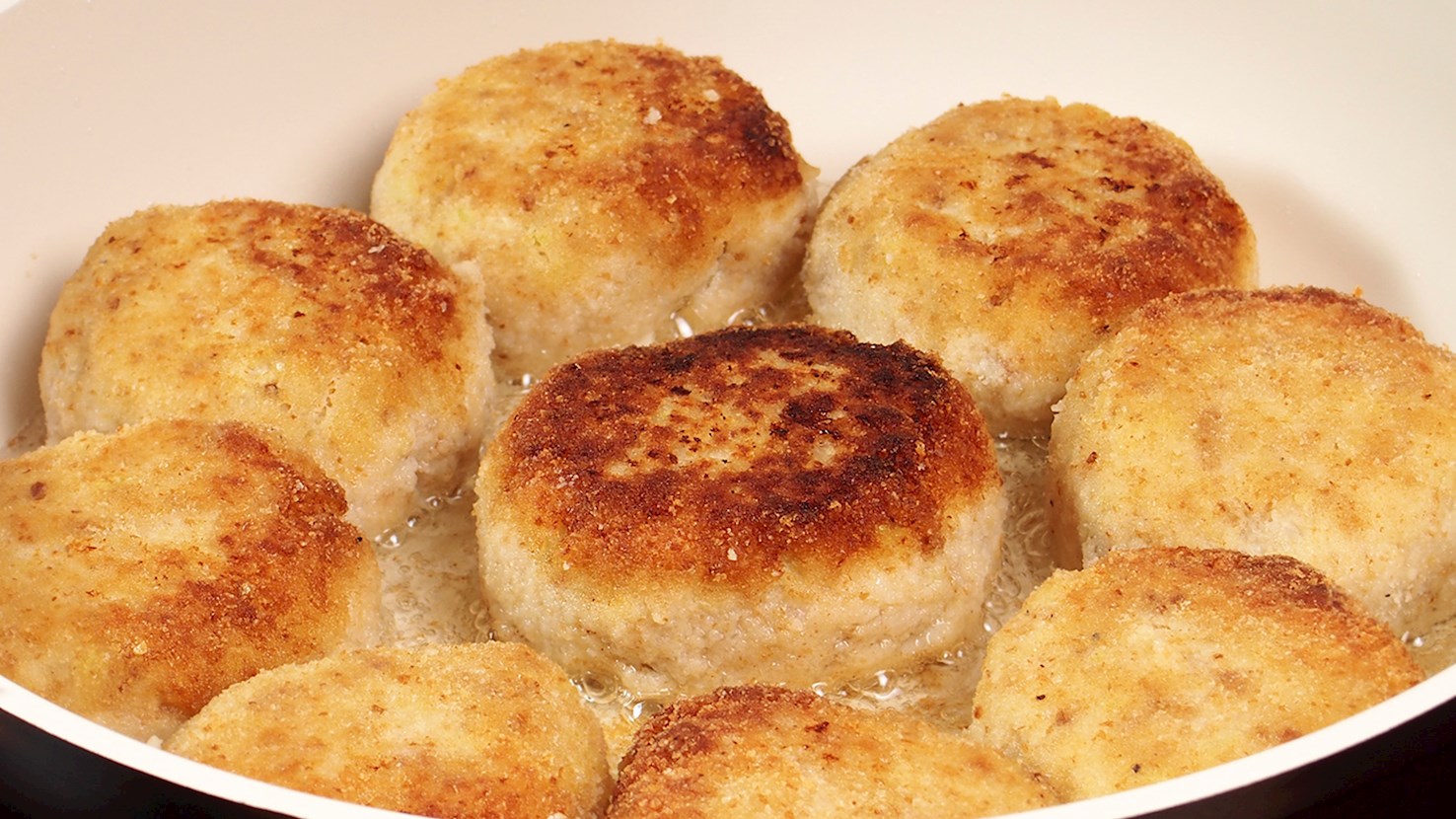
Perkedel are Indonesian fried delicacies consisting of either mashed potatoes, ground meat, ground corn, or minced fish (perkedel ikan). The name of these savory patties is derived from the Dutch word frikadel, showing the Dutch culinary influence on Indonesian territory. Prior to frying, the main ingredient is usually combined with finely chopped scallions and pepper, then dipped in beaten eggs. Perkedel is traditionally served as an appetizer or a side dish with soto ayam soup, although it can also be consumed as a main dish, when it is usually accompanied by nasi kuning (yellow rice).

05

Serabi

4.1 ·

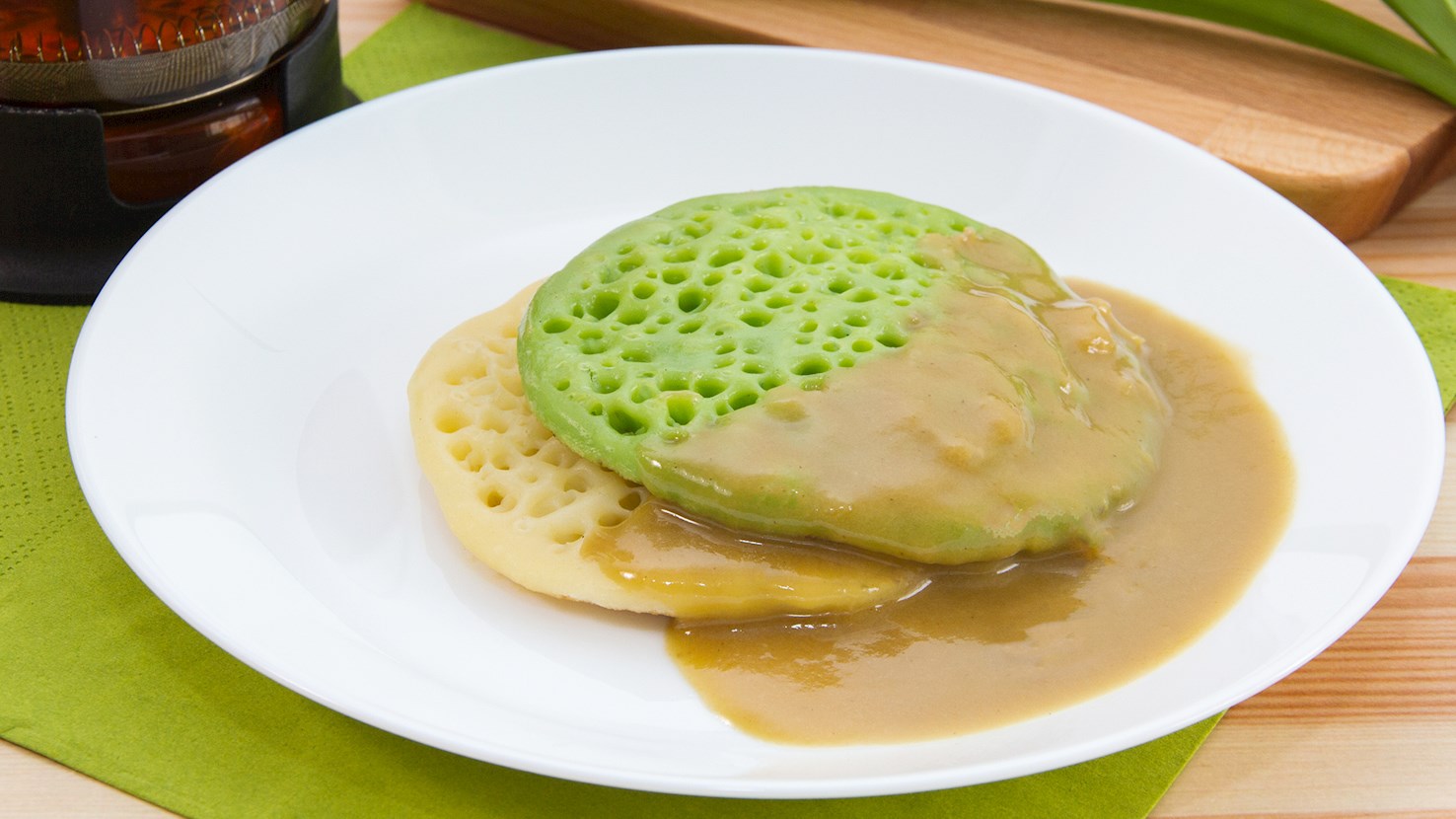
These traditional, small-sized Indonesian pancakes are usually prepared with rice flour and coconut milk. The pancakes are incredibly versatile, they come in sweet and savory versions, and can be adapted with wheat flour and various toppings such as sugar, bananas, crushed peanuts, jackfruit, chocolate sprinkles, or fermented oncom, while modern-day additions also include meat, sausages, or ice cream. Serabi pancakes are found throughout Java, but they are usually associated with the cities of Bandung and Solo. They are typically accompanied by strawberry, durian, or coconut-based kinca syrup, and are mainly sold as a quick and convenient street food. A similar dish can be found in Thailand, where it goes under the name khanom khrok.

Best restaurants
06

Lemper

3.8 ·

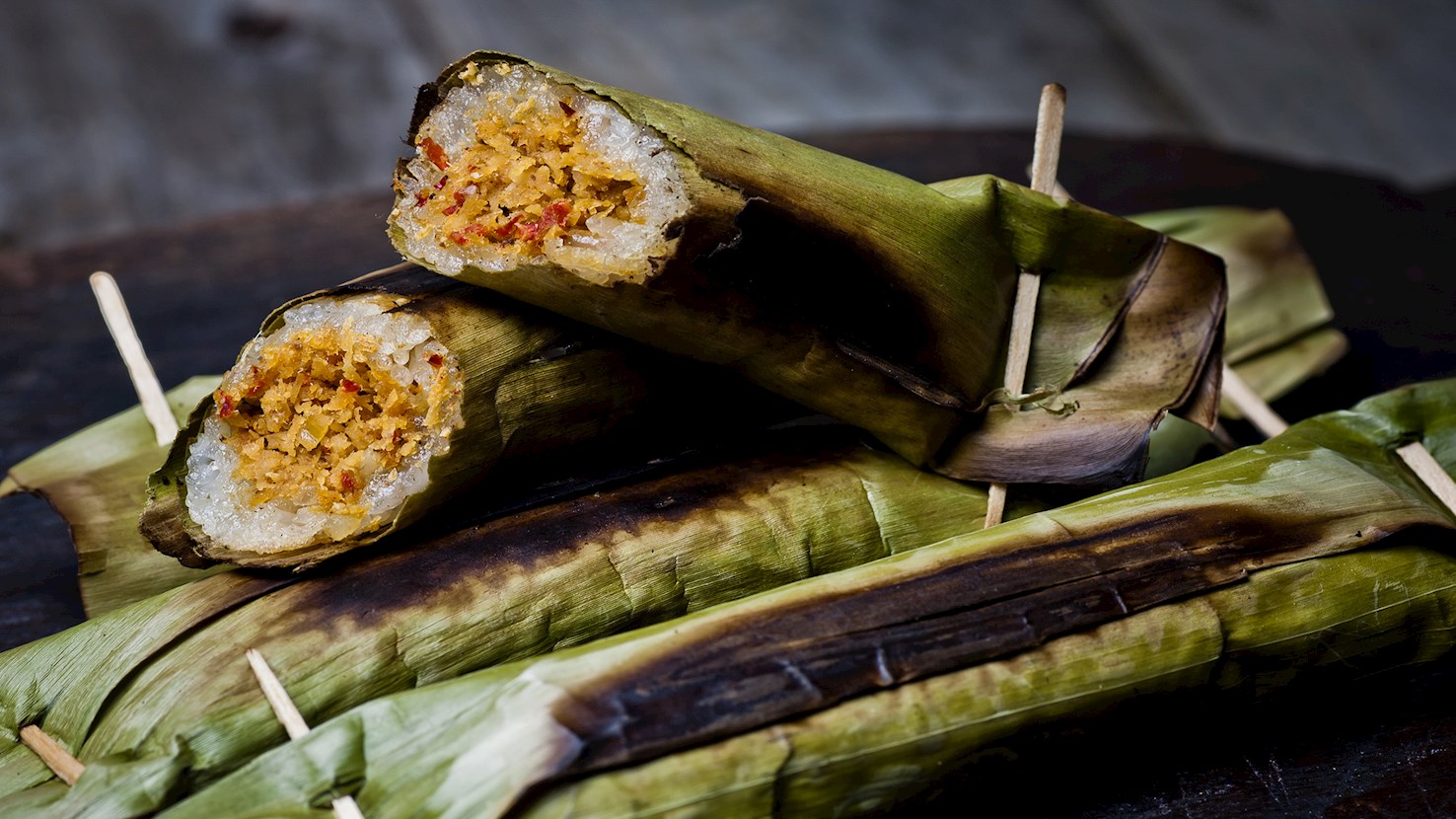
Lemper is an Indonesian delicacy made of glutinous rice filled with savory shredded meat, traditionally chicken, although beef, fish, or even abon (meat floss) variations are also popular. The rice is first cooked in coconut milk, giving it a rich, slightly sweet taste and a sticky, tender texture that holds its shape well. Once the rice is prepared, it is flattened and wrapped around a flavorful filling made by sautéing the meat with aromatic spices such as garlic, shallots, galangal, coriander, lemongrass, and kaffir lime leaves. The seasoned mixture is then encased in the rice, shaped into a compact cylinder or rectangle, and wrapped tightly in banana leaves, which not only help preserve moisture but also impart a subtle earthy fragrance during cooking. Traditionally, lemper is steamed or lightly grilled, often leaving behind a charred scent on the banana leaves that adds another layer of complexity. It is commonly found in traditional markets, roadside stalls, and as part of ceremonial or festive offerings, appreciated for its portability, long shelf life, and comforting flavor.

Best restaurants
About this ranking

TasteAtlas food rankings are based on the ratings of the TasteAtlas audience, with a series of mechanisms that recognize real users and that ignore bot, nationalist or local patriotic ratings, and give additional value to the ratings of users that the system recognizes as knowledgeable. For the “6 Traditional Foods You Have To Try in South Tangerang” list until May 22, 2026, 0 ratings were recorded, of which 0 were recognized by the system as legitimate. TasteAtlas Rankings should not be seen as the final global conclusion about food. Their purpose is to promote excellent local foods, instill pride in traditional dishes, and arouse curiosity about dishes you haven’t tried.

Similar lists