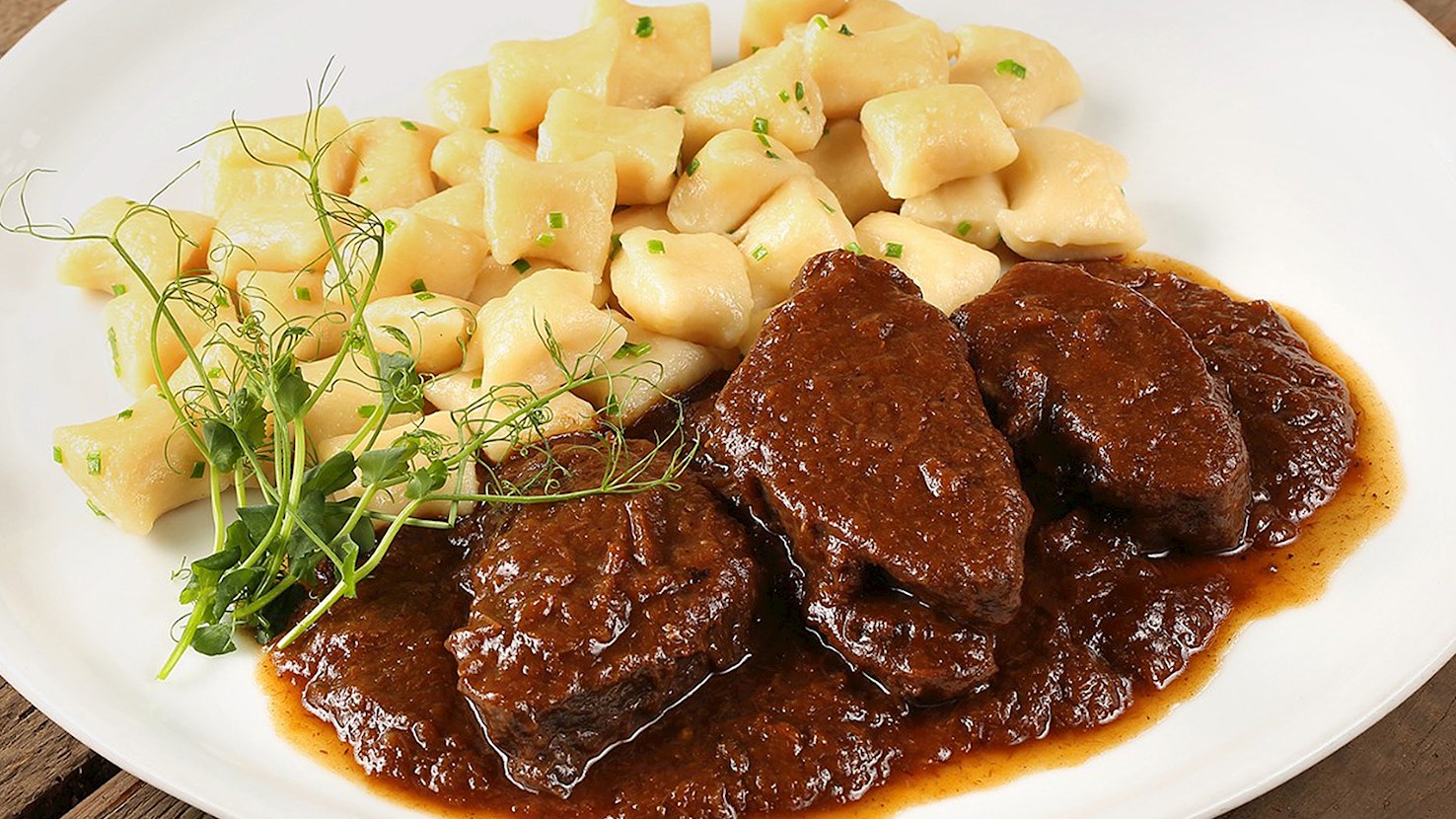
Dalmatinska pašticada is a traditional Dalmatian dish consisting of beef (the traditional cut used being frikando, the toughest part of beef round) that is marinated in vinegar and spices for up to a couple of days, after which it’s stewed in red wine or prošek with bacon, tomatoes, a few dried prunes or figs, and root vegetables. Once cooked, the sauce is puréed and additionally seasoned with a selection of various spices. Traditionally, the dish is served at weddings with a side of gnocchi or homemade pasta. It is recommended to serve pašticada with some grated cheese on top. Experts believe that the dish had traveled a long way from ancient Greece and Rome to the Republic of Venice and the tables of noblemen until it was finally brought over to Dalmatia, where it became an ingrained part of local cuisine.
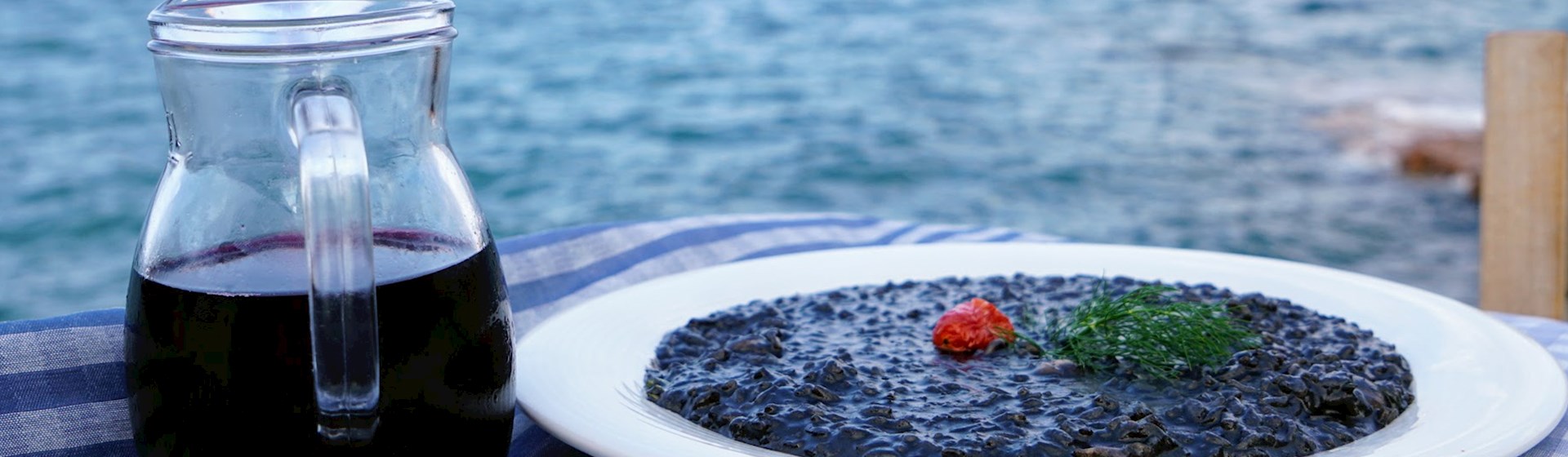
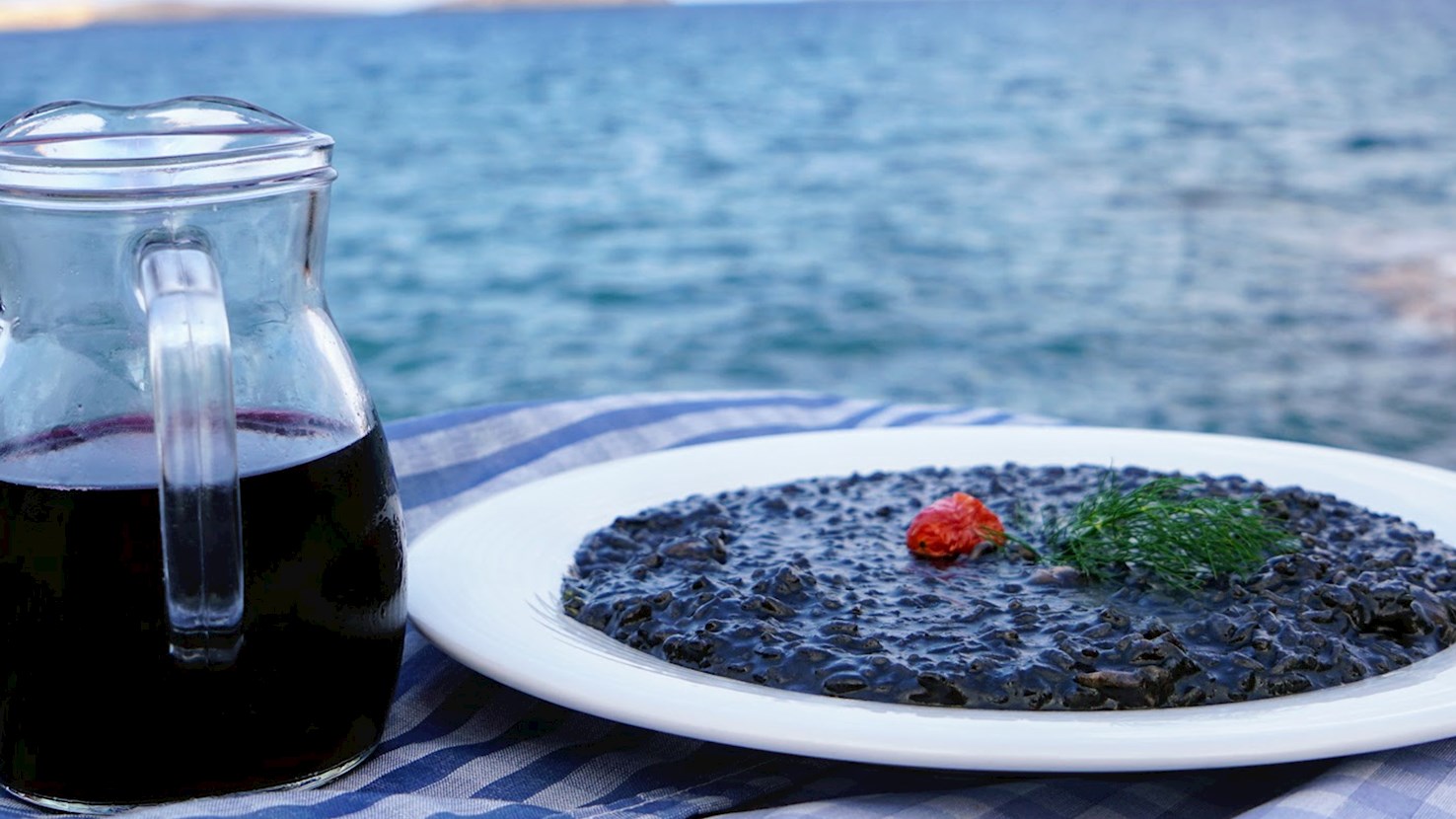
Typically served as a light lunch and a staple of many Dalmatian taverns (called konoba) and restaurants, crni rižot is a unique black risotto made with fresh squid or cuttlefish. Squid or cuttlefish ink gives the risotto its intimidating black color, while other seafood such as mussels, clams, and other shellfish are also commonly added to the dish. Just watch your smile as your teeth and lips will most probably turn black while eating it. Although the origins are still somewhat murky, it is believed that the dish was invented while Croatia was under Venetian rule, and that's the reason why it spread first in Veneto (where it's known as risotto nero di seppia) and then throughout the Mediterranean.
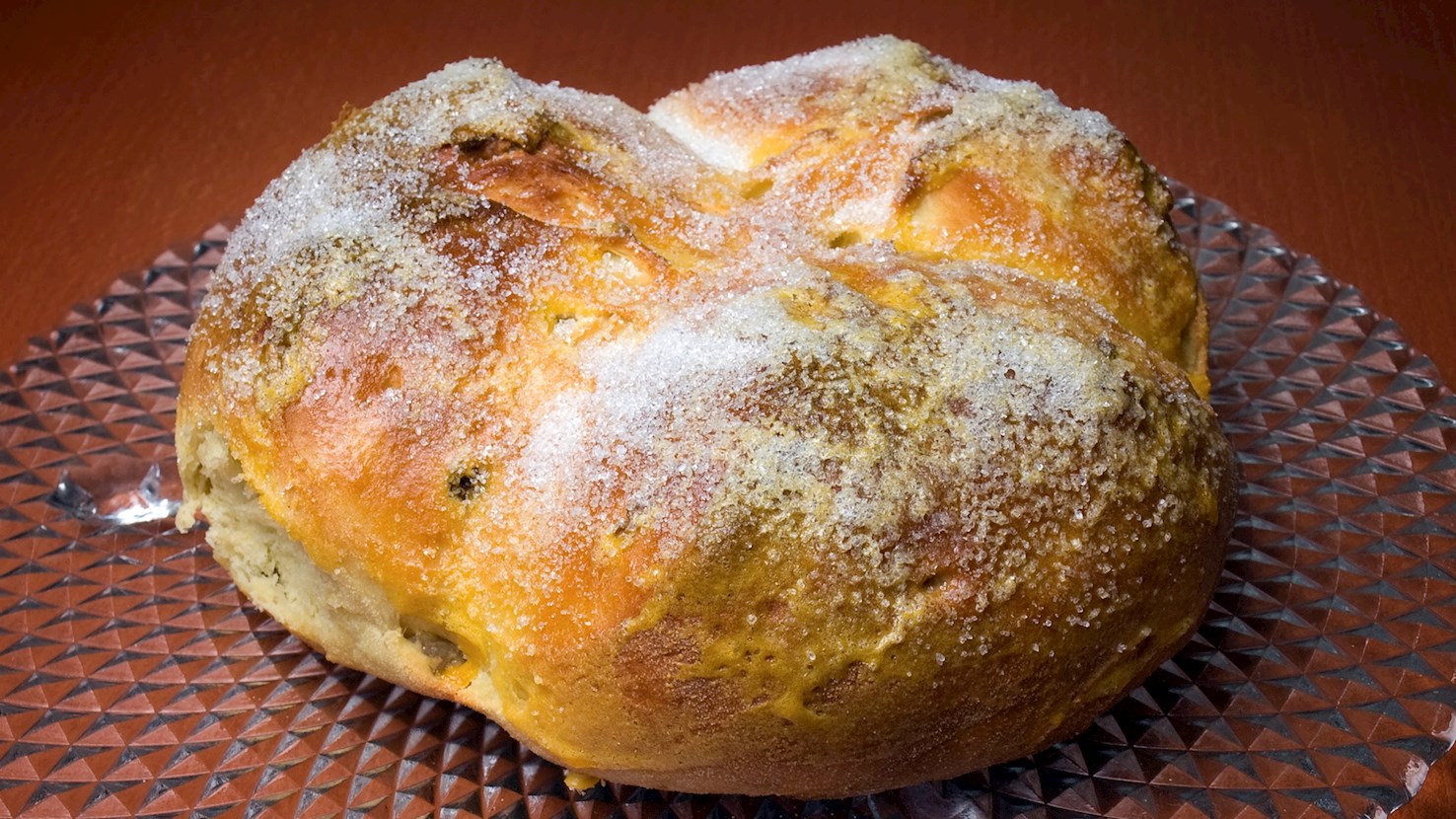
Sweet and fragrant, pinca is a traditional Easter bread. This incredibly rich pastry is made with yeasted dough consisting of flour, eggs, and butter, and it is usually shaped into a large round loaf. Each pinca is brushed with egg wash, decorated with coarse sugar, and the top is traditionally incised with a cross symbol. The soft dough is usually enriched with strong citrus and vanilla flavors, while more sophisticated versions often incorporate raisins, citrus zest, and aromatic liqueurs. This sweet bread has a soft and dense texture, delightful aromas, and an elegant visual appearance, making it a suitable dish for the festive Easter table. Although pinca was originally invented as an indulgent delicacy celebrating the arrival of spring, today it is mainly taken to church where it is blessed and is then enjoyed as a part of traditional Easter breakfast. Many Croatian households bake smaller loaves, which are given as a present to family and friends. It is believed that the tradition of preparing pinca originated in Dalmatia, where it is commonly referred as sirnica. Because of the time-consuming process of preparation, pinca is often found in numerous bakeries, stores, and patisseries.
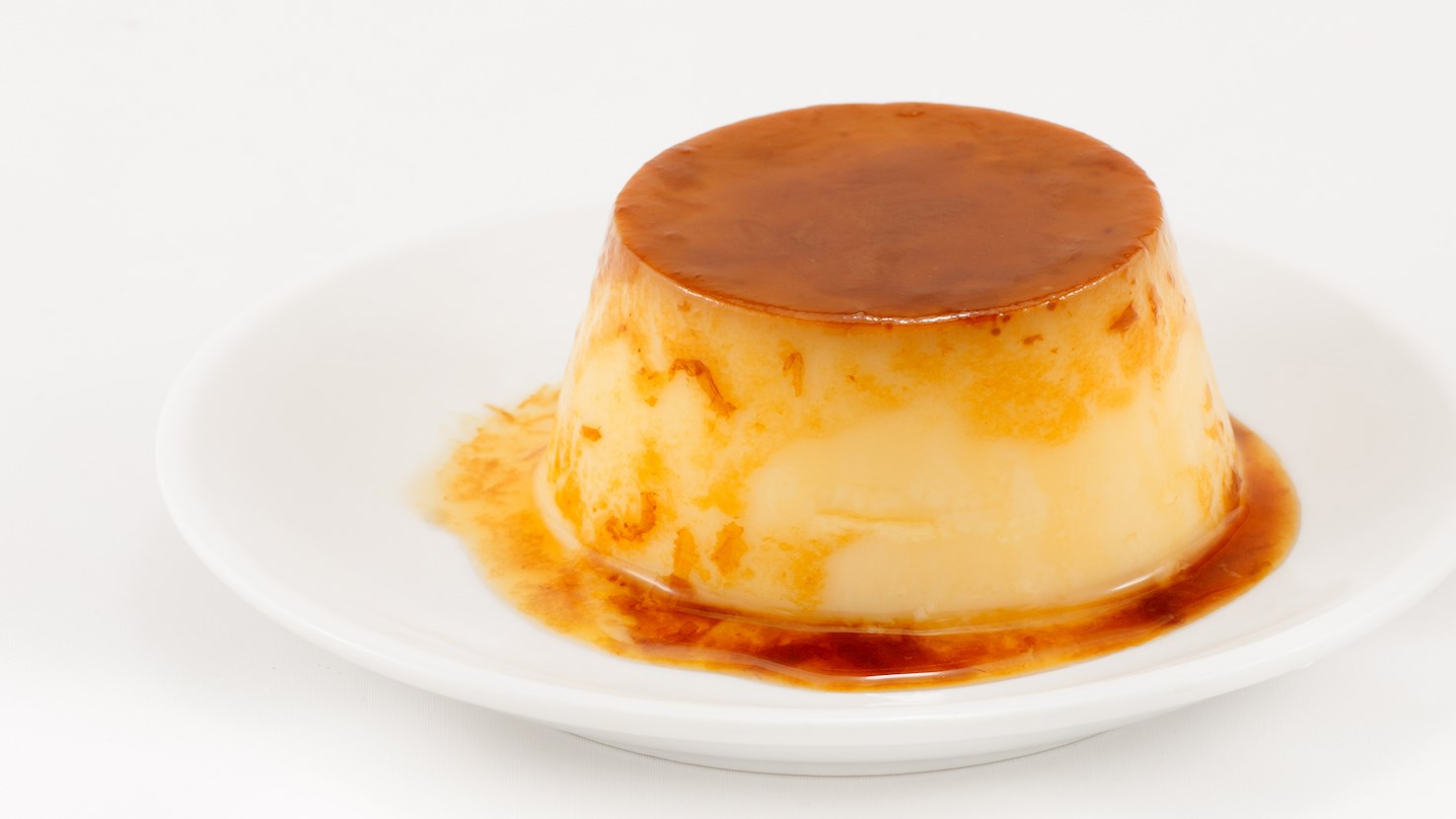
Rozata is a type of custard pudding made with a few basic ingredients — eggs, milk, and sugar, which are flavored with a local rose liqueur known as Rozalin. The creamy mixture is baked in caramel covered ramekins, and the process results in a custard that is generously covered with a sweet caramel topping. The dessert originates from the town of Dubrovnik where it has been prepared since the Middle Ages, but the simplicity of ingredients and the method of preparation is what helped in keeping this dessert unchanged for centuries. Due to the refreshing combination of lemon zest, rose liqueur, and caramel, rozata is a dessert that is best enjoyed on hot summer days.
Krapfen was probably the first European-style doughnut to appear, followed by similar varieties in other countries. These pastries are traditionally prepared with leavened dough that is deep-fried until golden and crispy on the outside, while they remain soft, light, and airy on the inside. Though krapfen can be prepared plain, they are most often filled or topped with jams, and vanilla or chocolate custards, while the top is usually dusted with powdered sugar or drizzled with chocolate. The origin of the word krapfen dates back to 9th century, and the recipes in German can be found as early as the 14th century. The sweet versions of the pastry became predominant, and have remained closely associated with the Carnival, a festive period which precedes Christian Lent. Interestingly, during the Carnival, one krapfen in a batch filled with jam and fruit preserves might contain a filling of mustard as a prank. It is believed that doughnuts spread throughout many central European countries, which adopted the technique but used different regional names. Consequently, krapfen in Germany goes under Berliner, pfannkuchen, faschingskrapfen, krebbel, or kreppel. In Poland, they are known as pączki or krepel, Hungarians refer to them as fánk, Slovak as šišky, while the Czechs use the term koblihy. In Slovenia, they are better known as krofi, while the standard name throughout Croatia, Bosnia, and Serbia is krofne or krafne. In St. Petersburg, Russia, the doughnuts are known as pyshki (either ring-shaped or without a hole), and there is a local café that has been serving pyshki prepared from the original recipe since the 1960s.
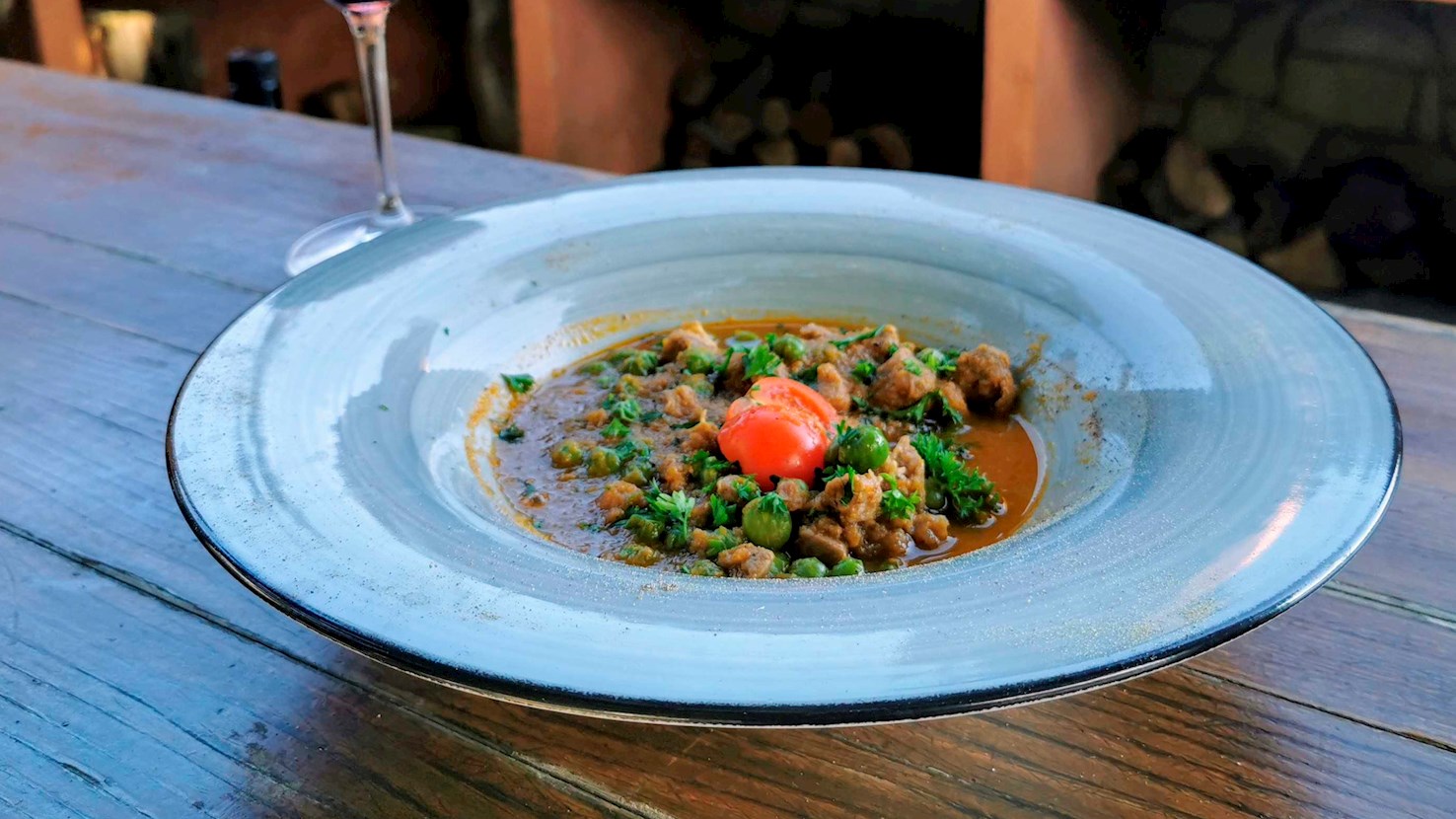
Janjetina s bižima is a popular Dalmatian main dish using lamb and young peas as the star ingredients. Chopped lamb pieces are sautéed in oil and butter with onions, carrots, and garlic, and a bit later, parsley and tomato sauce is added to the pan. The whole thing is simmered over low heat for about an hour before the young peas are added to the dish. This meal is usually seasoned with salt, pepper, and rosemary, and some cooks like to add a few boiled potatoes in order to thicken the dish. It is recommended to serve janjetina s bižima with a few slices of homemade black bread.
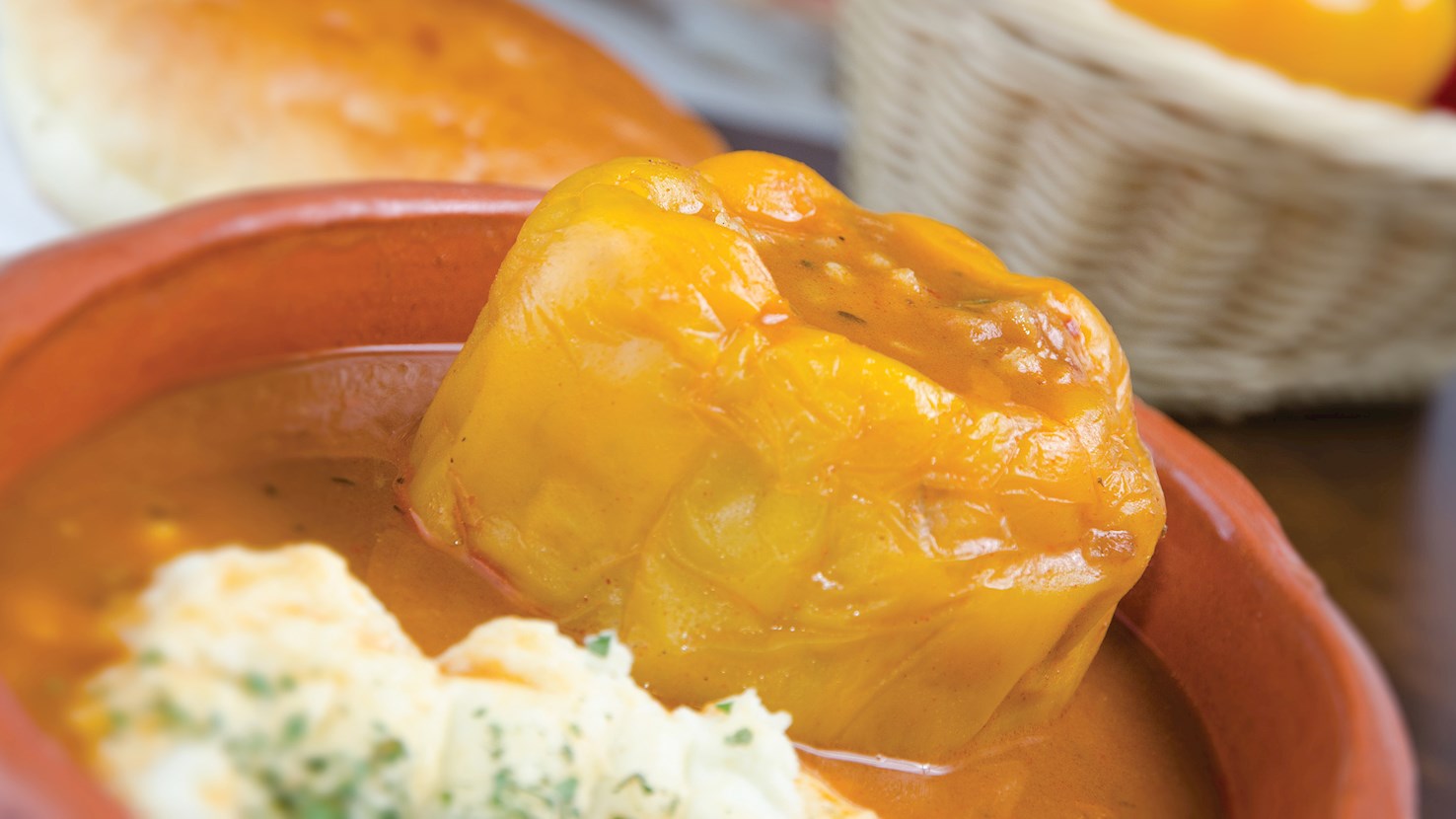
Punjena paprika is a ground meat dish that's prepared in many variations across the Balkans, in countries such as Croatia, Bosnia, Slovenia, Serbia, and Hungary, among others. The dish consists of bell peppers that are stuffed with a mixture of ground meat (veal, pork, or both), rice, and spices. Punjene paprike are a quintessential summer dish in Croatia – sarma is reserved for winter, while punjena paprika is a summer staple. The meat and rice mixture is typically seasoned with onions, salt, pepper, and paprika powder. Once stuffed, the bell peppers (usually green bell peppers) are cooked in tomato sauce with a bit of flour and garlic, and they are then served with mashed potatoes on the side.
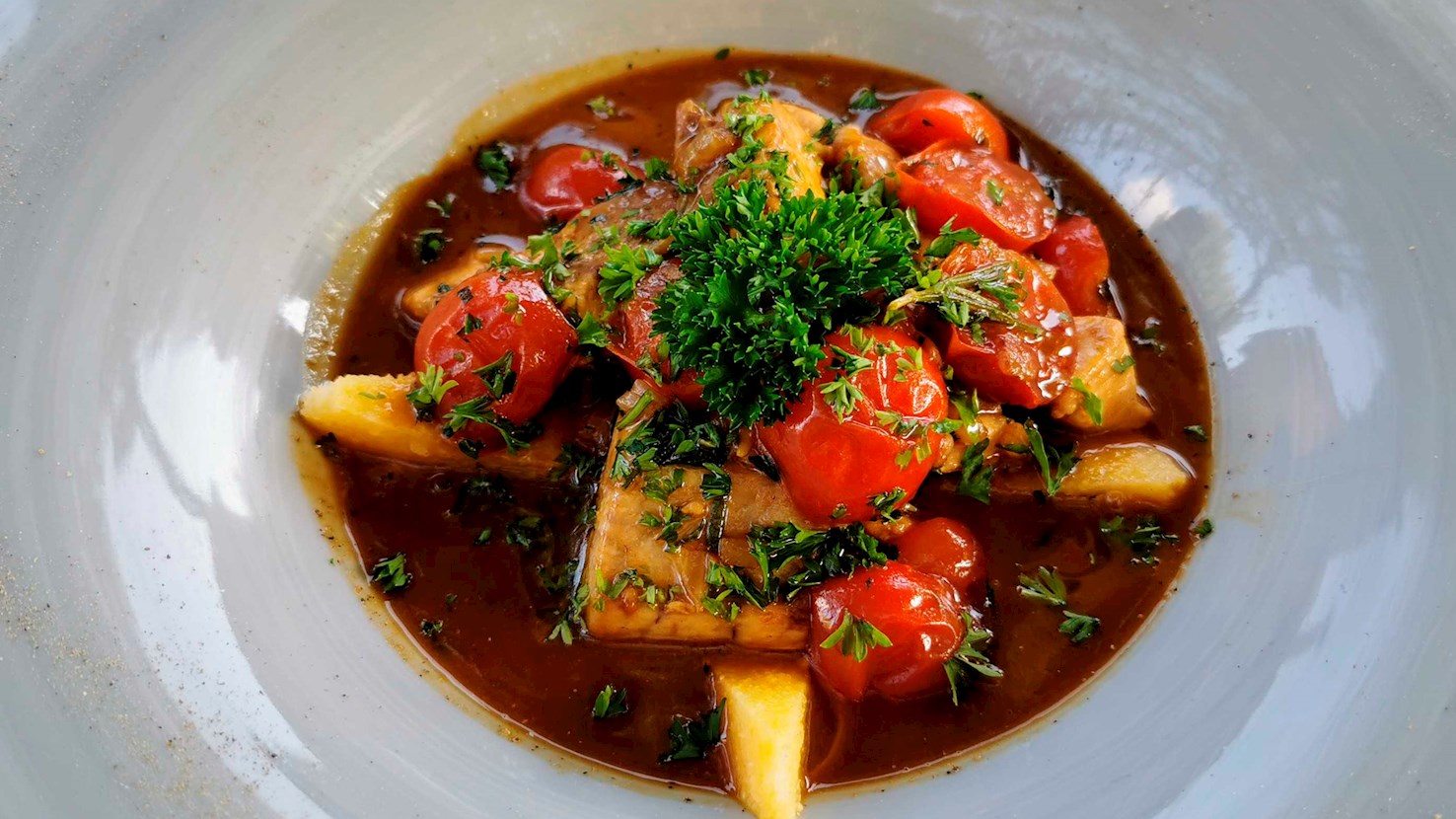
Brudet is one of the true classics of traditional Croatian cuisine. Prepared with a variety of seafood, this rustic stew is consumed along the entire Croatian coast. It is nearly impossible to find a unique brudet recipe, since every region, town, and household have their favorite version of the dish. General guidelines suggest that at least three different types of fish should be used – always cut into larger chunks and left on the bone. Scorpionfish, monkfish, sea bass, or any other white-fleshed fish is suitable for brudet. The addition of shellfish such as mussels and scampi is a desirable complement since they considerably contribute to the flavor. Brudet is usually cooked in large amounts in traditional pans with a heavy bottom. The fish is primarily fried with olive oil, onions, and garlic, and later braised in a flavorful broth which usually employs a combination of seafood stock, tomato sauce, and white or red wine, with the occasional addition of fresh tomatoes, chili peppers, and a touch of vinegar. The dish is seasoned with traditional Mediterranean spices such as bay leaves, rosemary, and fresh parsley. All recipes and traditions follow one rule: the dish is not to be stirred, but swirled by turning the pot. Although all brudet varieties are very much alike, the one prepared in the Neretva region is considered unique since it employs eels and frogs, two traditional ingredients used in the area. The most common side dish served with brudet is creamy polenta, but boiled potatoes or freshly baked bread are also perfect complements to the flavorful sauce and tender fish. Numerous Croatian restaurants prepare and serve brudet as their signature dish, while brudet competitions are a common tradition in many coastal towns – annual festivities during which different groups of people or restaurants test their skills and creativity in the preparation of this Croatian classic. Whether it is served in luxurious high-end restaurants or at laid-back rustic eateries, brudet is a true representative of authentic Croatian soul food.
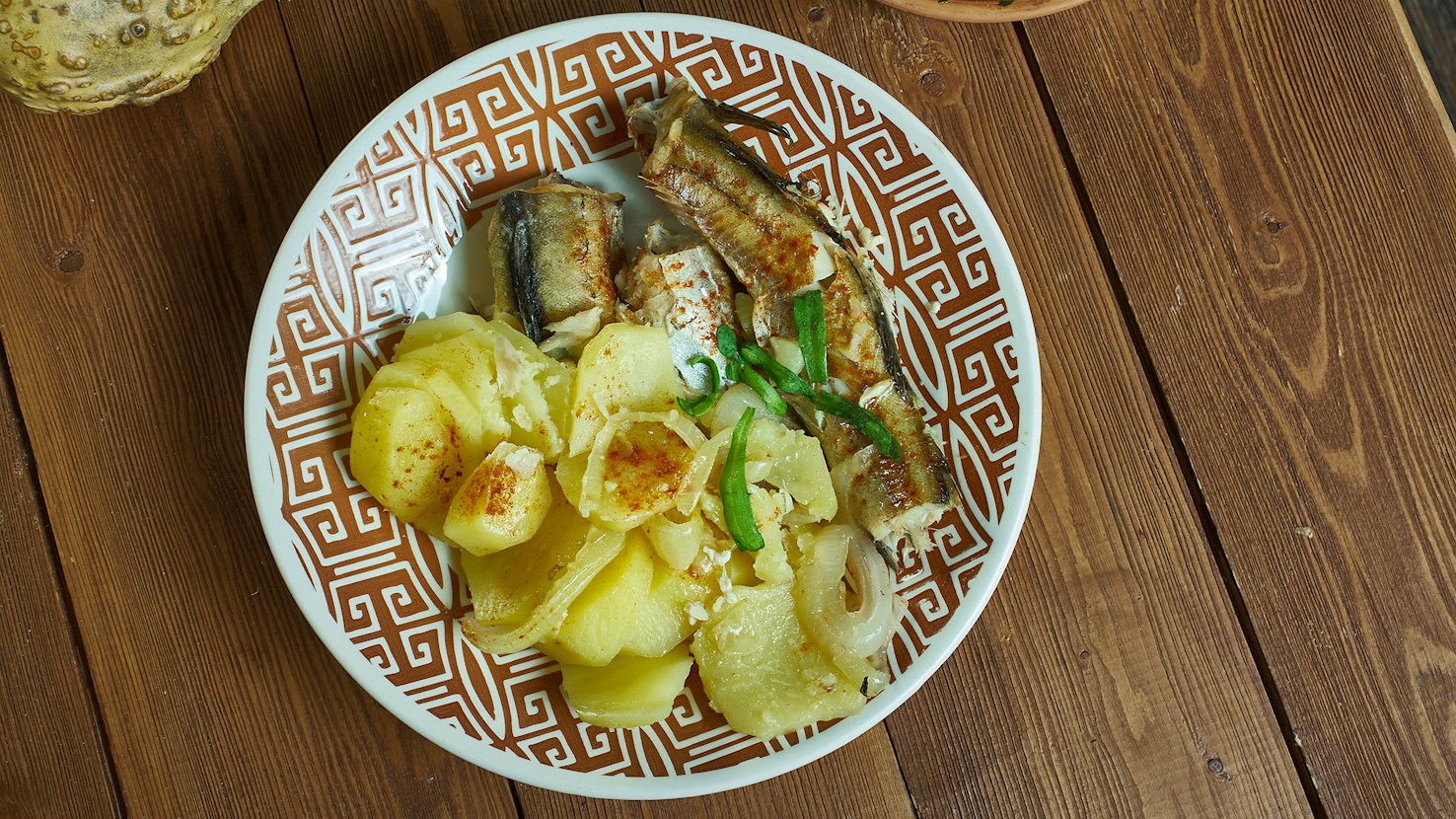
This simple fish stew with potatoes is said to be the oldest way of preparing fish in Dalmatia and was probably brought to the area by Greek settlers more than 2000 years ago, although potatoes are a local modification because they were introduced considerably later. Traditionally, the dish is made by layering together thinly sliced potatoes and onions which are then drizzled with olive oil, topped with smaller white saltwater fish, and cooked in just enough water and white wine to cover the fish—usually with the addition of parsley and garlic, whereas modern recipes often include ingredients such as capers and salted anchovies. A staple among local fishermen, gregada is prepared throughout the region, but it is mostly associated with central Dalmatian islands, especially the island of Hvar.
TasteAtlas food rankings are based on the ratings of the TasteAtlas audience, with a series of mechanisms that recognize real users and that ignore bot,
nationalist or local patriotic ratings, and give additional value to the ratings of users that the system recognizes as knowledgeable.
TasteAtlas Rankings should not be seen as the final global conclusion about food. Their purpose is to promote excellent local foods,
instill pride in traditional dishes, and arouse curiosity about dishes you haven’t tried.




What People Say