

dreamtimes

5 Traditional Foods
You Have To Try in Stuttgart

Last updated on June 17, 2026
01

Käsespätzle

4.1 ·

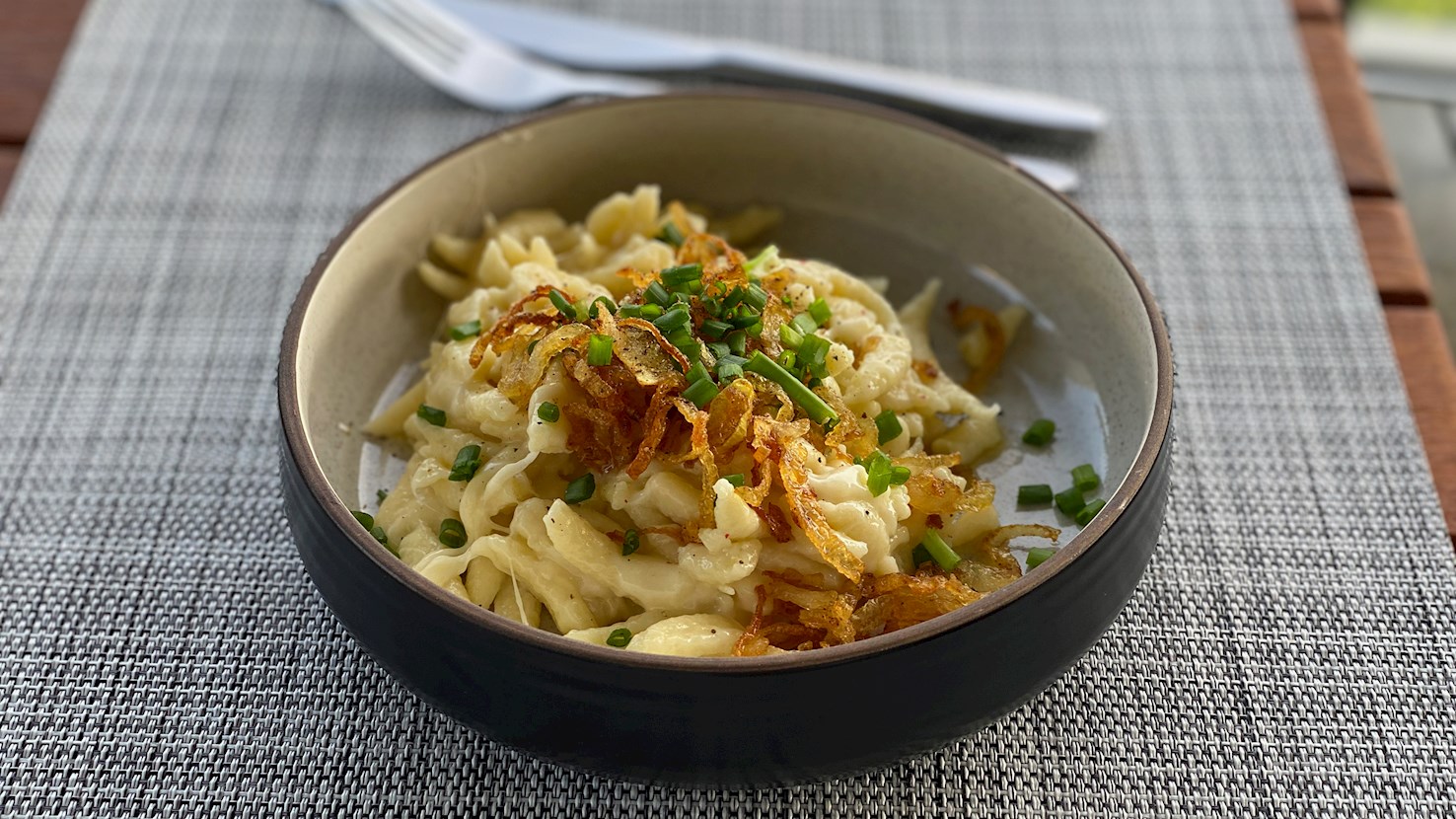
Käsespätzle is a simple noodle dish that combines spätzle noodles with a creamy mixture of melted cheese. The noodles are also called knöpfle, meaning little buttons, and are made with eggs, flour, milk or water, and seasonings such as salt, pepper and (sometimes) nutmeg, while käse refers to the melted cheese mixture, which is usually a combination of two or more types of cheese such as Edam, Gouda, Fontina, Gruyère, Appenzeller, or Emmental cheese. The noodle mixture is typically pressed through a specially designed spoon or colander directly into boiling salted water and cooked until done before it is mixed with the melted cheese. Also referred to as käsknöpfle, the dish is typically enjoyed with additional grated cheese and caramelized onions on top, and typical accompaniments include apple sauce, potato salad, and fresh green salads. Versions of this dish are traditionally consumed in Southern Germany, Swabia, Austria, and Liechtenstein, and it's also a typical dish in Switzerland, Hungary, Alsace, Moselle, and South Tyrol.

02

Schwäbische Maultaschen

4 ·

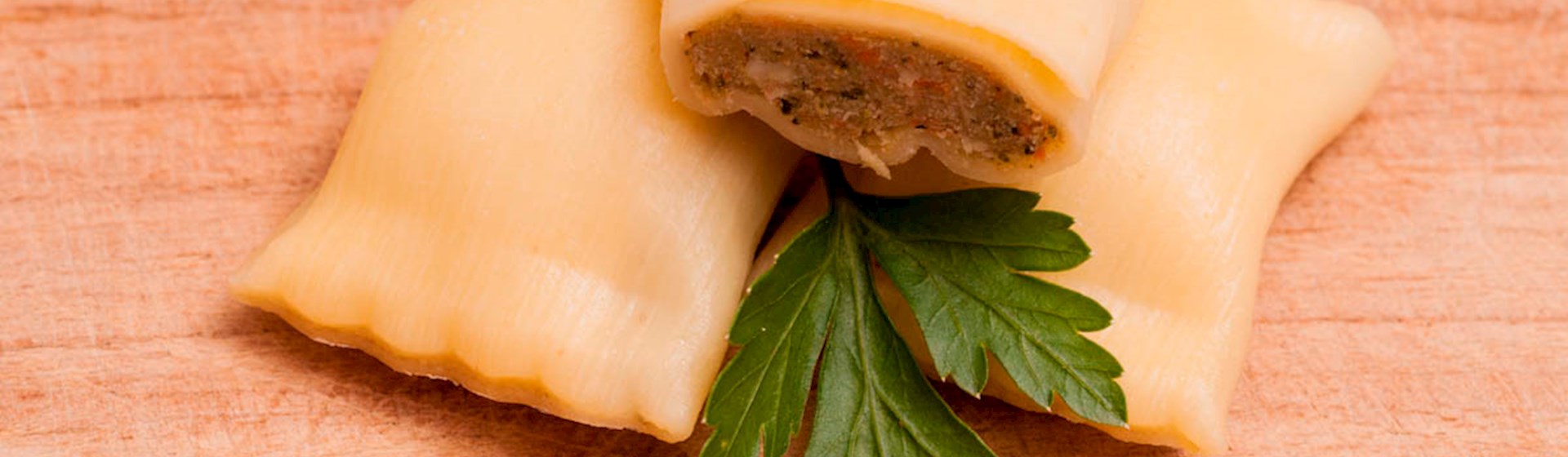
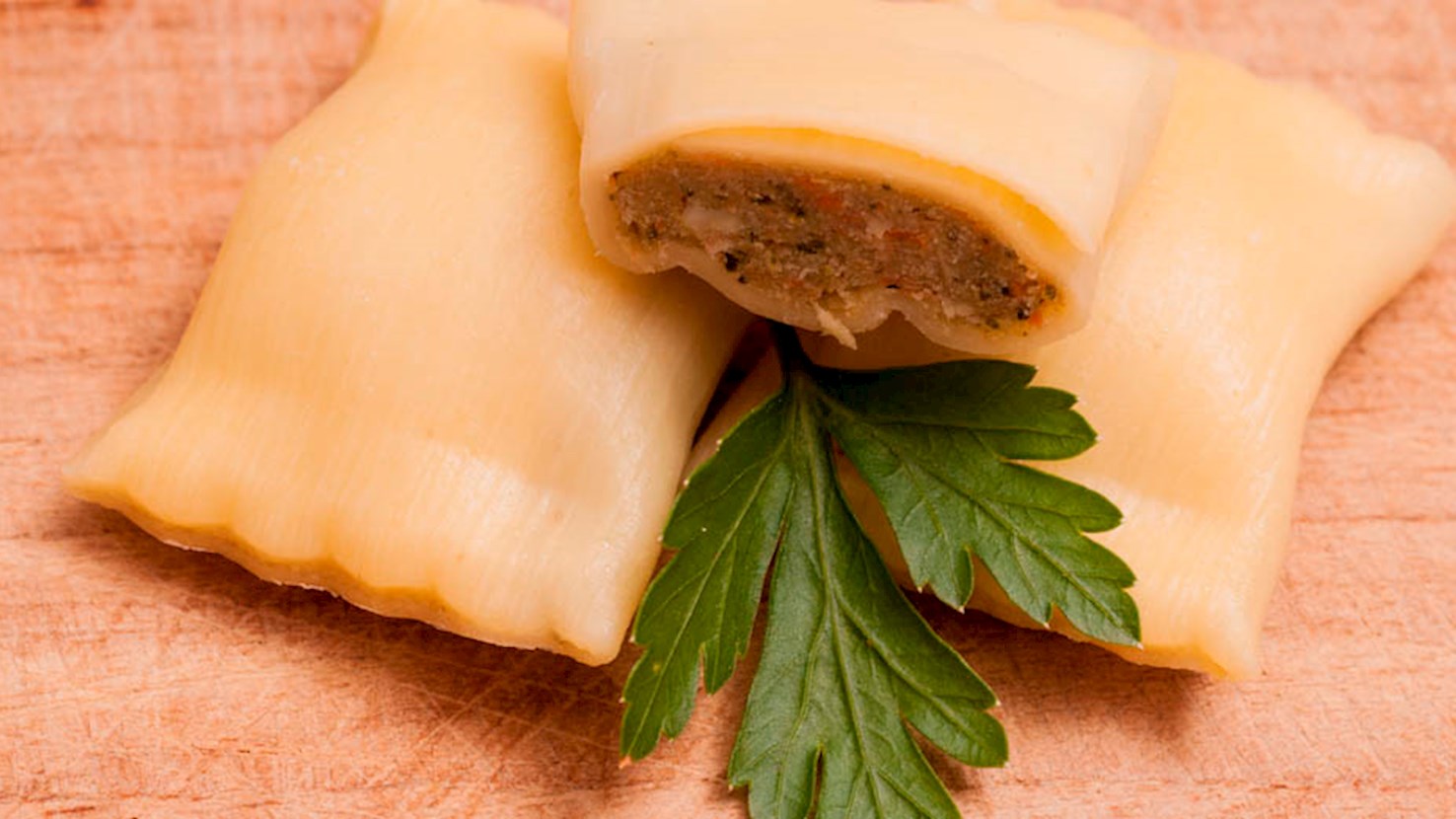
Originating from Swabia in eastern Baden-Württemberg, Schwäbische Maultaschen are traditional, savory dumplings filled with ground meat, onions, spinach, and bread. This hearty dish is ideal for cold winter months and can be prepared in three ways: sliced and fried with eggs, simmered in broth, or topped with onions and butter. Originally, the dish was invented by Cistercian monks from the Maulbronn Monastery in the 1600s. Since meat was forbidden during Lent, the monks chopped the meat and combined it with spinach and herbs to hide it, while the dough was used as another layer of disguise for the meat. Today, the dish is so popular that there is an annual Maultaschen Festival held every autumn in Freiberg am Neckar.

03

Ofenschlupfer

3.6 ·

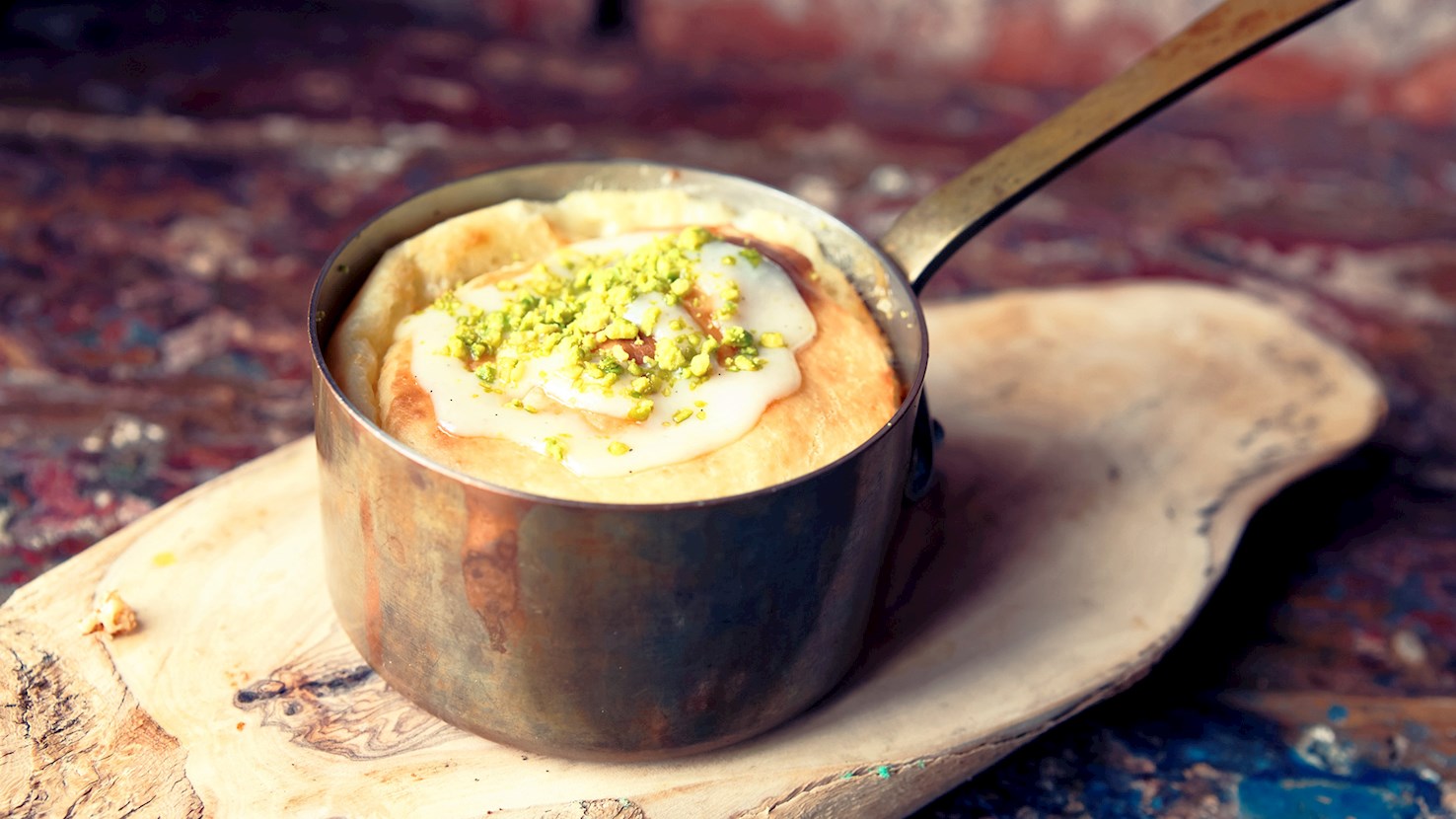
This traditional bread pudding comes from Swabia and is made with pieces of stale bread and apples, drenched in a custard-like mixture of milk, sugar, eggs, butter, cinnamon, and vanilla sugar. Everything is combined into a greased baking dish and baked until nicely colored and slightly crispy on top. Ofenschlupfer is often enhanced with raisins and flaked almonds, and it is usually finished with icing sugar after baking. In Swabia, this simple dessert is typically savored warm with vanilla sauce and fresh cream on the side, but it also pairs well with a scoop of vanilla ice cream.

Best restaurants
04

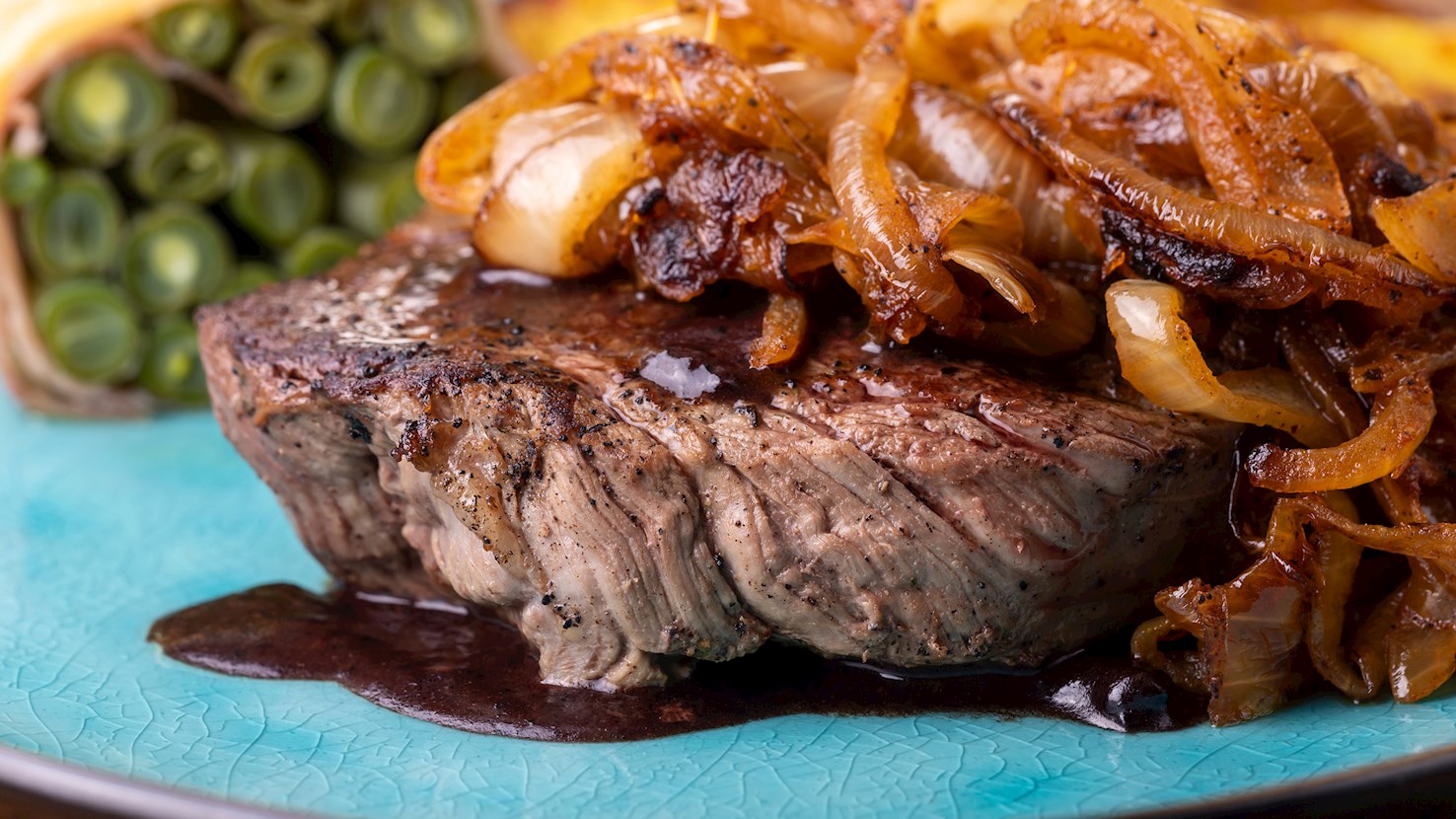
Zwiebelrostbraten

4.3 ·

Zwiebelrostbraten is a traditional dish that's served in most German and Austrian restaurants in Bavaria and Vienna, respectively. The dish is usually made with a combination of beef (sirloin steak), onions, flour, oil, butter, paprika, Dijon mustard, cream, beef stock, salt, and pepper. The onions are sliced into rings, dipped in a mixture of flour and paprika, fried in oil, and set aside. The steaks are lightly pounded, seasoned with salt and pepper, coated with flour and paprika, fried in oil and butter on both sides, and removed from the pan. The fried onions are returned to the pan with mustard and beef stock, and the mixture is cooked until the juice are reduced. Cream is added to the pan and everything is simmered for a few minutes. The steaks are added to the sauce, and the dish is then served with spätzle or potatoes on the side. The meat is typically topped with the remaining onions before serving.

Best restaurants
05

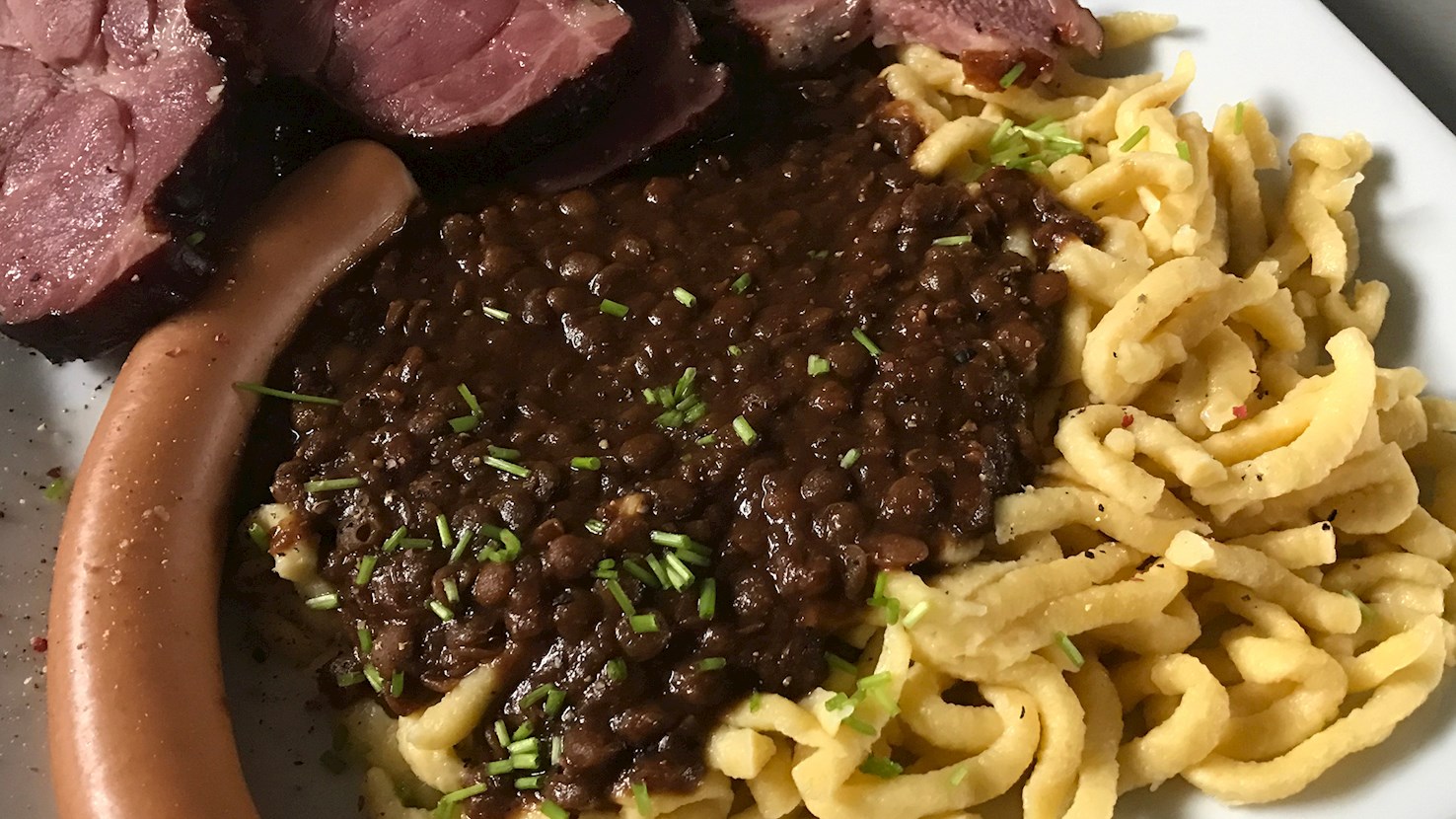
Linsen mit Spätzle

3.6 ·

One of the staples of traditional Swabian cuisine, linsen mit spätzle combines a thick and creamy stew of brown lentils (linsen) with soft egg noodles (spätzle). Lentils are braised with bacon and vegetables and then simmered until soft and fully cooked in meat or vegetable broth, which is usually thickened with roux. The broth is typically enhanced with tomato paste and seasoned with vinegar, salt, pepper, and nutmeg. Warm and filling, the lentil stew is then transferred to a plate of boiled spätzle noodles, and it is usually enjoyed with a side of saitenwurst sausages (German string sausages) and a cold beer. This hearty combination makes a frequent appearance in restaurants and university cafeterias in the region, but it is also a beloved home-cooked dish in numerous Swabian households.

Best restaurants
About this ranking

TasteAtlas food rankings are based on the ratings of the TasteAtlas audience, with a series of mechanisms that recognize real users and that ignore bot, nationalist or local patriotic ratings, and give additional value to the ratings of users that the system recognizes as knowledgeable. For the “5 Traditional Foods You Have To Try in Stuttgart” list until June 17, 2026, 8 ratings were recorded, of which 6 were recognized by the system as legitimate. TasteAtlas Rankings should not be seen as the final global conclusion about food. Their purpose is to promote excellent local foods, instill pride in traditional dishes, and arouse curiosity about dishes you haven’t tried.

Similar lists