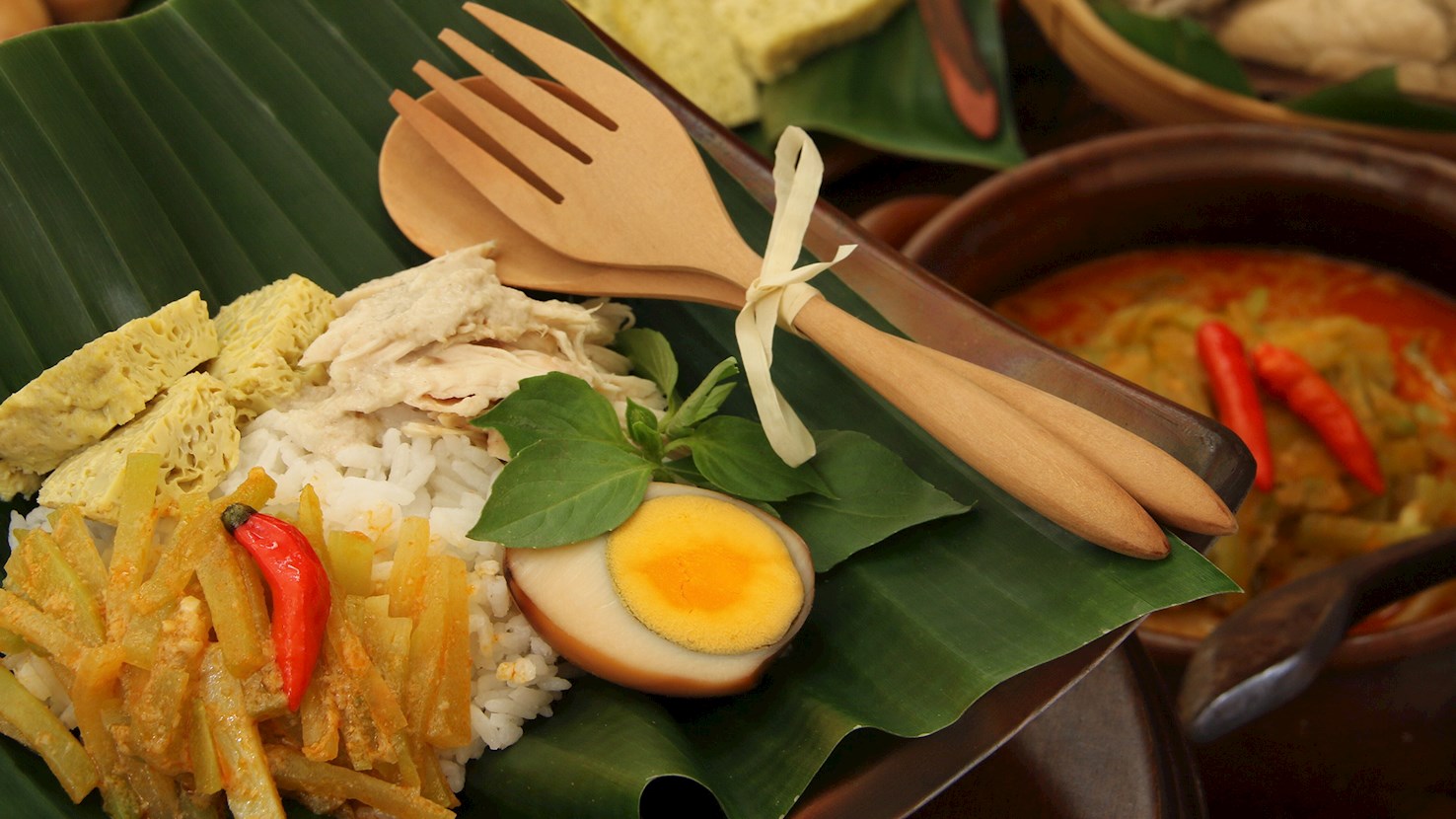
Nasi liwet is an Indonesian rice dish known for its rich, aromatic flavor and creamy texture, cooked in coconut milk and infused with fragrant spices. Originating from Solo (Surakarta), Central Java, this dish is a staple of Javanese cuisine, often served during communal feasts and special gatherings. Unlike plain steamed rice, nasi liwet is prepared by simmering rice in coconut milk, chicken broth, bay leaves, lemongrass, and pandan leaves, creating a subtly sweet, savory, and aromatic flavor. The result is a fluffy yet slightly creamy rice that is packed with fragrance and depth. Traditionally, nasi liwet is served with opor ayam (Javanese-style coconut milk chicken), telur pindang (herb-infused boiled eggs), tahu or tempe bacem (sweet soy-braised tofu or tempeh), and labu siam (chayote vegetable stew). A signature accompaniment is areh, a thick, coconut milk reduction that enhances the richness of the dish. Nasi liwet is often presented communal-style on banana leaves, with diners eating together by hand, emphasizing the Javanese tradition of togetherness and hospitality.
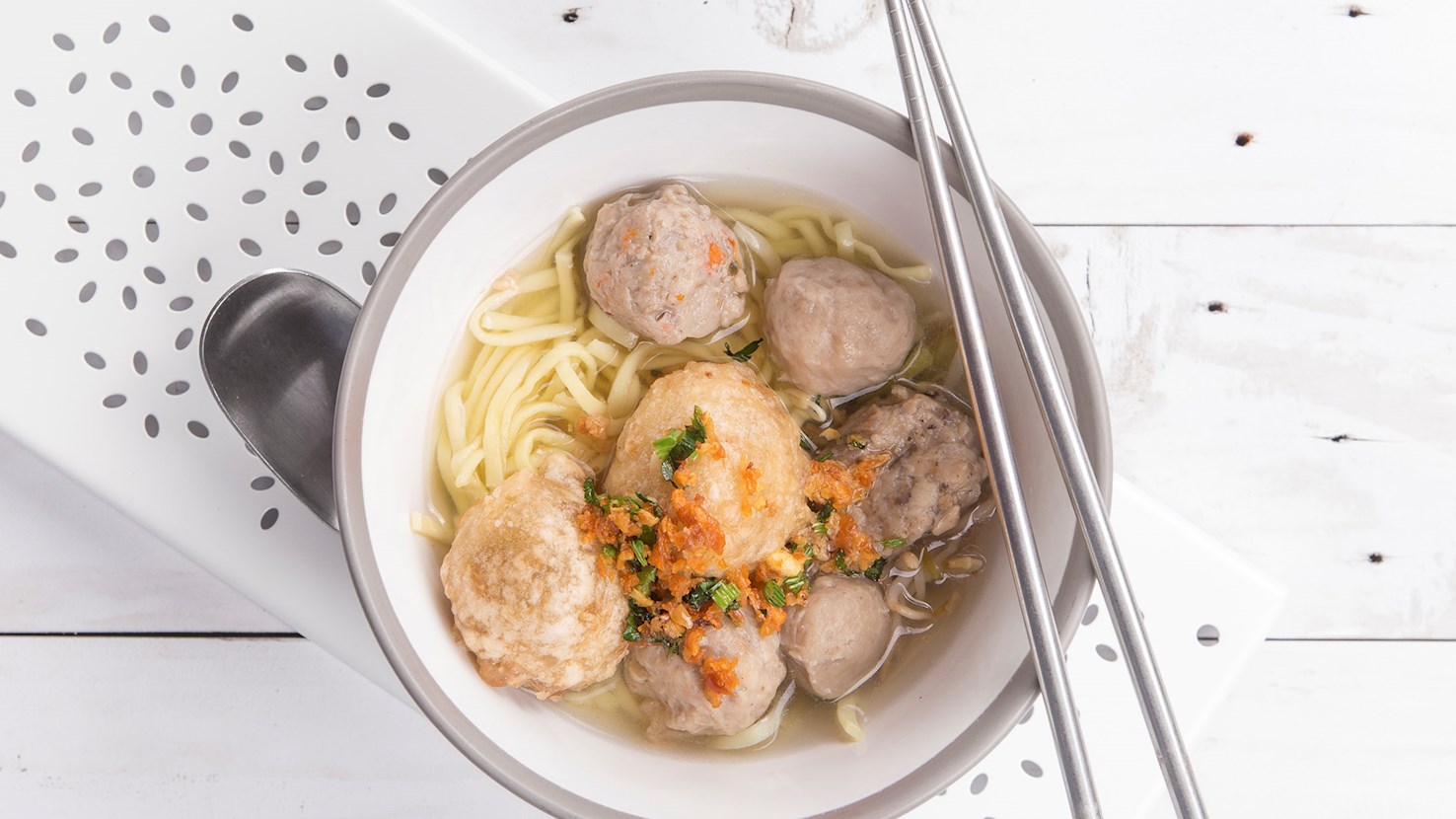
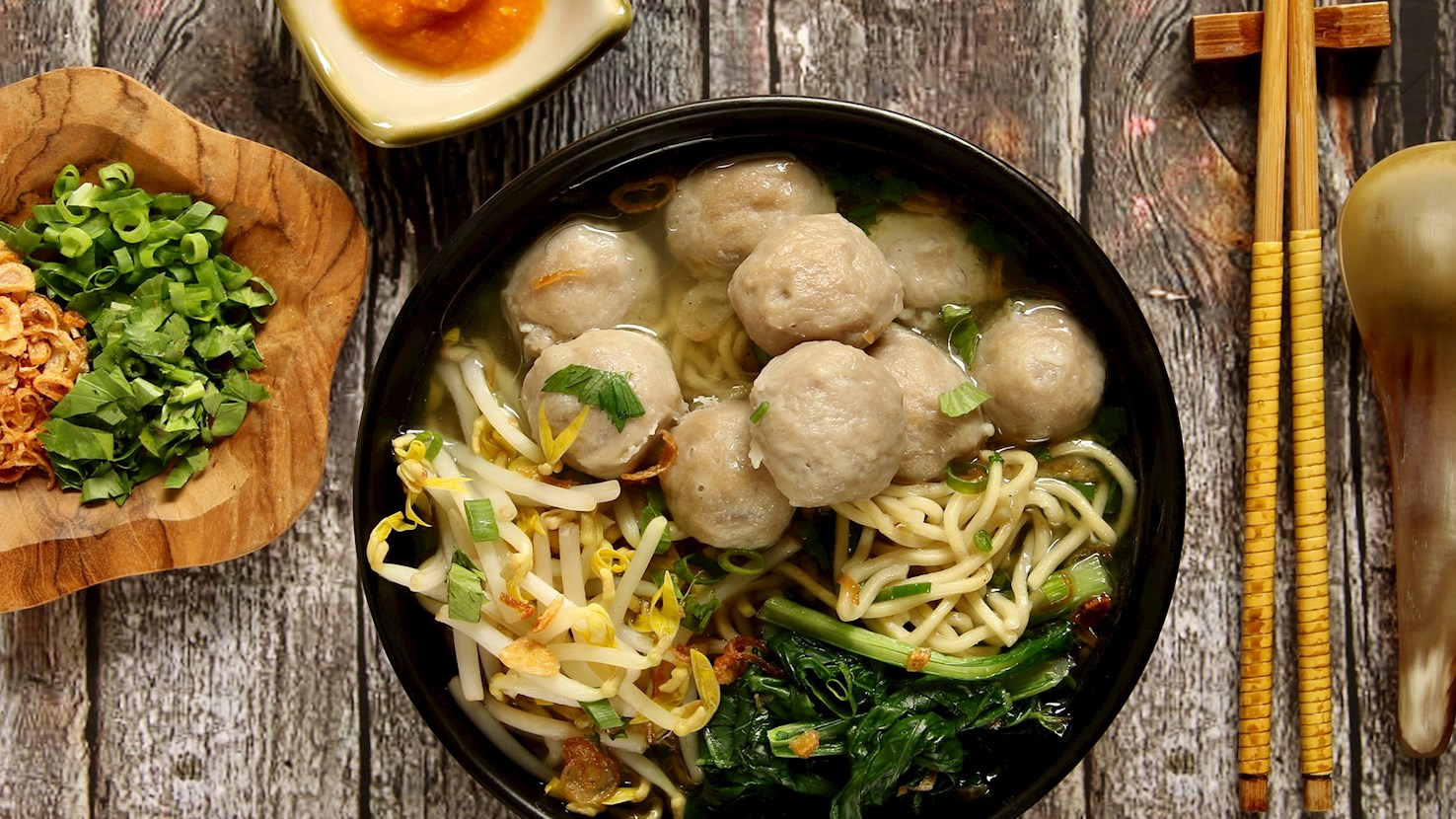
Bakso is a popular Indonesian meatball soup. Like many other dishes in Indonesia, it grew out of Asian and European influences in the country. Throughout Indonesia, there are many variations of bakso, but all of them include three main ingredients: broth, noodles, and meatballs. What distinguishes bakso from other Asian varieties is the consistency of the meatballs, which should have a springy texture. Although bakso is essentially street food, it can be found anywhere from outdoor eateries to elegant restaurants. The garnishes, which are additionally added, are usually wontons, hard-boiled eggs, or tofu. The dish is typically served warm with a splash of chili or soy sauce.
Bakso Solo is a meatball dish that originates from Solo (Surakarta). While bakso (Indonesian meatballs made primarily from beef and tapioca flour) is popular across the country, bakso Solo is recognized for its light, clear broth, delicately seasoned, and its smooth, bouncy-textured meatballs. Typically, bakso Solo is served with a combination of vermicelli noodles (bihun) and yellow egg noodles, along with tofu, fried wontons, boiled eggs, or even bakso urat (meatballs with tendon for extra texture). The clear beef broth is made from slow-simmered beef bones, enhanced with garlic, shallots, pepper, and sometimes a hint of nutmeg or celery leaf. Unlike spicier or richer regional bakso variants (like bakso Malang), bakso Solo maintains a more delicate and clean taste, often complemented with sweet soy sauce (kecap manis), chili sauce (sambal), and a squeeze of lime at the table. Street vendors and small warungs in Solo often serve Bakso Solo from pushcarts or small stalls.
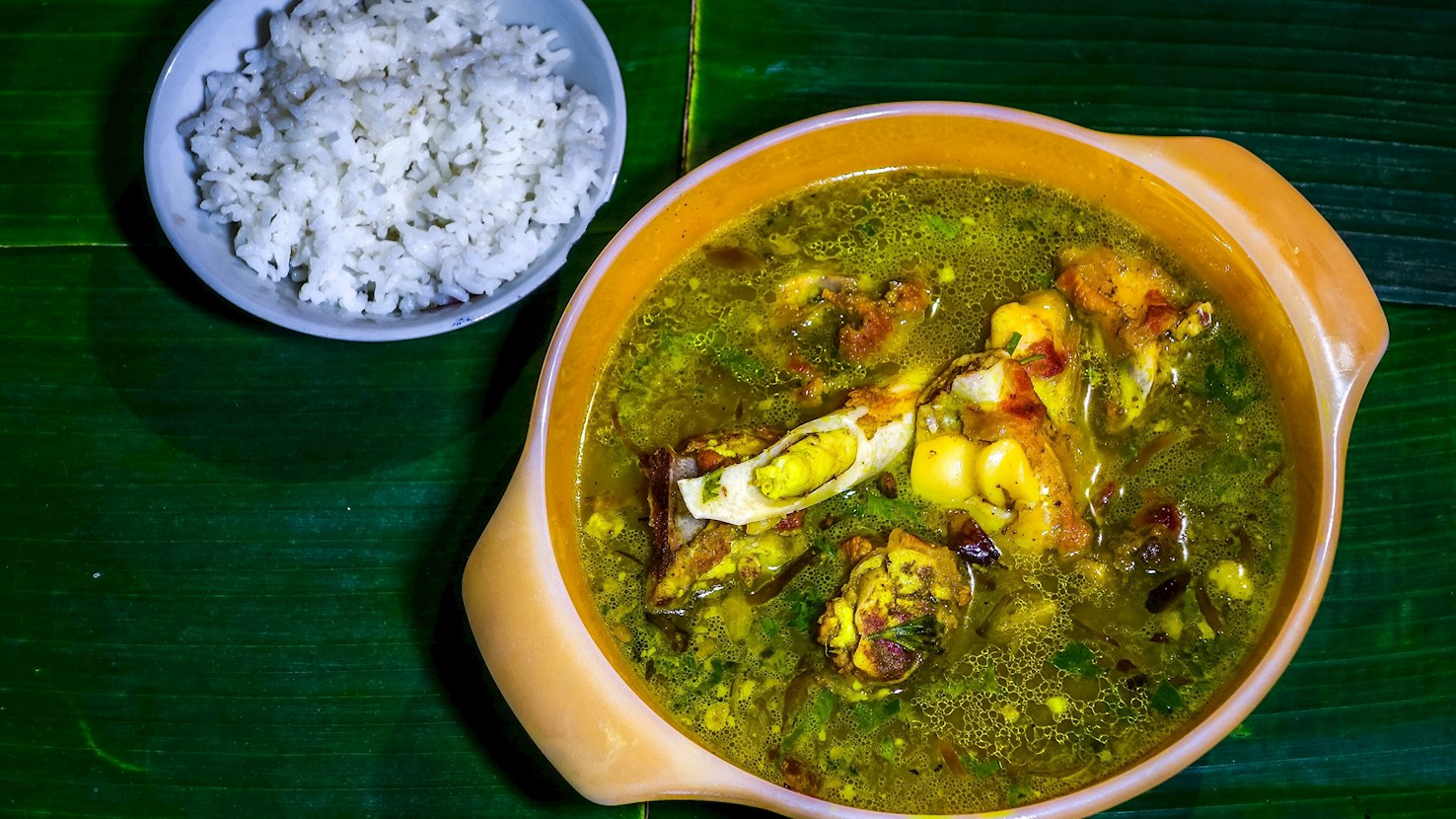
This Indonesian goat stew originated in Surakarta, Java. It is believed that the dish appeared during the Dutch rule when the best goat cuts were usually distributed among the rich, and what was left for the poor were goat bones which still had some meat attached to them. The bones are cooked in a thin, coconut-milk-based broth that is enriched with various herbs and spices such as turmeric, galangal, lemongrass, cumin, coriander, garlic, and onions, while some establishments also may include the addition of goat innards. The dish is served in bowls or wrapped in banana leaves.
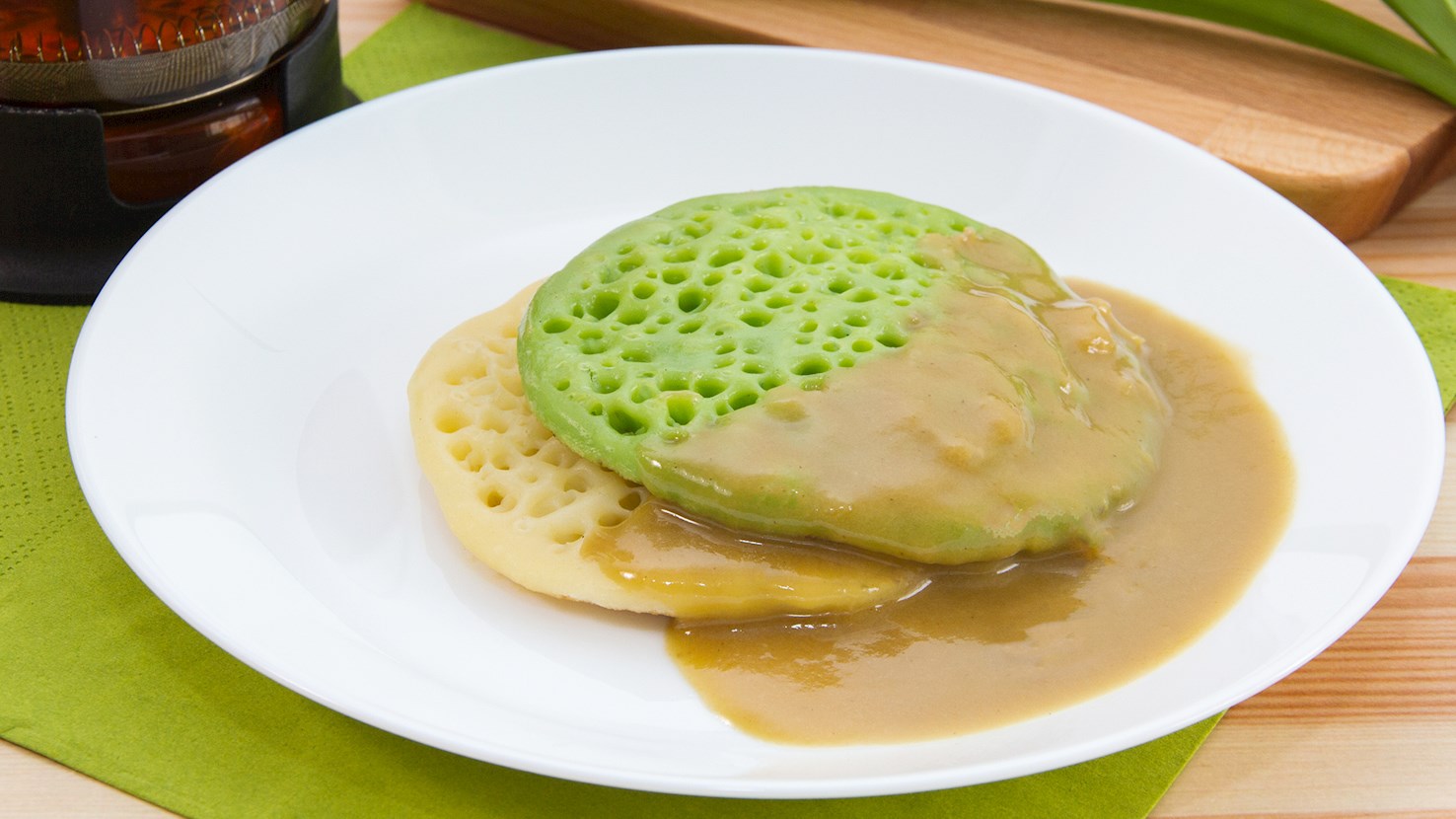
These traditional, small-sized Indonesian pancakes are usually prepared with rice flour and coconut milk. The pancakes are incredibly versatile, they come in sweet and savory versions, and can be adapted with wheat flour and various toppings such as sugar, bananas, crushed peanuts, jackfruit, chocolate sprinkles, or fermented oncom, while modern-day additions also include meat, sausages, or ice cream. Serabi pancakes are found throughout Java, but they are usually associated with the cities of Bandung and Solo. They are typically accompanied by strawberry, durian, or coconut-based kinca syrup, and are mainly sold as a quick and convenient street food. A similar dish can be found in Thailand, where it goes under the name khanom khrok.
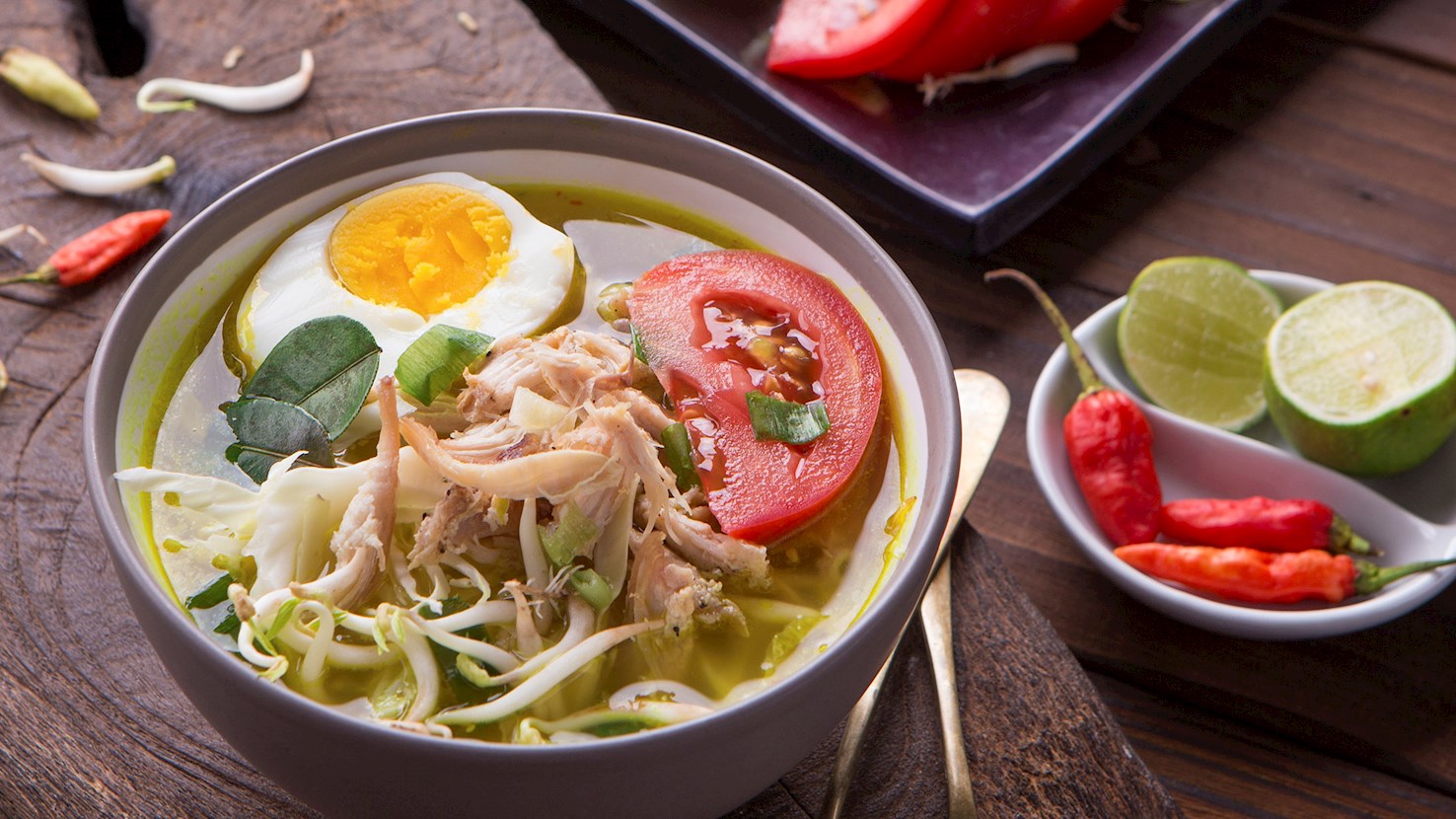
Throughout Indonesia, soto is known under various names such as the Makassar coto or the Pekalongan tauto. However, this traditional Indonesian soup is usually associated with the island of Java, where it is believed to have appeared in its original form. Nowadays there is no right way to prepare soto because the varieties are numerous and usually adapted to local cuisines. Although it is believed that soto was developed because of a strong Chinese influence in the country, it is more likely that the soup was created following common cooking traditions of the area and utilizing the ingredients which were available in abundance. This versatile dish also has a myriad of accompaniments such as stewed eggs, grilled offal, fried tofu, and either chili or soy sauce. Soto is regarded as comfort food, and it can be found everywhere in Indonesia - from local open-air eateries to high-end restaurants. This authentic Indonesian creation is also popular and commonly eaten in Malaysia, Singapore, and Brunei.
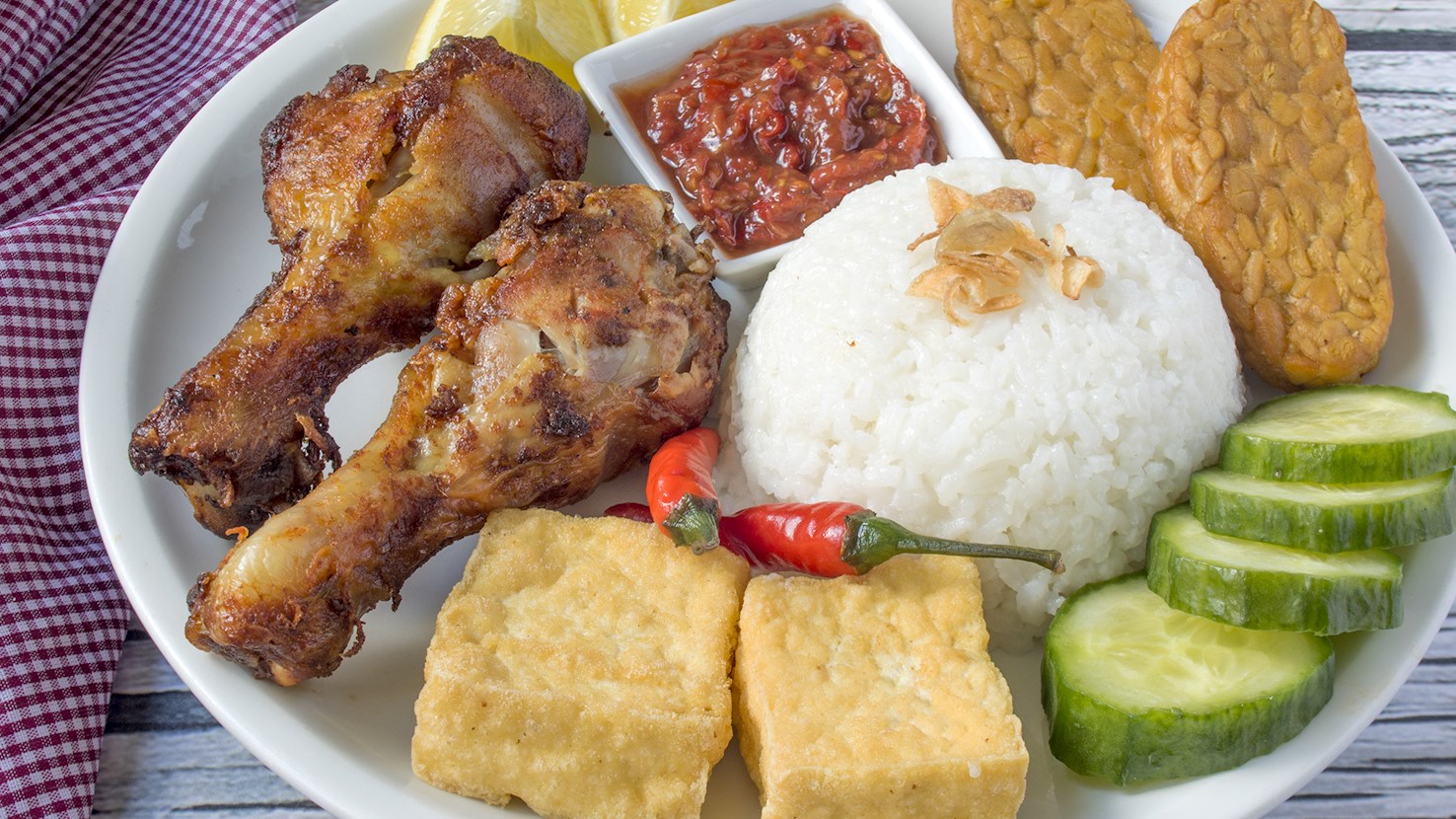
This Indonesian dish consists of pieces of fried chicken that are served coated in sambal, a popular chili paste. The word penyet from the name of this dish means to press or push, referring to the preparation method in which the chicken is pressed by a pestle in order to make the meat more tender. Some versions tenderize the chicken after frying, at the same time coating it with sambal. The dish is served with extra sambal on the side, usually accompanied by fresh vegetables, tempeh, tofu, and rice. Although it hails from East Java, ayam penyet is found throughout the country and is also popular in Singapore.
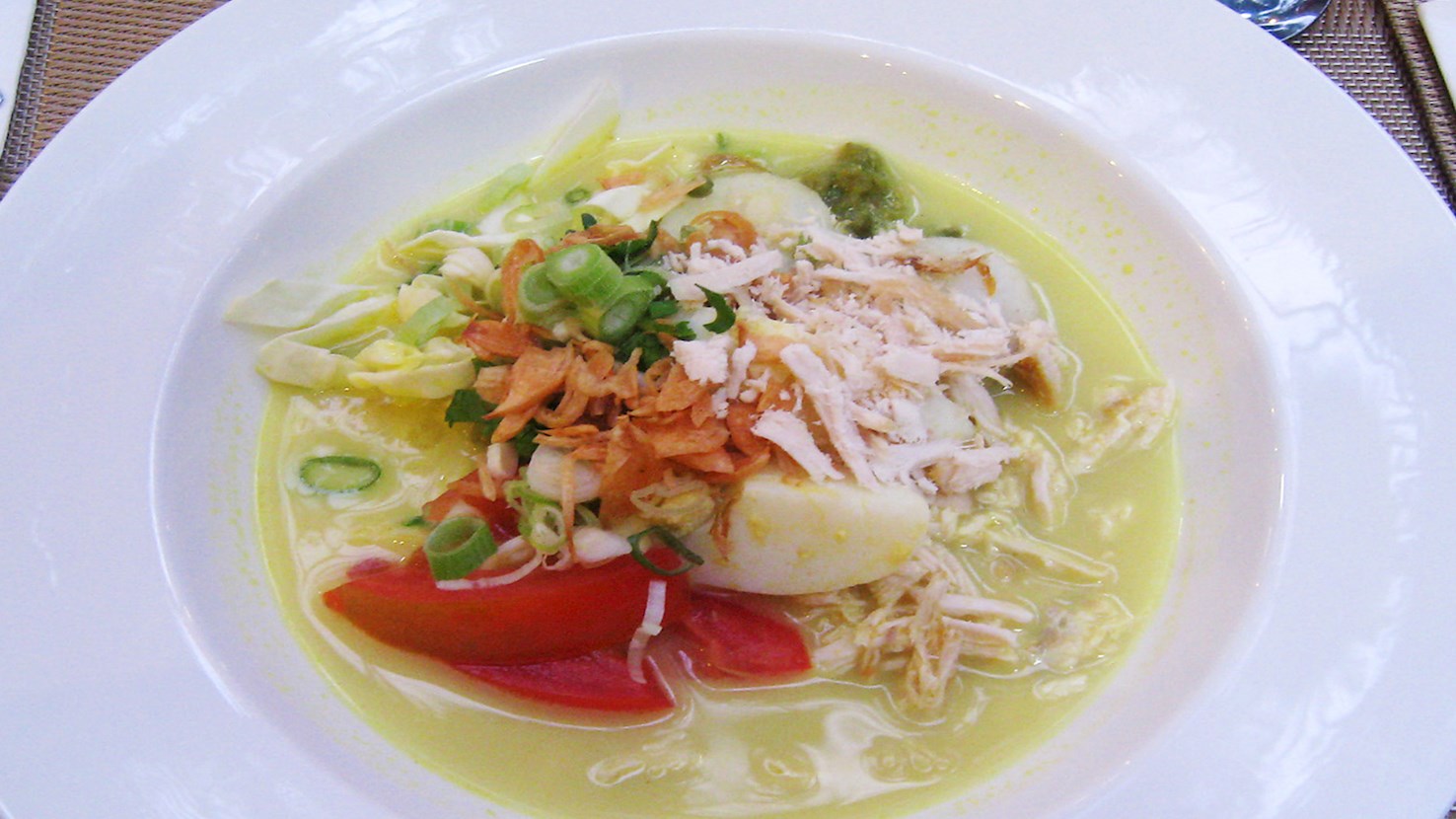
Soto ayam is possibly the most popular variation of the traditional Indonesian soto soup. This chicken-based version usually includes compressed rice cakes such as lontong, nasi himpit or ketupat, vermicelli or noodles, while turmeric gives it a specific yellow color. Other ingredients that may be used are onions and garlic, white or black pepper, ginger, cumin, lemongrass, coriander, and sometimes koya, a mixed prawn cracker and fried garlic powder. It is commonly served topped with boiled eggs, fried potato slices, Chinese celery leaves, and fried shallots. Sambal, a hot chili paste, krupuk, deep-fried crackers, or emping, traditional Indonesian chips may also be used as accompaniments to the dish.
Perkedel are Indonesian fried delicacies consisting of either mashed potatoes, ground meat, ground corn, or minced fish (perkedel ikan). The name of these savory patties is derived from the Dutch word frikadel, showing the Dutch culinary influence on Indonesian territory. Prior to frying, the main ingredient is usually combined with finely chopped scallions and pepper, then dipped in beaten eggs. Perkedel is traditionally served as an appetizer or a side dish with soto ayam soup, although it can also be consumed as a main dish, when it is usually accompanied by nasi kuning (yellow rice).
TasteAtlas food rankings are based on the ratings of the TasteAtlas audience, with a series of mechanisms that recognize real users and that ignore bot,
nationalist or local patriotic ratings, and give additional value to the ratings of users that the system recognizes as knowledgeable.
TasteAtlas Rankings should not be seen as the final global conclusion about food. Their purpose is to promote excellent local foods,
instill pride in traditional dishes, and arouse curiosity about dishes you haven’t tried.





What People Say