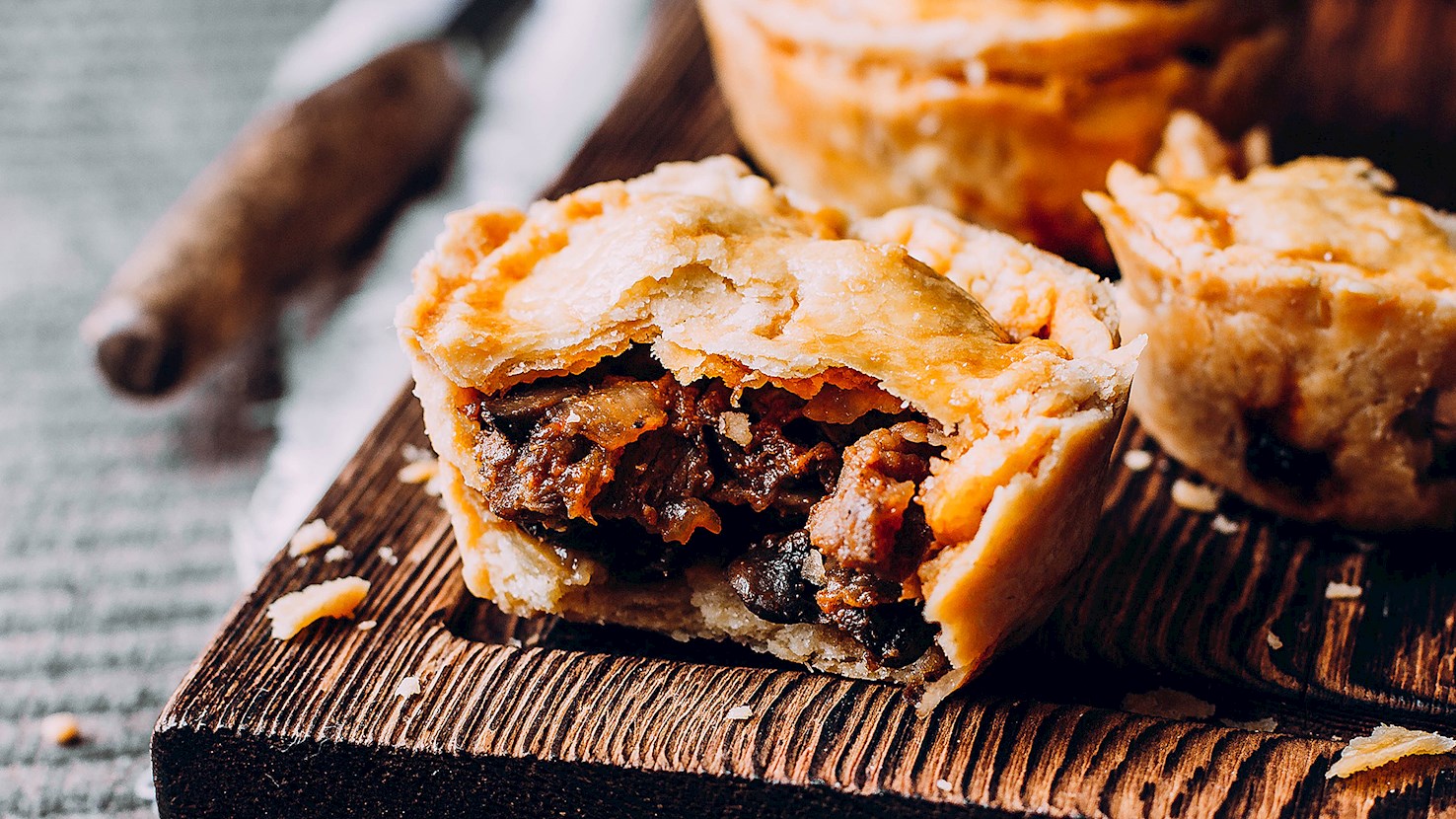
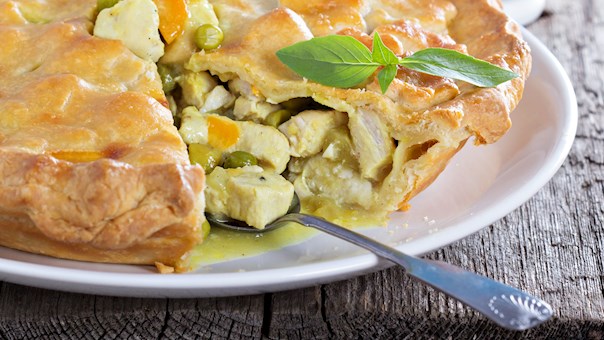
Australian and New Zealander meat pie is made with flaky pastry that is filled with gravy and minced meat. Of course, numerous variations exist, so the filling can also be made with onions, chicken and asparagus, mushrooms, cheese, crocodile meat, vegetables, or seafood. There are also variations of meat pies such as party pies (tiny pies served to party guests) and the pie floater (a green pea soup with a pie floating on top of it). The concept of the pie traces way back to the Neolithic period, when barley, semolina, and grains were made into a paste, filled with honey and baked over hot coals. The Greeks then developed the pie filled with meat. It is believed that the meat pie was brought to Australia and New Zealand during the colonization period, as it was hugely popular in Europe at the time and provided good nutritional value for settlers, with basic and largely available ingredients. Nowadays, the meat pies are typically smothered in tomato sauce that is similar to ketchup, sparking passionate debates about whether the tomato sauce should be squeezed over the pie at once or bit by bit, and whether the sauce should be cold or served at room temperature. As proof of the meat pie's popularity, the Great Aussie Pie Competition, founded in 1990, is held annually in hopes of discovering the best pies in the country.
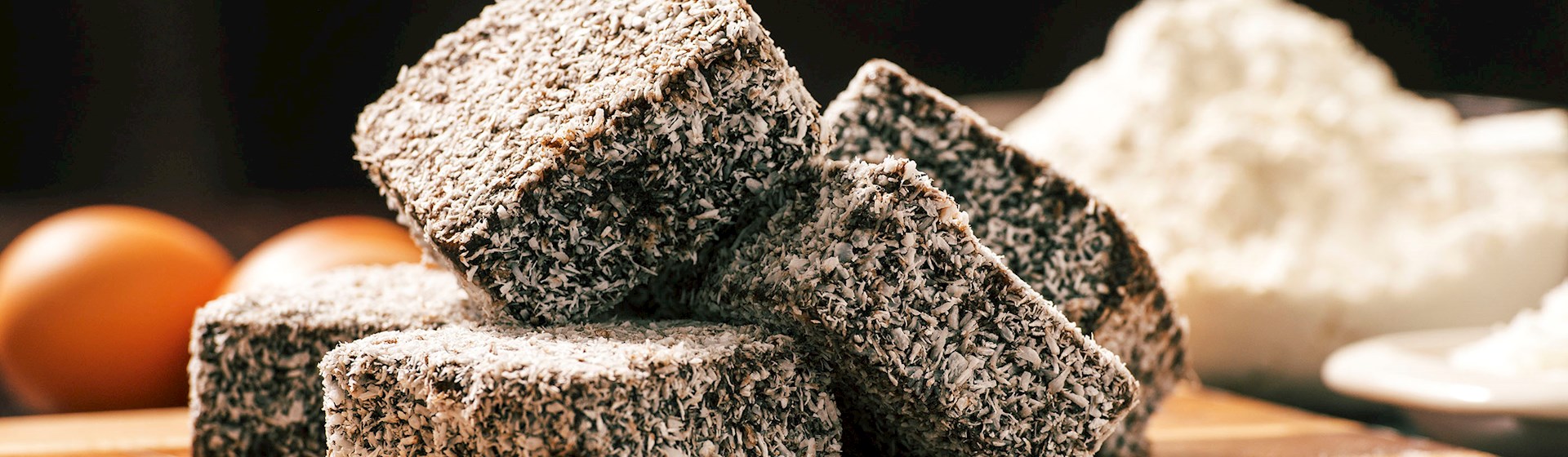
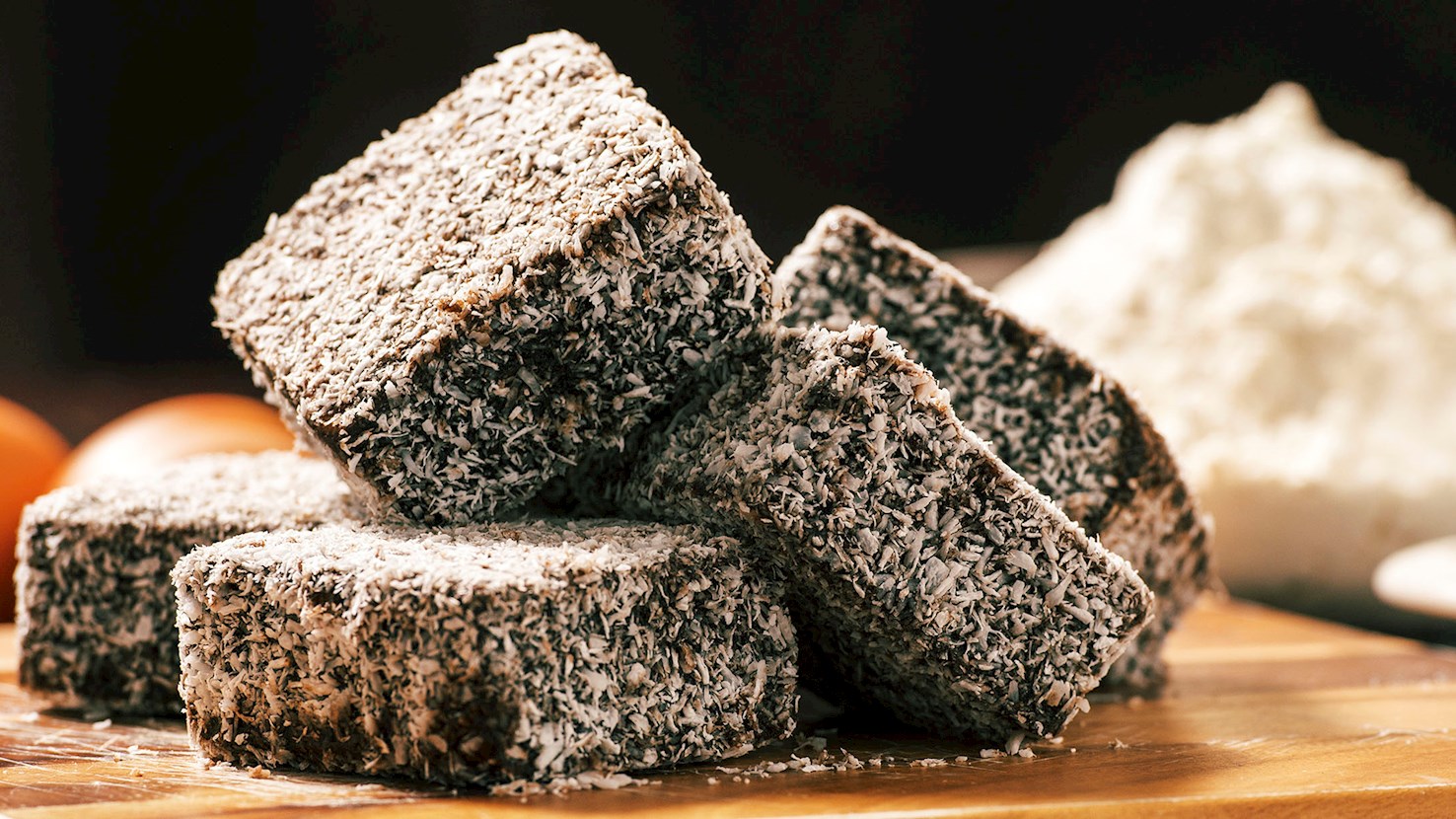
The world-famous Australian culinary icon Lamington consists of a sponge cake that is dipped in chocolate and sprinkled with finely desiccated coconut. The cake is believed to have been created by accident when Lord Lamington's maid accidentally dropped his favorite cake in melted chocolate. Lamington, the eighth Governor of Queensland, suggested that the cake should be sprinkled with coconut in order to avoid the mess while consuming it - and the erroneous cake was proclaimed a massive success by all. Today, the cake is extremely popular due to its climate suitability, as it lasts longer in the heat when it's cut in bite-sized squares and covered in coconut. It is also a staple of fundraising events due to the fact that it can be easily made in large quantities. The cake can also be found throughout Australia and New Zealand in numerous supermarkets, cafés, and bakeries. The cake is also popular in Balkan and Eastern Europe - in Croatia, the same cake (without any fruit jam whatsoever) is called čupavci, and it's a Christmas staple. In Slovakia, the cake is called kokosové ježe, in Poland it's known as kostka kokosowa, while the Hungarian name is kókuszkocka.
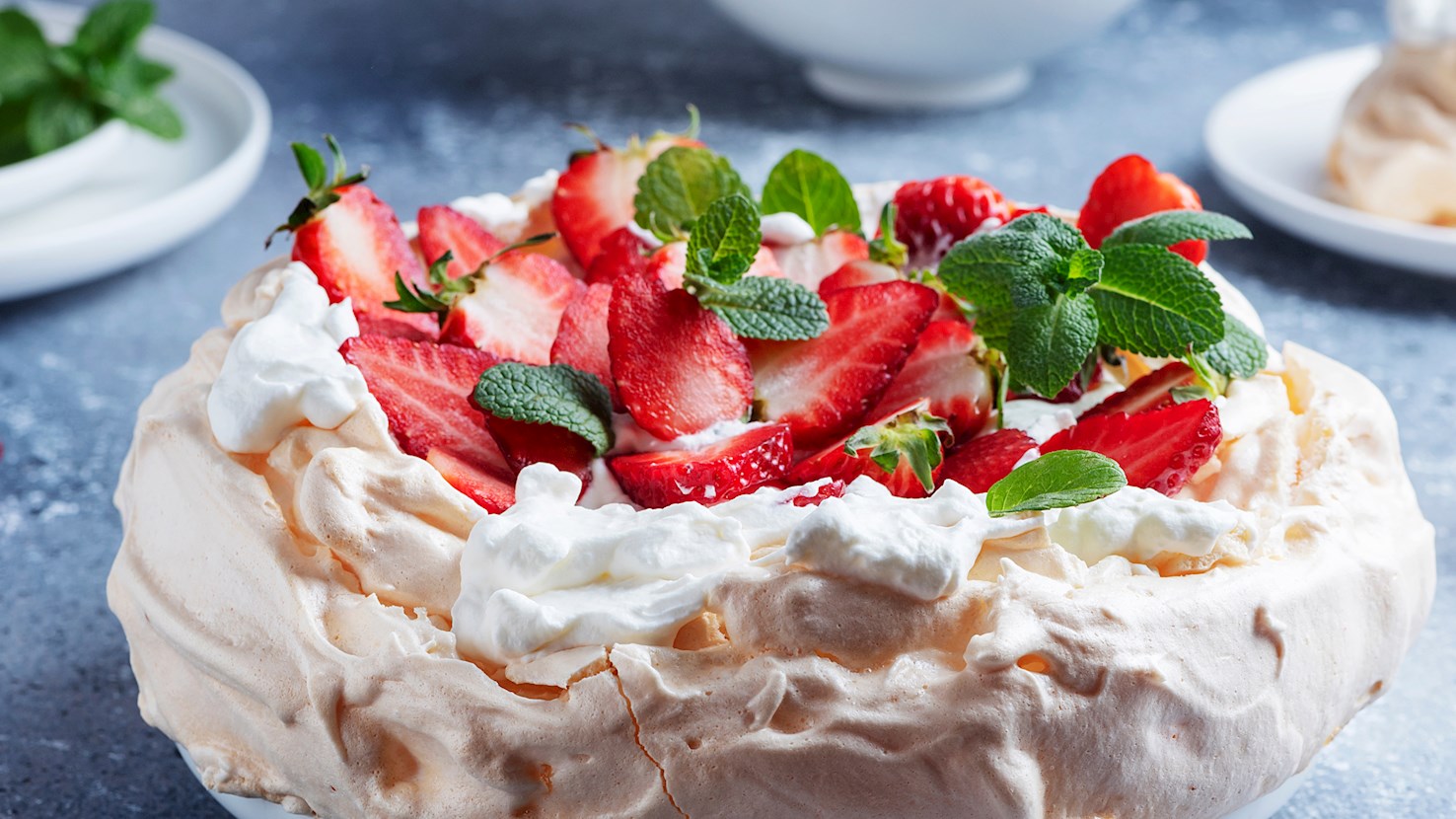
Delicate as the ballerina it was named after, Pavlova is the quintessential summer dessert. Whipped cream is typically dolloped on top of a snowy meringue, followed by a pop of color in the form of fruit, preferably the tart varieties which contrast the sweetness of the meringue. Research suggests Pavlova is a descendant of the German torte and was invented in the 1920s during Anna Pavlova's tour of Australia and New Zealand, although the exact inventor is still debated. The first recipe for Pavlova appeared in print in 1926, although it was not the dessert we know today, but was instead a multi-colored gelatine dish. The base of the cake is prepared almost identically as any meringue, by beating egg whites stiffly, then incorporating sugar, vinegar, and cornstarch. Traditional toppings include whipped cream or lemon curd, and the dessert is often prepared during Christmastime.
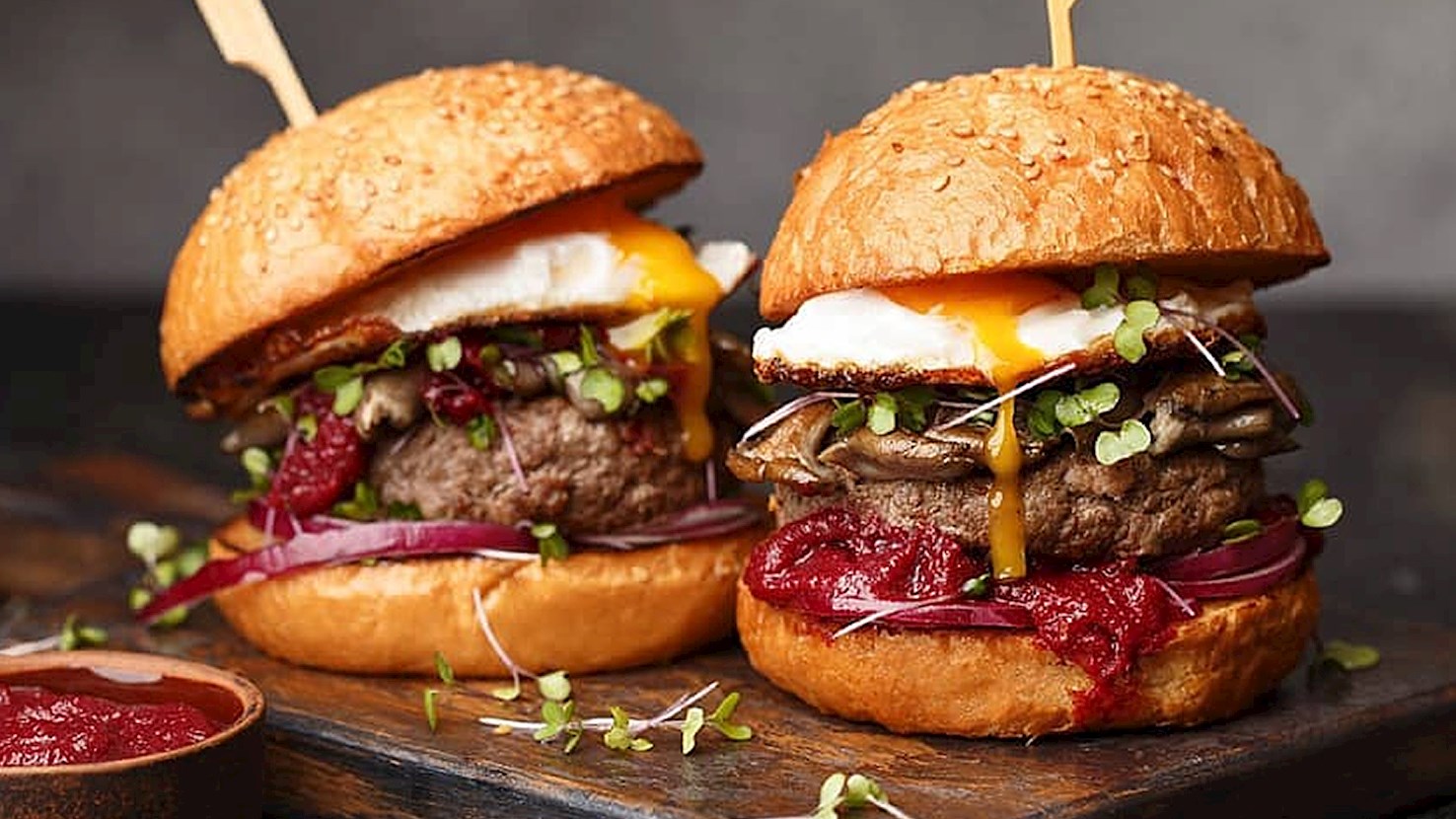
An institution at many pubs, restaurants, and cafés in Australia, Australian burger with the lot first made its appearance in the 1940s, when beetroot started to be added to the burger alongside onions, tomatoes, lettuce, and meat. The inclusion of canned beetroot on a burger was possible due to the fact that there were two canneries that opened during the 1930s and the 1940s. Today, there is still a heated debate about the inclusion of beetroot - some say it is obligatory, while the others claim it's a travesty. Burgers with beetroot rose in popularity during the 1950s and the 1960s, but in the 1970s, with the opening of fast-food chain restaurants such as McDonald's and Hungry Jacks, its popularity began to wane. However, it still remains a much-loved Aussie delicacy with its remarkable combination of flavors - a slice of pineapple, meat, canned beetroot, fried egg, and chili mayonnaise on top.
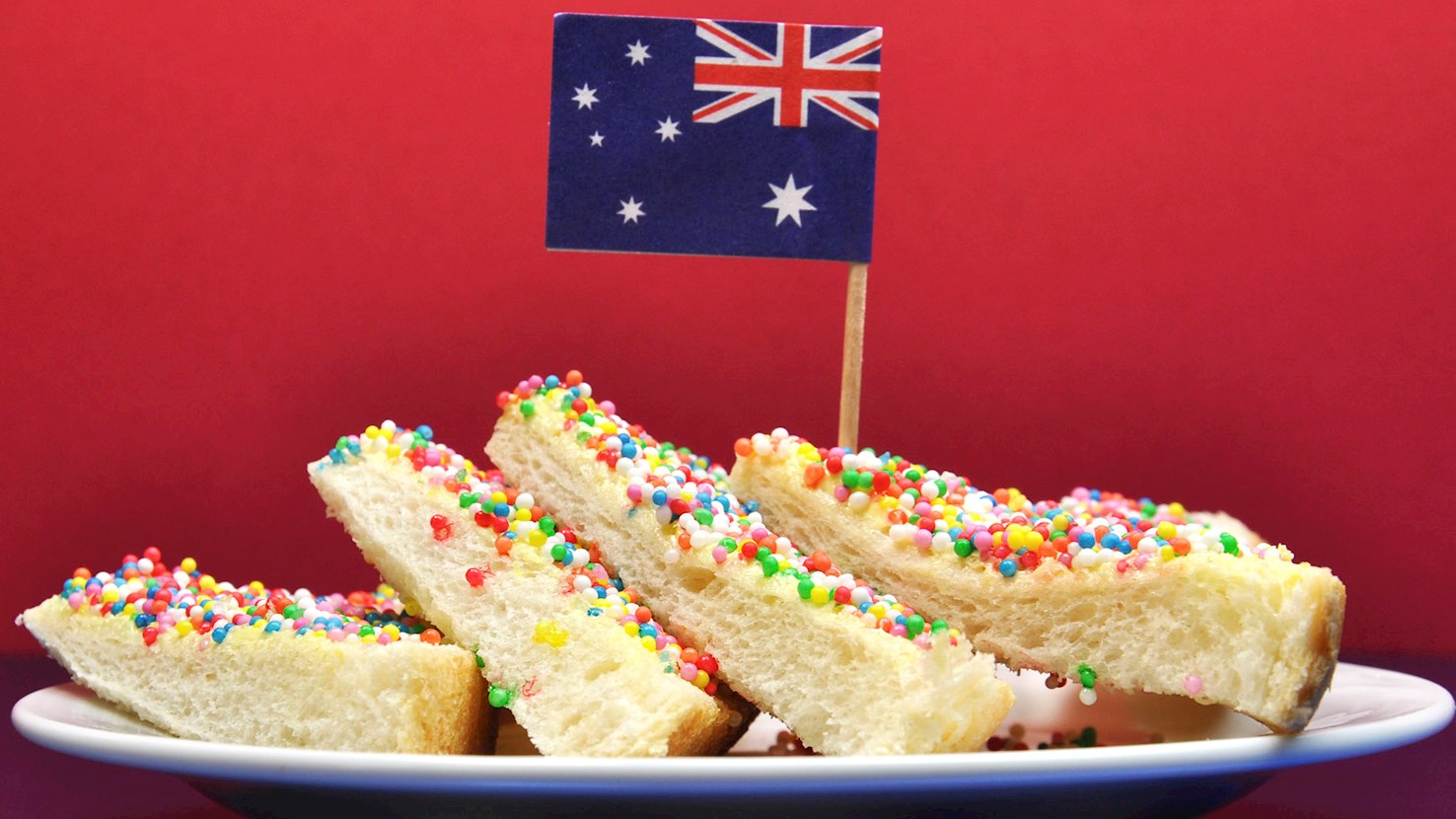
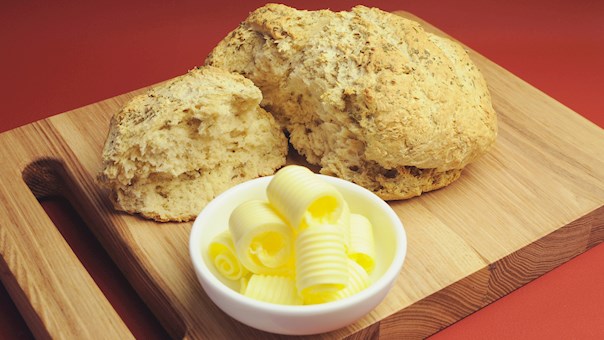
Synonymous with children's birthday parties in Australia, fairy bread is an unusual dessert consisting of triangle-shaped slices of white bread that are smeared with butter and topped with tiny, multi-colored balls of sugar called hundreds and thousands in Australia, also known as sprinkles in the rest of the world. No one really knows where fairy bread came from, but its closest relative is called hagelslag, a Dutch chocolate sprinkle topping for sandwiches. Some claim fairy bread was inspired by Robert Louis Stevenson's eponymous poem. The earliest written reference of the dish is found in a 1934 issue of the Sydney Morning Herald, in an article called Christmas Dinner with Toddlers. Easy to prepare, fun, and colorful, fairy bread remains a staple of birthday parties throughout Australia and New Zealand.
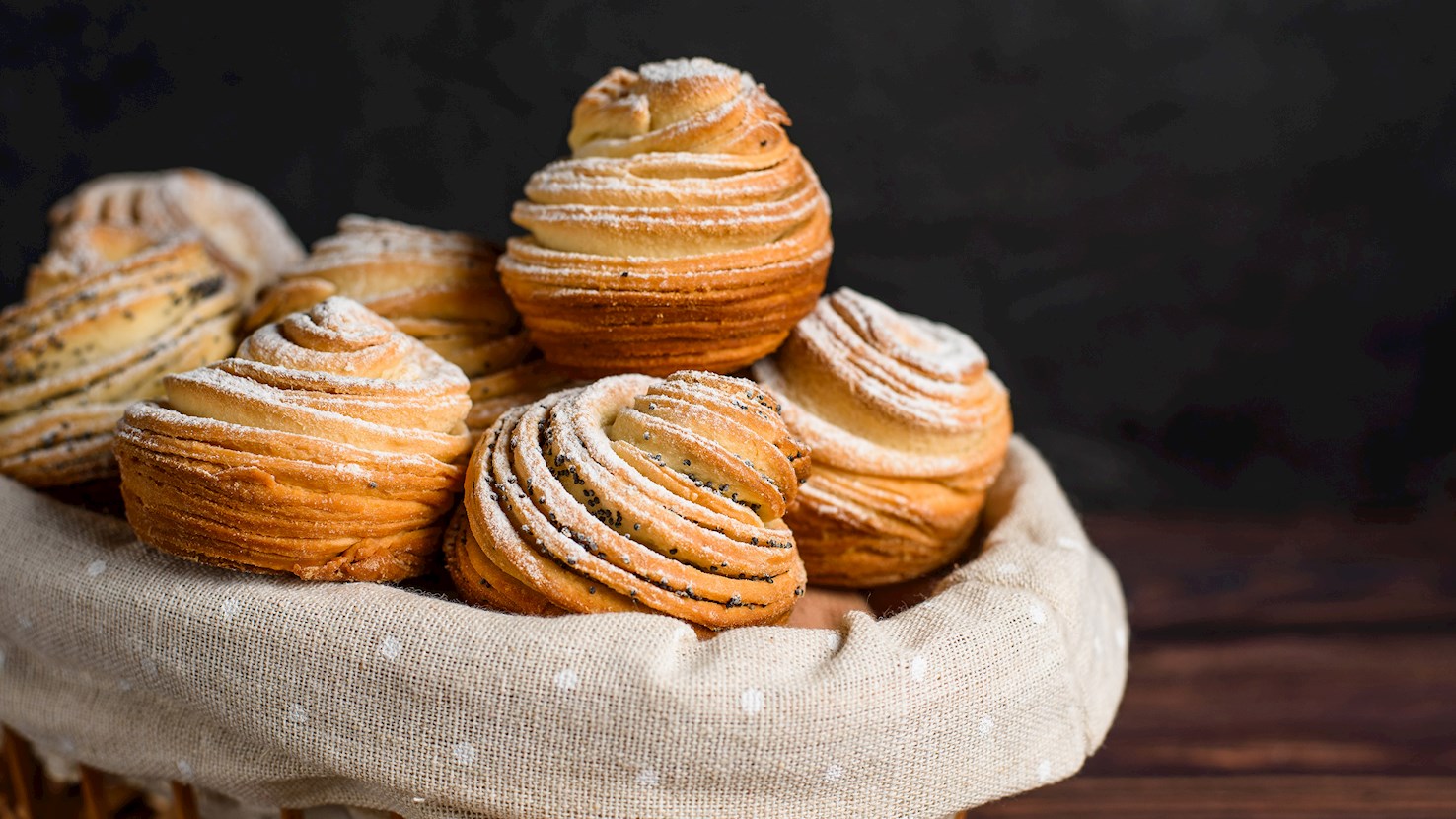
Cruffin is a cross between a croissant and a muffin – it's a muffin that's made from laminated croissant dough and filled with different flavors and ingredients such as pastry cream, peanut butter, cream and strawberries, chocolate, salted caramel, and many others. This treat is a recent invention – it is believed that the first one was created in 2013 by Kate Reid of Lune Croissanterie in Melbourne, Australia. It was subsequently popularized and trademarked by Mr. Holmes Bakehouse of San Francisco.
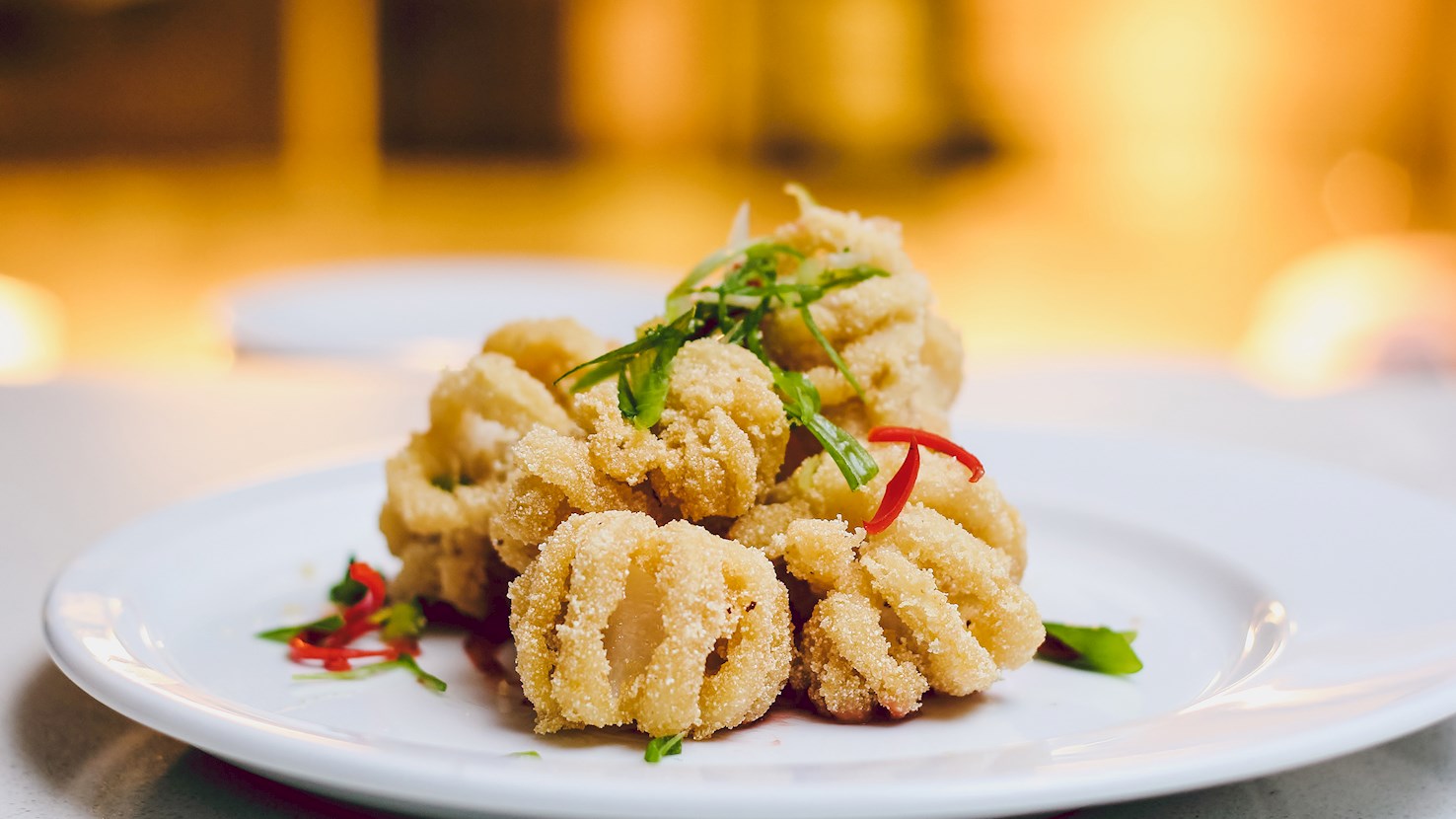
Salt and pepper calamari is a Chinese cuisine-inspired dish that’s so popular in Australia it might even be called one of Australia’s national dishes. The calamari, or squid in some cases, is covered in salt-and-pepper batter, then deep-fried to crispy perfection. The dish is often prepared and served as a bar or pub snack, and it often comes garnished with garlic, fried chili, and spring onions. Salt and pepper calamari is so widely available in the country that it can be found everywhere from cafés to pubs, restaurants, and bistros. The only thing that’s important is that the seafood should be fresh, and the seafood to batter ratio should be similar in size and coating.
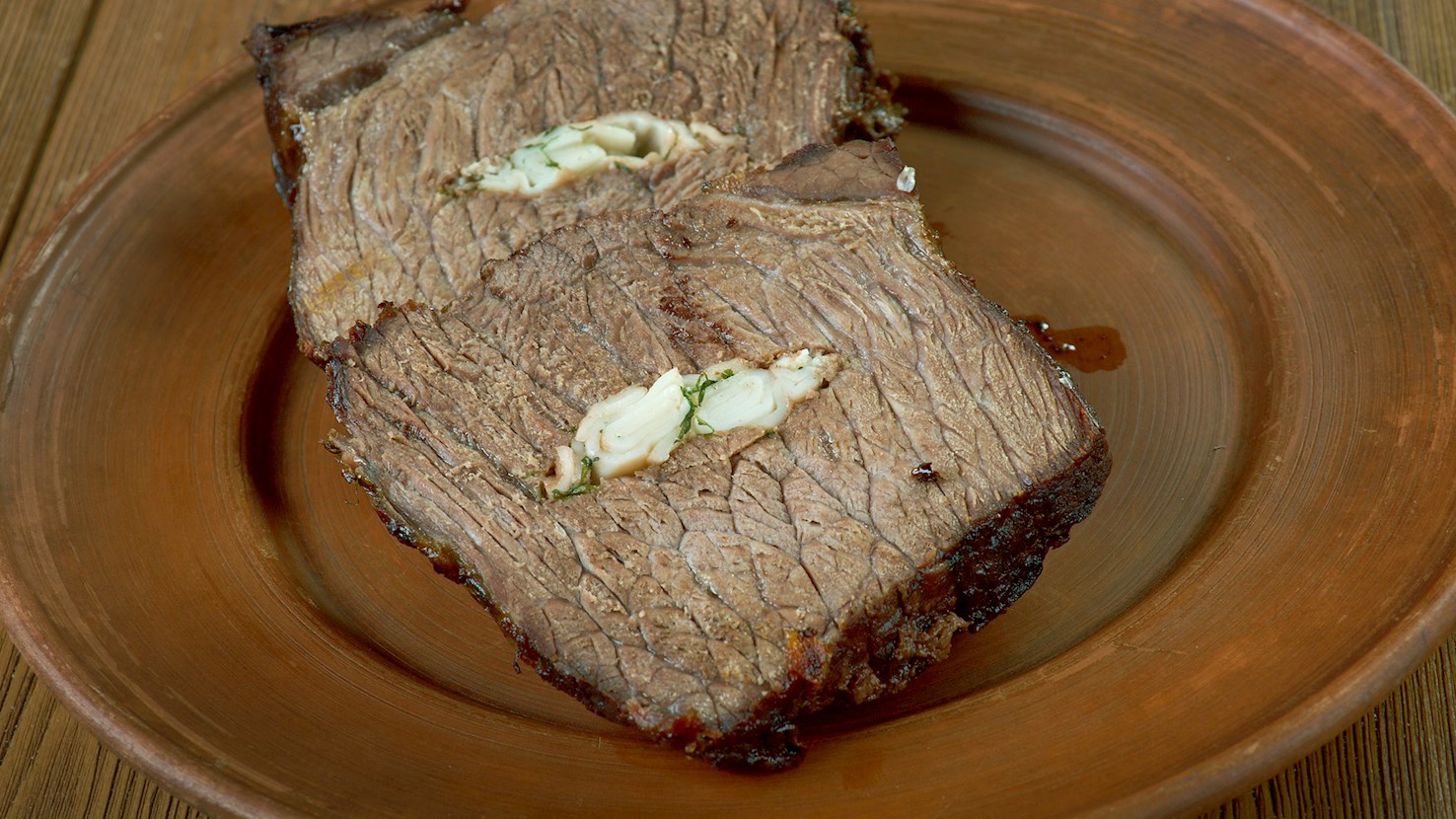
Carpetbag steak is a meat specialty that couples the decadent flavors of boneless beef steak and fresh raw oysters. Rather than going on top of the meat, as is usually the case with other similar combinations, the oysters are meant to be tucked snugly into a pocket created in a thick end cut of a rib-eye steak (called scotch fillet steak in Australia). Once stuffed, the pouch is either sealed with skewers or sewn up with twine, and the steak is then ready to be pan-seared, grilled, or broiled, usually until the meat is still rare. Despite its strong connection to Australia, a common assumption is that America has been the original birthplace of this delicacy, but still, the exact origins of the dish remain unclear. Carpetbag steak gained an iconic status around 1950, in Sydney, Australia, which is probably how the link between it and Australian cuisine came about. There’s evidence, however, that the dish was a common menu item in US restaurants such as the Los Angeles-based Chasen’s - earlier than the 1950s, which sets back the Australian claim on it. According to one theory, Luis Diat is credited as the inventor of the dish since his book Cooking a la Ritz, published in 1941, contains what is generally accepted as the first printed recipe of this specialty. Although the dispute over the origin of carpetbag steak may continue, the combination of beef and oysters is known to precede this invention. Historically, people often smothered steaks with oysters or threw them into a pot with meat, and they also made savory pies with a filling of beef and oysters. Unfortunately, this once highly-prized meat delicacy has gradually fallen into oblivion, and nowadays there’s rarely a restaurant that offers it on their menu.
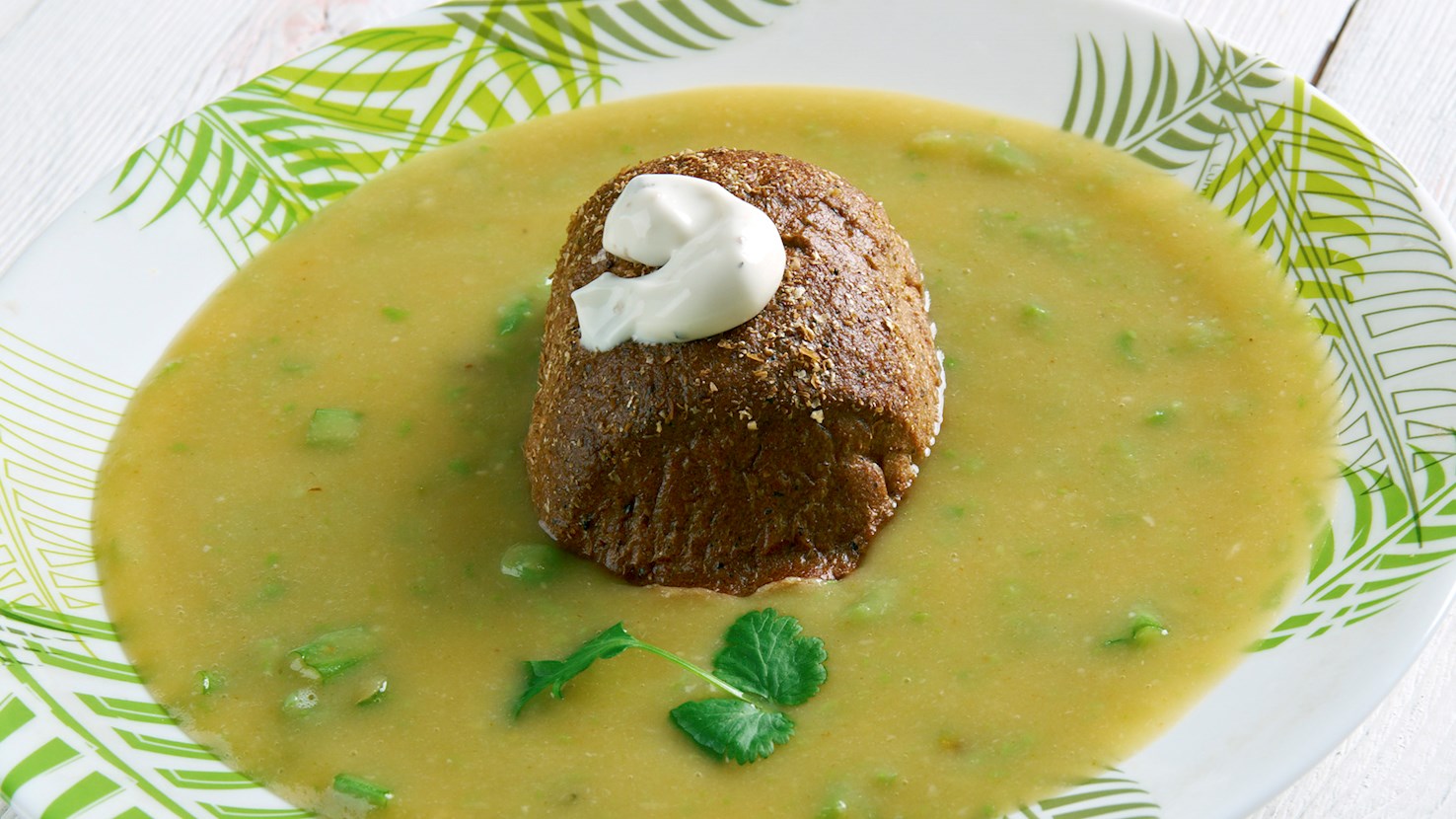
A pie floater is a meat pie usually submerged upside down in green pea soup. It is believed that the origins of the dish lie in traditional English dishes of pea soup with eel and suet dumplings (dumplings in soups were known as floaters). The usual accompaniments to a pie floater include tomato sauce or mint sauce, Worcestershire sauce, or malt vinegar. Pie floater has an impressive history that can be traced back over 130 years. It was invented in Port Pirie, South Australia, in the 1890s by a bakery operator named Ern "Shorty" Bradley. The floaters became popular at many pie carts operating in Adelaide in the late 19th and early 20th centuries, with 13 carts in the city. Although the last pie cart closed in 2010, floaters are still present in numerous bakeries, available to everyone who wants a late-evening meal. The dish's popularity is evident in its recognition as a South Australian Heritage Icon by the National Trust of Australia in 2003.
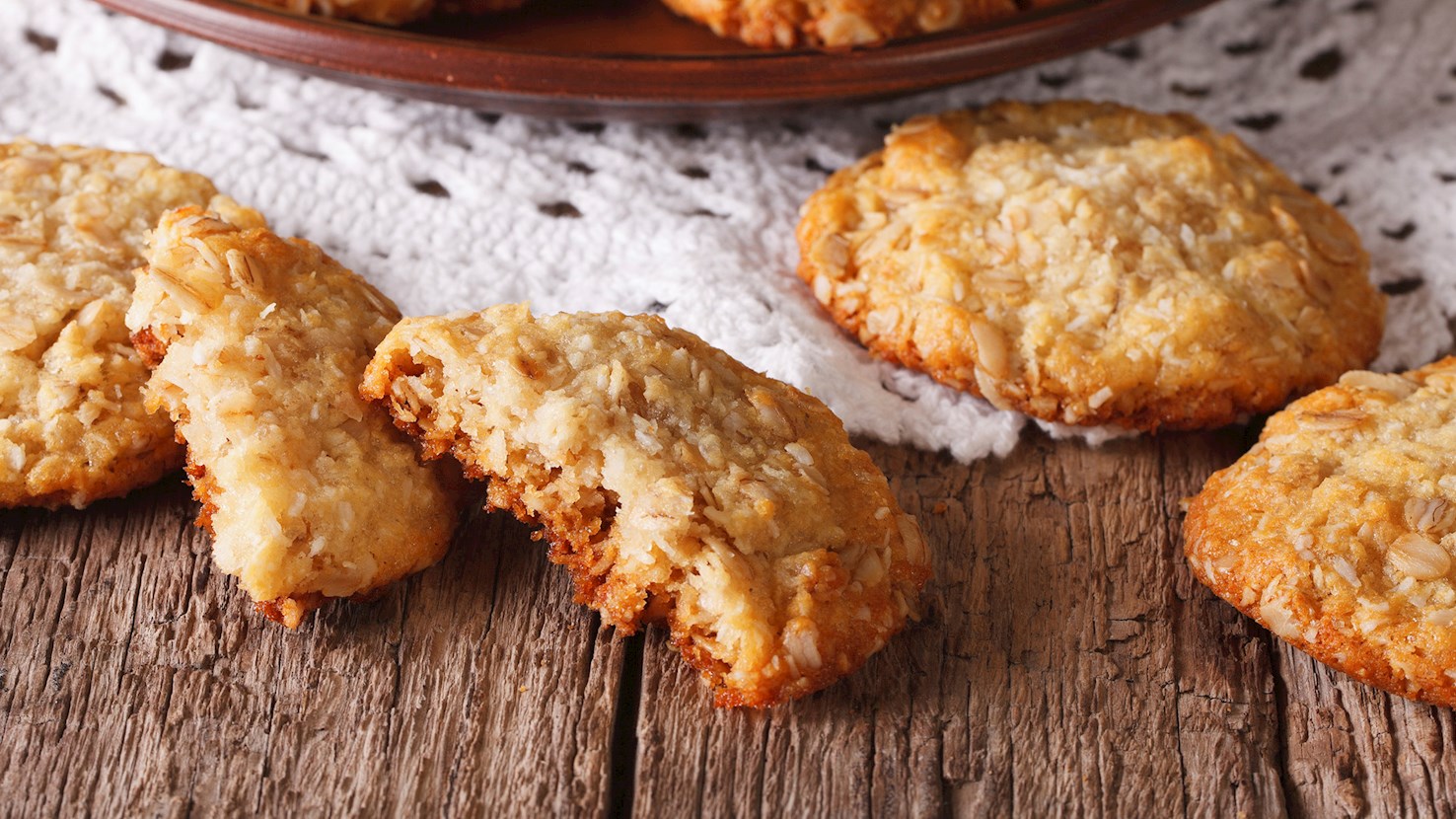
Anzac biscuits are sweet cookies made from a combination of flour, oats, golden syrup, butter, sugar, coconut, and soda bicarbonate. Although the origins of these cookies are not clear, both Australia and New Zealand claim to have invented Anzac biscuits that we know today. The first known recipe for the biscuits is completely different than modern Anzacs, although other similar recipes were found in the cookbooks of the early 1900s. The cookies are linked to Anzac Day, a day of remembrance of the Australian and New Zealand Army Corps (ANZAC) landing at Gallipoli, because some believe that the biscuits were sent to Anzac soldiers during the war. However, the oaty, buttery biscuits were more often prepared at home to sell them at fundraising events, so they got connected to the war, and it led to the use of the name Anzacs. Today, these simple biscuits are usually found in most supermarkets and cafés throughout Australia and New Zealand, ranging from crispy to chewy, making them ideal to dunk into a cup of hot coffee or tea.
TasteAtlas food rankings are based on the ratings of the TasteAtlas audience, with a series of mechanisms that recognize real users and that ignore bot,
nationalist or local patriotic ratings, and give additional value to the ratings of users that the system recognizes as knowledgeable.
TasteAtlas Rankings should not be seen as the final global conclusion about food. Their purpose is to promote excellent local foods,
instill pride in traditional dishes, and arouse curiosity about dishes you haven’t tried.







What People Say