

17 Traditional Foods
You Have To Try in Tagaytay

Last updated on June 17, 2026
01

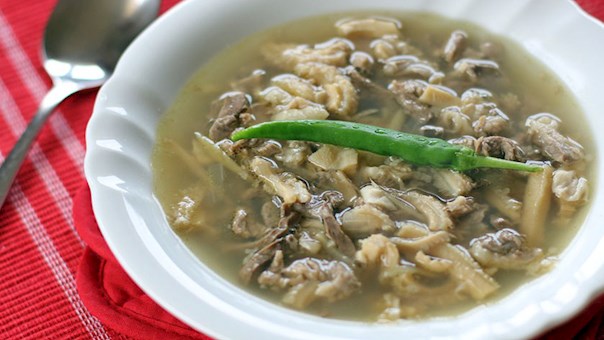
Bulalô

4.3 ·

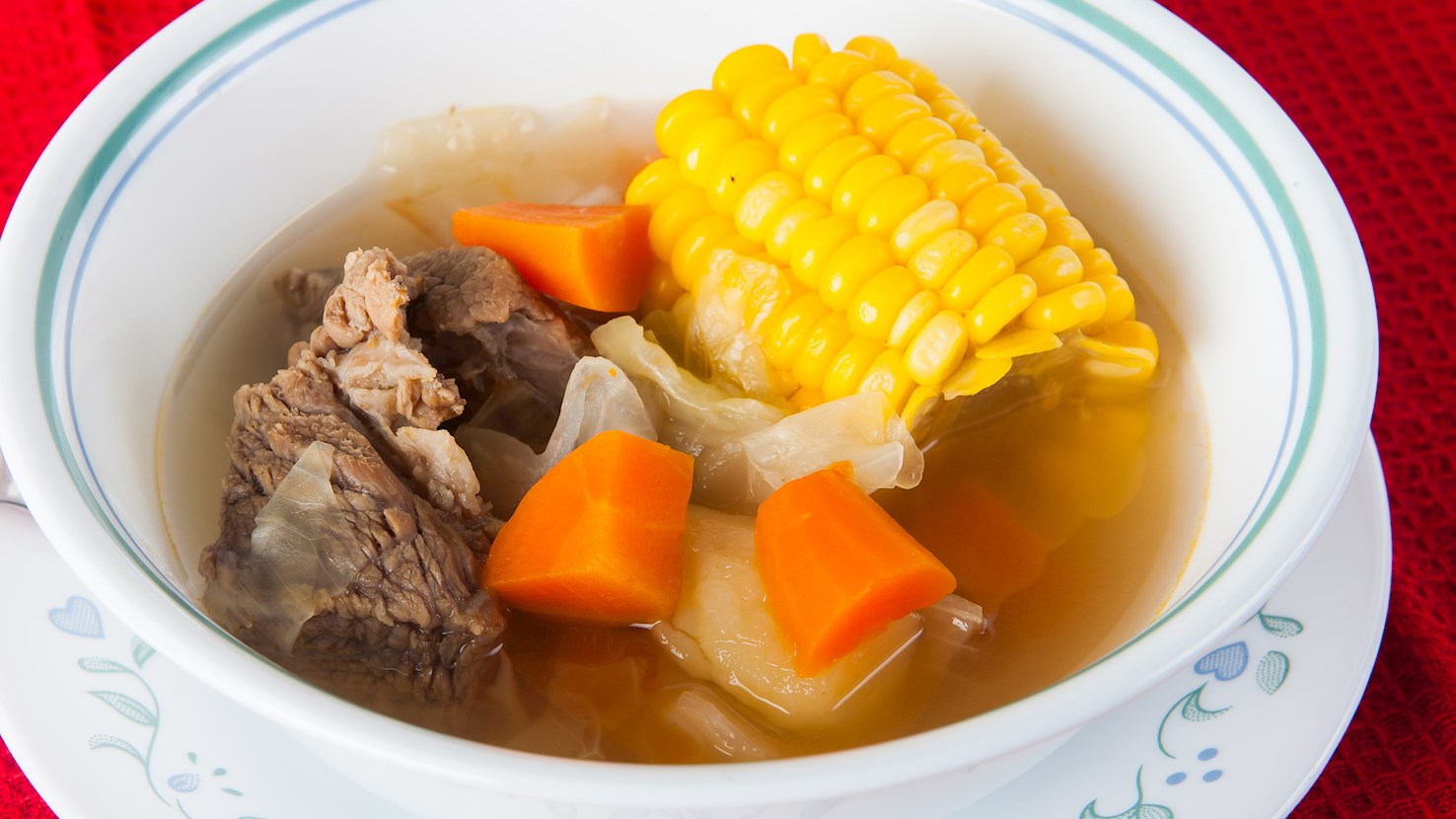
Bulalô is a traditional Filipino soup that is prepared by cooking beef shanks and marrow bones until the fat and collagen dissolve into the broth, resulting in a robust flavor of the dish. The soup is a specialty of the Luzon region, where it is traditionally consumed during cold weather, when it is usually served for dinner. Most versions of the soup include vegetables such as cabbage, string beans, onions, and corn. It can be found in most upscale restaurants in the Philippines, due to the fact that beef shank and bone marrow are not among the cheapest cuts of meat in the country. It is believed that this simple, comforting, and flavorful soup is the best when the meat is so tender that it falls off the bone.

02

Buko Pie

3.9 ·

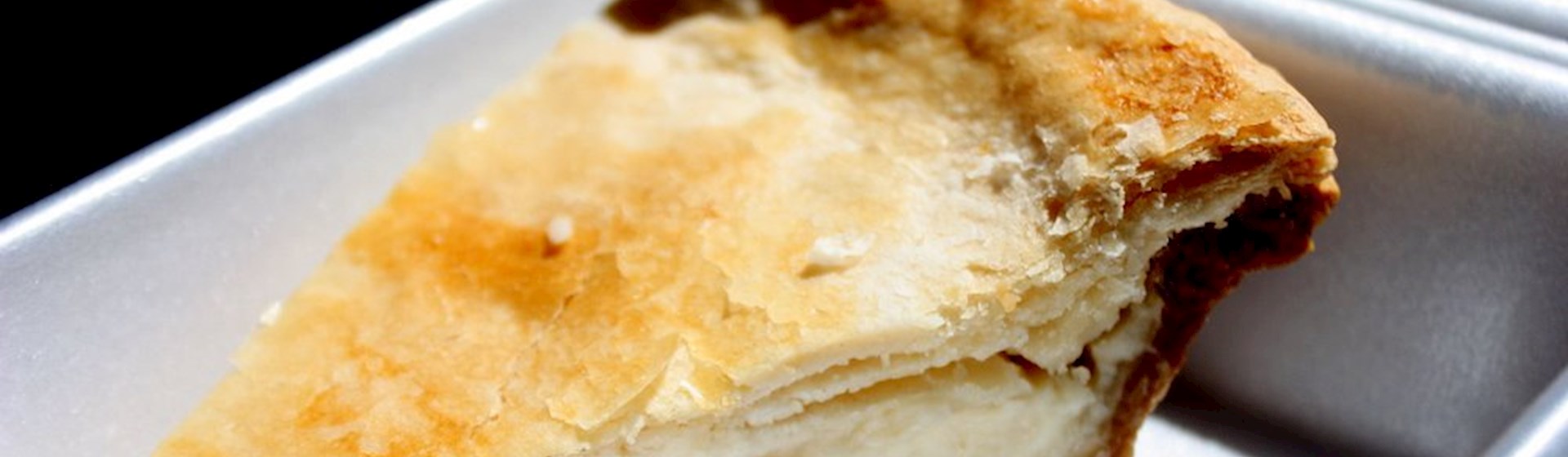
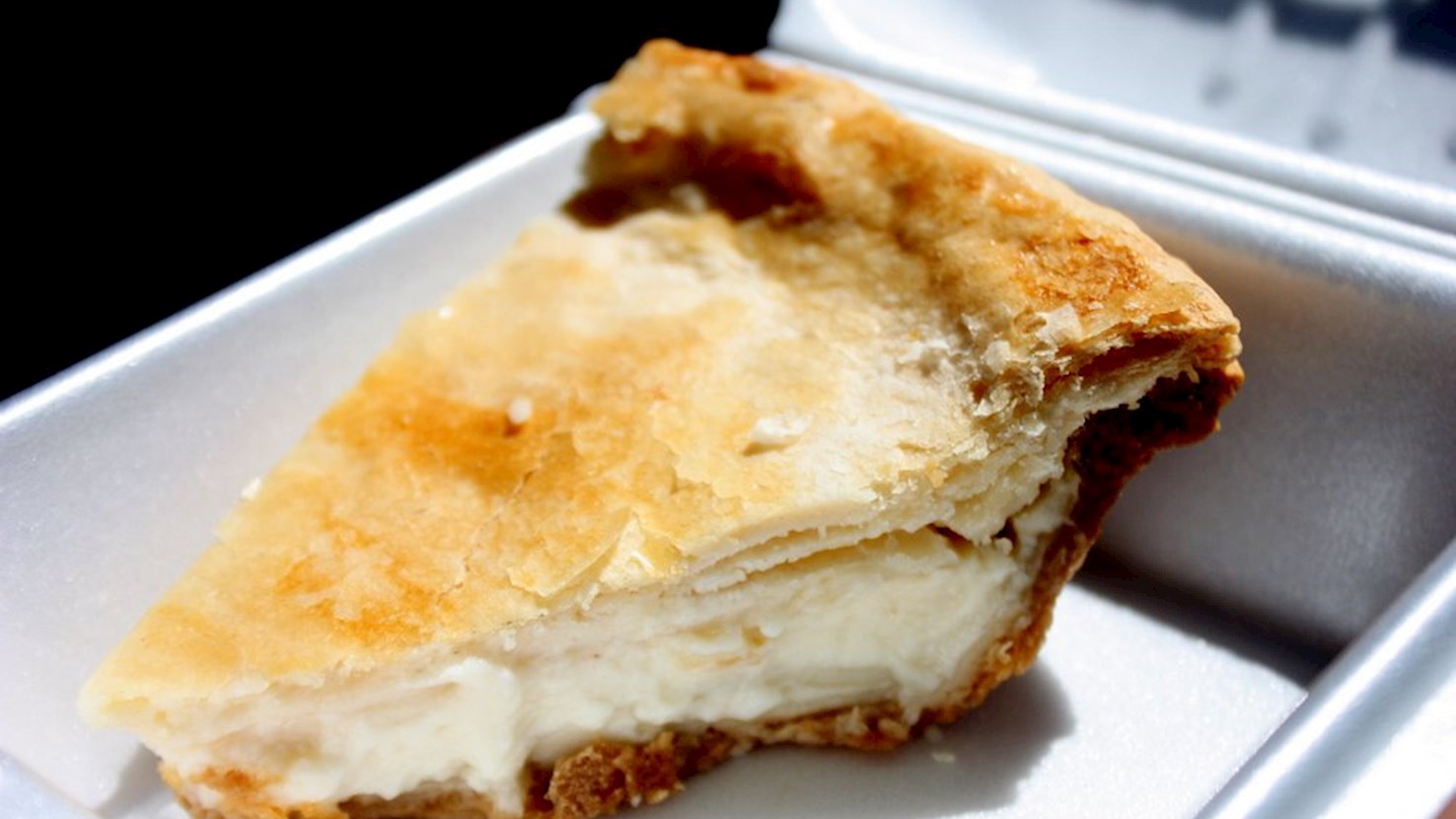
Buko pie is a traditional dessert which consists of a flaky pie crust combined with creamy coconut filling. It is prepared with buko, the young coconut flesh which is cooked alongside plain or condensed milk, cream, and sugar until it transforms into a thick and creamy custard. According to popular belief, it was invented by Soledad Pahud, a native Filipino who spent some time working in the United States. After she had returned, she wanted to adapt the traditional American apple pie with locally available ingredients. Together with her family, she invented buko pie, a dessert which soon became a favorite throughout the country. Apart from being a delicious dessert, buko pie is one of the most popular Filipino souvenirs.

03

Tocino

4 ·

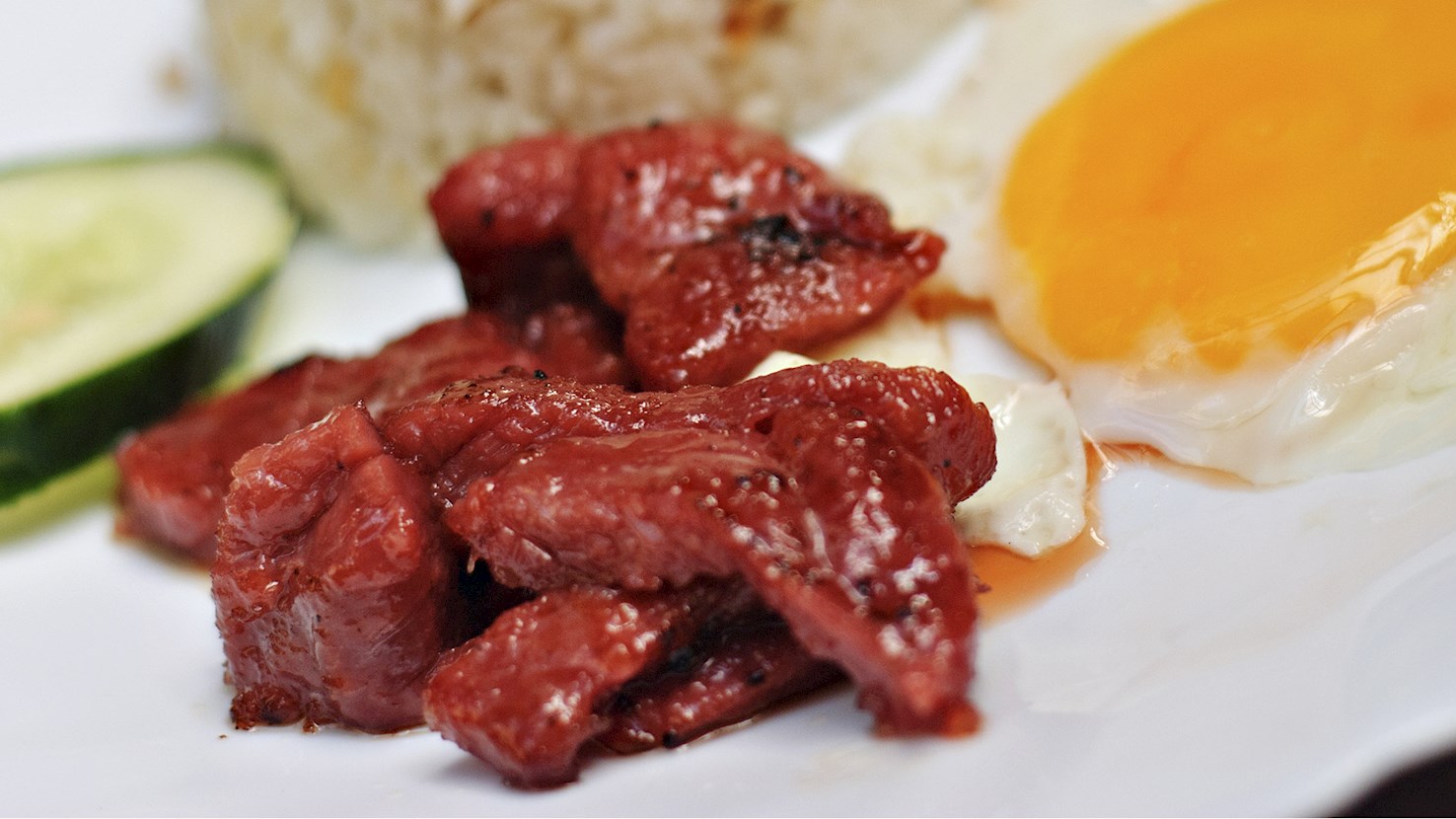
Although the term tocino stems from Spanish, in the Philippines, the word is synonymous with sweet-cured meat, traditionally prepared with pork, and occasionally beef or chicken. Slices of meat are doused in different combination of spices and seasonings which typically include sugar, salt, rice wine vinegar, soy sauce, anise wine, and pineapple or orange juice. Common additions to the curing mixture include saltpeter food preservative and annatto—a food dye derived from the seeds of the achiote tree that imparts color and peppery flavor. Pork tocino, also known as burong babi, is most commonly only lightly pan-fried until it caramelizes and is traditionally sided with garlic fried rice, and either sunny side up or scrambled eggs. This combination is called tosilog, and it is a popular Filipino everyday go-to meal, typically enjoyed for breakfast, but it is also readily available at any other time of the day.

04

Daing na bangus

4 ·

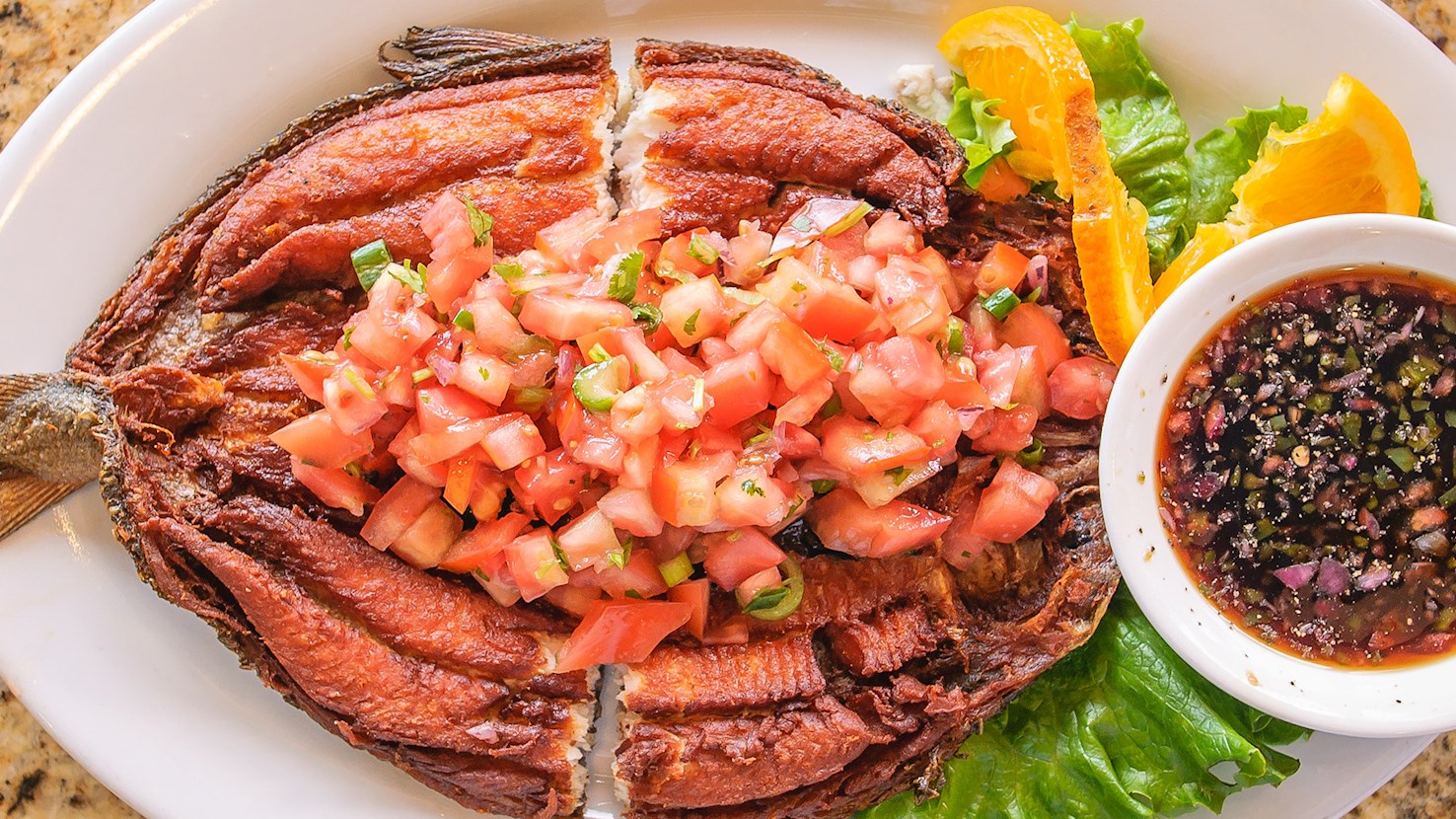
This traditional Filipino dish consists of butterflied, marinated milkfish that is pan-fried until crispy. The marinade usually combines vinegar, garlic, and various spices, and the fish is prepared with the skin intact, which adds an additional crunch to its texture. Daing na bangus can be enjoyed as a filling lunch or breakfast, and it is usually accompanied by garlic-fried rice, fried eggs, pickled vegetables, and spicy vinegar.

Best restaurants
05

Kare-kare

4 ·

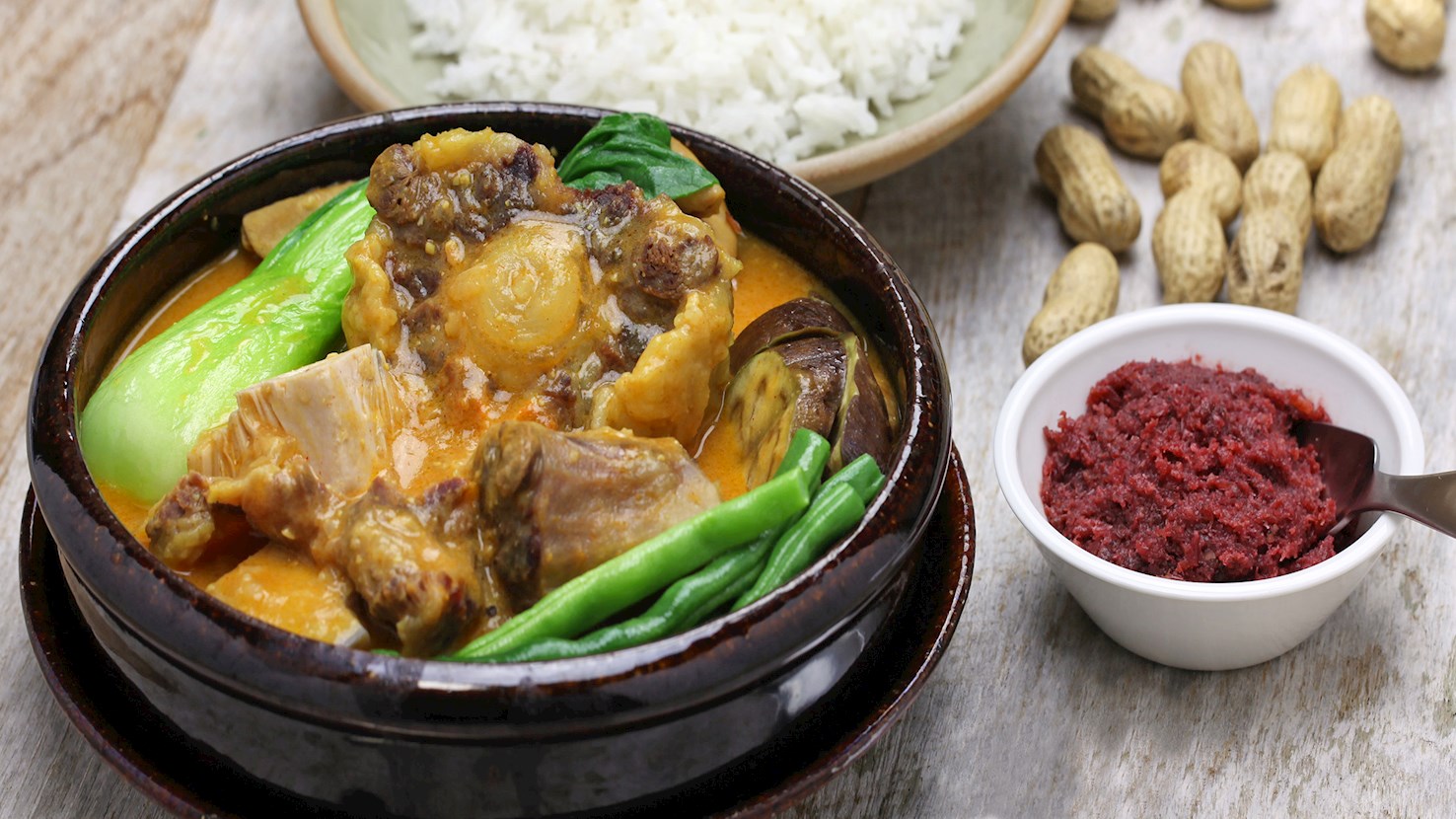
Kare-kare is a traditional stew consisting of meat such as tripe, pork leg, ox tail, goat or chicken, vegetables, and a thick, savory peanut sauce flavored with annatto seeds. Shrimp paste (bagoong) is often served on the side in order to enhance the flavors of the dish. Kare-kare is traditionally cooked in a clay cooking pot known as palayok, and the vessel also acts as a serving bowl once the dish is properly cooked. Nowadays, it is often served at numerous Filipino festivities. Some believe that kare-kare has origins in the Pampanga region, while others claim that the name of the dish is derived from the Indian word curry, and that it was introduced to the Philippines by Indians from the Rizal province. Over the years, the dish has evolved, so some cooks like to add chilis or green papaya for an extra kick, although the traditional kare-kare sauce should ideally be devoid of seasonings, spices, and chilis. Regardless of the origins of kare-kare, it is still a favorite dish among the natives.

06

Crispy Pata

3.9 ·

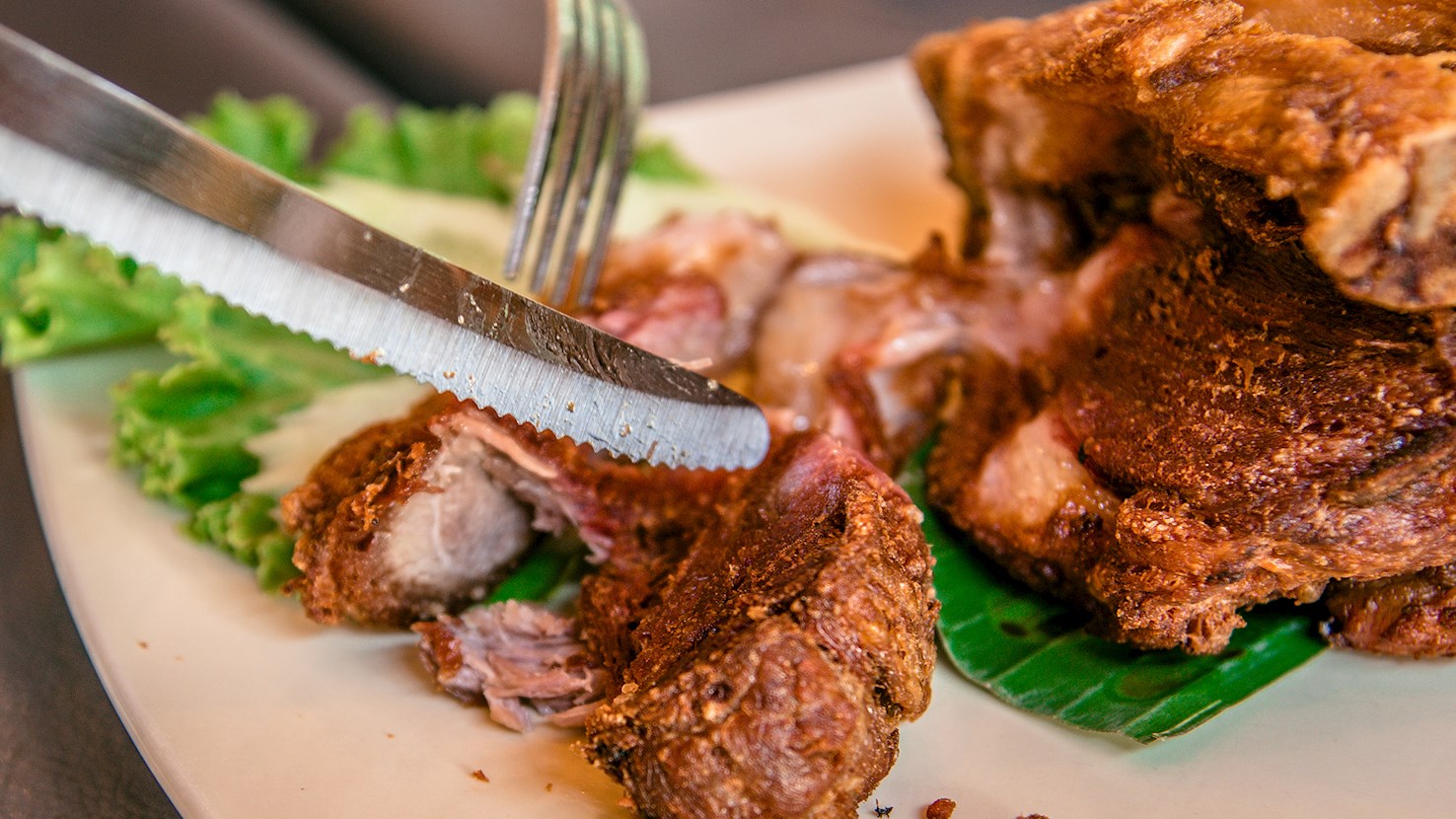
Crispy pata is one of the most common Filipino dishes served on special occasions. It consists of a whole pork leg that is cooked until tender. It is then dried and deep-fried until golden brown and crispy. The leg is usually cooked alongside various spices such as bay leaves and peppercorns. It is traditionally rubbed with a spice mixture before it is fried. Served sliced, it is often accompanied by pickled papaya and a tart sauce which combines vinegar, soy sauce, and a variety of spices.

Best restaurants
07

Lechon kawali

4.2 ·

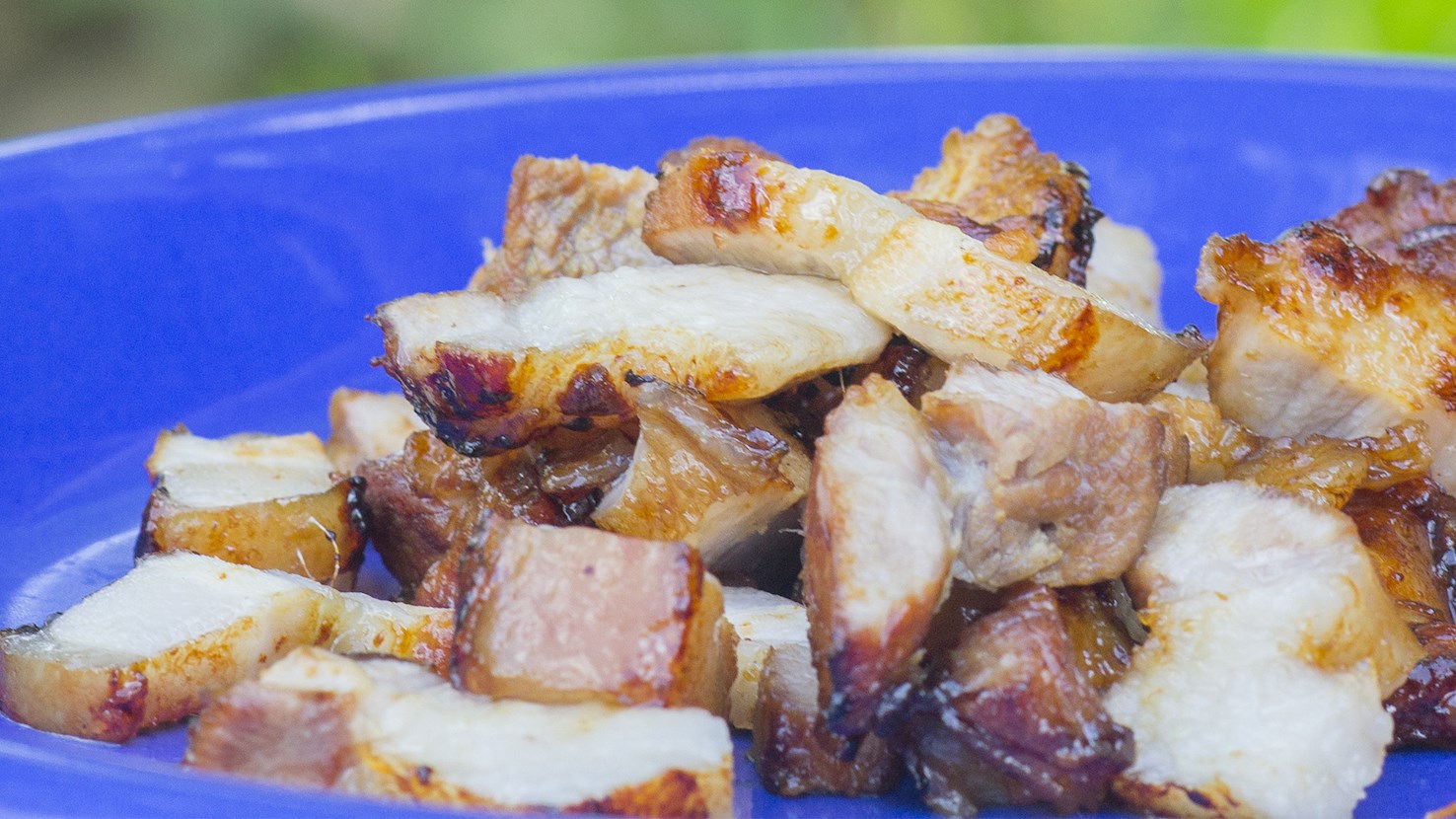
Lechon kawali is the Filipino version of deep-fried pork belly. Primarily boiled in plain or seasoned water, the meat is rubbed with salt, cut into chunks, then deep-fried until it develops a golden-brown, crispy skin, but remains juicy and tender on the inside. It is one of the most famous Filipino dishes eaten throughout the country. Always served hot, lechon kawali is usually accompanied by spicy vinegar sauce or a traditional lechon liver sauce on the side.

08

Puto

3.5 ·

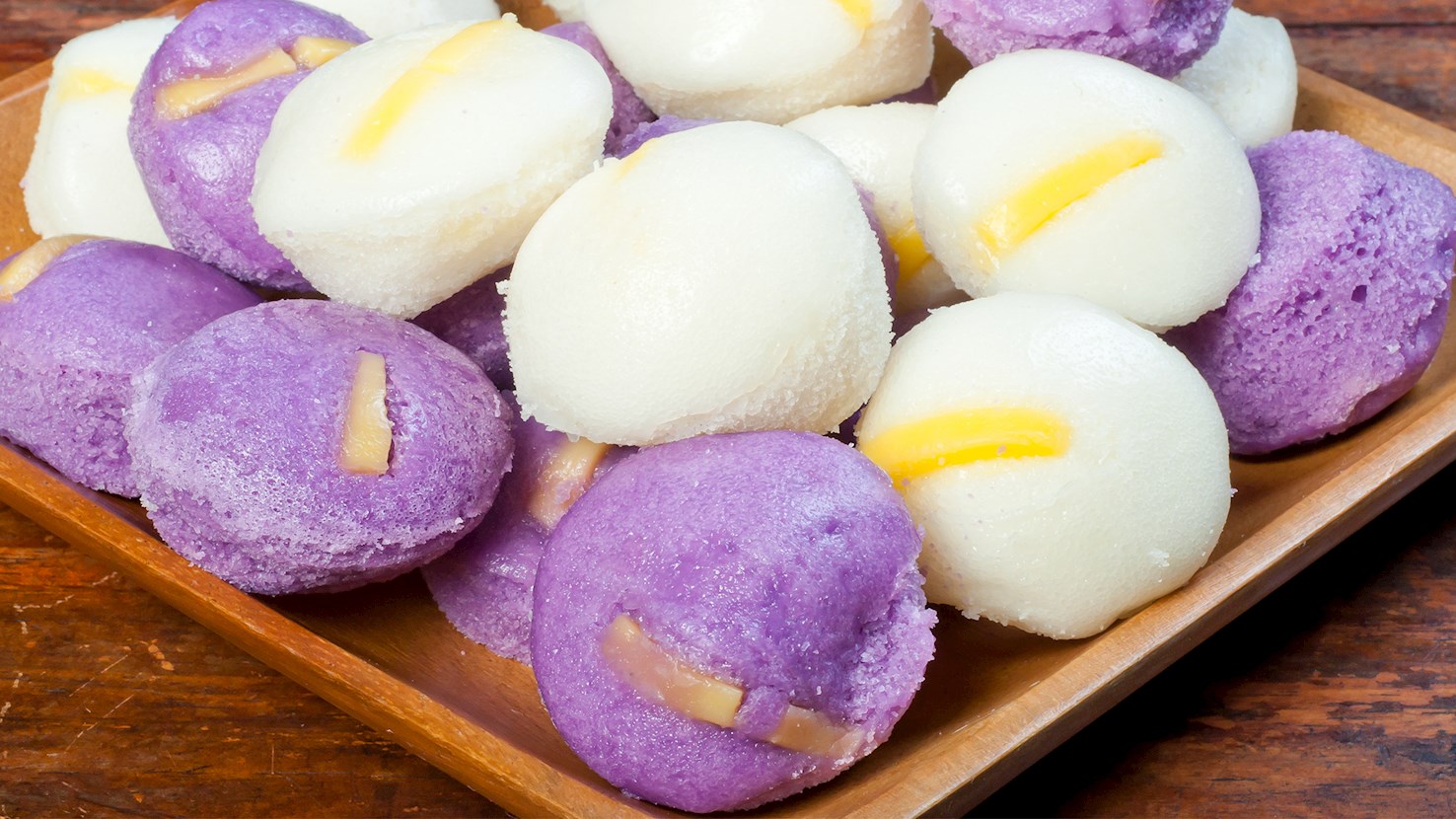
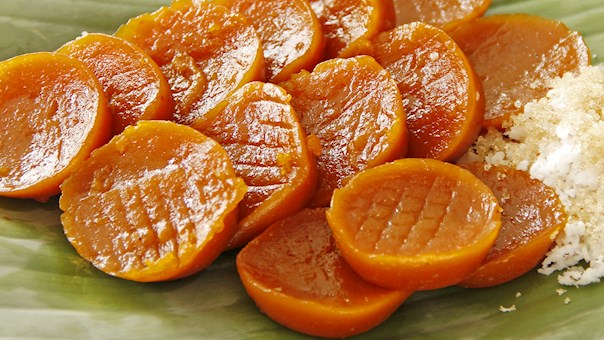
The lightly sweetened puto are popular Filipino steamed rice cakes traditionally consisting of finely ground soaked rice that is steamed in round containers and served sliced. The popularity of these versatile cakes has caused the development of many modern puto varieties, which often vary in texture, color, shape, size, and flavor. Because of their neutral flavor, they can be enjoyed as a quick snack or a dessert, but they are also served as an accompaniment to savory dishes such as hearty Filipino stews.

09

Inasal na manok

4.4 ·

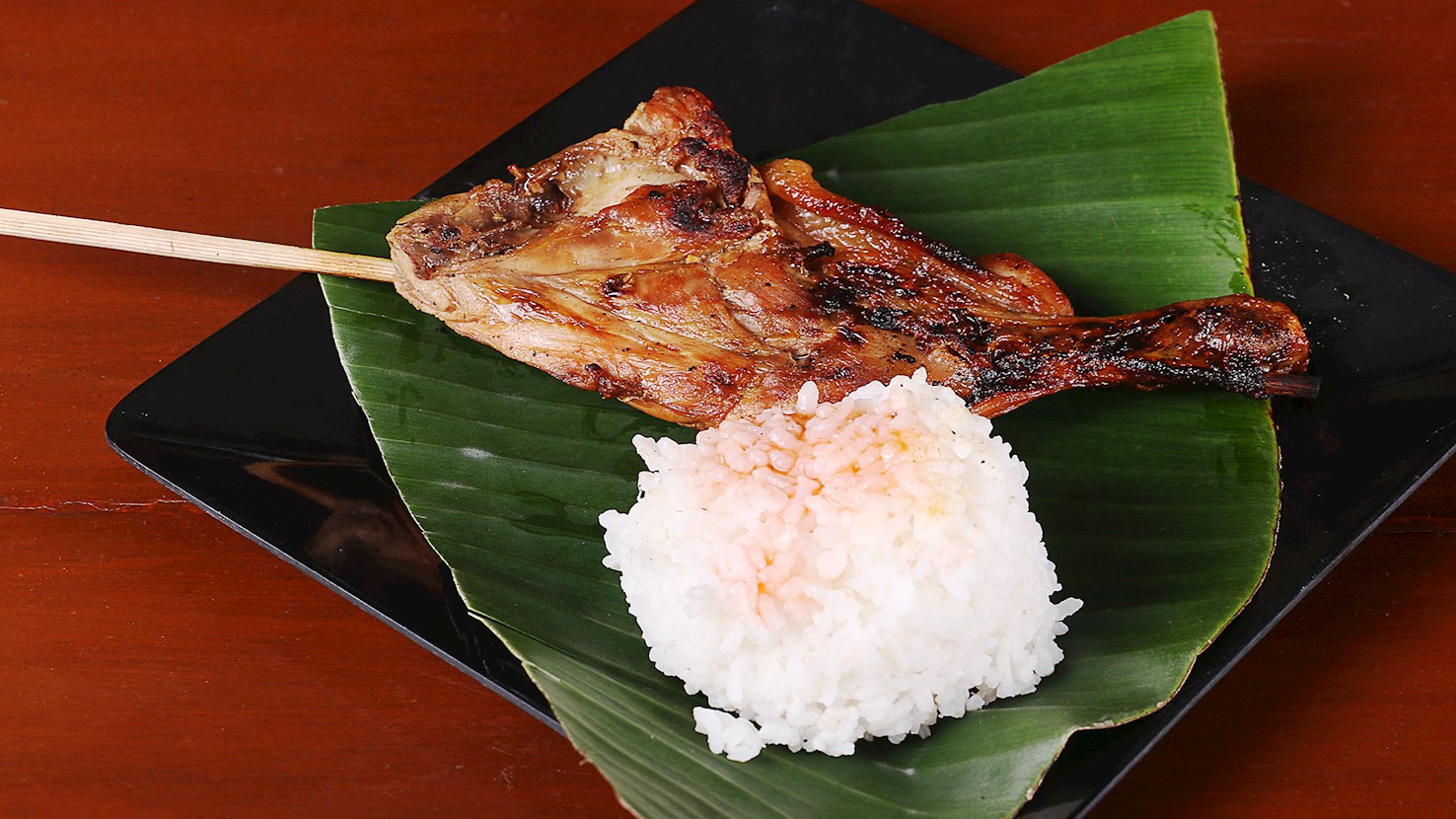
Inasal na manok is a unique Filipino grilled chicken dish which originated in Western Visayas and became the signature dish of the entire region. It employs various chicken cuts marinated in a mixture of vinegar and numerous spices such as lemongrass, garlic, and ginger. During grilling, the meat is brushed with the annatto-infused oil which provides the chicken with an appetizing golden color and a unique peppery flavor. The dish is usually served alongside annatto-flavored garlic rice and spiced vinegar. In 2022, the city of Bacolod declared the dish an important cultural property.

Best restaurants
10

Torta

3.8 ·

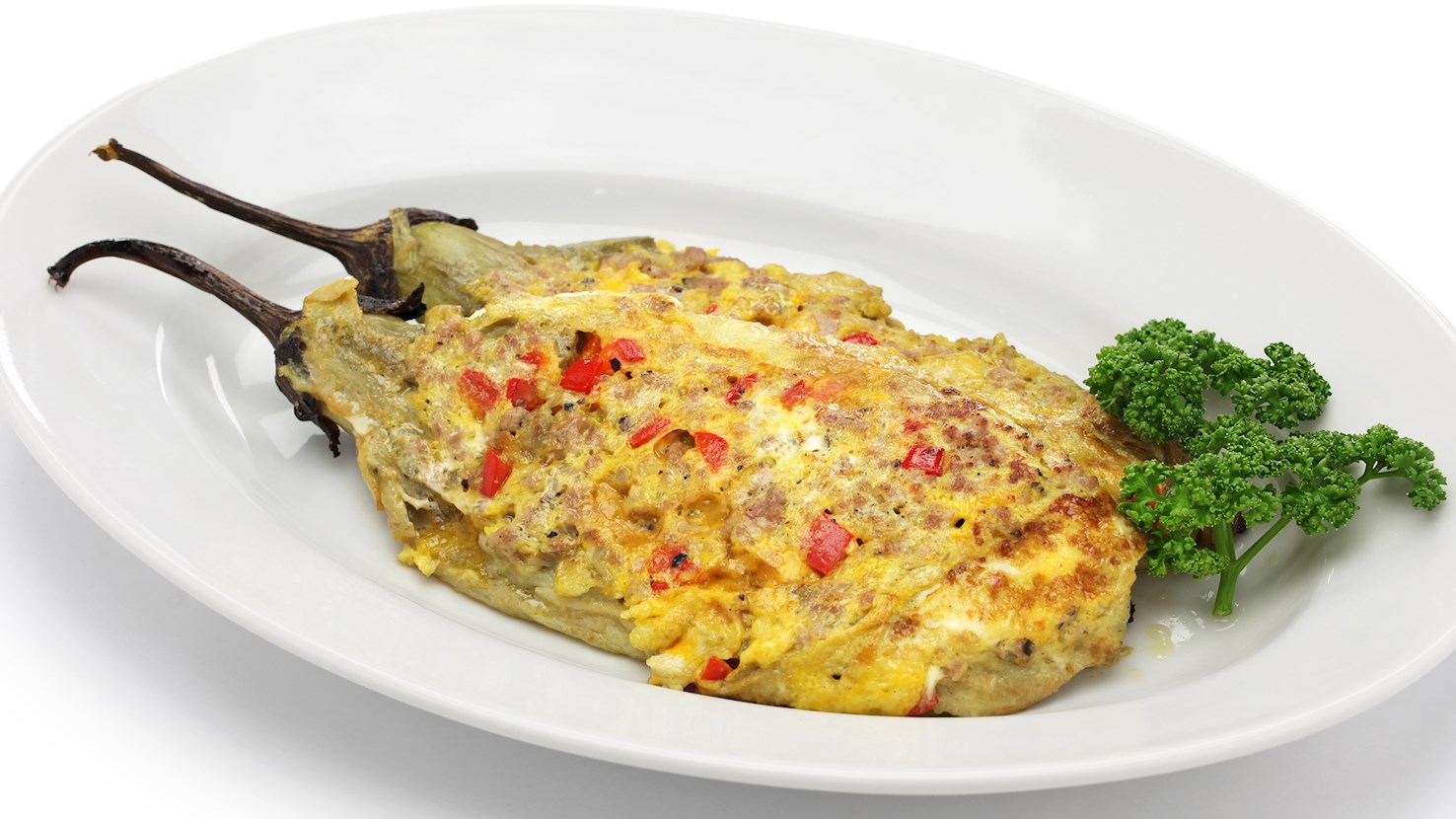
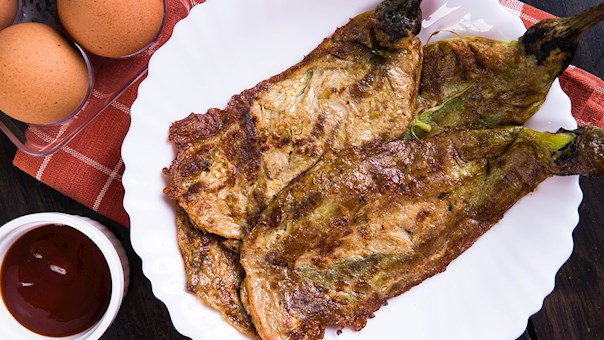
Torta is a popular Filipino dish consisting of an omelet filled with ground meat and vegetables such as diced potatoes. Savory and extremely satisfying, the dish is usually served as a main course, preferably over rice. It is recommended to pair torta with condiments such as banana ketchup. There are numerous variations on the Filipino torta, such as tortang talong (eggplant omelet) and tortang gulay (onion, bell peppers, and garlic omelet). The reason for the unusual name of this dish is a strong Spanish influence in the Philippines. There is one other dish named torta in the country, but it is altogether different and refers to a small, muffin-like dessert cake.

Best restaurants
About this ranking

TasteAtlas food rankings are based on the ratings of the TasteAtlas audience, with a series of mechanisms that recognize real users and that ignore bot, nationalist or local patriotic ratings, and give additional value to the ratings of users that the system recognizes as knowledgeable. For the “17 Traditional Foods You Have To Try in Tagaytay” list until June 17, 2026, 0 ratings were recorded, of which 0 were recognized by the system as legitimate. TasteAtlas Rankings should not be seen as the final global conclusion about food. Their purpose is to promote excellent local foods, instill pride in traditional dishes, and arouse curiosity about dishes you haven’t tried.

Similar lists