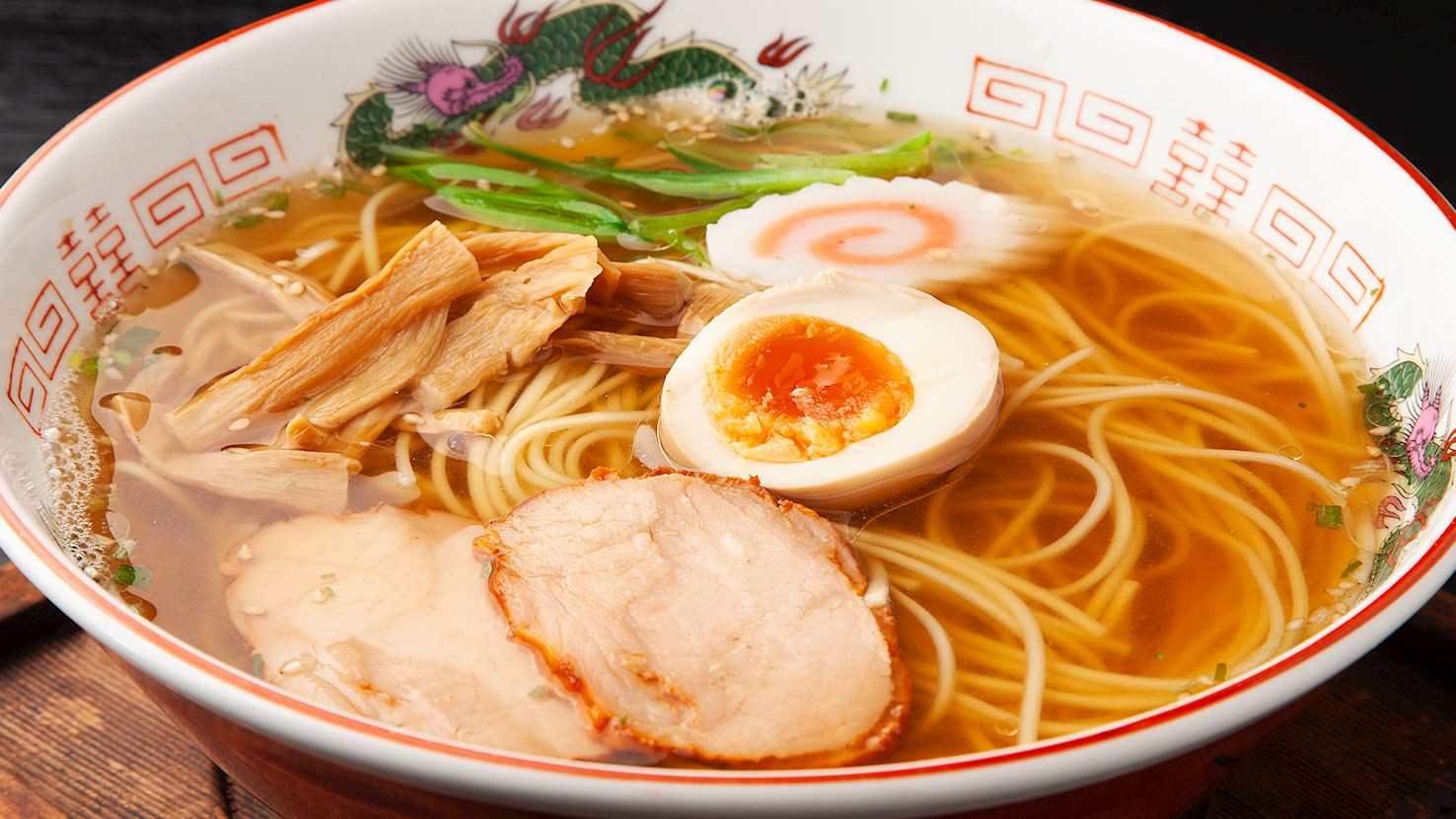
The soy sauce based shoyu ramen is one of the four major groups of ramen - noodle dishes praised for their exquisite flavors. Noodles, broth, and various toppings are the three essential elements in every bowl of ramen. The dark and salty soup is what distinguishes shoyu from other varieties. It usually employs meat or seafood broth, which is mixed with a fragrant combination of kombu stock and soy sauce. Fresh curly wheat noodles are typically used in shoyu ramen. Cooked separately, they are served in a bowl and doused in the rich broth. Standard condiments served on top of ramen are most commonly slices of braised pork, bamboo shoots, fish cakes, onions, and quartered boiled eggs. The beauty of ramen dishes is that they are easily adaptable, and many different toppings can be added according to personal preferences. It is still not clear whether ramen was invented in Japan or China, but due to the usage of wheat noodles and soy sauce, it has certainly been influenced by the Chinese culinary traditions. Shoyu ramen is usually associated with Tokyo, and it is believed that it was one of the first ramen varieties. The best way to consume shoyu ramen is immediately after it has been prepared.
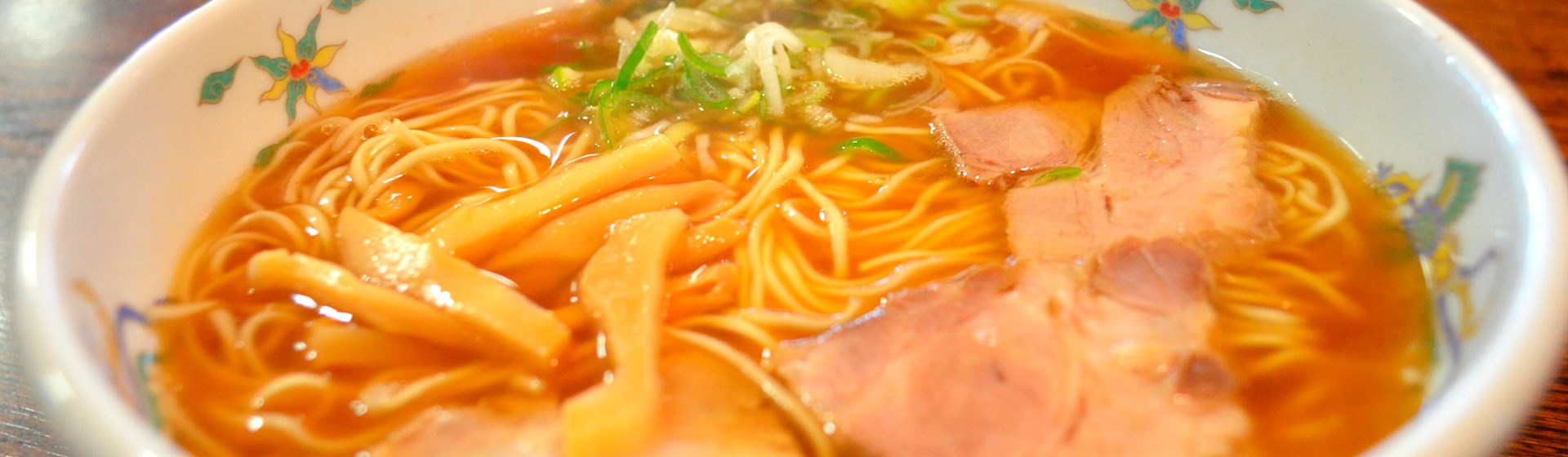
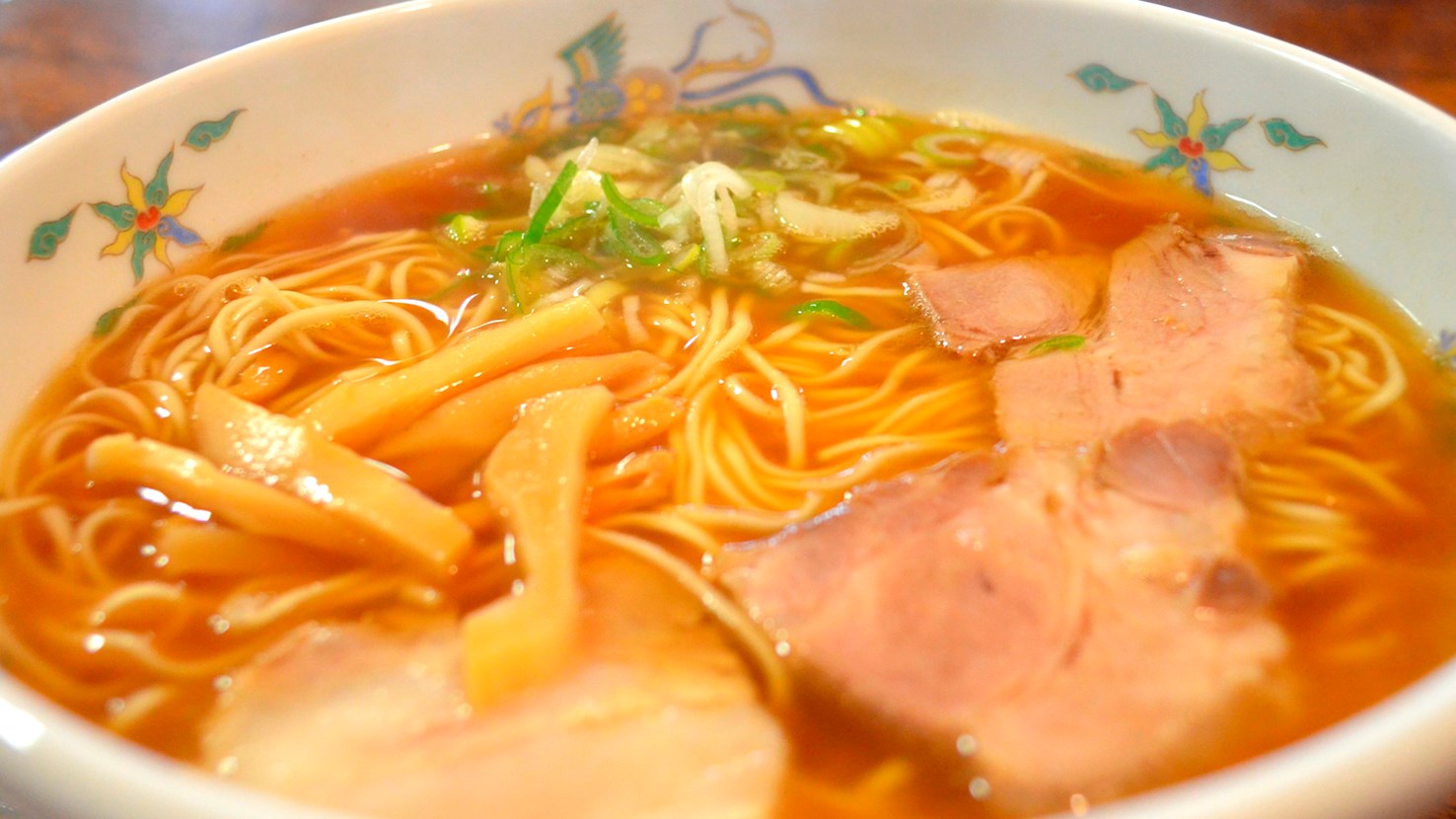
Takayama ramen is a popular style of Japanese ramen. A base broth made with bones, vegetables, and katsuobushi (dried bonito flakes) is enriched with soy sauce and miso, and each ramen master has a secret recipe for the broth. Some of the most common toppings include handmade thin noodles, locally-grown sweet green onions called hida negi, thinly sliced roasted pork or chashu, and menma - pickled bamboo shoots. Although it is typically light on toppings, Takayama ramen is still full of deep flavors, bursting with umami.
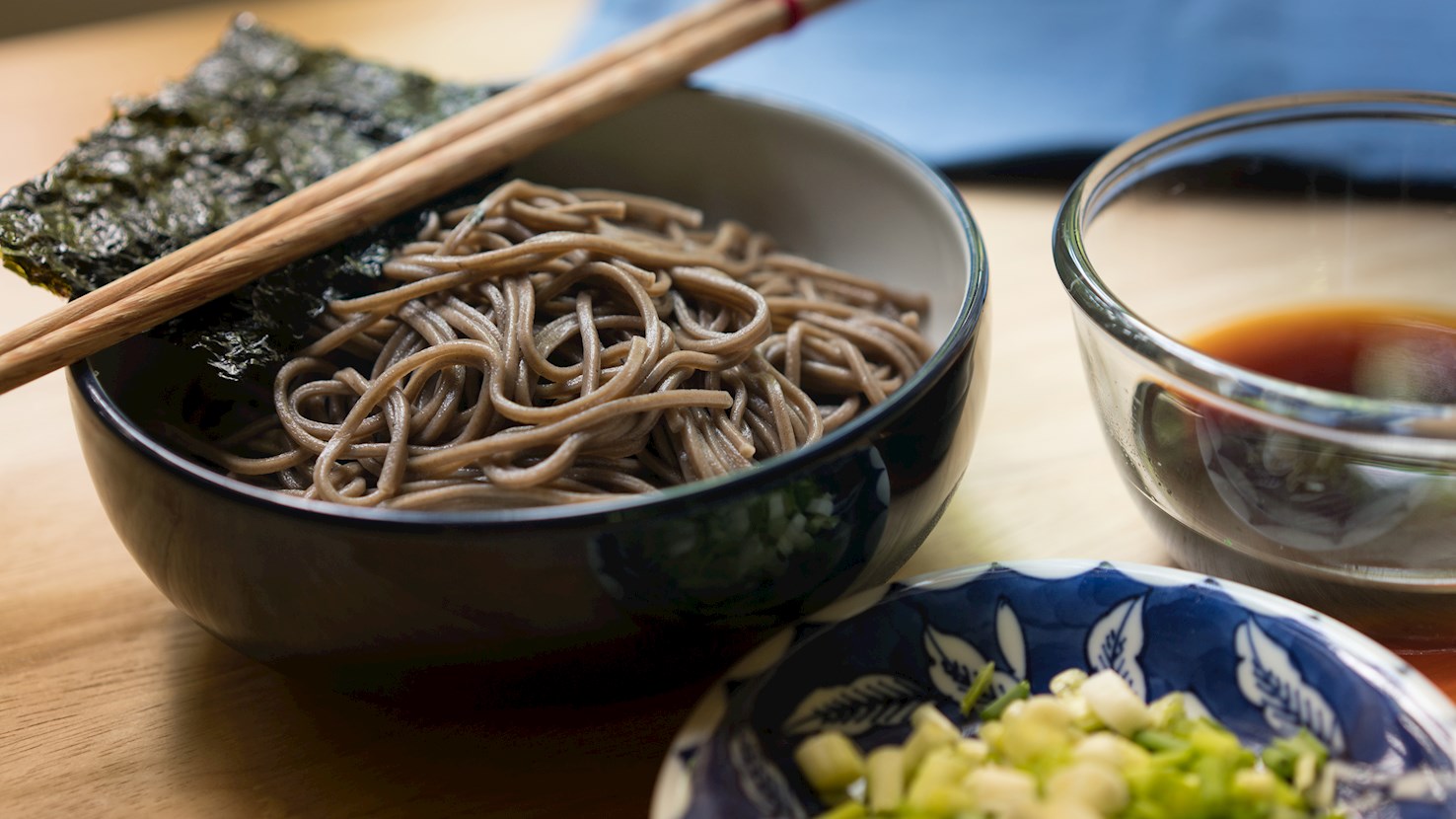
Soba are traditional Japanese buckwheat noodles that are served hot or cold. When served, the noodles are picked up with chopsticks, then slurped loudly, which is a part of common culture in Japan. They date back to the Edo period. One of the most common soba dishes is mori soba, in which cold noodles are consumed with tsuyu sauce. The most popular soba dishes include kitsune soba, tanuki soba, tempura soba, and kake soba. There are also regional soba dishes such as ita soba (Yamagata Prefecture), matcha soba (Uji), nishin soba (Kyoto Prefecture), and wanko soba (Iwate Prefecture).
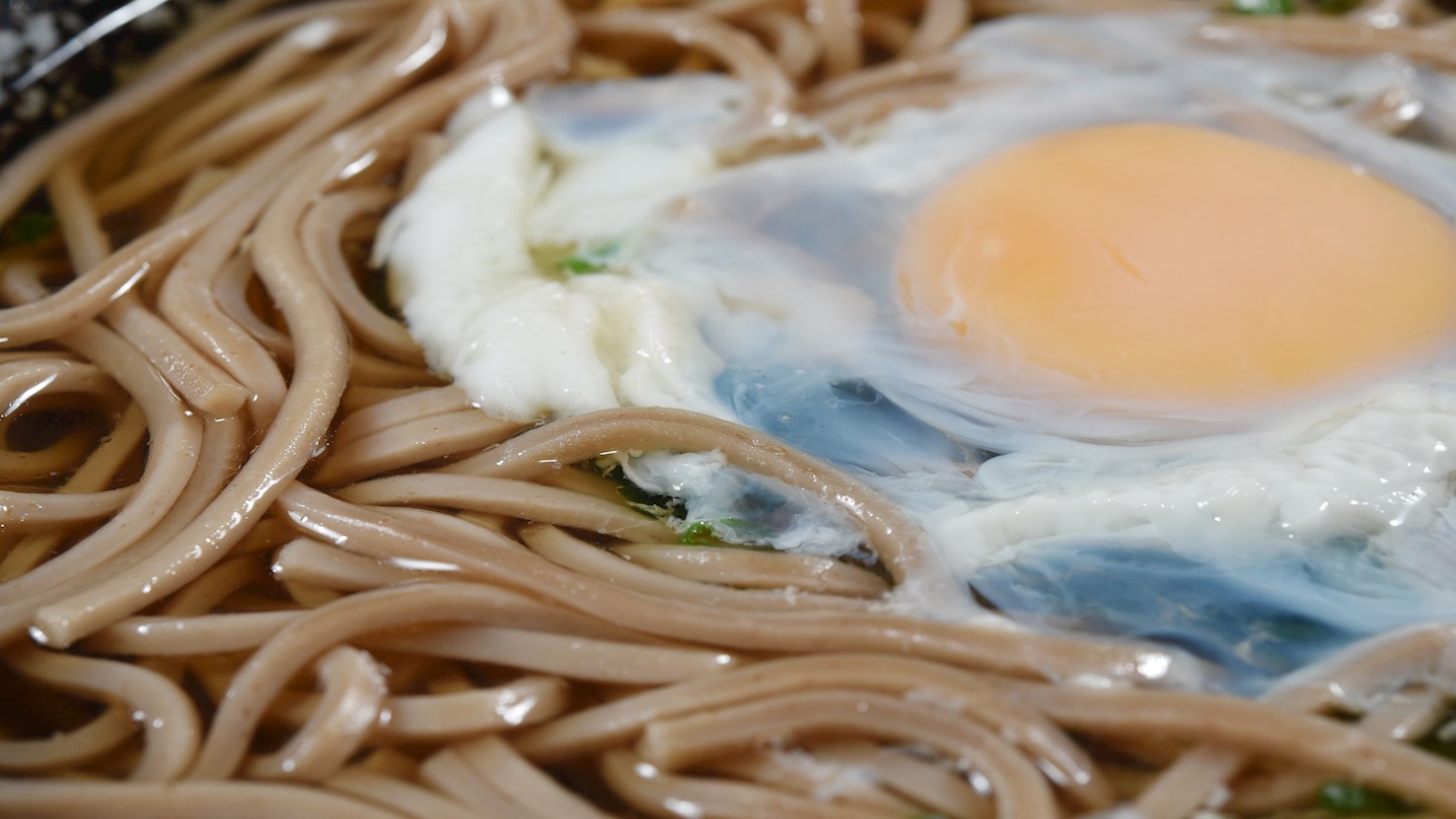
Tororo soba combines buckwheat noodles with tororo, a pale, sticky paste made from grated raw mountain yam. The pairing became popular in Edo during the 18th century, when soba stalls served quick, filling meals throughout the growing city. Mountain yams were valued for their mild flavor, substantial texture, and reputation as an energizing food. Tororo may be made from yamaimo, which produces a thick and almost elastic paste, or nagaimo, which is lighter and more fluid. Once peeled, the white flesh is grated against the ridged interior of a suribachi or with a fine grater. The firm yam quickly turns into a foamy, slippery mixture. Its raw skin and flesh can irritate the hands because of naturally occurring calcium oxalate crystals, so it is often handled with care. The soba noodles are boiled until tender but still firm. For a chilled serving, they are rinsed thoroughly under cold water to remove excess starch and stop them from softening further. They may then be placed on a bamboo tray or in a shallow bowl, with tororo served on top or mixed into a concentrated dipping sauce made with soy sauce, mirin, and dashi. In the hot version, the noodles sit in a bowl of warm dashi-based broth. Tororo is spooned over the surface just before serving. The heat slightly loosens the yam without fully cooking it, creating a cloudy, silky layer that clings to the noodles. Yamaimo gives the broth a dense, sticky body, while nagaimo creates a thinner and more slippery coating. Common garnishes include sliced scallions, shredded nori, wasabi, and sometimes a raw egg yolk or quail egg. The egg adds richness and softens the sharper notes of the soy-based broth. Everything is usually stirred together before the noodles are lifted through the yam mixture. The result is earthy and savory, with firm buckwheat noodles coated in a smooth, unusually viscous sauce.
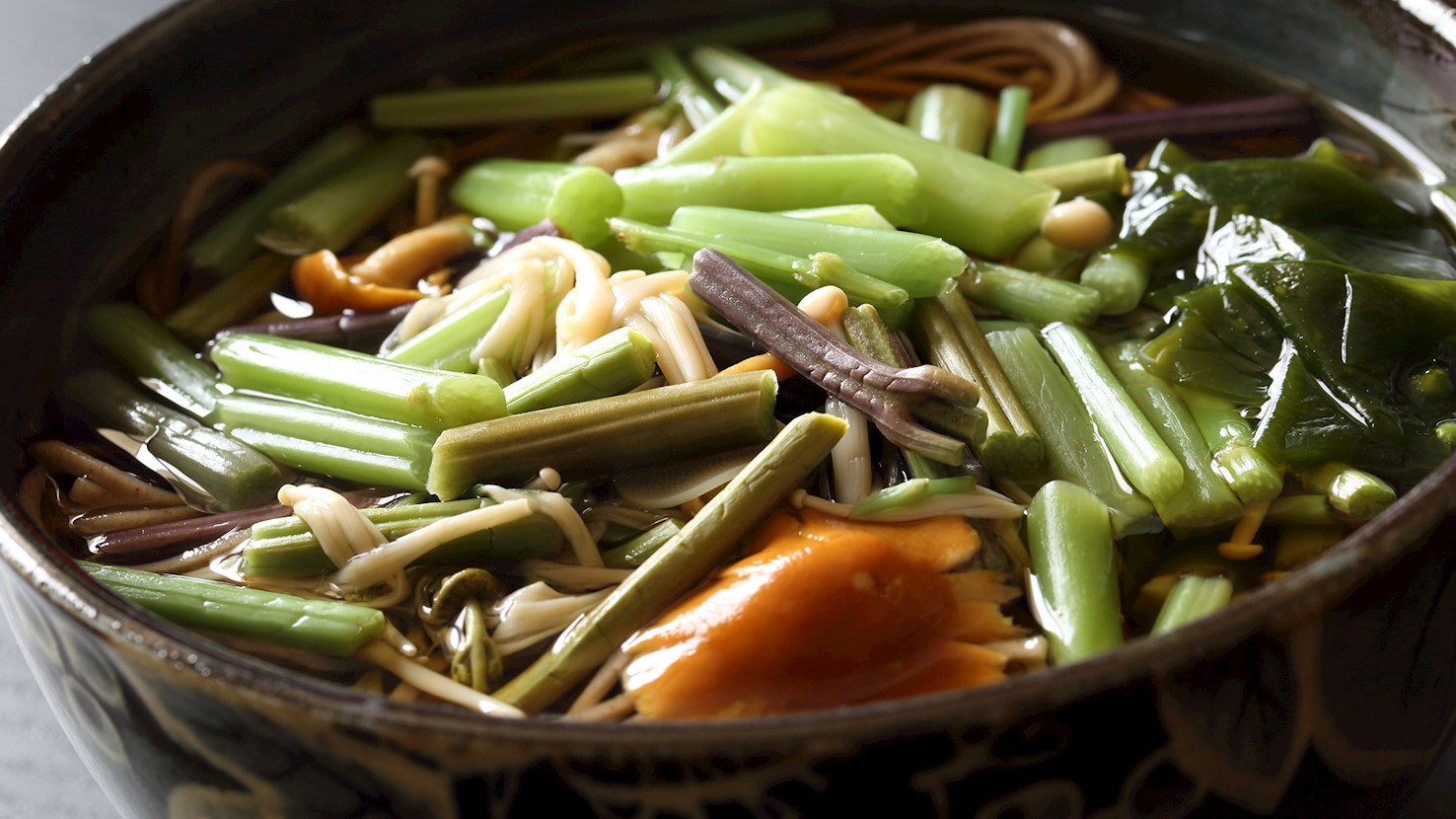
Sansai soba is a Japanese noodle dish prepared with soba buckwheat noodles and sansai – a mix of wild mountain vegetables which are often used in Buddhist cuisine – as the main ingredients. The broth is typically made with dashi stock that can be flavored with mirin and soy sauce. The noodles are placed in the broth with sansai, and the dish can be enriched with other vegetables such as asparagus, spinach, or mushrooms, as well as fishcakes, eggs, and strips of dry seaweed. The vegetables should be crisp and not mushy when prepared correctly. Sansai soba is especially popular in winter, and it belongs to traditional Buddhist cuisine—in Japan known as shōjin ryōri.
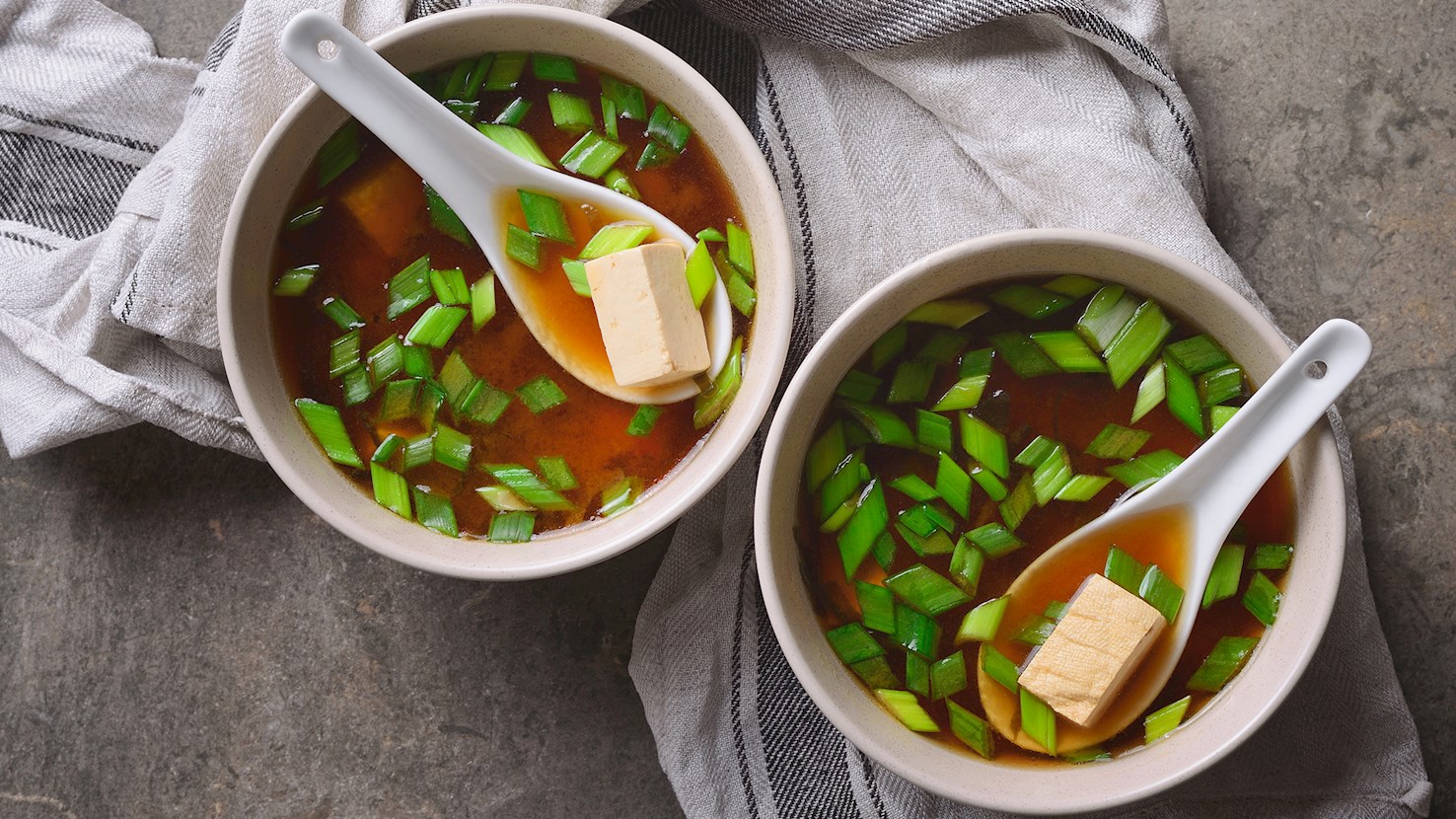
Miso soup is a traditional soy-based soup made from a stock called dashi, miso paste, and various additional ingredients such as seaweed or tofu. It is estimated that more than 70% of Japeanese people consume the soup for breakfast, although it is commonly available at any time of the day. In Japanese restaurants in the United States, miso soup is often offered as an appetizer. The soup is thought to have medicinal properties, as it alkalizes the blood and revives the nervous system. The main ingredient is called miso - a combination of rice, salt, water, and fermented soybeans, shaped into a paste that is similar to peanut butter in texture. Miso is centuries old, and its roots are in chiang - a fermented soybean paste invented in China by Buddhist priests more than 2500 years ago. Since miso soup is relatively quick and easy to prepare, in Japan, there are even instant cups of the soup available in vending machines for a small amount of money, acting as a testament to the soup's enormous popularity.
TasteAtlas food rankings are based on the ratings of the TasteAtlas audience, with a series of mechanisms that recognize real users and that ignore bot,
nationalist or local patriotic ratings, and give additional value to the ratings of users that the system recognizes as knowledgeable.
TasteAtlas Rankings should not be seen as the final global conclusion about food. Their purpose is to promote excellent local foods,
instill pride in traditional dishes, and arouse curiosity about dishes you haven’t tried.



What People Say