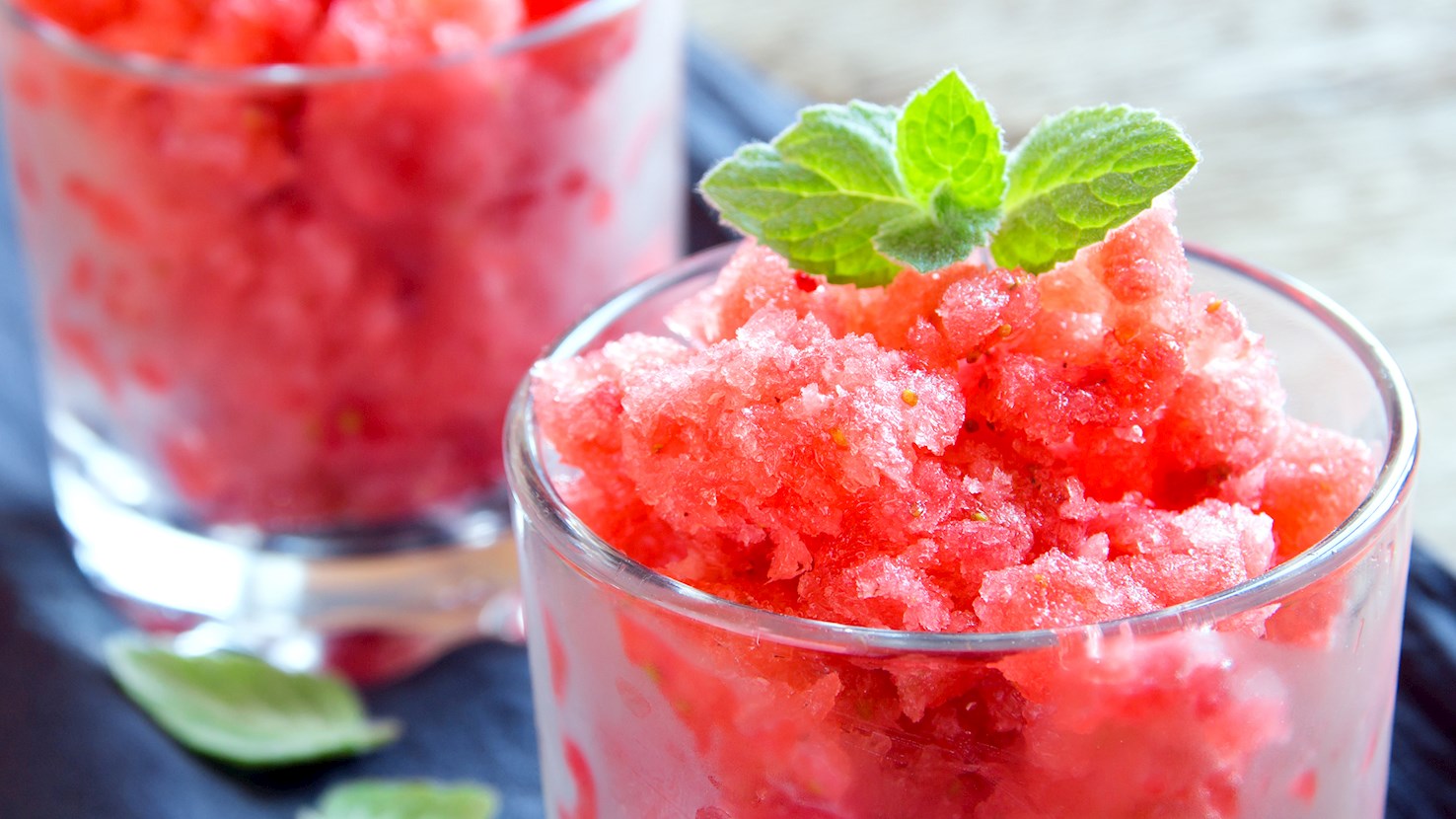
This classic Sicilian semi-frozen dessert is just the thing to cool you down during the dog days of summer. It is served all across the island, and traditionally enjoyed for breakfast alongside an espresso and brioche. Granita is made with water, sugar, and fruit juice or various other flavorings. It is sometimes confused with sorbetto, though granita has a much grainier texture, hence the name, while its origins can be traced back to the sweet Arabic chilled drink sharbāt which was introduced to Sicily during Arab rule. However, traditional granita is not simply chilled but almost frozen - in fact, it was once called rattata (lit. grated) and made using snow and ice from Etna that was collected during winter, then stored in mountain caves. Until the early 20th century and the advent of Italy's first ice cream makers, this was the only way to prepare this icy dessert. Some of the favorite modern Italian takes on this ancient recipe include sweet Sicilian lemon and zesty blood orange varieties. With other flavors such as rich espresso, almond, or even those spiked with luscious liqueurs, the possibilities for granita are seemingly endless.
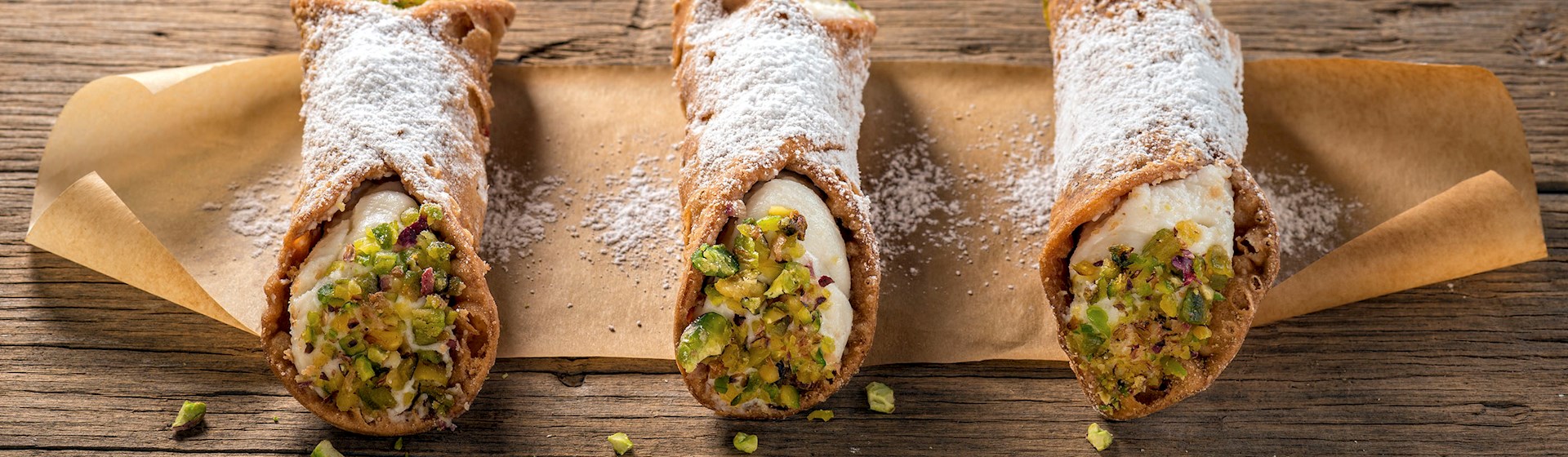
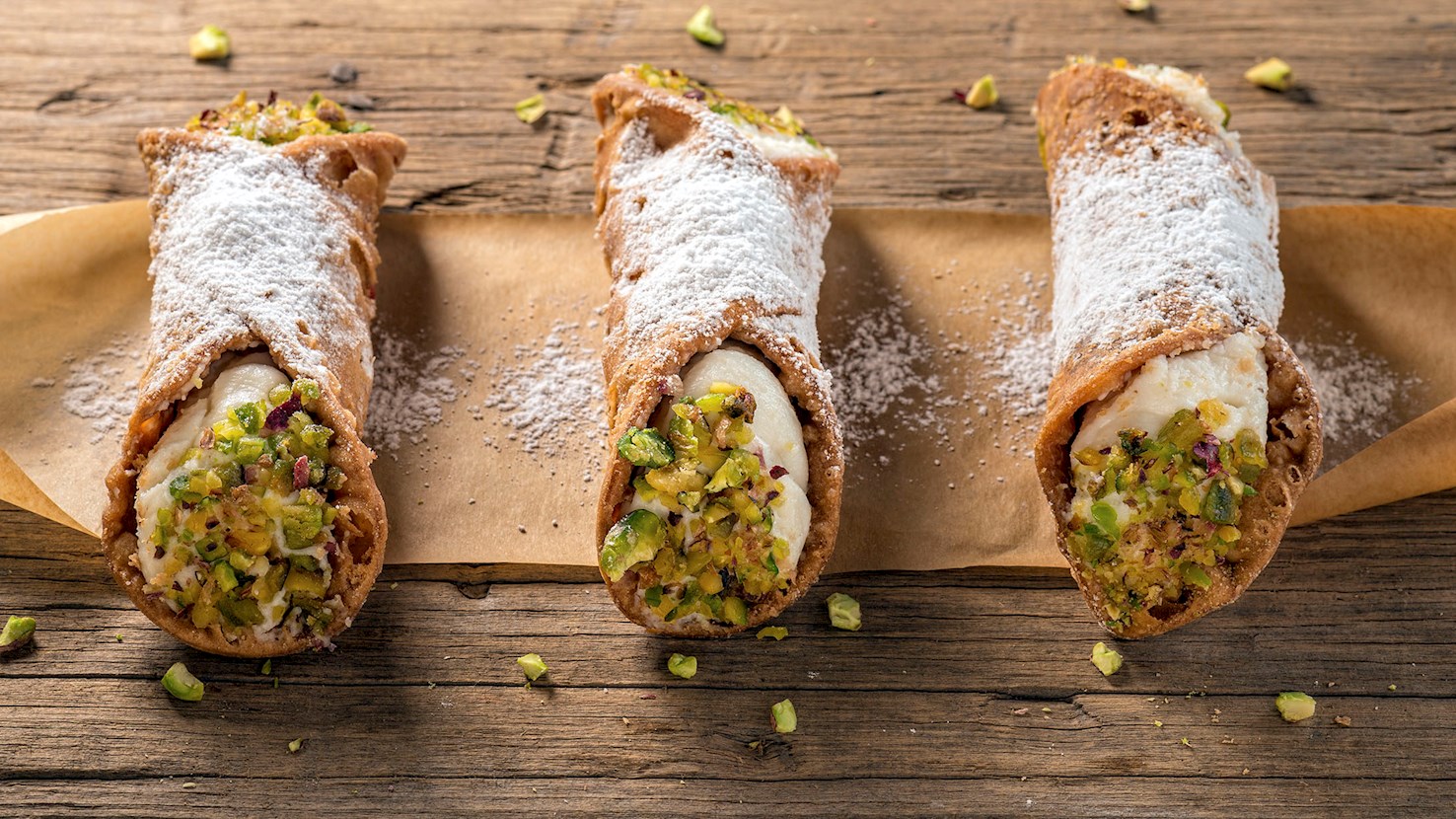
These decadent, crispy fried pastry tubes filled with luscious ricotta cheese cream are perhaps one of Sicily's best known desserts outside of Italy. Cannoli are believed to have originated around Palermo during the 9th century, while Sicily was under Arab rule. Legend has it that they were originally prepared by the women of the ancient city of Qal'at al-Nisā' (lit. castle of women), the modern-day Caltanissetta, which at the time served as the harem of a Saracen emir. Later on, the recipe later somehow found its way to the monasteries of Palermo where nuns would prepare this lavish dessert during the carnival season. Cannoli have come a long way since then, becoming incredibly popular not only throughout Italy, but also in North America, where they were introduced by Sicilian immigrants in the late 19th century. Furthermore, thanks to one of the most famous lines from the movie The Godfather — "Leave the gun. Take the cannoli." — by the end of the 1970s, this dessert had attained a truly iconic status. Although people in the United States are familiar with different variations of this classic recipe, cannoli in Sicily are still prepared in a more traditional way. The crispy pastry shells are typically flavored with cocoa, suet, and Marsala wine, while the delicate freshness of the sweetened ricotta is sometimes enriched with orange blossom water, candied orange peel, chocolate, zuccata candied pumpkin, or finely chopped pistachios. The name is derived from canna, a cane reed that’s cut into sections and used as a mold for frying the pastry shells, although metal cylinders have mostly replaced canna nowadays. And last, but certainly not least, cannoli shells are always filled just before serving to prevent them from getting soggy, ensuring the perfect feel of crunchiness against the creamy filling.
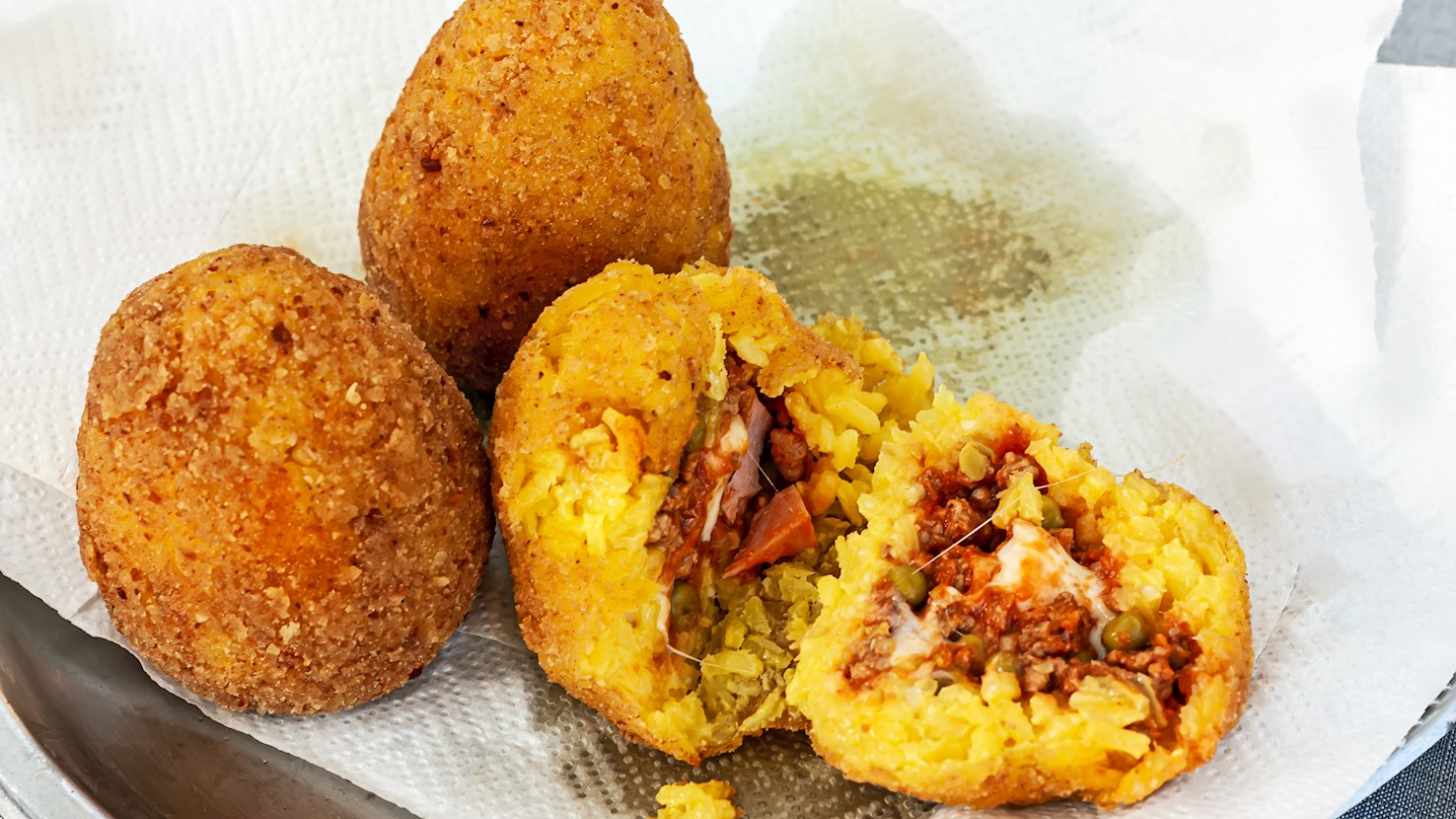
Arancini are big, golden rice balls filled with a savory combination of ingredients in the center. These balls are especially popular in Sicily. The fillings often include meat sauce with peas, dried prosciutto, cheeses such as mozzarella and pecorino, tomatoes, or dried capers. The balls are rolled in breadcrumbs and fried in hot oil, developing the characteristical golden color of the exterior. A popular theory says that the dish was invented in the 10th century during the Kalbid rule of Sicily. The name of the dish is derived from the Italian word for orange, arancia, referring to the similarities in visual appearance and color, so arancini means small oranges. Warm, delicious, and oily, arancini can often be found throughout southern Italy at numerous street carts. Every year on December 13th, there is a festival of Santa Lucia in Palermo, when the city is filled up with kiosks and carts selling these aromatic treats that are prepared specifically for the festival. During the holiday, there is even a sweet version of the dish, dusted with cocoa and sugar. Interestingly enough, western Sicilians call these snacks arancina in singular form, while eastern Sicilians call it arancino.
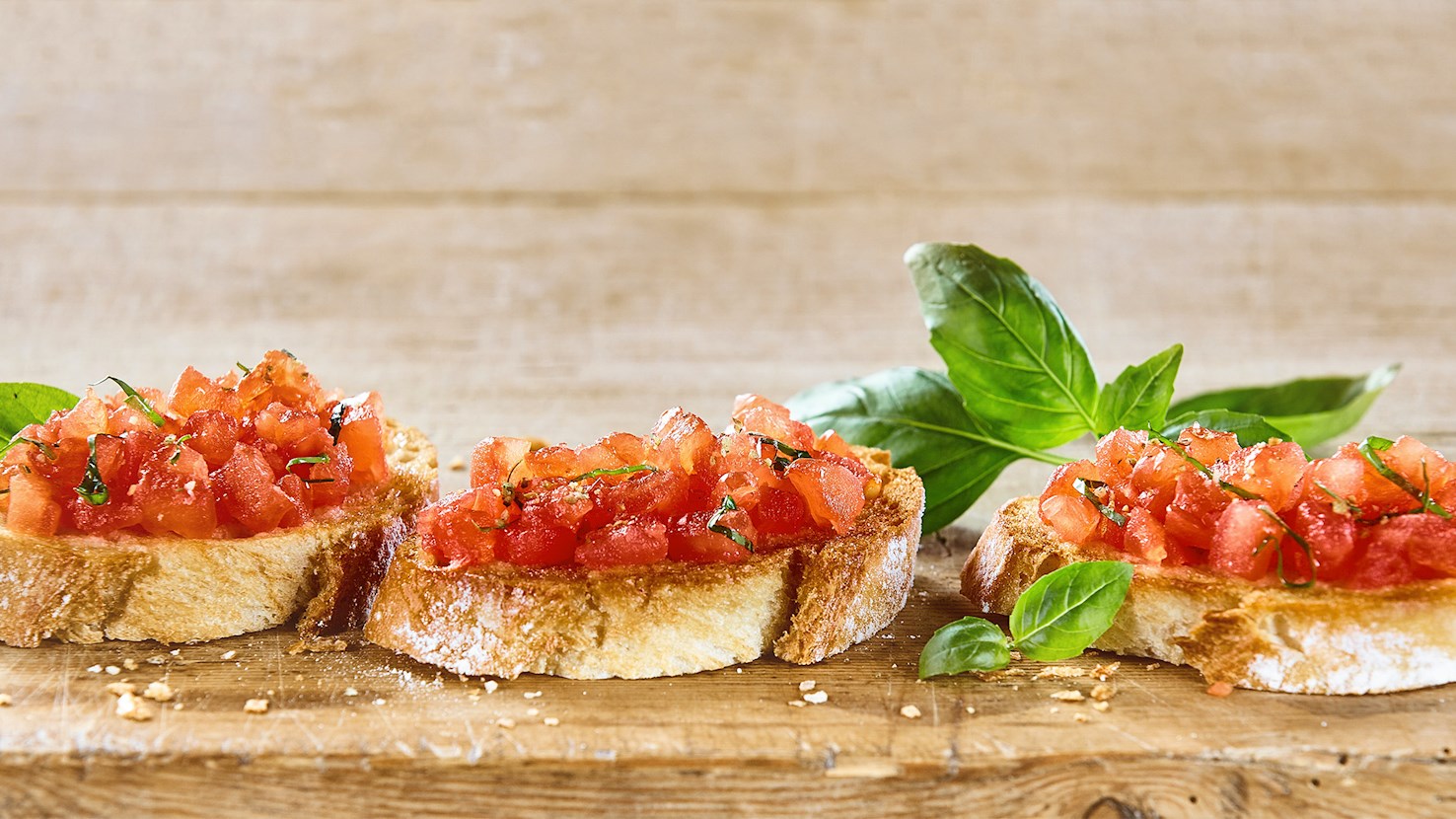
Bruschetta is a traditional appetizer that's nowadays popular throughout the world. In its simplest form known as fettunta, this classic appetizer consists of a grilled slice of bread rubbed with garlic and drizzled with extra virgin olive oil. According to Marcella Hazan, a cookery writer and one of the foremost authorities on Italian cuisine, the history of bruschetta dates back to ancient Rome – its name stems from the old Latin bruscare (meaning “to roast over coals”). Once merely a snack of Italian farmers and olive pickers, the versatile bruschetta has grown into one of the most delicious antipasti Italian cuisine has to offer. Nowadays, bruschetta comes in virtually infinite varieties: spread with bell pepper, mushroom, eggplant, or zucchini pâtés, and topped with small chunks of eggplant, figs, scamorza cheese, mozzarella, or even anchovies, prosciutto, or various types of salami. However, even though it might seem that there isn’t much to this simple grilled bread appetizer, the secret to a perfect bruschetta is in its simplicity.
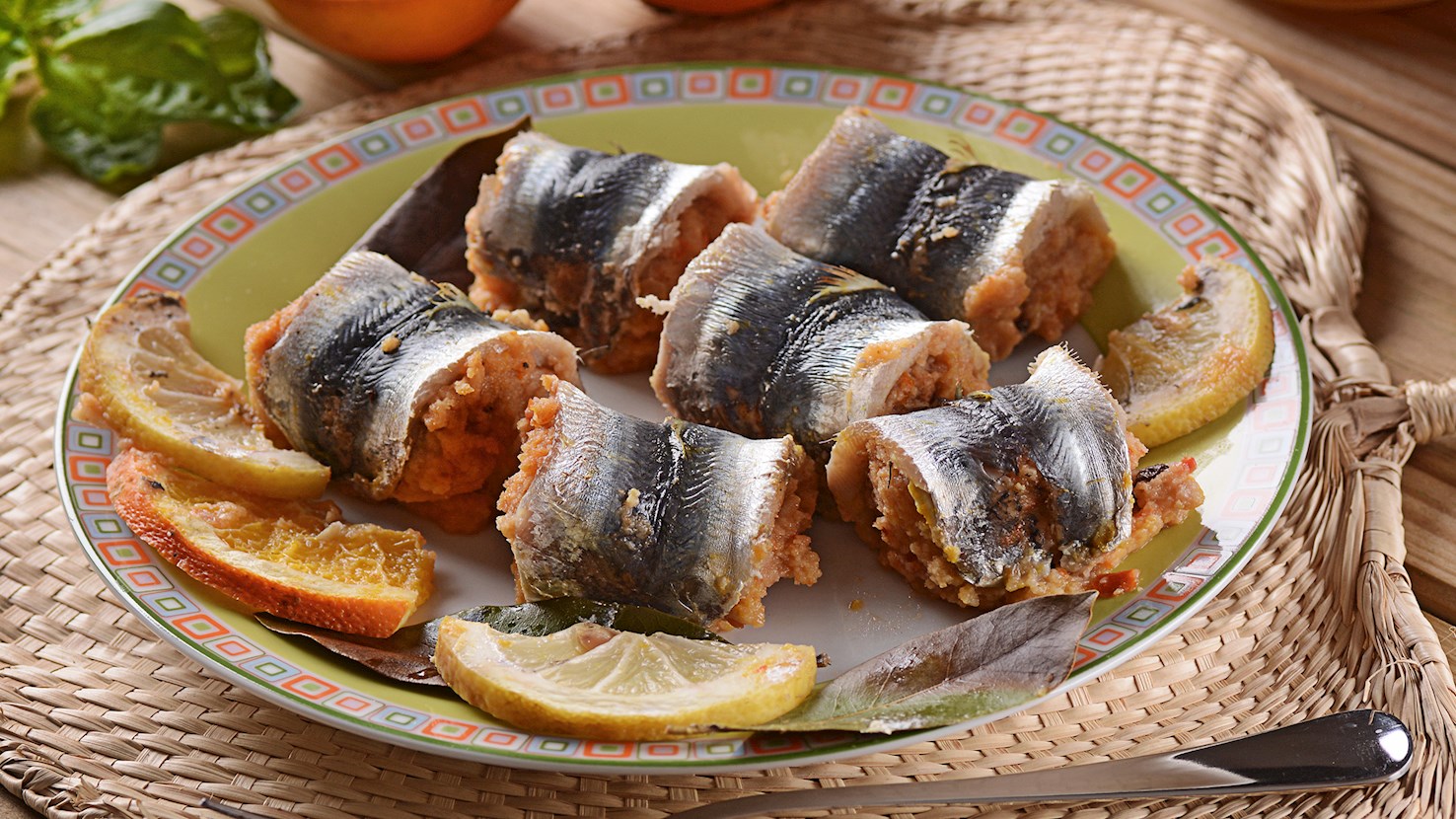
This classic Sicilian dish employs butterflied sardines that are stuffed with a mixture of toasted breadcrumbs, parsley, anchovies, pine nuts, and raisins, with the occasional addition of grated parmesan. Stuffed sardines can be formed into individual rolls that are skewered, occasionally alongside bay leaves, then drizzled with lemon juice and shortly baked or grilled. Another technique employs two fillets that are sandwiched with the filling, and the whole combination is usually deep-fried. These flavorful sardines can be enjoyed as a main meal, but they also make for an excellent and filling appetizer. Sarde a beccafico are found throughout Sicily and are best enjoyed freshly prepared at the colorful Sicilian open markets.
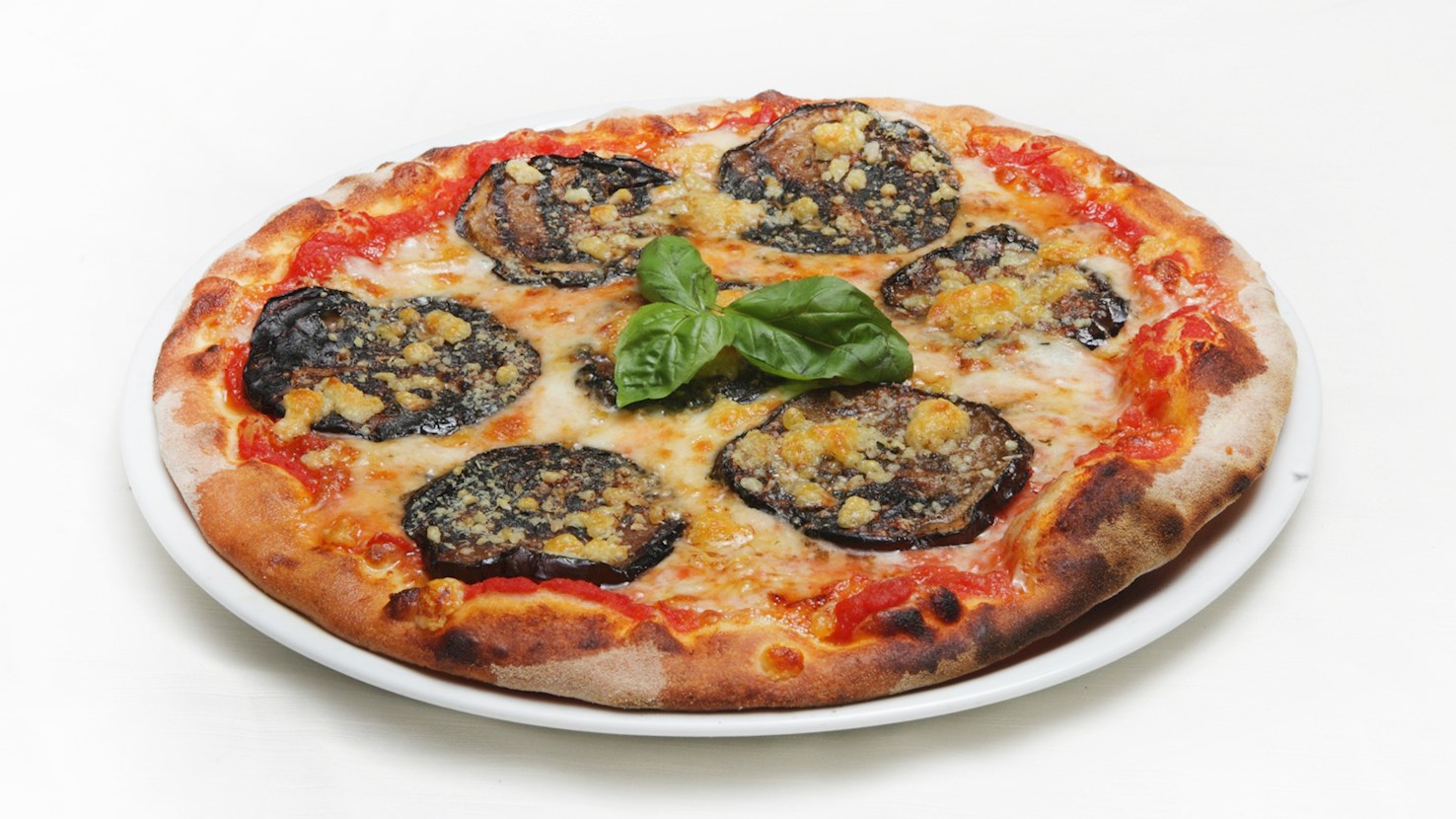
Pizza melanzane is Italian eggplant pizza. The pizza is traditionally slathered with tomato sauce and topped with mozzarella cheese and slices of eggplants, which are usually fried, sautéed, or roasted before being used on the pizza. Mozzarella is sometimes added near the end of baking. The soft and meaty flesh of the eggplants perfectly complements the basic cheese and tomato sauce pizza, the flavor of which can be further enhanced by adding a drizzle of olive oil, a handful of fresh basil leaves, or oregano.
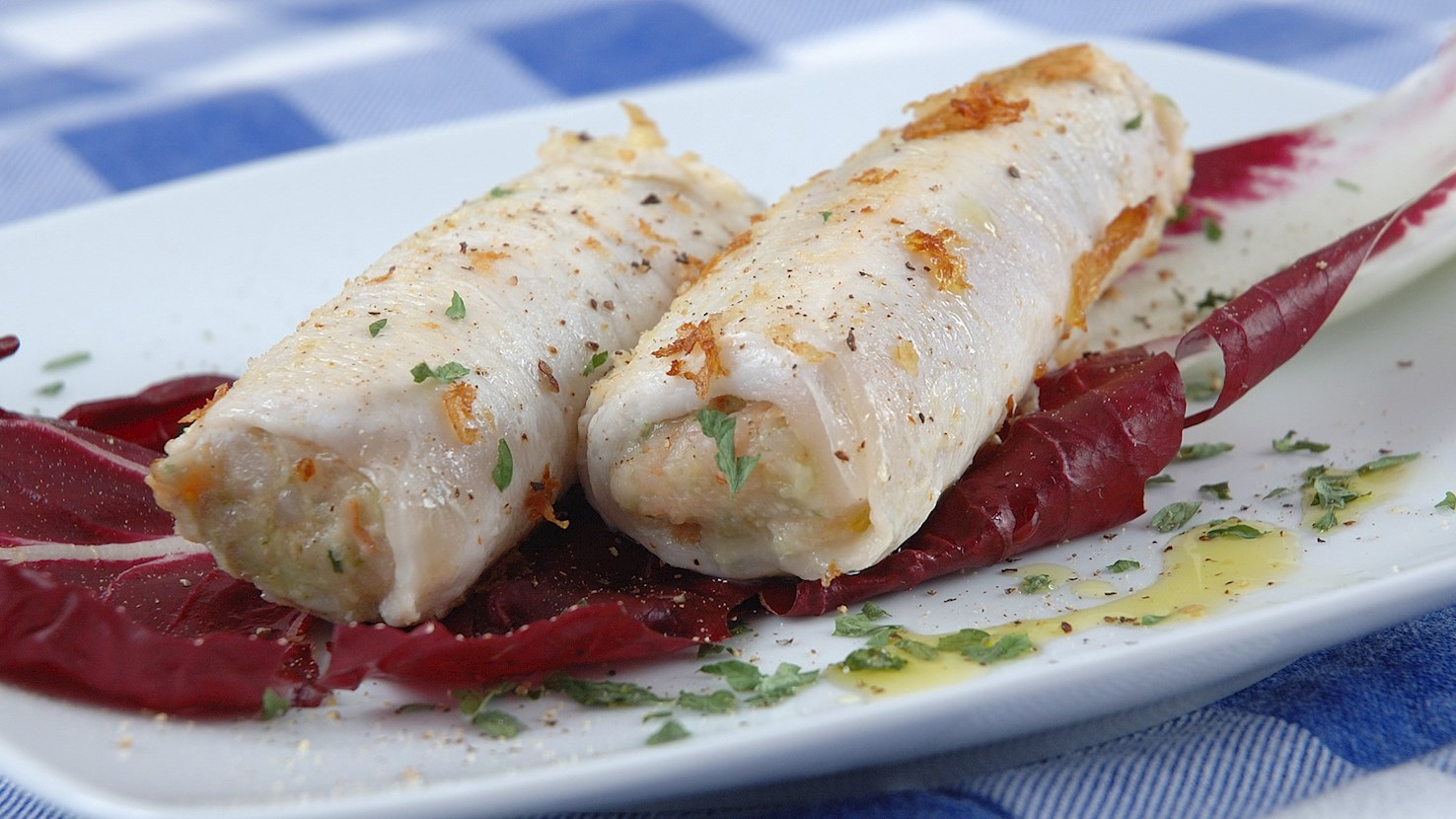
Swordfish rolls are one of the traditional Italian dishes that are mainly associated with Sicily. The dish employs thin swordfish fillets that are stuffed with different combinations of breadcrumbs, lemon zest, capers, garlic, fresh herbs, pine nuts, currants, and occasionally raisins or cheese. The rolls can be grilled or pan-fried and are often paired with a squeeze of lemon juice or the lemon and olive oil-based salmoriglio sauce.
TasteAtlas food rankings are based on the ratings of the TasteAtlas audience, with a series of mechanisms that recognize real users and that ignore bot,
nationalist or local patriotic ratings, and give additional value to the ratings of users that the system recognizes as knowledgeable.
TasteAtlas Rankings should not be seen as the final global conclusion about food. Their purpose is to promote excellent local foods,
instill pride in traditional dishes, and arouse curiosity about dishes you haven’t tried.



What People Say