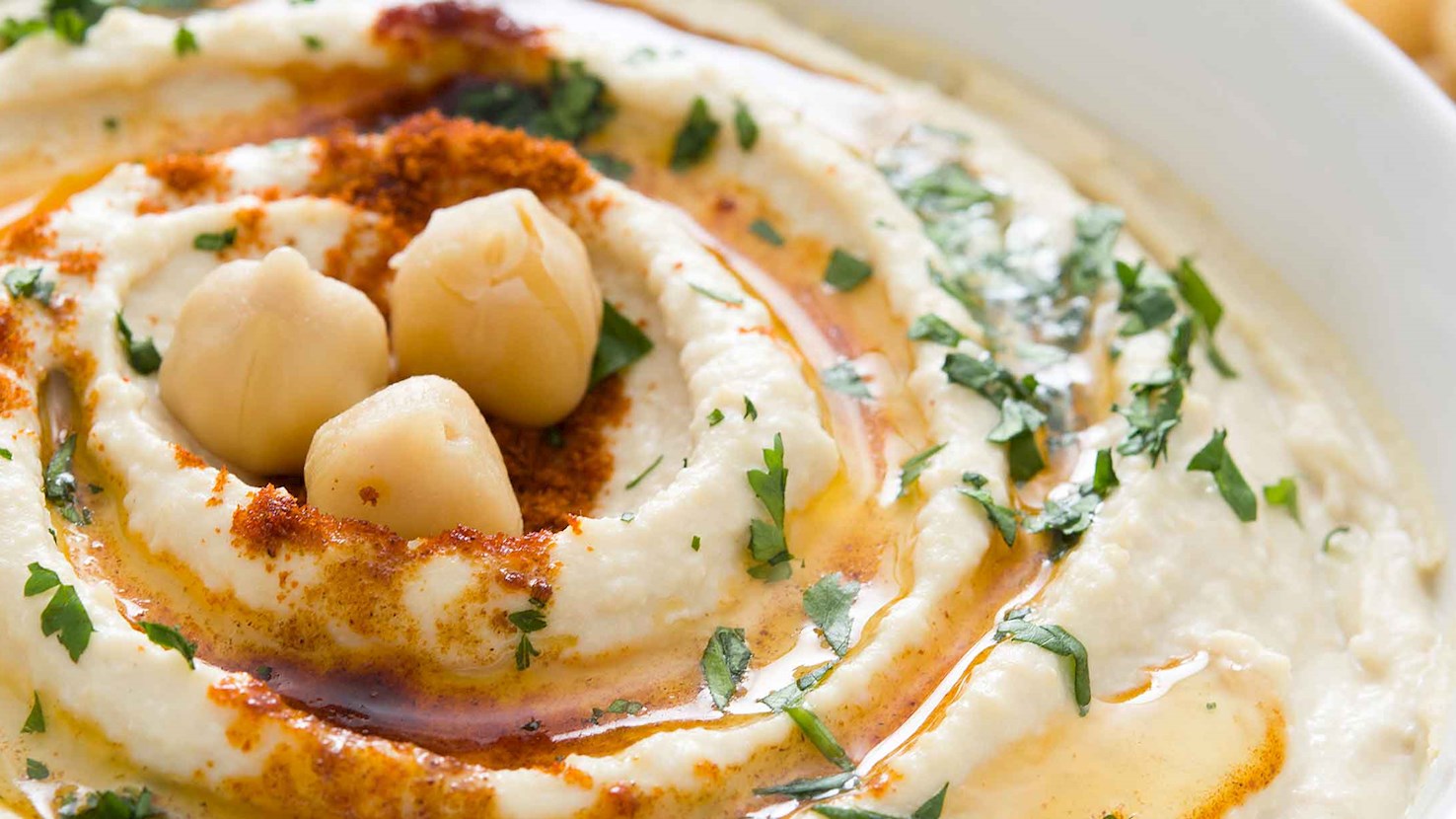
Hummus is a creamy dip made primarily from cooked and mashed chickpeas blended with tahini, olive oil, lemon juice, and garlic. It originates from the Middle East, where it has been a dietary staple for centuries, especially in countries like Lebanon, Palestine, Israel, Syria, and Jordan. Hummus’s roots can be traced back to ancient times (earliest mention of hummus dates back to 13th-century Egypt), when legumes and seeds were common sources of nutrition in the Levant. Over time, the combination of chickpeas and tahini evolved into a dish that balances earthy, nutty, and tangy flavors. While recipes vary slightly across regions, the core ingredients remain consistent, emphasizing freshness and quality. The smooth texture and rich taste make hummus both versatile and widely appealing, able to serve as a simple snack or a complement to more elaborate meals. Preparation involves soaking and cooking dried chickpeas until tender, then blending them with tahini paste, freshly squeezed lemon juice, crushed garlic, and extra virgin olive oil to create a velvety consistency. Salt is added to enhance the flavors, and the mixture is often garnished with a drizzle of olive oil, a sprinkle of paprika or sumac, and sometimes fresh herbs or whole chickpeas. Hummus can be served chilled or at room temperature, paired with pita bread, vegetables, or as part of a larger mezze platter. Hummus enjoys widespread popularity not only in the Middle East but globally, embraced as a healthy and flavorful dish. It is commonly found in homes, restaurants, and markets, representing both everyday nourishment and a dish for social gatherings.
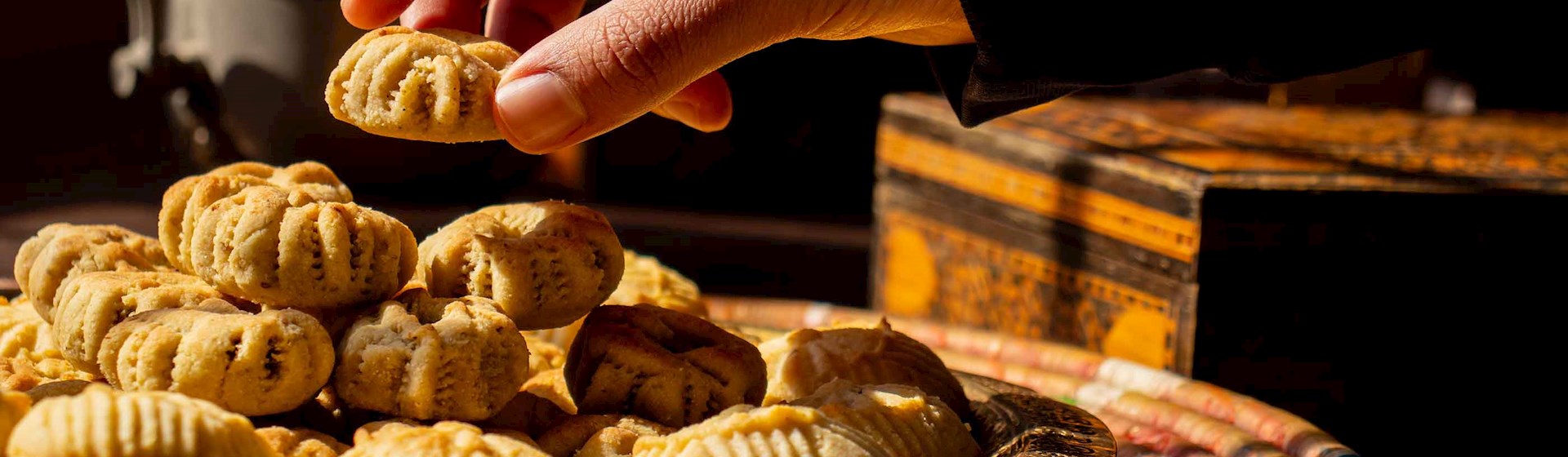
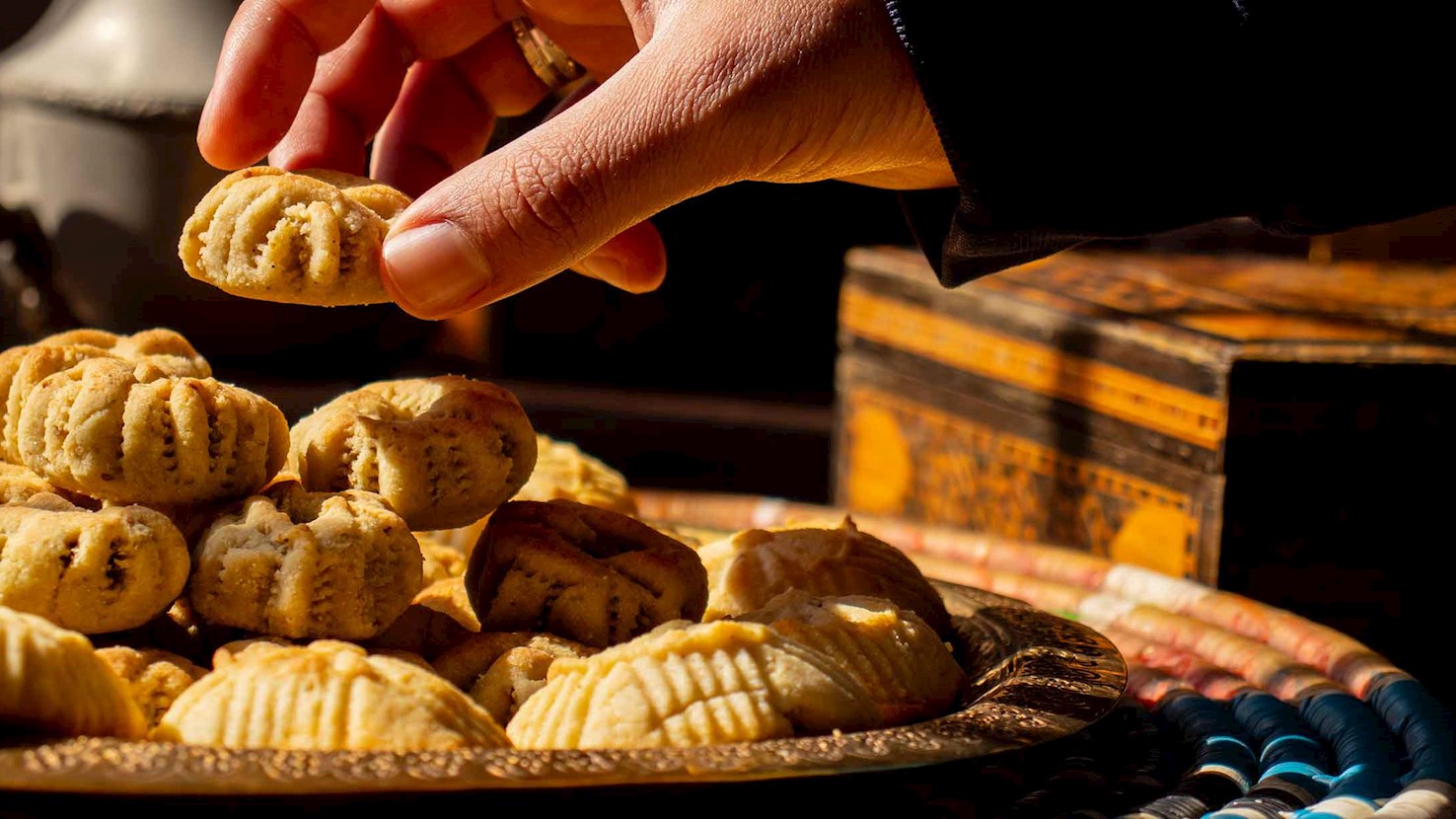
Ma’amoul is a filled baked pastry made from a short dough of semolina or flour and fat, shaped into small rounds or domes and filled with dates, walnuts, or pistachios, widely prepared across the eastern Mediterranean and the Levant, particularly in Lebanon, Syria, Palestine, Jordan, and parts of Iraq, where it is closely associated with religious holidays and communal baking. Its development is tied to the long cultivation of wheat, dates, and nuts in these regions and to festive baking practices that required pastries capable of being prepared in advance, stored briefly, and shared widely, with molded decoration emerging as a way to distinguish fillings and standardize appearance when large quantities were produced at home or in neighborhood bakeries. Preparation begins with a dough made from semolina or a semolina-flour mixture combined with clarified butter or oil, lightly sweetened and often scented with rose water or orange blossom water, rested to allow the grains to absorb fat, then portioned and filled with date paste or finely chopped nuts mixed with sugar and aromatic water, after which each piece is pressed into a carved wooden mold to imprint a pattern before being unmolded and baked until set but not deeply browned. Serving usually involves allowing the pastries to cool fully so the structure firms, with some versions dusted lightly with powdered sugar while others, especially date-filled ones, are left plain, and they are presented in assortments where shape and surface design indicate the filling inside rather than labeling. A defining feature of ma’amoul is the use of molded decoration as an integral part of the pastry rather than a garnish, creating a visual code that is widely understood within the region and allowing different fillings to coexist on the same plate without confusion. It is eaten primarily during major holidays and family gatherings, offered to guests in homes and served in cafés during festive periods, typically consumed by hand alongside plain coffee, Arabic coffee, or unsweetened tea, with the bitterness of the beverage balancing the richness of the dough and the sweetness of the filling.
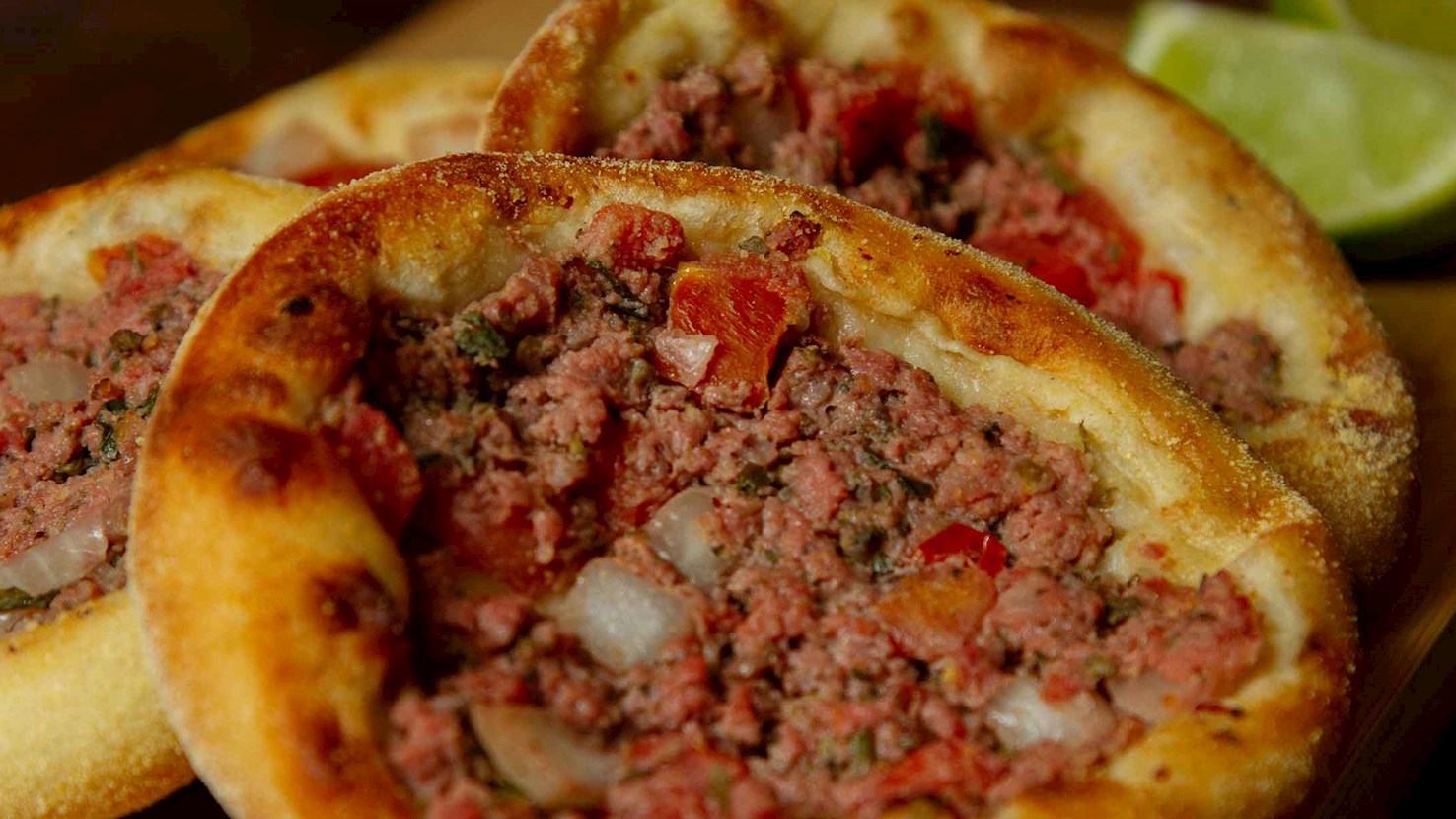
Sfiha, or lahm bil ajĩn (lit. meat on dough) is an Arabic specialty that dates back to the 15th century, when it first appeared in today's Eastern Lebanon. The traditional open-faced meat pie is popular throughout the Arab region, its main ingredients usually including minced lamb (or lamb), chopped onions and tomatoes, spices, olive oil, and yogurt. Originally, the dish was prepared by stuffing ground lamb and spices in brined grape leaves, but it evolved over time. Sfiha is also popular in Brazil and Argentina, where it was brought over by Levantine immigrants. It is usually consumed hot as a snack, accompanied by tahini sauce or a bowl of yogurt, while pomegranate seeds, coriander, or chopped cucumbers are often used as garnishes. In Turkey, sfiha is known as pide.
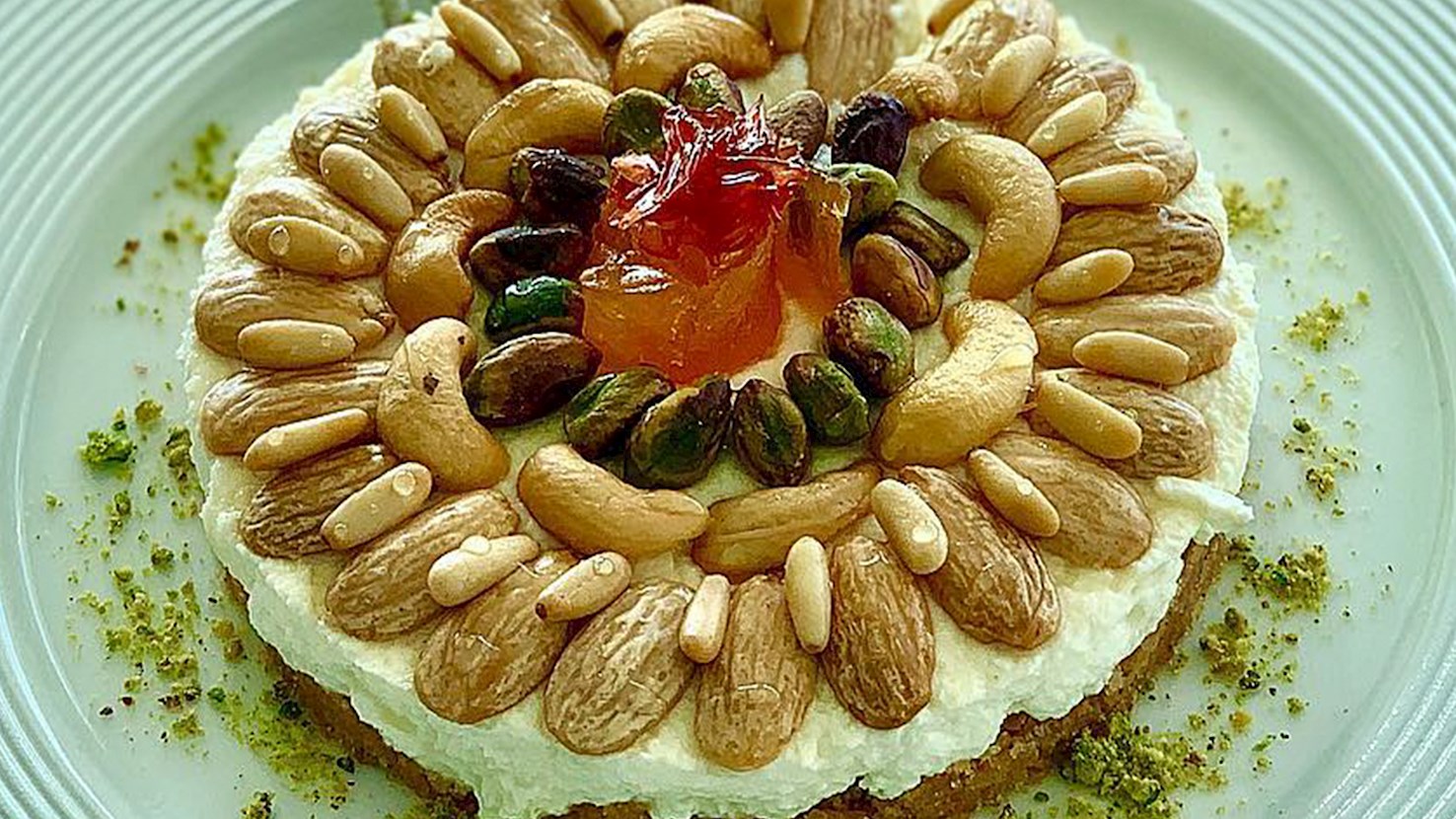
Mafroukeh is a traditional dessert that combines semolina dough and ashta—clotted cream that is often flavored with orange blossom and rose water. The dough is usually made by blending semolina flour, orange blossom and rose water, butter, (optionally nuts), and sugar syrup until the desired consistency is achieved. Traditionally, semolina mixture is flattened and is then topped with ashta and garnishes such as slivered almonds or ground pistachios, but modern variations may come in different forms and sizes. This sweet treat is a staple dessert served during various special occasions and Ramadan.
TasteAtlas food rankings are based on the ratings of the TasteAtlas audience, with a series of mechanisms that recognize real users and that ignore bot,
nationalist or local patriotic ratings, and give additional value to the ratings of users that the system recognizes as knowledgeable.
TasteAtlas Rankings should not be seen as the final global conclusion about food. Their purpose is to promote excellent local foods,
instill pride in traditional dishes, and arouse curiosity about dishes you haven’t tried.


What People Say