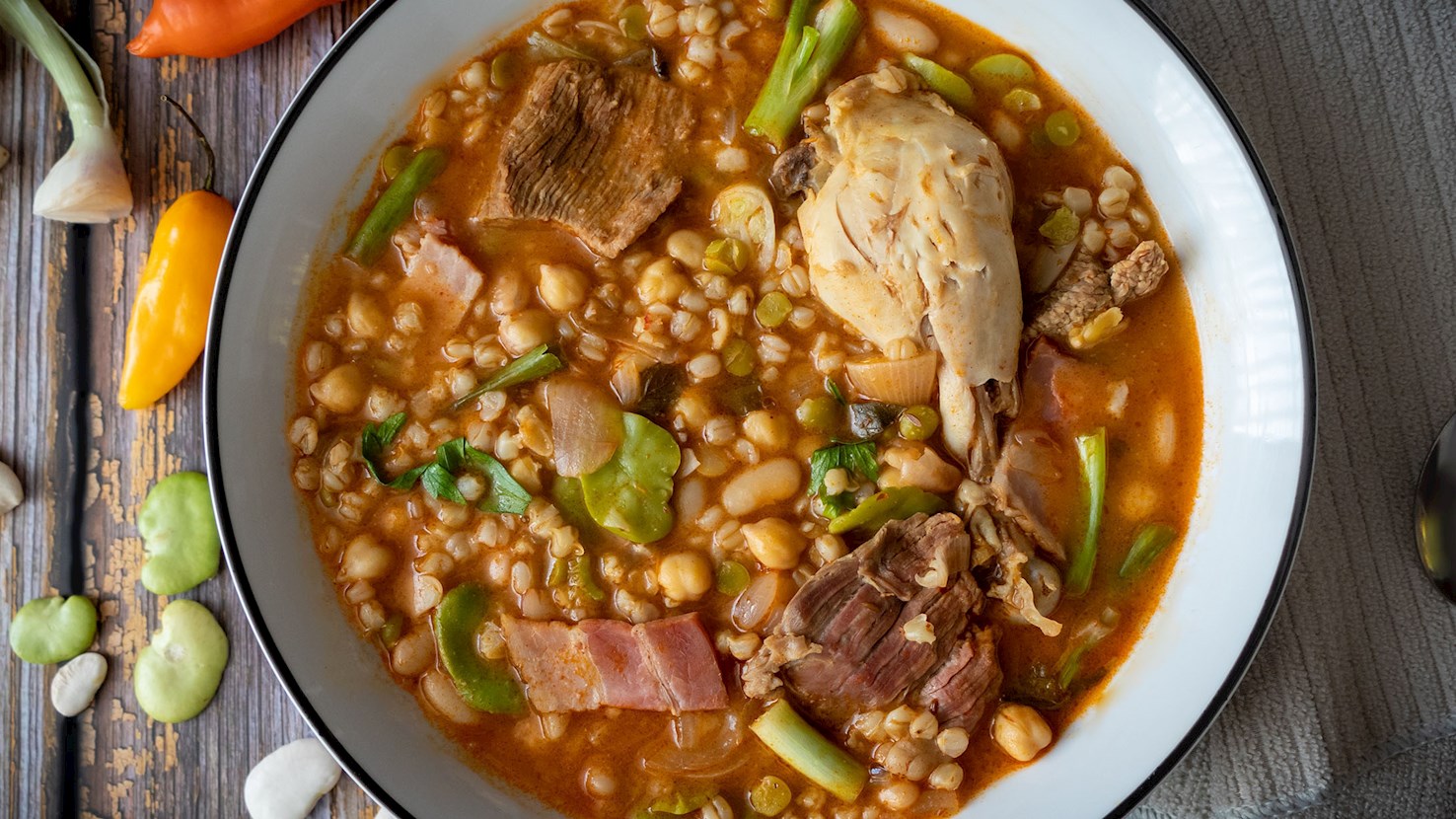
Shambar is a traditional soup originating from the region of Trujillo. It is made with various types of beans, wheat, chickpeas, peas, and at least three different types of meat such as smoked pork, ham, pork skin, pork ears, beef, and chicken. It is typically seasoned with cumin, garlic, and hierba buena. The end result is a thick and nourishing soup filled with nutrients. Shambar is traditionally consumed only on Mondays in order to prepare the working people for the upcoming week.
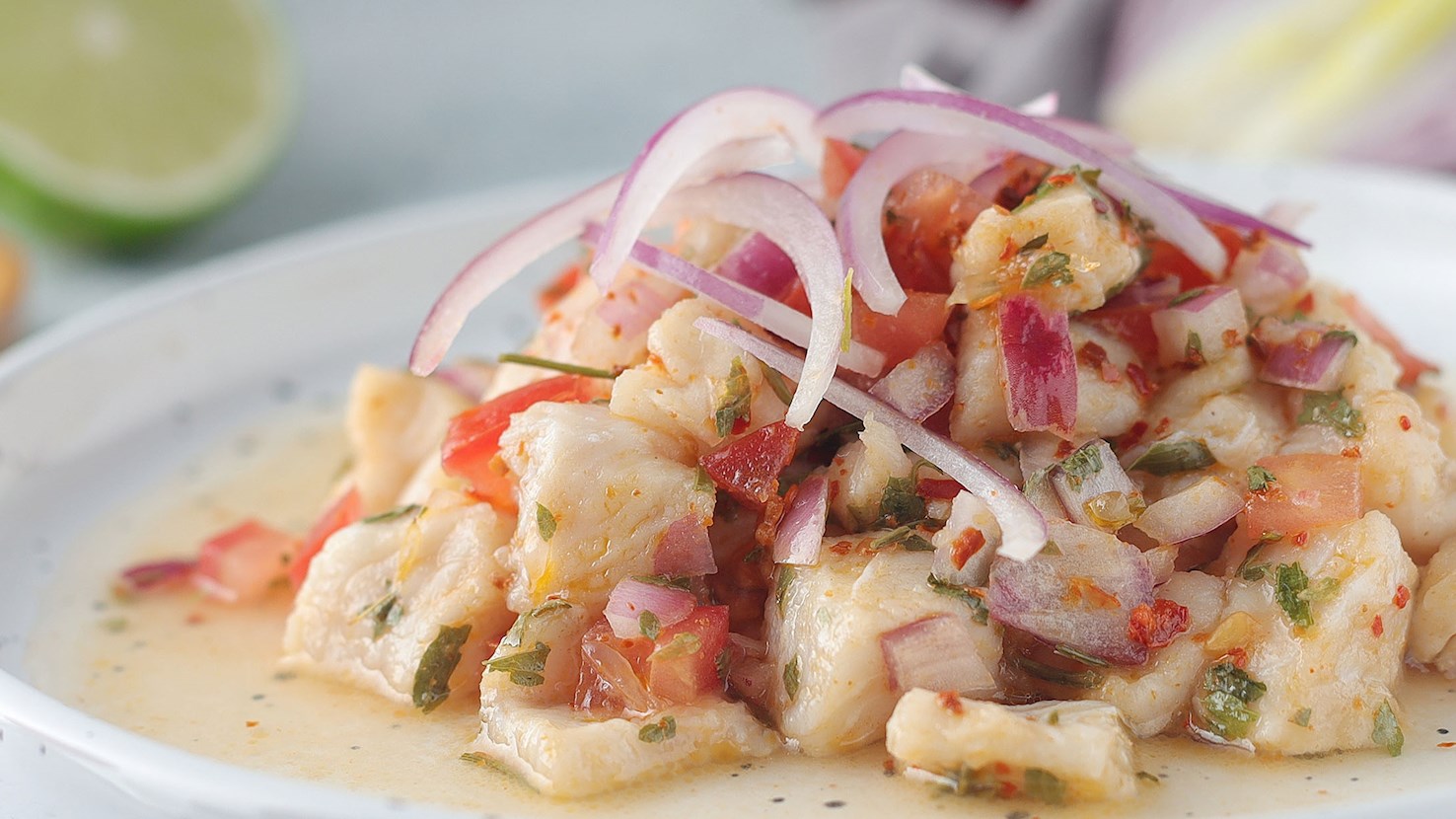
Ceviche is the national dish of Peru consisting of slices of raw fish or shellfish that is spiced with salt, onions, and chili peppers, then marinated in lime juice. Due to the acidity of lime juice, the texture of the fish changes, as does its color – from pink to white. The acidic marinade, also known as leche de tigre (lit. tiger's milk) "cooks" the meat without any heat involved in the process. For ceviche, fresh fish is an imperative, as fish and shellfish that are not fresh can cause food poisoning. Peruvians are used to fresh ingredients, so the fish will sometimes be prepared for ceviche less than an hour after being caught. Fish for ceviche can be divided into three categories: firm, medium, and soft. The dish was originally made by the natives who marinated fish and amarillo chiles in the juices of a native fruit called tumbo, which was replaced by lime juice when the Spanish brought limes and onions to the country. The flavors of ceviche are slightly acidic and spicy, with an intense aroma of the sea. Traditionally, it is served on a bed of lettuce with tiny pieces of corn, chunks of sweet potato, and boiled yuca. Cancha, a variety of popcorn made from large corn kernels toasted in salt and oil provides an ideal side dish. The dish is traditionally served at cevicherias, specialized ceviche restaurants that can be found all over the country, and it is so popular that it even has its day, known as National Ceviche Day.
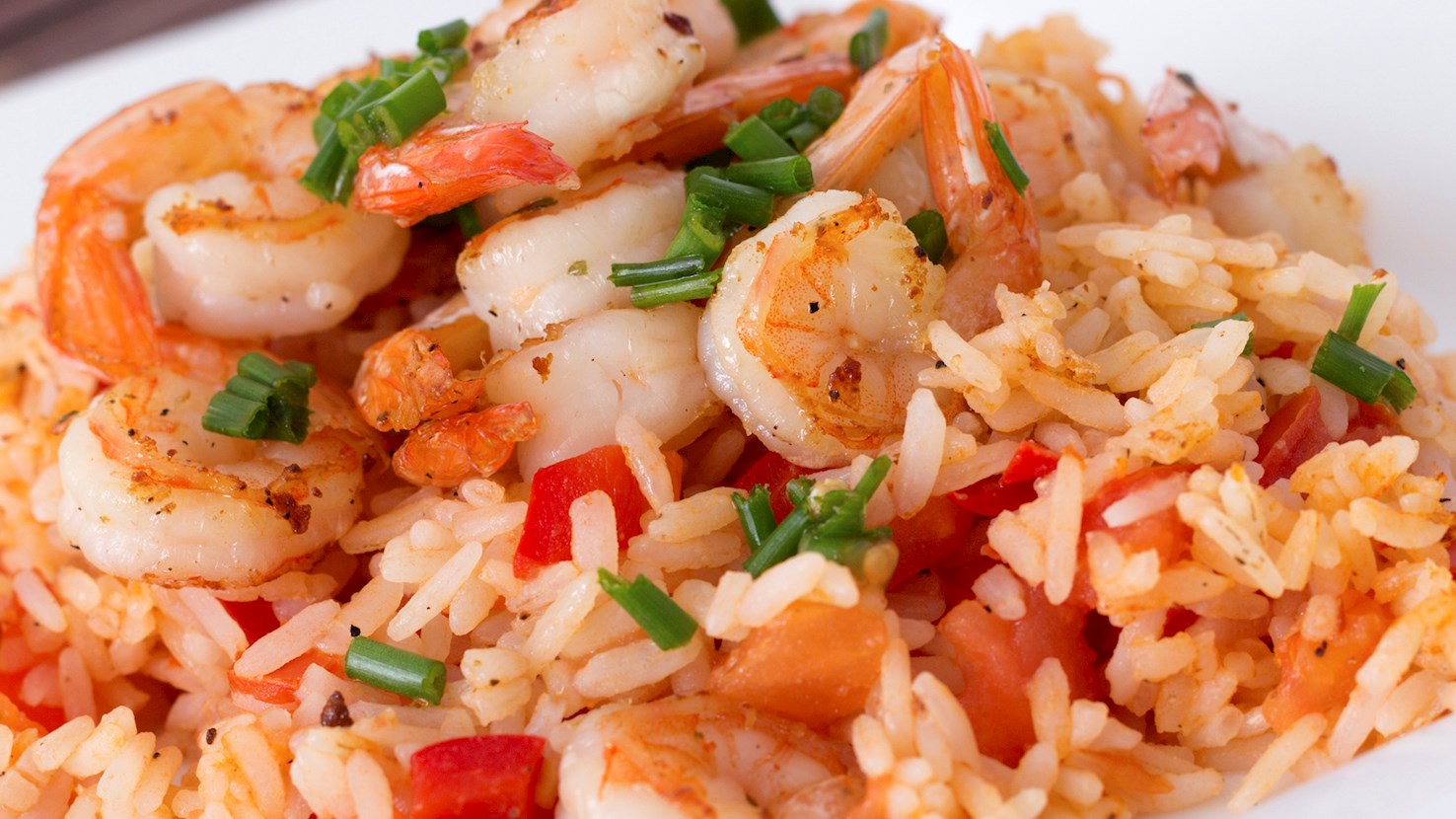
Arroz con camarones is a dish that is popular throughout Latin America, especially in Peru, Ecuador and Mexico. It consists of rice that is cooked in a flavorful shrimp broth, combined with shrimp, peppers, tomatoes, and onions. The dish is usually seasoned with cumin, garlic, and achiote, with the addition of finely chopped parsley used for garnishing. Arroz con camarones can be served with numerous accompaniments such as lime wedges, hot sauce, avocado slices, or fried plantains.
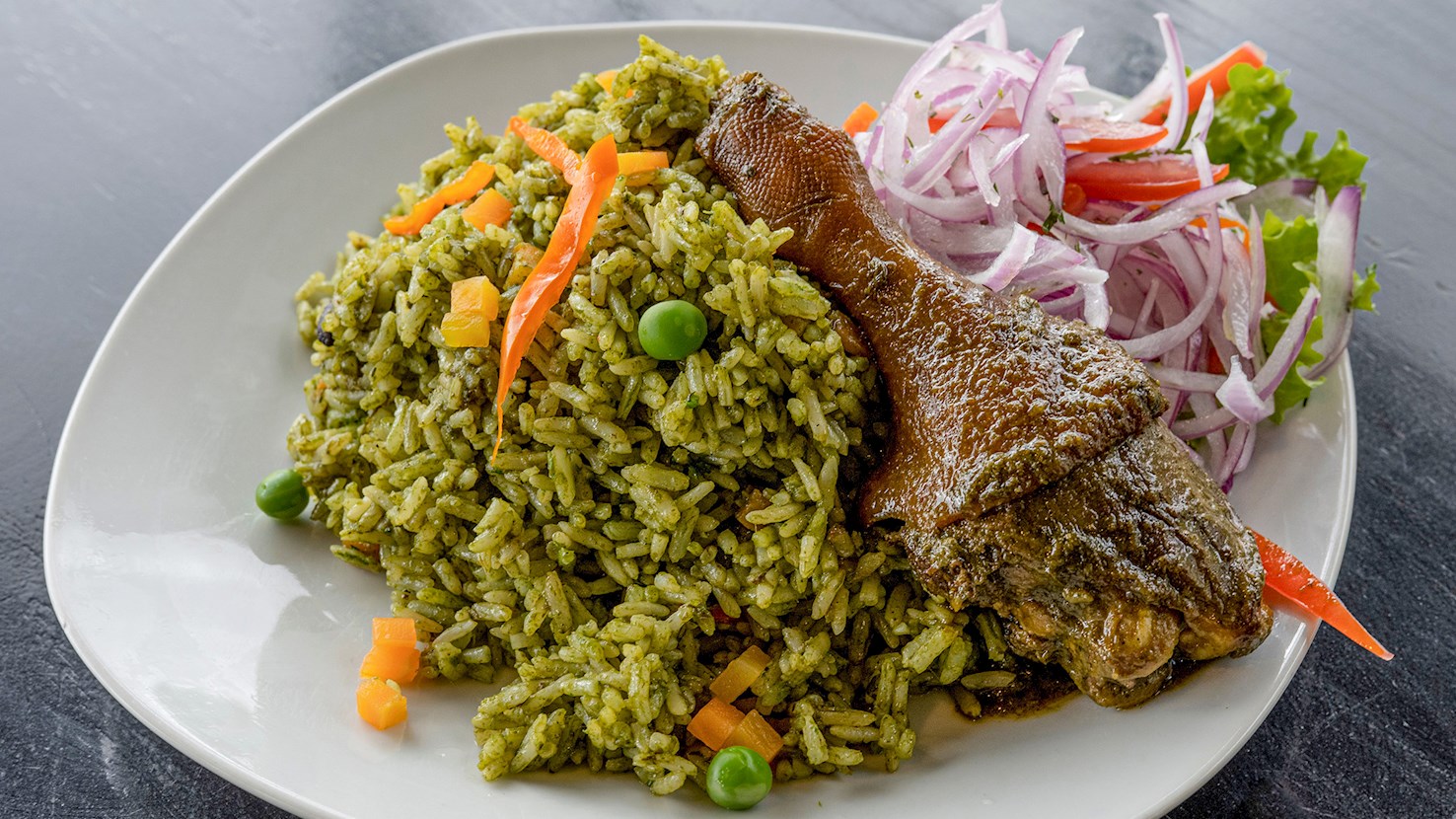
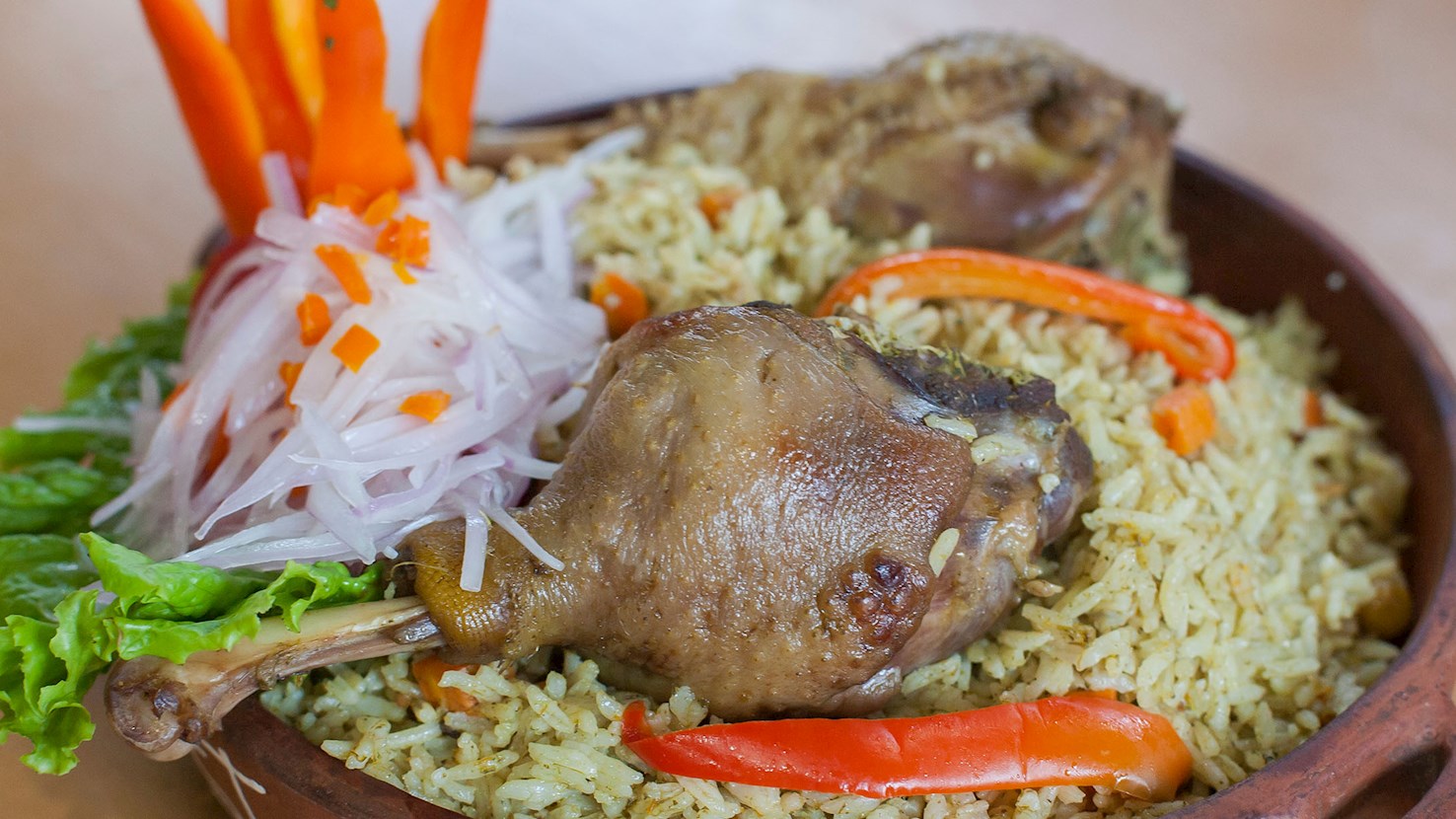
Arroz con pato is a classic Peruvian duck and rice dish, particularly popular in northern cities like Trujillo and Chiclayo. This dish combines seasoned duck meat cooked with rice, which absorbs the rich and flavorful juices from the duck and various seasonings. To prepare it, the duck is first marinated with a mix of garlic, pepper, cumin, and often beer or chicha de jora. After marinating, the duck pieces are browned in a pan. In another pan, a base or "sofrito" of garlic, onion, aji amarillo (yellow Peruvian chili pepper), and bell peppers is prepared. Rice is added to this sofrito and sautéed briefly before introducing the browned duck, cilantro paste, stock, and beer. The mixture is cooked until the rice becomes tender, having absorbed the liquids. Some versions might include peas, carrots, and red bell peppers added towards the end of the cooking process. The finished dish has a distinctive greenish hue from the cilantro and is often accompanied by salsa criolla, a tangy onion relish.
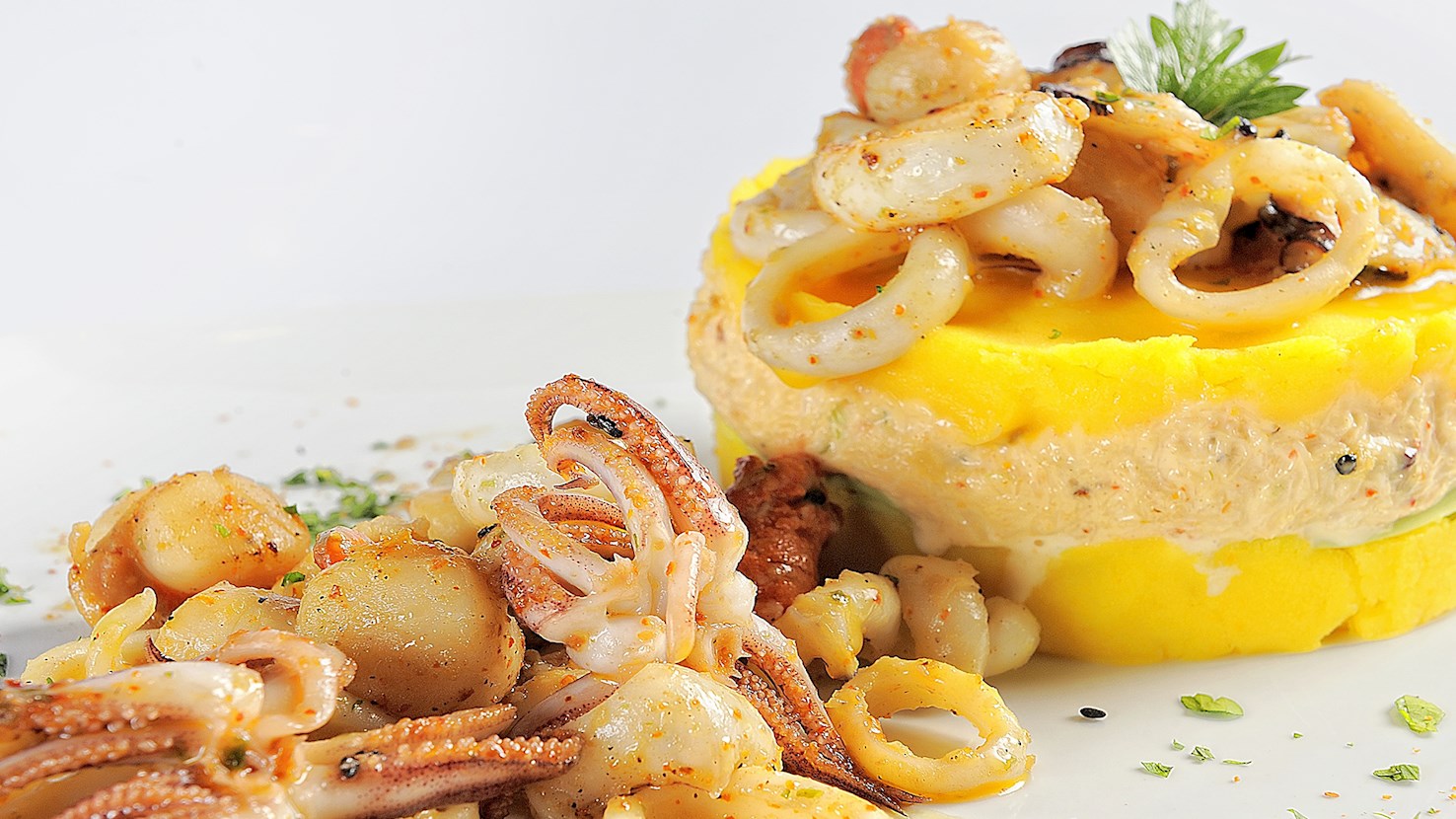
This traditional Peruvian delicacy is made with yellow potatoes and either tuna salad or chicken. Most often, the potatoes are molded or cut into circles, and the filling is sandwiched in between. The dish is flavored with mayonnaise, ají amarillo chilis, and lime or lemon juice. Causa rellena is typically served cold on a bed of lettuce, while the top is garnished with black olives, making it a perfect appetizer or a light meal on its own. It is believed that the dish was invented during the Pacific War. Food was scarce, and the Peruvian women started collecting potatoes and any other ingredients they could get their hands on. The women created causa rellena, then offered it to soldiers for the cause of defending their homes, hence the name of the dish.
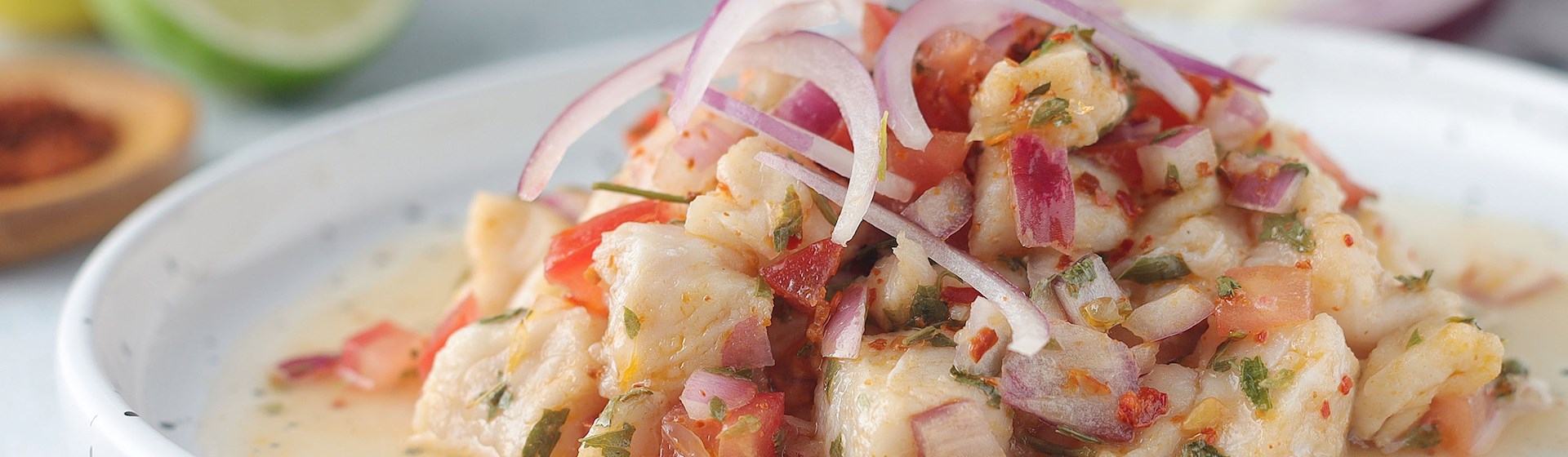
Ceviche de lenguado is a traditional Peruan ceviche variety made with flounder as the star ingredient. Although there are many variations and recipes, other ingredients used for this ceviche usually include lime juice, thinly sliced onions, olive oil, garlic, salt, white pepper, and hot peppers such as serrano or jalapeño. The fish fillets are cut into strips that are marinated in a mixture of garlic, salt, white pepper, and lime juice. The fish is placed in the fridge for an hour and it's then mixed with hot peppers, onions, and olive oil. Everything is mixed well and left to rest for a few minutes before serving. Ceviche de lenguado is often garnished with sweet potato slices, olives, corn, and coriander.
Arroz con pato a la chiclayana (also known as arroz con pato de lambayeque) is a traditional dish originating from the city of Chiclayo. It's usually made with a combination of duck meat, oil, garlic, onions, rice, peas, pumpkin (squash), red peppers, scallions, aji limo peppers, lime juice, and salt. The garlic, onions, and squash are cooked in oil, then combined with the browned duck meat and water. Once the duck becomes tender it's taken out and the rice, peas, pepper, and coriander are simmered in the cooking liquid. Once cooked, the rice mixture is seasoned with lime juice and served alongside duck meat.
TasteAtlas food rankings are based on the ratings of the TasteAtlas audience, with a series of mechanisms that recognize real users and that ignore bot,
nationalist or local patriotic ratings, and give additional value to the ratings of users that the system recognizes as knowledgeable.
For the “7 Traditional Foods You Have To Try in Trujillo” list until July 17, 2026, 217 ratings were recorded, of which 33 were recognized by the system as legitimate.
TasteAtlas Rankings should not be seen as the final global conclusion about food. Their purpose is to promote excellent local foods,
instill pride in traditional dishes, and arouse curiosity about dishes you haven’t tried.