



shutterstock

19 Traditional Foods
You Have To Try in Turin

Last updated on June 17, 2026
01

Pizza al padellino

4.2 ·
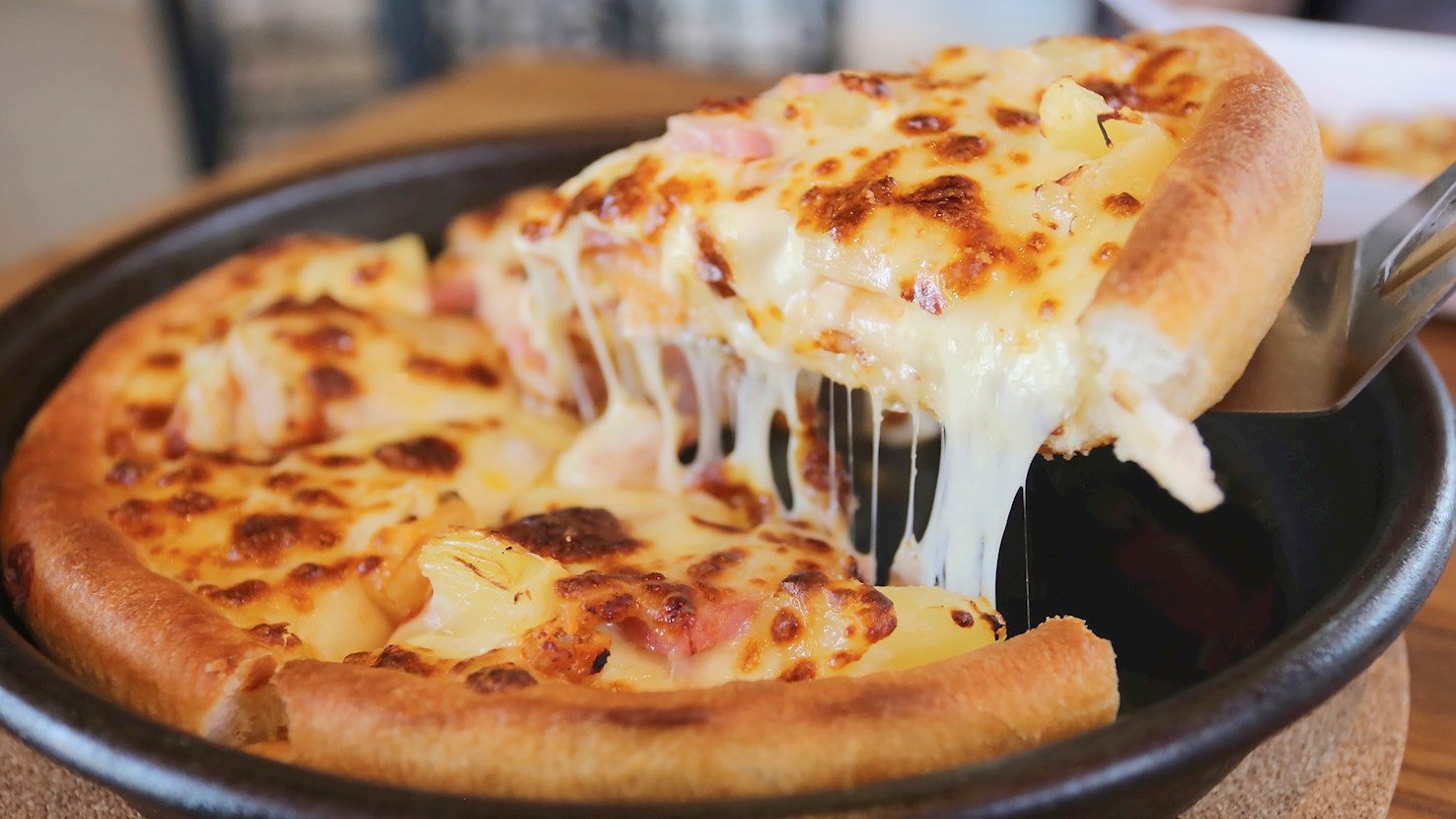
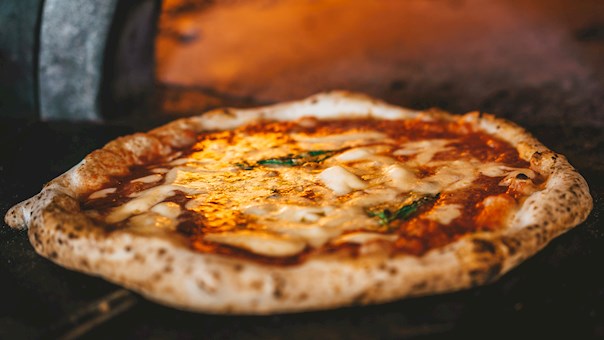
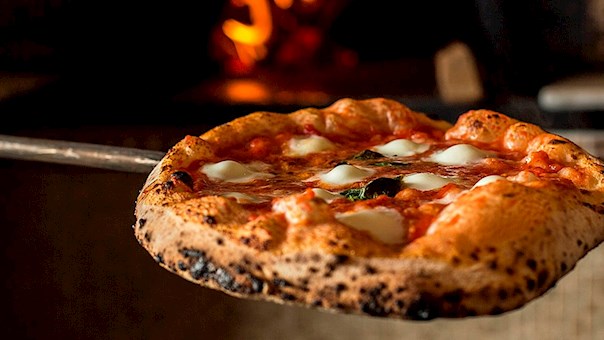
Pizza al padellino is a small, round, thick-crust pizza baked in a heavily oiled, shallow metal pan rather than directly on a stone hearth. The dough requires a high hydration level and undergoes a distinct two-step rise to achieve its signature texture. After the initial fermentation, the dough is portioned and pressed into individual aluminum or steel pans, generously coated with olive or seed oil. It rests inside these containers for a second rise, allowing the yeast to create a spongy, airy interior. This method guarantees that during baking, the oil effectively fries the bottom and sides of the crust, resulting in a golden, crunchy exterior that contrasts sharply with the soft, bread-like center. Tomato sauce, mozzarella cheese, and other toppings are added just before the pan enters the hot oven. When removed from the heat, the pizza is immediately slipped out of the hot metal and onto a simple round plate. Because of its thick, rigid structure and personal size, it is frequently cut into four small slices and eaten by hand, acting as a quick, casual meal. Beyond the classic margherita, toppings vary widely, often incorporating sliced prosciutto, artichokes, spicy salami, or mushrooms. In establishments that sell this item, a chickpea-flour flatbread called farinata is almost always baked in identical pans and served alongside it as a warm appetizer. The origins of this pan-baked food trace back to the mid-20th century in the northern city of Turin. Immigrants from Tuscany moved into the area and opened small storefronts, needing a method to serve lunch rapidly to busy factory workers. Pressing the dough into individual pans hours ahead of the rush allowed them to stack the containers and bake them swiftly on demand.
02

Grissini

3.4 ·

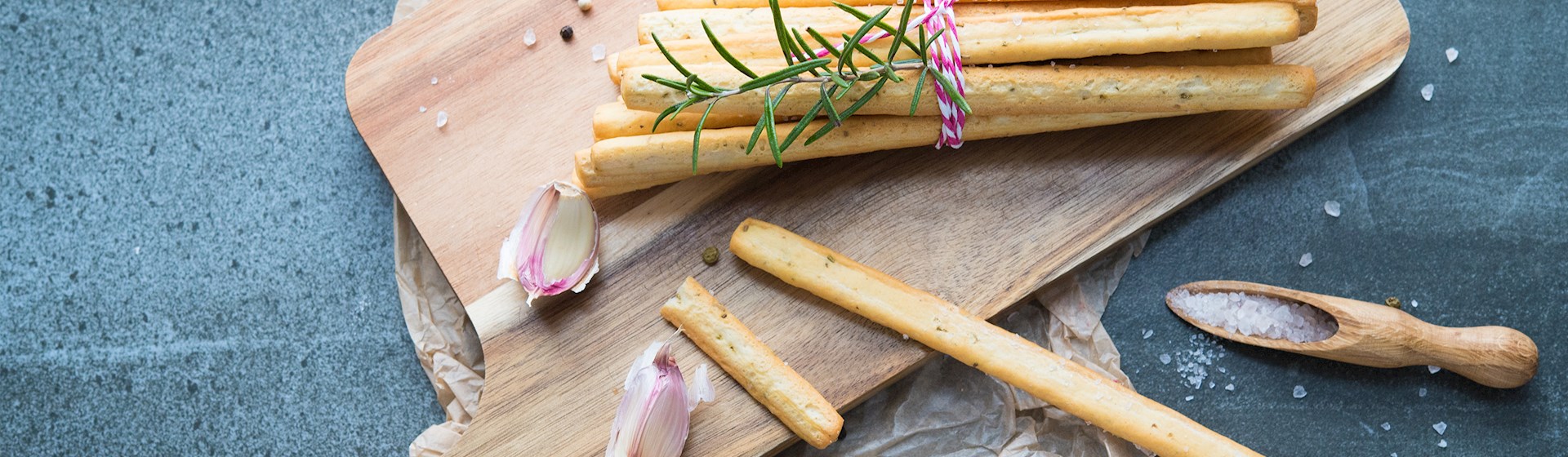
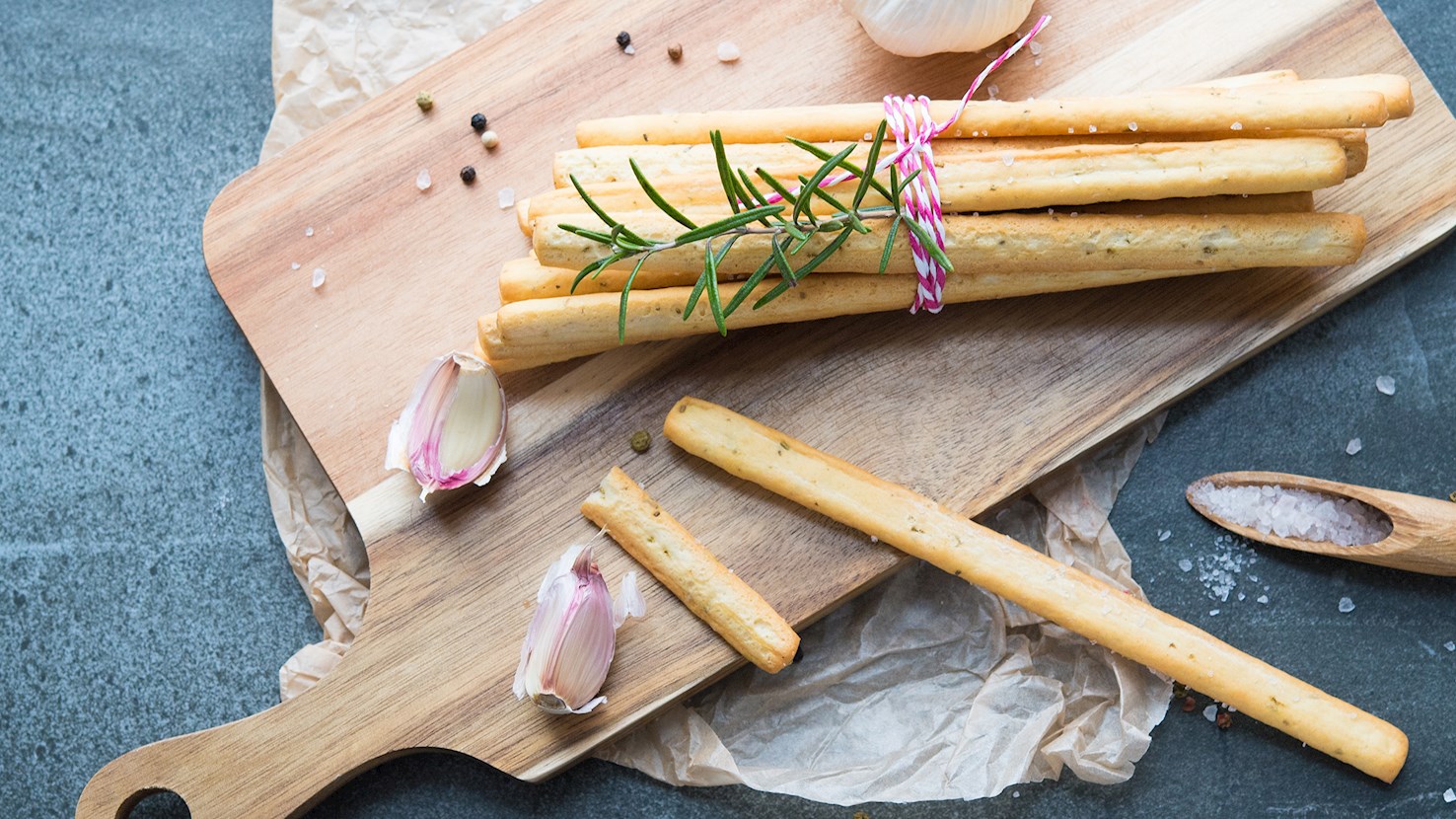
Grissini are traditional Italian breadsticks with origins in Torino, Piemonte, a region in northwestern Italy. These snacks consist of crispy, thin, dry bread that can be additionally flavored with rosemary, sesame seeds, onions, or Parmesan cheese. Grissini can be traced back to the 17th century, as they were invented to cure the health-related problems of Duke Vittorio Amedeo II of Savoy. Since the duke had problems with digestion, the doctor ordered Antonio Brunero, a Torino baker, to make a meal which the duke could easily digest. Brunero made the dough for ghersa, a traditional Torino bread, and stretched it into long, thin strips. When the duke consumed the baked product, it was proclaimed a great success and became a popular snack throughout Italy. Today, grissini are served in a number of ways, and one can easily find them in most Italian restaurants, served to guests before the main meal, either on their own, or wrapped in prosciutto as an appetizer.

03

Bollito misto

3.3 ·

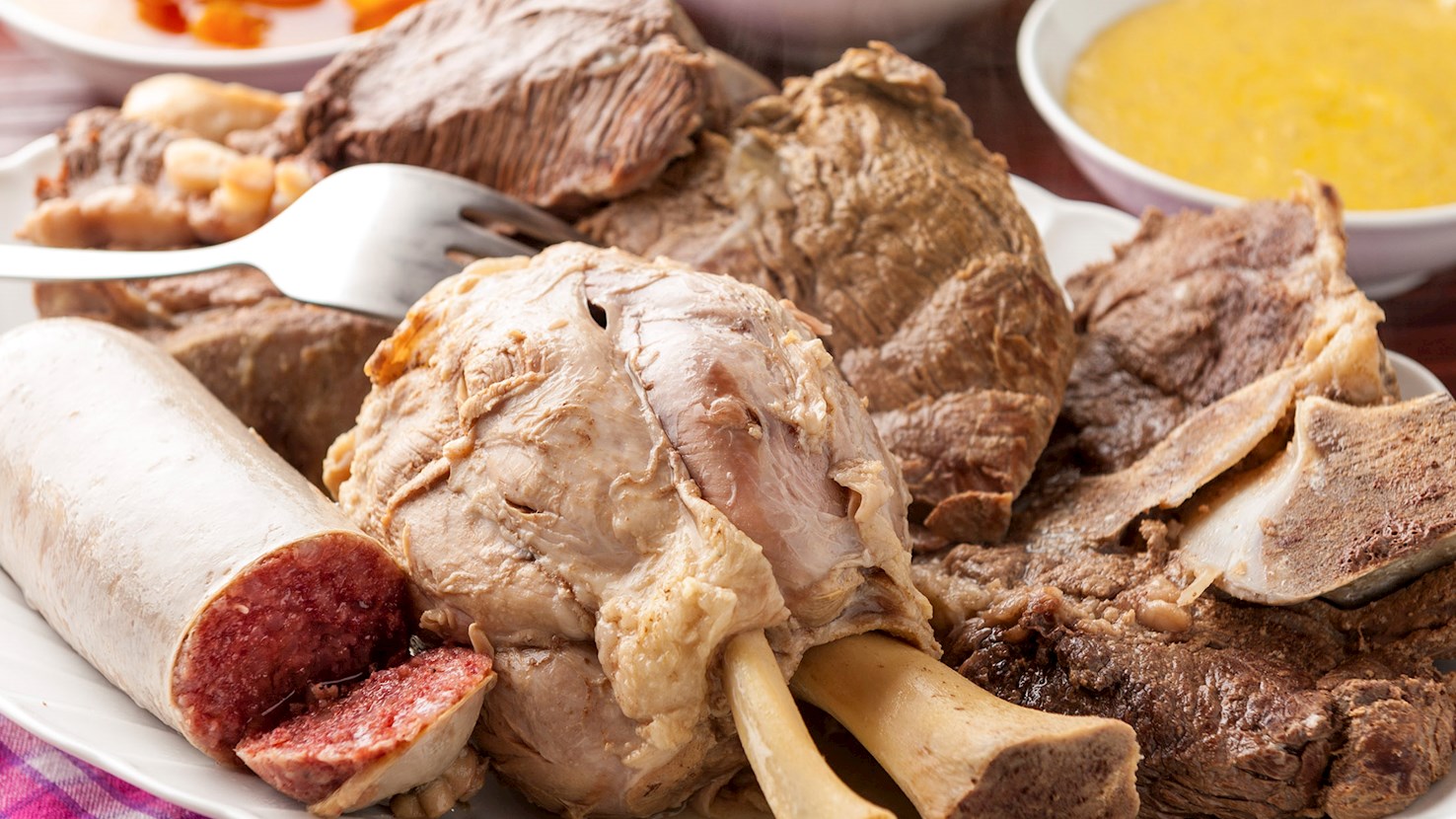
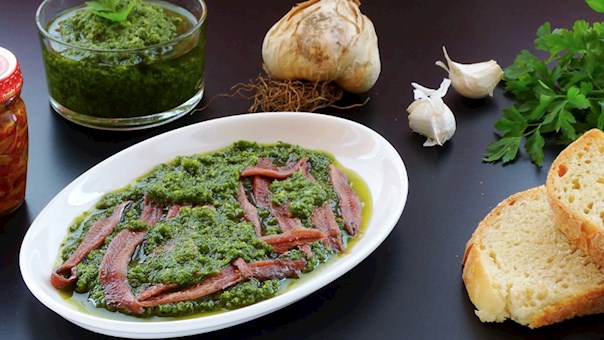
Traditionally prepared during winter months, bollito misto (lit. mixed boil) is a hearty meat dish of Piedmontese origins, even though nowadays it can be found throughout northern Italy. This elaborate main course consists of several different beef and veal cuts (tagli) as well as various additional meats (ammennicoli or frattaglie). In Piedmont, bollito misto most often includes beef shoulder or brisket, veal neck or tongue, cotechino pork sausage or zampone stuffed pork trotter, chicken or capon, oxtail, and half a calf’s head. Served immersed in a flavorful, steaming-hot cooking broth, the meat is typically accompanied by an array of different vegetable side dishes, while the traditional condiments for bollito misto include bagnetto verde or salsa verde, a sauce made with parsley, garlic, and mashed anchovies; a spicy onion and tomato sauce known as salsa rossa or bagnetto rosso; and mostarda di Cremona, a jarred sweet and sour candied fruit relish that is preserved in mustard-flavored syrup. Being such a bountiful dish and a real crowd-pleaser, bollito misto is usually dished out for family gatherings and special occasions, and best paired with Piedmontese bold reds such as Barolo, Barbaresco, and Barbera.

Best restaurants
04

Tramezzino

3.8 ·

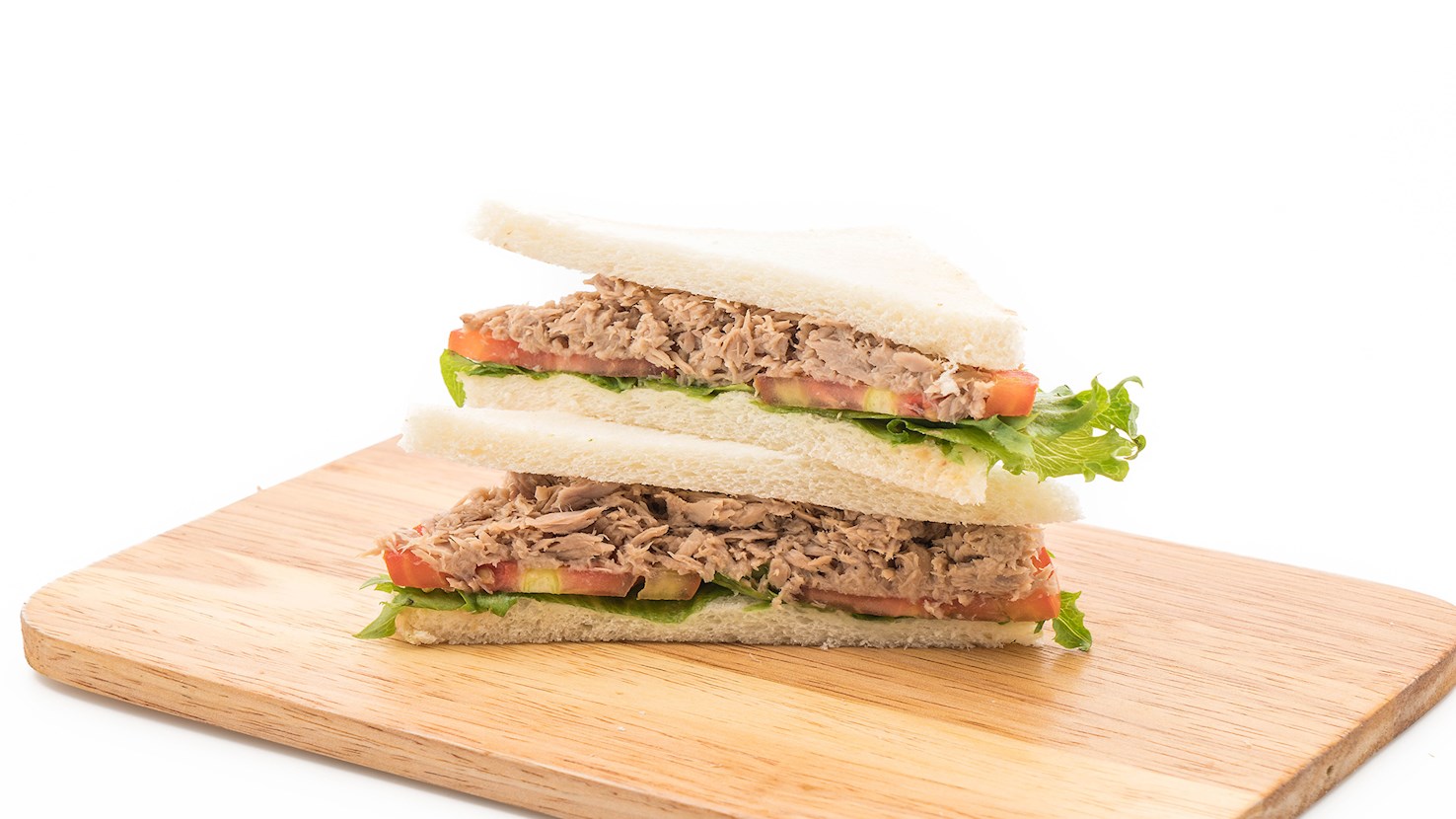
Tramezzino is a popular Italian triangular sandwich made with chewy, crustless white bread and various fillings such as mayonnaise, tuna, prosciutto, and cheese. It is believed that the first tramezzino was invented in 1925 at Caffè Mulassano in Turin. It soon became incredibly popular, especially in Venice, where it's often enjoyed with a glass of Spritz. Today, there are numerous varieties of tramezzini, and they can be found in cafés throughout Italy, although pre-packed varieties that can be bought in supermarkets are also quite common. Coined by Gabriele D'Annunzio, the name tramezzino is a diminutive of the term tramezzo, which refers to a period between breakfast and lunch.

Best restaurants
05

Bonèt

3.6 ·

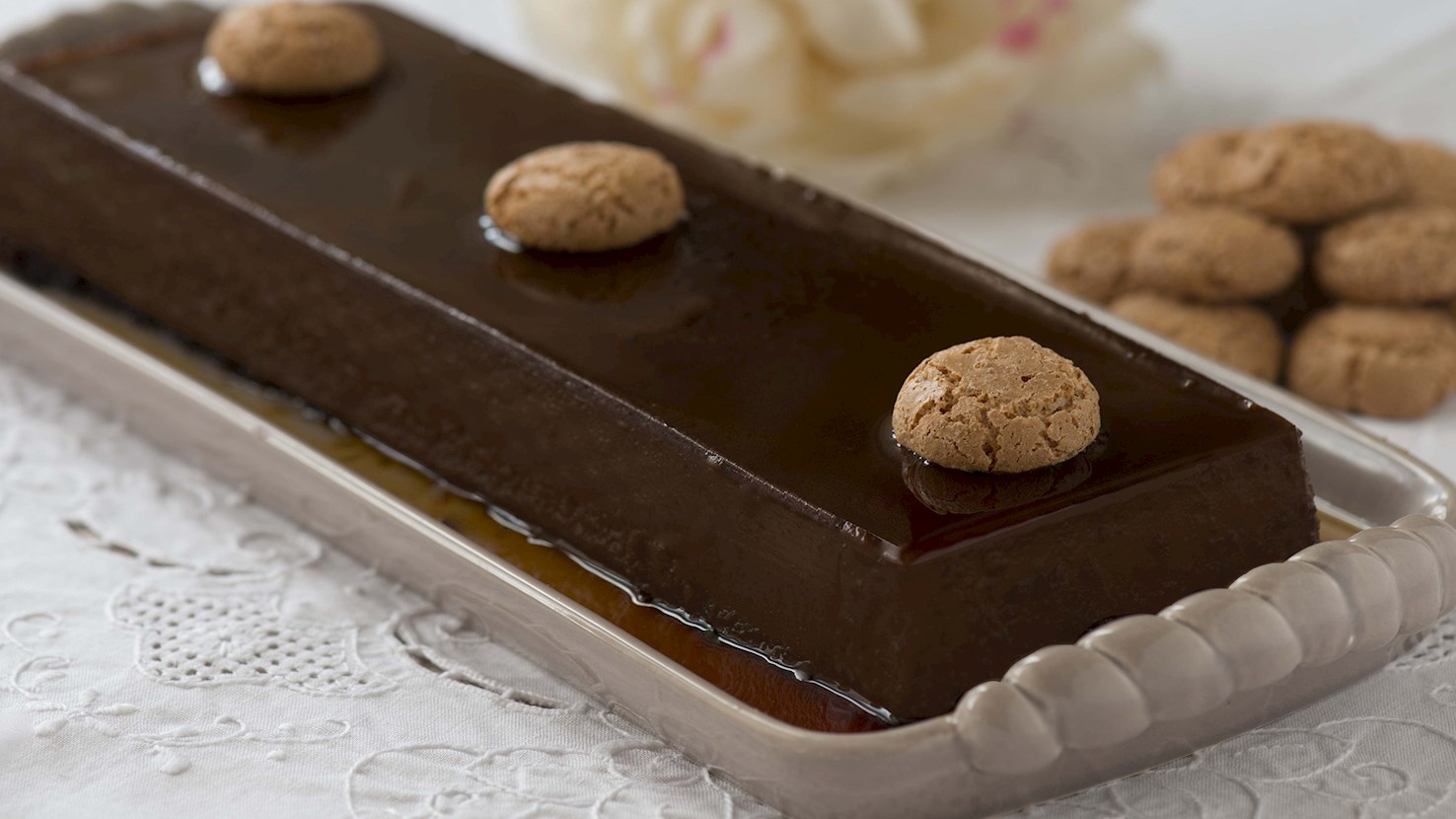
Bonèt is a traditional dessert that can be traced back to the 13th century. Rich, creamy, and soft, the dessert consists of amaretti cookies or hazelnut biscuits, eggs, cocoa powder, sugar, milk, and rum. The whole concoction is typically drizzled over with caramel before serving. In some places, it's made with chocolate, in others with hazelnut, while, for instance, in Carru, it's made without any of those ingredients. The name of the dish means hat, referring to the original shape of this treat (round with a hole in the middle), but some say that it can also refer to the fact that bonèt is the last thing that is consumed for dinner, just like a hat is the last thing one puts on the head before leaving.

06

Vitello tonnato

4.1 ·

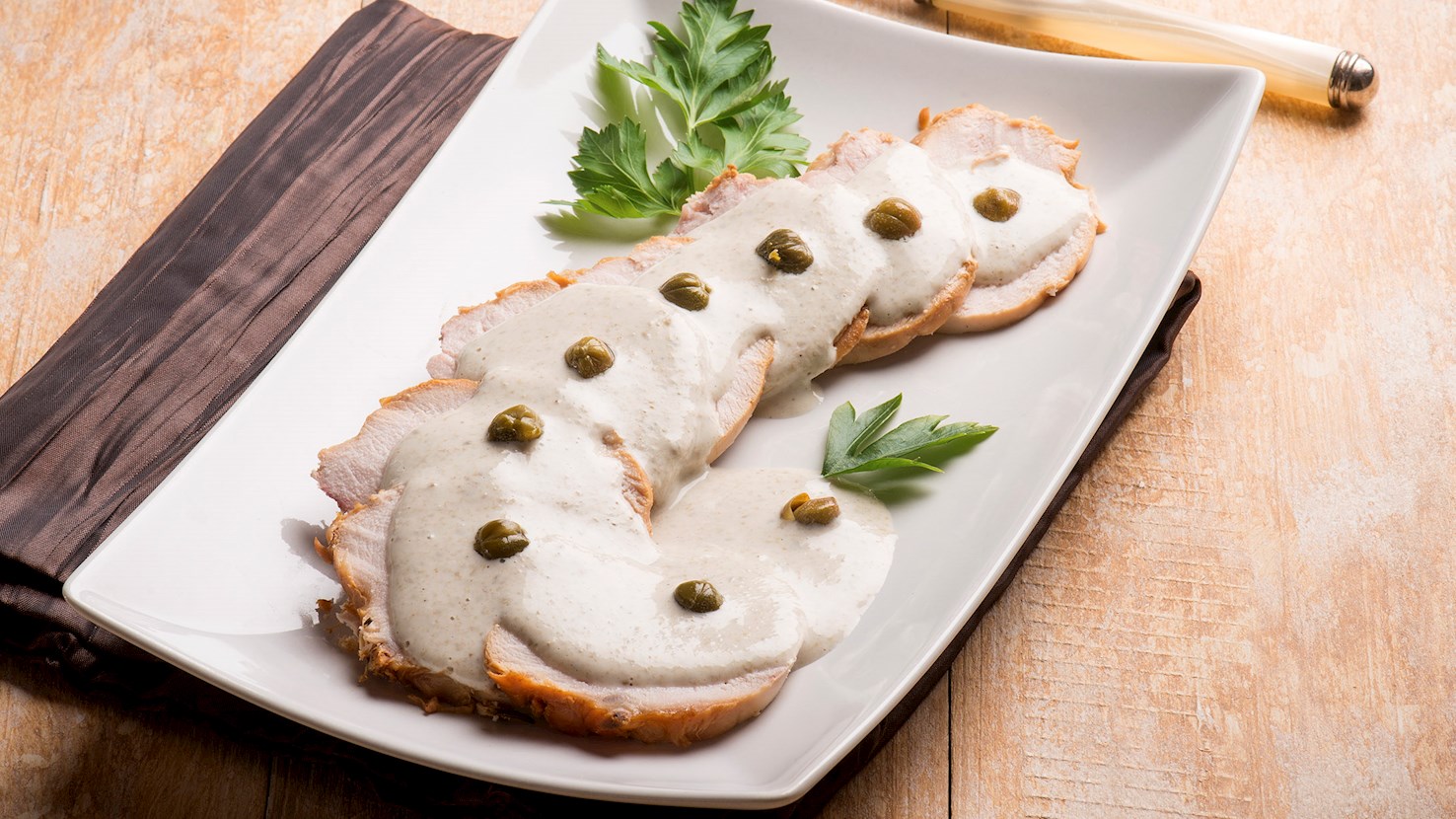
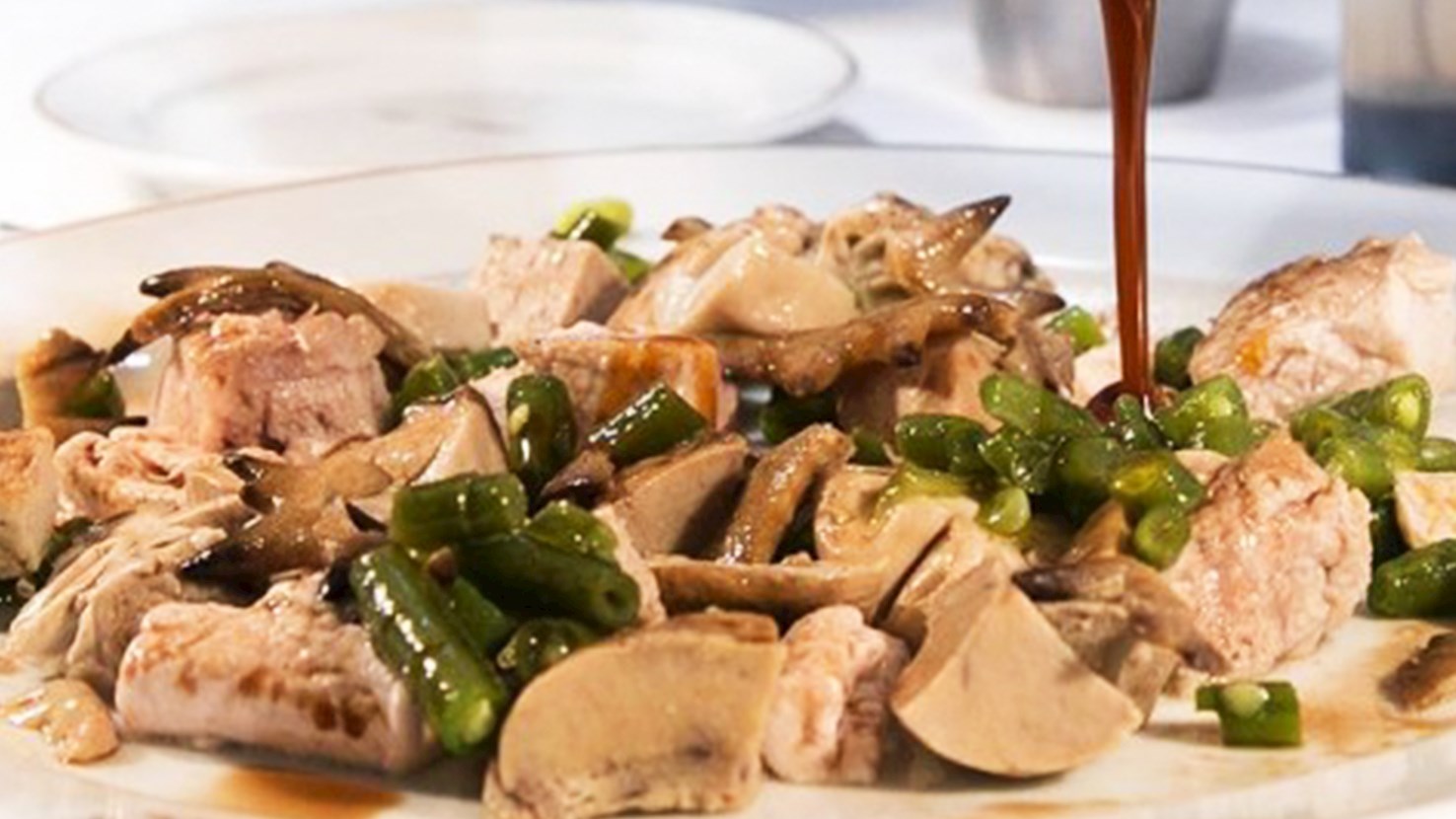
Another northern Italian classic, vitello tonnato, or vitel tonnè in local dialect, is a filling Piedmontese entrée made with white wine-marinated and tender-boiled veal smothered in a velvety tuna, anchovy, and caper sauce. It is traditionally served garnished with capers, parsley, anchovies, and lemon slices. The dish is believed to have been invented in the 1700s, but it wasn't until the mid-1800s when the recipe was first published in La Cucina degli Stomachi Deboli, a cookbook written by a renowned Italian physician and medical researcher Angelo Dubini.

07

Bagna càuda

4 ·

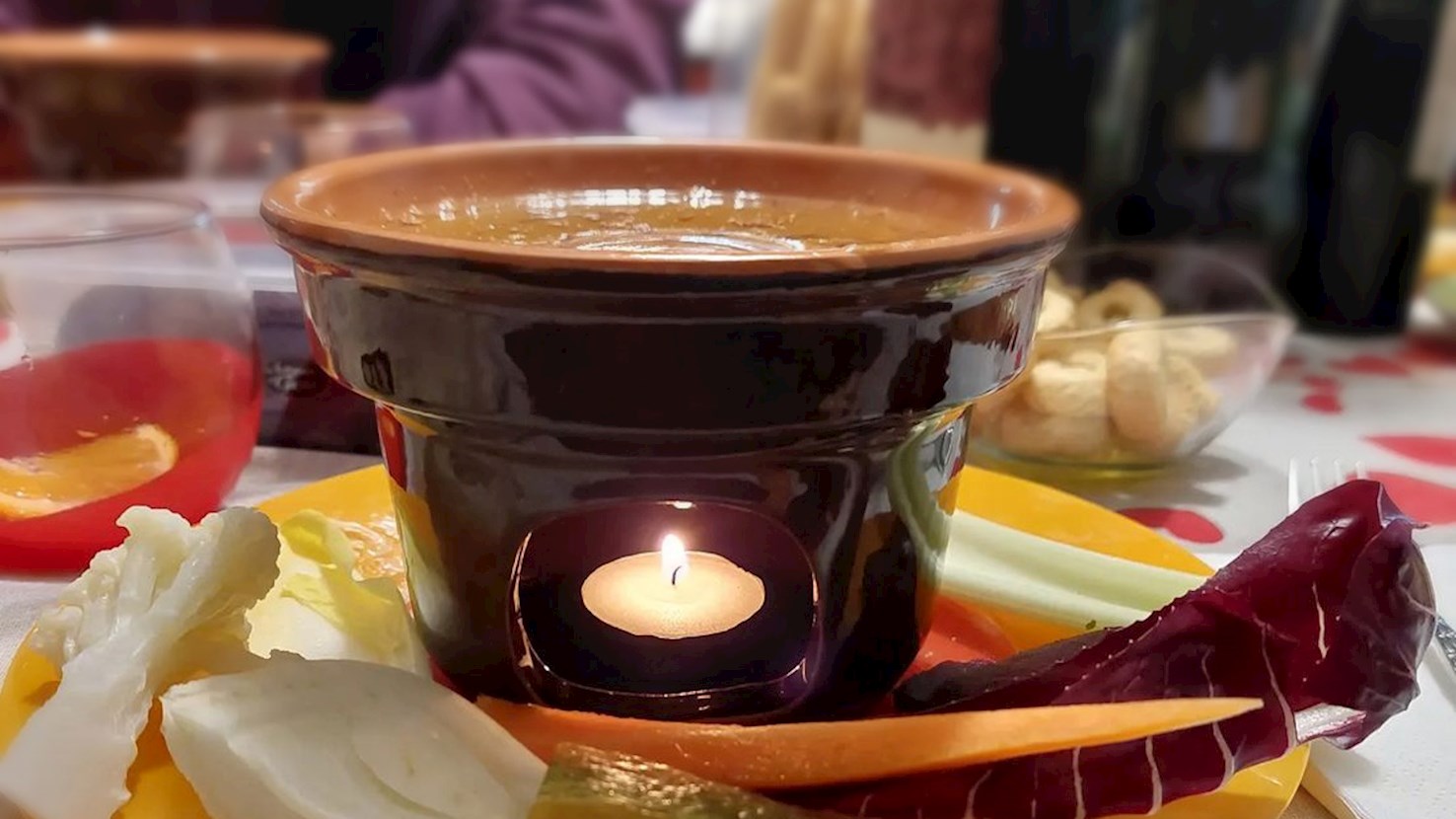
The Piedmontese bagna càuda, also spelled bagna caôda (lit. hot bath), is a dip made with garlic, anchovies, and olive oil, typically served with the so-called pinzimonio di verdure, an assortment of raw, boiled, or roasted vegetables; most often fennel, artichokes, peppers, and carrots, but some recipes suggest even cauliflower, celery, onions, and cucumber. This fragrant Italian dip is sometimes made with the addition of milk, cream, butter, or walnut oil, and it’s traditionally prepared during autumn and winter months, particularly around Christmas and New Year's. In Piedmont, bagna càuda used to be dished out in peila, a big pan placed at the center of the table for communal sharing, while today it's been spruced up and comes served in fojòt, a type of an individual fondue pot made of terra cotta. Bagna càuda is believed to be the dish of friendship that's best consumed on a cold evening, by candlelight, surrounded by friends and family.

Best restaurants
08

Gelato al fior di latte

4.2 ·

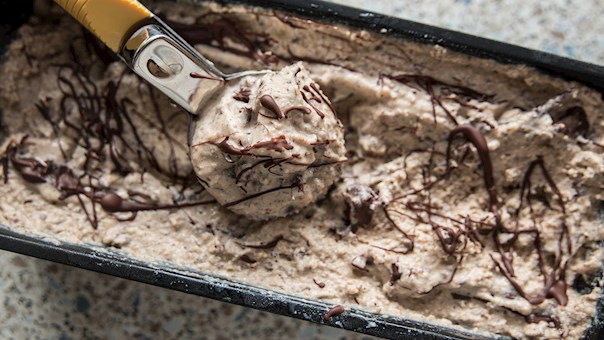
Translated as flower of milk, this subtle gelato flavor is created with nothing more than milk, cream, and sugar. Though simple, it is considered to be one of the toughest varieties to master, because it offers clean, delicate flavors that are not overshadowed by additional ingredients. Because of this, it is a favorite among true gelato experts, although it is still relatively overlooked compared to the more elaborate gelato creations.

09

Finanziera

n/a ·

Finanziera is an ancient Piedmontese stew with sweet and sour flavors, invented in the 18th century. Made with less noble parts of animals, it used to be a poor man’s dish, but nowadays it is a real treat for all lovers of offal and entrails. Prepared with leftovers such as peeled crests, rooster wattles, sweetbreads, calf's brain and veins, slowly simmered with garlic, rosemary, bay leaves, giardiniera (chopped vegetables marinated in vinegar), chicken broth, and sweet Marsala wine, finanziera can be served on its own or as an accompaniment to risottos. It pairs well with local red wines such as Nebbiolo d’Alba.

Best restaurants
10

Pasta e fagioli

3.7 ·

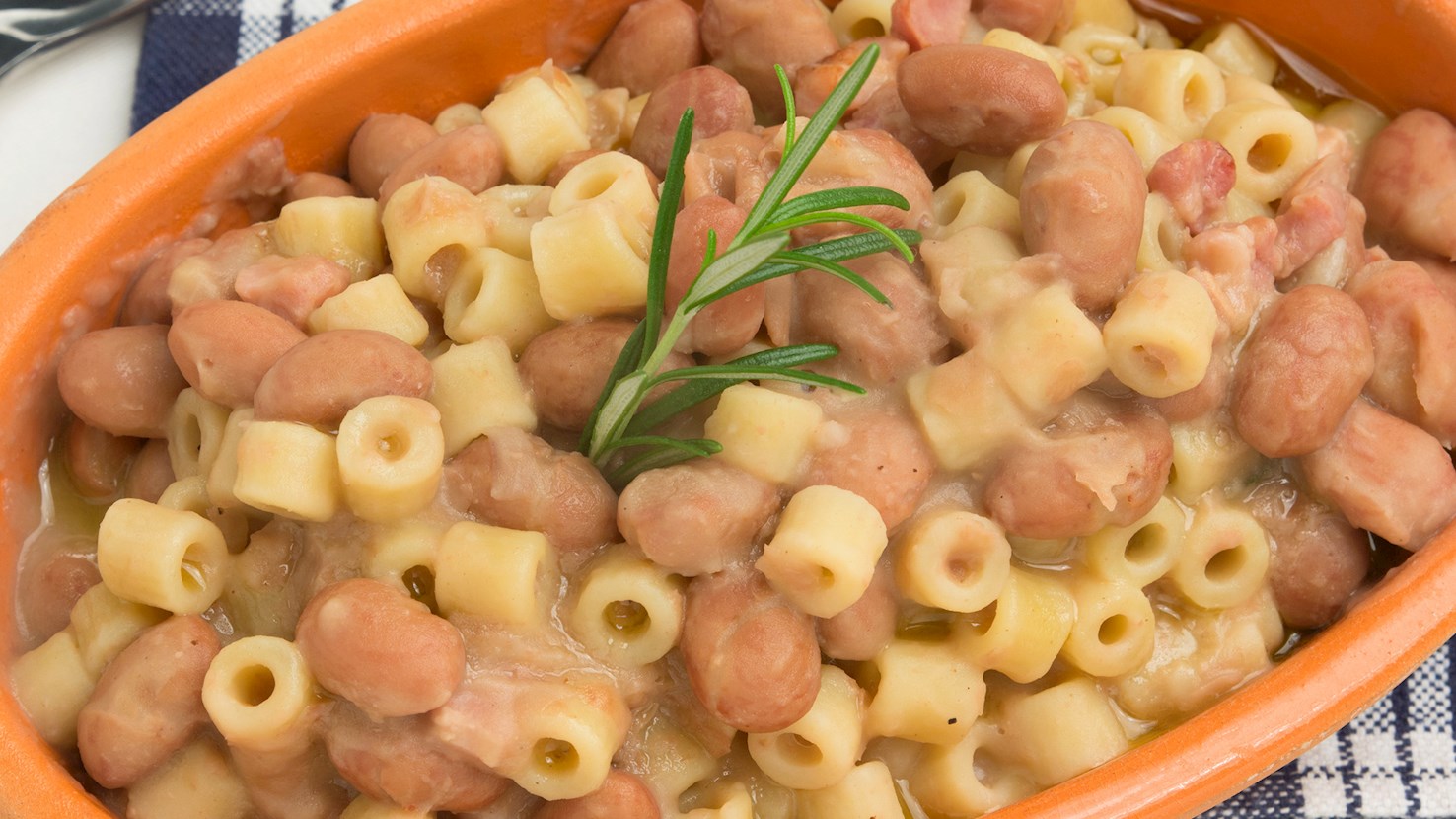
Pasta e fagioli is a traditional dish for which there are recipes throughout all Italian regions, and although there is no official recipe, there are numerous regional variations of the dish. Most often, the dish is made with beans and small varieties of pasta, cooked in a base of olive oil, onions, celery, carrots, garlic, and stewed tomatoes, or a broth which can be vegetarian or meat-based. Pasta e fagioli can have a soupy texture, but sometimes it is much thicker, depending on the regional variations. The dish started as a meal of the poor people and as a replacement for the expensive meat. In the past, it was mostly consumed as a winter soup because it is healthy, inexpensive, and filling. Today, it is consumed throughout the country, and in Veneto, pasta e fagioli is often enriched with pork and potatoes, while in Naples, it is very popular to eat it reheated the next day, because it is believed to taste even better.

Best restaurants
About this ranking

TasteAtlas food rankings are based on the ratings of the TasteAtlas audience, with a series of mechanisms that recognize real users and that ignore bot, nationalist or local patriotic ratings, and give additional value to the ratings of users that the system recognizes as knowledgeable. For the “19 Traditional Foods You Have To Try in Turin” list until June 17, 2026, 712 ratings were recorded, of which 607 were recognized by the system as legitimate. TasteAtlas Rankings should not be seen as the final global conclusion about food. Their purpose is to promote excellent local foods, instill pride in traditional dishes, and arouse curiosity about dishes you haven’t tried.

Similar lists