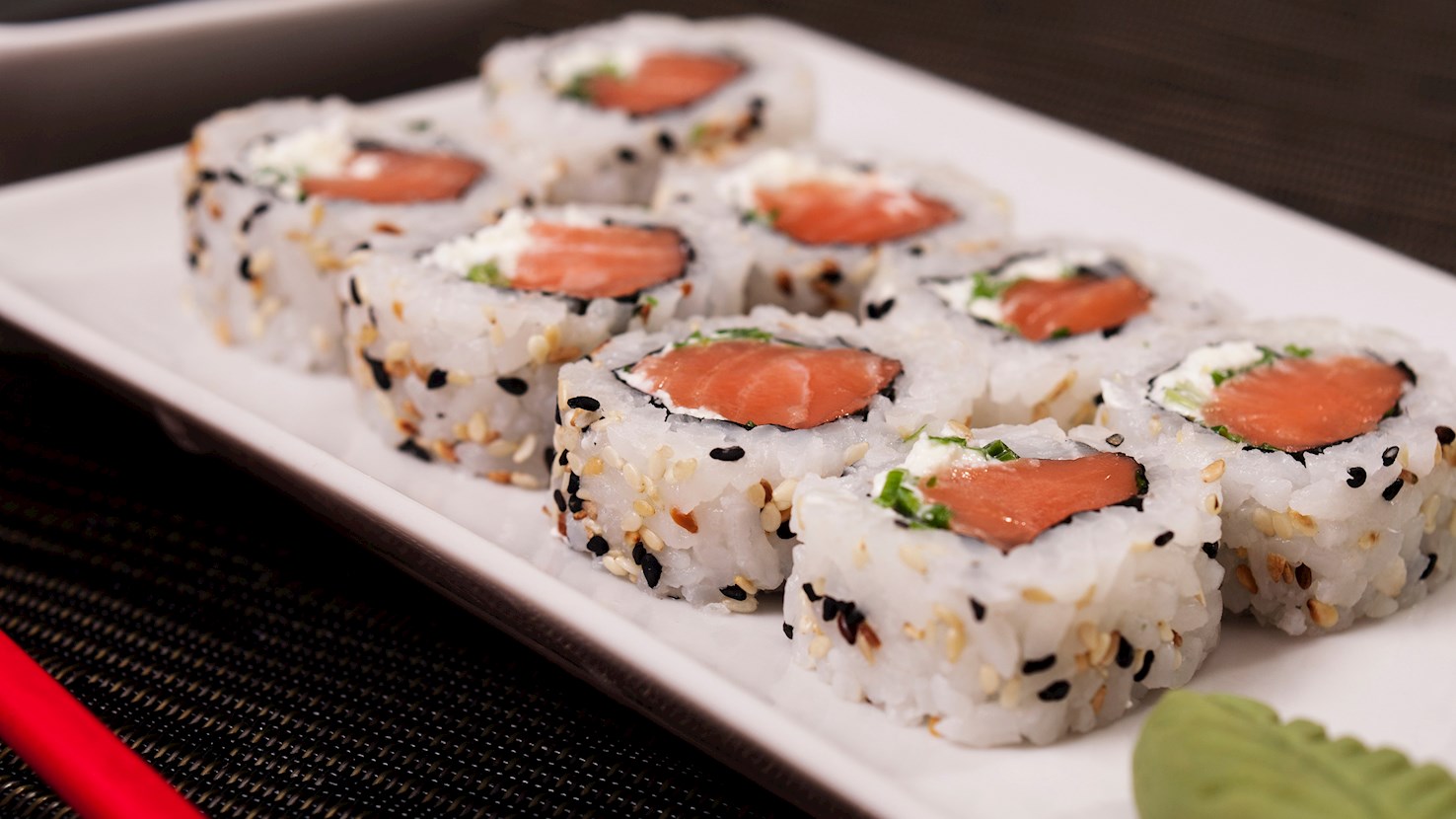
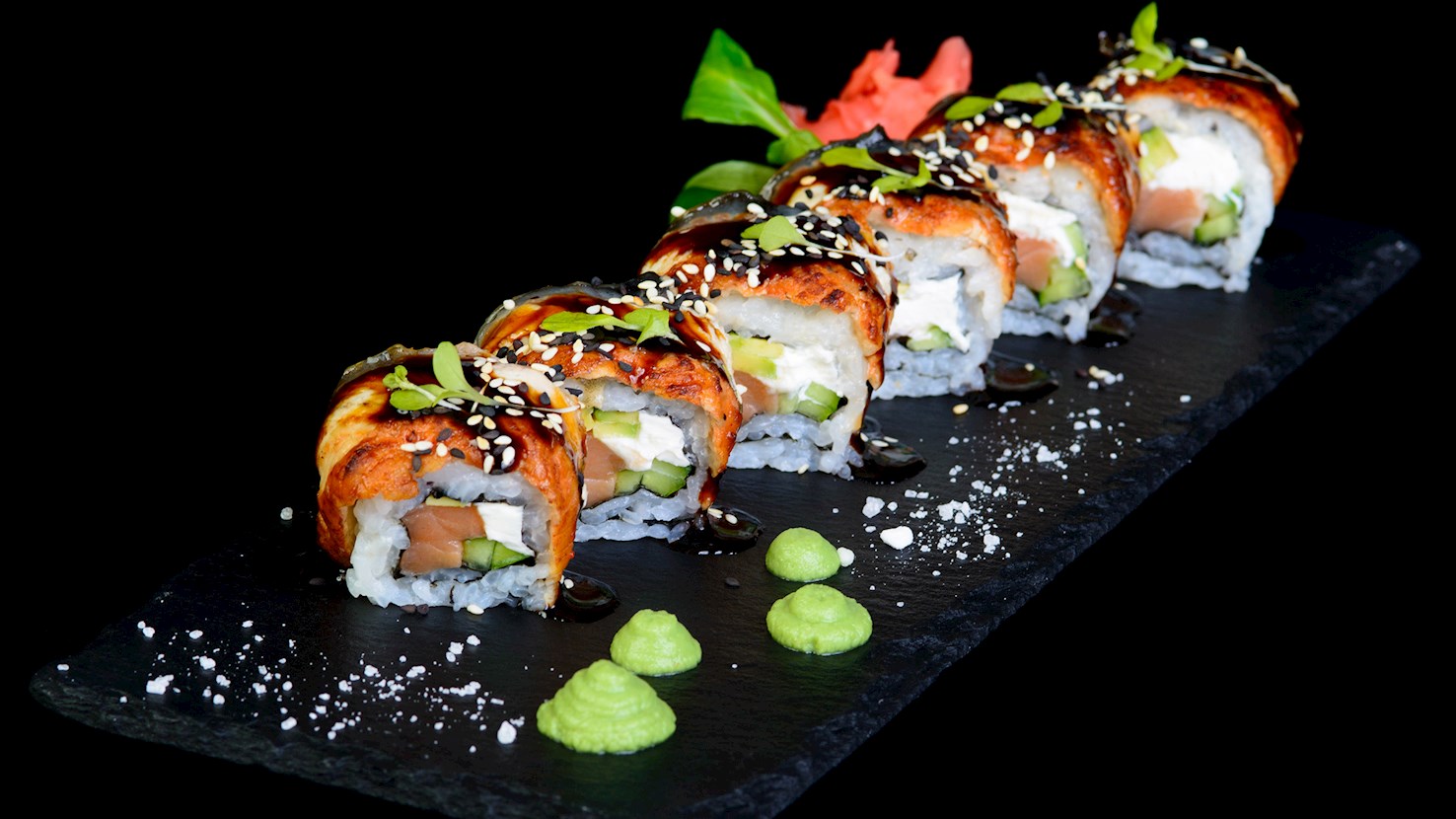
Uramaki, California roll, or upside-down sushi is a unique sushi variety which has its origins disputed between Los Angeles and Vancouver, although most people claim that it was invented in California in the 1960s by a Japanese chef named Ichiro Mashita. This sushi roll is prepared with sushi rice, nori, fish (mostly tuna or salmon), avocado, and cucumber. It differs from other sushi types because the rice is on the exterior, wrapped around nori seaweed that is in the inner part and surrounds the filling. Uramaki is often rolled in roasted sesame seeds. It's recommended to serve this unusual delicacy with soy sauce, gari (pickled ginger), and wasabi on the side.
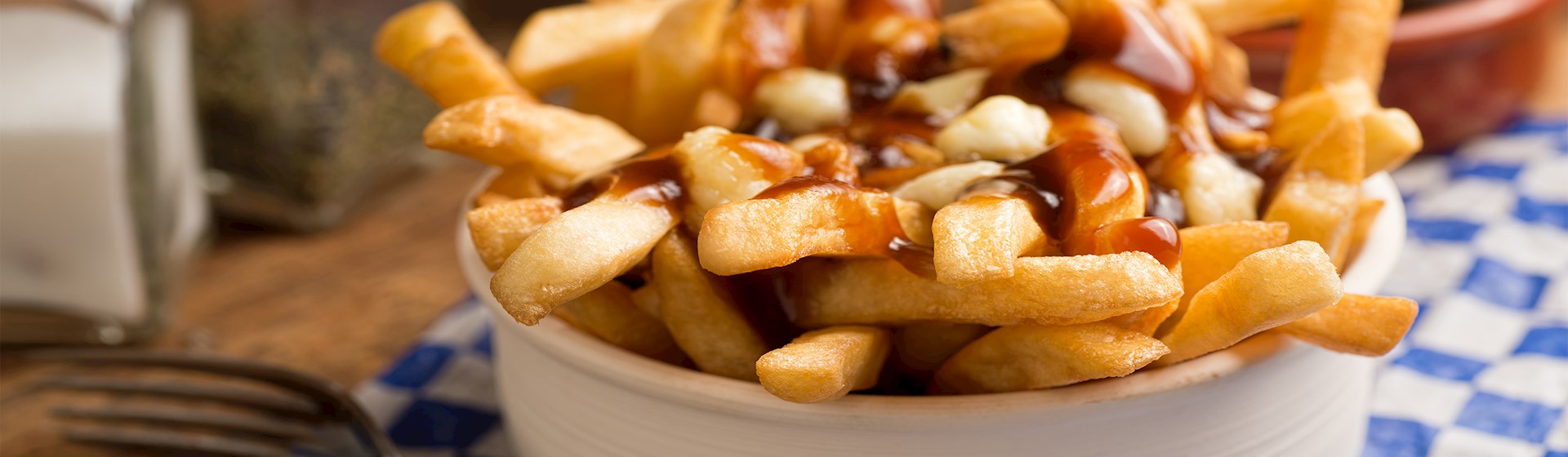
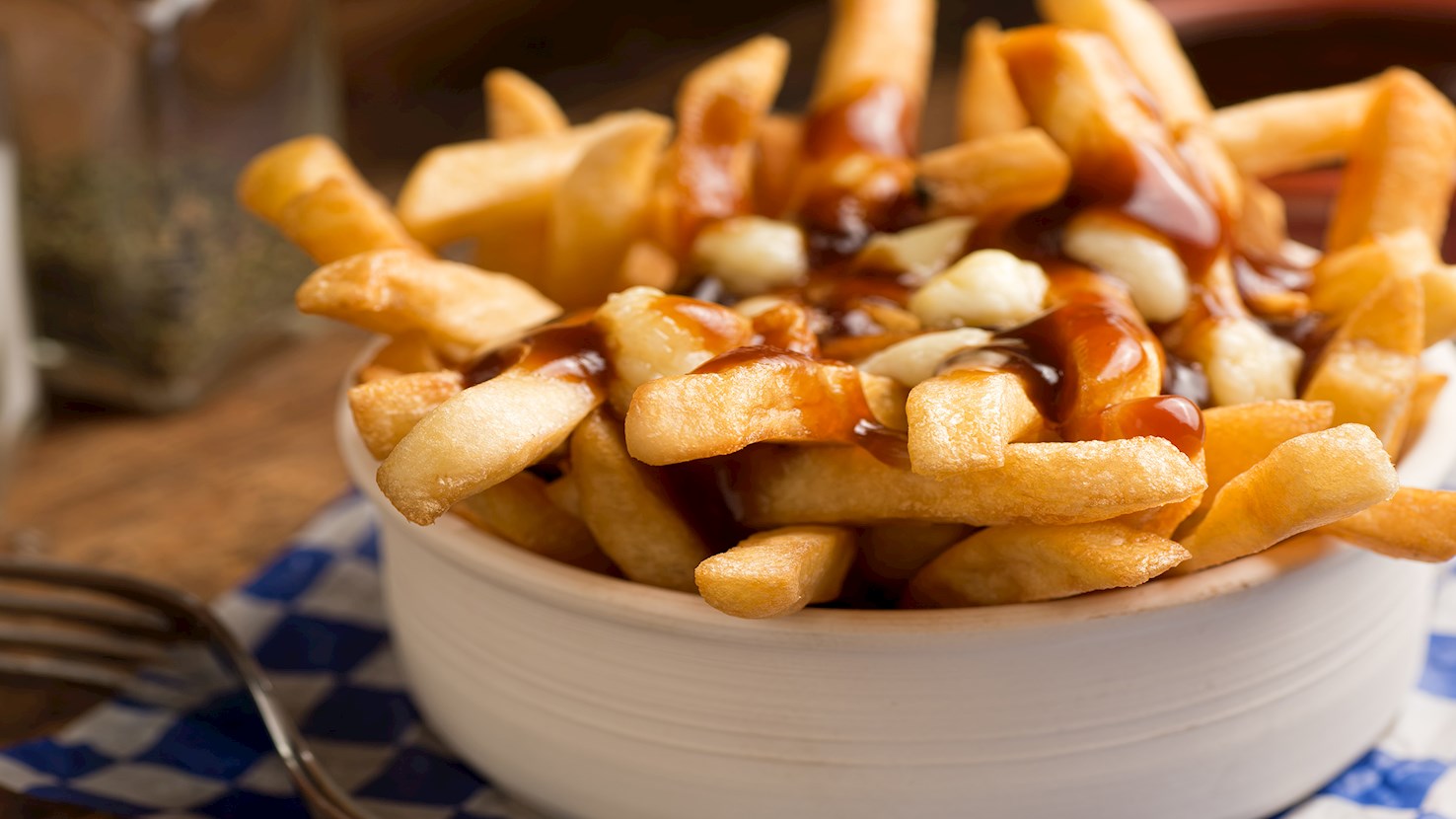
Even though its name stems from the French boudin—a word that usually refers to the pudding-like fillings of sausages—this soppy treat originating from the French Canadian province of Quebec consists of french fries drowned in a thick, brown gravy dotted with clumps of pale, soft, semi-creamy cheese curds. The potatoes are more coarsely cut than regular fries, and they are sometimes even fried twice so that the exterior remains crispy while the interior remains soft, whereas the cheese does not melt but just softens, adding that special squeakiness to the dish, and the gravy is made with either beef or chicken stock with the addition of vinegar. Since its rise to stardom from the 1950s onwards, poutine has spread all over Canada and became popular in many parts of the USA where it's considered the ultimate late-night snack. Many Canadians consider poutine a true national dish. It is found anywhere from food trucks to fancy restaurants, and even at Canadian McDonald's. Poutine connoisseurs claim that the best versions are served at small roadside stands where the curds are fresh, rubbery, and melt easily. Interestingly, in 2007, poutine was placed at number 10 of an online survey about the greatest Canadian inventions, conducted by CBC.
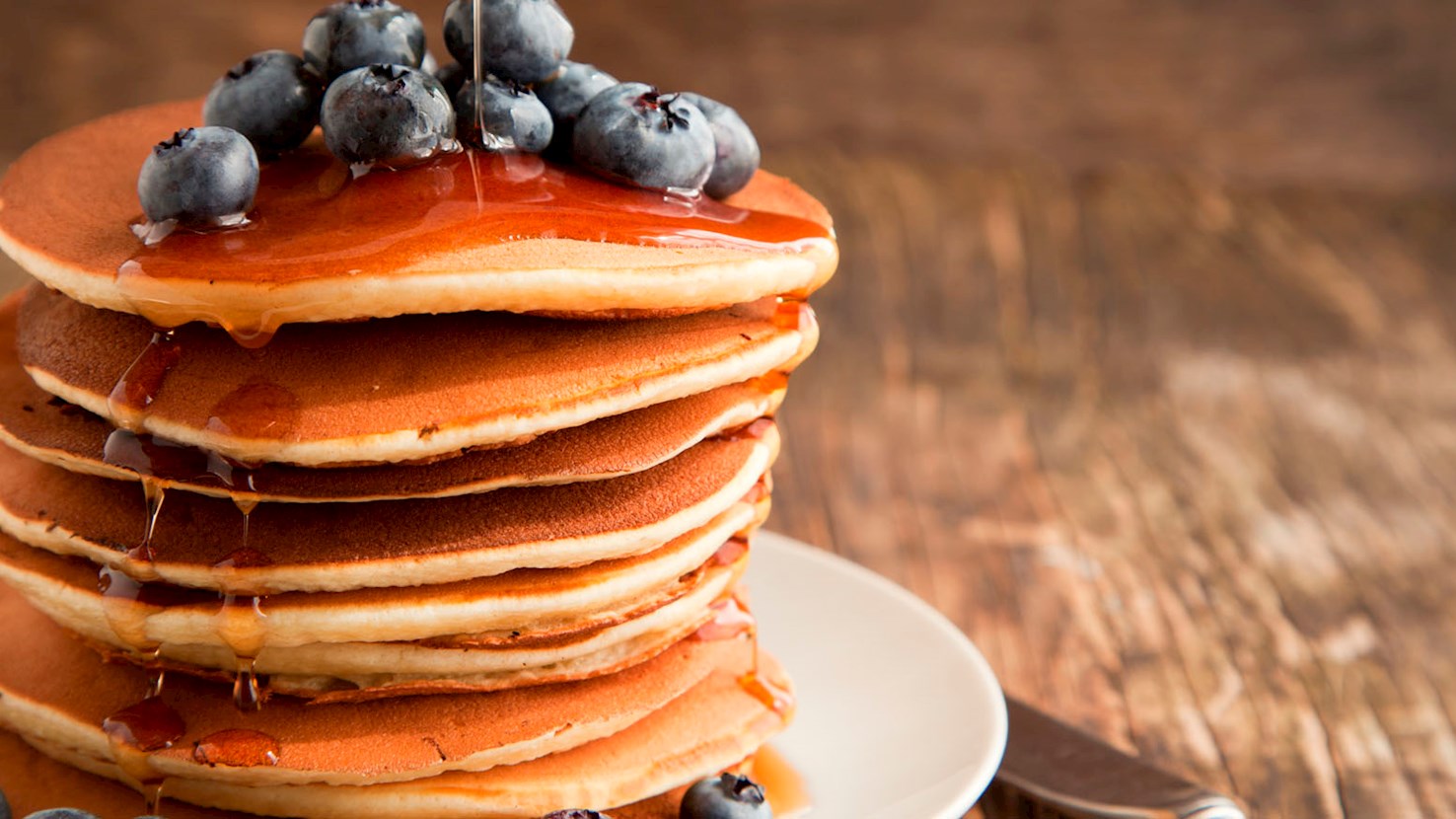
Pancakes are traditionally consumed across North America and Canada, made from a starchy batter, eggs, milk, and butter. Their origin is probably German, with the traditional Pfannkuchen recipe being brought by German immigrants who settled in the United States in the eighteenth and nineteenth centuries. The pancake has a similar appearance and flavor as the French crêpe but differs in diameter (5 to 10 cm) and thickness. The thickness is achieved by the use of a leavening agent, either baking soda or nutritional yeast. American and Canadian pancakes are typically served for breakfast, in a pile, topped with maple syrup and butter. They are often served with sides such as bacon, toast, eggs, or sausages. Other popular toppings include various jams, peanut butter, nuts, fruit, honey, cane syrup, and molasses. Spices such as cinnamon, vanilla, and nutmeg can also be added to the batter. The indigenous people of North America taught the European settlers how to collect and process maple syrup, and the practice was adopted and gradually improved. The Canadian province of Quebec is the greatest producer of maple syrup, producing about 76% of the world's output. In Canada, the syrup must be made exclusively from maple sap and must contain at least 66% sugar. Pancakes with maple syrup are a Canadian staple, a light, fluffy and sweet delight that can be found on virtually every street corner throughout Canada.
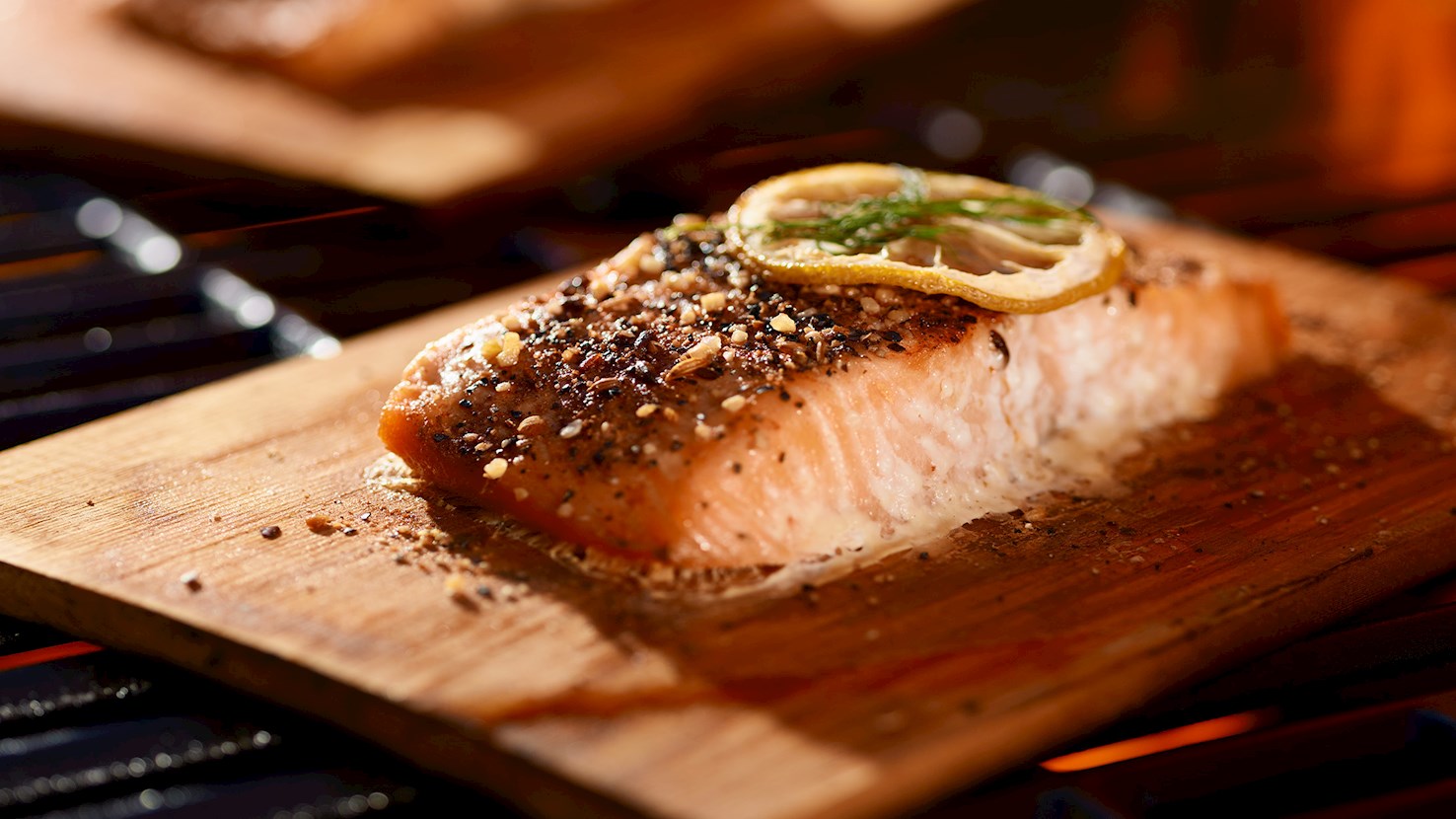
Cedar-plank salmon is a fish delicacy that involves cooking salmon on cedar planks, a unique method of cooking which is believed to have been originally practiced by the Native Americans who mostly used Western red cedar (a type of cypress). The wood planks, which must be free from any surface coatings or chemicals, are typically immersed in water into which coarse salt, fruit juice, or wine can be added. Once dried and heated on the grill, the planks are topped with salmon fillets that can either be left with their skin intact or skinned. Salmon is typically marinated in oil, seasonings, and fresh aromatic herbs such as rosemary, thyme, dill, oregano, parsley, juniper berries, or even fir needles. Alternatively, the fish fillets can be coated with a mixture of mustard and maple syrup, honey, or brown sugar. Not only does this unique technique enhance the flavor of the fish by imparting a pleasant smokiness and woody aroma to it, but it also allows it to seal its juices and remain moist. This fish specialty is typical of both Canada and the USA, particularly British Columbia and the Pacific Northwest region, respectively.
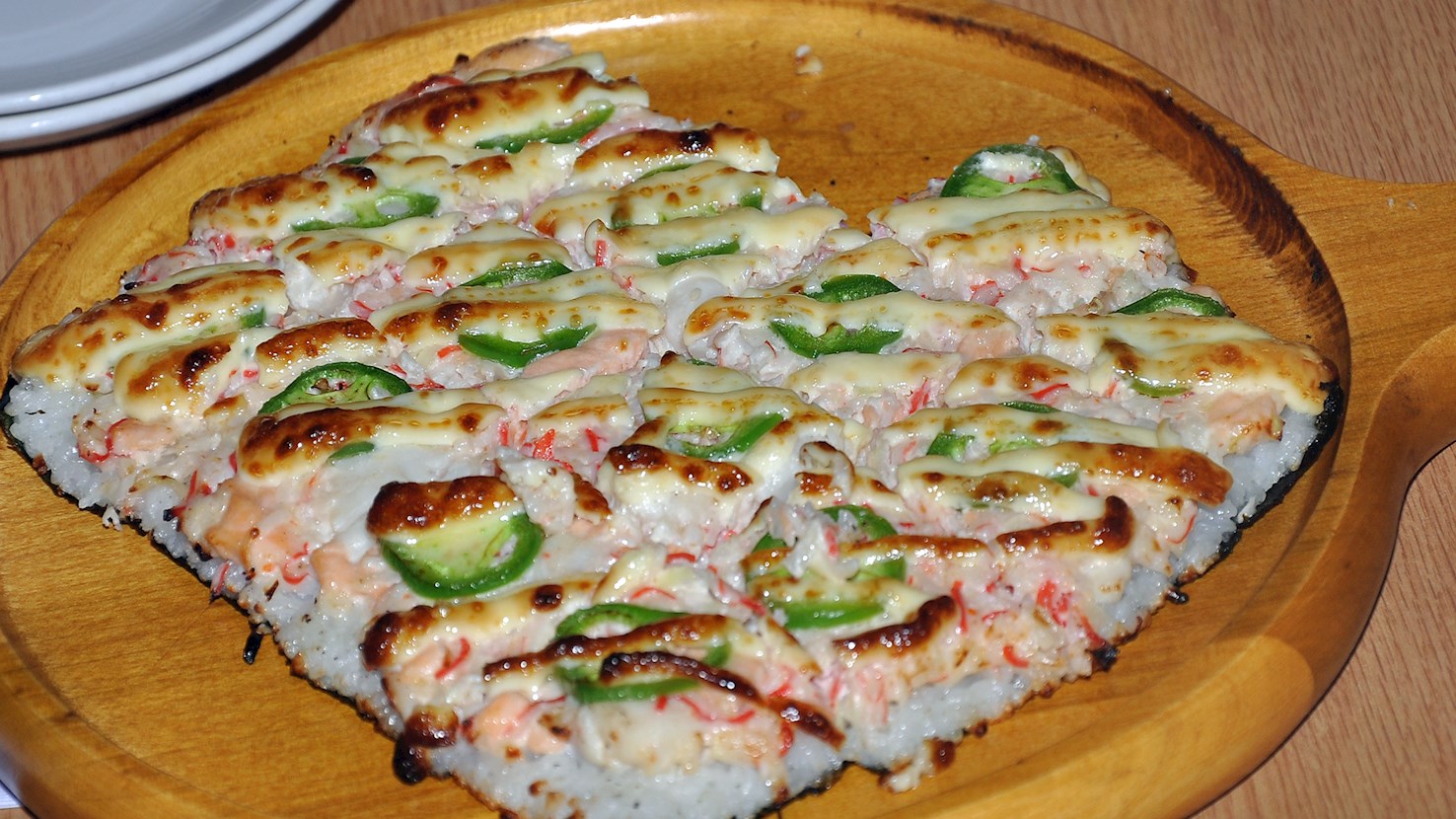
Sushi pizza is an unusual spin on sushi that is popular throughout Canada, especially in Toronto. It consists of a fried rice patty topped with salmon, tuna, or crab, avocado slices, spicy mayonnaise, and soy-wasabi sauce. It is believed that the dish was invented by a Japanese chef Kaoru Ohsada in a restaurant named Nami. Originally, he made the dish by frying sushi rice, topping it with salmon, and garnishing it with tobiko fish roe and chopped onions. Today, sushi pizza is often accompanied by soy sauce or pickled ginger on the side. This food trend has also crossed national borders, so you can occasionally find it in poké restaurants in the United States.
B.C. roll is a type of makizushi made with sushi rice, barbecued salmon (or barbecued salmon skin), and cucumbers. The name B.C. roll refers to British Columbia, well-known for wild Pacific salmon. This Canadian delicacy was invented in Vancouver in 1974 by a Japanese chef named Hidekazu Tojo.
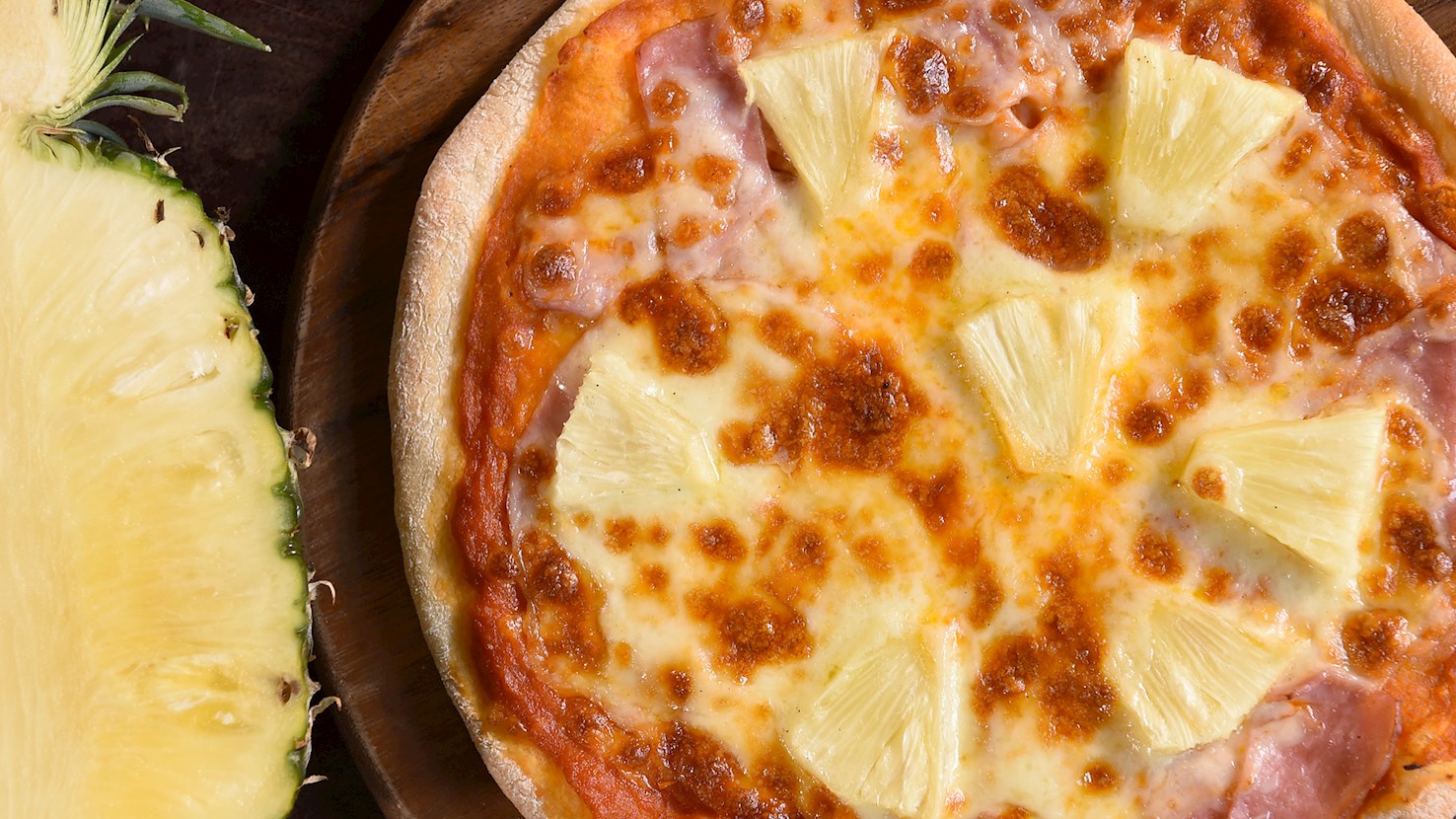
Despite its name, Hawaiian pizza is a Canadian invention, a classic American-style pie topped with cheese, ham, and pineapple chunks. It was originally created by Sam Panopoulos in Chatham, Ontario in the mid-1960s, when he added pineapple to the dish and started serving it to the customers of his Satellite Restaurant. The customers loved it, and Hawaiian pizza soon made its way to the rest of Canada and the United States of America.
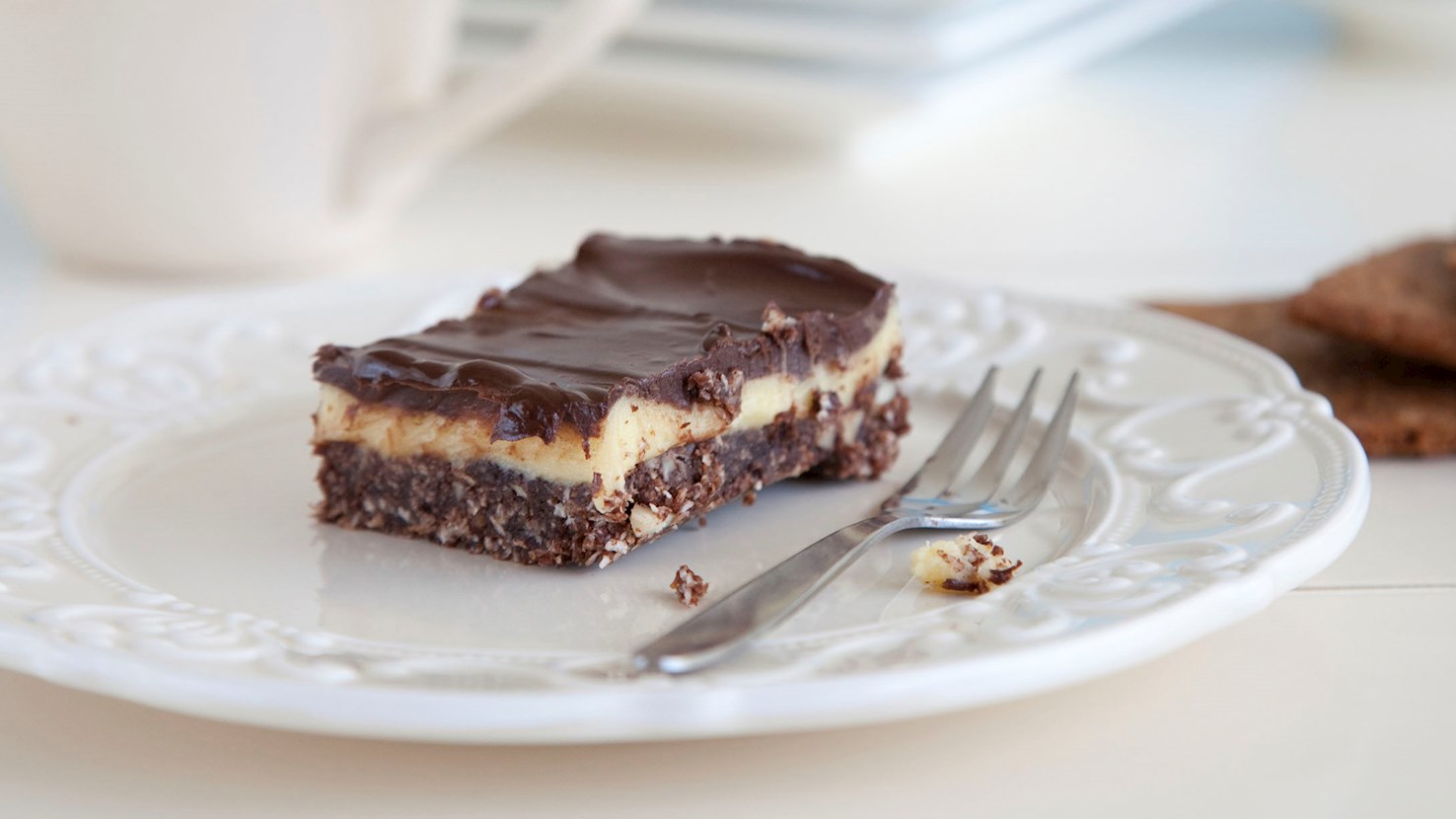
Nanaimo bars are creamy, chocolatey dessert treats originating from Nanaimo, a city "so beautiful it's alright to stare". The same can be said for Nanaimo bars, layered cookies that don't need to be baked, consisting of a mixture of crushed graham crackers, coconut, and nuts acting as a base that is topped with a creamy, vanilla-buttery middle layer and finished with a layer of glistening, semi-sweet chocolate. Their origin is shrouded in a veil of mystery, and the only thing known about them is that they originate from Nanaimo, where the locals held a contest to find the best Nanaimo bar recipe. As to who chose to crush the biscuits and top them off with creamy custard and chocolate is still unknown. Satisfying both visually and in flavor, one ultra-sweet bar packs about 290 calories, so it is best to control yourself while eating "just one more...".
TasteAtlas food rankings are based on the ratings of the TasteAtlas audience, with a series of mechanisms that recognize real users and that ignore bot,
nationalist or local patriotic ratings, and give additional value to the ratings of users that the system recognizes as knowledgeable.
TasteAtlas Rankings should not be seen as the final global conclusion about food. Their purpose is to promote excellent local foods,
instill pride in traditional dishes, and arouse curiosity about dishes you haven’t tried.



What People Say