



shutterstock

45 Traditional Foods
You Have To Try in Venice

Last updated on June 17, 2026
01

Baccalà mantecato

4 ·

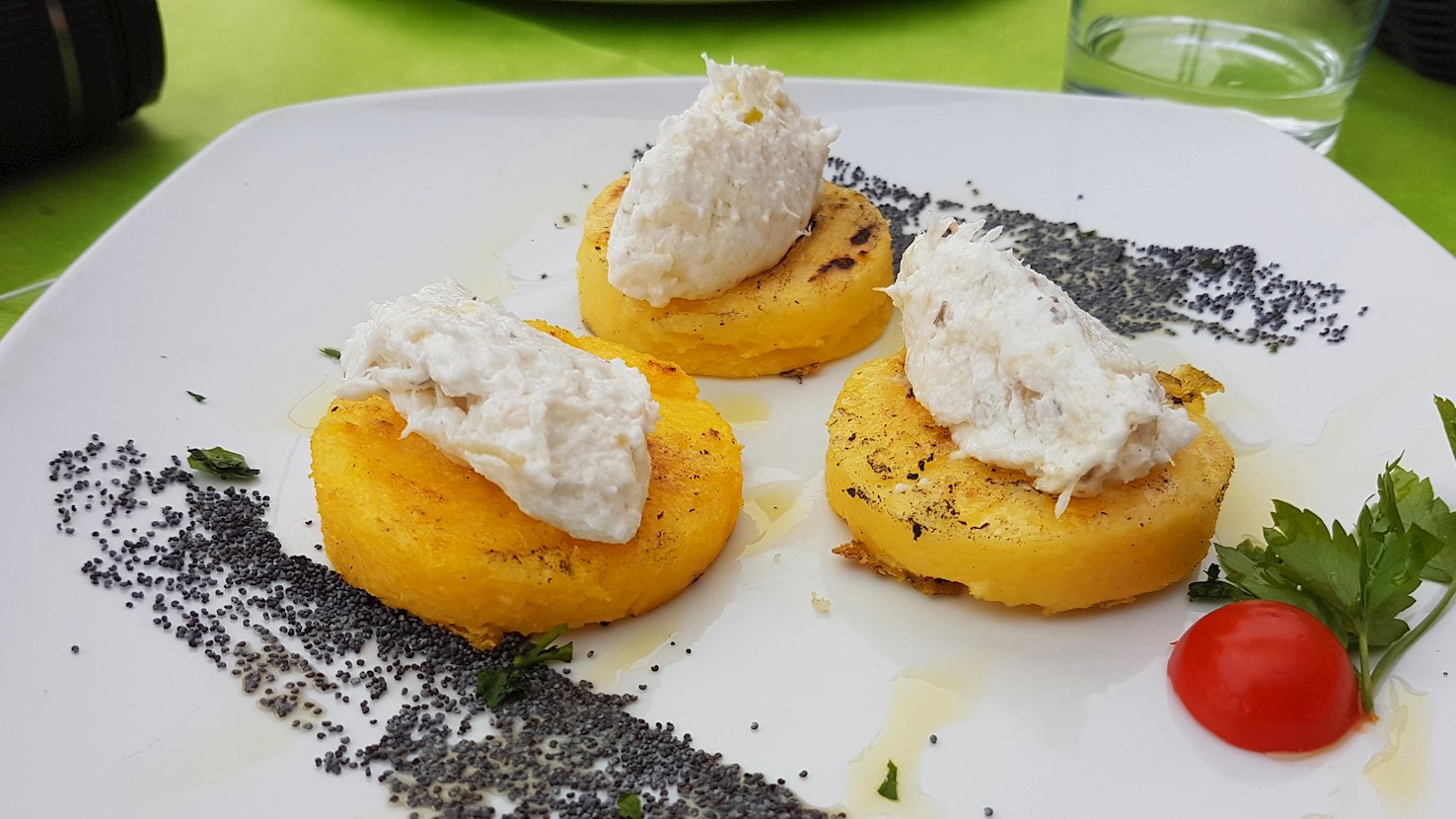
This traditional Italian dish is usually associated with the Veneto region. It consists of salted cod that is primarily boiled in a mixture of water and milk. It is then thoroughly deboned, and finally mashed until it reaches a creamy but firm consistency. At the final stage, the fish is usually enriched with olive oil, garlic, and optionally parsley. The dish is considered to be a true delicacy that is light, packed with flavor and can vary from chunky to creamy in texture. It is usually served accompanied by grilled pieces of polenta or toasted, crispy bread.

02

Fegato alla Veneziana

3.5 ·

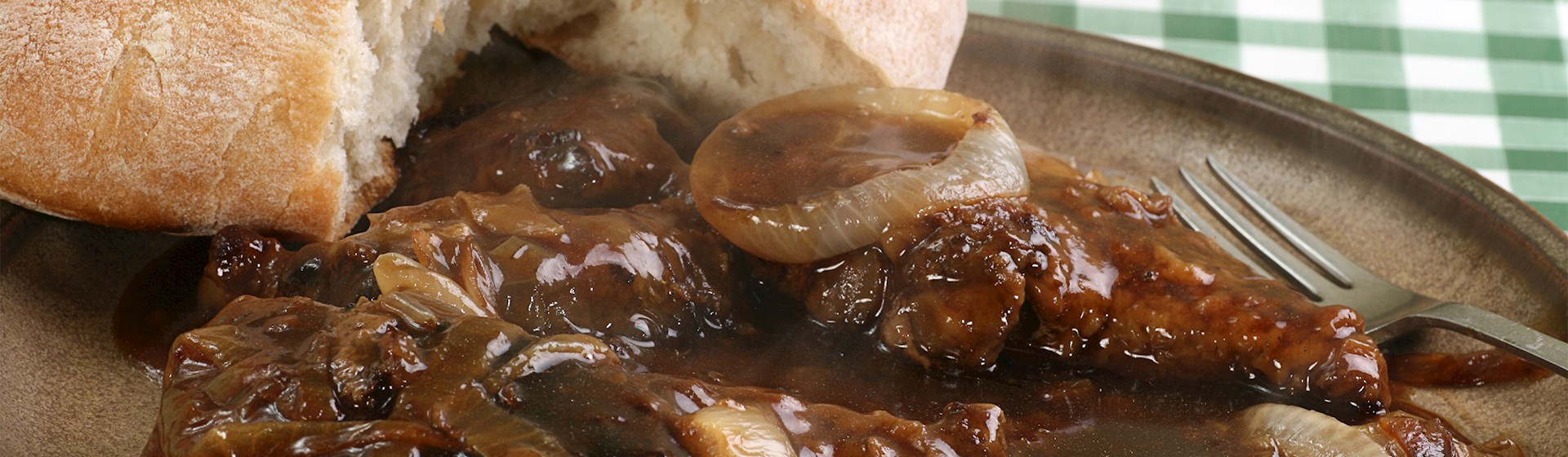
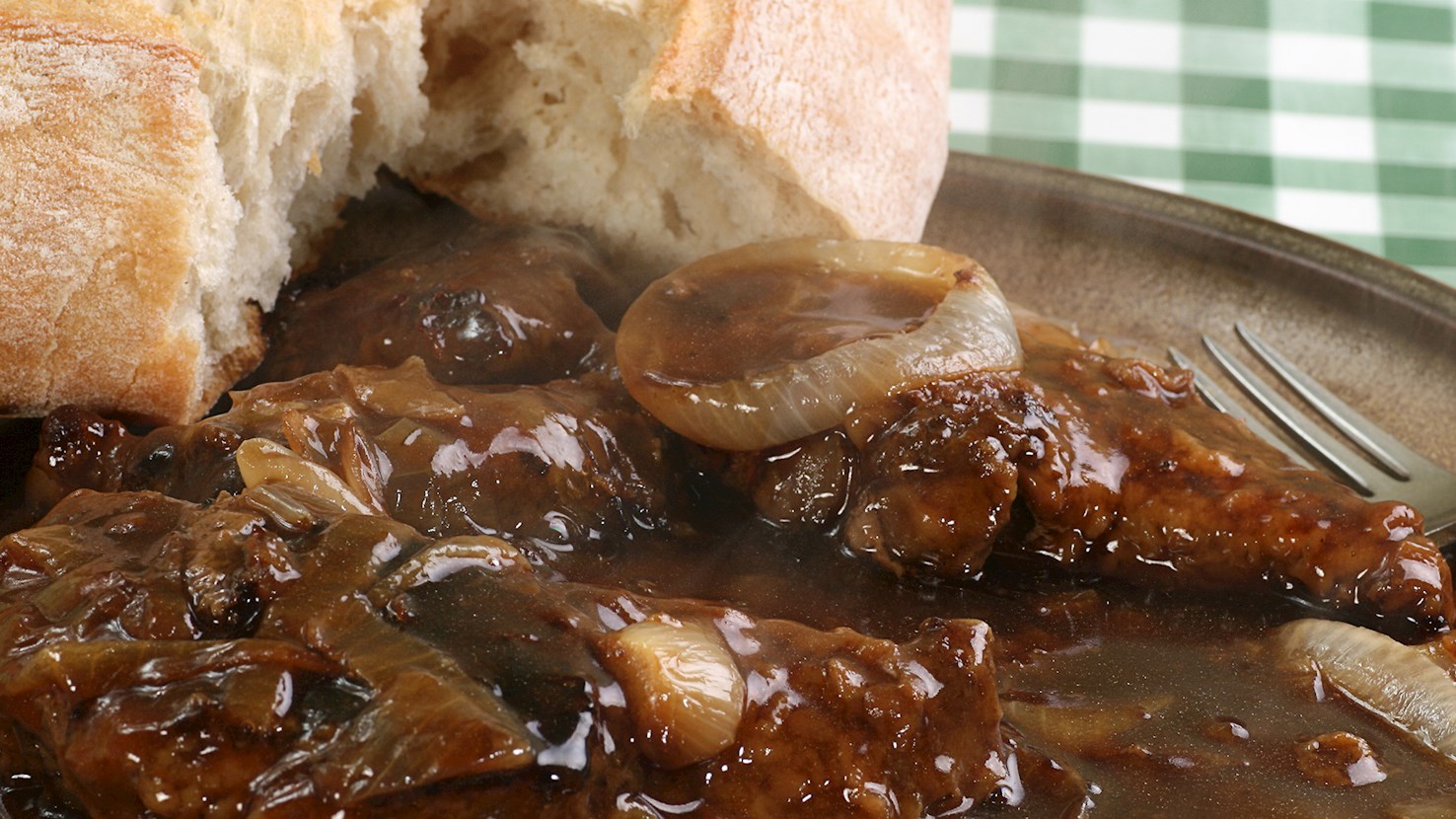
This classic Venetian dish couples thinly sliced liver with caramelized onions, and it is probably the best known way to prepare sautéed calf's liver in Italian cuisine. While the onions provide sweetness to contrast the liver's earthiness, a splash of vinegar, white wine or even lemon juice adds a sour note to make a dish of perfectly balanced flavors. The Venetian-style liver is typically served with grilled polenta, but it can also be accompanied by steamed potatoes or crusty bread on the side.

03

Polpette

4.2 ·

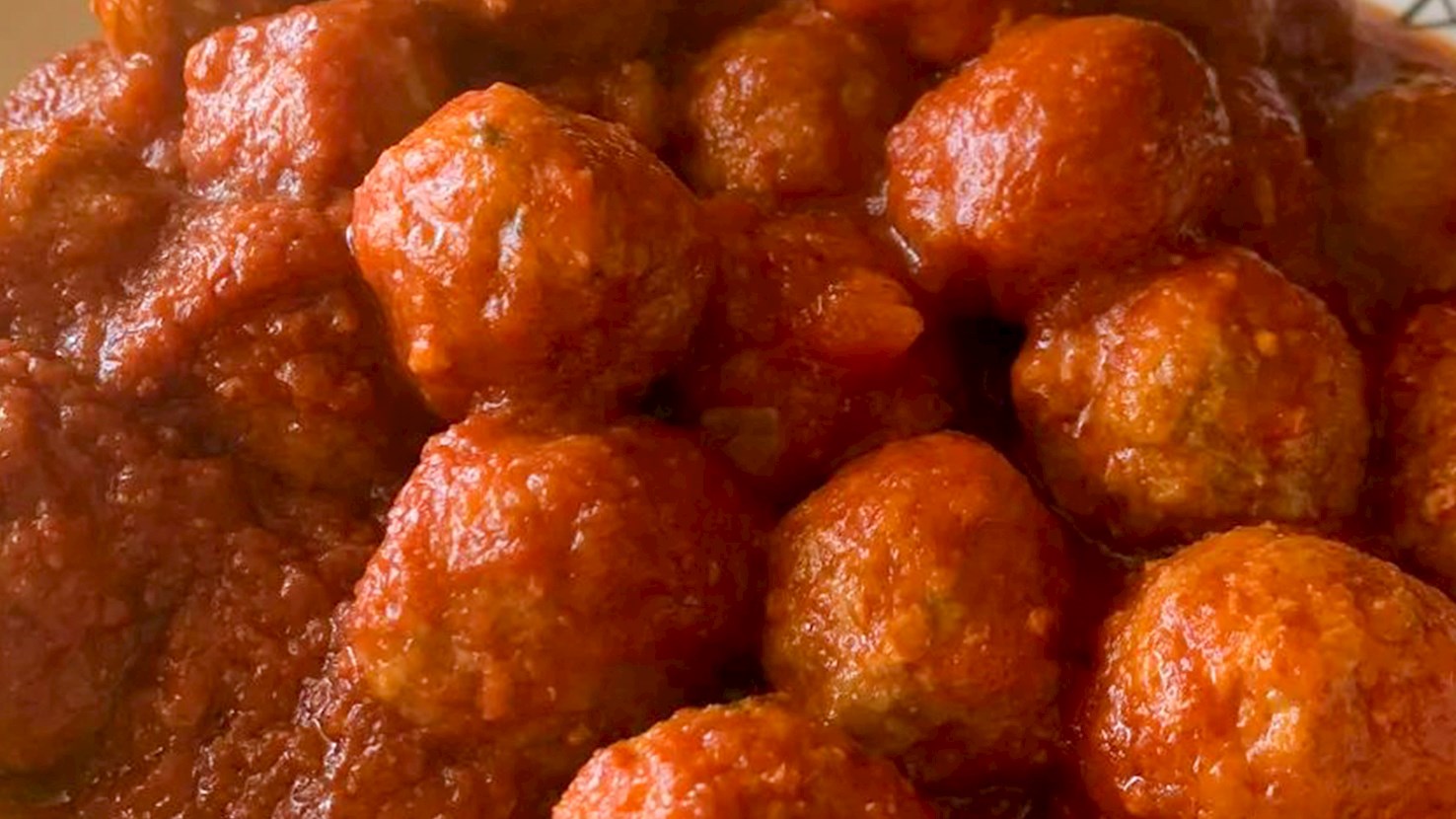
Polpette is a word denoting Italian meatballs, traditionally consisting of ground beef or veal (and sometimes pork) that is shaped into small balls. These meatballs are usually enriched with a wide variety of ingredients such as parsley, eggs, garlic, and sometimes even mortadella or Parmigiano Reggiano. Although some might think that polpette are served with pasta, that is mostly an American thing, and Italian polpette are typically consumed on their own as a snack, appetizer, or finger food that is especially beloved by children of all ages.

04

Carpaccio

4.1 ·

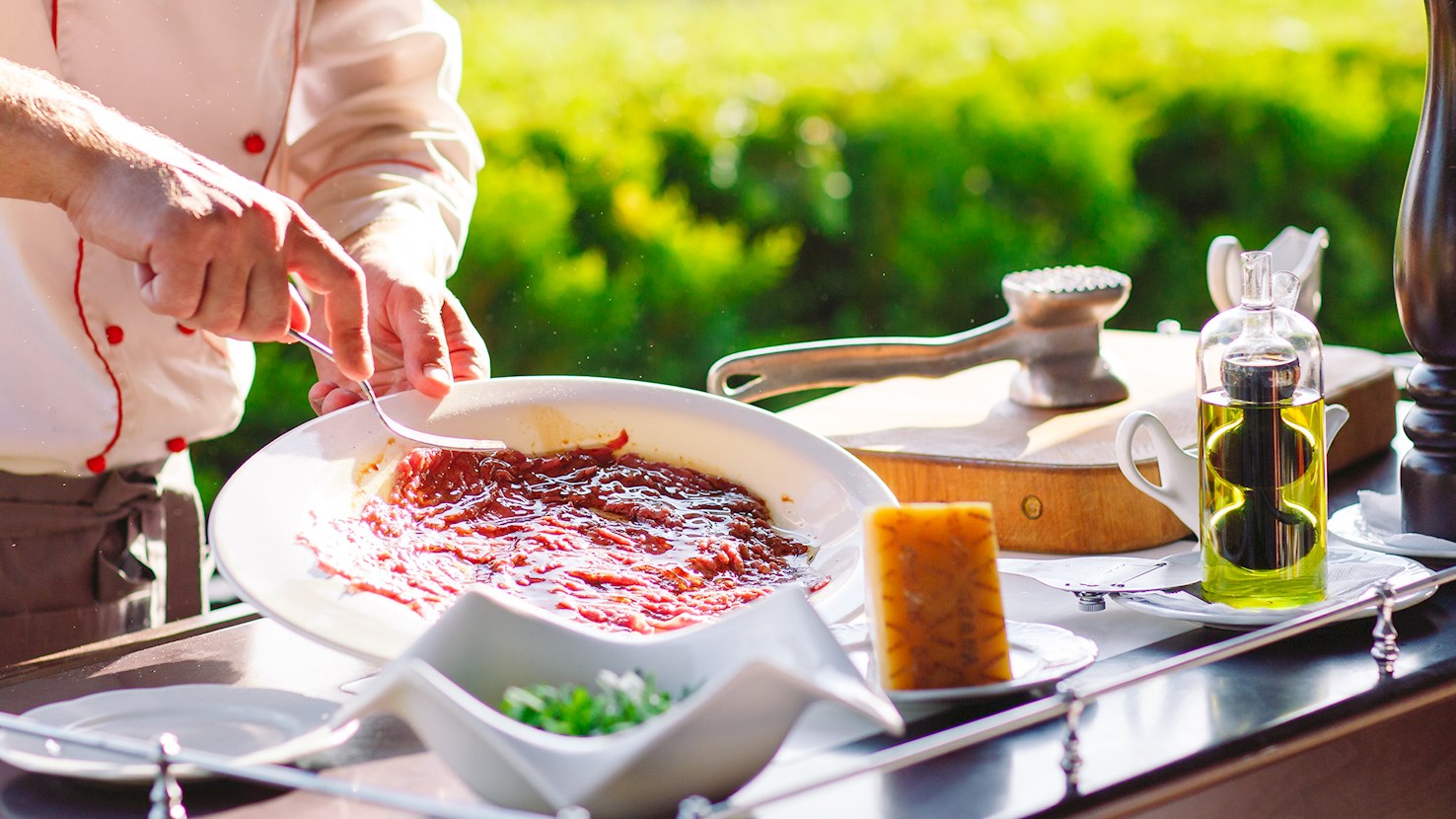
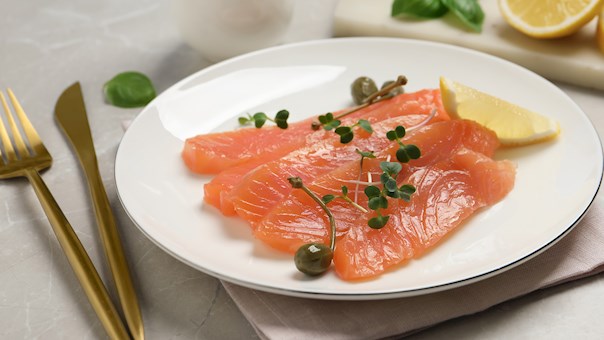
This traditional Italian dish of worldwide fame is typically served as an appetizer, and consists of very thin slices of raw fish or meat served on a plate with olive oil, cheese shavings, and lemon. Carpaccio was created in 1950 by a Venetian restaurateur named Giuseppe Cipriani, the owner of Harry’s Bar, who first made the dish for Countess Amalia Nani Mocenigo, whose doctors had recommended she eat raw meat. Cipriani based the dish on a specialty from Piedmont consisting of slices of raw beef dressed with lemon juice, olive oil, and white truffle shavings. An impassioned art lover, Cipriani named the new dish carpaccio in honor of painter Vittore Carpaccio, whose style and bold colors were reminiscent of the intense red color of raw meat. Today, there are numerous modern varieties of carpaccio made with zucchini, scallops, beet, salmon, figs, and lamb, and it is said that any kind of carpaccio is best paired with a glass of wine on the side.

05

Tramezzino

3.8 ·

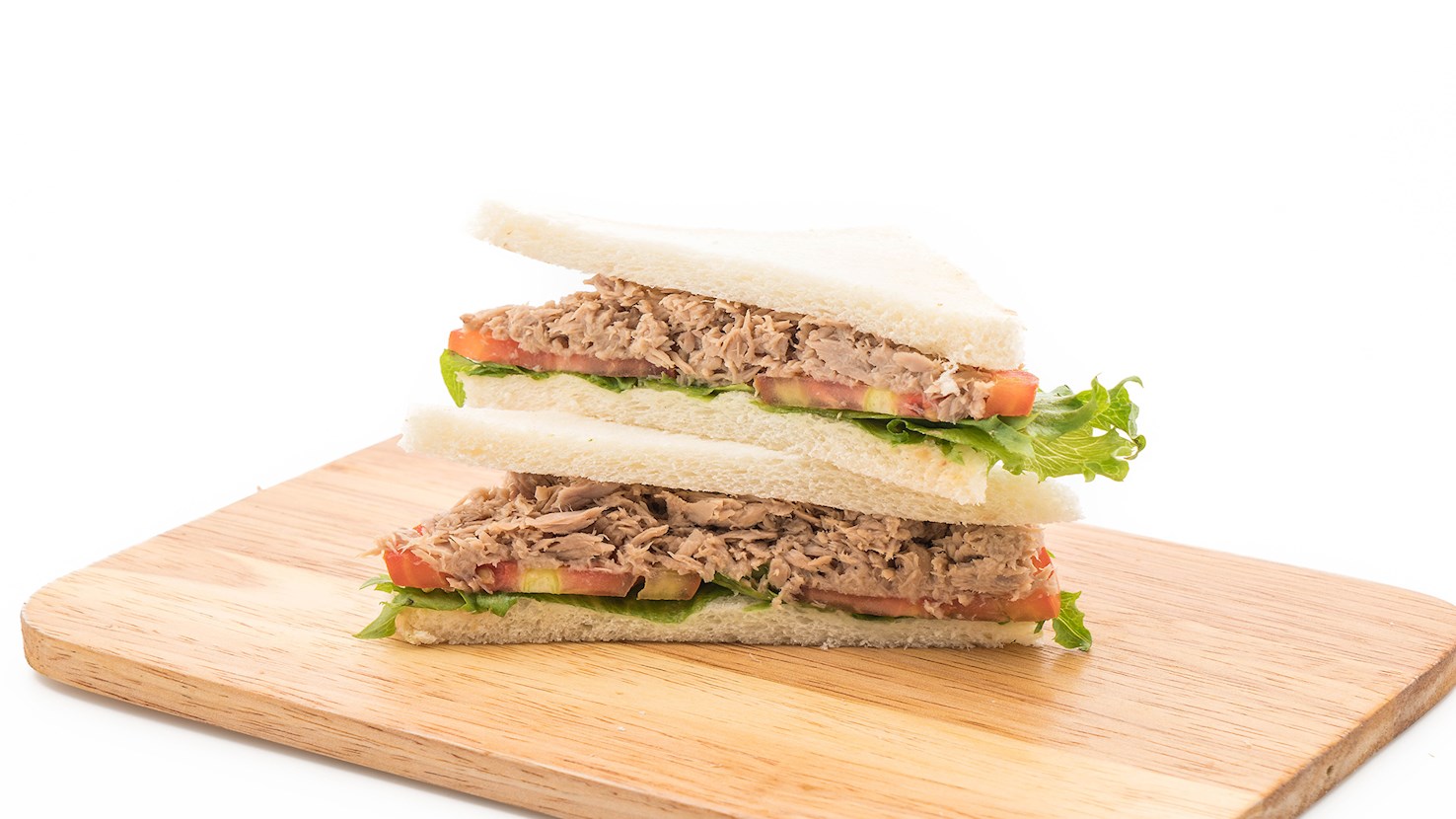
Tramezzino is a popular Italian triangular sandwich made with chewy, crustless white bread and various fillings such as mayonnaise, tuna, prosciutto, and cheese. It is believed that the first tramezzino was invented in 1925 at Caffè Mulassano in Turin. It soon became incredibly popular, especially in Venice, where it's often enjoyed with a glass of Spritz. Today, there are numerous varieties of tramezzini, and they can be found in cafés throughout Italy, although pre-packed varieties that can be bought in supermarkets are also quite common. Coined by Gabriele D'Annunzio, the name tramezzino is a diminutive of the term tramezzo, which refers to a period between breakfast and lunch.

06

Sarde in saor

3.5 ·

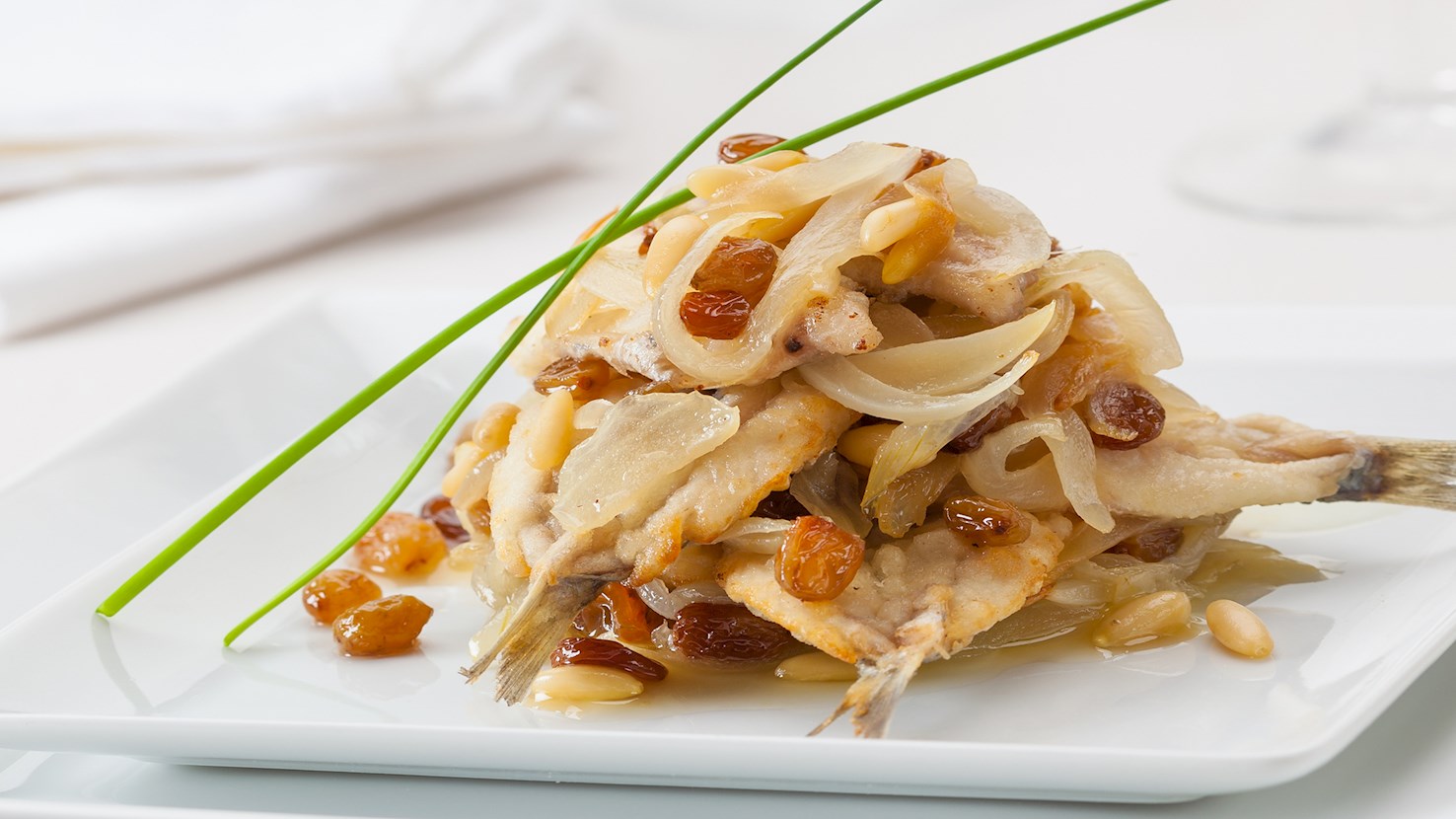
One of Venice's most traditional dishes, this delicious appetizer of marinated sardines originated among the fishermen and seafarers of La Serenissima as a way to preserve fish during their long voyages. Sarde in saor are made by frying fresh sardines and then marinating them either in white wine or vinegar with softly cooked onions, pine nuts, and raisins. The dish is preferably prepared the day before serving, and it can keep well over the course of a week. In Venice, this ultimate antipasto agrodolce is found on every corner and is typically served alongside grilled polenta.

07

Crostini

3.9 ·

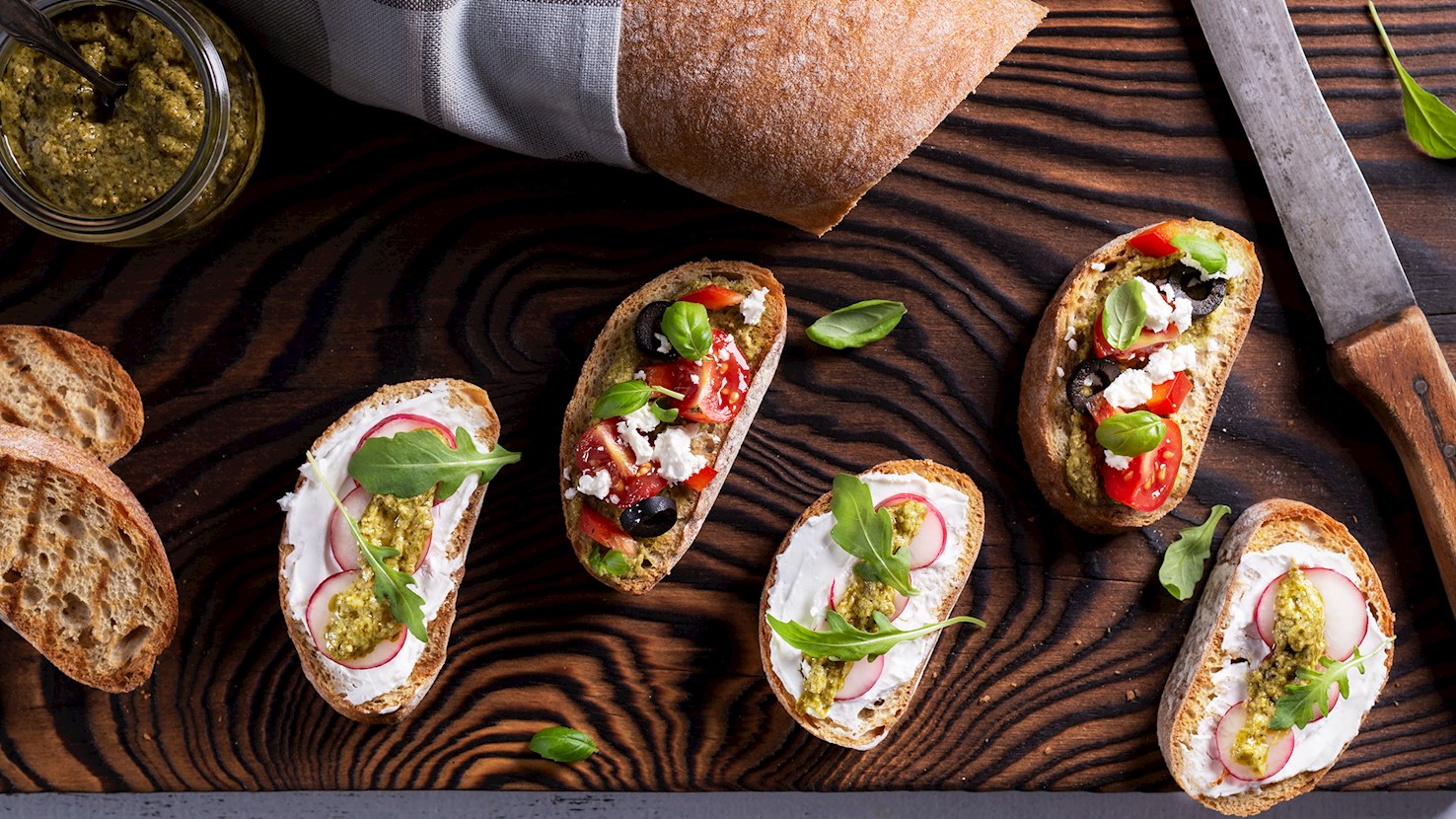
Crostini are a group of Italian appetizers consisting of small pieces of toasted or grilled bread topped with a variety of flavorful toppings. Crostini are believed to have originated during the Middle Ages, when poor Italian peasants used to eat their food off of bread instead of plates. The bread was often stale, so it had to be soaked in a liquid such as wine to make it edible. Today, crostini are topped with virtually anything from olive oil, fresh herbs, and garlic to cheeses, olives, spinach, and tomatoes. They can be served as bar snacks, appetizers, or in soups, and in some cases, crostini can be served as a side dish with steak tartare.

08

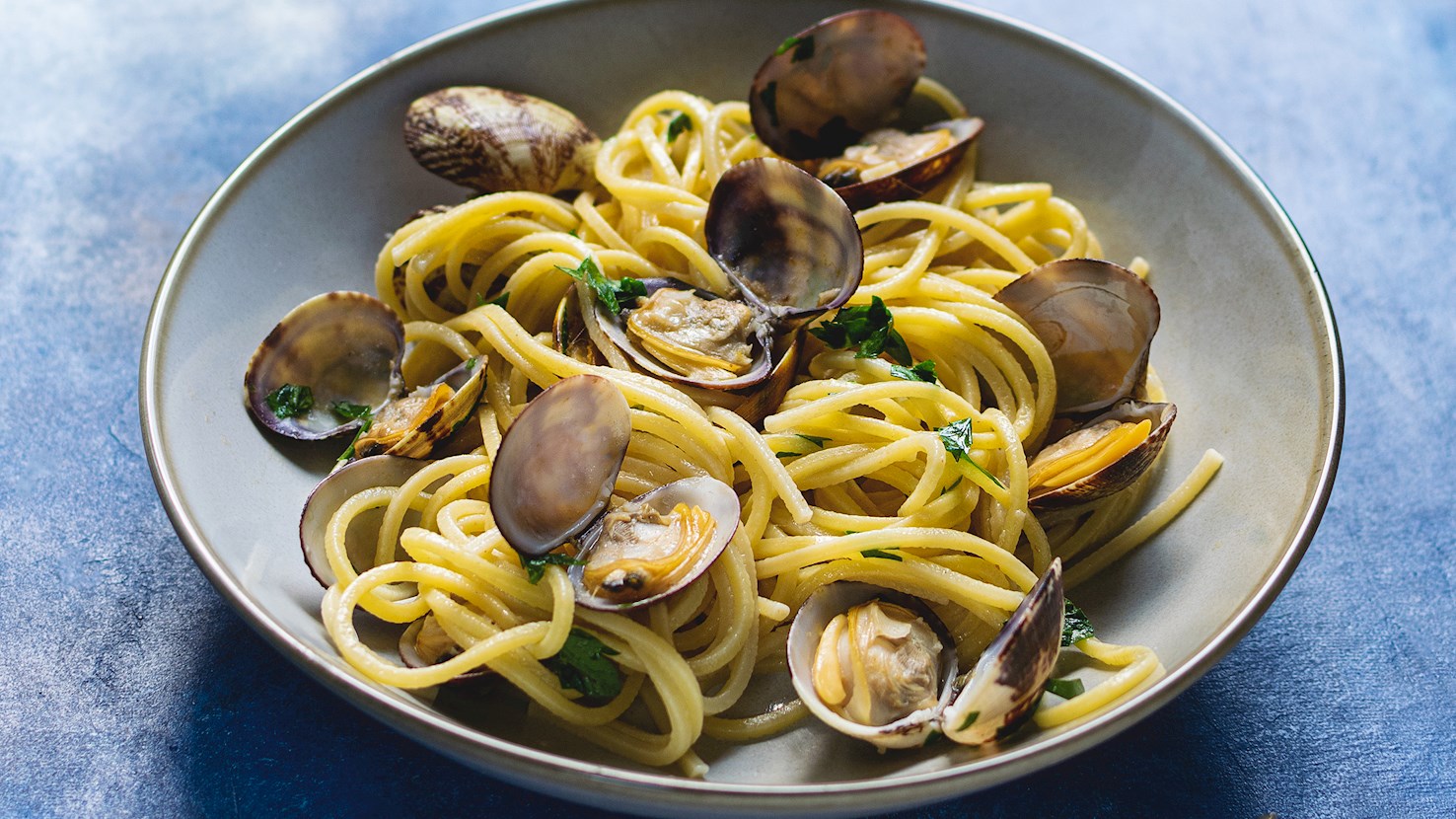
Spaghetti alle vongole

4.2 ·

Quick and easy to prepare, yet packing some serious flavor, spaghetti alle vongole is a traditional Neapolitan dish consisting of only two key ingredients: vongole clams and pasta. However, there is a heated debate considering secondary ingredients, primarily the tomatoes. Purists adore the original dish, made without tomatoes, known as bianco version, while the others prefer a version with crushed tomatoes, or a version with a tomato sauce, known as spaghetti alle vongole con la salsa di pomodoro. Similar issues arise regarding the addition or omission of peperoncino and pepper in the dish. Regardless of these issues, everyone agrees that the pasta should be cooked al dente. Although the dish is best in the summer, when all of the ingredients are as fresh as they might be, it is also one of the most important meals of the traditional Neapolitan Christmas Eve dinner, known as Cena della vigilia di Natale.

09

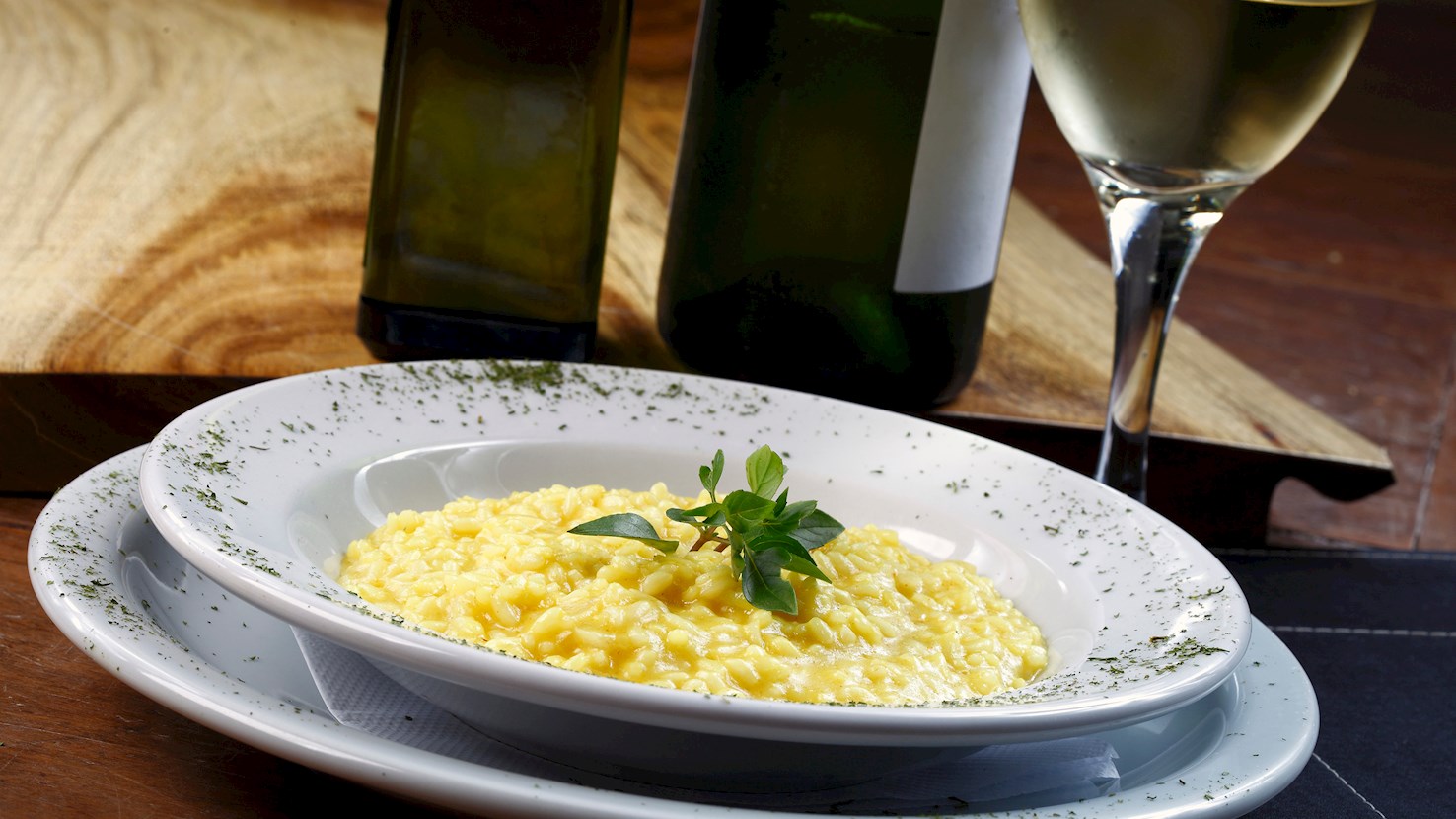
Risotto

4.2 ·

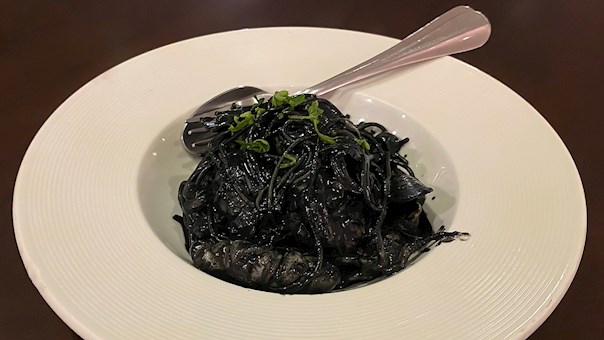
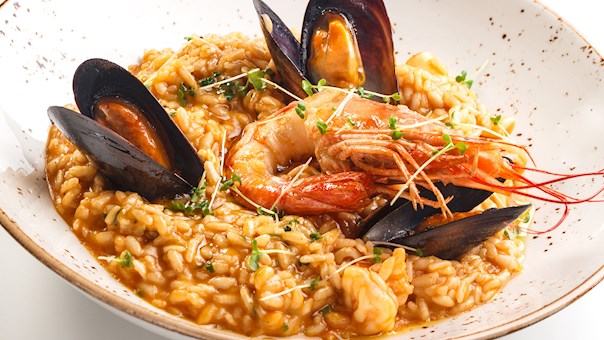
This widely popular and extremely versatile group of dishes consists of a base of rice and stock. Butter, saffron, and parmesan are some of the ingredients most often combined with the base to make a variety of flavorful risottos. The history of the dish is rife with conflicting theories about its origins, however, it is certain that rice was first introduced to Italy by the Arabs during the Middle Ages. Since the Mediterranean climate was perfect for growing short-grain rice, huge amounts of it started to be sold - primarily in Venice, Genoa, and the surrounding areas. As rice gained in popularity, it became a staple food of the Po valley, Lombardy, Piedmont, Veneto, and the city of Milan. It was only a matter of time before rice was combined with saffron, which the Milan region was famous for, and the legendary risotto alla Milanese was invented. Even today, risotto is still usually prepared using the same key components: rice, stock, butter, wine, parmesan, saffron, and onions. The dish is served throughout the world, so there are also a number of varieties with ingredients such as truffles, squid ink, asparagus, sausage, scallops, and veal, among many others.

10

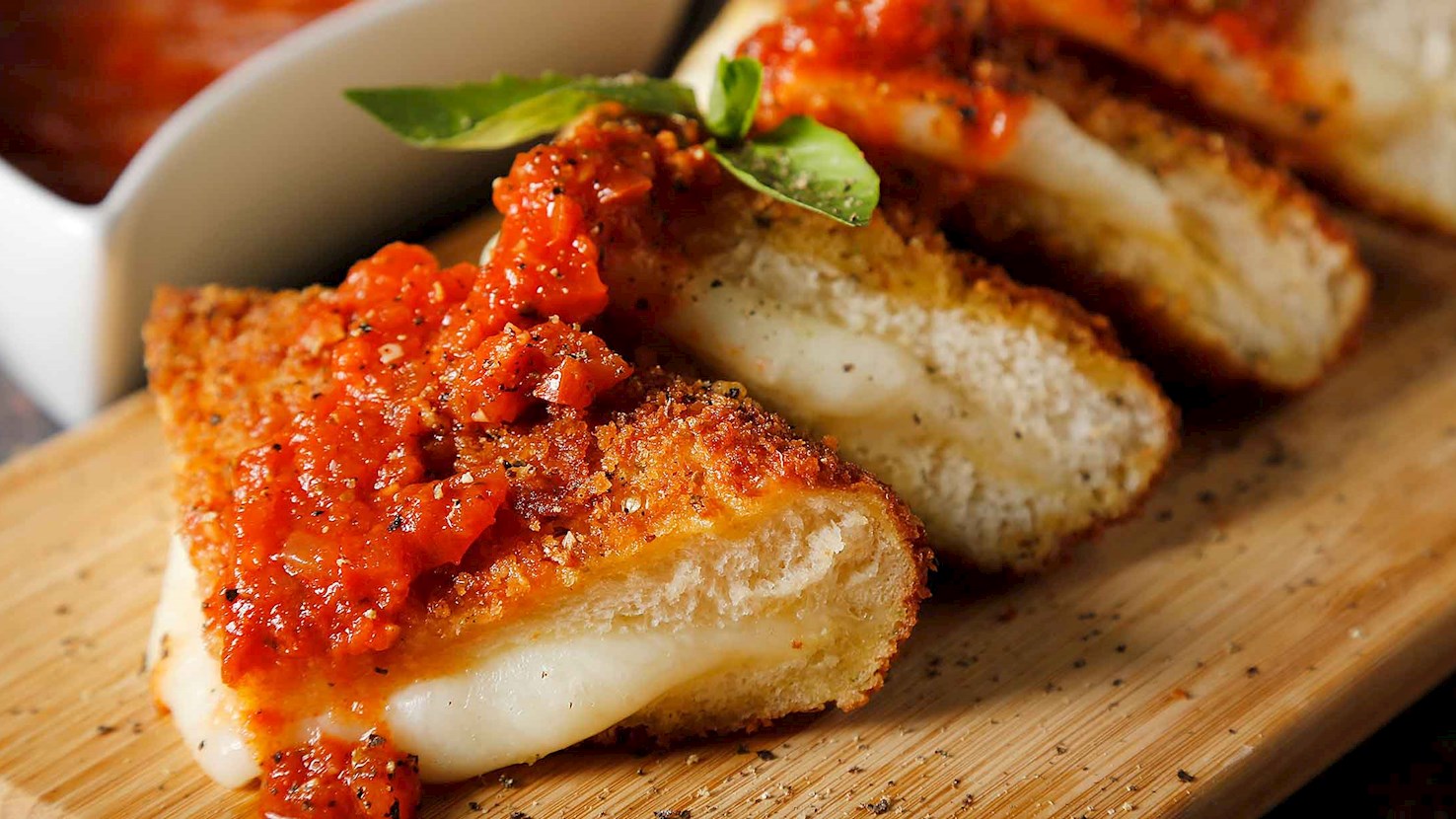
Mozzarella in carrozza

4.2 ·

Mozzarella in carrozza (lit. mozzarella in a carriage) is an Italian fried sandwich that's especially popular in Campania, although it's eaten in various parts of Italy. The sandwich is made with crustless, slightly stale bread, mozzarella cheese (ideally di bufala variety), flour, milk, and beaten eggs. Apart from this version, there's also a version with added anchovies. Once assembled, the sandwiches are dipped in flour and cold water (so that the cheese doesn't leak out), then in the beaten eggs, and they're finally fried until nicely browned and crisp on the exterior. This sandwich was invented by housewives in Southern Italy who wanted to make use of leftover mozzarella and stale bread. Nowadays, its popularity has crossed borders, so it's even popular in a few eateries in New York City.

Best restaurants
About this ranking

TasteAtlas food rankings are based on the ratings of the TasteAtlas audience, with a series of mechanisms that recognize real users and that ignore bot, nationalist or local patriotic ratings, and give additional value to the ratings of users that the system recognizes as knowledgeable. For the “45 Traditional Foods You Have To Try in Venice” list until June 17, 2026, 776 ratings were recorded, of which 650 were recognized by the system as legitimate. TasteAtlas Rankings should not be seen as the final global conclusion about food. Their purpose is to promote excellent local foods, instill pride in traditional dishes, and arouse curiosity about dishes you haven’t tried.

Similar lists