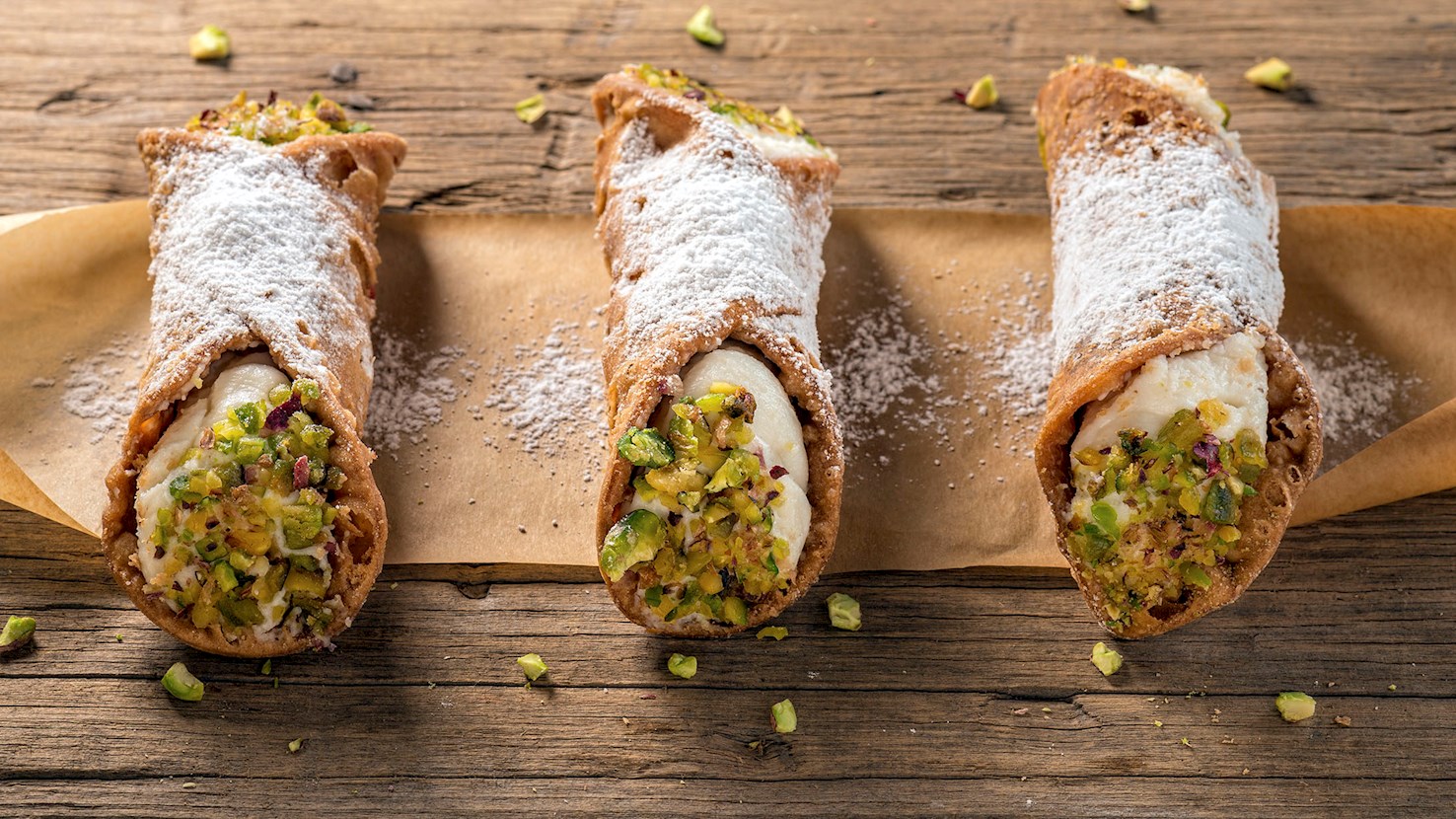
These decadent, crispy fried pastry tubes filled with luscious ricotta cheese cream are perhaps one of Sicily's best known desserts outside of Italy. Cannoli are believed to have originated around Palermo during the 9th century, while Sicily was under Arab rule. Legend has it that they were originally prepared by the women of the ancient city of Qal'at al-Nisā' (lit. castle of women), the modern-day Caltanissetta, which at the time served as the harem of a Saracen emir. Later on, the recipe later somehow found its way to the monasteries of Palermo where nuns would prepare this lavish dessert during the carnival season. Cannoli have come a long way since then, becoming incredibly popular not only throughout Italy, but also in North America, where they were introduced by Sicilian immigrants in the late 19th century. Furthermore, thanks to one of the most famous lines from the movie The Godfather — "Leave the gun. Take the cannoli." — by the end of the 1970s, this dessert had attained a truly iconic status. Although people in the United States are familiar with different variations of this classic recipe, cannoli in Sicily are still prepared in a more traditional way. The crispy pastry shells are typically flavored with cocoa, suet, and Marsala wine, while the delicate freshness of the sweetened ricotta is sometimes enriched with orange blossom water, candied orange peel, chocolate, zuccata candied pumpkin, or finely chopped pistachios. The name is derived from canna, a cane reed that’s cut into sections and used as a mold for frying the pastry shells, although metal cylinders have mostly replaced canna nowadays. And last, but certainly not least, cannoli shells are always filled just before serving to prevent them from getting soggy, ensuring the perfect feel of crunchiness against the creamy filling.
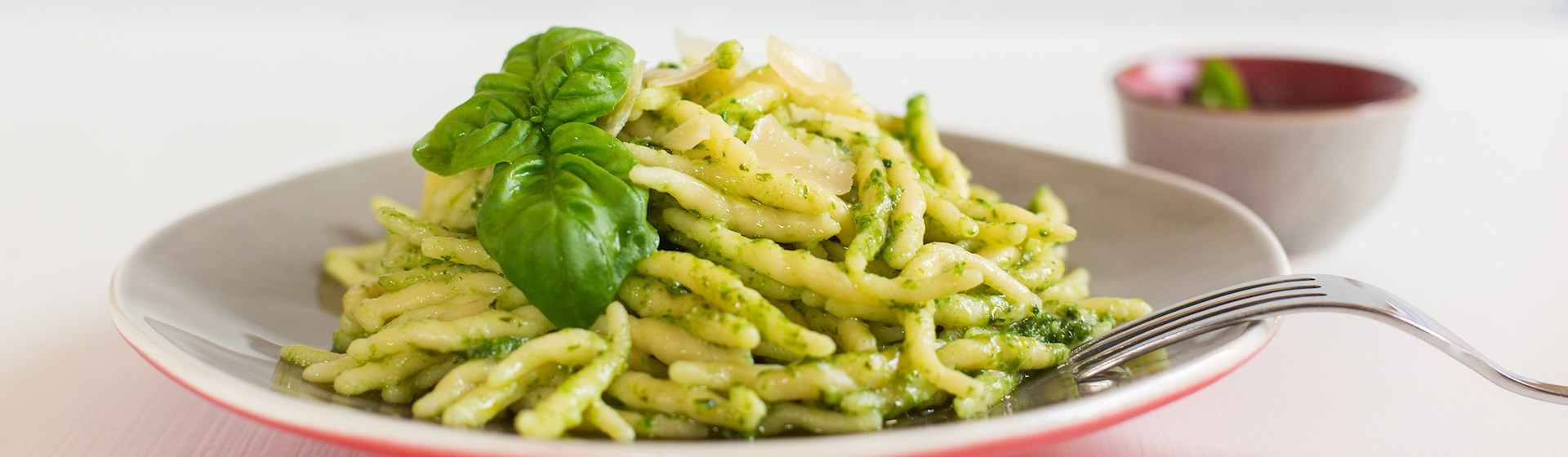
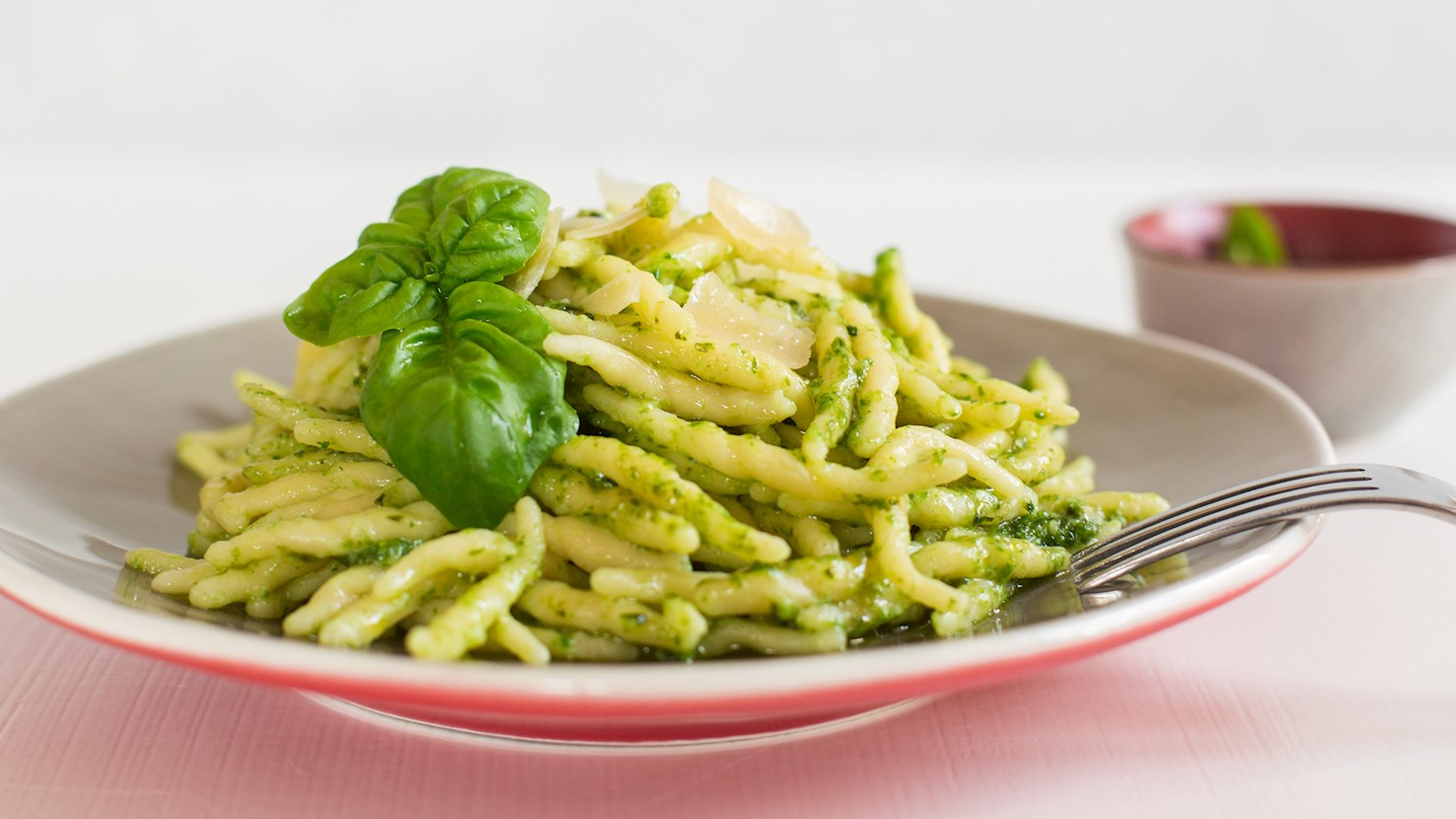
Trofie al pesto is one of the most famous, if not the most famous dish from the Italian region of Liguria. The dish is a combination of two elements: trofie, the Ligurian hand-rolled pasta made with flour and water, and pesto, a famous green sauce consisting of seven elements: basil, garlic, olive oil, pine nuts, salt, and two types of cheese. The authentic pesto Genovese should contain basilico Genovese, extra-virgin Ligurian olive oil, high-quality garlic, Parmigiano Reggiano DOP, and Pecorino cheese from Rome, Tuscany, Sardegna, or Sicily. Trofie al pesto is traditionally served in small portions, as a first course, where tiny trofie perfectly pick up pesto's fine consistency, resulting in a symphony of flavors in each bite.
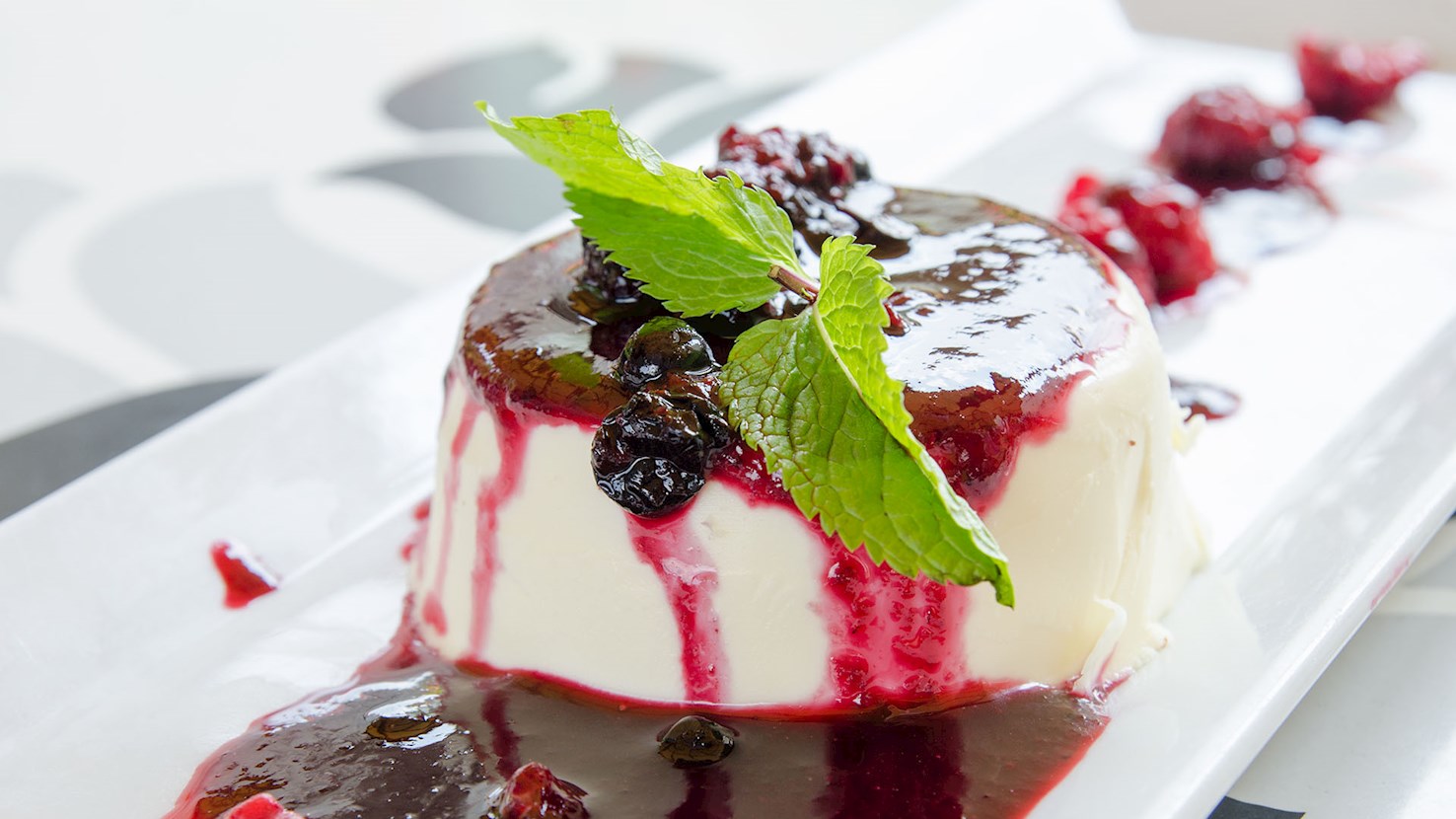
Simplicity at its finest, this softly set pudding takes almost no effort to make, yet is nothing short of amazing! Even though panna cotta (lit. cooked cream) wasn't mentioned in Italian cookbooks until the 1960s, today it is considered a traditional Piedmontese dessert, and the original recipe calls for only whole cream, sugar, vanilla, and gelatin. When made to perfection and properly chilled, panna cotta is silky smooth, deliciously creamy, and has a gentle wobble to it. For a slightly lighter version of this scrumptious dessert, use half-and-half instead of heavy cream, or simply dilute heavy cream with milk. According to Anna Del Conte, a renowned food writer and leading figure in Italian cuisine, classic Piedmontese panna cotta is served on its own or sometimes accompanied with Brutti ma buoni hazelnut meringue biscotti, while the Valle d’Aosta version of panna cotta is flavored with a dash of peach eau-de-vie and garnished with red berry coulis. In other parts of Italy, panna cotta is frequently flavored with rum or sweet Marsala wine and topped with a generous drizzle of caramel sauce, which perfectly complements the seductive aroma of vanilla. Imagination being the only limit, variations on this elegant dessert are virtually endless, and it can be easily tailored to anyone’s taste.
TasteAtlas food rankings are based on the ratings of the TasteAtlas audience, with a series of mechanisms that recognize real users and that ignore bot,
nationalist or local patriotic ratings, and give additional value to the ratings of users that the system recognizes as knowledgeable.
TasteAtlas Rankings should not be seen as the final global conclusion about food. Their purpose is to promote excellent local foods,
instill pride in traditional dishes, and arouse curiosity about dishes you haven’t tried.



What People Say