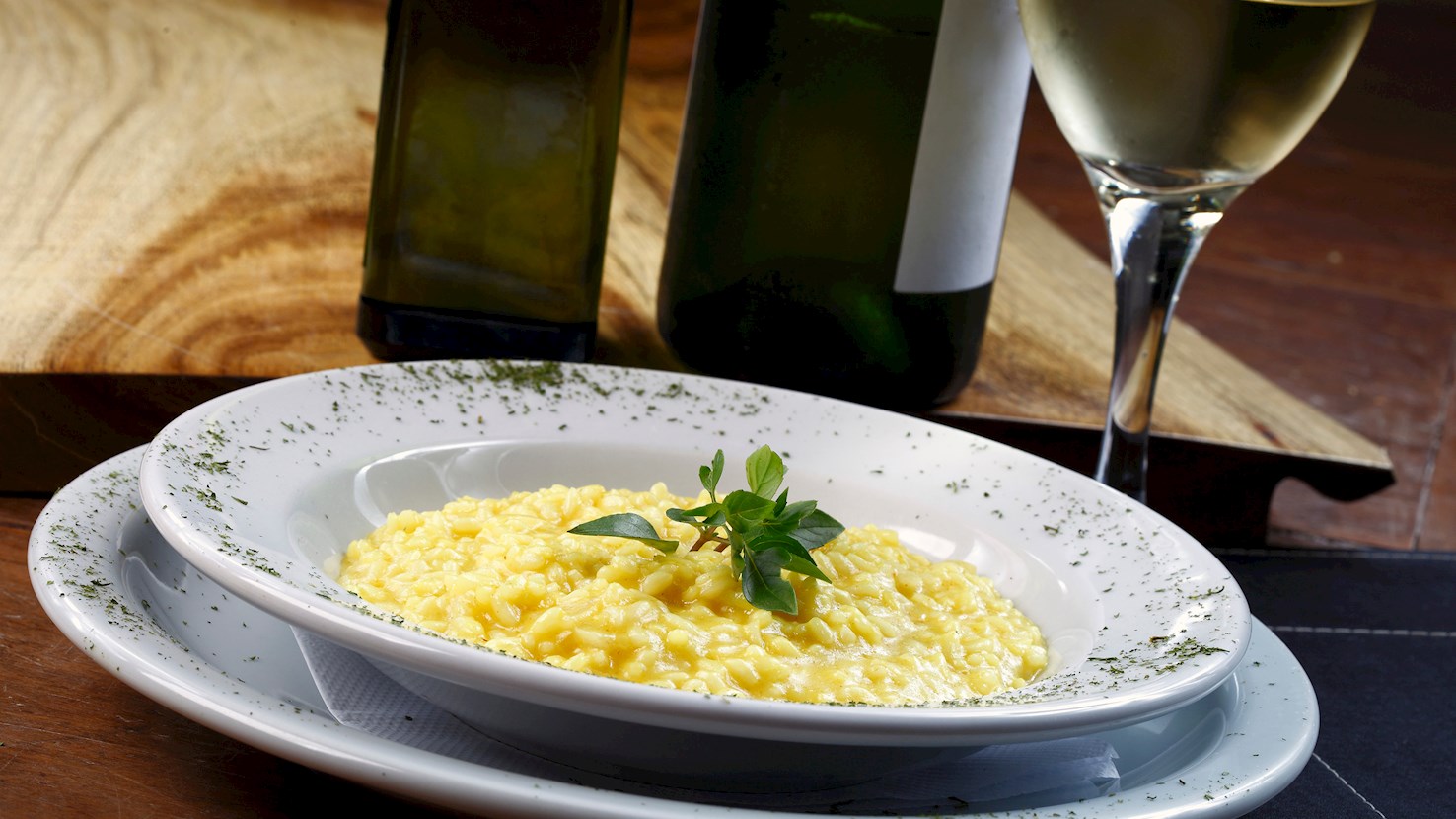
This widely popular and extremely versatile group of dishes consists of a base of rice and stock. Butter, saffron, and parmesan are some of the ingredients most often combined with the base to make a variety of flavorful risottos. The history of the dish is rife with conflicting theories about its origins, however, it is certain that rice was first introduced to Italy by the Arabs during the Middle Ages. Since the Mediterranean climate was perfect for growing short-grain rice, huge amounts of it started to be sold - primarily in Venice, Genoa, and the surrounding areas. As rice gained in popularity, it became a staple food of the Po valley, Lombardy, Piedmont, Veneto, and the city of Milan. It was only a matter of time before rice was combined with saffron, which the Milan region was famous for, and the legendary risotto alla Milanese was invented. Even today, risotto is still usually prepared using the same key components: rice, stock, butter, wine, parmesan, saffron, and onions. The dish is served throughout the world, so there are also a number of varieties with ingredients such as truffles, squid ink, asparagus, sausage, scallops, and veal, among many others.
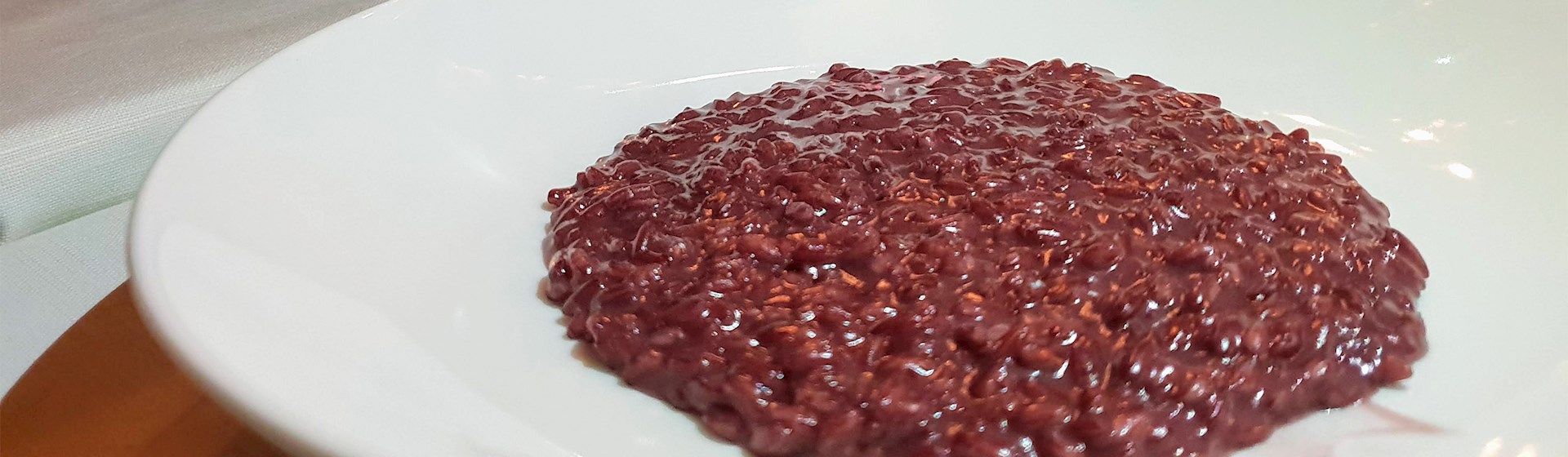
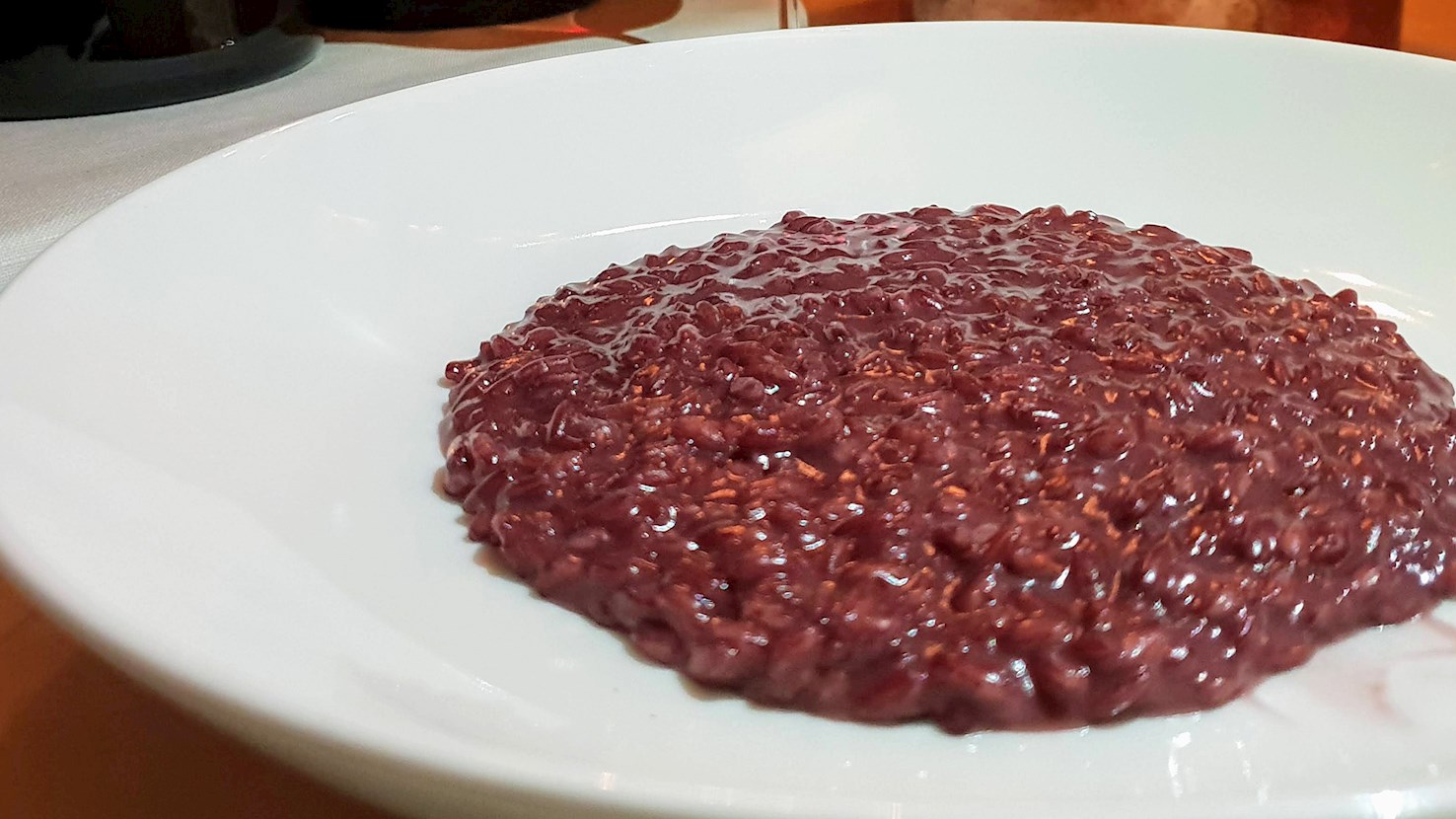
Risotto Amarone is a traditional Veronese dish made with two key ingredients – Vialone Nano rice and Amarone red wine. Besides those two, the risotto is made with onions, broth, olive oil, butter, salt, and pepper. Although there are just a few ingredients used in the dish, they are all of excellent quality. Before serving, it is recommended to let the risotto sit for a few minutes, and when served, it is typically topped with grated Parmigiano-Reggiano.
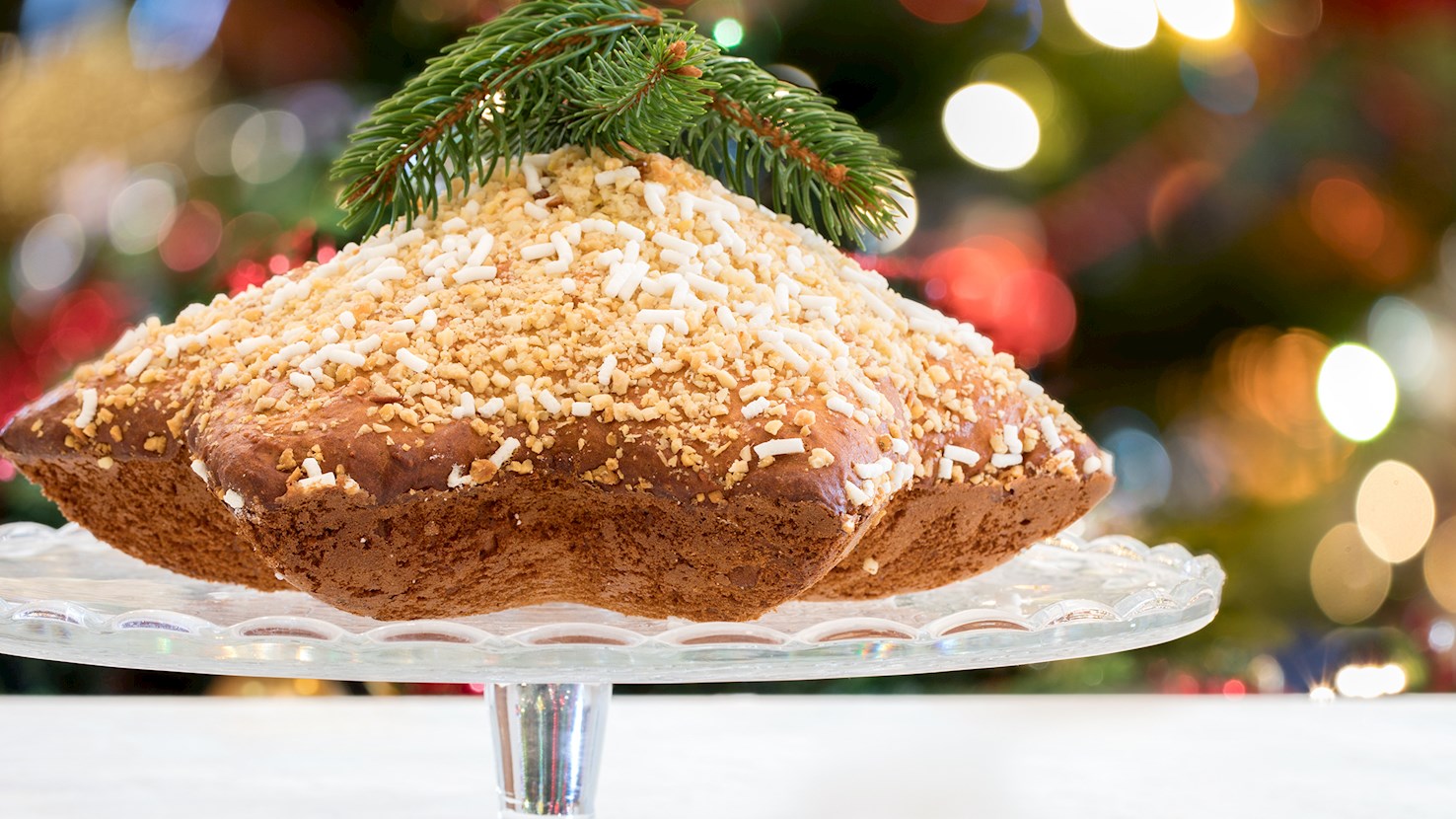
This classic Italian dessert was invented in the 13th century to celebrate the first Christmas in Verona under the Scala family, a dynasty that ruled the city for over a century. Nadalin is the ancestor of the more famous pandoro, but despite having similar ingredients, it is less buttery, sweeter, and has a denser texture. Though both breads are emblematic of Verona’s cuisine, many locals prefer nadalin, which received a municipal designation of origin in 2012. Just like many other Italian Christmas breads, the dough is flavored with vanilla and lemon zest. But what sets nadalin apart is its crunchy top crust made from granulated sugar, marsala wine, almonds, and pine nuts.
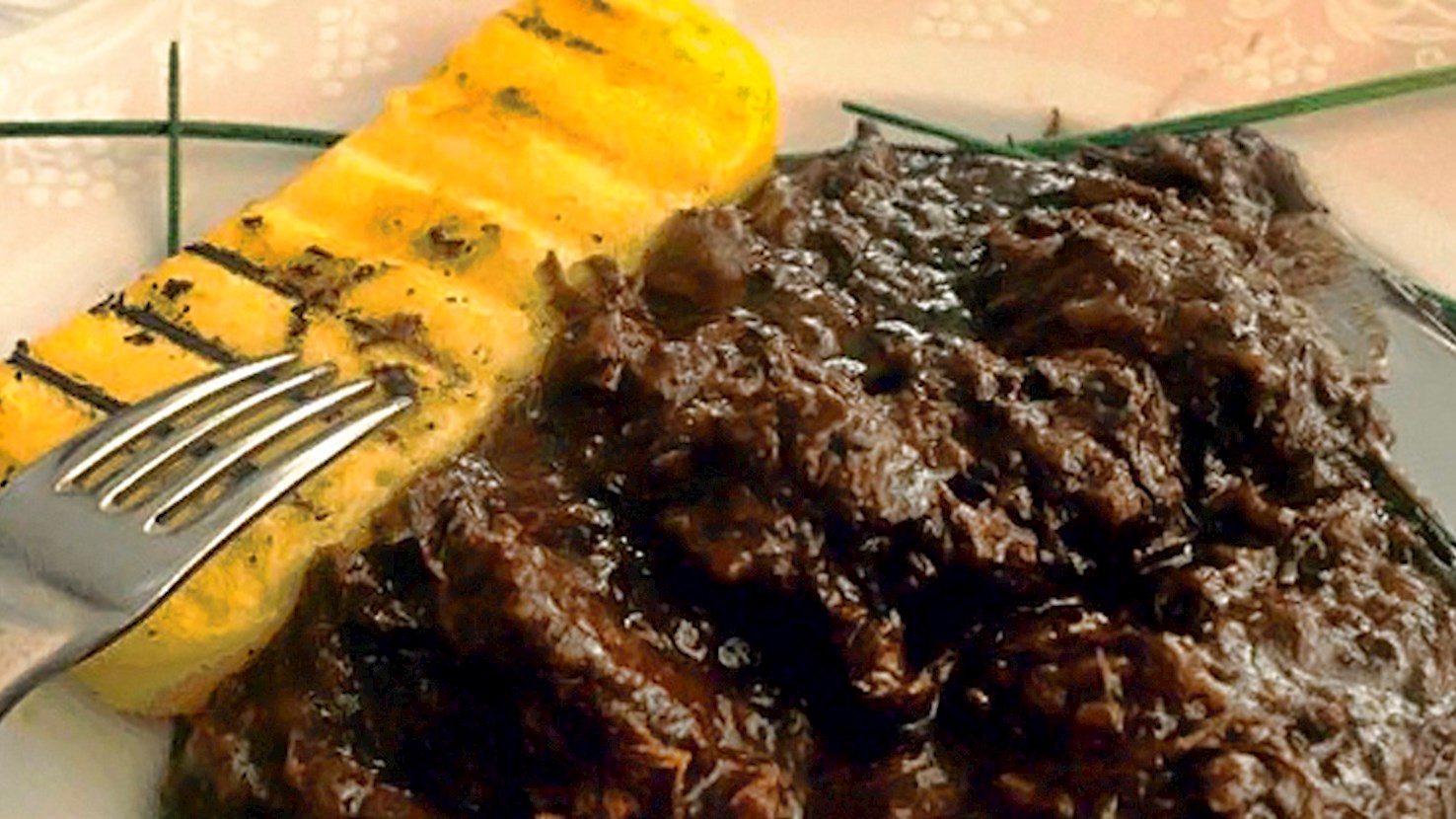
Pastissada de caval is an ancient horse meat stew that is nowadays a specialty of the Veronese cuisine. Due to the long cooking time, this dish is typically served as a second course at important occasions. It consists of horse meat, onions, carrots, cloves, and Valpolicella wine. The stew is usually flavored with bay leaves, cinnamon, and nutmeg. When served, pastissada de caval is traditionally paired with creamy polenta on the side. It is believed that the invention of this dish can be attributed to Theodoric, king of the Ostrogoths, who fought with Odoacer, king of the Heruli. After Theodoric’s victory, he let the people use the flesh of killed horses, and since they have been dead on the battlefield for a few days, they started to smell bad, so people started to marinate the meat with generous amounts of wine, vegetables, and onions, and that’s how pastissada de caval was born.
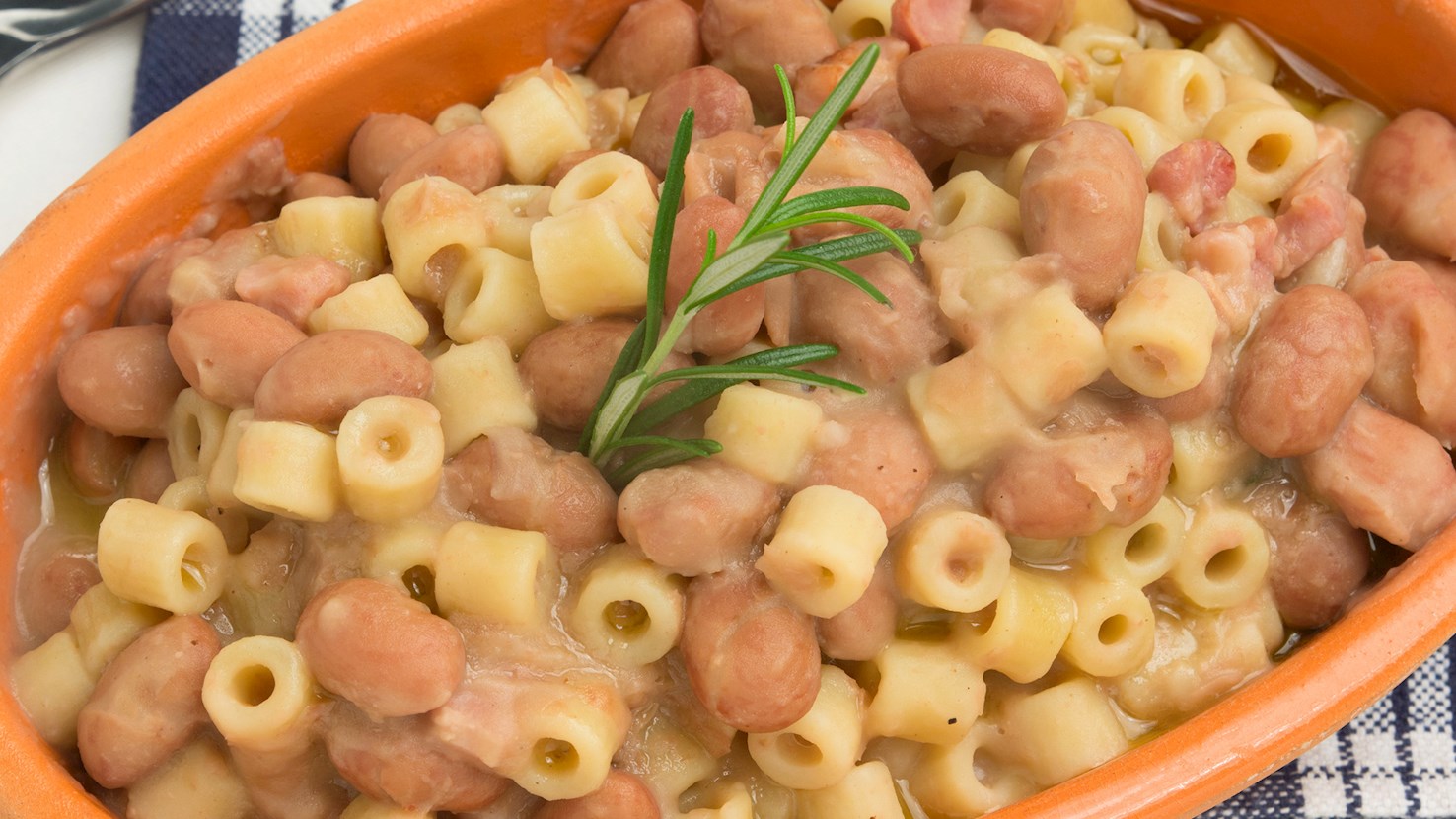
Pasta e fagioli is a traditional dish for which there are recipes throughout all Italian regions, and although there is no official recipe, there are numerous regional variations of the dish. Most often, the dish is made with beans and small varieties of pasta, cooked in a base of olive oil, onions, celery, carrots, garlic, and stewed tomatoes, or a broth which can be vegetarian or meat-based. Pasta e fagioli can have a soupy texture, but sometimes it is much thicker, depending on the regional variations. The dish started as a meal of the poor people and as a replacement for the expensive meat. In the past, it was mostly consumed as a winter soup because it is healthy, inexpensive, and filling. Today, it is consumed throughout the country, and in Veneto, pasta e fagioli is often enriched with pork and potatoes, while in Naples, it is very popular to eat it reheated the next day, because it is believed to taste even better.
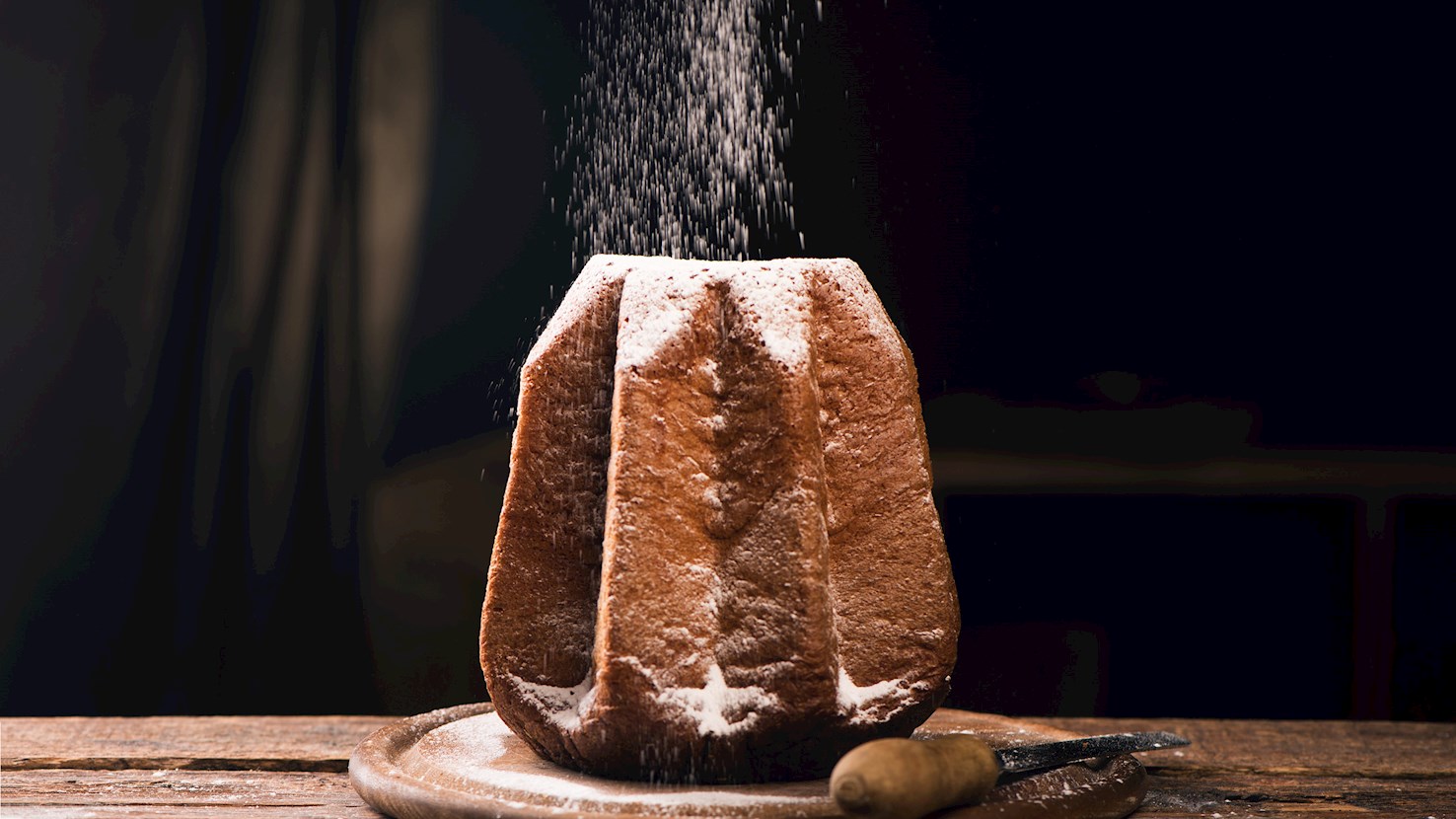
This traditional Christmas bread hails from Verona. Its name is derived from the phrase pan d’oro, meaning golden bread, a reference to its yellow color which comes from the large amount of egg yolks used in the bread. Pandoro is traditionally baked in a special star-shaped mold. Unlike it cousin panettone, it does not contain any nuts or dried fruit. The original version of this dessert was created in the 18th century, and it was a dish reserved for the aristocracy. The pandoro we know today dates back to 1894, when baker Domenico Melegatti submitted a patent for a large-scale production process for the bread. This sweet, yeasty bread is often sprinkled with powdered sugar, resembling snow on mountaintops. The bread can be served with sauces and creams such as mascarpone, whipped cream, or melted chocolate, while some cooks like to hollow it out, then fill it with custard, berries, or ice cream.
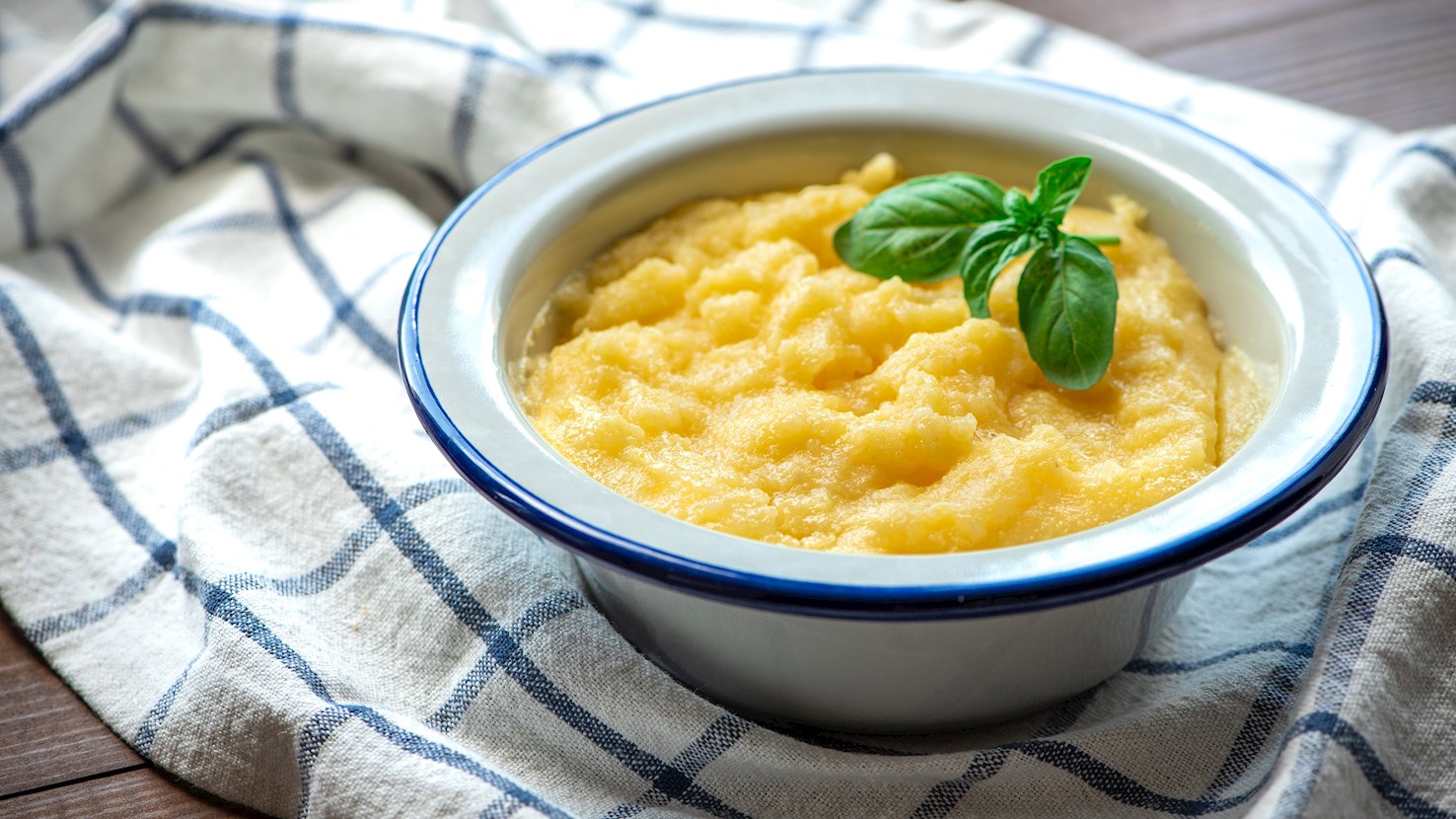
Polenta is an ancient dish of Northern Italian origin, most commonly made from coarse corn flour cooked in water. Although polenta today is characterized by its intense yellow color, before the arrival of corn in Europe in the 16th century, it was made with spelt, rye, and buckwheat, which gave it a much darker color. In Roman times, polenta was called pulmentum, and it was a staple of both peasants and Roman soldiers, who were given portions of grain as field rations. In Italy today, polenta is still made using a copper pot called a paiolo and a long wooden spoon known as a tarello. The boiled polenta is poured onto a flat surface or into a pan and left to cool and harden, and the cooled polenta cake is then traditionally cut into slices with a wooden knife or a cotton thread. Polenta is also characterized by its versatility; it can replace bread or pasta, it can serve as a side to fish or meat, or it can even be grilled and served with tomatoes and mushrooms. Despite its humble beginnings, in recent years, polenta has made a steady move towards gourmet audiences and high-end restaurants.
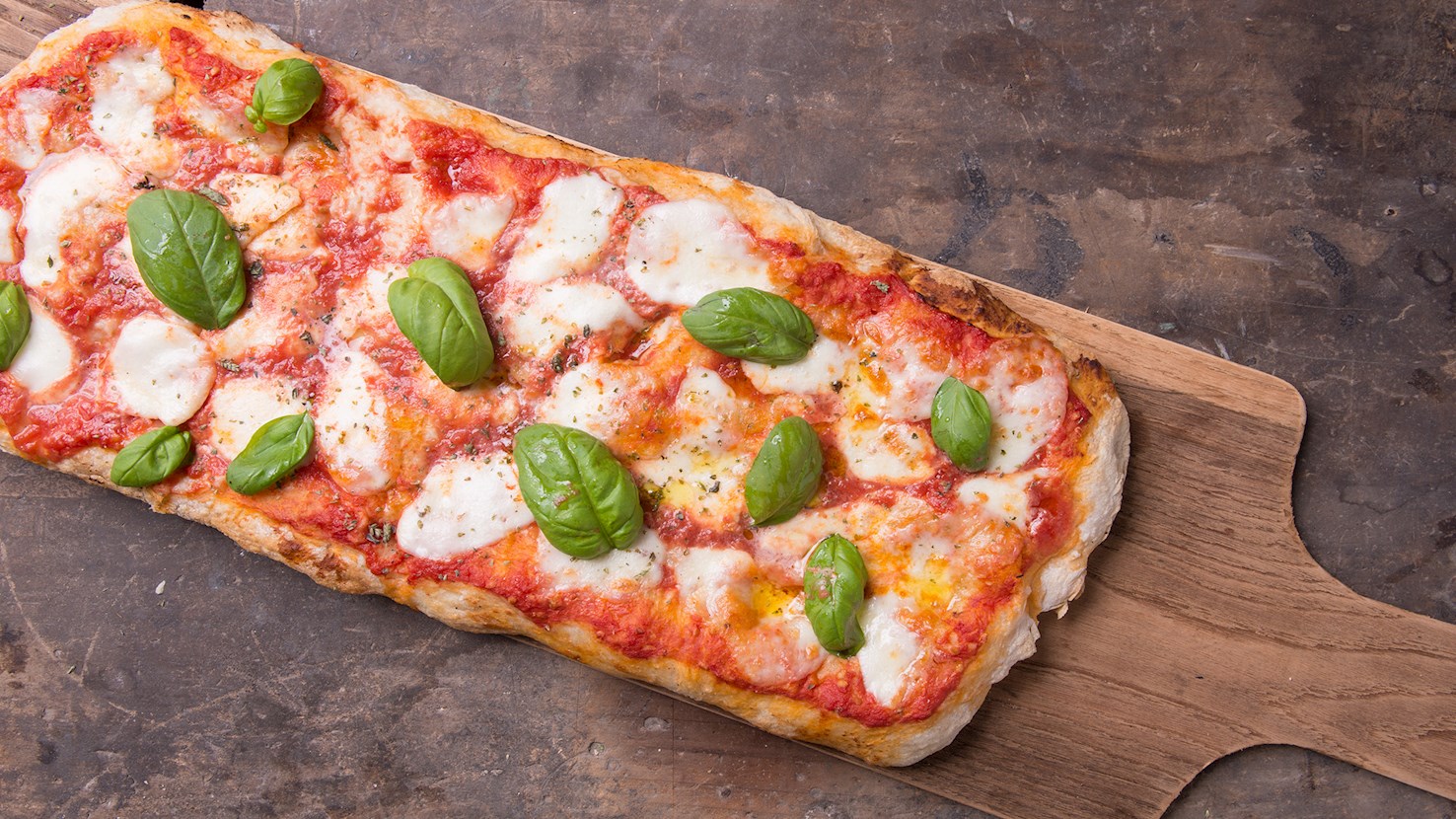
Typically shared among groups and consumed by the slice, the Roman invention known as pizza alla pala is a long, oval-shaped flatbread made with a high-hydration, long-rising dough. It is baked in electric ovens, transferred to a wooden board called pala, then topped with various fresh ingredients. The pizza is characterized by a thick crust and a tender, fluffy interior, while the toppings can be anything from prosciutto and cherry tomatoes to various cheeses, olives, and spicy salami.
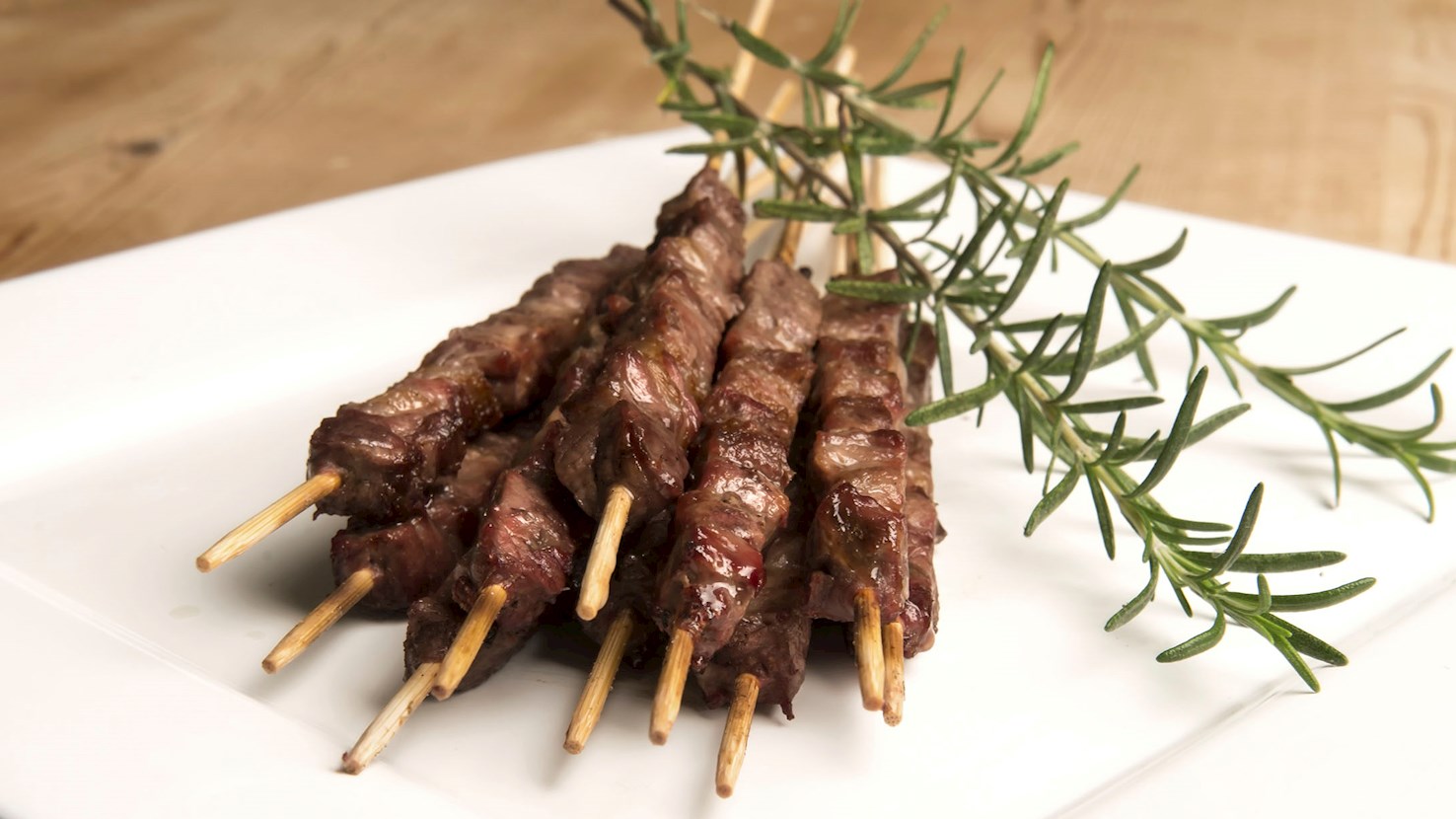
Also known as arrustelle or rustelle in local dialect, arrosticini are skewers made with castrato, the meat of castrated sheep, mutton, or sometimes even lamb, traditionally grilled on an elongated, charcoal-fired brazier called fornacella. One of the most popular meat dishes of modern Italian cuisine, these skewers were once a staple of shepherds who lived in the mountainous areas of Abruzzo, prepared merely with leftover sheep meat of lesser quality. Today, arrosticini are made with well-marbled, more tender cuts mixed with hefty chunks of ovine fat, which makes them particularly succulent. The skewers are sometimes seasoned with Mediterranean herbs, although they are more often simply generously salted to taste and then seared until almost charred. Arrosticini can be found in almost any village and town throughout the region, especially near the Gran Sasso mountain, but they are also available ready-made in numerous supermarkets. In traditional Abruzzo style, to fully enjoy the tenderness and rich flavor of grilled meat, arrosticini are served sizzling hot and are often accompanied by slices of pane unto - a crusty, homebaked sourdough bread that is grilled and drizzled with extra virgin olive oil. As for the wine pairing, arrosticini go hand in hand with a glass of Montepulciano d'Abruzzo.
TasteAtlas food rankings are based on the ratings of the TasteAtlas audience, with a series of mechanisms that recognize real users and that ignore bot,
nationalist or local patriotic ratings, and give additional value to the ratings of users that the system recognizes as knowledgeable.
TasteAtlas Rankings should not be seen as the final global conclusion about food. Their purpose is to promote excellent local foods,
instill pride in traditional dishes, and arouse curiosity about dishes you haven’t tried.



What People Say