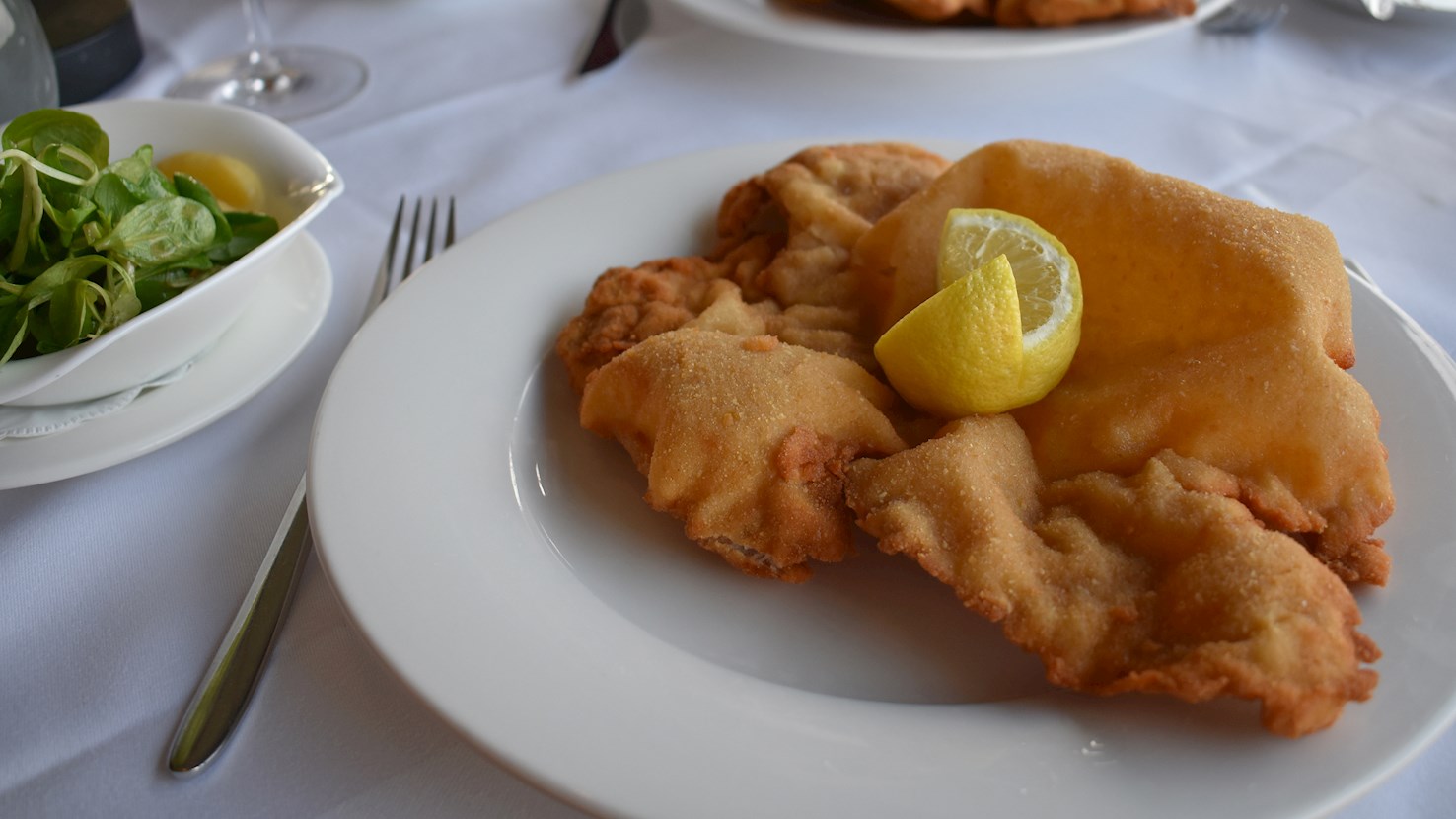
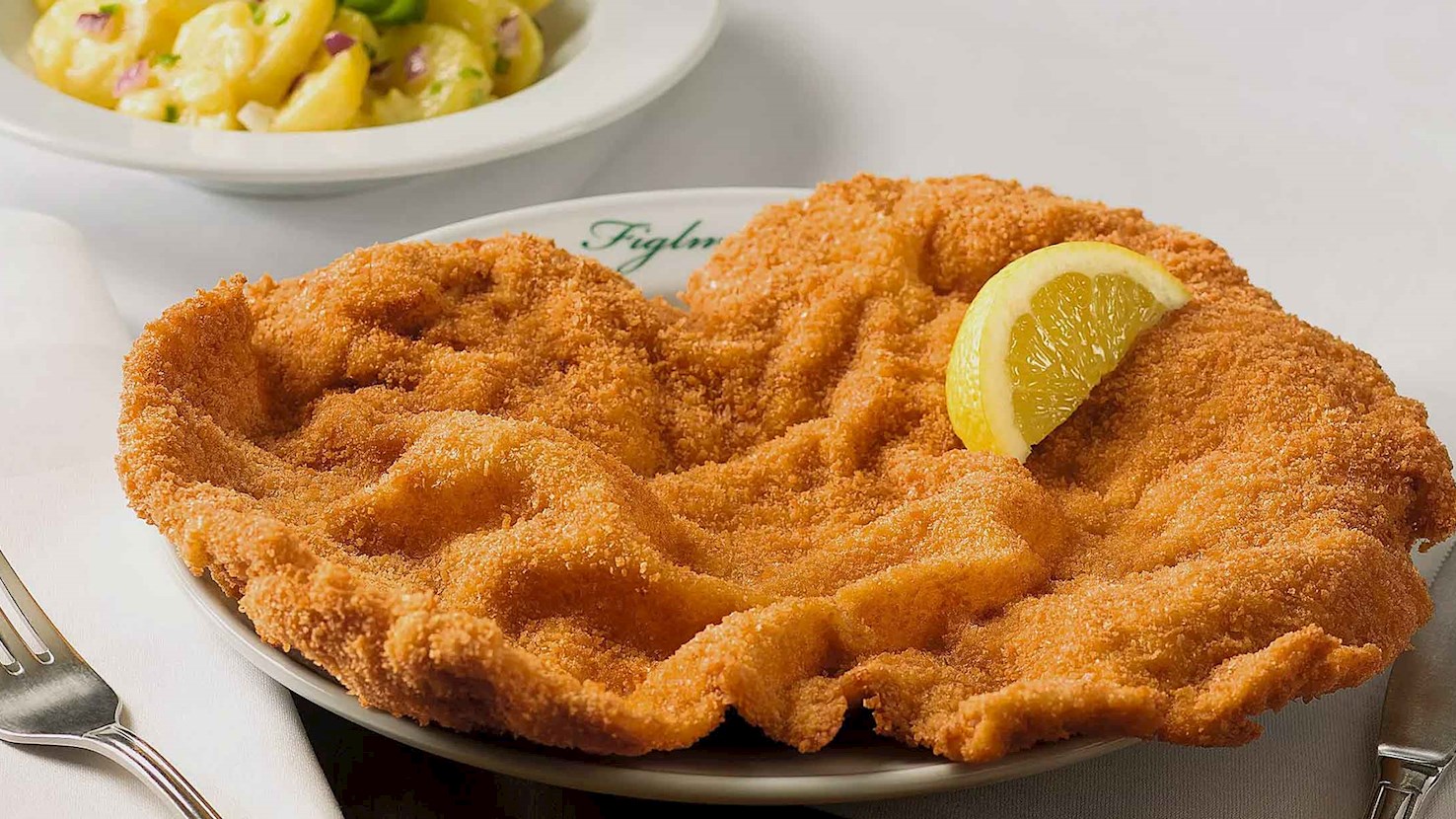
One of the best-known dishes of Austrian cuisine, the Wiener schnitzel is a thinned, breaded, and pan-fried veal cutlet that is traditionally served with a dollop of lingonberry jam, lemon wedges, and either buttered parsley potatoes, a simple potato salad, or french fries. The dish is protected under Austrian law, and—if it is to be called Wiener schnitzel—it must be made with veal. However, pork is often used instead of veal because it's more available and cheaper. Such a schnitzel is not considered a real Wiener schniztel and is referred to as Wiener schnitzel vom schwein (lit. Wiener schnitzel from pork) or schnitzel Wiener art (lit. Viennese style schnitzel). But sadly, these days, the schnitzel made with pork is what most people consider the real-deal Wiener schnitzel. Even Figlmüller, probably the most popular schnitzel spot in Vienna, offers both the Wiener schnitzel made with pork and the one made with veal. Despite this dish being one of Austria's most popular offerings, it has been suggested that this Austrian national dish was actually invented elsewhere. According to one legend, in the 19th century, Austrian field marshal Josef Radetzky supposedly brought the schnitzel to Vienna upon returning home from Italy, where he had enjoyed the Milanese cotoletta, a dish that bears quite a strong resemblance to the Viennese classic. Regardless of its true origins, the crispy yet tender Wiener schnitzel remains a favorite in Austria and beyond.
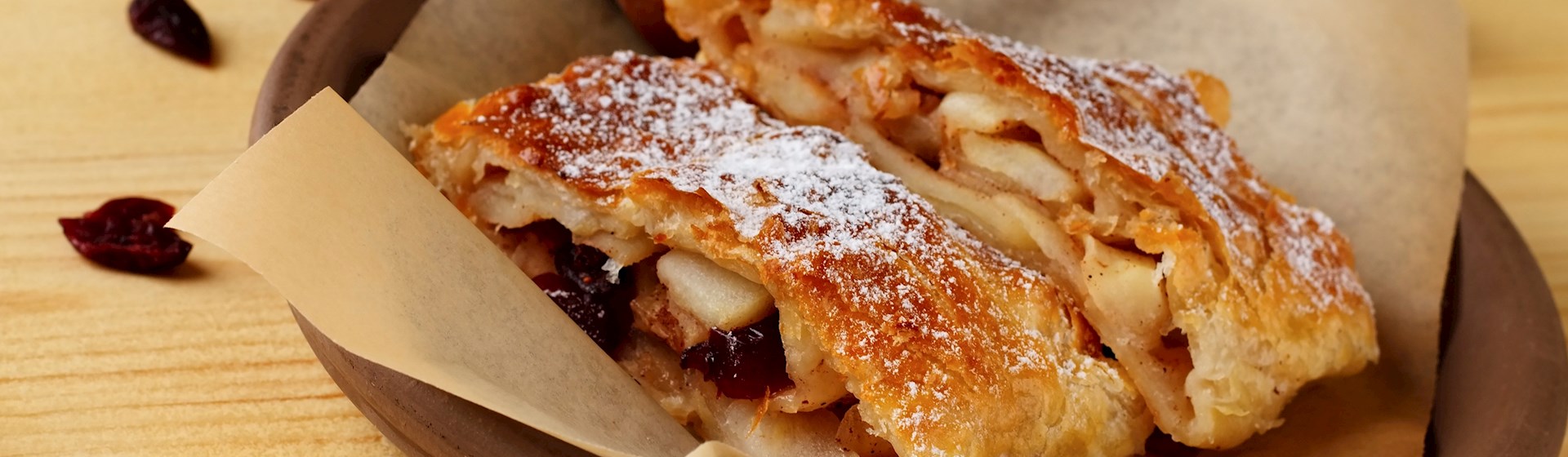
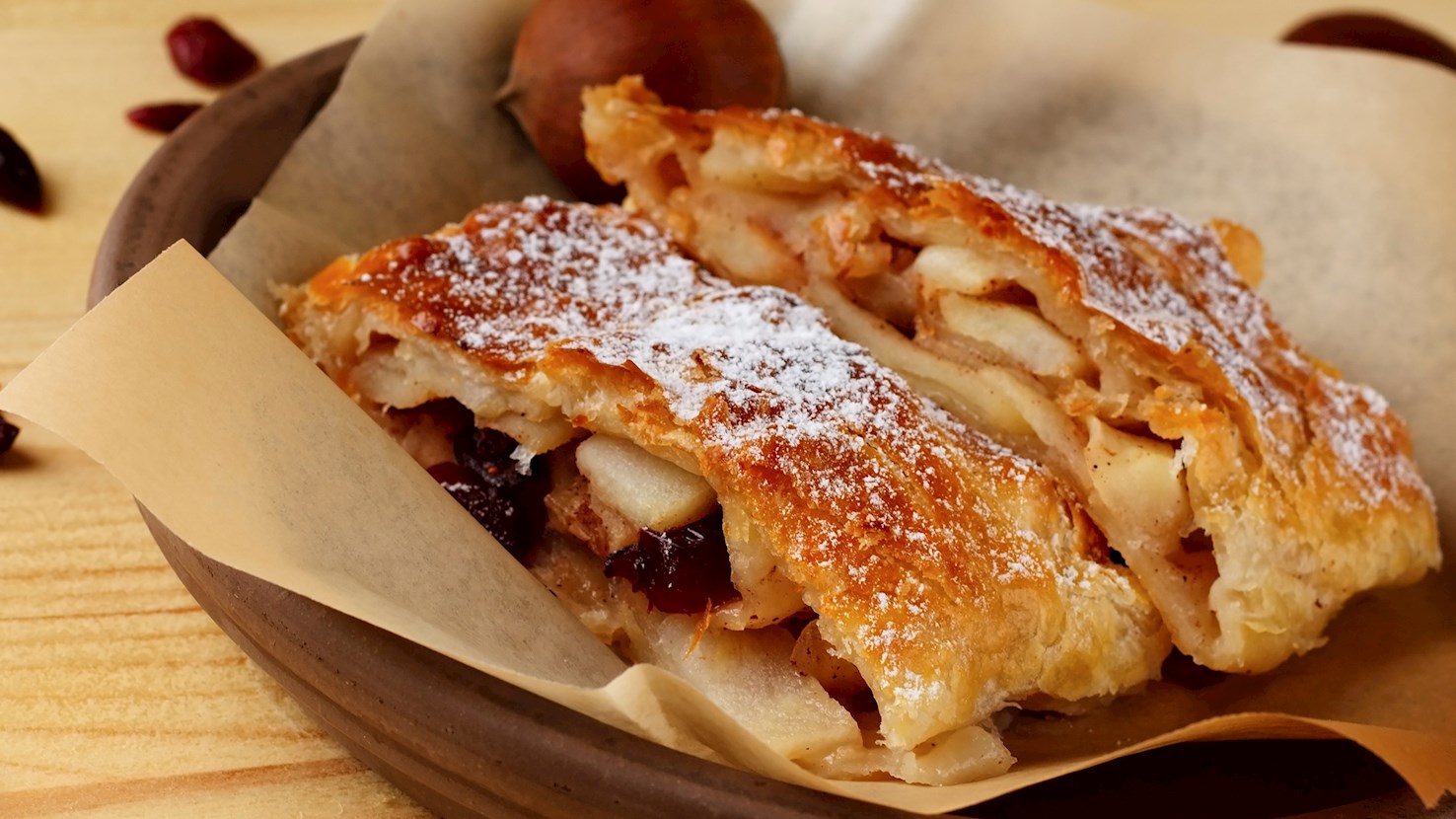
A traditional pastry dessert with a rich and vivid history, apfelstrudel (apple strudel) is one of Austria's most popular delicacies. This sweet treat consists of thin layers of dough filled with a flavorful apple filling. Its story starts with the invention of baklava, a filo pastry popular in the Balkans and the Middle East. Since baklava requires very thin dough, similar to strudel, the technique was likely perfected by either the Ottomans or the Greeks. It is believed that strudel arrived in Hungary first, then Austria, due to the fact that the Ottomans had constant interactions with the Habsburgs. The oldest known recipe for strudel dates back to 1696, while other varieties, such as the apple strudel recipe, date back to the 1800s. Some claim that the dish was invented in Vienna for the Emperor of Austria and the rest of high society. Depending on the recipe, the filling may additionally include raisins, cinnamon, rum, and nuts such as almonds or walnuts. It is recommended to serve the strudel warm, straight from the oven, accompanied by a scoop of vanilla ice cream, a dollop of whipped cream, or vanilla sauce.
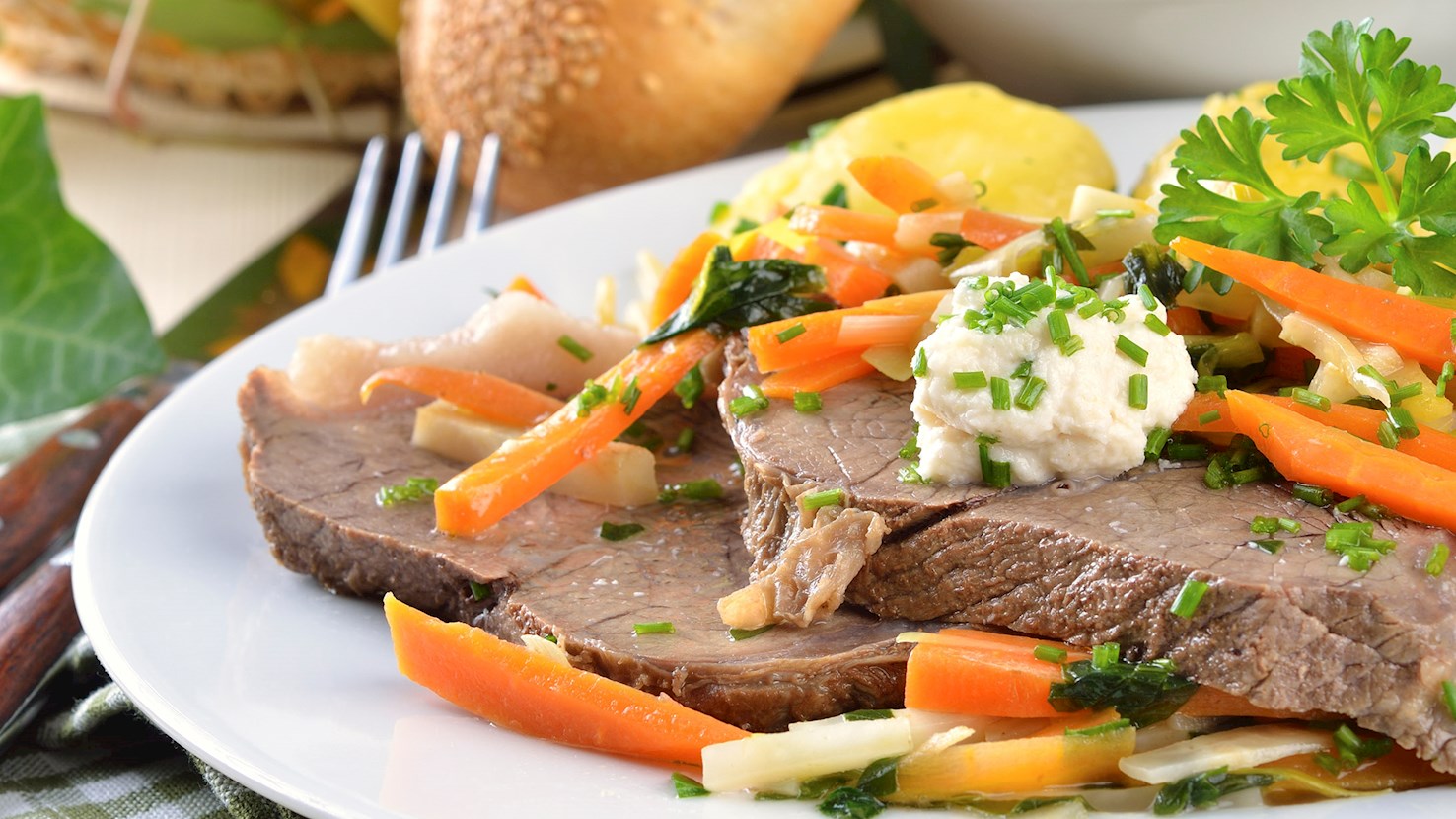
Even though tafelspitz is today one of the most popular Austrian dishes, this succulent boiled veal dish was once reserved only for the ruling class, and it was the favorite dish of Emperor Franz Joseph I. According to the 1912 imperial cookery book, tafelspitz was standard fare at the court, and "his Majesty’s private table was never without a fine piece of boiled beef." The name tafelspitz (lit. a tip [of meat] for the table) refers to a cut from the top hind end of the cow just below the tail, though some cooks prefer to use top round or chuck for this dish, while the richest and juiciest meat comes from a leg cut called beinfleisch. Regardless of the cut, the meat is always simmered slowly with root vegetables. Some chicken pieces and a marrow bone may also be added to the mix, and the pot is constantly skimmed, resulting in a crystal clear broth. Traditionally, tafelspitz is eaten in separate courses: first comes the broth that's served hot in bouillon cups, followed by tender slices of beef which are usually accompanied by potatoes, carrots, and a creamy apple-horseradish and chive sauce.
Schnitzel Wiener Art is a take on the classic of Austrian cuisine, the Wiener schnitzel, a breaded and fried veal cutlet. But unlike the traditional Wiener schnitzel, the schnitzel Wiener Art is made with a pork cutlet, not a veal one. The reason behind this switch is the fact that pork is much cheaper and more available than veal. Today, most restaurants in Austria and Germany serve the Wiener schnitzel made with pork and not the real Wiener schnitzel. Luckily, they are obliged by law to state so on their menu. Schnitzel Wiener Art is prepared the same way as the traditional Wiener schnitzel. The pork is thinly pounded, breaded, and pan-fried, usually in oil or a mix of oil and butter. When it comes to serving, the same side dishes are served as with the traditional Wiener schnitzel — a potato salad, French fries, and parsley potatoes will all do, and to cut through the fat, any of the following — a dollop of lingonberry jam, a salad, or lemon wedges to squeeze over the meat — should also be present when the schnitzel is served.
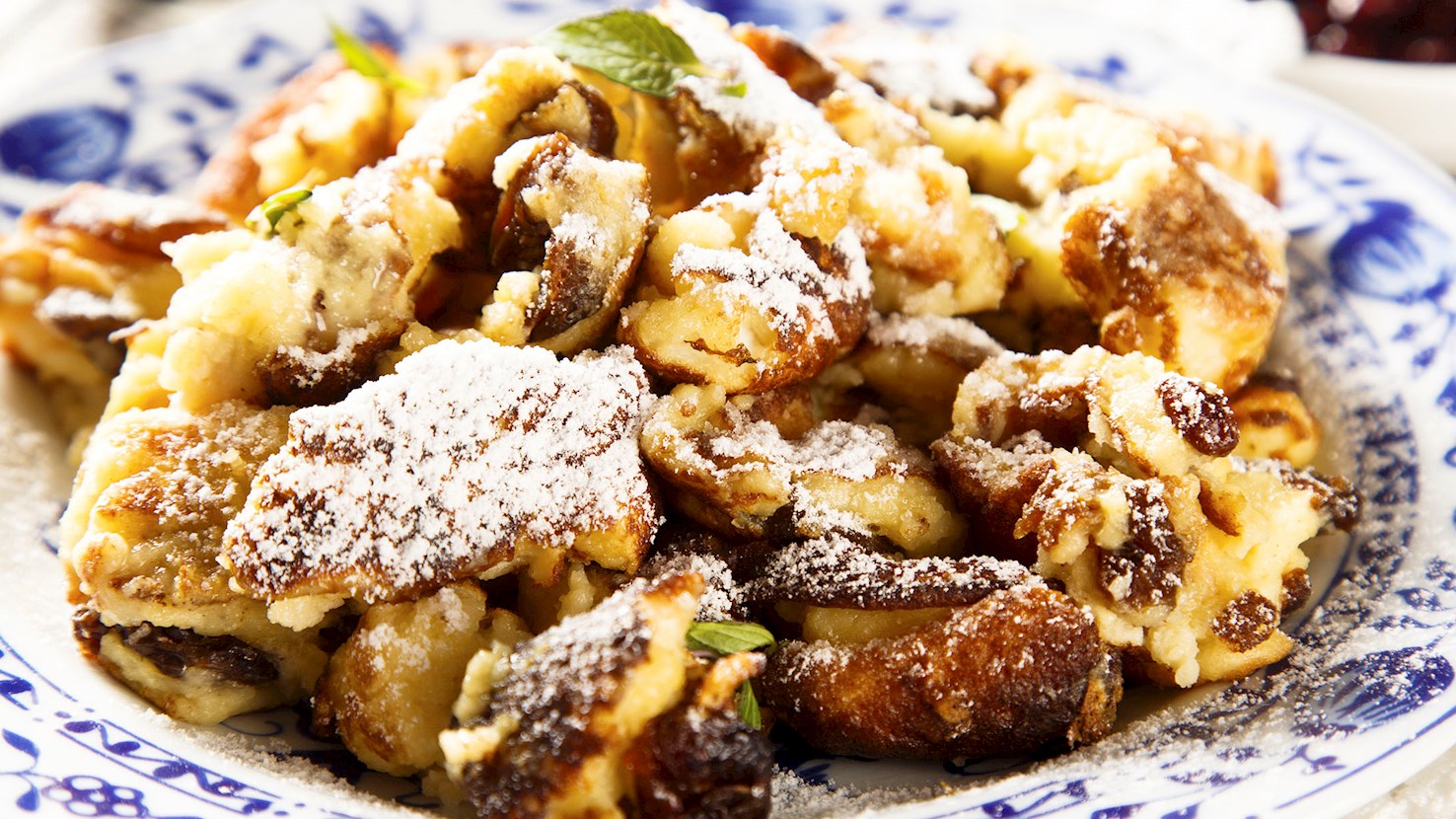
Also known as the Emperor's mess, this Austrian dessert can be described as a fluffy, lightly caramelized, scrambled pancake. Legend has it that kaiserschmarrn was the favorite dessert of Kaiser Franz Joseph I, after whom it was named. The dish is traditionally served either with zwetschkenröster (plum compote) or with a big spoonful of apple, pear, or berry preserve. Lavishly dusted with icing sugar, kaiserschmarrn is the perfect comfort food, indeed fit for an emperor and easily one of the best desserts Austria has to offer. Apart from the beloved, old-fashioned kaiserschmarrn, depending on the filling, some of the modern takes on this Austrian classic include apfelschmarrn (apples), kirschschmarrn (cherries), mirabellenschmarrn (mirabelle plums), nußschmarrn (walnuts, almonds, hazelnuts) and sauerrahmschmarrn (sour cream). Besides Austria, kaiserschmarrn is also a popular and common dessert in the German region of Bavaria. It can also be found in countries that were once part of the Austro-Hungarian Empire.
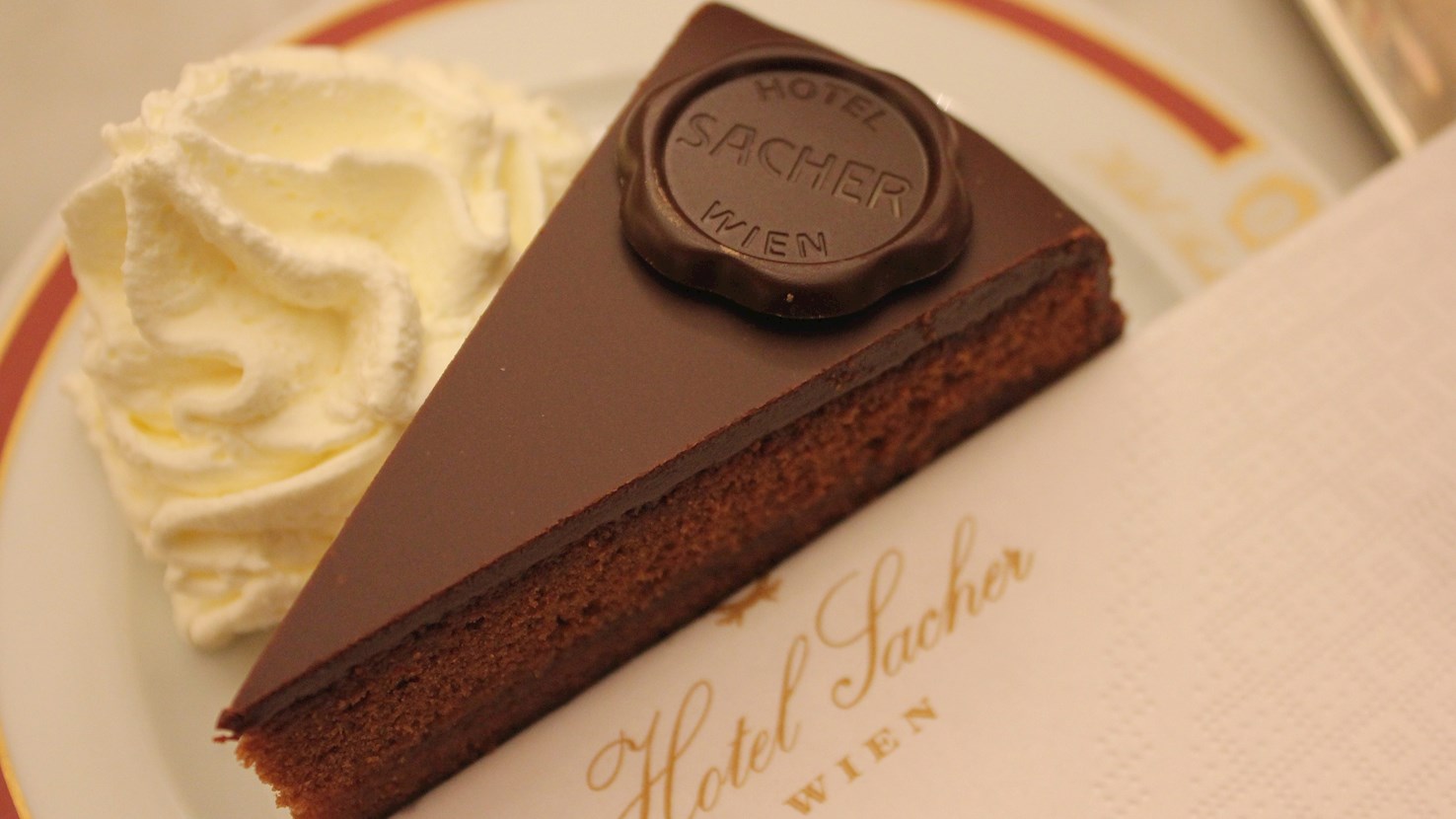
The original Sacher-Torte is the most famous Austrian cake. It is a classic, layered chocolate sponge cake that is thinly coated with high-quality apricot jam and topped with chocolate icing. Sacher-Torte is said to taste the best when accompanied by a small cloud of unsweetened whipped cream on the side. It was invented in 1832 by Franz Sacher, a pastry chef for Prince Clemens Lothar Wensel Metternich, the State Chancellor of Austria at the time. The prince wanted a new cake, and Sacher, 16 years old at the time, obliged him by creating something new from ingredients that were readily available in the kitchen. Suffice to say, the cake was a huge hit, and Franz's son Eduard opened a hotel called Sacher in 1876, serving the popular cake up to this day. Today, almost every coffee house in Vienna has its own version of the cake, but no two cakes are quite alike. In order to avoid confusion, it is recommended to look for the official Sacher chocolate seal on top of the cake, which can only be found on the Original Sacher, produced by Hotel Sacher in a quantity of approximately 360,000 cakes per year. Interestingly, from 1954 to 1963, Hotel Sacher went through a legal battle with their rival, Demel cafe, and the court proceedings focused on which one had the right to call its Sacher-Torte the original. The issues that were discussed included whether the cake should have an additional layer of apricot jam in the middle, and whether to use margarine or butter. Following a long seven-year dispute, the parties have reached an agreement—and the original Sacher-Torte is now only found at the Hotel Sacher. Nevertheless, Demel version, which does not have the additional layer of apricot jam in the middle, is almost equally popular.
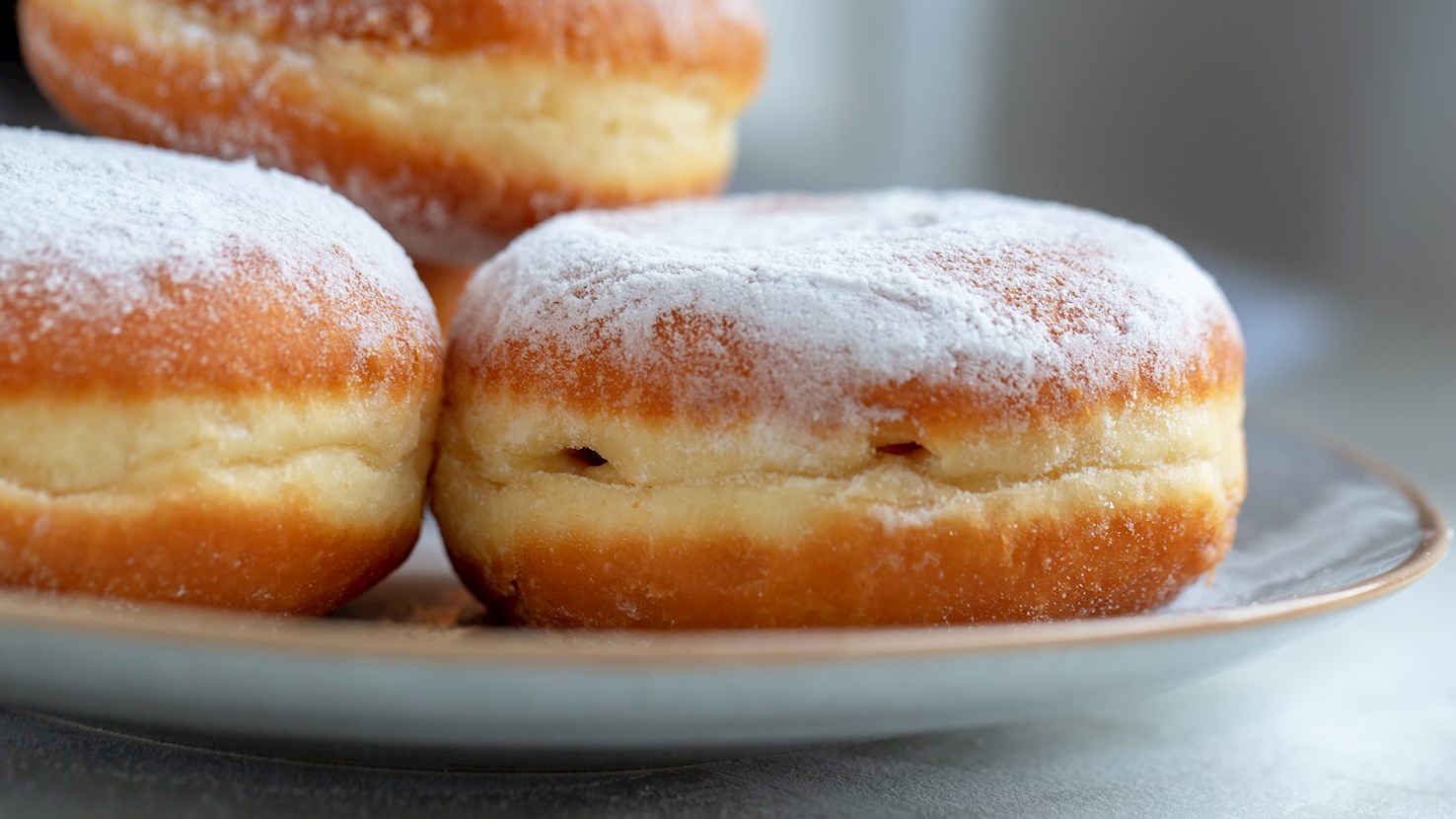
Krapfen was probably the first European-style doughnut to appear, followed by similar varieties in other countries. These pastries are traditionally prepared with leavened dough that is deep-fried until golden and crispy on the outside, while they remain soft, light, and airy on the inside. Though krapfen can be prepared plain, they are most often filled or topped with jams, and vanilla or chocolate custards, while the top is usually dusted with powdered sugar or drizzled with chocolate. The origin of the word krapfen dates back to 9th century, and the recipes in German can be found as early as the 14th century. The sweet versions of the pastry became predominant, and have remained closely associated with the Carnival, a festive period which precedes Christian Lent. Interestingly, during the Carnival, one krapfen in a batch filled with jam and fruit preserves might contain a filling of mustard as a prank. It is believed that doughnuts spread throughout many central European countries, which adopted the technique but used different regional names. Consequently, krapfen in Germany goes under Berliner, pfannkuchen, faschingskrapfen, krebbel, or kreppel. In Poland, they are known as pączki or krepel, Hungarians refer to them as fánk, Slovak as šišky, while the Czechs use the term koblihy. In Slovenia, they are better known as krofi, while the standard name throughout Croatia, Bosnia, and Serbia is krofne or krafne. In St. Petersburg, Russia, the doughnuts are known as pyshki (either ring-shaped or without a hole), and there is a local café that has been serving pyshki prepared from the original recipe since the 1960s.
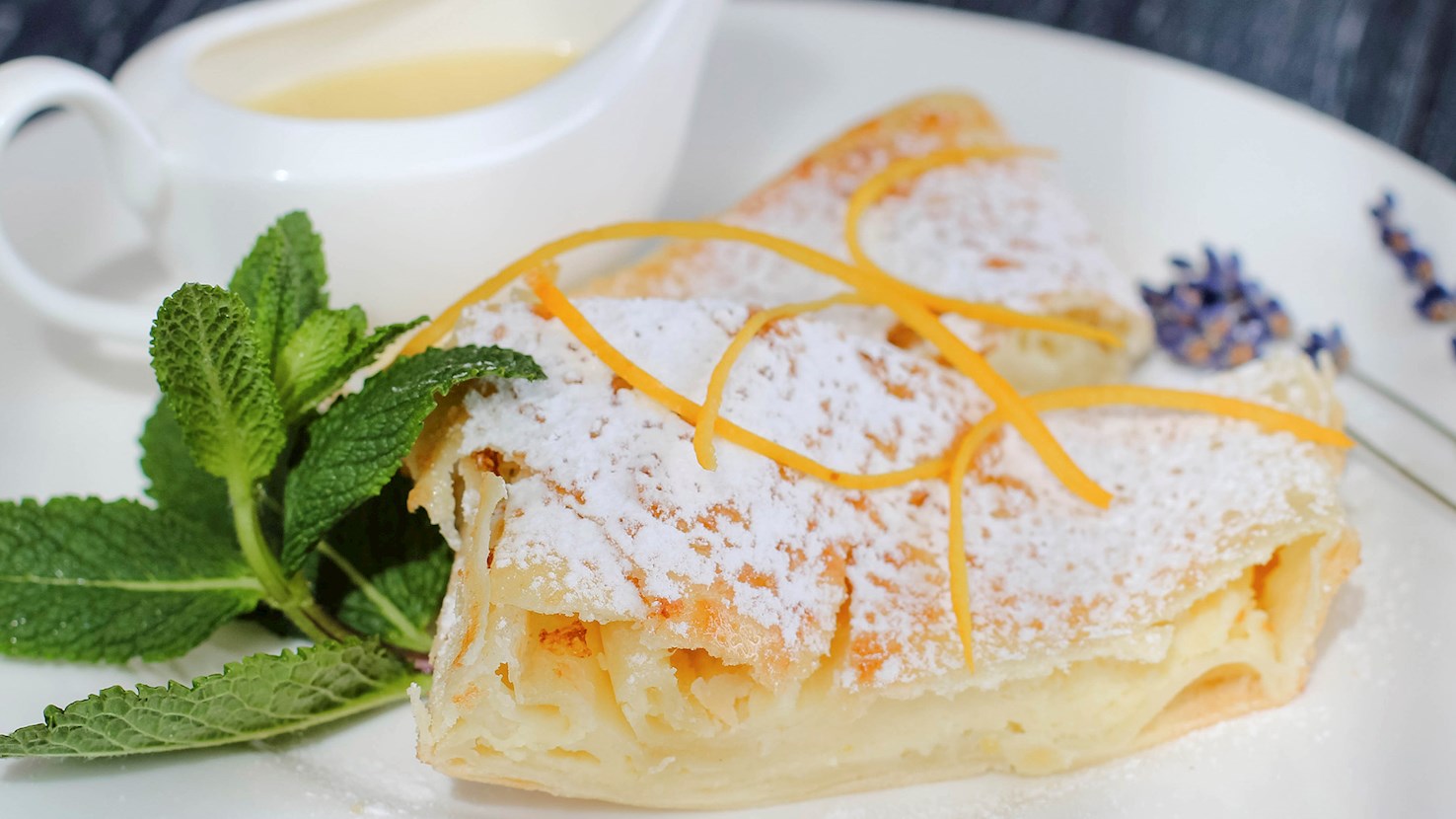
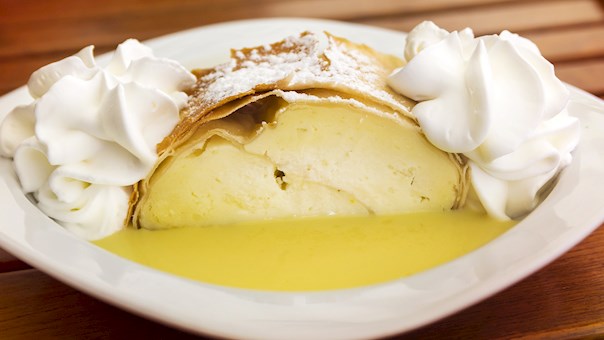
Austrian cuisine prides in their old traditional pastry desserts, and the delicate strudels are surely the most popular variety. Even though it is not as famous as the apple filled version, topfenstrudel is regarded as one of Austria’s favorites. Made with soft, mildly sweetened quark cheese which is folded with the elastic and almost see-through dough or puff pastry, the strudel is baked until a crispy golden crust is formed on top. Raisins, apricots, and peaches are occasionally added to the quark cheese mixture, which is gently spiced with vanilla or lemon. Even though they are most commonly associated with Austria, topfenstrudel, and all other strudel varieties, are eaten throughout the former Austro-Hungarian Empire. Their origins are believed to be in the Ottoman Empire, whose culinary influence spread across the Balkans, and Hungary, before finally reaching Vienna. The topfenstrudel can be found everywhere in Austria, served in both traditional and modern restaurants, as well as in classic Austrian patisseries. Commonly, a slice of warm topfenstrudel is paired with a sweet vanilla sauce or fresh fruit on the side.
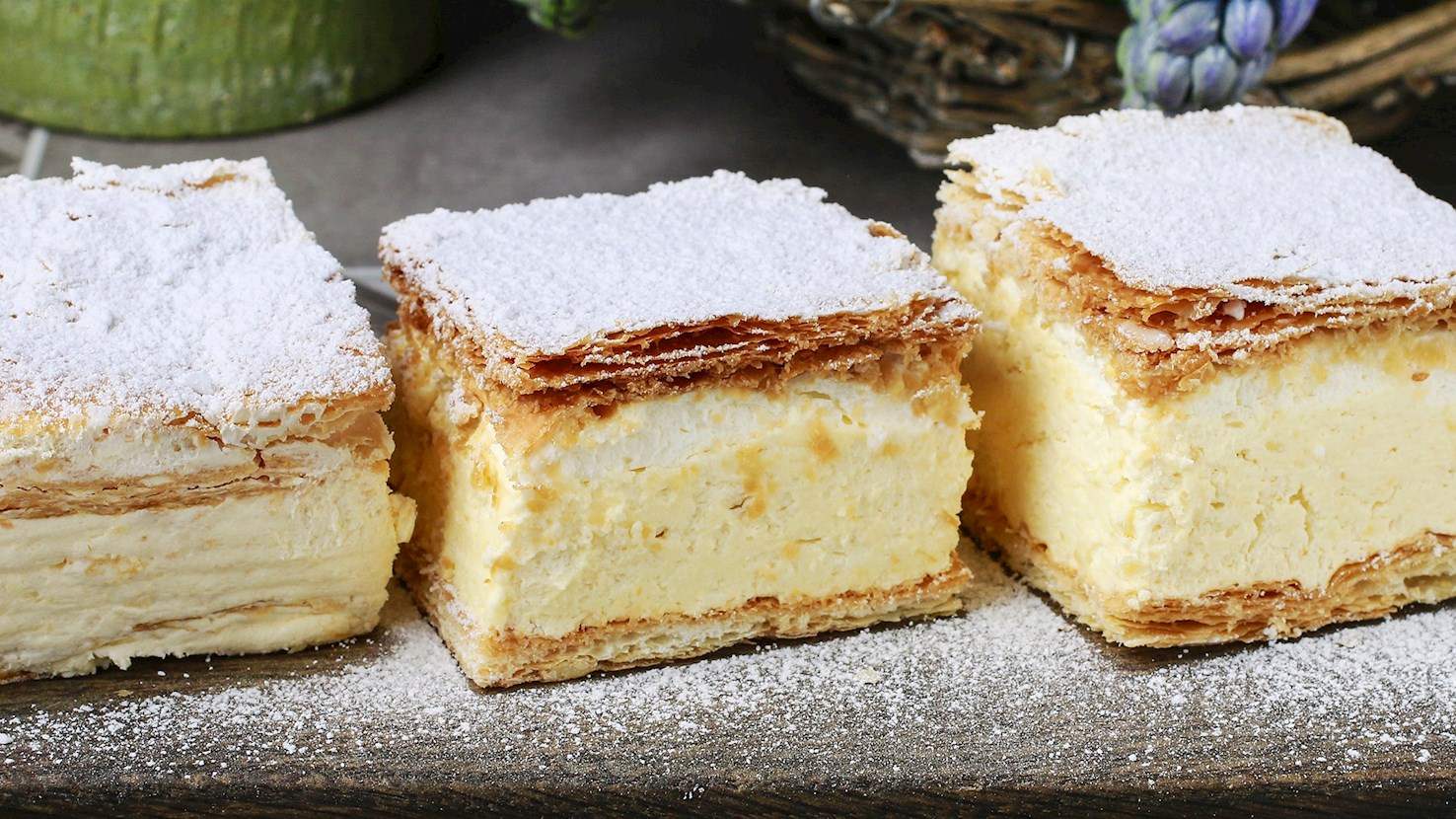
Cremeschnitte is a vanilla-flavored custard cream cake and an absolute classic among central and eastern European desserts. It is known by many names, most of which have stemmed from the German cremeschnitte, and literally translate to either cream slice or, in some cases, cream pie. According to Historical Sociolinguistics, it is believed that the origins of the cremeschnitte date back to the blend of two cuisines in the Austro-Hungarian empire. However, its Polish name Napoleonka indicates that this dessert might have possibly originated from the French mille-feuille, which is also known as the Napoleon - another pastry whose exact origin is unknown, even though its modern form was said to be influenced by improvements of Marie-Antoine Carême, the famous French chef-extraordinaire. Still, while the Napoleon is made up of three layers of puff pastry alternating with two layers of pastry cream, the typical cremeschnitte is made with only two layers of puff pastry held together by a hefty amount of vanilla-flavored pastry cream, which is sometimes topped with a thin layer of whipped cream. Cremeschnitte is most often simply sprinkled with icing sugar, but it can also be topped with a glossy and smooth glacé icing, and nicely decorated with a traditional chevron design. Two of the most popular cremeschnitte varieties include the aforesaid Polish Napoleonka or kremówka, which was known to be the favorite dessert of Pope John Paul II, and Slovenian kremna rezina, the signature dessert of Bled; a popular Alpine resort settled on the shores of the eponymous lake.
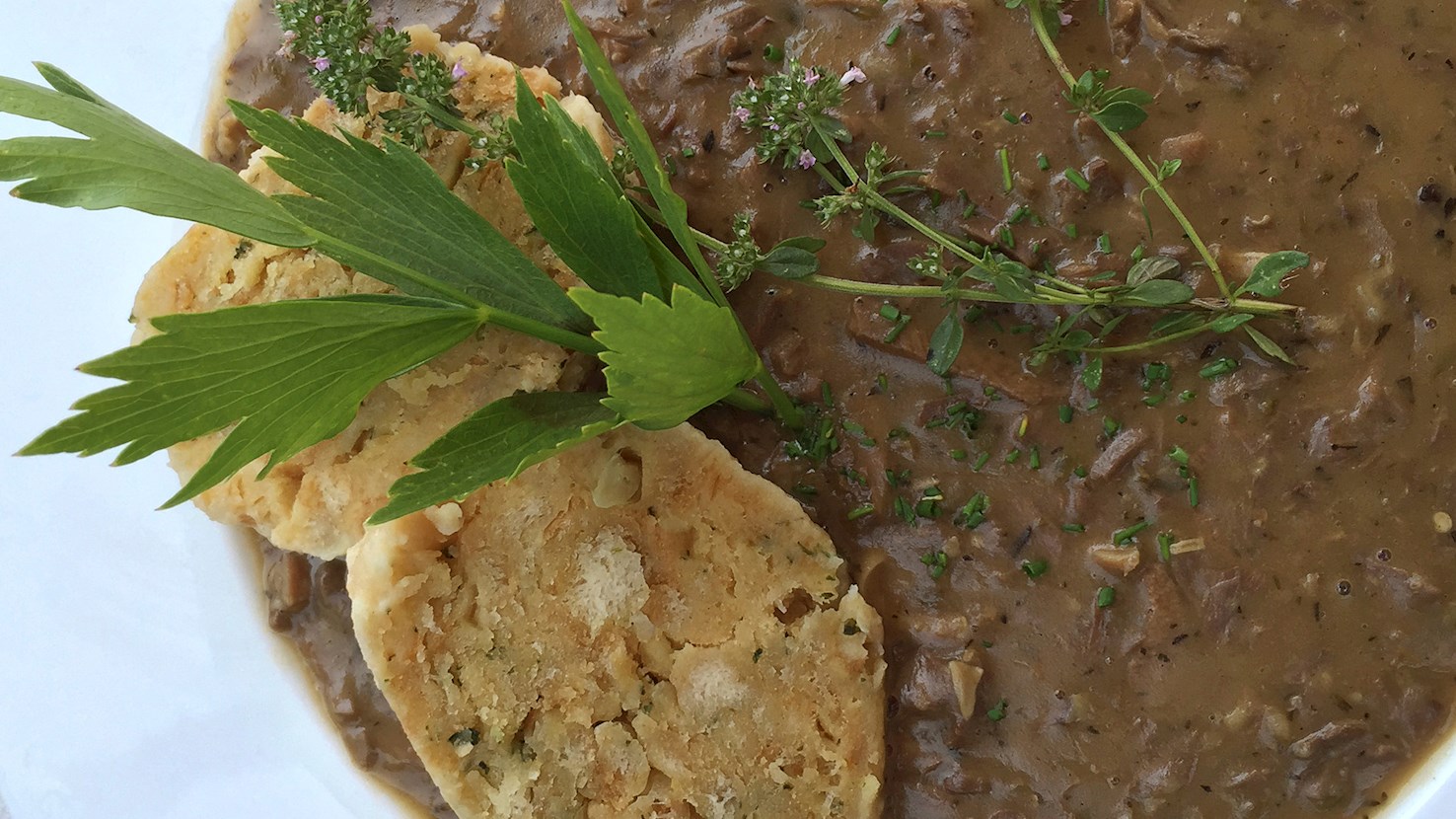
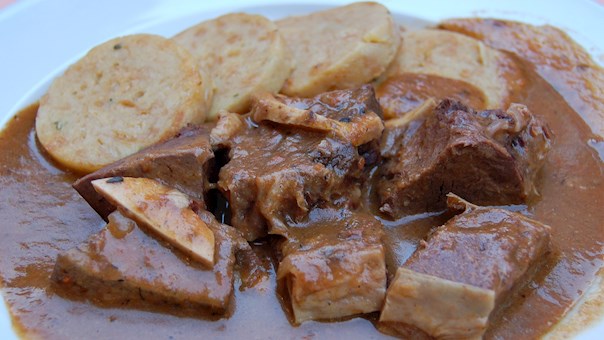
Beuschel is one of the classics of Austrian cuisine. Often compared to a ragout, this hearty dish is made with offal, usually heart and lungs, and it is served in a delicious, dark brown sauce. Usually, calf offal is used in the dish, but other animals or organs can also be utilized. Due to the consistency of the offal, beuschel is a time-consuming dish found only in traditional and notable Austrian restaurants. Even though it can be found in all parts of Austria, it is usually associated with Vienna and represents a real example of the old Viennese cuisine. It became popular in the 19th century, during the Austrian Empire, when animal offal was introduced on the menus of numerous high-end Viennese restaurants. Its importance has recently slightly faded, but for true experts, it is still regarded as a delicious heritage of the Austrian Empire. To achieve the creamy and mild consistency, the dish is usually finished with cream, and is most commonly served with traditional, aromatic bread dumplings.
TasteAtlas food rankings are based on the ratings of the TasteAtlas audience, with a series of mechanisms that recognize real users and that ignore bot,
nationalist or local patriotic ratings, and give additional value to the ratings of users that the system recognizes as knowledgeable.
For the “31 Traditional Foods You Have To Try in Vienna” list until September 17, 2026, 3,486 ratings were recorded, of which 2,932 were recognized by the system as legitimate.
TasteAtlas Rankings should not be seen as the final global conclusion about food. Their purpose is to promote excellent local foods,
instill pride in traditional dishes, and arouse curiosity about dishes you haven’t tried.




What People Say