

shutterstock

11 Traditional Foods
You Have To Try in Vientiane

Last updated on June 17, 2026
01

Som tam (Papaya salad)

4.0 ·

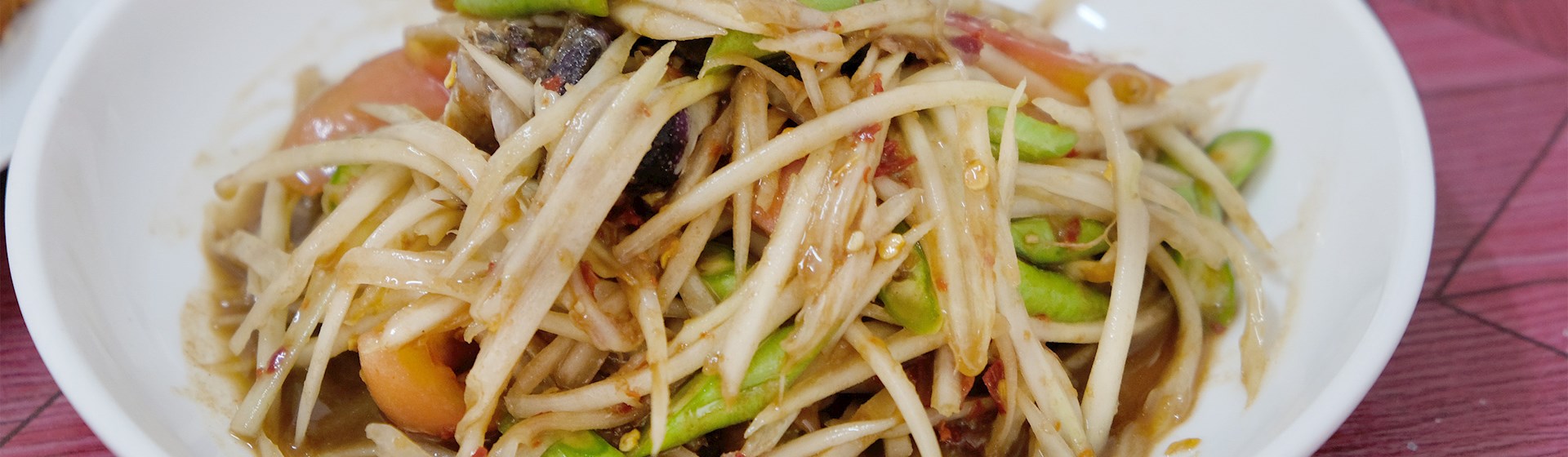
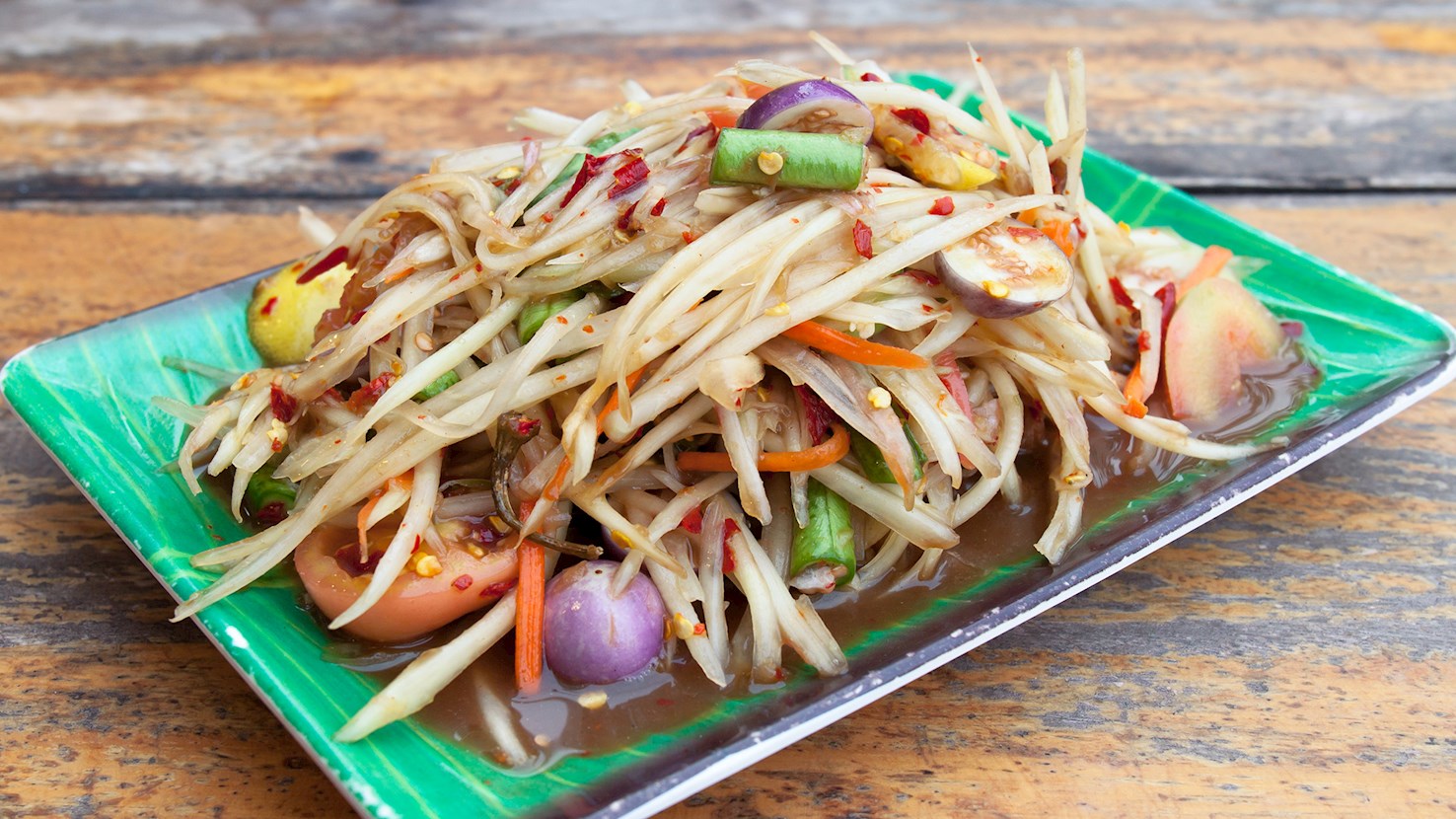
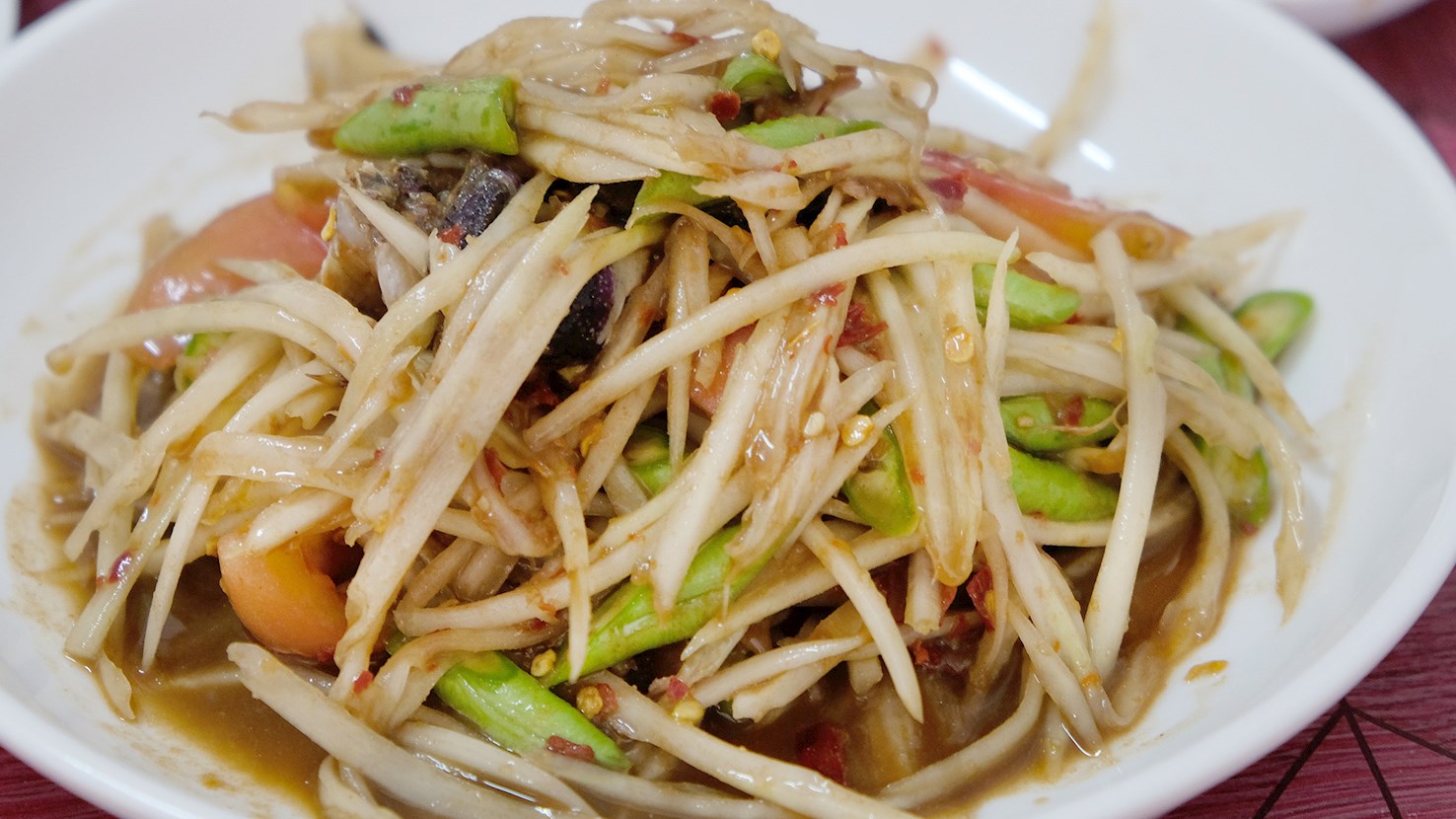
Som tam is a green papaya salad mostly associated with the northeastern part of Thailand (Isaan), though it is often suggested that it first appeared in Laos. Apart from thin strips of green papaya, this salad usually includes roasted peanuts, green beans, tomatoes, and a tangy sauce typically made with garlic, chili peppers, fish sauce, dried shrimps, palm sugar, and lime or tamarind juice. The varieties are plentiful and can include various additions. The sauce can also appear in many other combinations, and can significantly vary in sweetness and spiciness. Numerous restaurants and street stalls allow the customers to choose the variety they prefer and adjust the ingredients to their preference. It is still not clear whether this refreshing dish was invented in the north of Thailand, more precisely the Isaan region, or is it an original Lao creation. Many believe that it was primarily invented to utilize abundant papayas and that its original form did not use palm sugar because it mostly relied on spicy chili flavors. Regardless of its origin, this simple salad has gained global popularity and can be found on the menus of traditional Thai restaurants around the world. It can be enjoyed as the main dish or as a complement to rice, grilled meat, or marinated fish.

02

Tam maak hoong

3.2 ·

The traditional Lao version of a Southeast Asian green papaya salad, tam maak hoong incorporates all the local flavors in a spicy, savory street food dish. The main ingredients for an authentic tam maak hoong are shredded green papaya, garlic, peanuts, chilis, tomatoes, lime juice, and padaek (fermented fish sauce). The signature flavor profile of the dish is well-known for balancing all four primary tastes - spicy, sour, salty, and sweet. Tam maak hoong is prepared with a mortar and pestle, and it can be eaten on its own or served as an accompaniment to grilled meat or cracklings.

03

Larb

4.1 ·

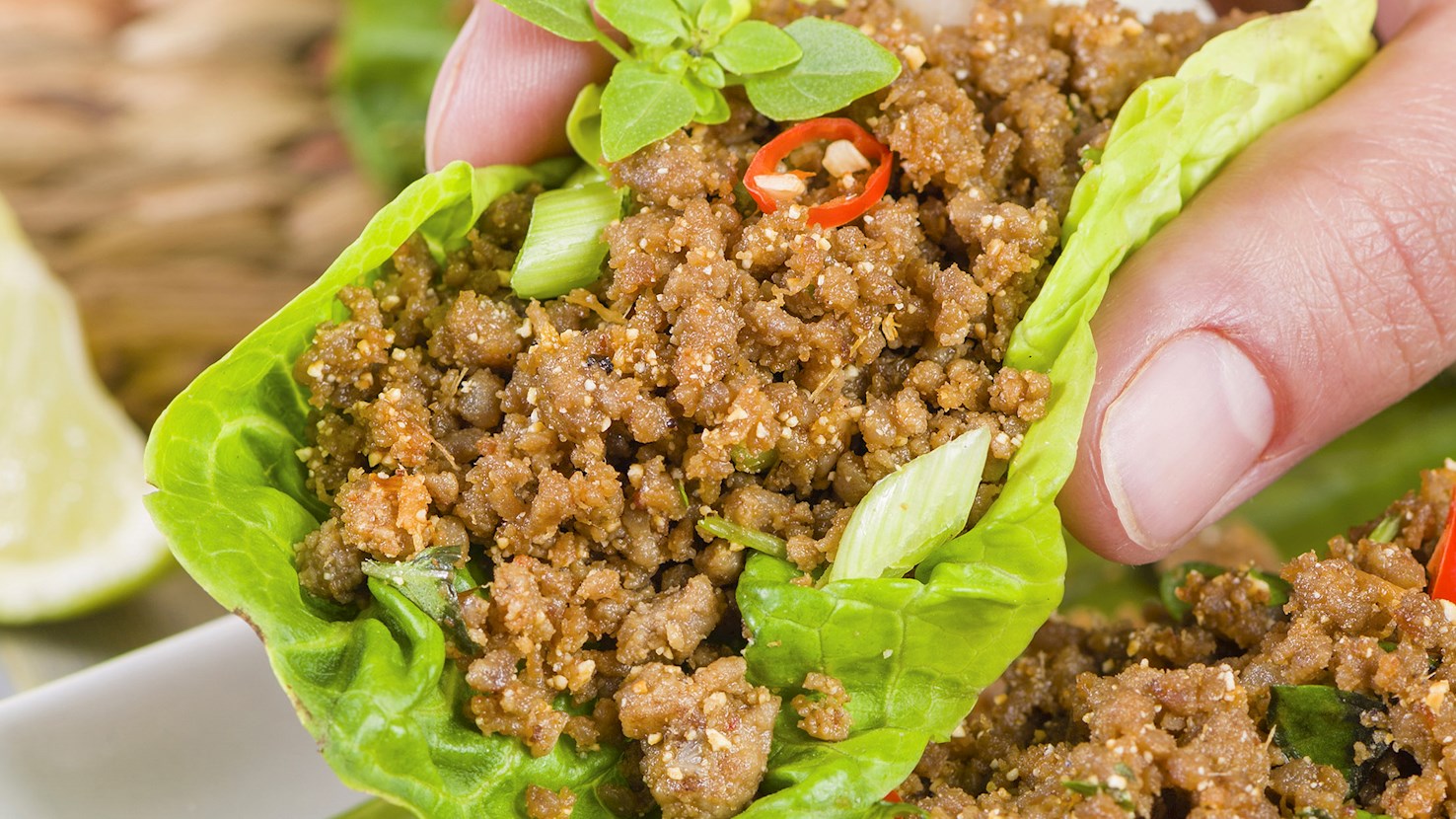
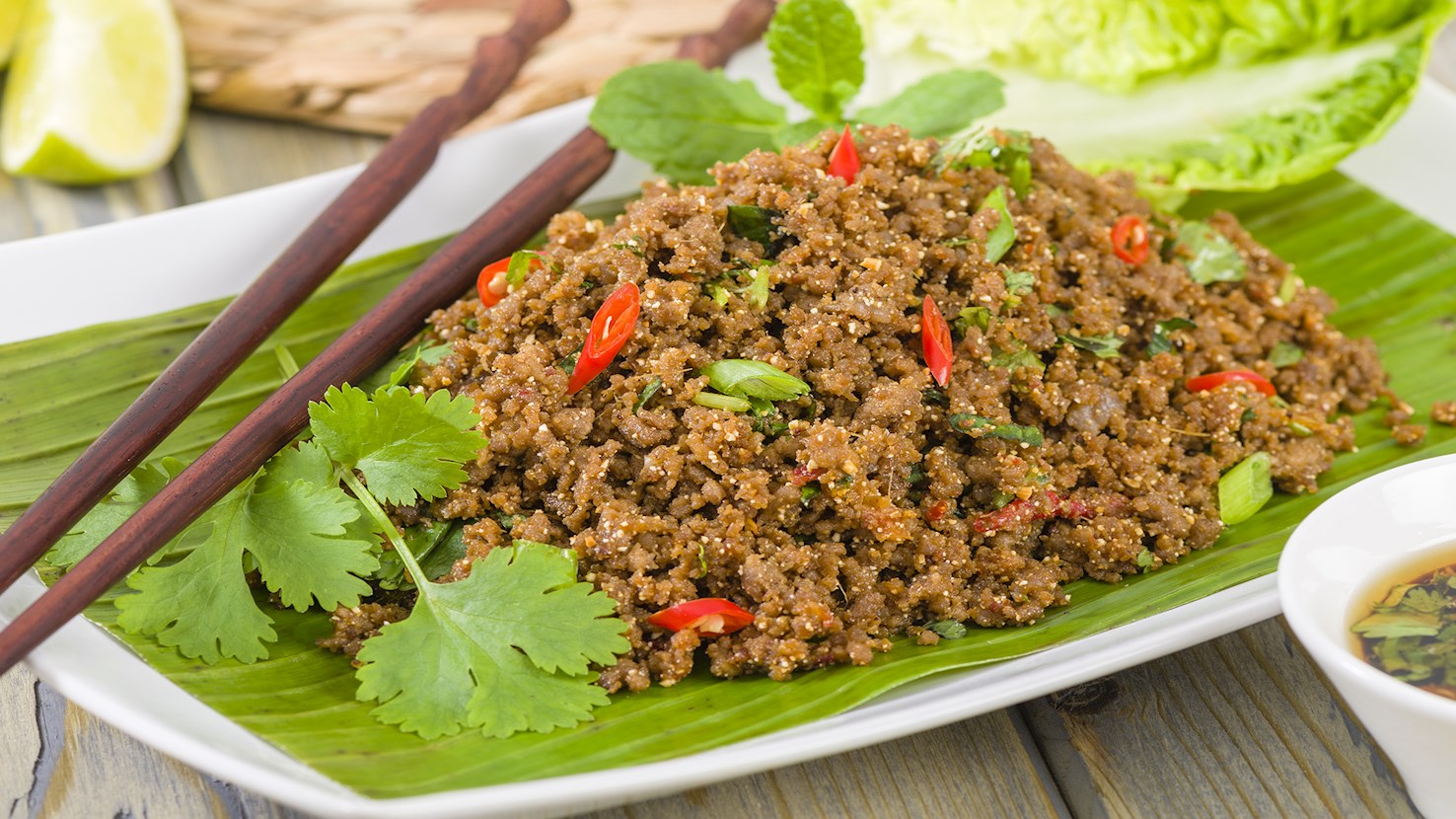
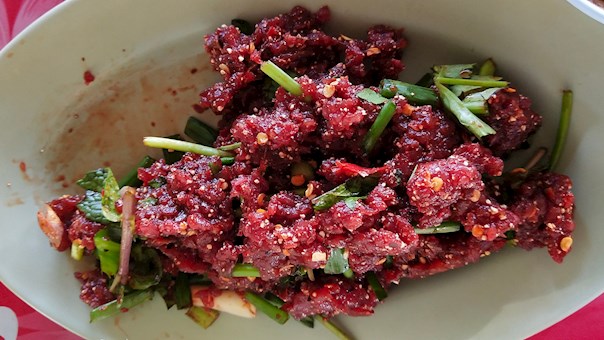
Larb is a heavily seasoned meat salad that's garnished with freshly chopped herbs and khao khoua — toasted ground rice. Considered the unofficial dish of Laos, larb is consumed both in Laos and the bordering Isan, a region in Thailand. The base of the dish is hand-minced meat, either beef, pork, chicken, duck, or fish, that can be raw or cooked, a souring agent - typically lime juice, and either fish sauce and/or padaek, a type of fermented fish sauce. The ingredients and variations of the basic recipe are endless, and similar dishes can be found throughout Southeast Asia. Larb is typically served wrapped in lettuce or with a portion of sticky rice and cucumber slices on the side.

04

Sai oua

4.0 ·

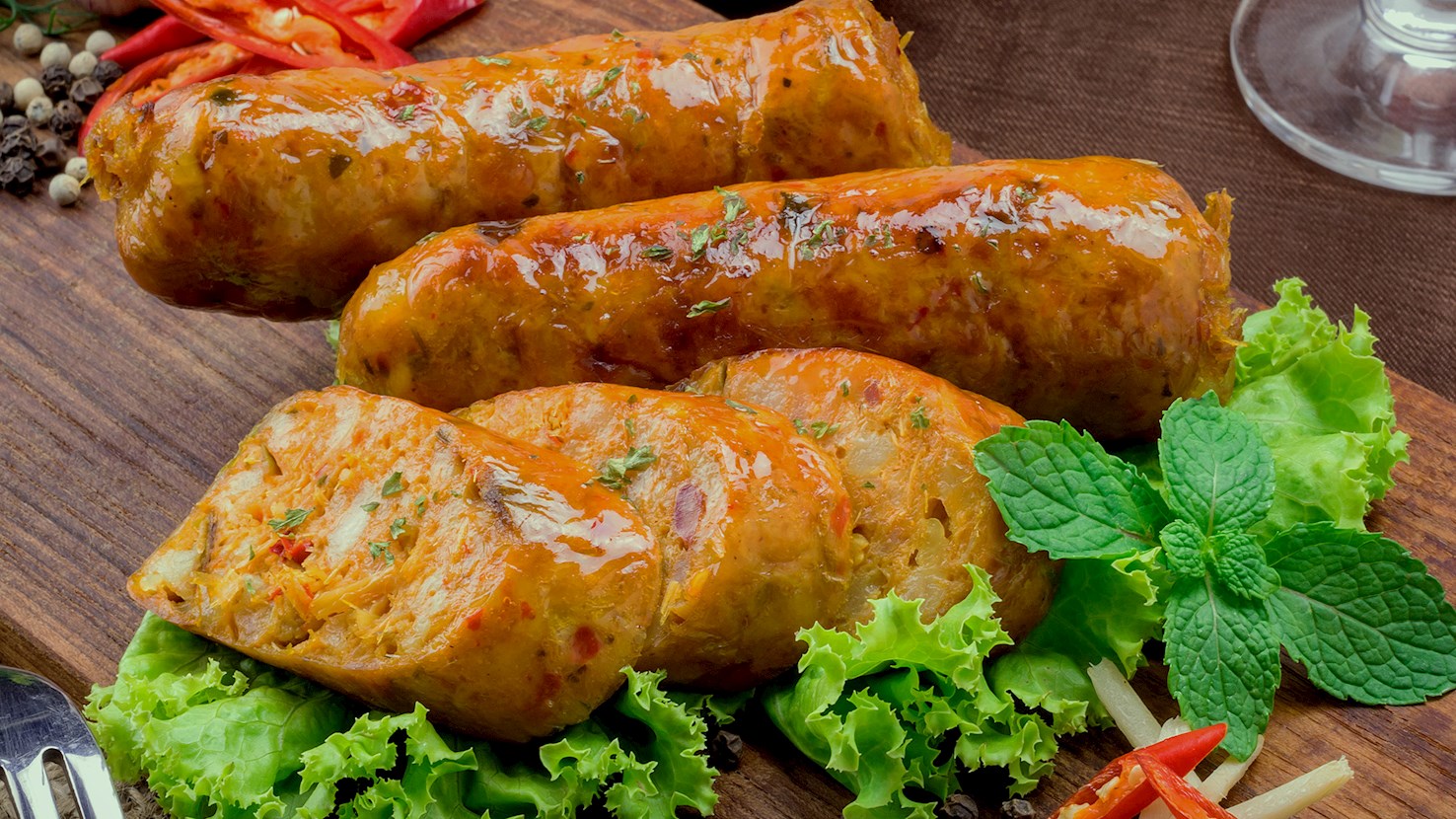
Sai oua is a spicy pork sausage infused with an array of aromatic local herbs and spices. Popular in Laos and northern Thailand, the sausage is usually served alongside another regional favorite - sticky rice - to create a contrasting and layered dish. The sausage is made from ground pork shoulder in a standard natural casing, mixed with some of the most commonly used herbs and spices in Lao cuisine: shallots, lemongrass, chilies, kaffir lime leaves, and garlic. Some recipes also include padaek, which is a special kind of fish sauce made in Laos. The dish is a local delicacy, and it can be found at most eateries and street stands at all hours of the day.

05

Khao piak sen

n/a ·

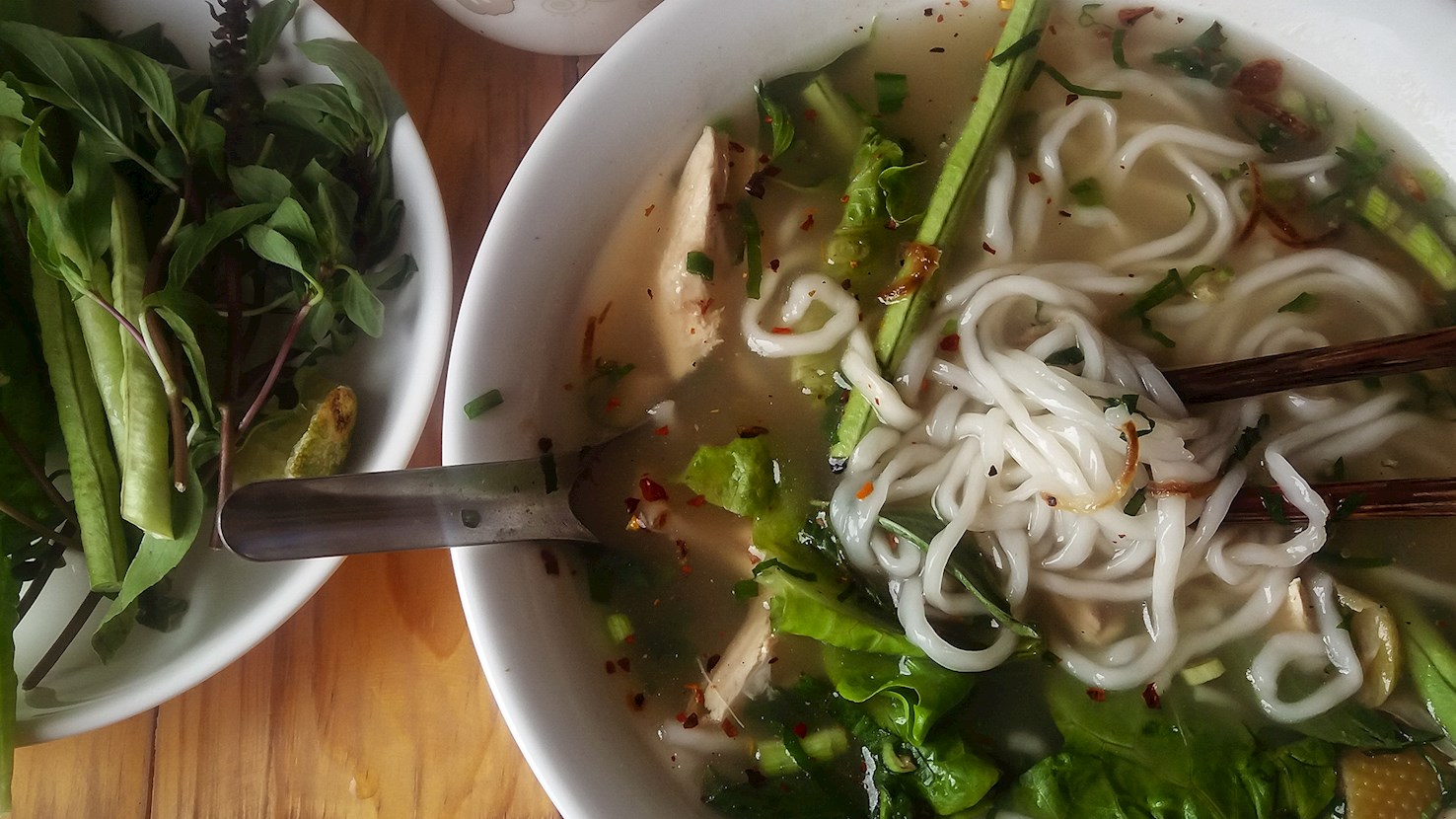
Khao piak sen is a traditional noodle soup that is commonly served for breakfast. It is made by simmering chicken broth with galangal, kaffir lime leaves, lemongrass, garlic, and fish sauce. The thick, chewy noodles (made from rice flour and tapioca starch) are later added to the broth and release some of their starch, thickening the soup a bit in the process. The dish is garnished with shredded chicken, cilantro, cabbage, sliced green onions, fried garlic slices, and lime juice. Khao piak sen is usually made in large batches and it is typically served at family gatherings and similar social events.

06

Nam khao

3.1 ·

Nam khao is a crispy Lao salad consisting of deep-fried rice balls that are shredded and mixed with various condiments and toppings. Although it appears in numerous regional varieties, besides rice balls, it mostly employs sour som moo pork, sausages, various herbs, and sliced shallots. The whole salad is often generously seasoned with a flavorful dressing, then topped with chili peppers and chopped peanuts. This nutritious, time-consuming national favorite is easily available at many food stands and grocery stores throughout the country.

Best restaurants
07

Khao poon

3.6 ·

Khao poon (also known as lao laksa) is a spicy rice noodle soup originating from Laos. Over time, it has garnered extensive popularity in most of the Southeast Asian countries and in the US. It is considered a healthy and comforting dish due to a small amount of fat and a wide array of flavors. The classic recipe is made with boiled vermicelli noodles, shredded chicken, red curry paste, lemongrass, coconut milk, garlic, shallots, galangal, and bamboo shoots. The spiciness depends on the amount of curry paste and (optionally) fresh chilis used in the dish. For garnishes, fresh local greens are used - cilantro, shredded cabbage, mint leaves, and bean sprouts. The soup is typically served as a first course in Lao weddings and similar festive events.

Best restaurants
08

Feu

n/a ·

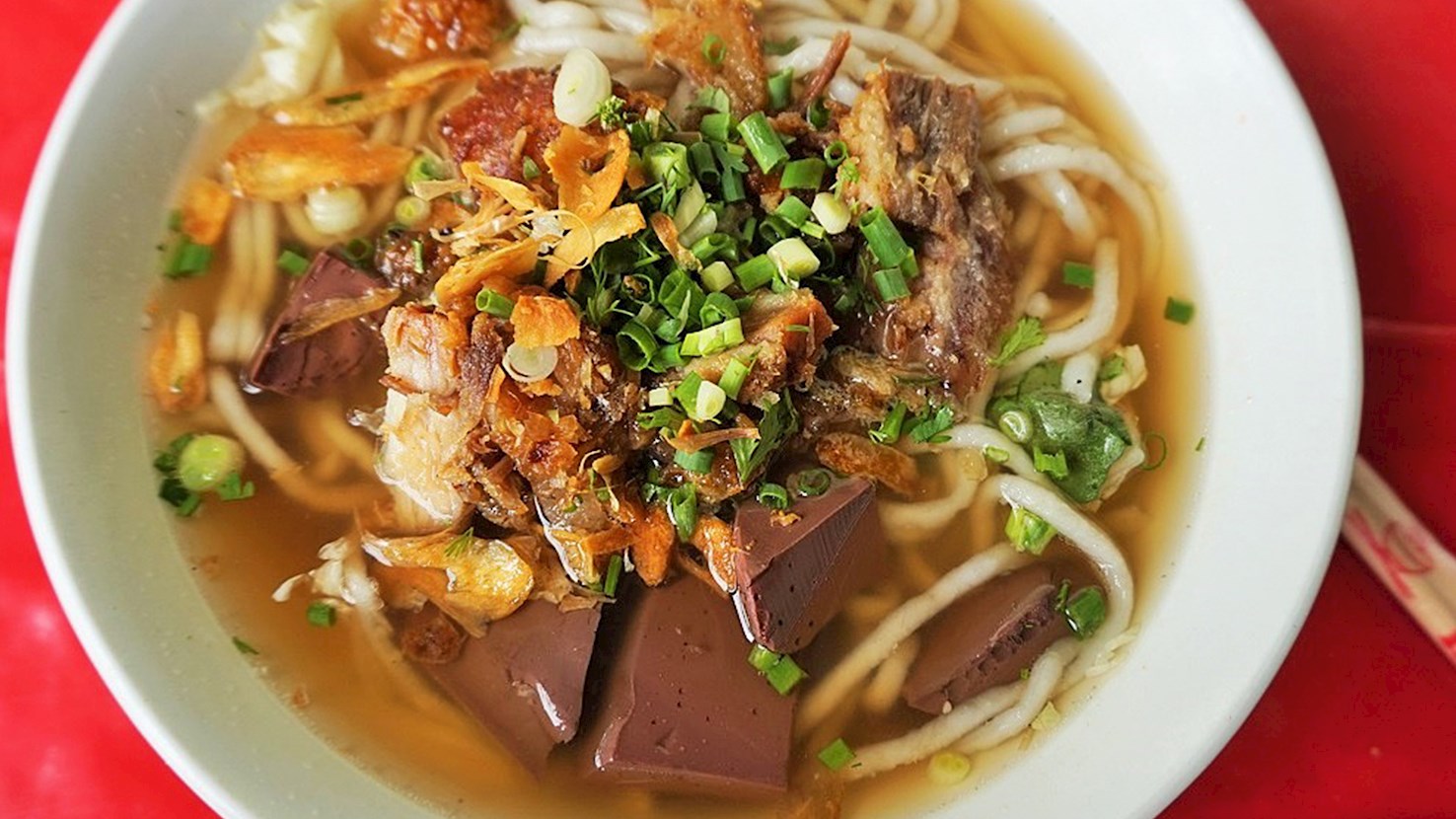
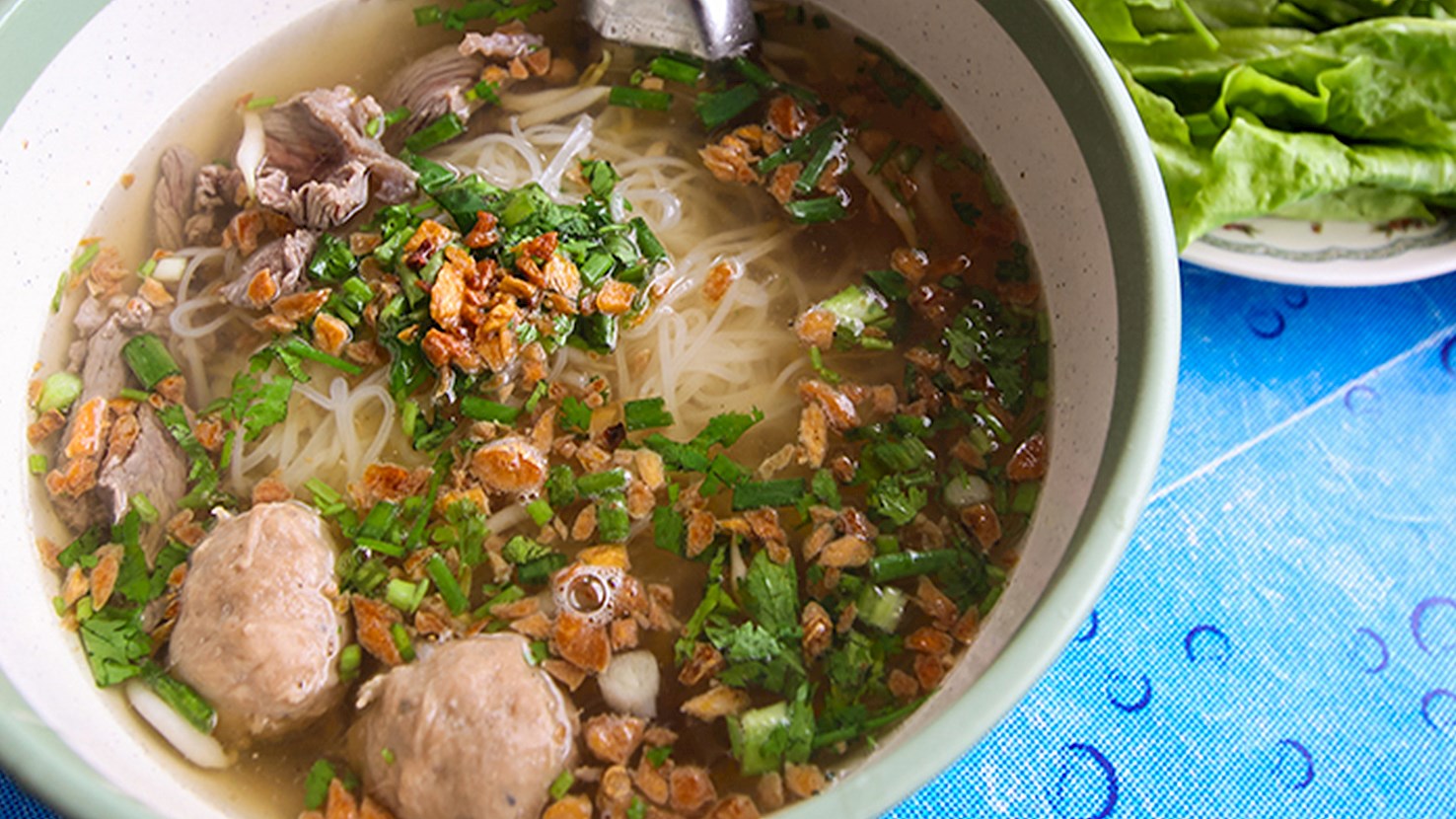
Feu is a Lao beef noodle soup, believed to be a variation of the Vietnamese dish phở. It is made by pouring a boiling broth over rice noodles, thin slices of beef, and a variety of fresh local herbs and vegetables. This can include onions, garlic, cilantro, galanga, lemongrass, Thai basil, kaffir lime leaves, and mint. Feu is generally eaten as a breakfast dish but can be easily found at local street stands during the entire day. Some variations of feu are not served with noodles, but as a stew that is meant to be enjoyed with sticky rice, another local favorite.

Best restaurants
09

Or lam

3.4 ·

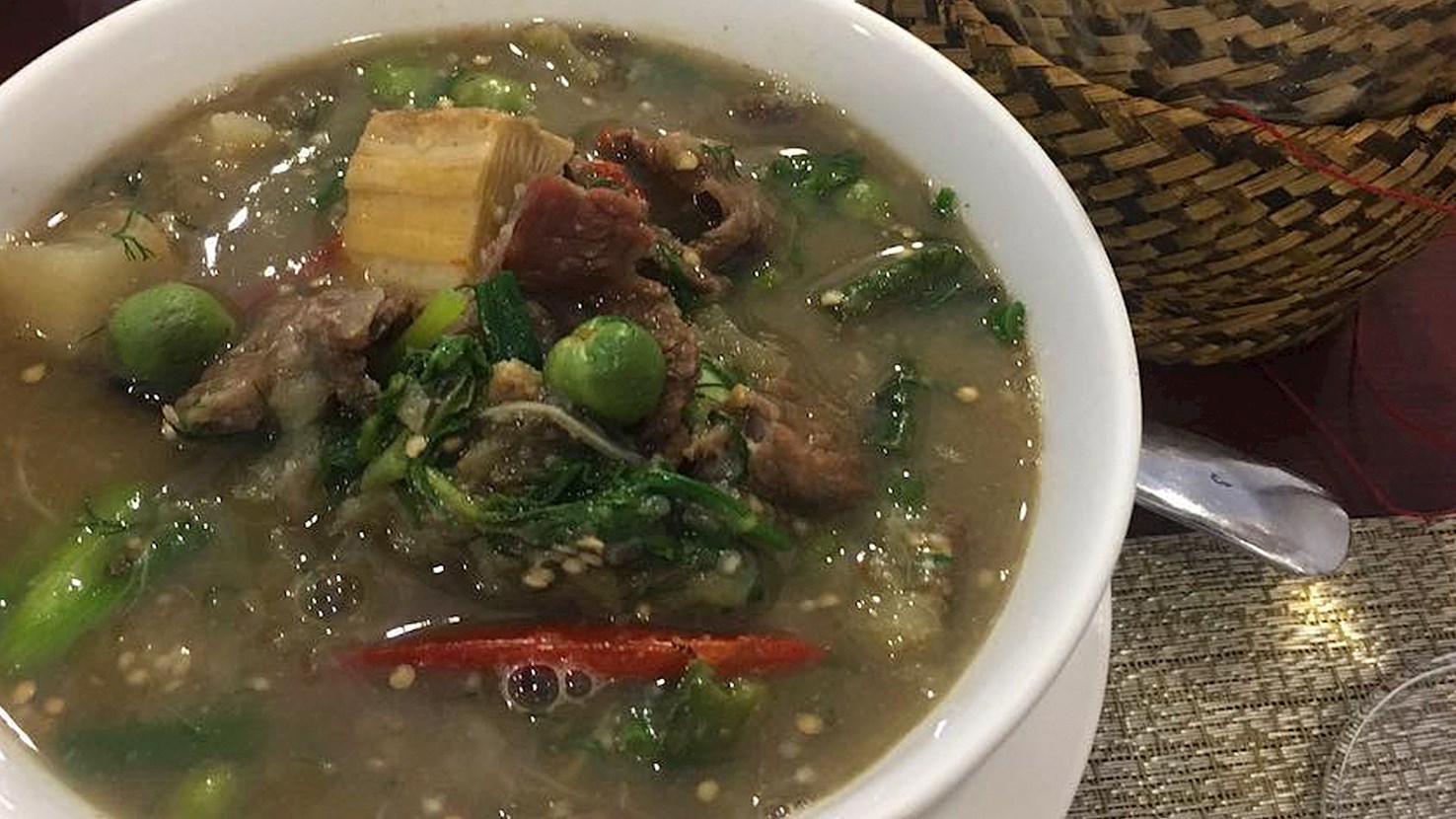
This versatile Lao stew is traditionally associated with Luang Prabang. The dish usually combines chunks of meat with typical Laotian spices such as lemongrass, cilantro, dill, basil, galangal, and sakhan – the stems from wild vines which impart a peppery, spicy flavor to or lam. Other ingredients include onions, garlic, and eggplants which make the base of the broth, while the dish is finished off with the addition of rice balls, different vegetables, and grilled meat, usually beef, water buffalo, pork, or chicken, although some less common varieties may also include fish. It is believed that or lam originated sometime before the 1600s, due to the addition of sakhan, which was later replaced by chili peppers.

10

Khao niao

4.0 ·

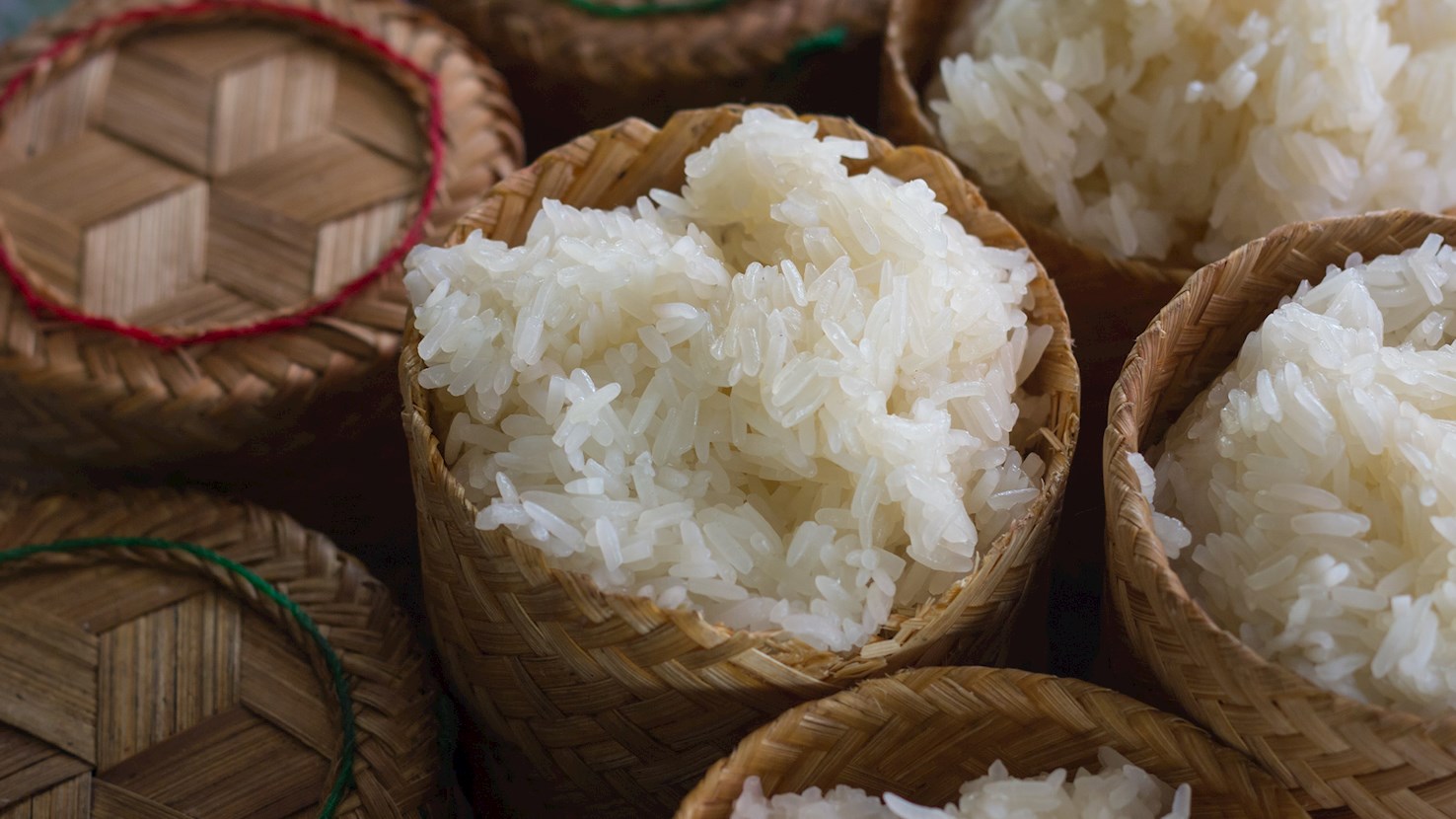
Khao niao, meaning sticky rice, is immensely popular in Laos and Northern Thailand as part of the everyday food combinations. It is so deeply embedded in the countries' culture, the Lao people sometimes refer to themselves as "children or descendants of sticky rice". Making the dish involves letting the rice soak in water overnight, then steaming it over a charcoal fire the next morning and putting it in little baskets after it cools down. It is eaten by hand without utensils, either by itself or as a part of a more substantial meal. It is quite a heavy dish, so the Lao people generally recommend not eating it in the evening.

Best restaurants
11

Koi

n/a ·
About this ranking

TasteAtlas food rankings are based on the ratings of the TasteAtlas audience, with a series of mechanisms that recognize real users and that ignore bot, nationalist or local patriotic ratings, and give additional value to the ratings of users that the system recognizes as knowledgeable. For the “11 Traditional Foods You Have To Try in Vientiane” list until June 17, 2026, 0 ratings were recorded, of which 0 were recognized by the system as legitimate. TasteAtlas Rankings should not be seen as the final global conclusion about food. Their purpose is to promote excellent local foods, instill pride in traditional dishes, and arouse curiosity about dishes you haven’t tried.

Similar lists