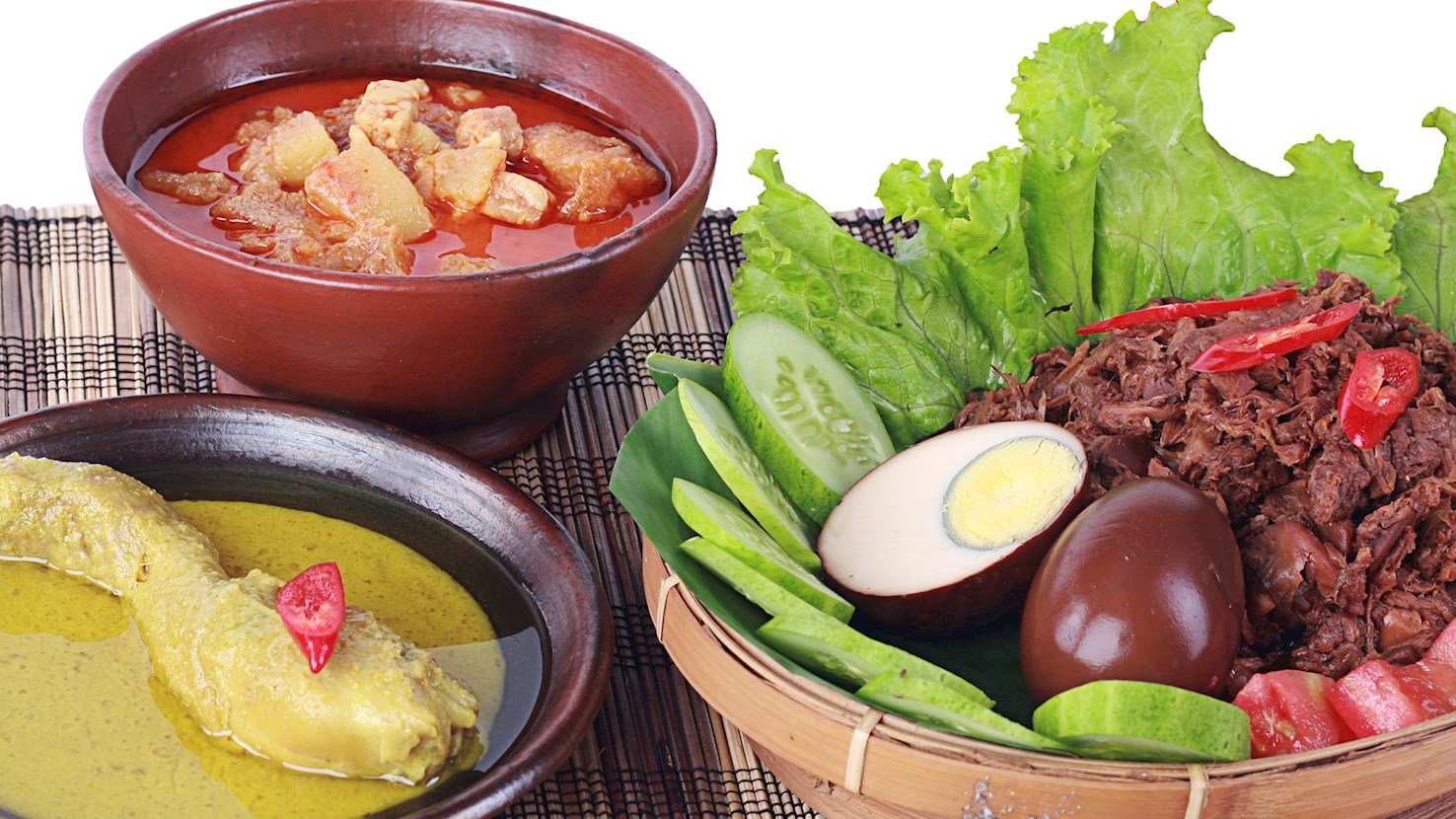
The most popular dish in Indonesian Yogyakarta is called gudeg, a unique dish made with unripe jackfruit cooked in coconut milk. The two most common varieties are dry and wet gudeg. Both varieties use the same ingredients, but the dry gudeg uses less coconut milk, is cooked longer, and has a much thicker sauce. Because it is easier to consume and transport it, the dry variety is more frequent today. It is an authentic Indonesian dish usually sold by street vendors or at specialized gudeg restaurants. The most common condiments served with gudeg are white rice, chicken, hard-boiled eggs, tempeh, or tofu. If bought at street stalls it is usually packed in besek - a rectangular package made out of bamboo leaves. The dish is eaten for breakfast, lunch or dinner and food stalls selling gudeg are usually open from the early morning until late in the evening.
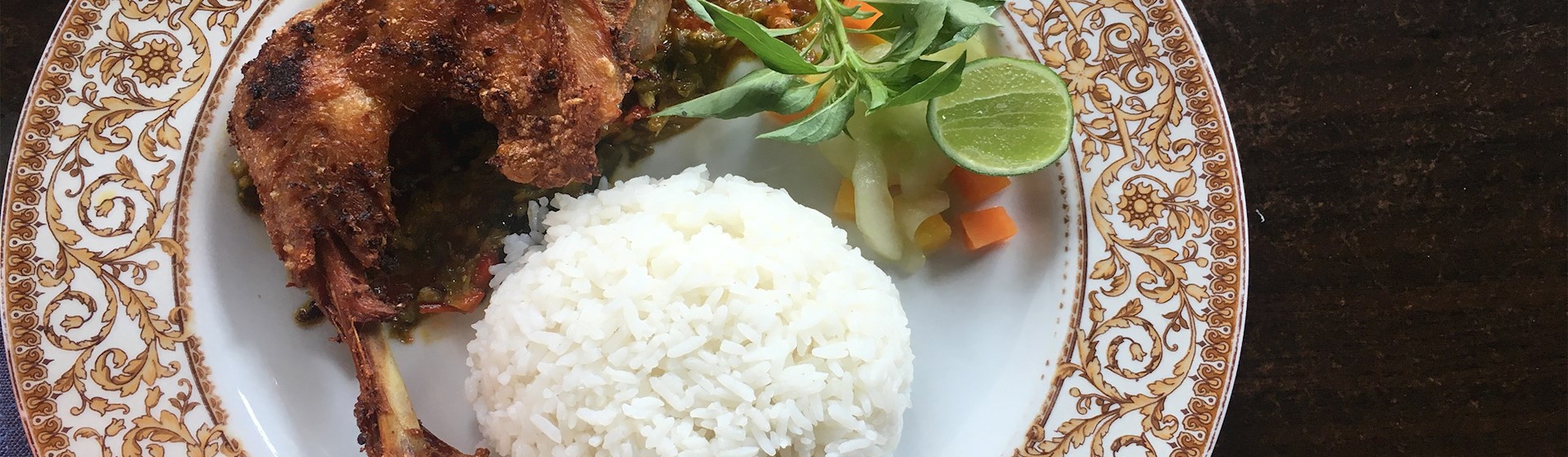
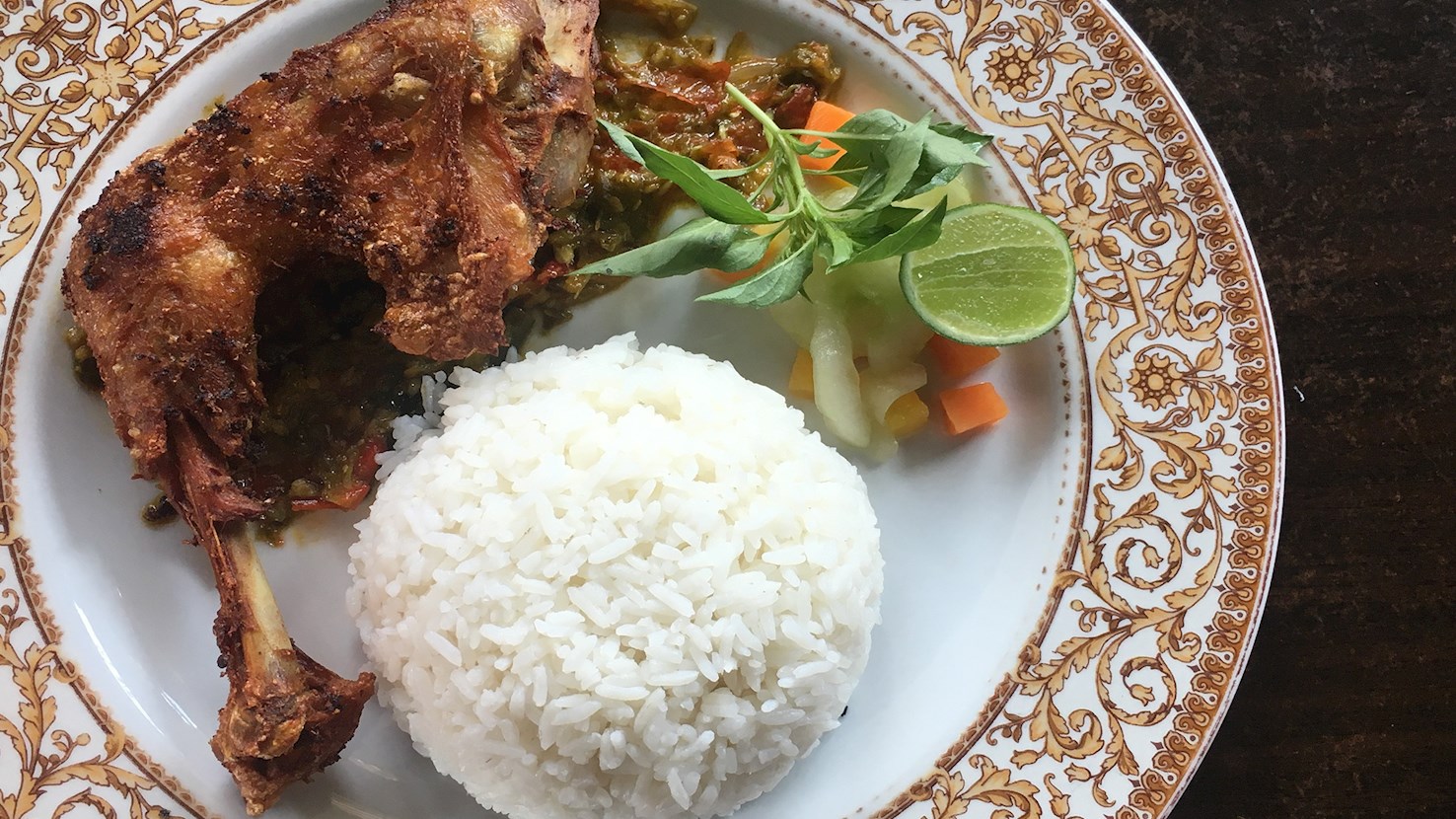
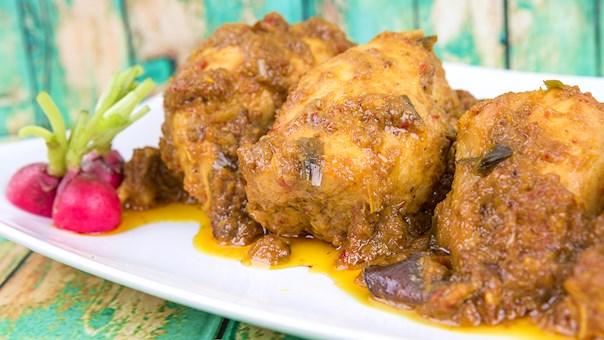
In its basic form, Indonesian-style fried chicken consists of chicken cuts, preferably bone-in pieces such as thighs and drumsticks, which are marinated in spices, then shortly braised before being fried until golden and crispy. The marinade is typically based on traditional spices such as lemongrass, galangal, turmeric, and tamarind, but since the dish is enjoyed throughout the country, it comes in numerous regional variations that may include other spices and marinades, or various additions such as grated coconut or rice flour crumbs. All varieties of ayam goreng can be enjoyed as individual dishes, usually accompanied by rice and fresh vegetables or salads, but ayam goreng is also a common side dish at Indonesian banquet-style meals.
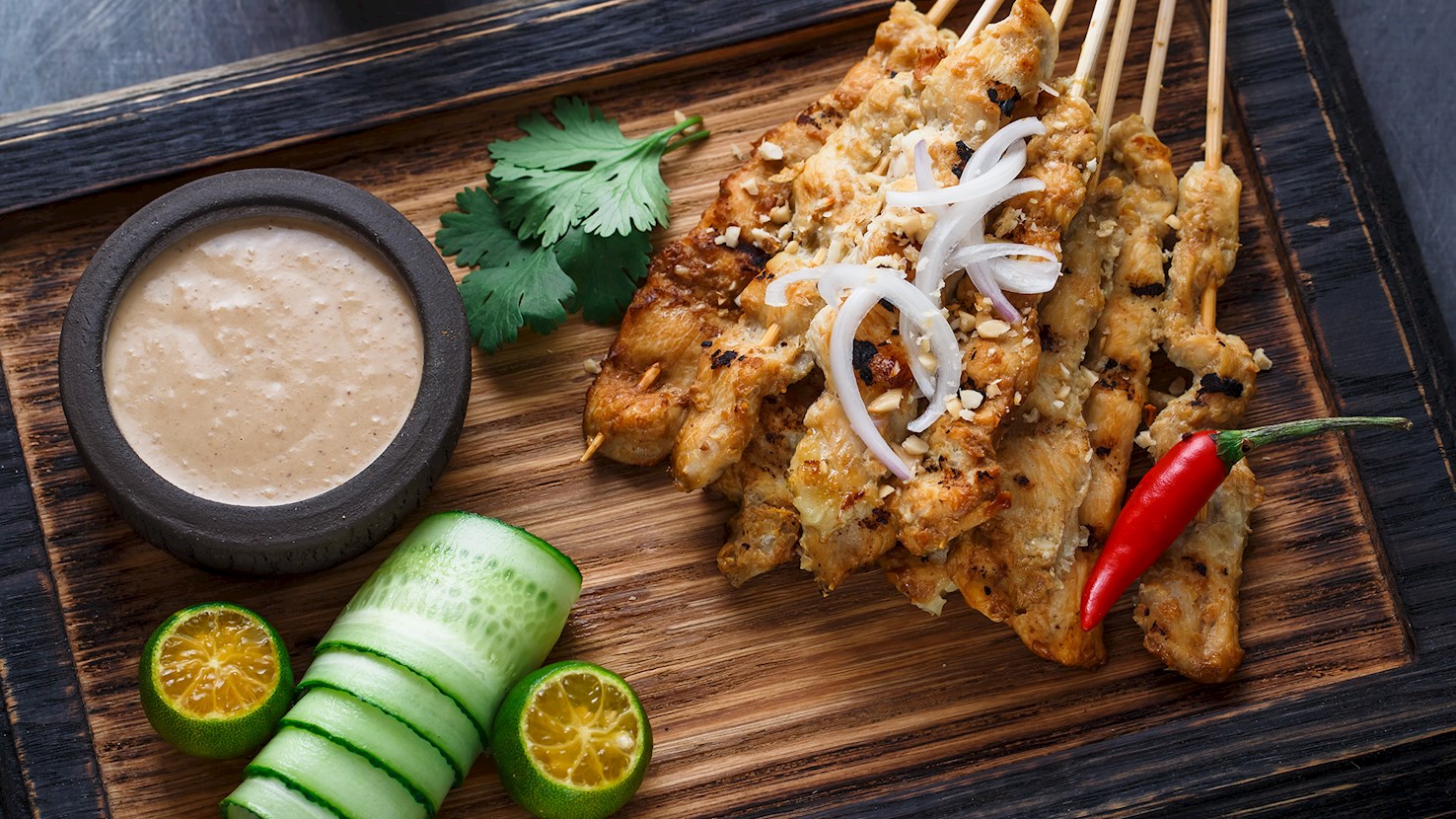
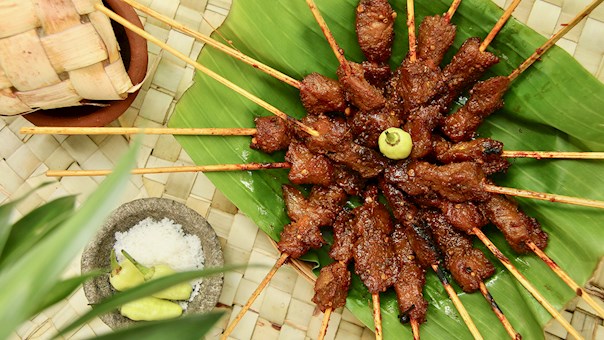
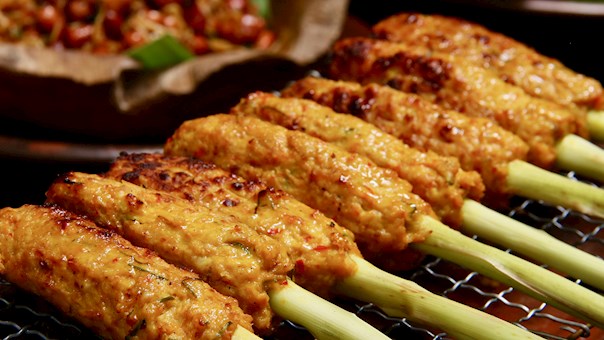
Satay is a traditional dish consisting of skewered meat that's served with a sauce on the side. All types of meat can be used to make satay, even some exotic varieties such as crocodile or snake meat. In most cases, the meat is marinated before grilling. Marinades vary, but typically include dark soy sauce, sugar, garlic, lime juice, and other seasonings. It is believed that satay originated in the Indonesian region of Java and that it was developed under the influence of Muslim traders who migrated from India. Another theory claims that satay was created in the 19th century by Indonesian street vendors as a variation on Indian kebabs. The theory is supported by the fact that satay became popular when Muslim and Arab immigrants had populated those areas. From the moment it originated in Java, satay quickly spread throughout Southeast Asia, and eventually all over the world. In Indonesia, it has become a national dish and nowadays it can be found everywhere, from street vendors to high-class restaurants. The most common sauces served with satay are peanut, soy, or pineapple sauce.
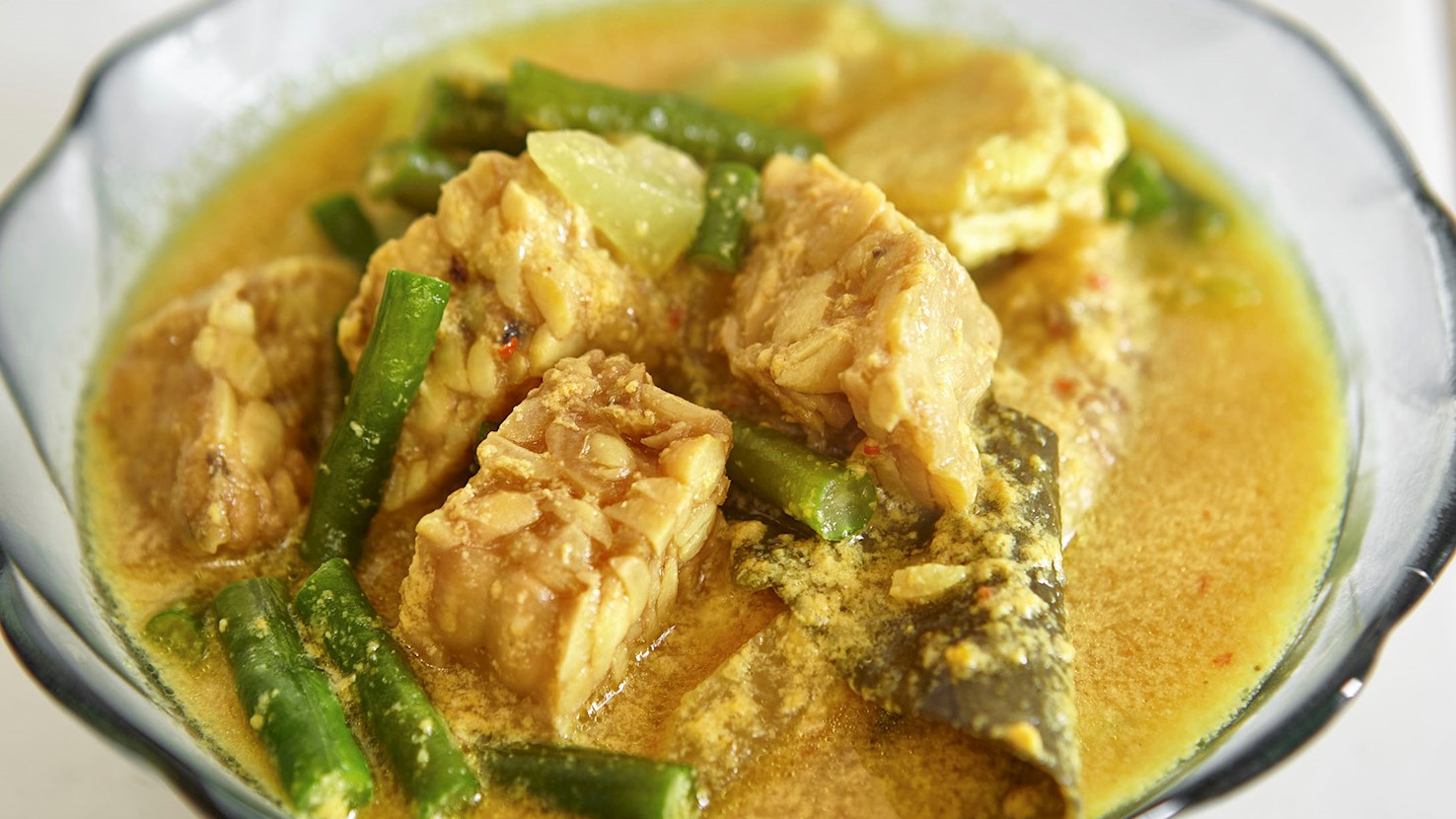
Sayur lodeh is a traditional dish made with vegetables stewed in coconut milk. Eggplant, jackfruit, melinjo, long beans, and carrots are the most common vegetables used in the dish. However, sayur lodeh is so versatile that any vegetable can be utilized. The spices can also be adjusted, but sayur lodeh should always be generously seasoned and spiced. The origin of sayur lodeh is the Indonesian island of Java, and it is traditionally served on slametan - Javanese feasts celebrating certain special occasions. From Java, the dish has spread throughout Indonesia, and it can be found in numerous traditional Indonesian restaurants or at hawker centers. It is commonly eaten alongside rice and sliced lontong rice cakes. The most frequent accompaniments include salted fish, chicken or beef, and spicy serundeng - a dish made with fried coconut flakes. Sayur lodeh is typically served as the main dish or an appetizer, and it is usually eaten warm. Although traditionally an Indonesian dish, it is also frequently prepared in Singapore and Malaysia.
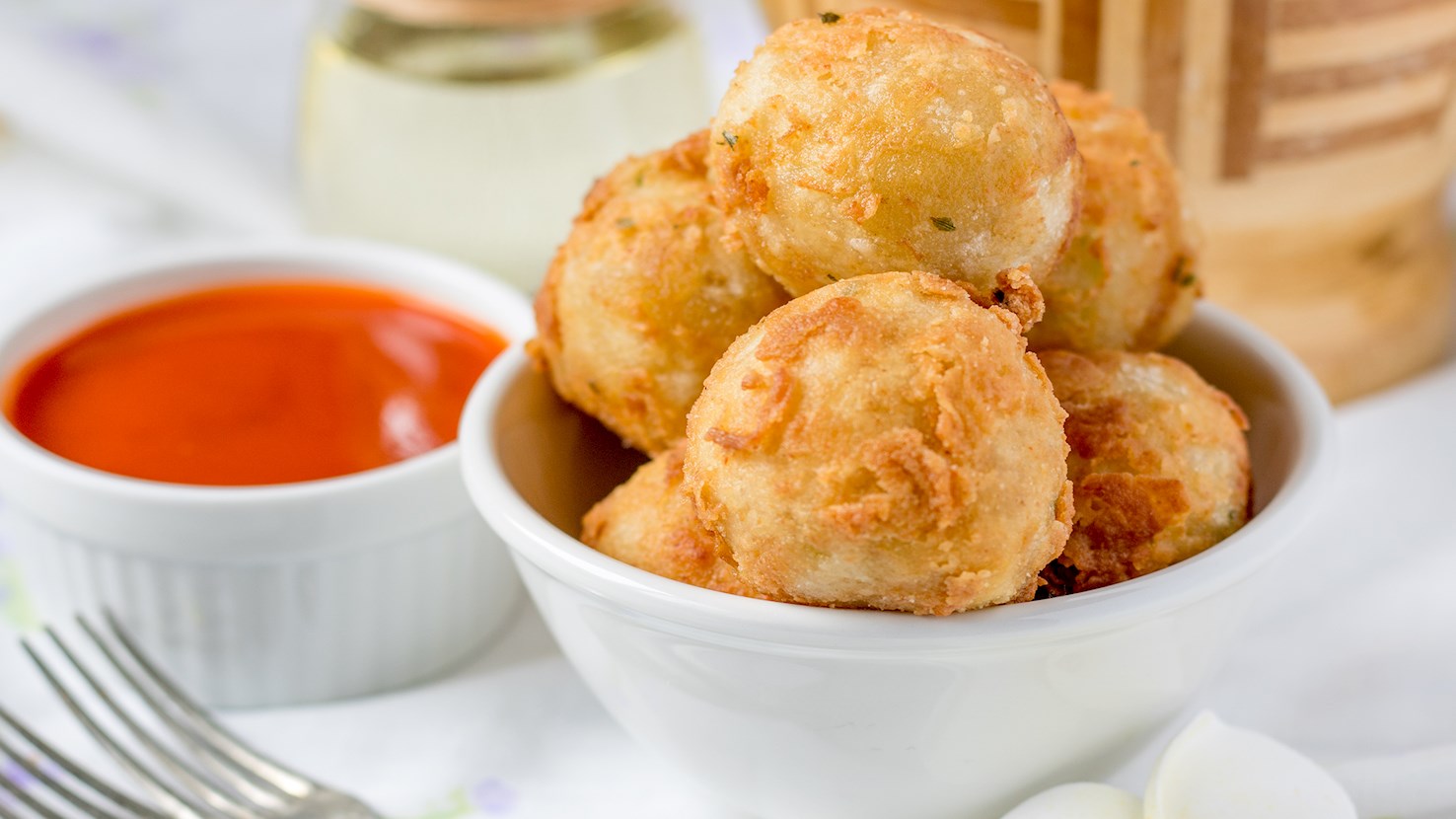
Cilok is a quintessential Indonesian street food snack that hails from West Java. Its name is derived from the Sundanese phrase aci dicolok, which translates to "poked tapioca," referring to the chewy texture of the tapioca-based dough and the traditional way it is served: skewered on bamboo sticks. Widely beloved across Java and beyond, cilok is the kind of humble yet addictive snack that blends texture, flavor, and local charm in a single bite-sized morsel. The base is made from tapioca flour, known locally as aci, which gives the dumplings their signature chewy consistency, similar to mochi or gnocchi. The dough is typically enhanced with garlic, salt, pepper, and sometimes a touch of all-purpose flour to provide more structure. Once shaped into small balls, the cilok is boiled until it rises to the surface, signaling that it’s fully cooked and ready for serving. What elevates cilok from simple starch to savory street food staple is its accompaniment, usually a thick, slightly sweet, and spicy peanut sauce, often drizzled with sweet soy sauce (kecap manis) or fiery sambal for an added kick. In the bustling alleys and roadside stalls of Bandung, cilok is often sold by itinerant vendors who announce their arrival with the clang of metal bowls or the rhythmic call of “cilok, cilok!” Children and adults alike flock to them, eager for this affordable and comforting snack that costs just a few thousand rupiah. While the traditional cilok is plain and unfilled, modern variations have emerged to suit evolving tastes: some are stuffed with minced chicken or beef, others are served in a rich broth, or even battered in egg and deep-fried in a dish known as cilor.
This quintessential Southeast Asian condiment is usually made only with spicy chili peppers and salt. It is occasionally adapted with lime juice, onions, sugar, ginger, shrimp paste, or vinegar. Traditionally prepared in a mortar, it is characterized by its thick consistency and an incredibly strong and sharp flavor. This original Indonesian creation has gained worldwide acclaim, and store bought varieties are available at numerous Asian food markets and international stores around the world. Sambal is used in a variety of Asian dishes, usually as a spicy condiment, seasoning, or a topping served alongside meat, seafood, vegetables, or rice.
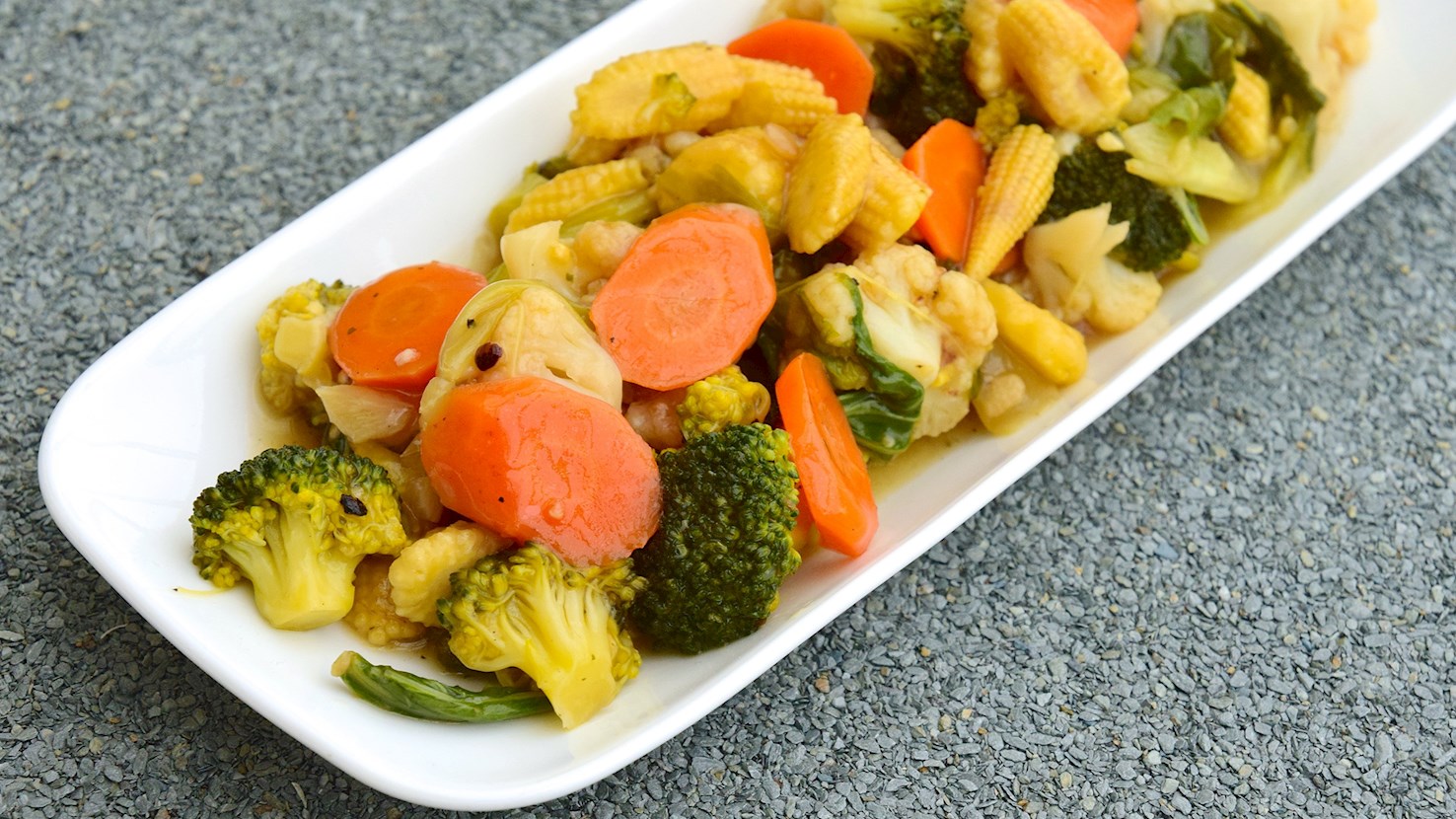
Cap cai (also spelled cap cay) is a popular Indonesian-Chinese stir-fry dish featuring a colorful medley of mixed vegetables, sometimes combined with meat, shrimp, or tofu, all cooked in a savory garlic-based sauce. The name comes from Hokkien Chinese, where cap means "ten" and cai means "vegetables" — though the number of vegetables used is flexible and symbolic rather than literal. Cap cai originated from Chinese immigrants in Indonesia and has since become a beloved household dish, especially known for its versatility, affordability, and balance of flavors. The vegetable mix often includes carrots, cabbage, cauliflower, baby corn, mushrooms, and Chinese greens, stir-fried quickly to retain their crunch and color. Protein additions like chicken, prawn, or meatballs are common, especially in the cap cai kuah (with broth) version, which has a light, soupy sauce. The dry version (cap cai goreng) has a thicker, richer glaze. The seasoning is typically a blend of garlic, oyster sauce, soy sauce, a touch of sesame oil, and sometimes chicken stock or cornstarch slurry for body, and the dish is served with steamed rice or as part of a larger meal.
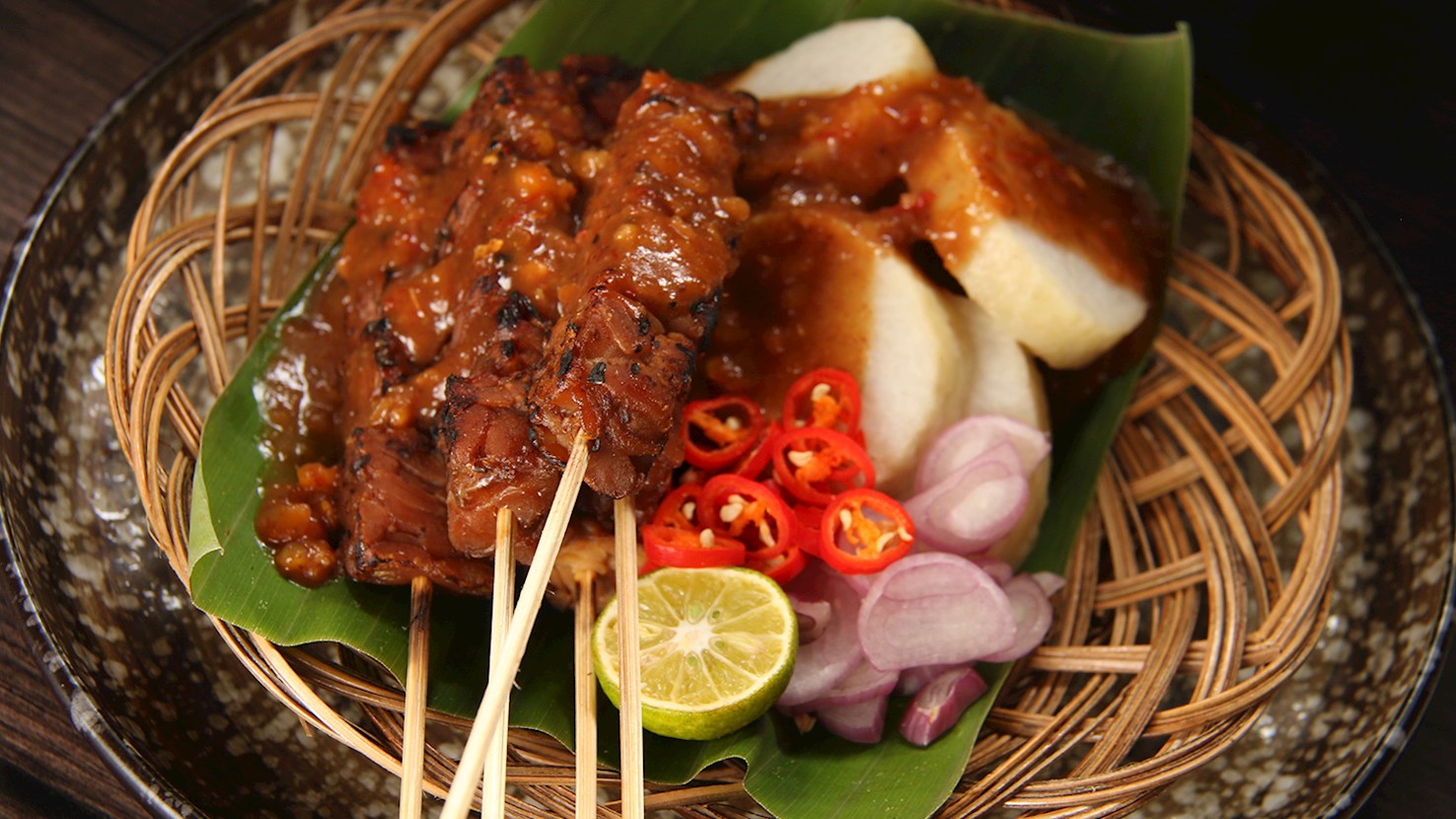
Sate kere is a distinctive Indonesian satay dish that comes from Central Java, particularly the city of Surakarta. Unlike most satay preparations that feature cuts of beef, chicken, or goat, sate kere is prepared using slices of tempeh, tofu, and occasionally beef offal, such as intestines or tripe. The name itself means “poor man’s satay,” referring to its origins as a more affordable version of skewered meat satay, created by vendors and home cooks to serve people who could not always afford pricier cuts of beef. The dish uses tempeh and tofu as the main ingredients because these plant-based proteins were readily available and inexpensive, making sate kere accessible to a wide range of people. Preparation begins by slicing tempeh and tofu into uniform pieces before marinating them in a mixture of ground coriander, garlic, salt, and sometimes a bit of sweet soy sauce. If offal is included, it is usually boiled first to tenderize it, then marinated. The pieces are skewered and grilled over hot charcoal, which adds a smoky aroma and lightly chars the surface. During grilling, the skewers are frequently brushed with a mixture of coconut oil and sweet soy sauce to keep them moist and build a caramelized glaze. Sate kere is served with a thick peanut sauce similar to that used in other Javanese satays, sometimes enriched with a splash of coconut milk for creaminess. It is usually accompanied by slices of lontong, which is compressed rice cake, and a side of sambal for extra heat. Vendors commonly prepare sate kere at street stalls and markets, where it is cooked to order and eaten as a filling meal or snack.
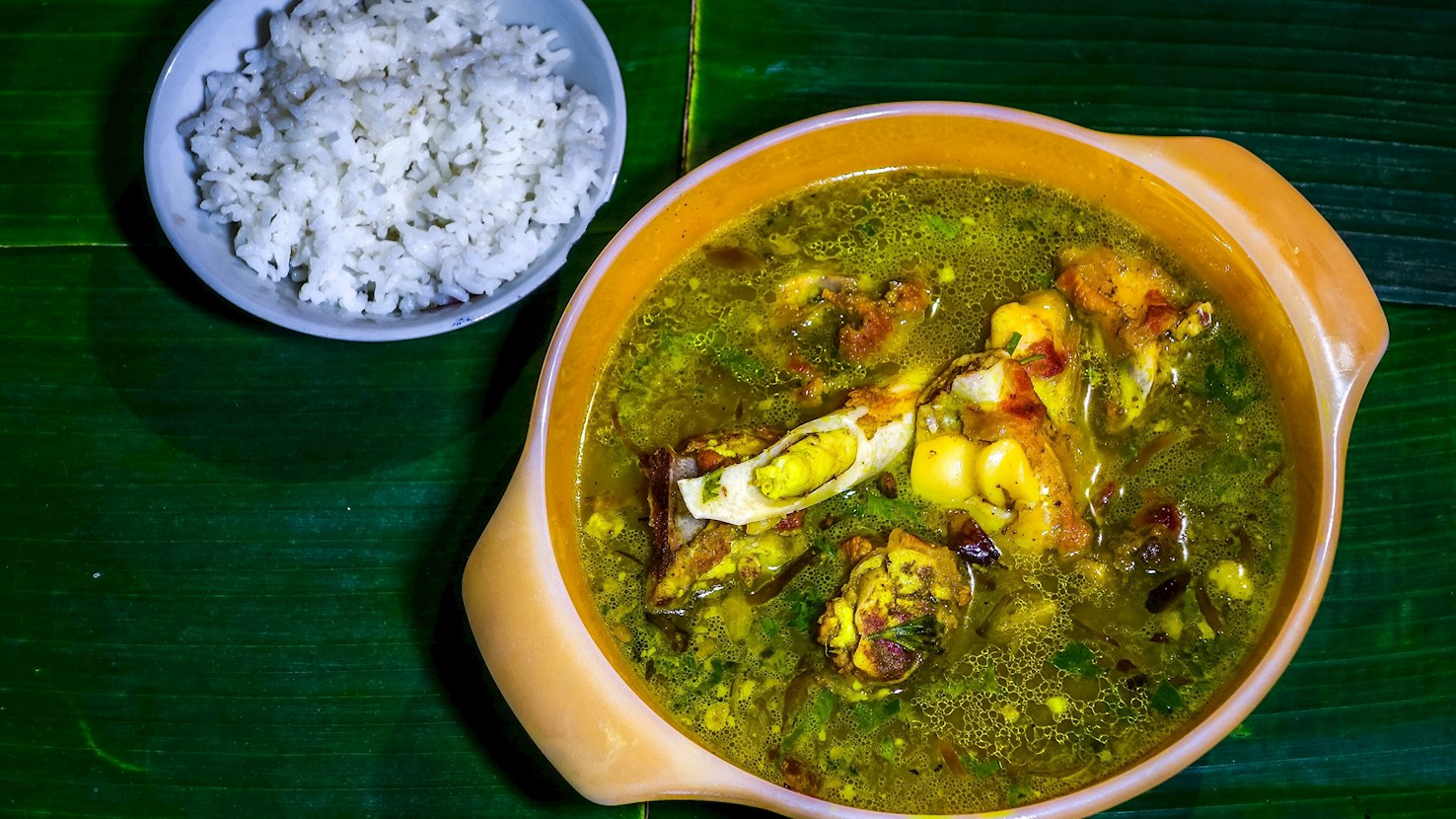
This Indonesian goat stew originated in Surakarta, Java. It is believed that the dish appeared during the Dutch rule when the best goat cuts were usually distributed among the rich, and what was left for the poor were goat bones which still had some meat attached to them. The bones are cooked in a thin, coconut-milk-based broth that is enriched with various herbs and spices such as turmeric, galangal, lemongrass, cumin, coriander, garlic, and onions, while some establishments also may include the addition of goat innards. The dish is served in bowls or wrapped in banana leaves.
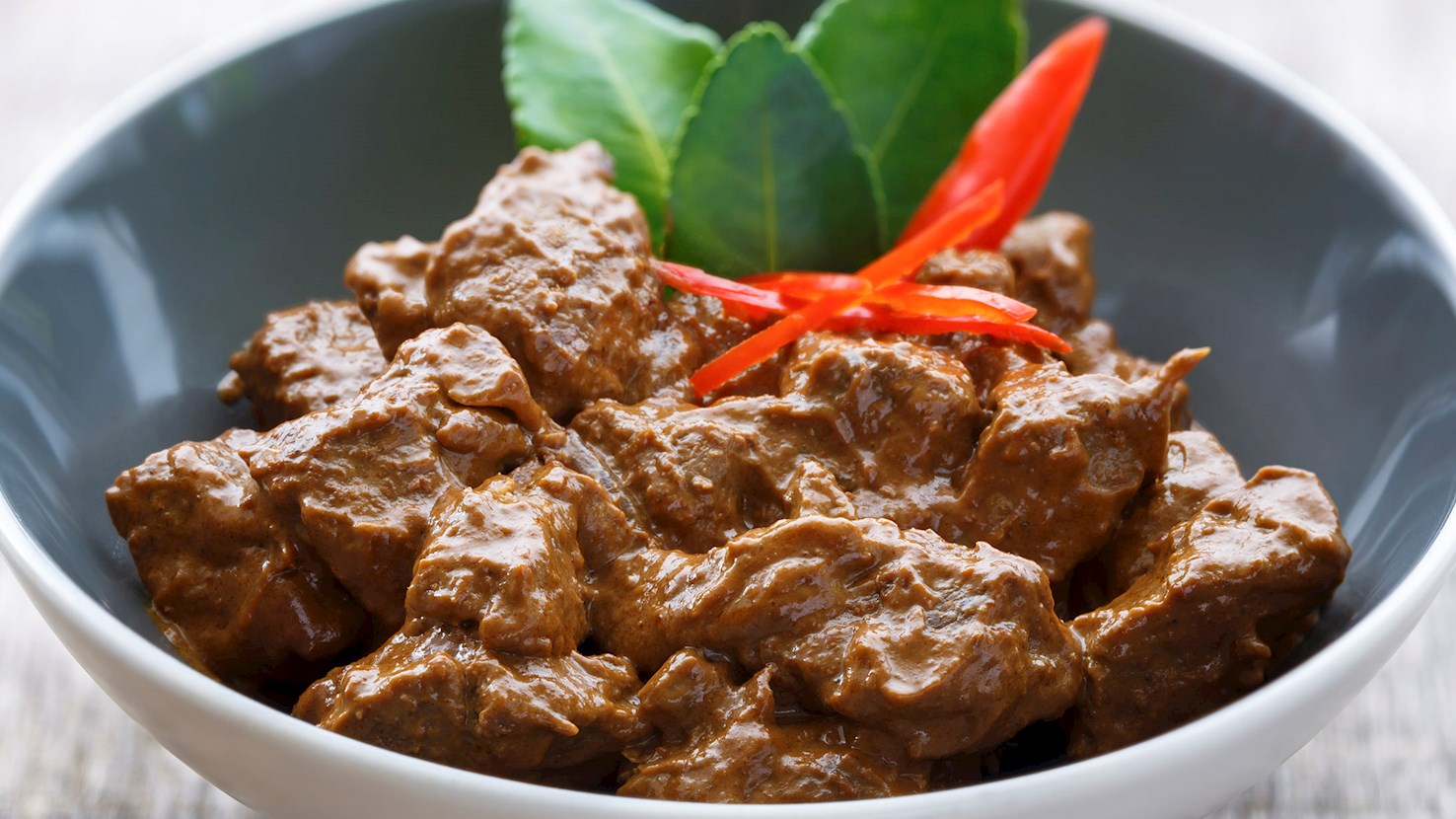
Rendang is an Indonesian meat dish which originated among the Minangkabau people in West Sumatra. The dish is famous for its spiciness and a long cooking procedure. It is often compared to Indian curry because of its consistency and unique flavors. The theory about how rendang was invented claims that the generous use of spices and long cooking hours were employed to preserve the meat in hot and tropical climates, such as Indonesian, so unsurprisingly, the need to preserve meat for a longer period appeared among the Minangkabau people. They were mainly traders who underwent long journeys and needed food which could stay fresh for weeks. However, the dish has a more symbolic meaning to them, because the main four ingredients used in rendang represent the Minangkabau society: the meat symbolizes leaders, coconut is a symbol of intellectuals, chili represents religious leadership, and other spices signify the rest of society. Today, rendang has surpassed Indonesian borders and has a reputation as one of the most delicious dishes in the world.
TasteAtlas food rankings are based on the ratings of the TasteAtlas audience, with a series of mechanisms that recognize real users and that ignore bot,
nationalist or local patriotic ratings, and give additional value to the ratings of users that the system recognizes as knowledgeable.
TasteAtlas Rankings should not be seen as the final global conclusion about food. Their purpose is to promote excellent local foods,
instill pride in traditional dishes, and arouse curiosity about dishes you haven’t tried.






What People Say