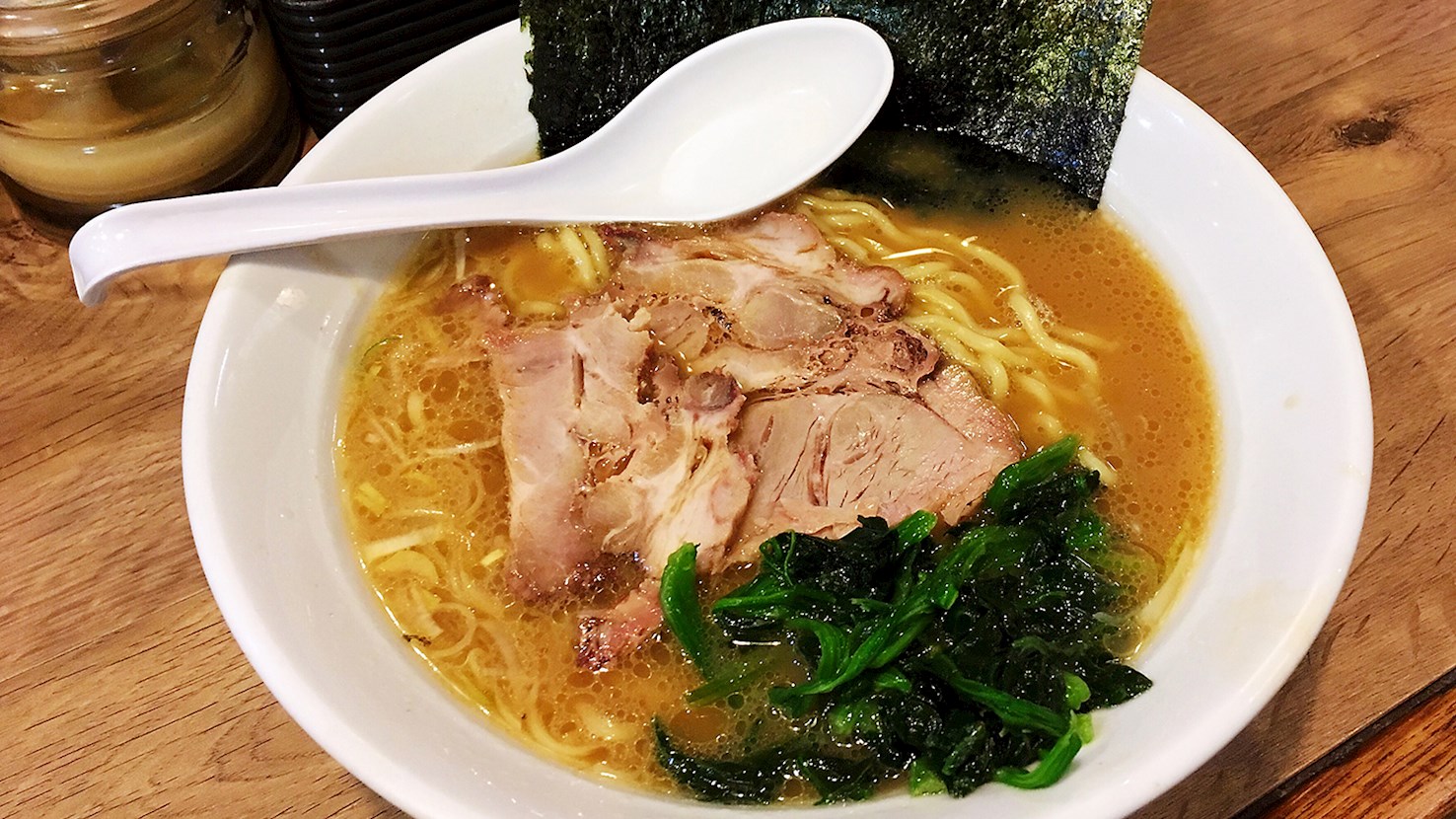
Yokohama-style ramen or iekei ramen is a Japanese type of ramen originating from the Yokohama area and dating back to 1974. The dish consists of thick noodles and a stock that's a mix of creamy tonkotsu (pork broth) and soy sauce. The toppings include chashu pork, chopped seaweed, leeks, and spinach. There are also optional toppings and condiments such as minced garlic, sesame, preserved vegetables, and black pepper. The name of the dish means home-style ramen, and it was created by a former truck driver called Mr. Yoshimura, who'd opened his own ramen shop in 1974.
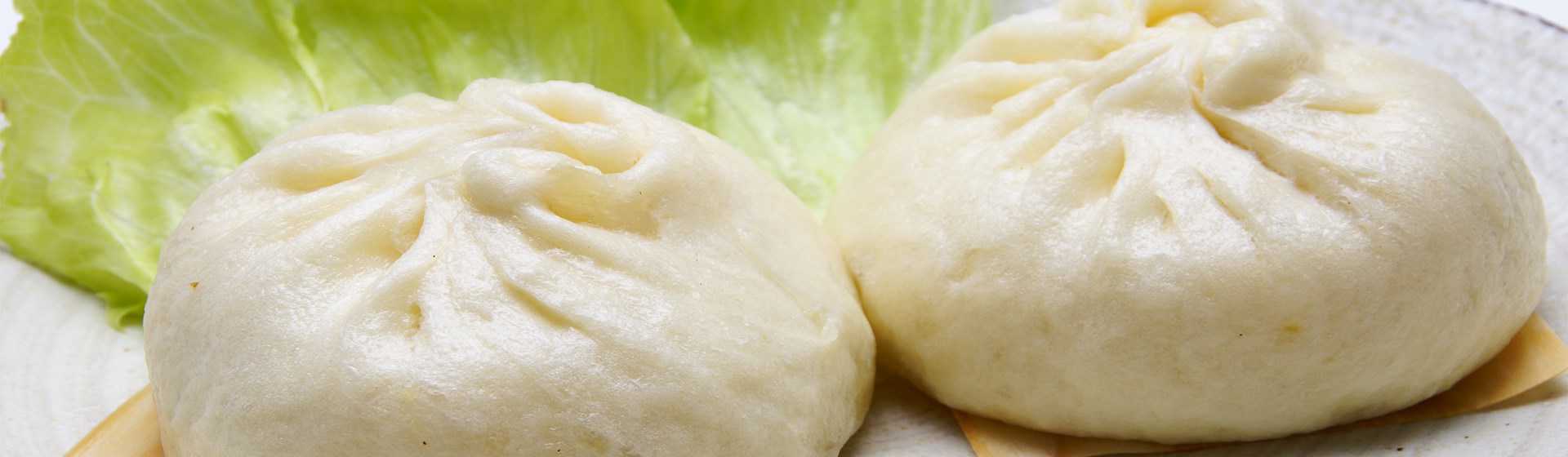
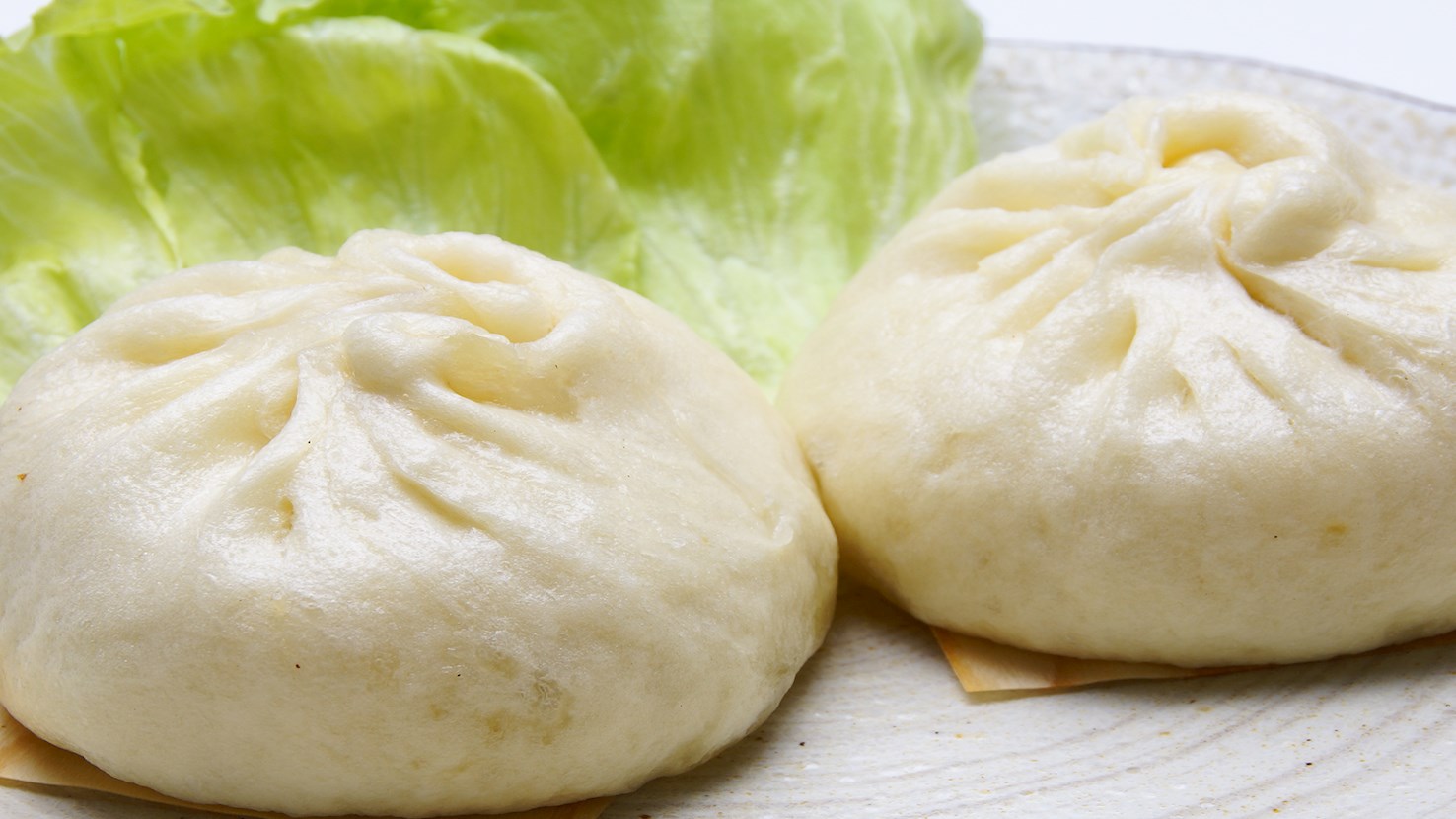
Nikuman are Japanese-style steamed pork buns which were influenced by the traditional Chinese baozi. They consists of leavened wheat dough wrapped around a flavorful ground pork filling. The meat is combined with different vegetables and usually seasoned with soy sauce and various condiments and spices. The soft, warm, and juicy nikuman buns are mostly enjoyed in wintertime as a popular and comforting street food. They are available in many Chinese restaurants and numerous grocery stores throughout the country.
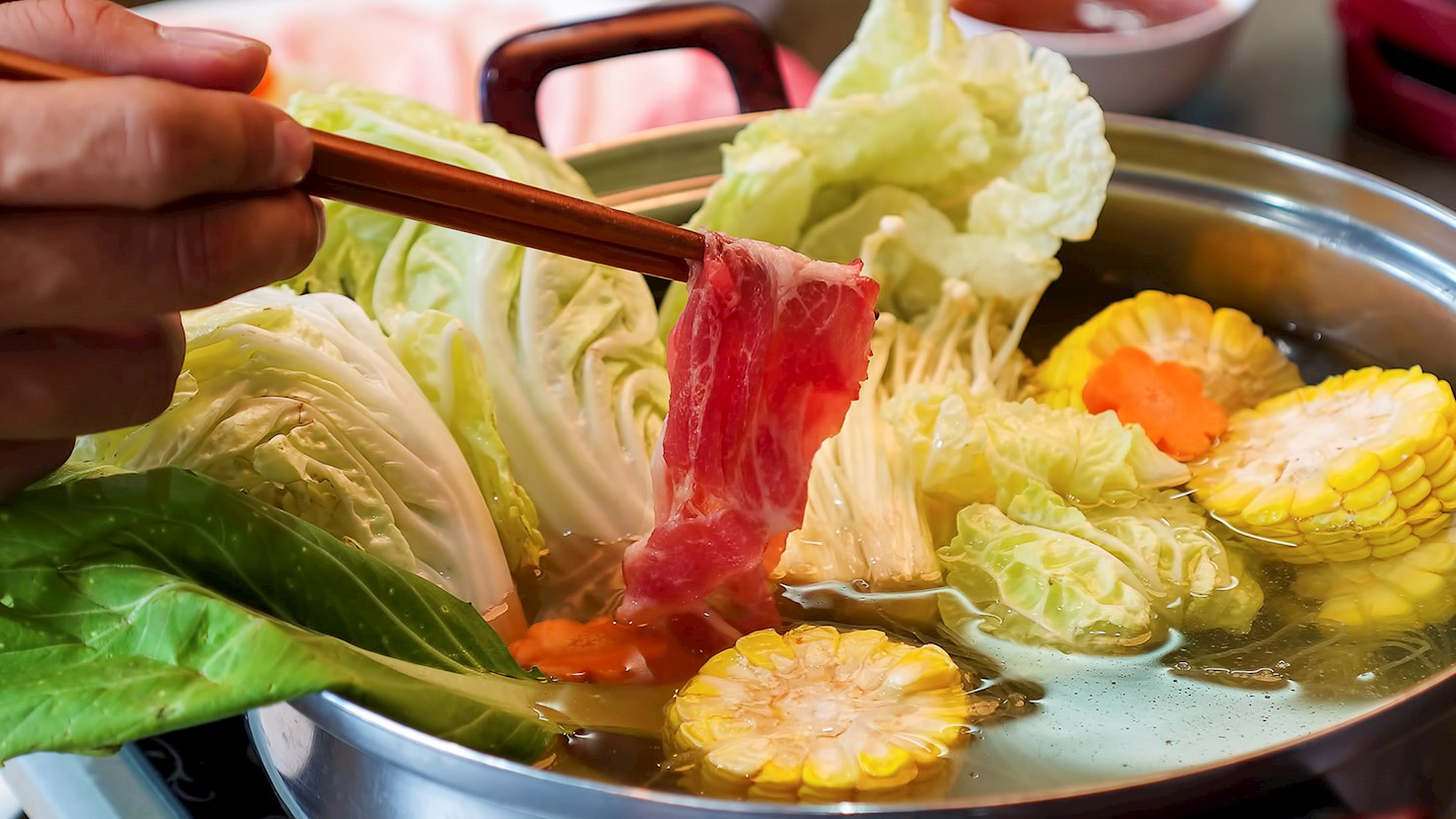
Sukiyaki is a sweet-and-salty hot pot dish, usually prepared tableside on a portable gas stove in a traditional shallow iron pan. This popular Japanese dish is usually made with beef, preferably the well-marbled tender cuts. However, some varieties employ pork or even tofu, creating the vegetarian version of the dish. Other ingredients in sukiyaki include sliced Chinese cabbage, mushrooms, leeks, gelatinous konnyaku noodles, and shungiku leaves. All the ingredients are then quickly cooked in a mixture of mirin, soy sauce, and sugar. Sukiyaki is a communal style dish, served in one pot, then shared among a larger group of people. There are two traditional ways hot to prepare sukiyaki, Kansai and Kanto style. Essentially, they differ in the order in which the ingredients are added to the broth. In the Kansai variety, all ingredients are added at the same time, while in the Kanto variety, the meat is cooked before any other ingredients are added. The tradition also suggests that before consumption, every morsel should be dipped into beaten eggs. It is believed that the dish was developed during the Meiji era, which started at the end of 19th century. At that time, Japan opened its borders and foreigners introduced new cooking styles and the tradition of eating meat. Since then, it has become one of the favorite communal style dishes in Japan, commonly shared among larger groups of people.
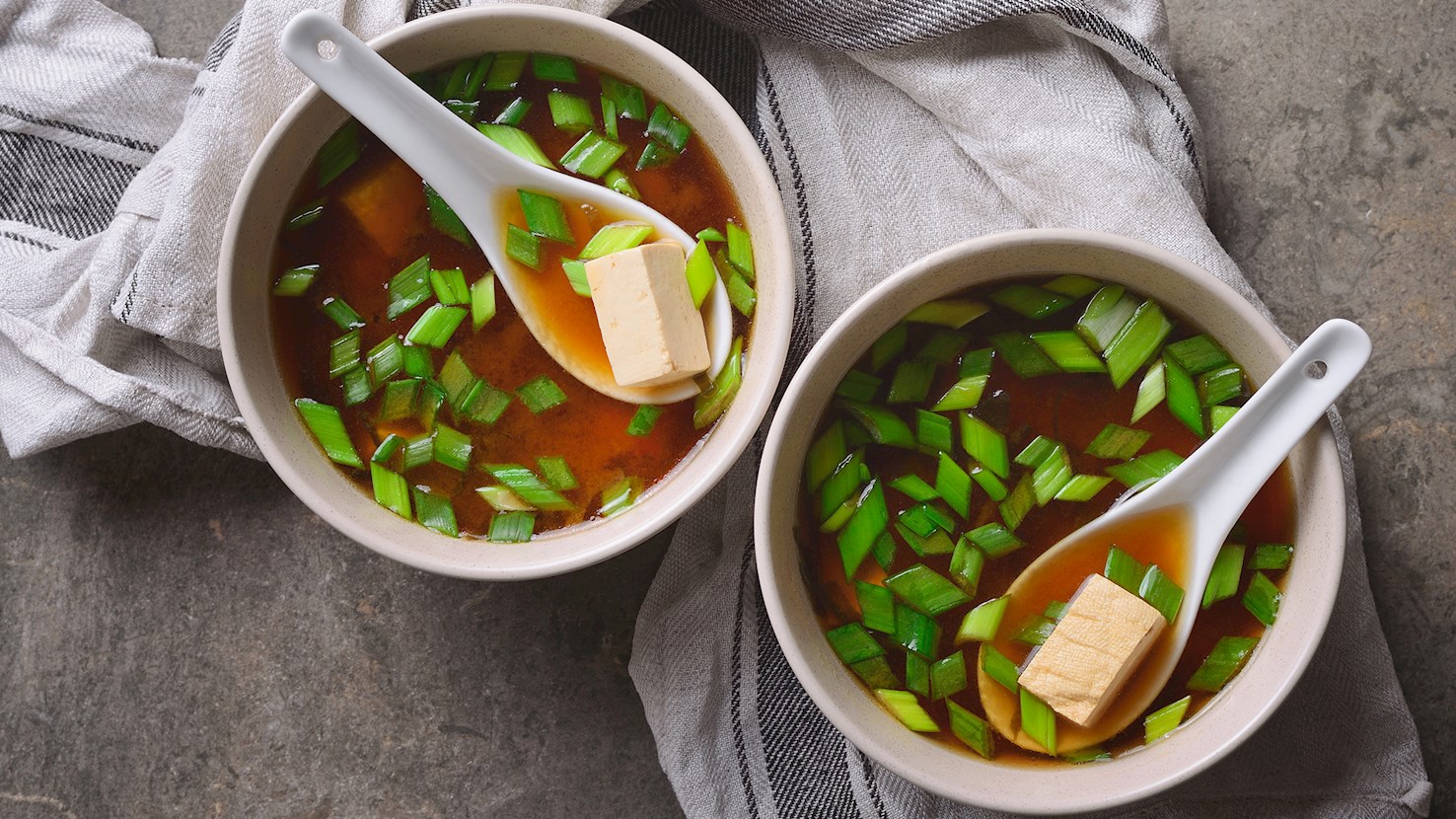
Miso soup is a traditional soy-based soup made from a stock called dashi, miso paste, and various additional ingredients such as seaweed or tofu. It is estimated that more than 70% of Japeanese people consume the soup for breakfast, although it is commonly available at any time of the day. In Japanese restaurants in the United States, miso soup is often offered as an appetizer. The soup is thought to have medicinal properties, as it alkalizes the blood and revives the nervous system. The main ingredient is called miso - a combination of rice, salt, water, and fermented soybeans, shaped into a paste that is similar to peanut butter in texture. Miso is centuries old, and its roots are in chiang - a fermented soybean paste invented in China by Buddhist priests more than 2500 years ago. Since miso soup is relatively quick and easy to prepare, in Japan, there are even instant cups of the soup available in vending machines for a small amount of money, acting as a testament to the soup's enormous popularity.
TasteAtlas food rankings are based on the ratings of the TasteAtlas audience, with a series of mechanisms that recognize real users and that ignore bot,
nationalist or local patriotic ratings, and give additional value to the ratings of users that the system recognizes as knowledgeable.
TasteAtlas Rankings should not be seen as the final global conclusion about food. Their purpose is to promote excellent local foods,
instill pride in traditional dishes, and arouse curiosity about dishes you haven’t tried.



What People Say