





shutterstock

18 Adobo Varieties
Ranked From the Best To the Worst

Last updated on June 17, 2026
01

Adobong baboy

4.2 ·

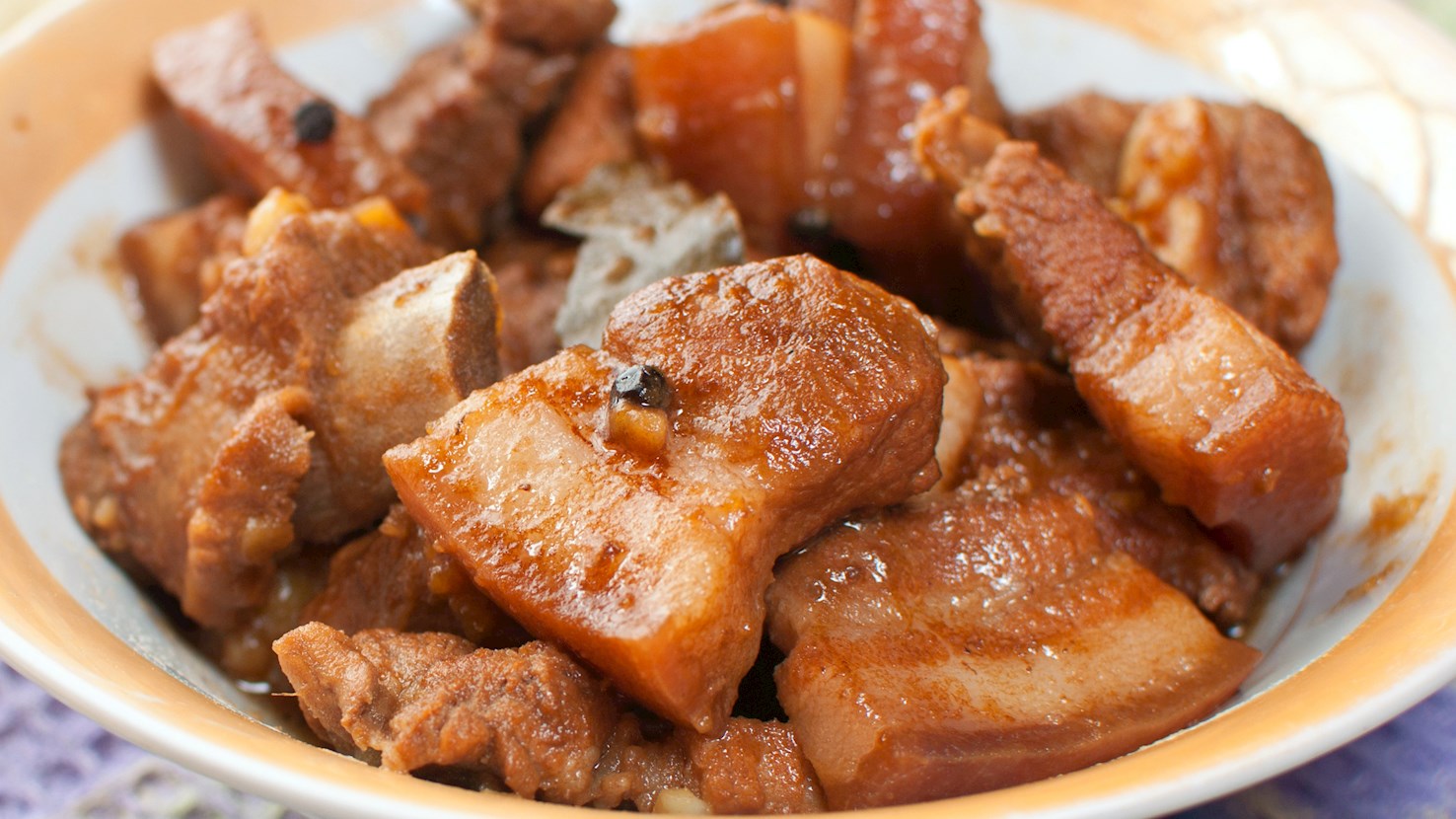
Adobong baboy is a traditional stew originating from the Philippines. This type of Filipino adobo is made with a combination of pork belly, garlic, soy sauce, vinegar, sugar, bay leaves, peppercorns, and salt. The pork is marinated in a combination of garlic and soy sauce, and it's then browned in a pan over high heat. The rest of the ingredients are added to the pan (except the vinegar), and the dish is simmered for a few minutes before the vinegar, salt, and water or soy sauce are added to the pan. Once fully cooked, this pork stew is served hot with the thick sauce and white rice on the side.

02

Adobong manok

4.1 ·

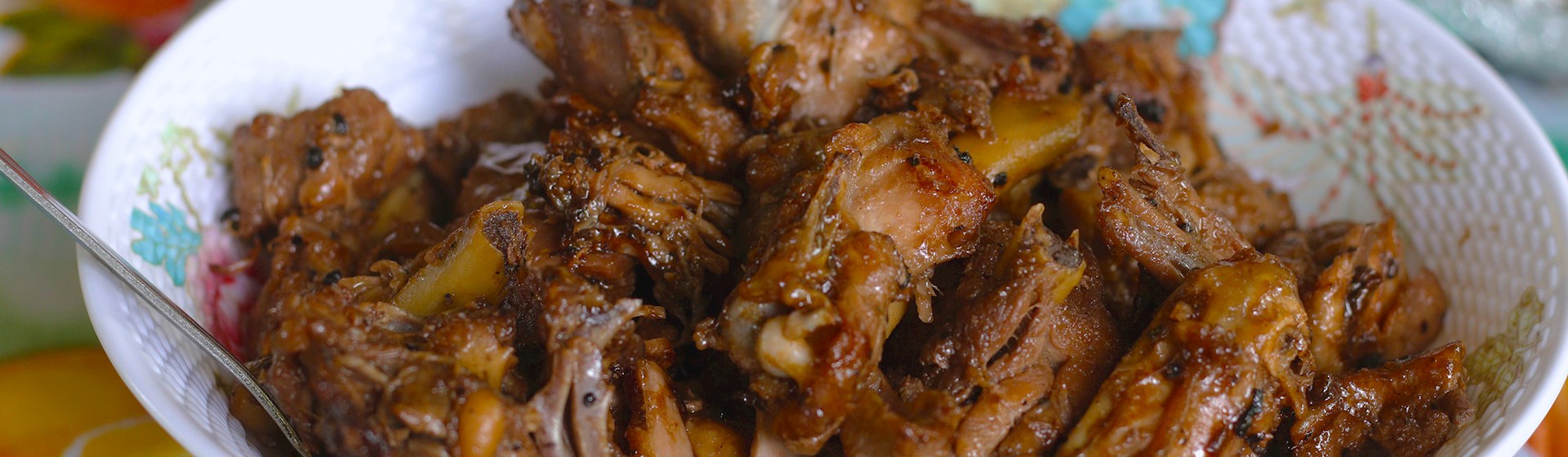
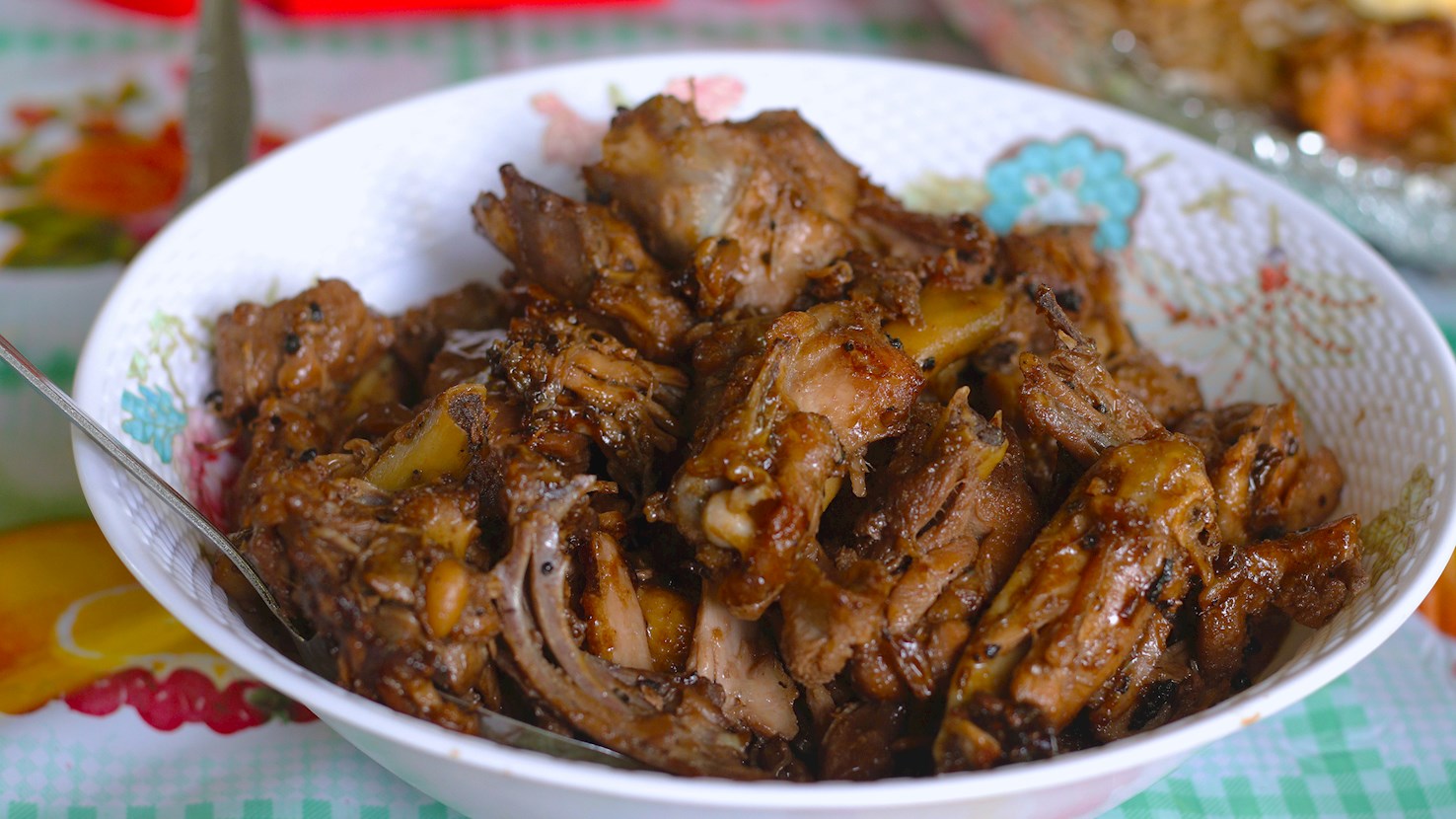
Adobong manok is a traditional stew originating from the Philippines. This type of Filipino adobo is made with a combination of chicken, garlic, onions, bay leaves, peppercorns, oil, brown sugar, soy sauce, and white vinegar. The chicken is cut into pieces and marinated in a mixture of all the mentioned ingredients (except oil). It is then cooked in oil over medium heat until browned. The rest of the marinade is mixed with water and the mixture is poured over the browned chicken. The dish is simmered over high heat until the chicken is fully cooked, and adobong manok is then served with white rice on the side.

03

Adobong pusit

3.6 ·

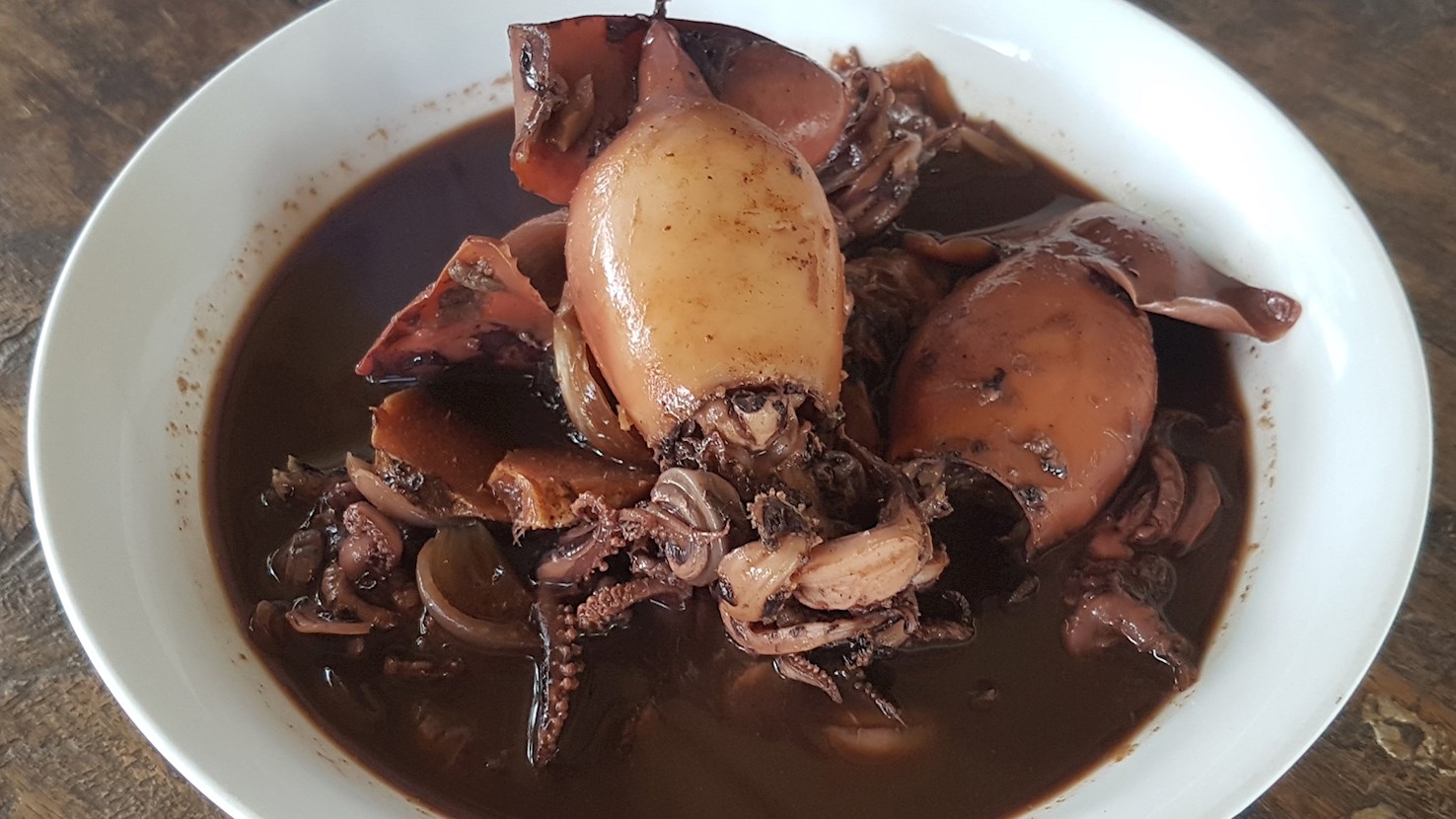
Adobong pusit is a traditional dish that's a part of the famous adobo group of dishes. The dish is prepared with a combination of fresh squid and its ink, soy sauce, vinegar, garlic, salt, sugar, oil, onions, and tomatoes. The squid is first boiled in a mixture of soy sauce and vinegar, and it's then sautéed in a combination of garlic, onions, and tomatoes. It's important not to overcook the squid as its texture will become rubbery. This simple squid stew with robust flavors is sometimes accompanied by vegetable-based dishes on the side.

04

Adobong pugita

3.4 ·

Adobong pugita is a Filipino specialty originating from Occidental Mindoro. This adobo dish is made with mature octopus that's cooked in a combination of vinegar and soy sauce. Other common ingredients include garlic, onions, oil, and bay leaves for flavoring. The octopus is marinated, drained, then placed into a pan with sautéed garlic and onions. The dish is seasoned with salt and pepper and it's then traditionally served warm with steamed rice on the side. The key to success is to cook the octopus quickly, because it becomes rubbery and chewy if overcooked. Adobong pugita is usually eaten for lunch or dinner, but it can also be served as an accompaniment to beer.

05

Adobong kangkong

3.2 ·

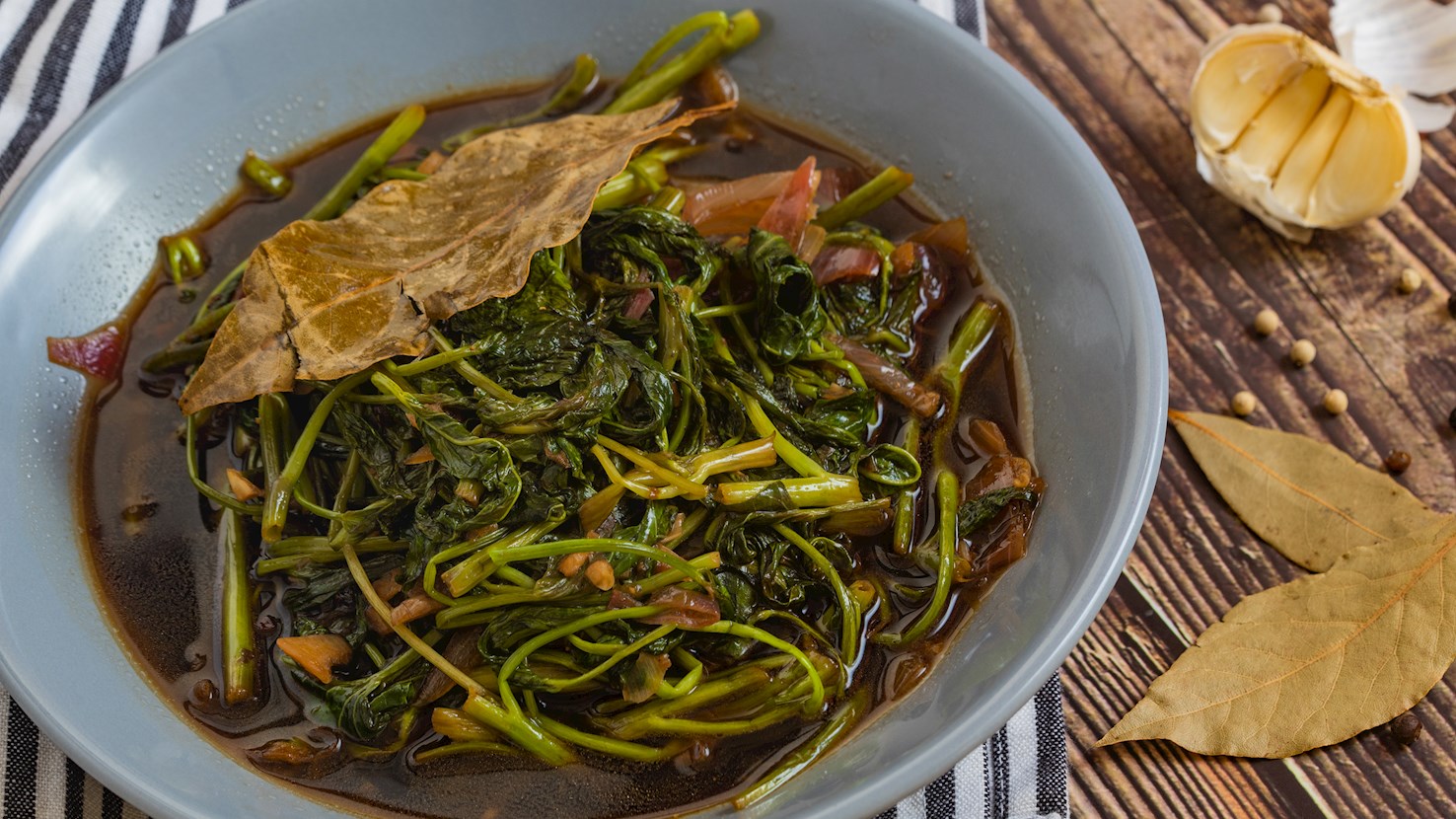
Adobong kangkong is a traditional stew originating from the Philippines. This type of Filipino adobo is made with a combination of water spinach (kangkong), pork belly, garlic, bay leaves, soy sauce, vinegar, salt, oil, and black pepper. The pork is seasoned with salt and browned in oil with garlic. The soy sauce, vinegar, water, bay leaves, and water spinach are added to the pan, then simmered until everything is tender. The dish is seasoned with black pepper and it's often topped with fried garlic. It's recommended to serve adobong kangkong with rice on the side.

06

Adobong talong

n/a ·

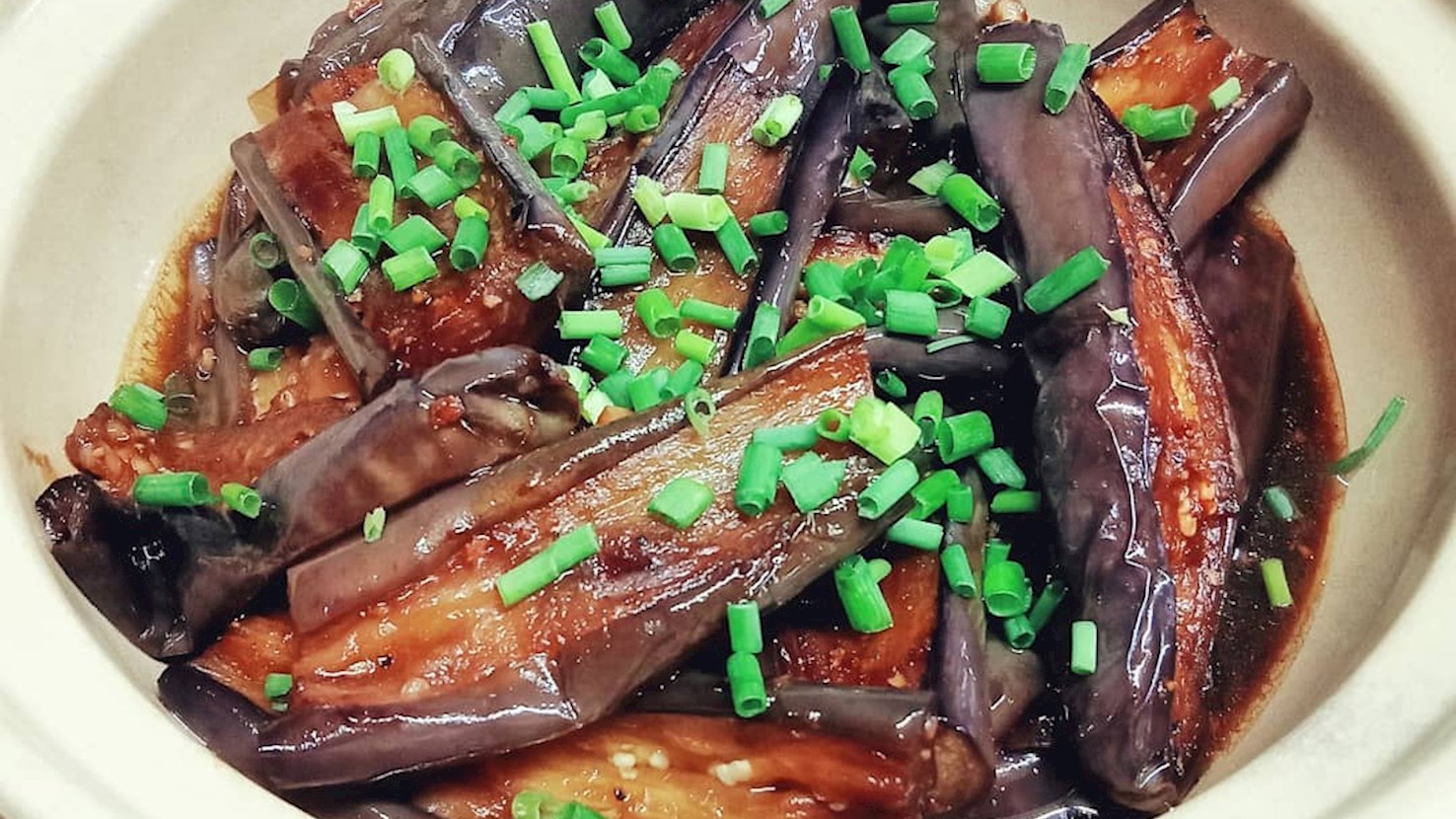
Adobong talong is a traditional stew originating from the Philippines. This type of adobo is made with a combination of eggplants, garlic, vinegar, soy sauce, water, salt, pepper, oil, and hot peppers. The eggplant is bronwed in oil and drained, then mixed with sautéed garlic, hot peppers, and a slightly reduced sauce consisting of vinegar, water, and soy sauce. The stew is simmered until all ingredients become tender and fully cooked. Adobong talong is served warm, usually with rice on the side.

07

Adobong baka

n/a ·

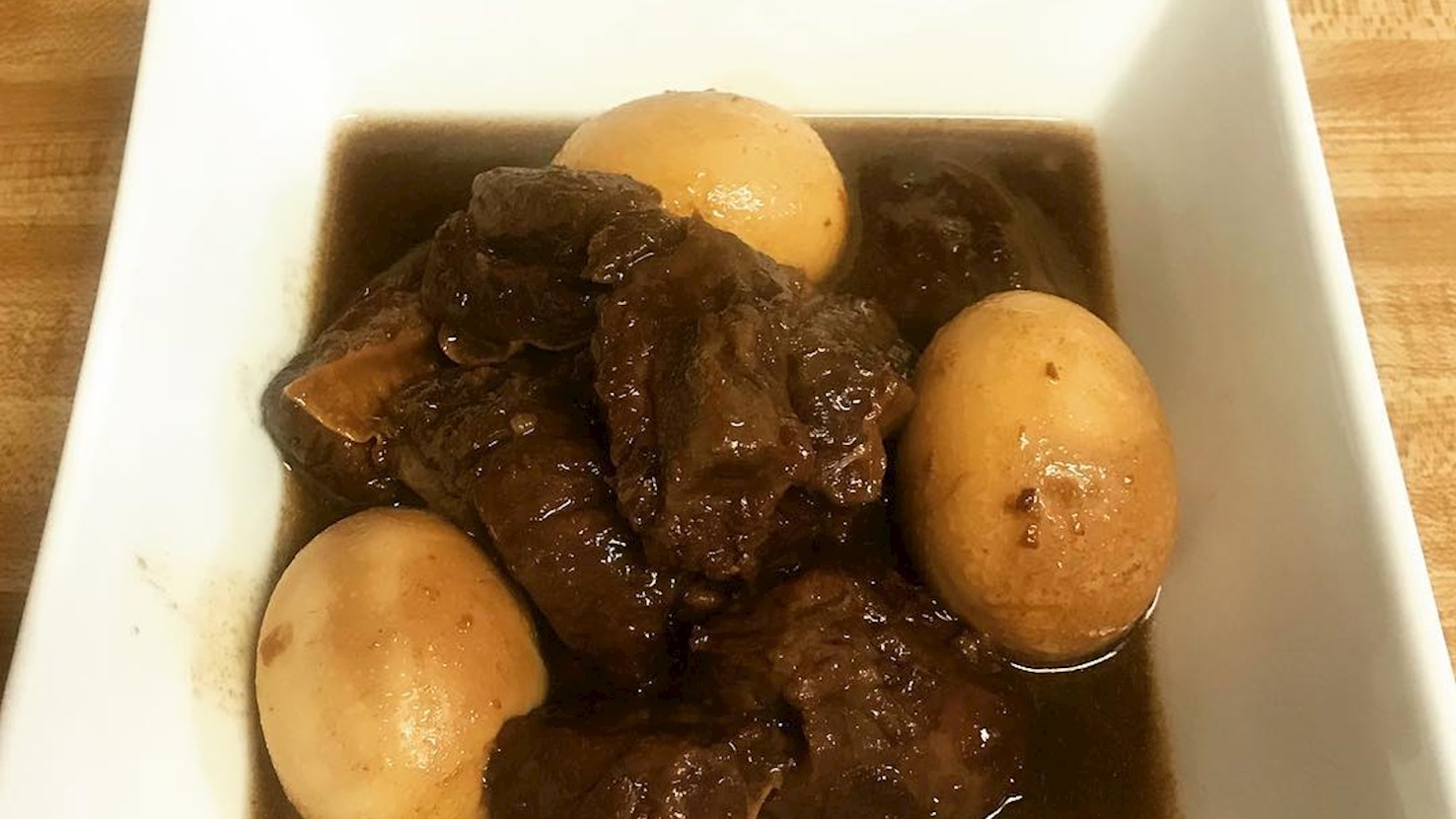
Adobong baka is a traditional stew originating from the Philippines. This type of adobo is usually made with a combination of thinly sliced beef, soy sauce, vinegar, garlic, peppercorns, sugar, water, salt, and bay leaves. The beef is marinated in a mixture of garlic, bay leaves, peppercorns, brown sugar, and soy sauce. It is then browned in a pan, covered with water, seasoned with salt, and simmered until the sauce is almost fully absorbed. Adobong baka is served hot with rice on the side.

08

Adobong dilaw

n/a ·

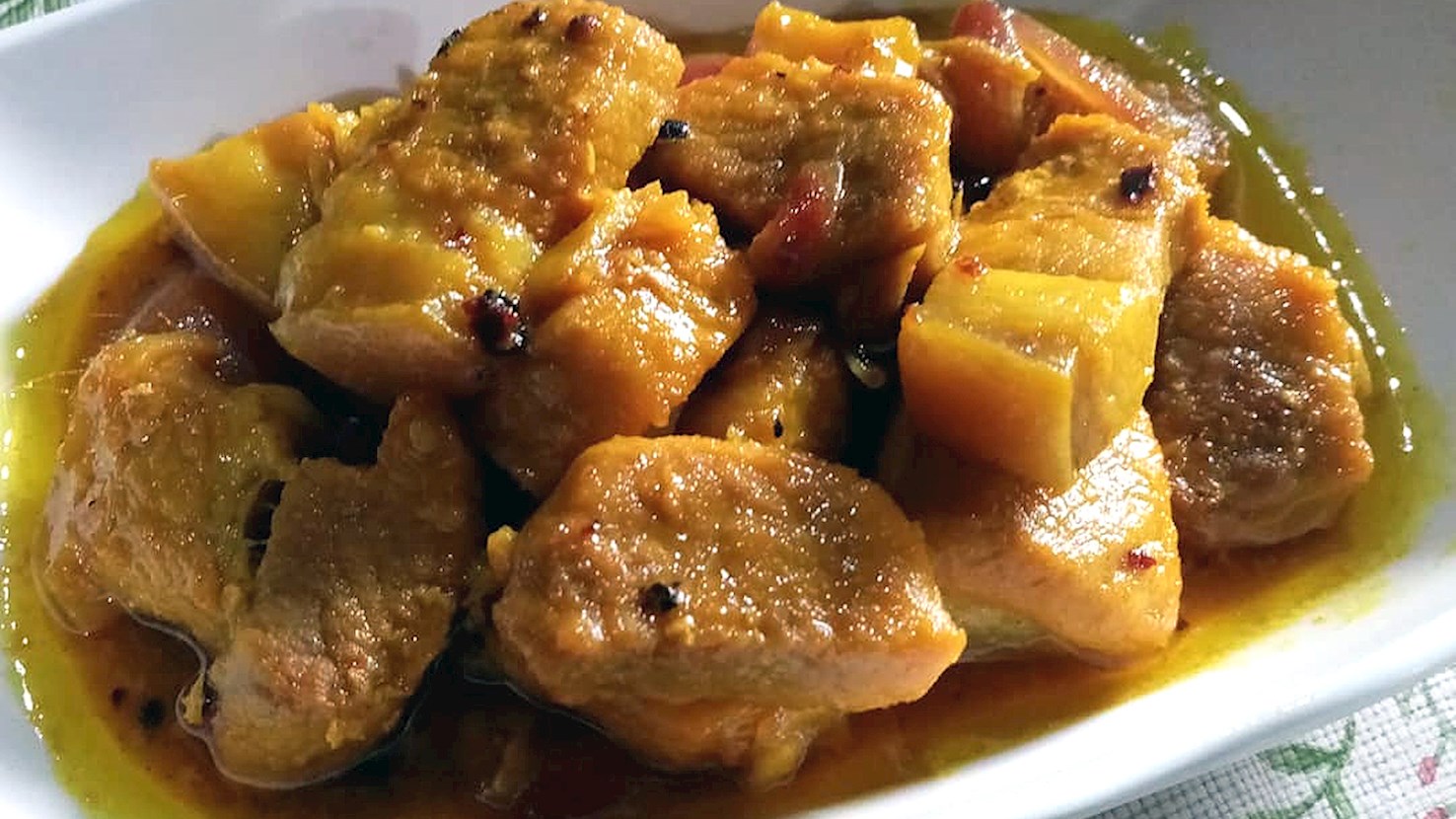
Adobong dilaw is a traditional stew originating from the Philippines. This type of adobo is usually made with a combination of turmeric, vinegar, pork or chicken, potatoes, garlic, sugar, salt, oil, peppercorns, bay leaves, and water. The meat is seasoned with salt and browned in oil. The potatoes are deep-fried until golden brown, and the garlic is sautéed in oil over low heat. The vinegar, peppercorns, bay leaves, sugar, and water are simmered into a sauce, then mixed with the meat and potatoes. The stew is cooked until everything is tender and the sauce is almost fully absorbed. Adobong dilaw is served hot with rice on the side.

09

Adobong palakâ

n/a ·

Adobong palakâ is a traditional stew originating from the Philippines. This exotic type of adobo is usually made with a combination of frogs, vinegar, soy sauce, garlic, sugar, water, oil, salt, and pepper. The garlic is sautéed in oil, then covered with soy sauce, water, and vinegar, and shortly simmered. Frog meat, sugar, salt, and pepper are then added to the stew and simmered again until everything is fully cooked and tender. Adobong palakâ is typically served warm with rice on the side.

10

Adobong isda

n/a ·

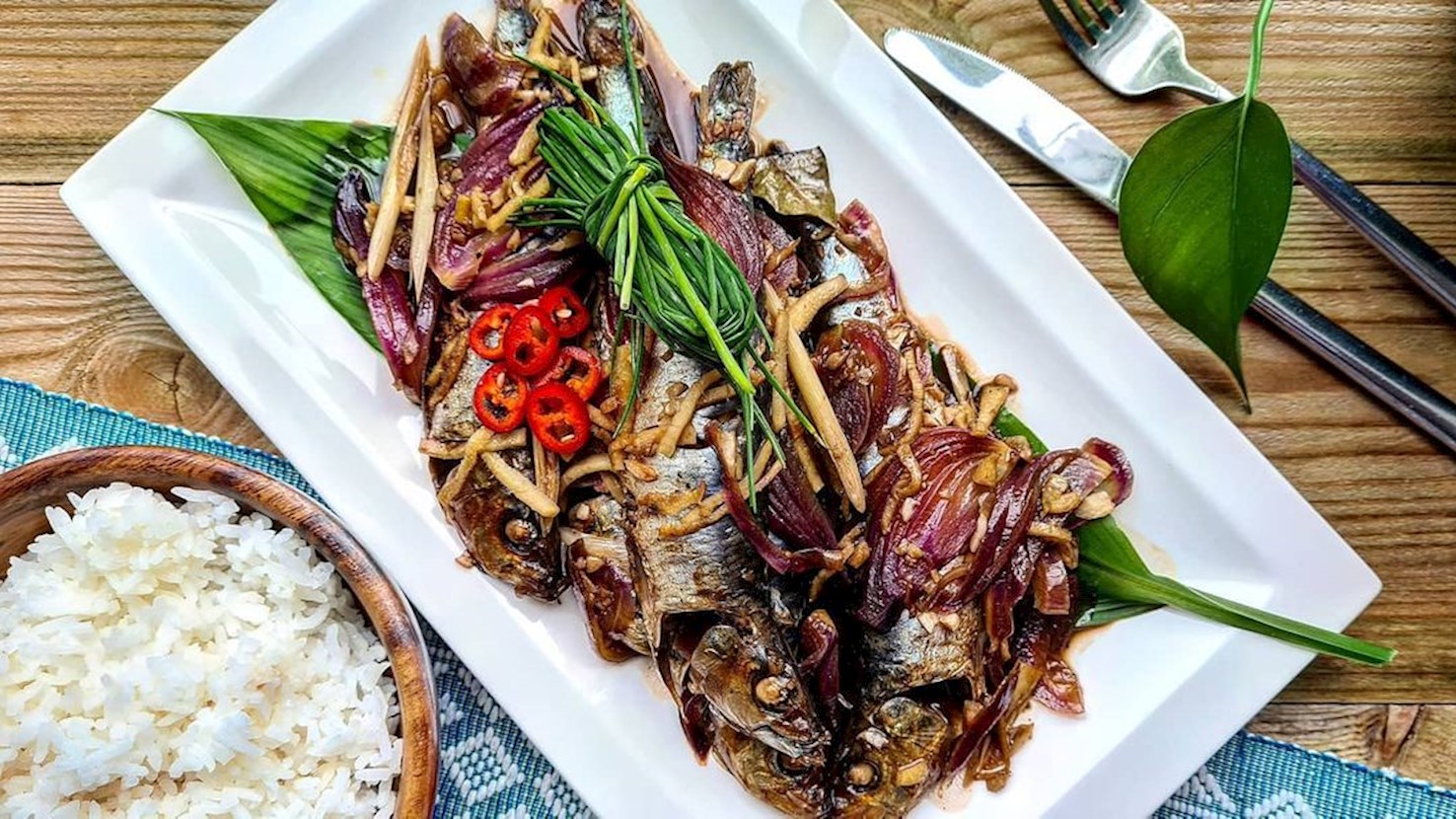
Adobong isda is a traditional stew originating from the Philippines. This type of adobo is usually made with a combination of fish (any type of medium-sized fish, such as galunggong or round scad), soy sauce, vinegar, garlic, bay leaves, peppercorns, water, and salt. The fish is rubbed with salt, covered with water and soy sauce and simmered. The garlic, bay leaves, peppercorns, and vinegar are added to the pot, and the fish stew is simmered until the liquid is reduced and the ingredients are tender and fully cooked. Adobong isda is typically served warm with white rice on the side.

About this ranking

TasteAtlas food rankings are based on the ratings of the TasteAtlas audience, with a series of mechanisms that recognize real users and that ignore bot, nationalist or local patriotic ratings, and give additional value to the ratings of users that the system recognizes as knowledgeable. For the “18 Adobo Varieties Ranked From the Best To the Worst” list until June 17, 2026, 777,524 ratings were recorded, of which 504,674 were recognized by the system as legitimate. TasteAtlas Rankings should not be seen as the final global conclusion about food. Their purpose is to promote excellent local foods, instill pride in traditional dishes, and arouse curiosity about dishes you haven’t tried.

Similar lists