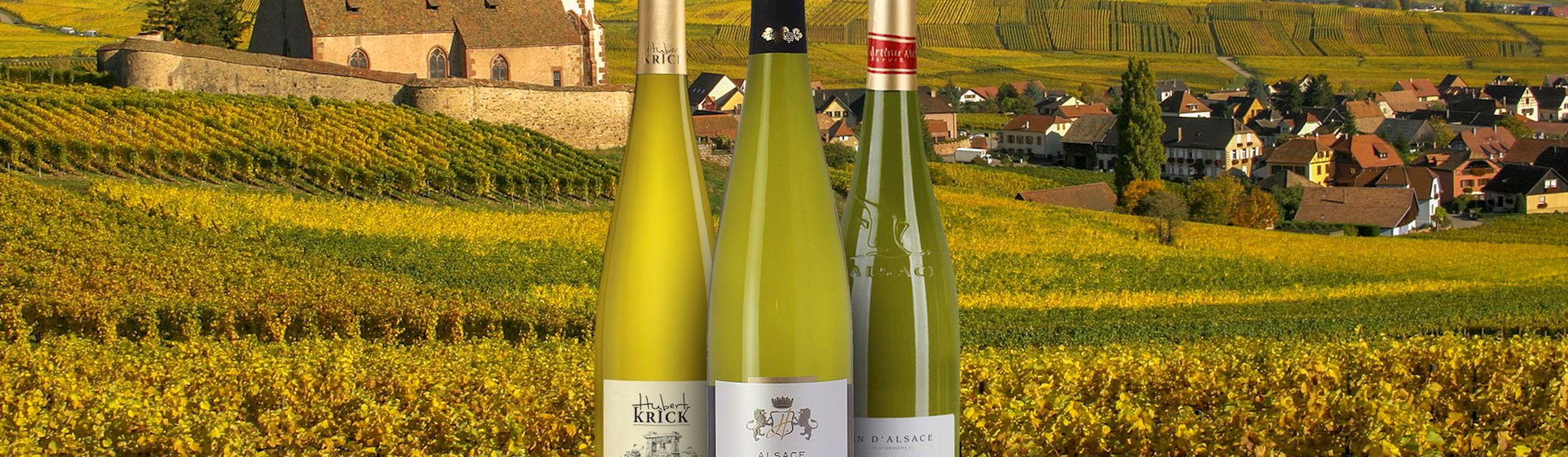
Top 26 Alsatian Alcoholic Beverages

Last updated on June 15, 2026

Best Alsatian Alcoholic Beverages
01

Domaine Paul Ginglinger

4.9 ·
Awards
Decanter World Wine Awards - Platinum (2019)
02

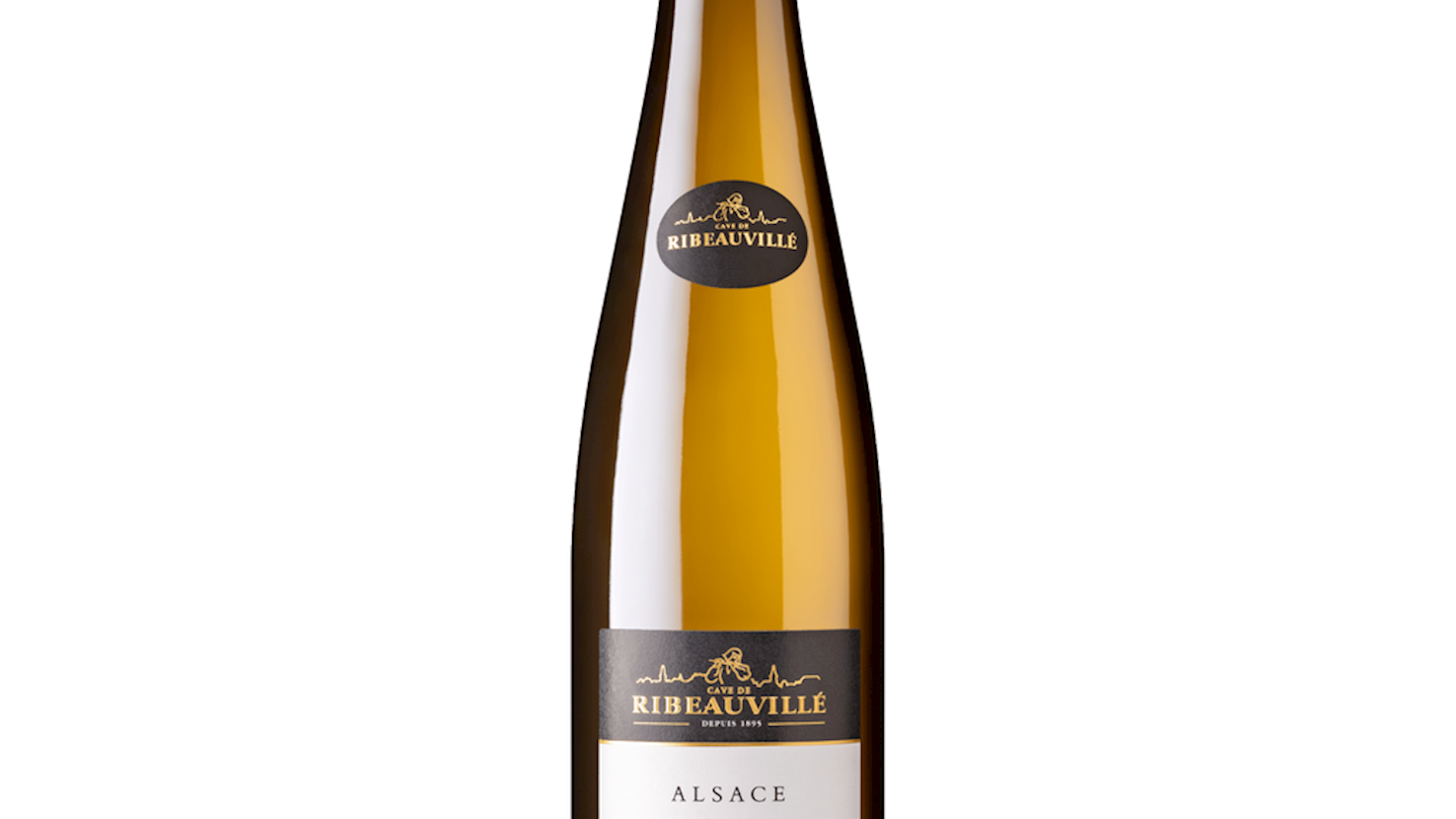
Cave De Ribeauvillé

4.9 ·
Awards
Decanter World Wine Awards - Platinum (2016)
IWSC- International wine & spirit competition - Gold (2022, 2020)
03

Domaine Weinbach

4.9 ·
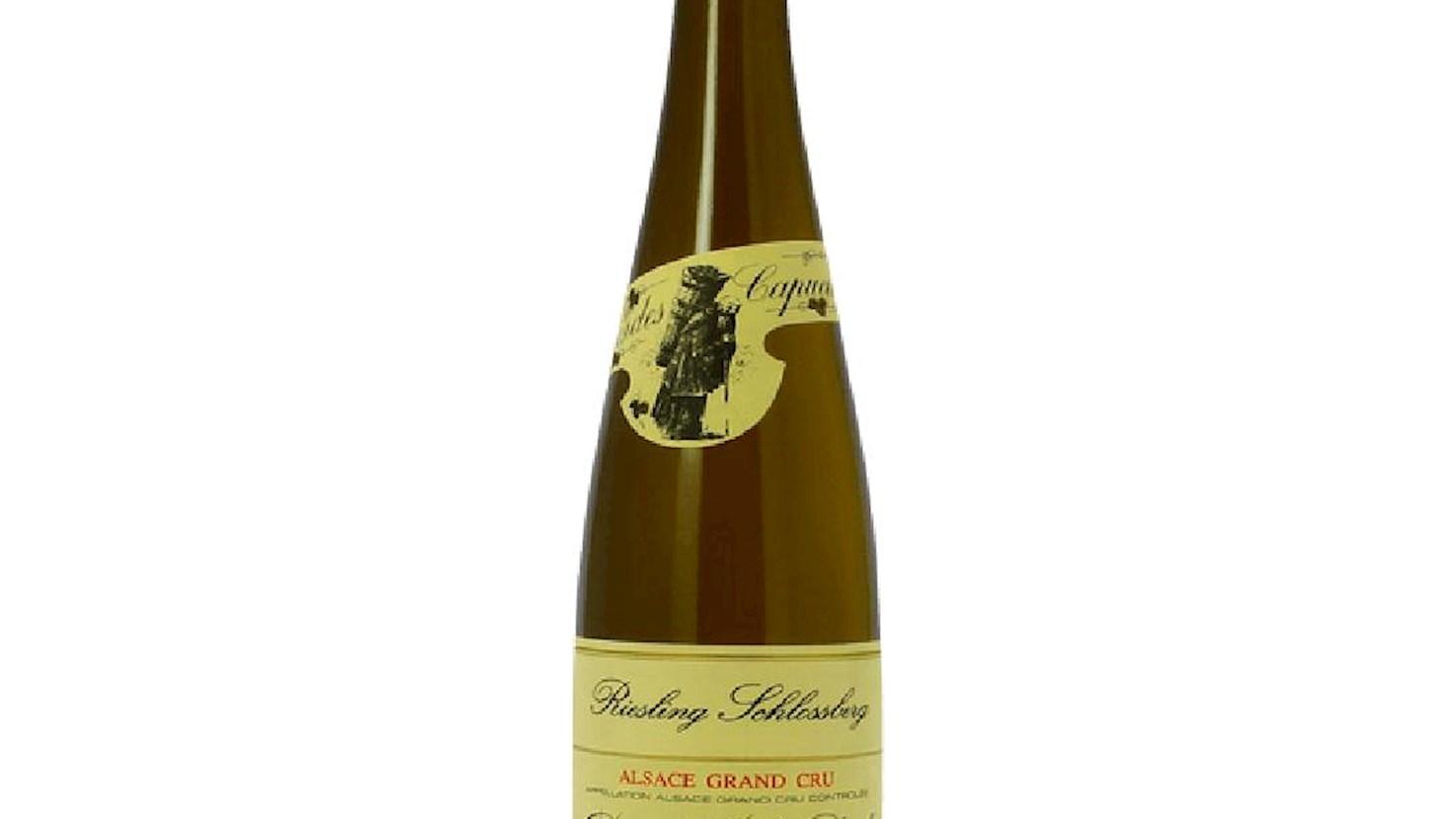
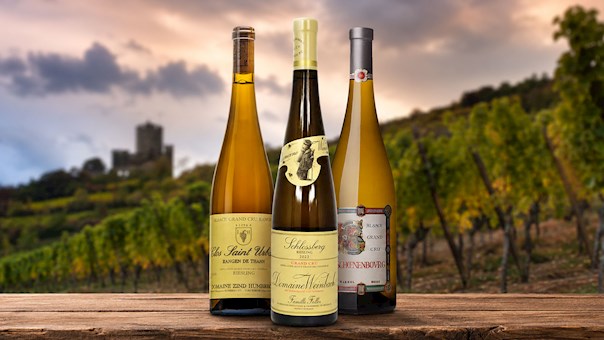
Domaine Weinbach is a family-owned winery located in Kaysersberg, in the Alsace wine region of France. It is named after a small stream that flows through the estate and was founded in 1612 by Capuchin monks. The vineyards of Domaine Weinbach cover approximately 38 hectares and include prestigious parcels such as Clos des Capucins and several Grand Cru vineyards, including Schlossberg, Furstentum, and Mambourg. The winery is renowned for its wines made from varieties such as Riesling, Gewürztraminer, Pinot Gris, and Sylvaner, which reflect the diversity and richness of the terroir. Since 2005, Domaine Weinbach has adopted biodynamic viticulture methods, contributing to the production of wines that embody the purity, elegance, and authenticity of each terroir.
Awards
James Suckling - 100 points (2024)
Vivino - 4.4
04

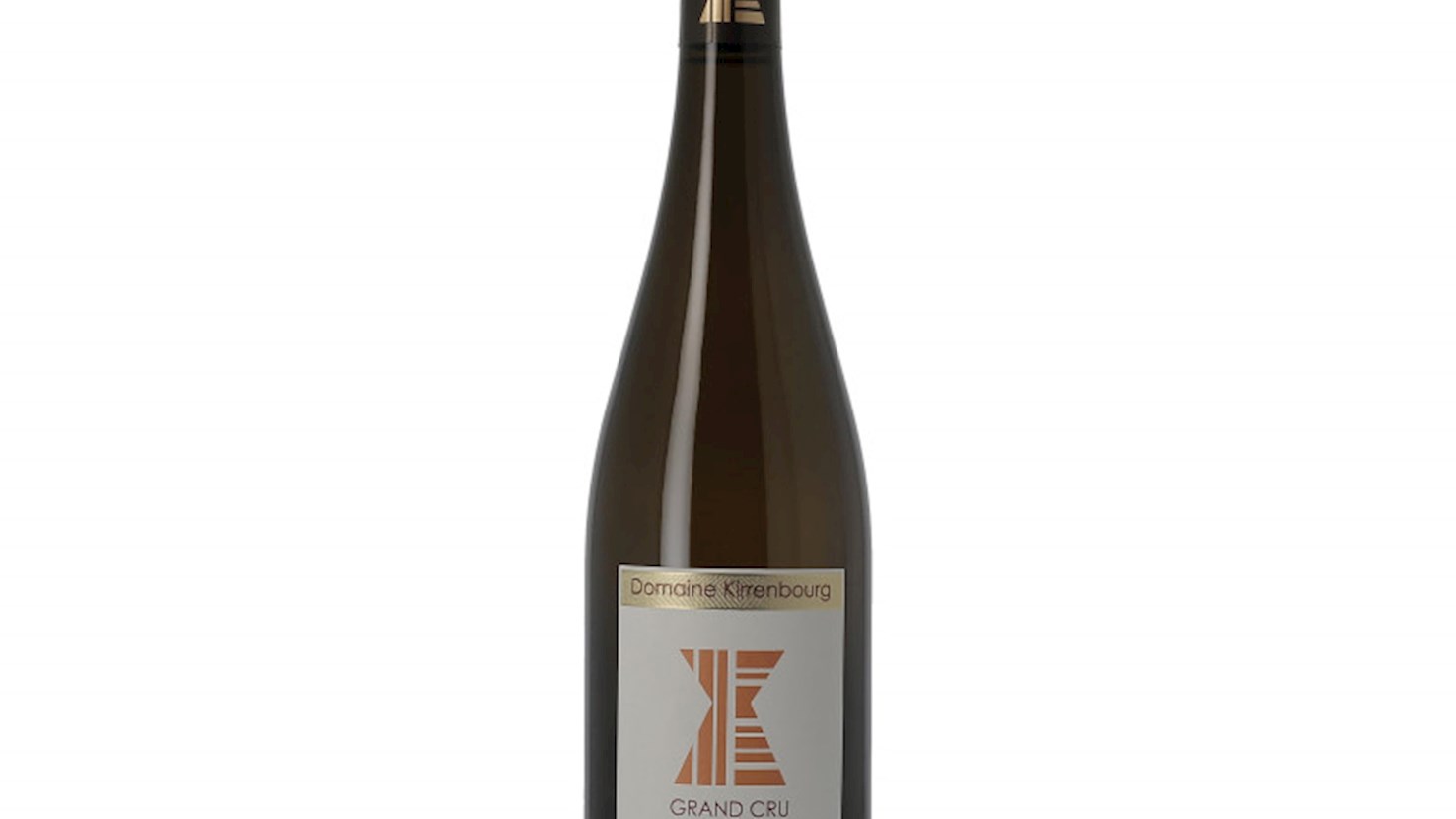
Domaine Kirrenbourg

4.9 ·
Awards
Decanter World Wine Awards - Platinum (2023)
05

Domaine Albert Hertz

4.9 ·
Awards
IWSC- International wine & spirit competition - Gold (2020)
06

Domaine Trimbach

4.9 ·
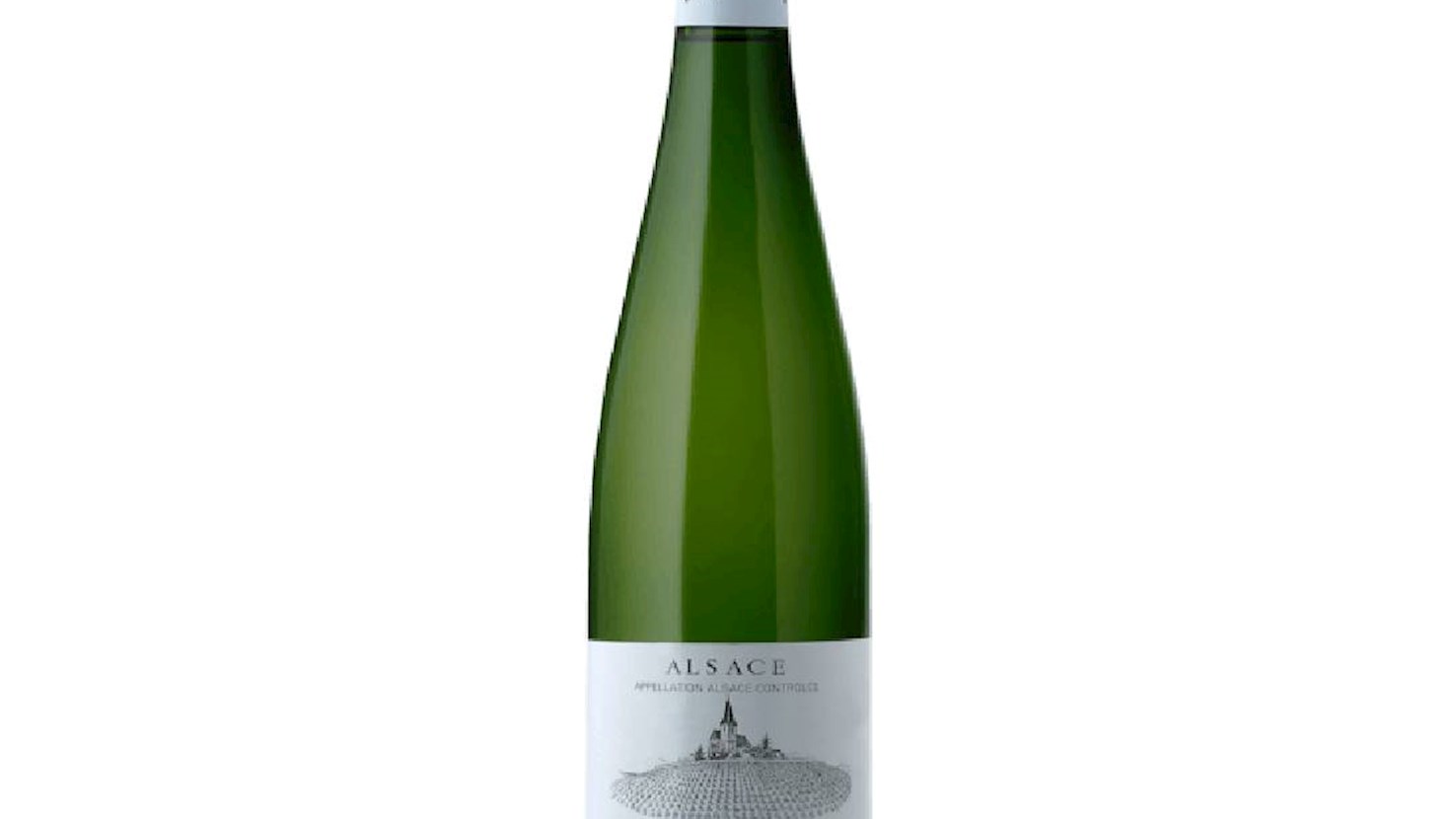
Trimbach is a family-run winery from Ribeauvillé, in the heart of Alsace, with a tradition dating back to 1626. For 13 generations, the Trimbach family has remained faithful to its philosophy of crafting wines defined by precision, clarity, and balance. Their hallmark is the production of elegant, dry Rieslings, alongside other classic Alsace varietals that reflect the unique terroir of the region. The estate combines deep respect for tradition with a constant pursuit of refinement and modern expression, resulting in wines celebrated worldwide for their authenticity and finesse. Today, Trimbach stands as a symbol of excellence and consistency, guided by their timeless motto: “balance, balance, and balance“.
Awards
Falstaff - 100
Vivino - 4.5
07

Domaine Barmès-Buecher

4.8 ·
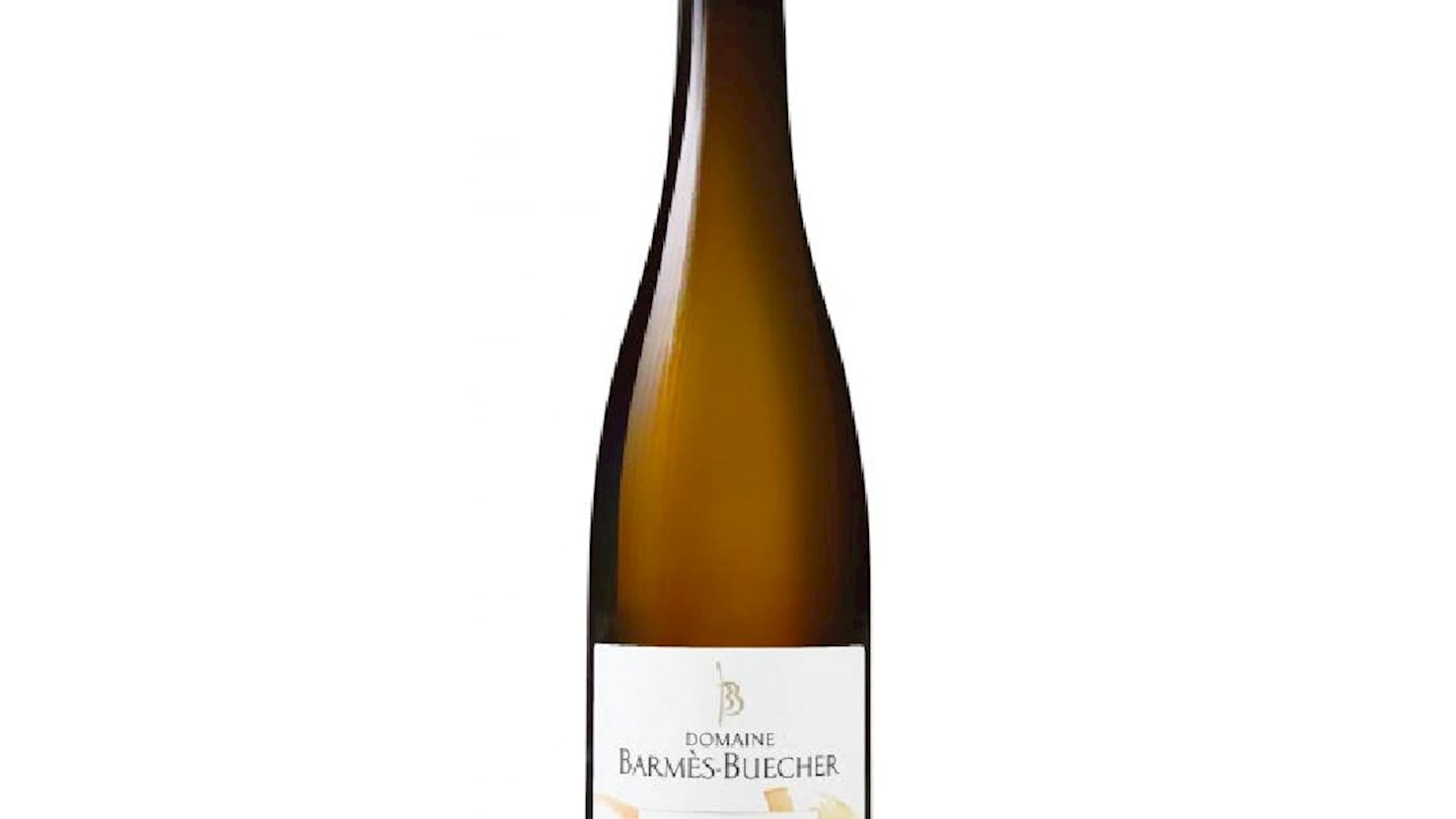
Domaine Barmès-Buecher is a family-owned winery located in the heart of Alsace, in the village of Wettolsheim, near Colmar and Eguisheim. Established in 1985 through the merging of the vineyards of the Barmès and Buecher families, the estate now spans 18 hectares of vineyards on the slopes of the Vosges Mountains. Since 2001, Domaine Barmès-Buecher has been certified for biodynamic production, reflecting their commitment to environmental preservation and respect for the land inherited from their ancestors. Their philosophy emphasizes adapting to each vineyard individually to ensure their wines reflect the uniqueness and characteristics of each terroir.
Awards
James Suckling - 99 points (2024)
08

Mure

4.8 ·
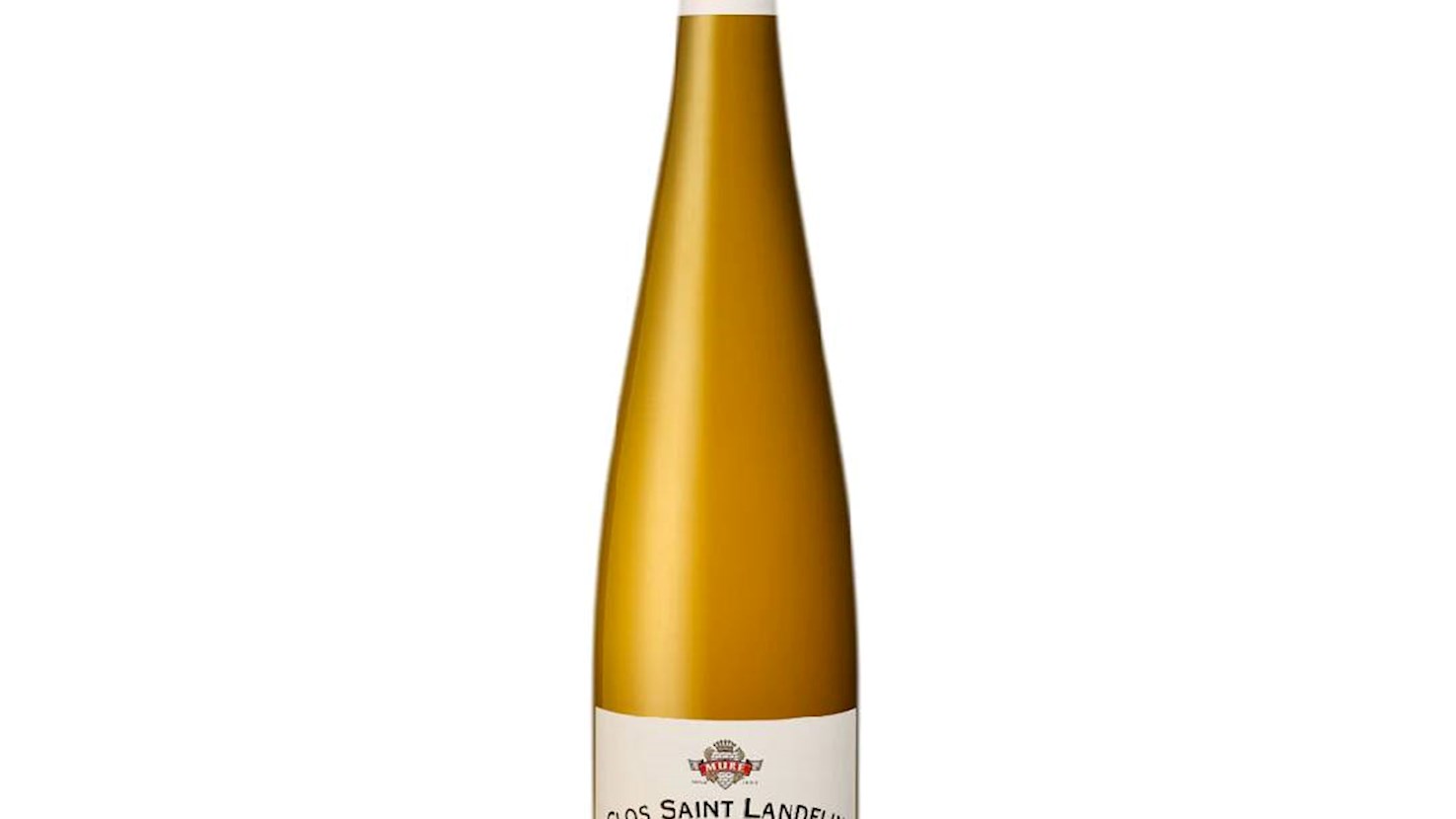
Domaine Muré is a family-owned winery located in Rouffach, in the southern part of Alsace, France. The winery's history dates back to 1650 when Michel Muré moved to Westhalten and began cultivating vineyards. In 1935, Alfred Muré acquired Clos Saint Landelin, a 12-hectare vineyard that remains exclusively owned by the Muré family today. This vineyard, situated south of Rouffach, is renowned for its exceptional microclimate and terroir, enabling the production of elegant and complex wines with fine fruit aromas and significant aging potential. Domaine Muré produces a wide range of wines, including Riesling, Gewürztraminer, Pinot Gris, Muscat, and Pinot Noir, reflecting the diversity of Alsace grape varieties and terroirs.
Awards
James Suckling - 98 points (2023)
09

Domaine Zind-Humbrecht

4.8 ·
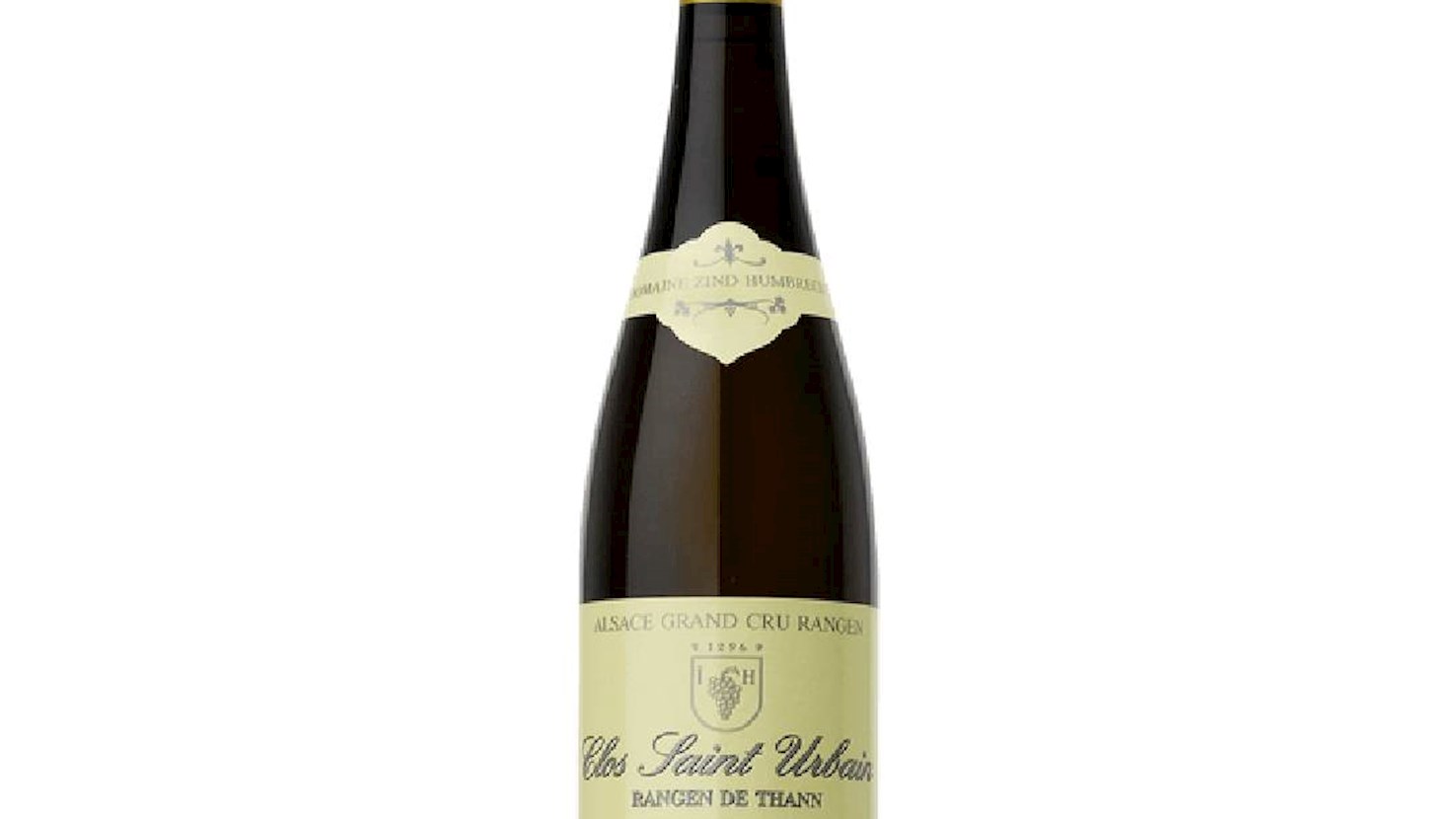
Domaine Zind-Humbrecht is a family-owned winery located in Turckheim, in the Alsace wine region of France. Founded in 1959 through the merger of the Zind and Humbrecht family vineyards, its winemaking tradition dates back to 1620. Today, the winery is managed by Olivier and Margaret Humbrecht, who continue the family’s legacy of producing high-quality wines. The winery is renowned for its wines made from grape varieties such as Riesling, Gewürztraminer, Pinot Gris, and Muscat, which reflect the diversity and richness of the Alsace terroir. Since 1997, Domaine Zind-Humbrecht has adopted biodynamic viticulture practices, contributing to the creation of wines that showcase purity, elegance, and the authenticity of each terroir. The wines from this estate are celebrated for their complexity, aging potential, and pronounced minerality, making them an exceptional choice for wine enthusiasts worldwide.
Awards
James Suckling - 100 points (2024)
Vivino - 4.3
10

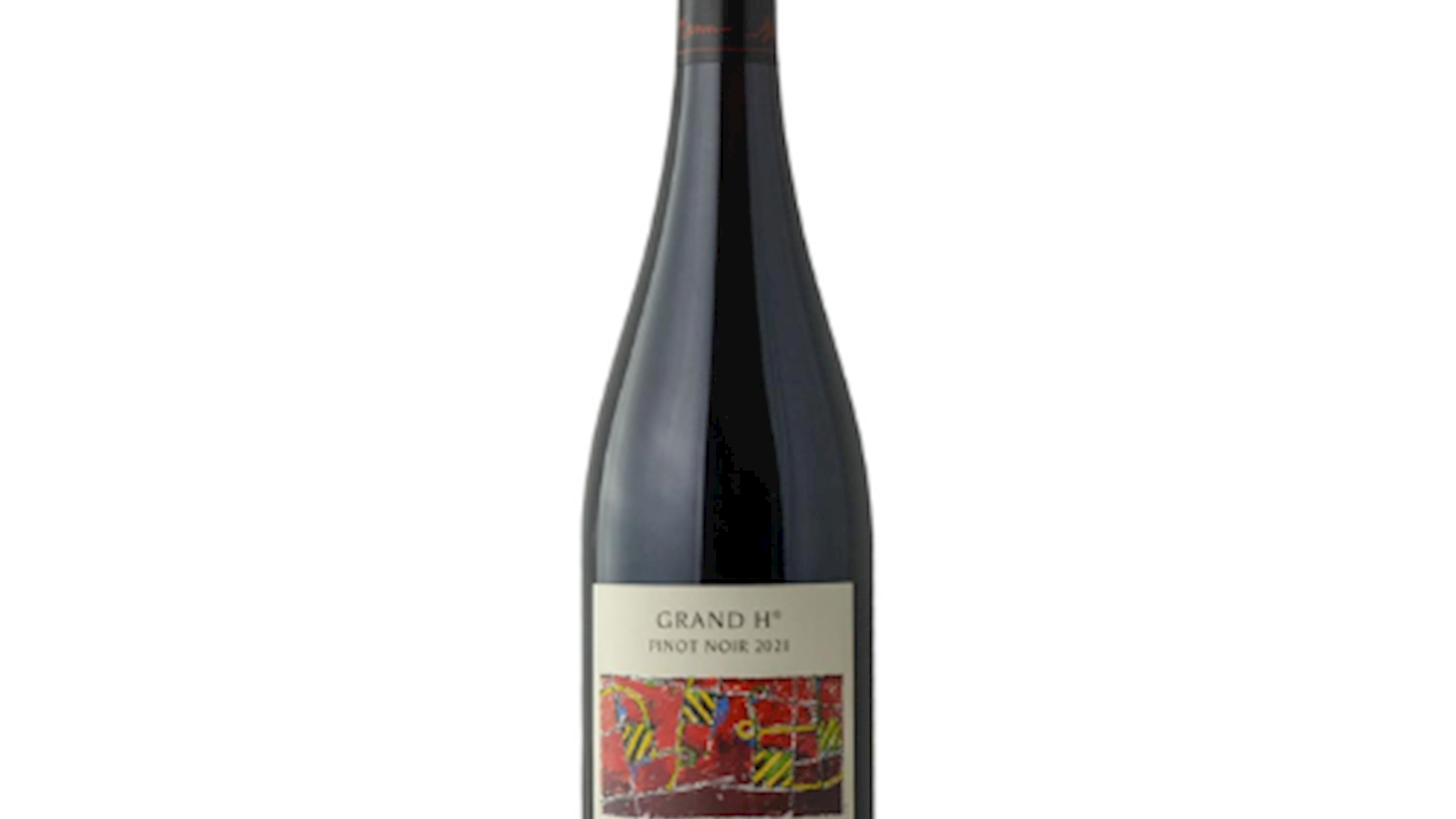
Domaine Albert Mann

4.8 ·
Domaine Albert Mann is a highly respected family-owned winery based in Wettolsheim, in Alsace, and is considered one of the region’s leading producers. Its origins date back to the early 17th century, while the modern identity of the estate was shaped in the mid-20th century under Albert and Jacky Barthelmé, who established a strong focus on quality-driven viticulture. The domaine is particularly renowned for its work with prestigious Grand Cru vineyards such as Hengst, Schlossberg, and Furstentum, each known for a distinct terroir and strong site expression. Domaine Albert Mann is a pioneer of biodynamic farming in Alsace and is fully certified, emphasizing soil health, biodiversity, and minimal intervention in both vineyard and cellar. Its portfolio centers on classic Alsatian varieties including Riesling, Gewürztraminer, Pinot Gris, and Pinot Noir, producing wines noted for their structure, depth, and aging potential. The house style balances aromatic clarity with mineral precision, allowing each vineyard to speak clearly through the wine. Today, Domaine Albert Mann is widely regarded as a benchmark for serious, terroir-driven Alsace wines, highly valued by collectors and fine-dining restaurants alike.
Awards
James Suckling - 100 points (2024)
Vivino - 4.3

Best Alsatian Alcoholic Beverage Types

01

Gewurztraminer d'Alsace

4.3 ·

Gewurztraminer is a pink-skinned grape that produces some of the most aromatic and complex white wines in the world. The exact origin of Gewurztraminer is hard to trace, but the grape is related to Traminer family that is cultivated across Europe, and although Gewurztraminer has shown success in Germany, Austria, Australia, Washington and California, the French Alsace region remains its foreground. Alsace produces varietals that are rich and typically deeply colored, often low in acidity and high in alcohol with exotic aromas of lychee and rose petals. Their character and the body heavily depends on the terroir and ripeness of the grapes, and they may range from dry to off-dry and sweet styles. Dry Gewurztraminer from Alsace is a perfect match to cheese and savory, preferably spicy or creamy dishes, while sweeter styles may match fruit or spiced desserts.

02

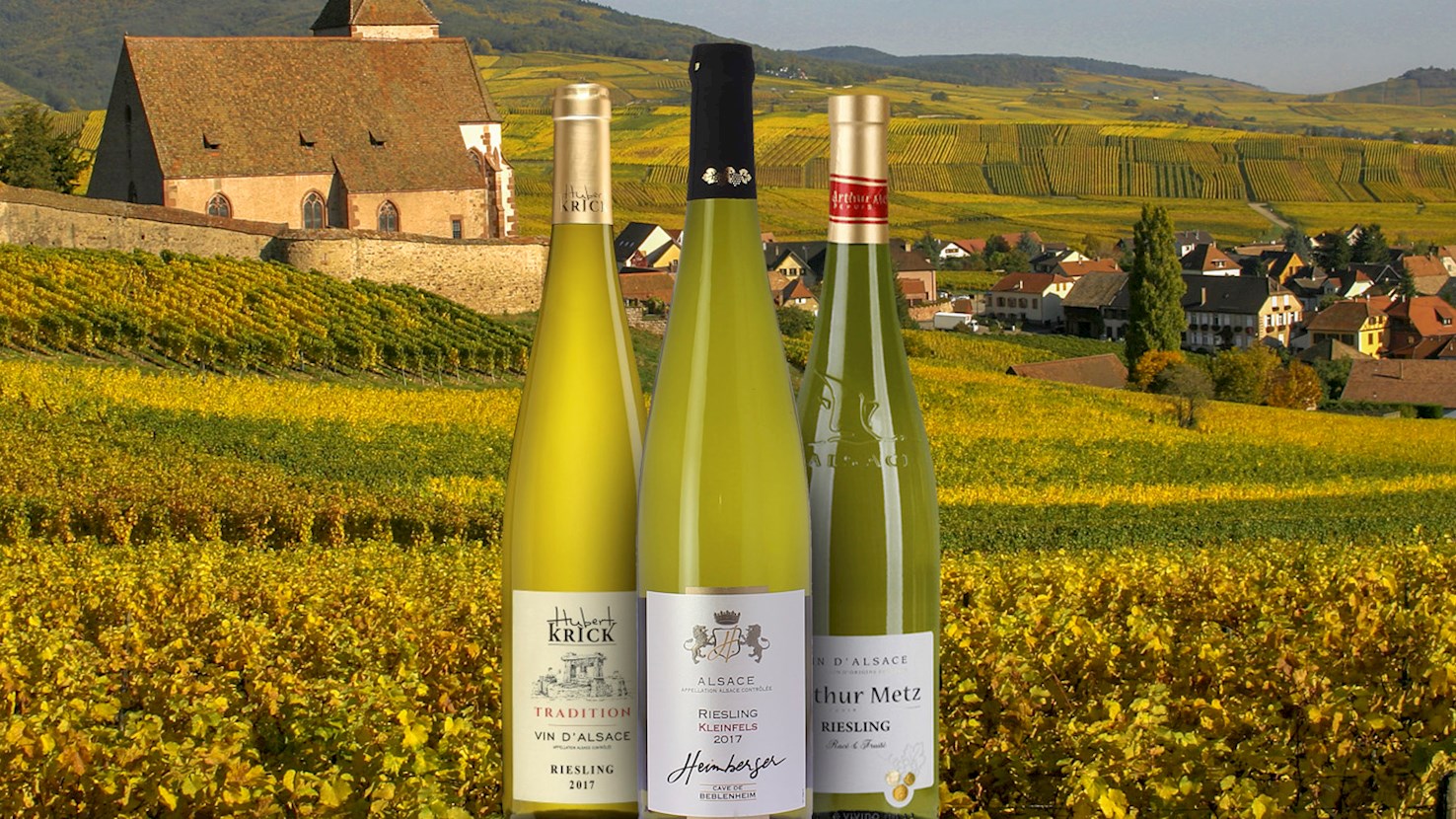
Alsace Riesling

4.3 ·

Riesling is an aromatic white grape native to Germany. It is a terroir-driven wine known for its versatile character and intense aroma, usually reminiscent of citrus, petroleum, and white flowers. In Alsace, Riesling is one of the main varieties. Although the grape is often associated with sweeter styles, most of the examples coming from Alsace are bone dry. Riesling from Alsace can slightly vary in character, from leaner to more opulent, flavor-packed expressions, but it is generally complex, richly flavored, and high in acidity. It has intense citrus, stone fruit, and floral aromas. Usually, these wines will have steel-like mineral notes. They are typically full-bodied and have good aging potential, with the best vintages reaching up to 15 years. Most Rieslings are excellent with food. Lighter Alsace styles should be paired with lighter dishes, primarily seafood, including fish, shellfish, and crustaceans, but they could also work with salads and poultry. More complex and concentrated examples can be paired with Asian fare, and late harvest styles (Vendange Tardive) are best paired with desserts. Alsace Riesling will usually have higher alcohol content than their German counterparts.

03

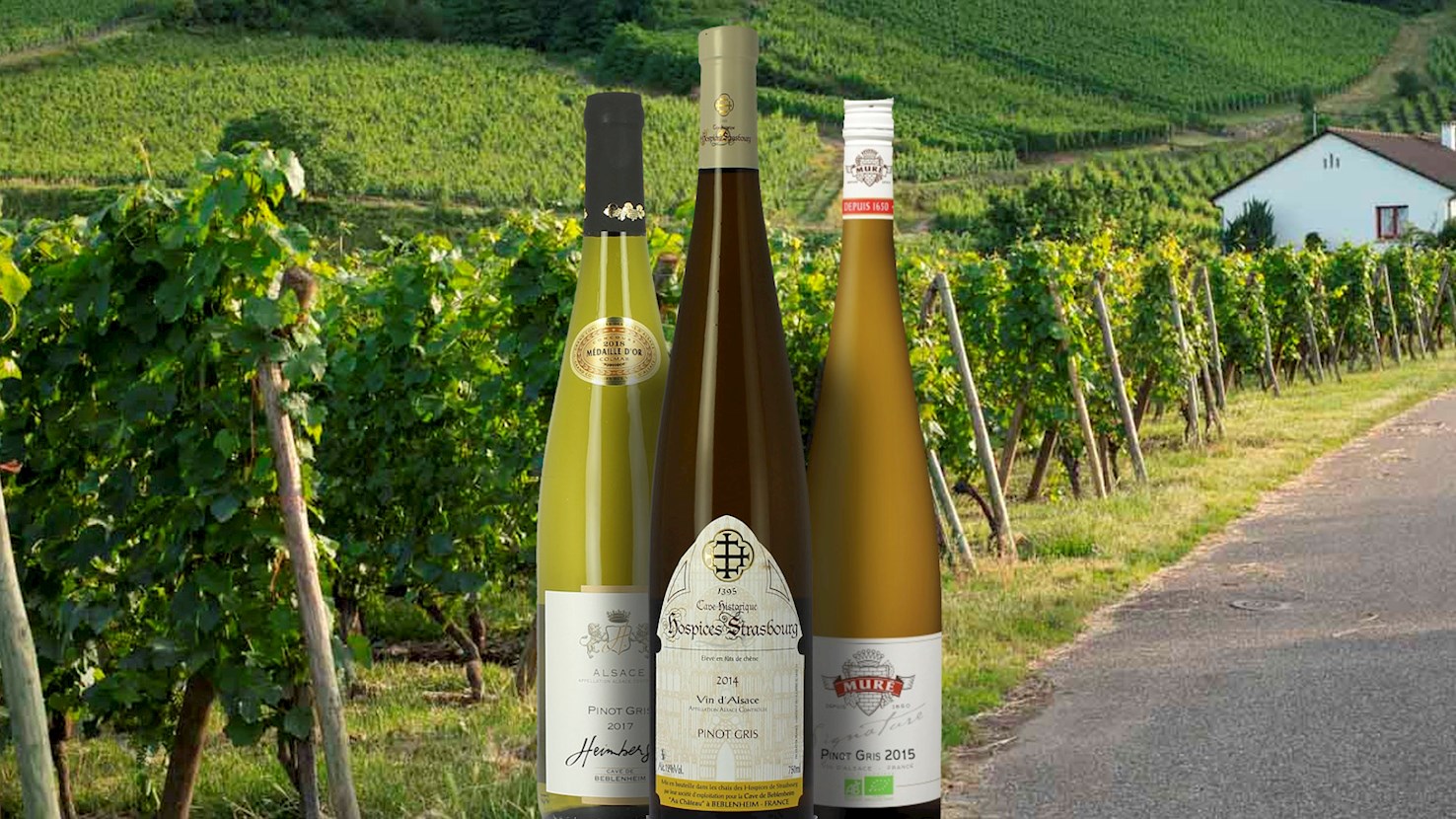
Pinot Gris d'Alsace

4.2 ·

Pinot Gris, also known as Pinot Grigio and Grauburgunder, is a white grape variety whose origins are believed to be in Burgundy, but the grape has shown amazing potential in Alsace—the region with which it is mostly associated nowadays. In Alsace, Pinot Gris is considered a noble grape. In the past, it was mistakenly related with Hungarian Tokaj, and it was often called Tokaj d'Alsace. The wines made from Pinot Gris considerably differ in character than those found in other wine-growing regions. They are dense and concentrated, with typical notes of white flowers, honey, ginger, apricot, lemons, spices, and dry fruit. The wines are typically dry with some off-dry varieties. They are usually full-bodied and pair well with poultry, feathered game, and pork.

04

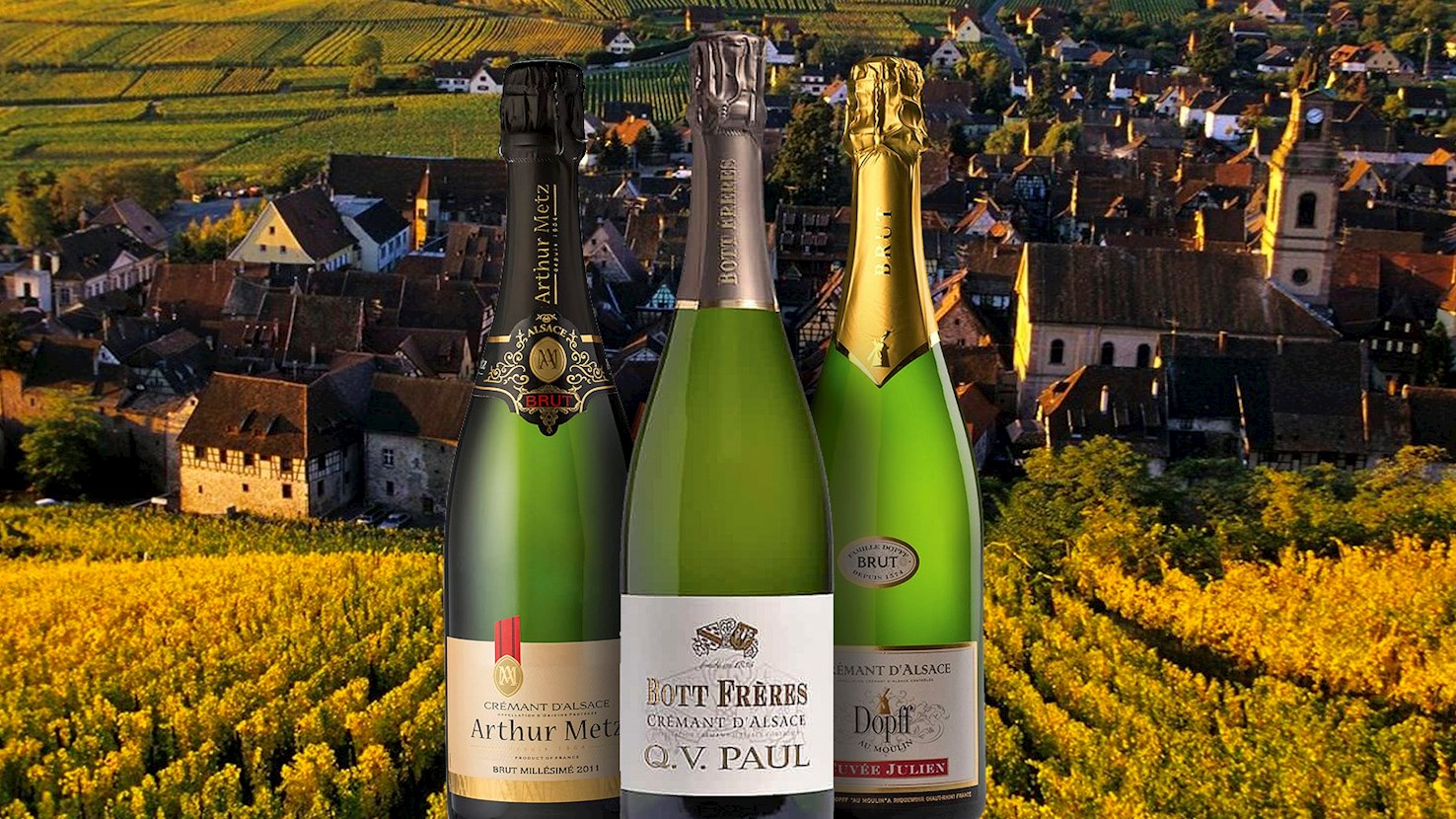
Crémant d'Alsace

3.9 ·

These white and rosé sparkling wines are produced in the French wine region of Alsace, with Pinot Blanc as the principal grape variety, though Auxerrois, Pinot Gris, Riesling, Chardonnay, and Pinot Noir are also permitted. The wines are produced with a traditional method—in which the second fermentation takes place in the bottle—and they must be aged for a minimum of nine months. Crémant d'Alsace wines are usually lively and fresh, with fine bubbles and fruity notes of apples, pears, apricots, and peaches. Although they can be enjoyed as an aperitif, these vibrant wines are food-friendly and can match different appetizers, various seafood dishes, poultry, and cheese, while semi-dry varieties can pair well with desserts.

05

Muscat d'Alsace

3.5 ·

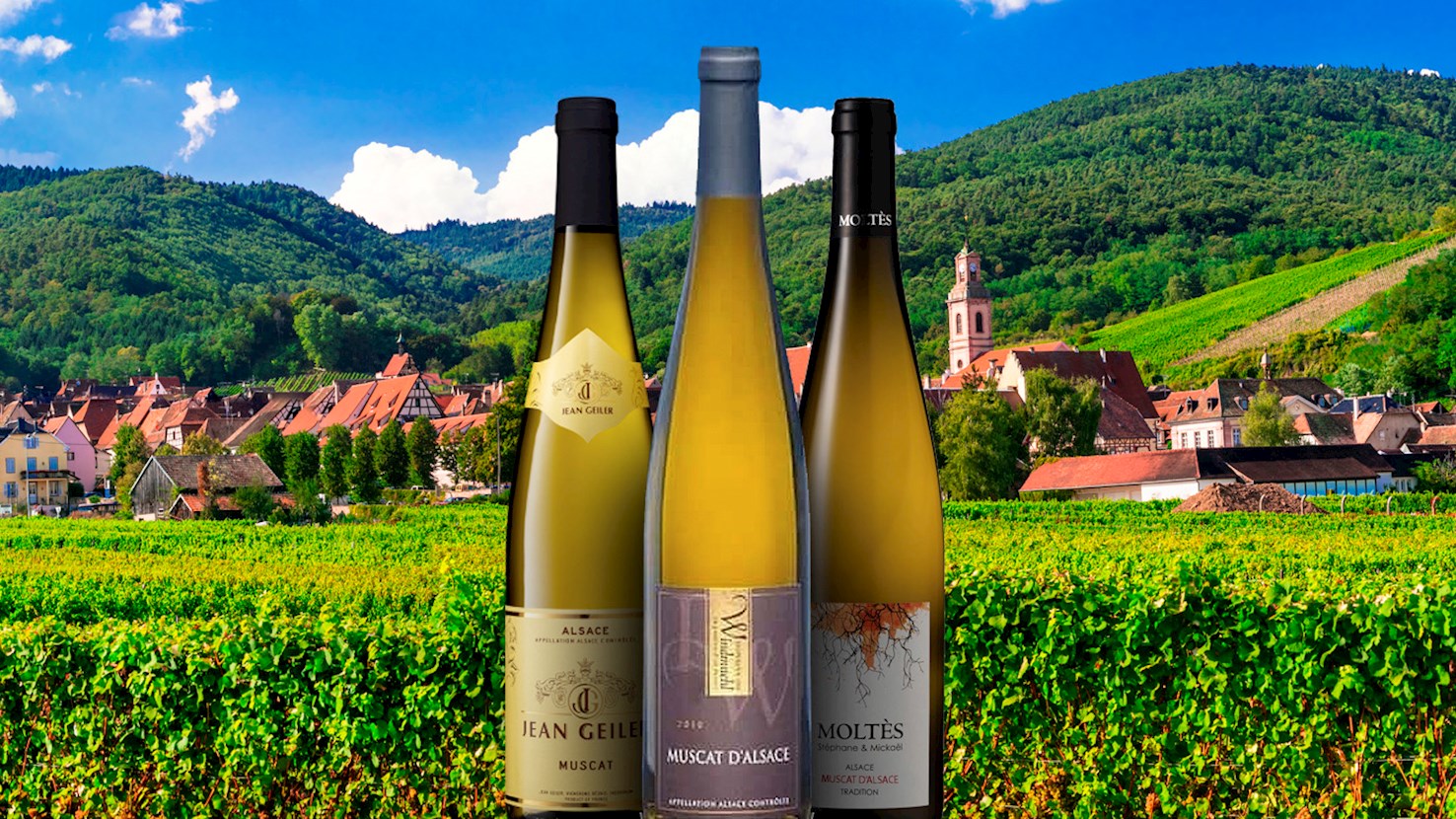
Muscat d'Alsace is a type of white wine that can be made from two Muscat grapes—Muscat Ottonel and Muscat à Petits Grains (which is confusingly sometimes simply called Muscat d'Alsace). Unlike other Muscat styles that usually have some amount of residual sugar, Alsatian Muscat is traditionally a type of dry white wine. The production can take place anywhere in the Alsace wine region. These wines are light, refreshing, and aromatic. The aromas are fruity, usually accompanied by subtle floral hints. On the palate, the wines show great balance of acidity and sweetness. They are crisp and refreshing but remain rounded and soft. Muscat d'Alsace is a great aperitif wine. It can be paired with various appetizers, and it typically goes well with vegetables. It is one of the rare wines that pairs with asparagus.

06

Auxerrois

n/a ·

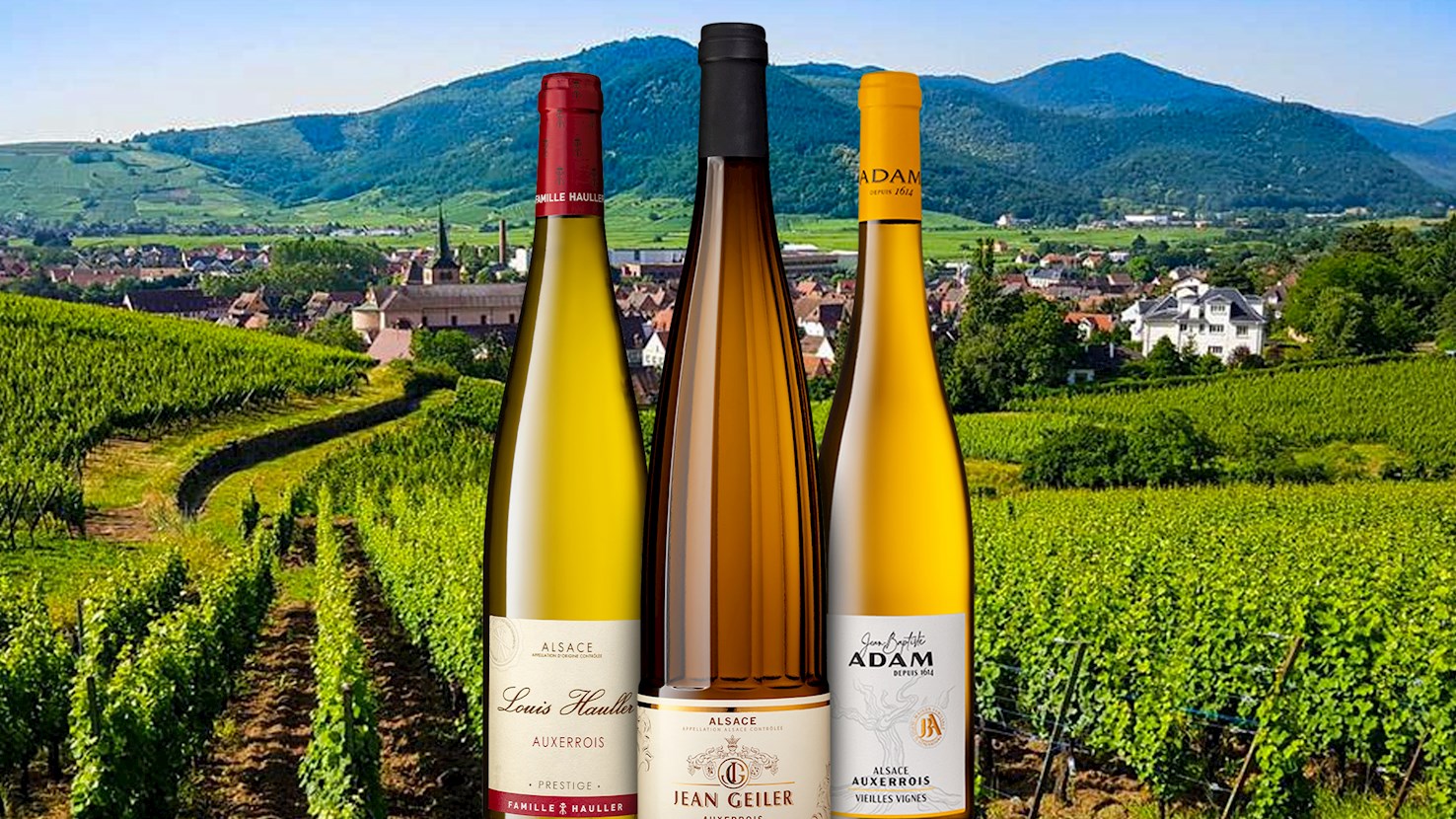
Auxerrois is a white grape variety primarily grown in France, particularly in the Alsace region, and in Luxembourg and Germany. This grape is known for producing wines that are aromatic and well-balanced, often compared to Pinot Blanc, with which it shares some similarities. Auxerrois is known for its ability to produce wines with a distinct aromatic profile. The wines often exhibit delicate floral and fruit notes, such as apple, pear, and apricot, along with subtle hints of spice and honey. The acidity in Auxerrois wines is generally moderate, contributing to their smooth and rounded texture. These wines tend to be light to medium-bodied, making them versatile for pairing with a wide range of foods. Auxerrois vines thrive in cooler climates, which is why they are well-suited to regions like Alsace. The grape prefers well-drained soils and can perform well on various soil types, including clay, limestone, and sandy soils. The vines are moderately vigorous and can produce good yields, although careful vineyard management is necessary to maintain quality. Auxerrois is often grown alongside other varieties like Pinot Blanc, and the two are sometimes blended together to create balanced and complex wines. In terms of winemaking, Auxerrois wines are typically fermented in stainless steel tanks to preserve their fresh and fruity character. Some producers may choose to age the wine on its lees to add complexity and richness, but oak aging is less common, as it can overwhelm the delicate flavors of the grape. Auxerrois can be made into still wines, both dry and off-dry, as well as sparkling wines. Auxerrois has a long history in the Alsace region, where it has been cultivated for centuries. The grape is believed to be named after the town of Auxerre in the Burgundy region, although it is not widely grown there today. Instead, it has found a home in Alsace and Luxembourg, where it contributes to the production of high-quality wines that reflect the region's unique terroir. Despite its relative obscurity compared to more famous varieties, Auxerrois is valued for its ability to produce elegant and expressive wines that are enjoyed by wine enthusiasts around the world.

07

Roter Traminer

n/a ·

Savagnin Rose is a pink-skinned wine grape variety primarily cultivated in the Alsace region of France and the Baden region of Germany. It is defined by its small, round, reddish-brown berries and a non-aromatic chemical profile that distinguishes it from its genetically identical but more fragrant mutation, Gewürztraminer. The variety is a color mutation of Savagnin Blanc, a grape with documented presence in the Jura region and the Alps since at least the 10th century. While it shares a common ancestor with the Traminer family of South Tyrol, the specific Savagnin Rose strain achieved localized recognition in the 18th century, particularly around the Alsatian village of Heiligenstein. In 1742, the mayor of Heiligenstein received permission to expand the cultivation of this specific vine on the clay-limestone slopes of the Au and Meisengunst hills, where it demonstrated superior resilience to the region's continental climate compared to more neutral white varieties. Preparation of Savagnin Rose wine focuses on preserving its structural weight and high natural extract. Unlike its aromatic relatives, this variety does not rely on volatile terpenes for character; instead, winemakers often employ extended aging on fine lees in stainless steel or large neutral oak vats to enhance its viscous texture. The fermentation process is strictly controlled to produce a dry or slightly off-dry finish with moderate to high alcohol content, typically reaching 13.5% or 14%. Serving standards for the wine, particularly those labeled under the specific Klevener de Heiligenstein designation, require a temperature of 10°C to 12°C. A unique botanical attribute of Savagnin Rose is its translucent skin appearance just prior to veraison, which serves as one of the few visual methods to distinguish the vines from Gewürztraminer before the fruit develops its full color and flavor profile. The wine is consumed as a specialized gastronomic item, found primarily in the five authorized Alsatian communes of Heiligenstein, Bourgheim, Gertwiller, Goxwiller, and Obernai. It is frequently paired with terrines, foie gras, and smoked fish such as salmon or trout, where the wine's oily texture and subtle spice notes complement the richness of the fats. In regional settings, it is served with Munster cheese tarts or creamy poultry dishes like coq au riesling, providing a balanced acidity that cleanses the palate. For dessert, it is paired with apricot or quince tarts, as the wine's own stone-fruit characteristics and honeyed finish align with the flavors of cooked pome fruits.

Best producers
08

Alsace Grand Cru Kaefferkopf

n/a ·

Alsace Grand Cru Kaefferkopf is a legally recognized vineyard designation producing white wines in the commune of Ammerschwihr in the Alsace region of eastern France, classified as a Grand Cru appellation and authorized for wines made primarily from Gewürztraminer, Riesling, Pinot Gris, and in defined cases structured blends of these varieties. Viticulture on the Kaefferkopf hillside developed around its favorable exposure and complex geology, with vineyards documented around Ammerschwihr from the Middle Ages onward and the site gradually gaining recognition for wines of consistency and depth, leading to its official classification as an Alsace Grand Cru in 2007 after extended local advocacy and formal evaluation of its soil composition, climate, and wine profiles. The vineyards lie on a mix of granite, limestone, and marl soils at moderate elevation, conditions that influence ripening patterns and contribute to balanced sugar development and aromatic expression, and grapes are harvested by hand under Grand Cru regulations that impose lower yields and stricter ripeness criteria than the broader Alsace appellation. Vinification generally favors stainless steel or neutral vessels to preserve varietal and site character, though some producers employ extended lees contact or controlled oak use, and the wines are bottled after sufficient maturation to integrate acidity, alcohol, and aroma, then served cool but not cold to allow full expression. A distinguishing feature of Kaefferkopf is that it permits labeled Grand Cru blends under regulated proportions, a practice uncommon among Alsace Grand Crus, resulting in wines that emphasize structure and harmony rather than single-variety expression. Alsace Grand Cru Kaefferkopf wines are consumed mainly at the table in Alsace and export markets, paired with dishes such as spiced poultry, roasted meats, rich fish preparations, foie gras, or aged cheeses depending on grape composition and residual sugar level, and they are also served on their own during meals where their weight and aromatic profile allow them to function as a central element rather than a simple accompaniment.

09

Pinot Noir d’Alsace

n/a ·

Pinot Noir d’Alsace is a red wine made from the Pinot Noir grape and produced in the Alsace region of eastern France under the Alsace appellation, representing the principal and effectively sole category of red wine authorized within a region otherwise focused on white varieties. The cultivation of Pinot Noir in Alsace developed through long-standing viticultural connections along the Rhine Valley, where grape material and farming practices circulated between neighboring areas, and documentary evidence shows that Pinot Noir was present in Alsace by the Middle Ages, although for much of its existence it was directed toward lightly colored wines until changes in site selection, yield control, and ripening conditions in the late twentieth century allowed for more concentrated styles. Production involves harvesting fully ripe grapes, usually by hand, followed by destemming and fermentation on the skins to extract color and structure, with aging carried out in stainless steel, large neutral oak casks, or small barrels depending on producer intent, aiming to preserve fruit definition and moderate tannin rather than impose heavy oak influence. The wine is typically bottled as a dry red and served slightly below room temperature to maintain freshness, with decanting reserved for fuller examples that benefit from aeration. A defining feature of Pinot Noir d’Alsace is its broad stylistic range, which reflects varied soils, exposures, and winemaking approaches rather than a narrowly fixed profile, while still remaining distinct from Pinot Noir grown in other French regions. It is consumed primarily with meals in Alsace and export markets, paired with foods such as roast poultry, pork dishes, mushrooms, charcuterie, and mild to semi-aged cheeses, and it also works well with vegetable-based preparations and lightly spiced cuisine, offering a food-oriented red wine that integrates easily at the table without overwhelming accompanying dishes.

10

Alsace Grand Cru Zinnkoepflé

n/a ·

Alsace Grand Cru Zinnkoepflé is a designated vineyard site producing white wines in the commune of Westhalten in the southern part of Alsace, classified as a Grand Cru appellation and used primarily for wines made from Gewürztraminer, Pinot Gris, Riesling, and Muscat. Its recognition is rooted in long-established viticulture on a steep, south-facing limestone and sandstone hill overlooking the Alsatian plain, where records from the medieval period already identify the slope as a valued winegrowing area, and where monastic and later village cultivation refined grape selection and parcel management well before formal appellation rules were introduced in the late twentieth century. Viticulture on Zinnkoepflé is shaped by its warm microclimate, shallow soils, and excellent sun exposure, leading to grapes that reach full ripeness with relatively low acidity, and wines from this site are vinified according to Alsace Grand Cru regulations, which emphasize controlled yields, hand harvesting, and varietal expression rather than blending. The wines are fermented and aged mainly in stainless steel or neutral oak to preserve clarity and site character, bottled after sufficient maturation, and served chilled but not cold to allow aromatic compounds to emerge gradually. A defining feature of Zinnkoepflé wines is their tendency toward richness and breadth on the palate while maintaining structure, a result of both geology and exposure, and this profile is consistently observed across producers working the slope. Alsace Grand Cru Zinnkoepflé wines are consumed primarily at the table in Alsace and export markets, paired with dishes such as spiced poultry, foie gras, shellfish, or aged cheeses depending on grape variety, and they also accompany lightly sweet desserts when vinified with residual sugar, while still being suitable for consumption on their own as structured, aromatic white wines served during meals rather than as aperitifs.

Read more
View all
View map
About this ranking

TasteAtlas food rankings are based on the ratings of the TasteAtlas audience, with a series of mechanisms that recognize real users and that ignore bot, nationalist or local patriotic ratings, and give additional value to the ratings of users that the system recognizes as knowledgeable. For the “Top 26 Alsatian Alcoholic Beverages” list until June 15, 2026, 240 ratings were recorded, of which 220 were recognized by the system as legitimate. TasteAtlas Rankings should not be seen as the final global conclusion about food. Their purpose is to promote excellent local foods, instill pride in traditional dishes, and arouse curiosity about dishes you haven’t tried.

The initial list of top producers was compiled based on available reviews, awards, local recommendations, media and blog coverage, and consumer reviews. The list will be updated with ratings from TasteAtlas local ambassadors and TasteAtlas users.

Similar lists