Top 17 Baltic Alcoholic Beverages

Last updated on June 03, 2026

Best Baltic Alcoholic Beverages
01

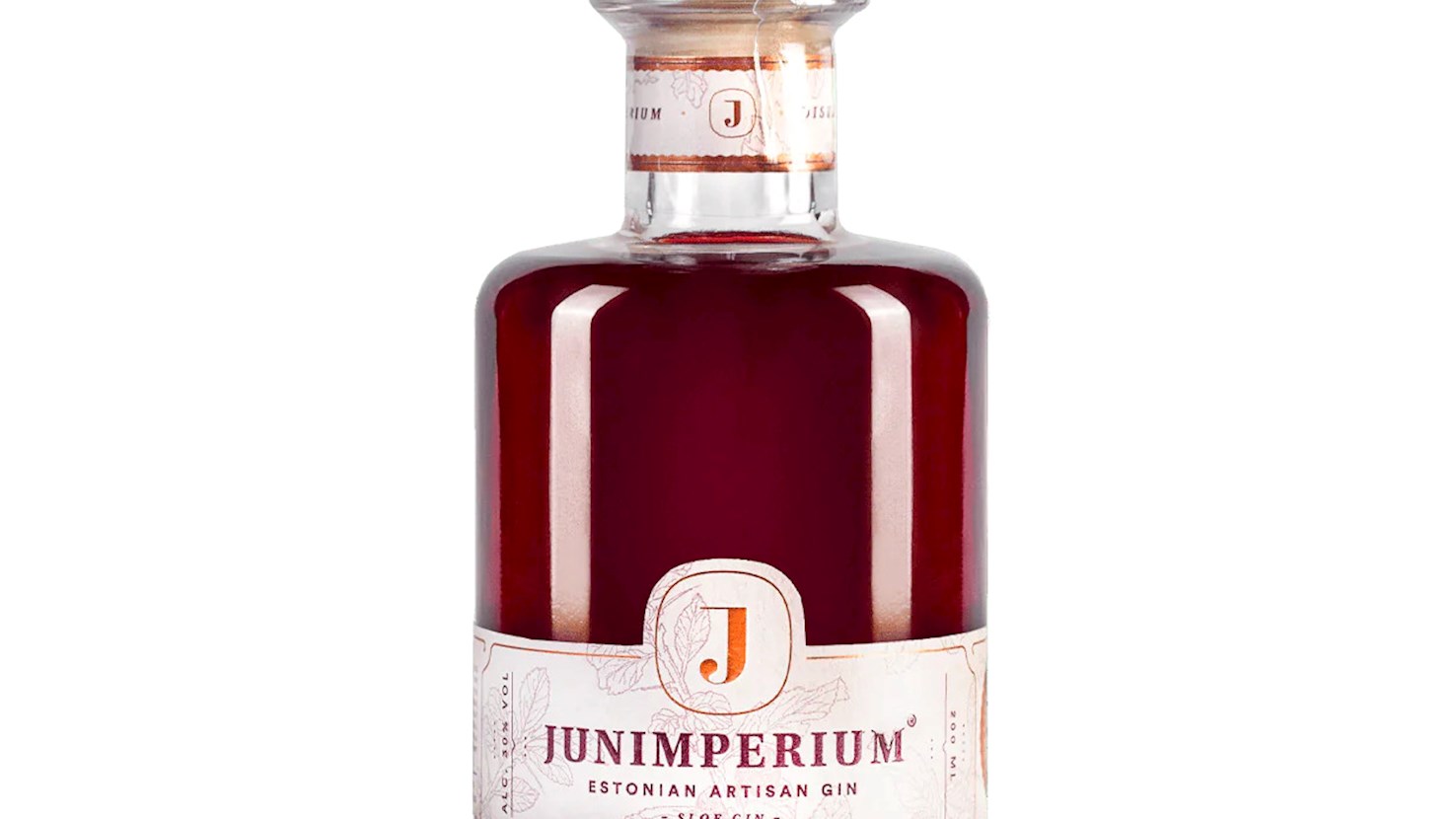
Junimperium

5 ·
Located at the hip Telliskivi area, Junimperium Distillery is the first open artisan gin distillery in Tallinn and Estonia, which offers distillery tours for everyone interested in the history of gin and the art of production.
Awards
World Gin Awards - World's Best Navy Gin (2023)
The Gin Masters - Gold (2022)
02

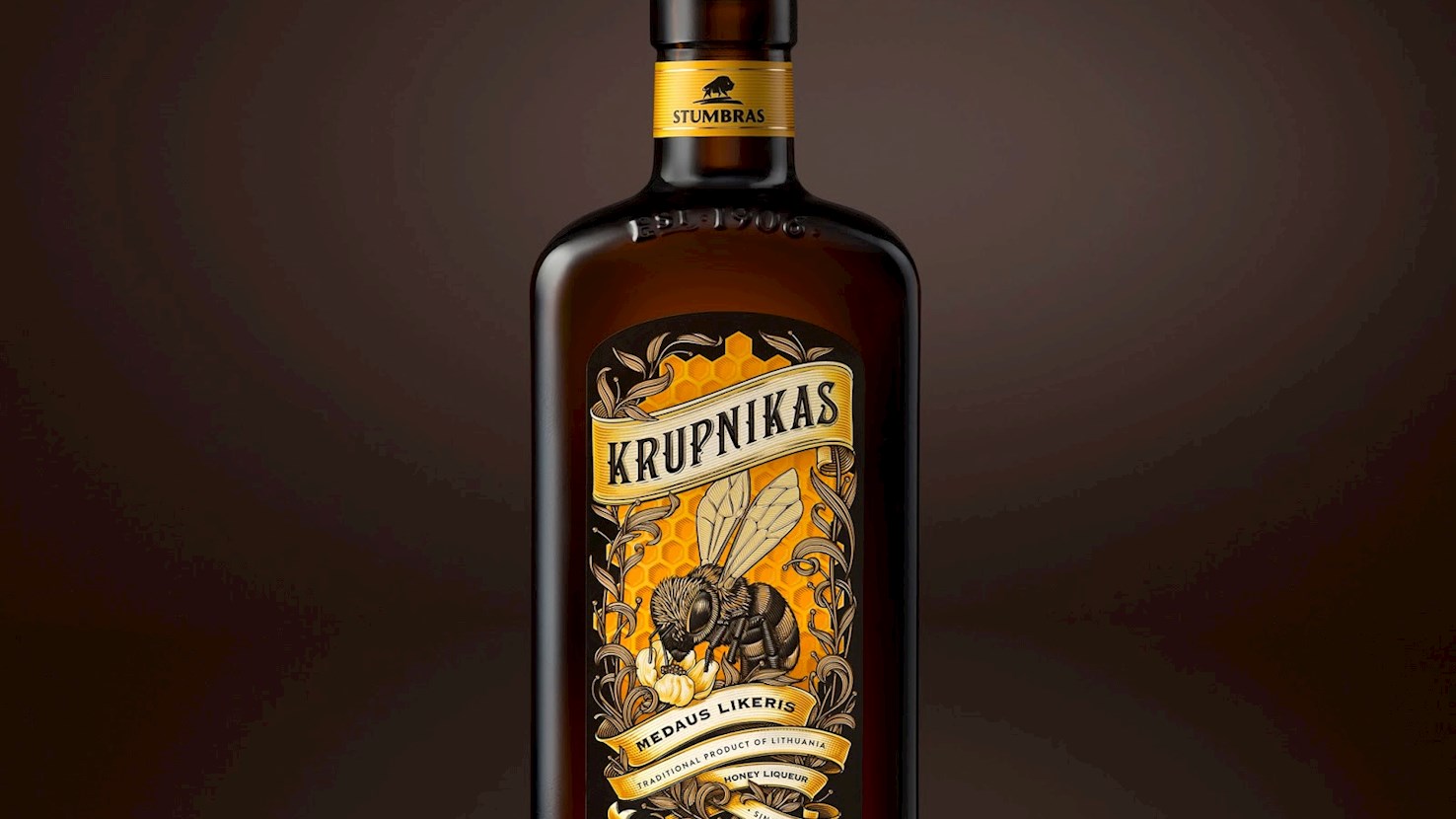
KRUPNIKAS

5 ·
Awards
SFWSC - San Francisco World Spirits Competition - Double Gold (2024)
03

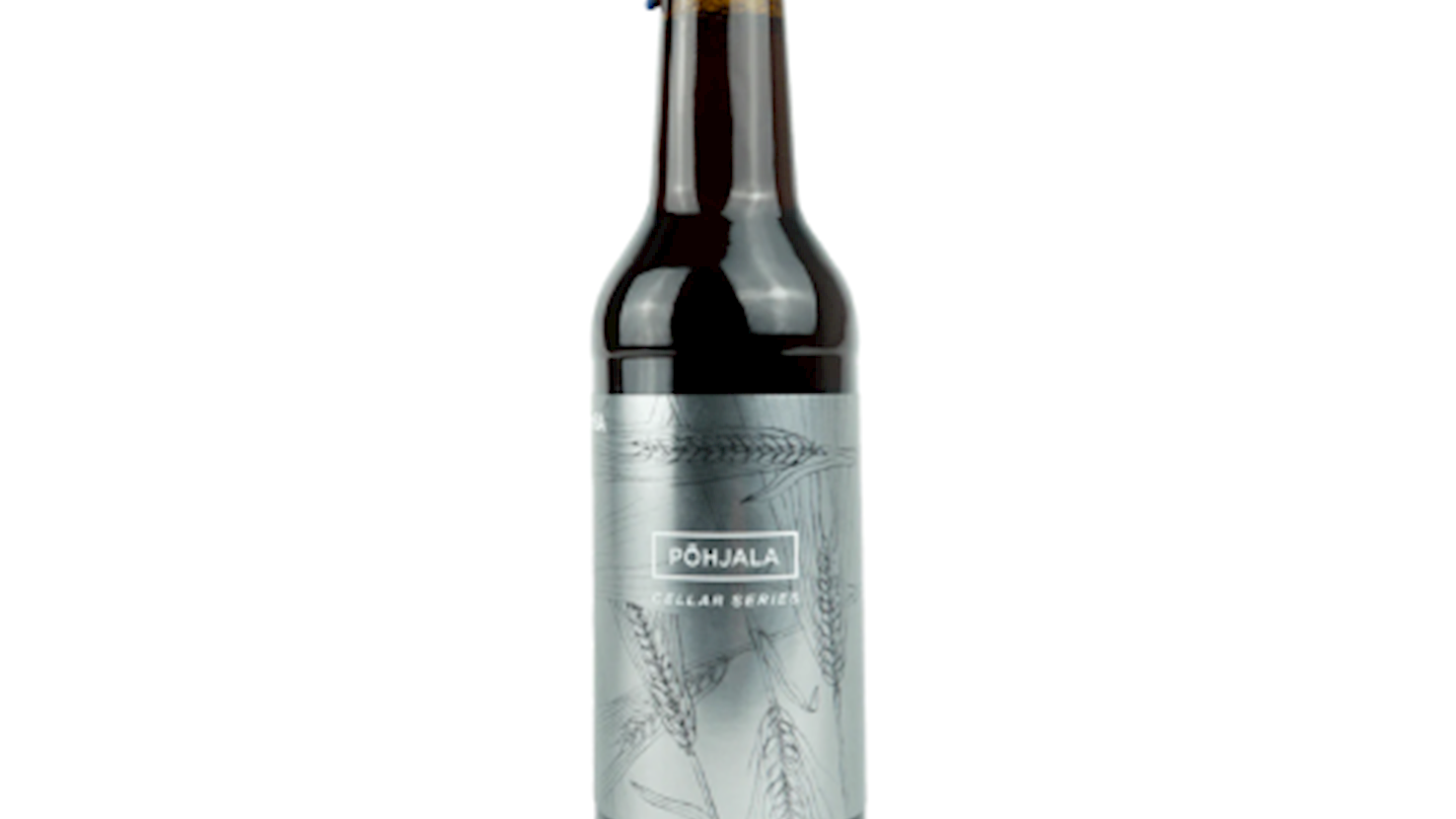
Põhjala Brewery

4.9 ·
Põhjala Brewery is an independent craft brewery from Tallinn, Estonia, founded in 2011 with the idea of bringing local ingredients and Baltic brewing tradition into modern beer styles. From the very beginning, they focused on high-intensity dark beers, especially porters and barrel-aged stouts, which quickly made them recognizable on the European craft scene. The name “Põhjala” translates to “northern land”, symbolically reflecting their focus on Estonian nature and Nordic identity. Production initially started through contract brewing until the brewery opened its own facility in 2014. Põhjala Brewery exports its beers to more than 30 countries, yet remains strongly connected to the local community and regional ingredients. The brand’s visual identity is minimalist and clean, in line with Nordic design aesthetics. Today, Põhjala Brewery is considered one of the leading craft breweries in the Baltic region and an important representative of the new generation of European craft brewing. Their approach combines local heritage, innovation, and global presence, positioning them as a relevant and distinctive producer in the high-quality beer segment.
Awards
Untappd - 4.2
Beer Advocate - 93 Outstanding
04

MV GROUP PRODUCTION

4.9 ·
Awards
ISC-International Spirits Challenge - Double Gold (2023)
World's Best Herbal - Winner (2024)
05

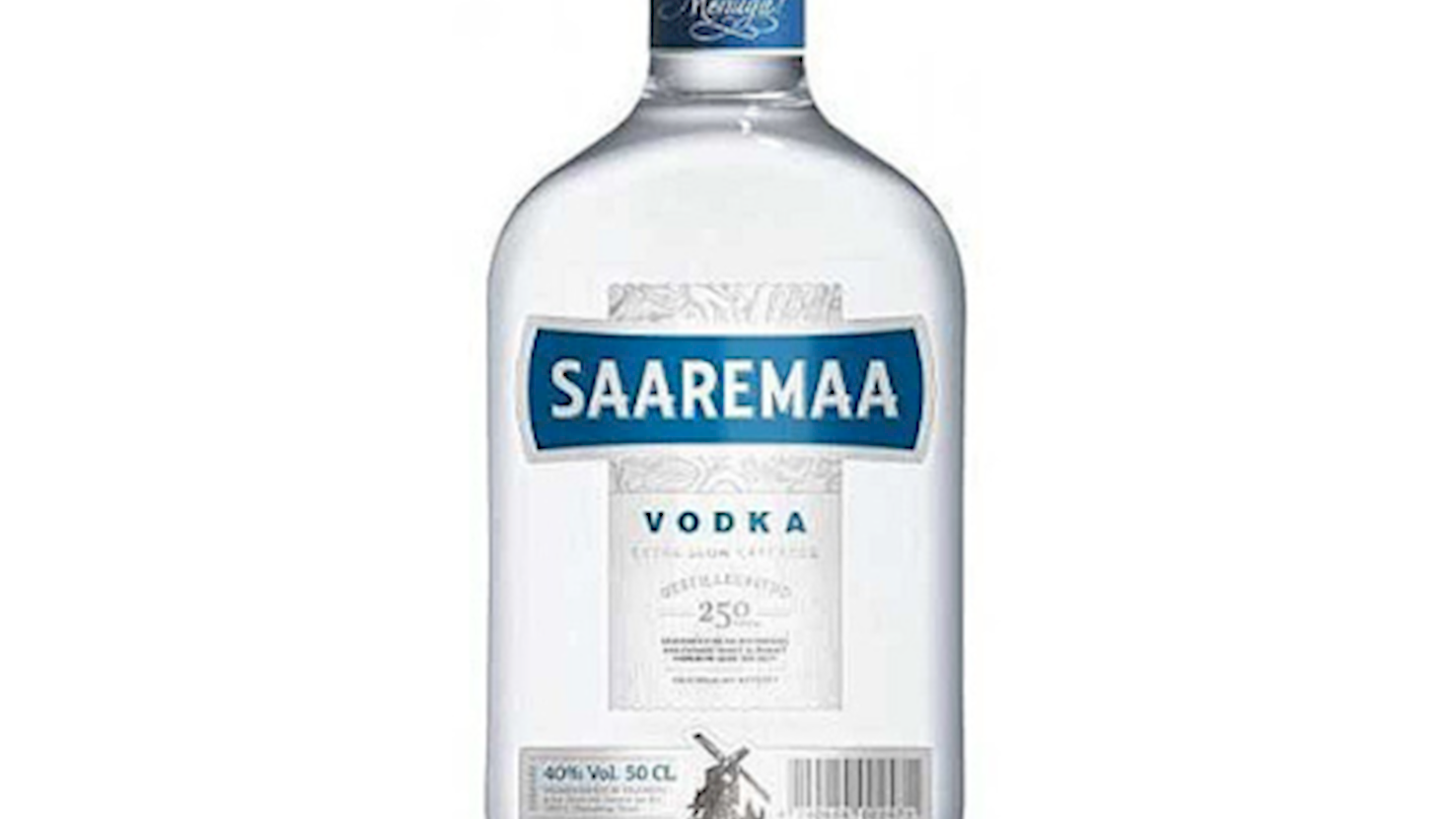
Saaremaa

4.8 ·
Saaremaa is a premium brand of spirits produced by the Saaremaa Distillery in Estonia. The brand is known for its high-quality vodkas and other flavored spirits, crafted using pure local ingredients from the island of Saaremaa. Saaremaa is part of the Anora Group, a leading Nordic and Baltic drinks company, which also owns several other well-known brands. The distillery's products, including the iconic Saaremaa vodka, reflect the region's rich tradition of spirit production while incorporating modern distilling techniques. Through Anora Group's support, Saaremaa continues to expand its reach, offering a taste of Estonian heritage to the global market.
Awards
IWSC- International wine & spirit competition - Spirit Gold (2024)
The Gin Masters - Gold (2022)
06

Riga Black Balsam

4.8 ·
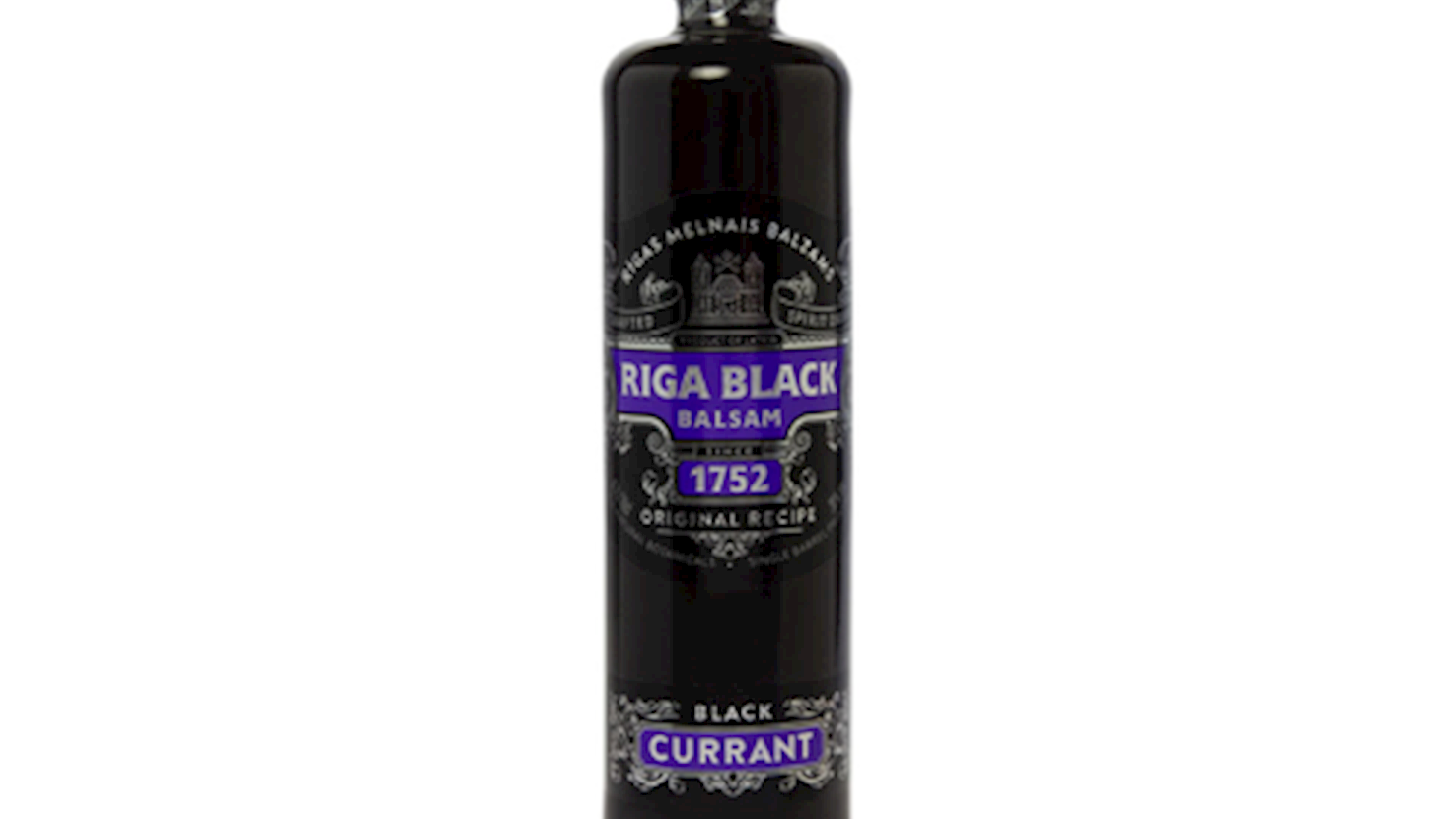
Riga Black is a heritage-driven Latvian brand built around the original 1752 recipe for its signature herbal bitter, combining traditional craftsmanship with a clearly defined regional identity. The brand’s foundation lies in the use of natural, locally sourced botanicals, which are infused through a controlled maceration process to create a complex, balanced flavor profile. Its core product, Riga Black Balsam, has expanded into a broader portfolio that includes fruit-infused editions, dessert-like variations, and premium releases, all of which maintain the characteristic depth of the original formula. The visual identity - most notably the iconic ceramic bottle - emphasizes its apothecary origins and reinforces the sense of authenticity and continuity. While rooted in centuries-old practice, Riga Black positions itself as a modern brand that integrates tradition, natural ingredients, and contemporary drinking culture, making it one of Latvia’s most distinctive and globally recognized products.
07

Pühaste Brewery

4.8 ·
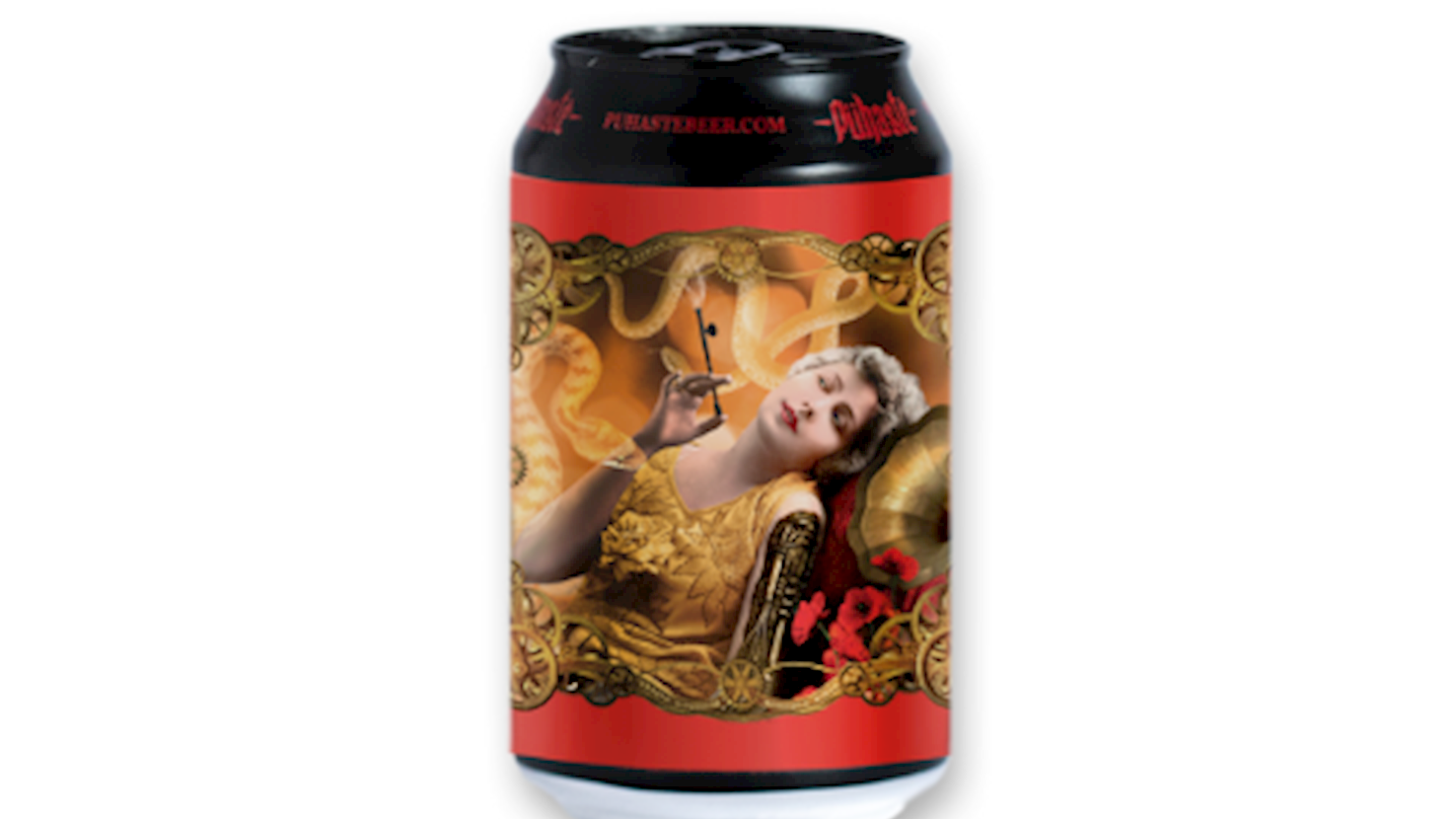
Pühaste Brewery is an independent craft brewery from Tartu, a city regarded as the cultural and university hub of Estonia. The brewery grew out of the homebrewing experiments of head brewer Eero Mander and officially opened its own production facility in 2016. Pühaste is recognized for its experimental approach and meticulous technical execution, which sets it apart on both the Estonian and the wider European craft scene. Their portfolio spans multiple styles - from light lagers and refreshing IPA variations to fruity sour beers and complex, high-intensity barrel-aged stouts. They often incorporate unconventional ingredients such as exotic fruit, spices or specialty malts, yet always with the goal of maintaining balance and a distinctive flavor profile. Despite dynamic expansion and exports across several continents, the brewery remains committed to small batches and a hands-on approach. The taproom in Tartu functions as a place for tasting, education and direct interaction with consumers. Their philosophy is built on the idea that every sip should offer a new flavor experience. Thanks to consistency and boldness, Pühaste has become one of the most exciting breweries in the Baltic region. Their development demonstrates that craft beer can be creative, serious and technically precise at the same time.
Awards
Untappd - 4.0
Beer Advocate - 92 Outstanding
08

Anderson's Brewery

4.7 ·
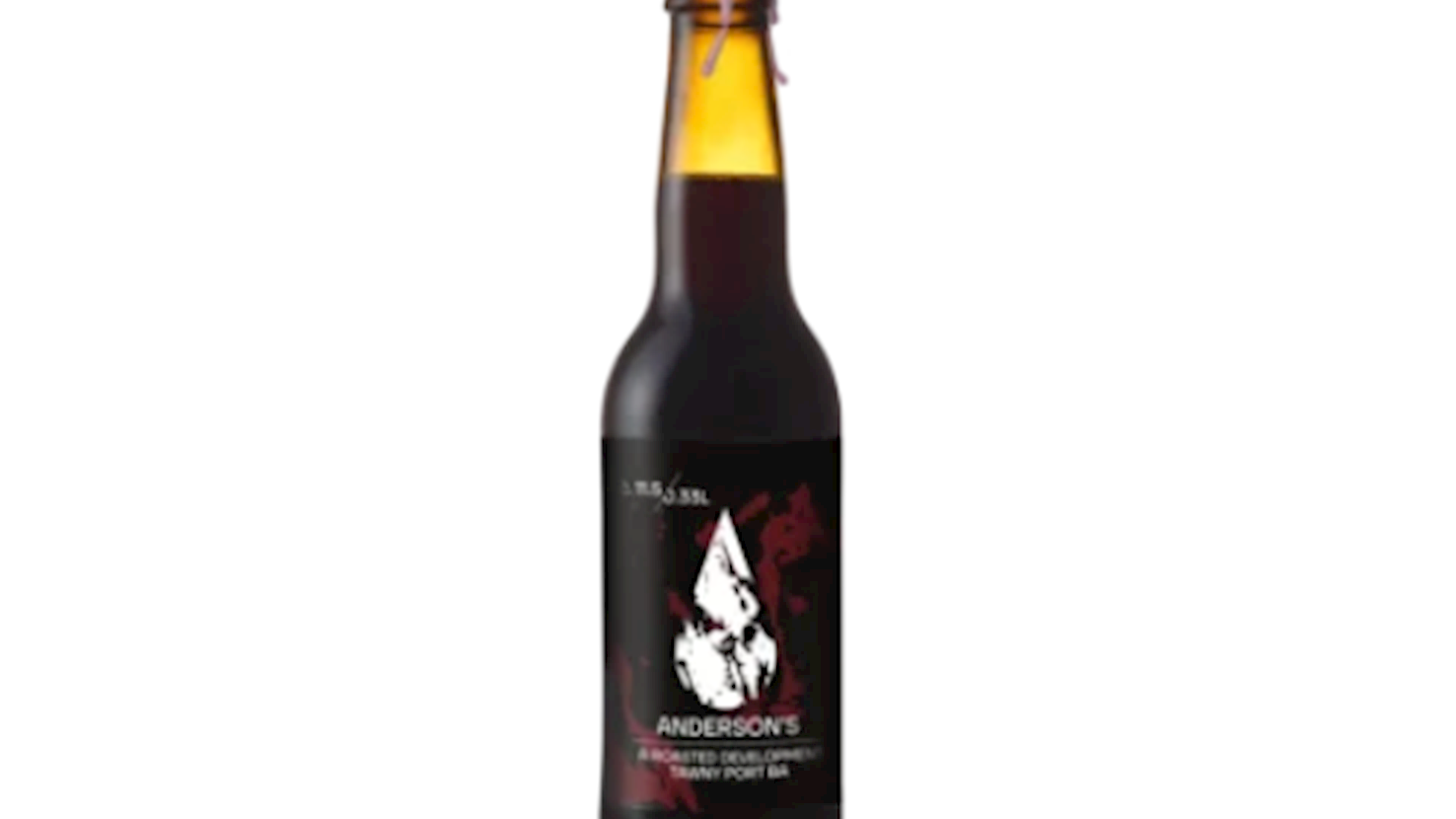
Anderson’s Brewery is an independent craft brewery from Tartu, Estonia, known for its modern approach and production flexibility. Founded in 2014, the brewery has focused from the very beginning on quality, experimentation and collaboration with other producers. Their portfolio includes IPAs, stouts, lagers and seasonal specialty releases, with recipes that frequently evolve as they explore new flavor profiles. One particularly distinctive feature of the brewery is their “Beer with your label” service, allowing customers to order beer with custom labels - a unique offering within the craft market. They brew in small batches, ensuring a high level of quality control and authenticity for every release. The style of their beers balances international trends with a sense of local identity - they employ modern brewing techniques while selecting ingredients that emphasize terroir. Their IPAs are often juicy and hop-forward, while their stouts tend to be complex, with notes of chocolate and roasted malt. The taproom in Tartu is designed with a minimalist aesthetic, focusing on tasting and direct interaction with consumers. Anderson’s is highly active in collaborations with other breweries across the region and Europe, contributing to constant development and knowledge sharing. Their visual identity is simple, clean and modern, designed to highlight the beer and its style rather than overwhelm it with design. Their philosophy is straightforward: small batches, high precision, clear style. Anderson’s Brewery demonstrates how a brewery from a smaller market can build a strong identity and achieve relevance on the international craft beer scene.
Awards
Untappd - 4.3
09

STUMBRAS

4.7 ·
Awards
SFWSC - San Francisco World Spirits Competition - Double Gold (2024)
NYWSC - New York World Spirits Competition - Double Gold (2023)
10

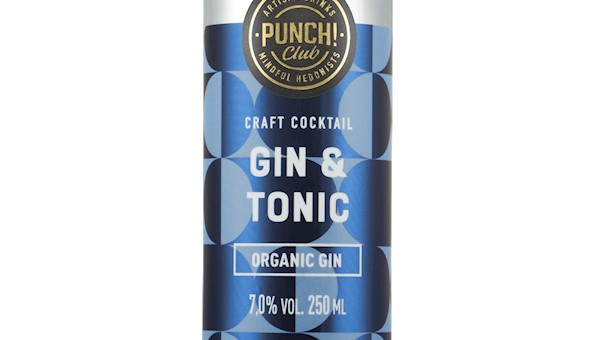
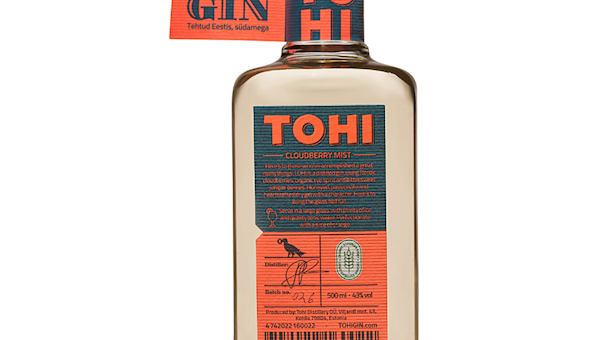
GINDOME

4.7 ·
Awards
SFWSC - San Francisco World Spirits Competition - Double Gold (2024, 2023)

Best Baltic Alcoholic Beverage Types

01

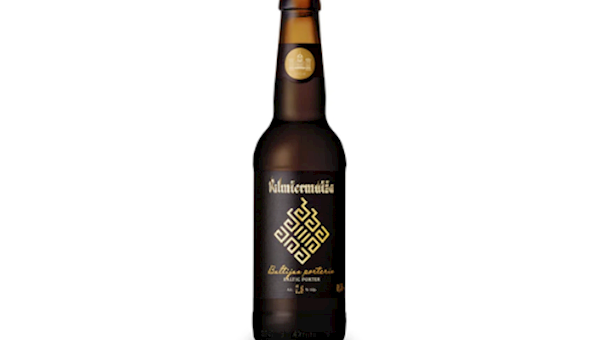
Baltic porter

4.1 ·

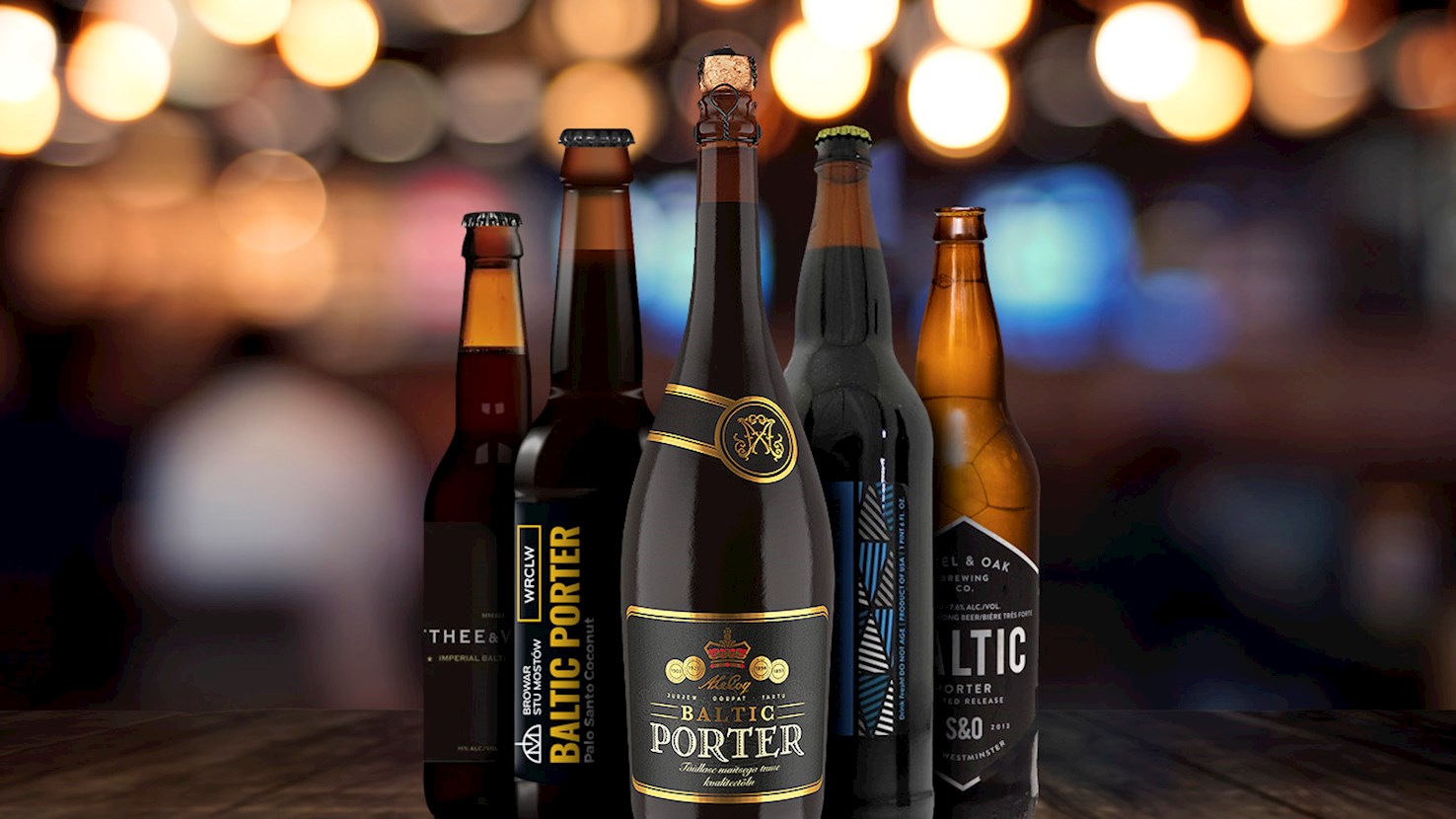
This beer style evolved from the British porter, and it was partially influenced by imperial stouts. The beers that fall under this category will typically have high alcohol content, usually between 5.5 and 9.5% ABV, while their color ranges from mahogany red to dark brown. They are full-bodied and smooth brews with typical malt flavors that are usually complemented by aromas of toast, caramel, licorice, dried fruit, chocolate, and coffee. Baltic porter first appeared when stronger and hoppier versions of British porter were sent to Russia. The shipments first reached Baltic, Scandinavian, and Northern European ports, including those in Finland, Poland, Sweden, Denmark, Lithuania, Estonia, and Latvia. Home breweries soon started to produce their versions using lager yeasts and regional ingredients, eventually creating a style that comes in many local expressions. Baltic porters are an excellent match to hearty dishes, especially roasted or grilled meat, and stews. They can also go well with chocolate or nut desserts and cheese.

02

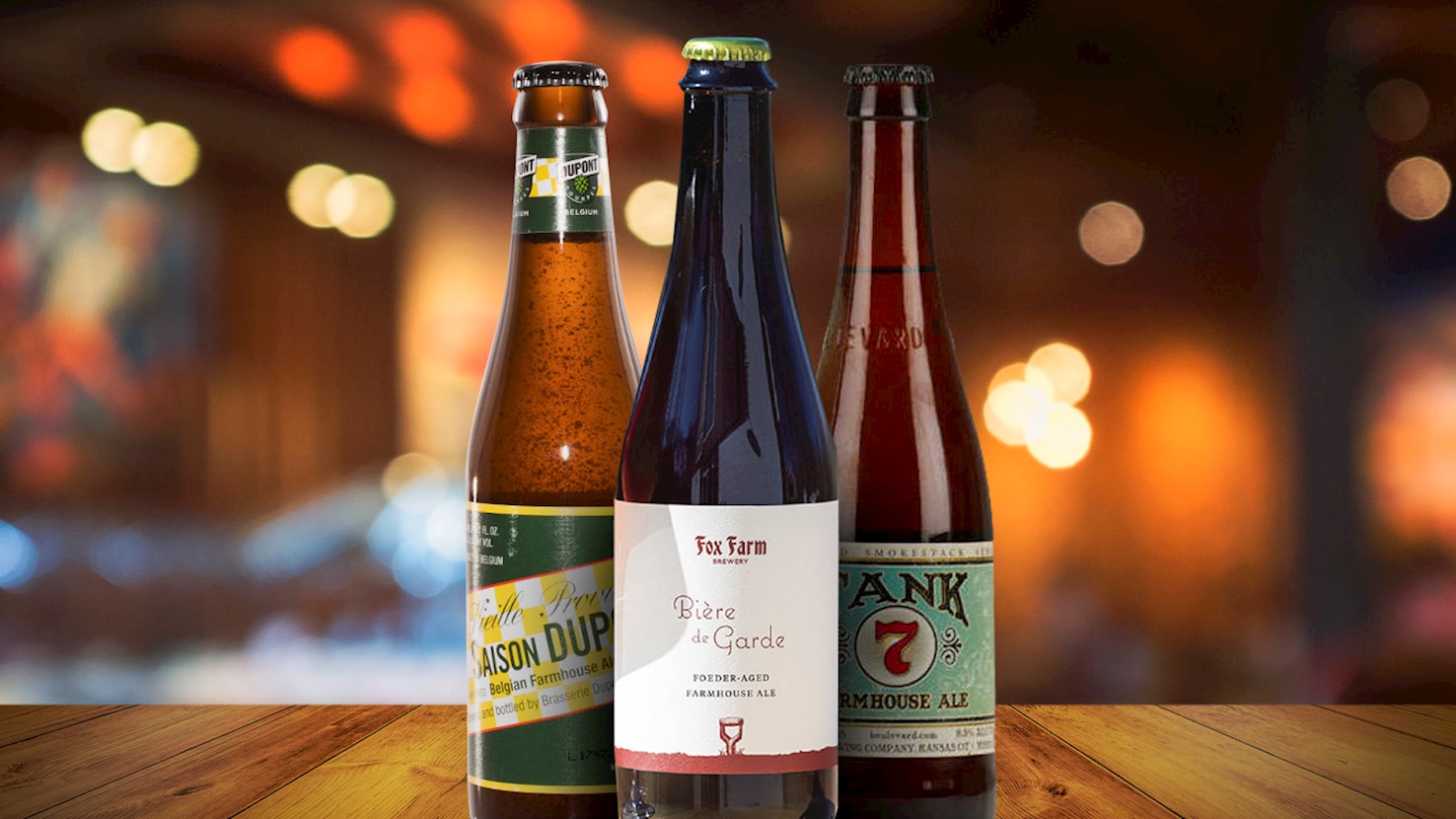
Farmhouse ale

3.7 ·

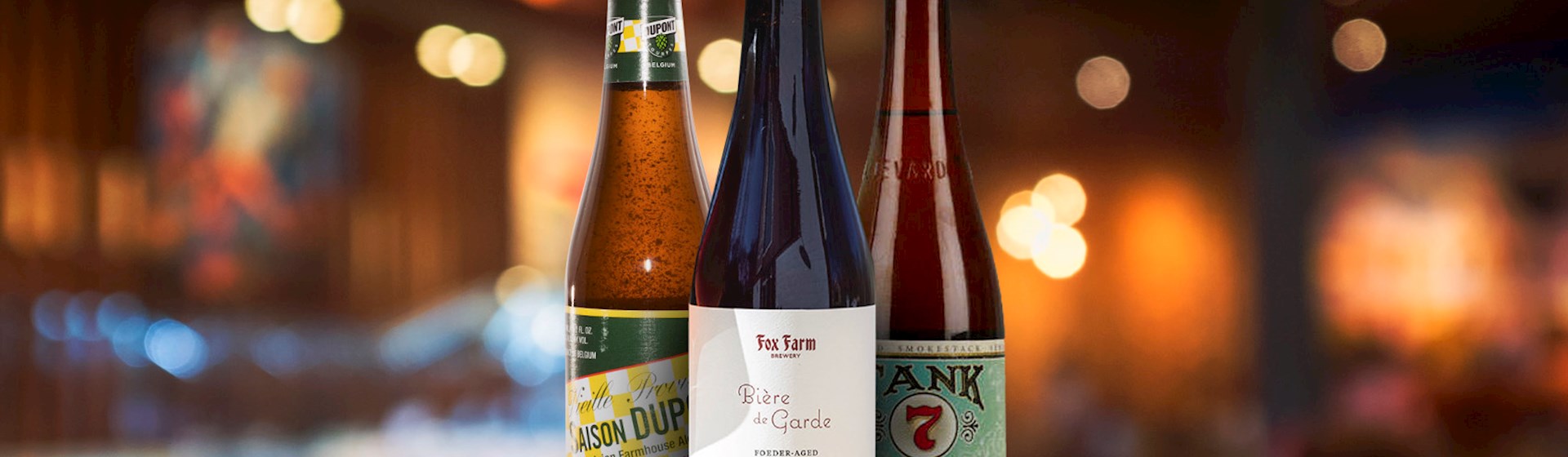
Farmhouse ale is best described as an ancient beer style that was brewed by European farmers who used their grains and hops. These brews were made with techniques that are not used in modern brewing, and because they were brewed in various European regions, the examples are incredibly versatile and include a variety of different sub-styles that are usually very region-specific. Farmhouse ales were made in places where people cultivated grains, and in the early 20th century, it was a prevalent style throughout northern Europe. These beers were a part of everyday life. In some places, they were prepared and enjoyed on special occasions, and in the regions where grains were plentiful, they were enjoyed on a daily basis. The choice of grains depended on availability, barley was the most common, but rye or oats were also used. The techniques were also different, and other ingredients such as herbs and spices were often added to the brew. This is why the examples significantly vary, but most were crisp and dry, with a funky and somewhat earthy character. Examples of the style include Bière de garde (France), Saison (Belgium), and Sahti. (Finland). Some farmhouse ales are still brewed, but the practice mostly disappeared in the 20th century, along with the decline in farming. However, some craft breweries try to imitate the style and include farmhouse ale labels. It should be noted that these brews often do not have much in common with the traditional farmhouse ales.

03

Kaimiškas Jovarų alus

3.5 ·

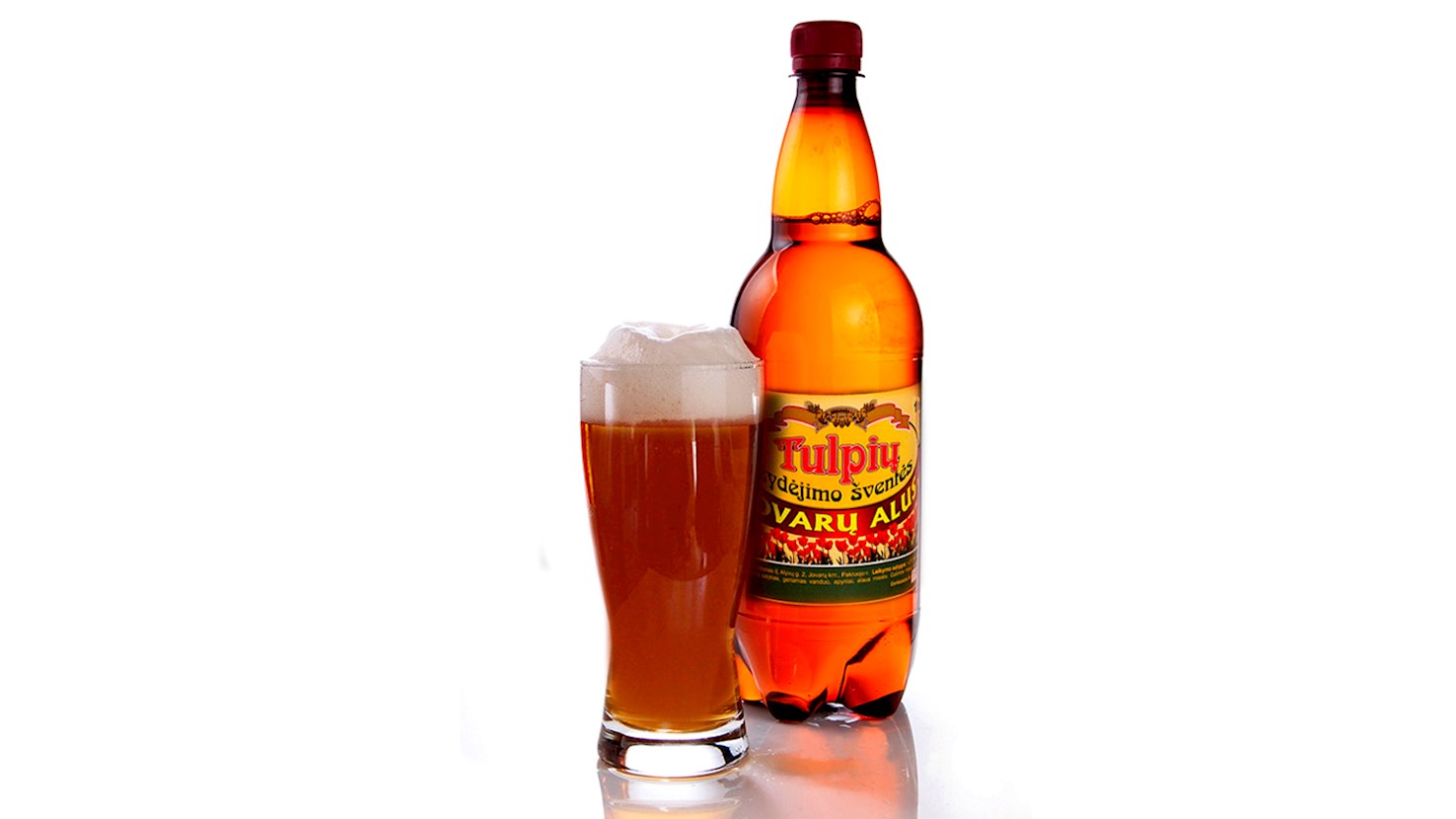
Kaimiškas Jovarų alus is a Lithuanian naturally-fermented beer. This homemade brew has been produced for centuries, following traditional recipes and methods that include grinding the malt, boiling the hops, mashing, lautering, fermentation and maturing. What gives this beer its distinctive character is the unique yeast that is only used in the designated area and which is traditionally passed down through generations. The color of the beer can range from golden yellow to amber, while the flavor is strong, malty, nutty, herbaceous, and bitter. Typical aromas include a combination of bread, yeast, caramel, and fruit. During production, natural honey can be added, which may provide honey-like nuances. Kaimiškas has been produced since the 16th century, and its production remains strictly family-based business in Jovarai.

04

Riga Black Balsam

3.2 ·

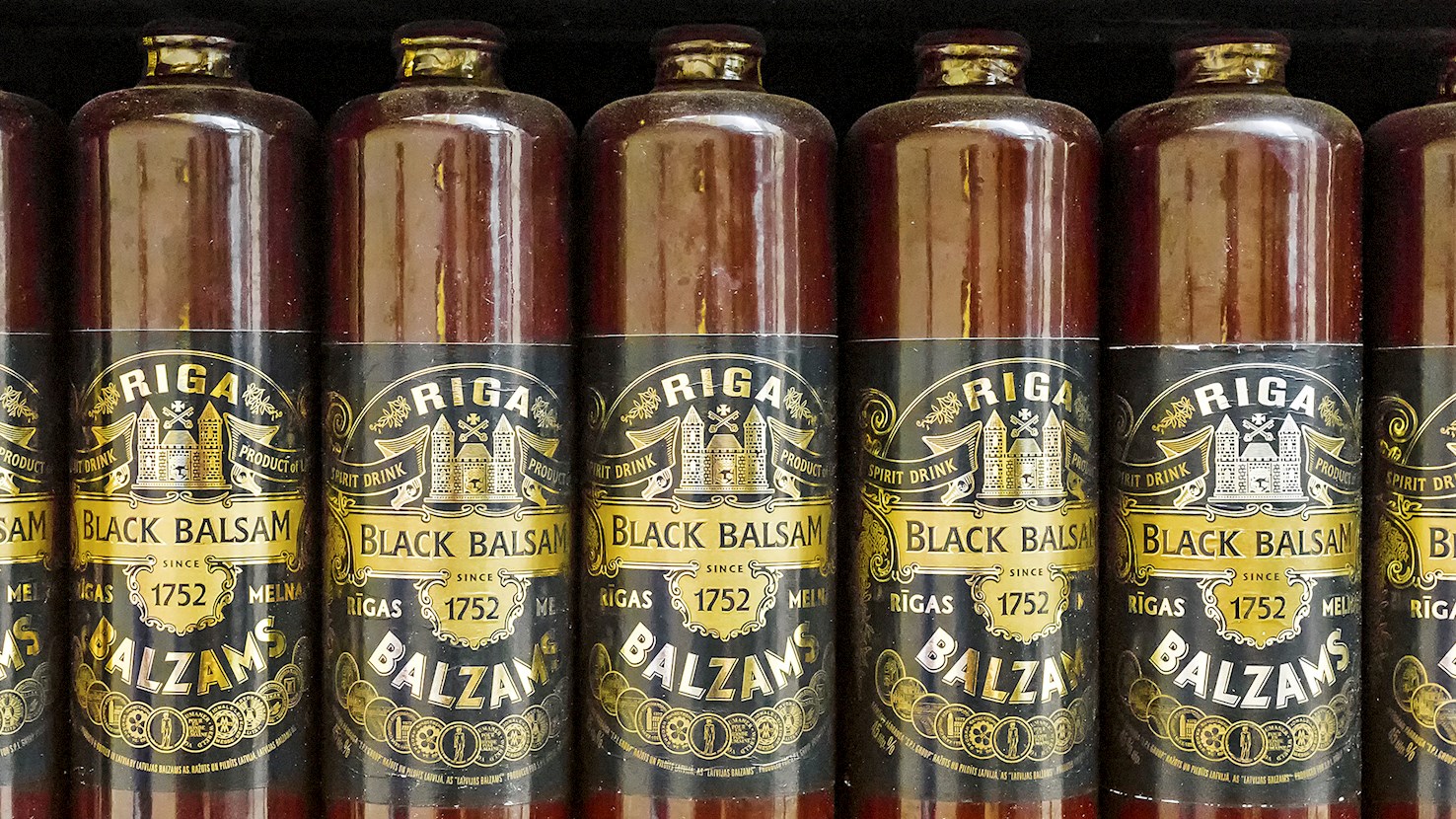
This Latvian herbal liqueur is based on a combination of 27 different botanicals, including wormwood, valerian, black pepper, gentian, and ginger. The herbal infusion is later matured and mixed with honey and caramel. It is believed that the drink was first produced by a pharmacist named Kunze in 1752, and it was originally launched as the Real Kunze’s Riga Herbal Balsam. The production of the liqueur was abruptly stopped during the Second World War, but it was later restored, and the drink is still produced following the original, secret recipe. This smooth and slightly bitter liqueur is best enjoyed neat, but it also incorporates well into cocktails and long drinks.

Best producers
05

Stakliškės

3.1 ·

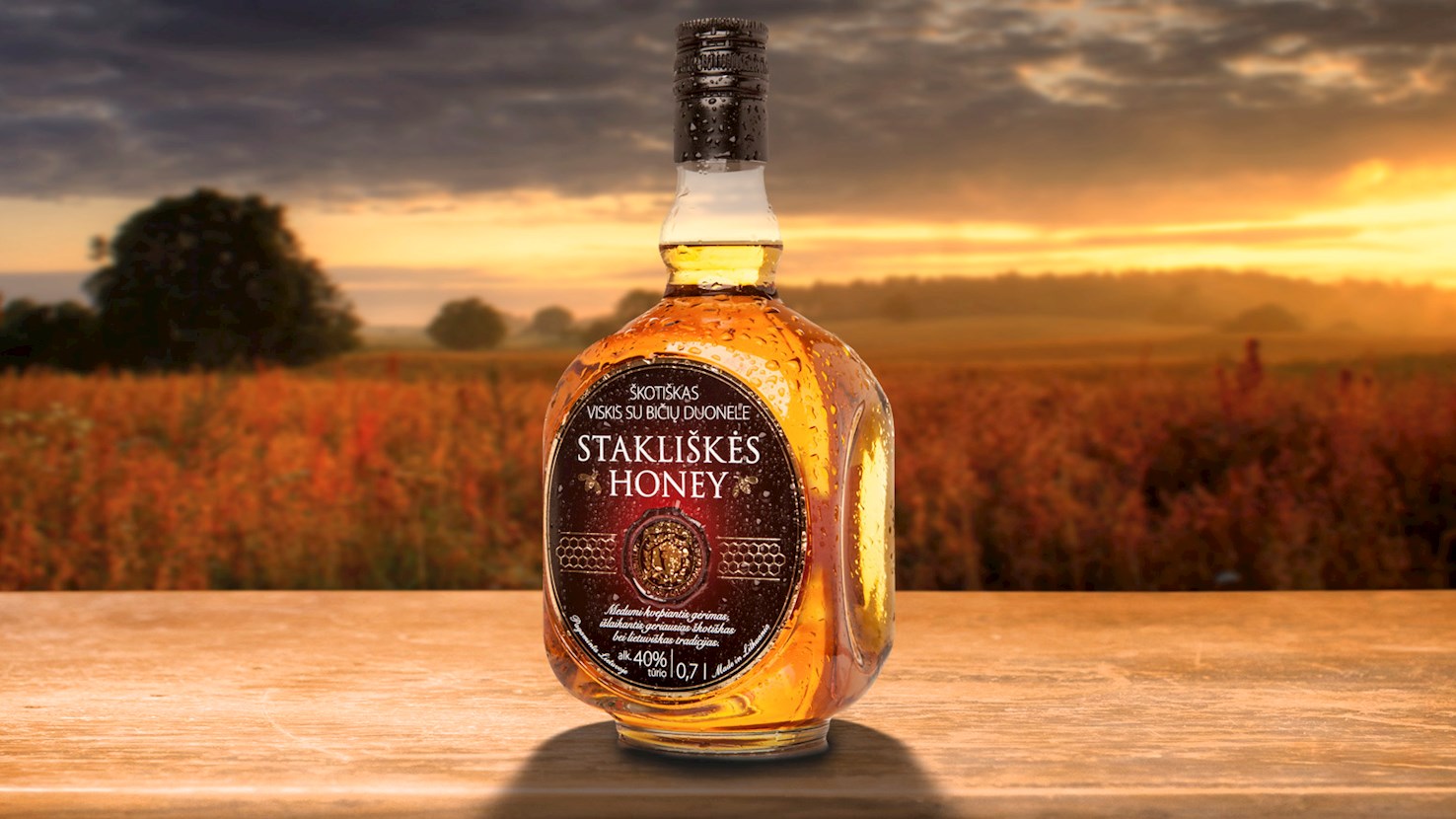
Stakliškės is a traditionally made mead product (an alcoholic drink made from fermented honey and water) produced in the city of Stakliškės in Lithuania. It is amber-colored and made with additives such as hops, juniper berries and lime blossom. Its taste is sweet and sour, with an intense aroma and a typical flavor of honey. The alcoholic content of the beverage is produced solely by natural fermentation, and ethanol addition is strictly forbidden. The mead must is produced by mixing equal parts of honey and water. Stakliškės is bottled in glass containers immediately after maturing and filtration to avoid exposure to air and reduce the risk of oxidisation which destroys its unique organoleptic properties. It is a highly popular product in Lithuania and is often brought home as a souvenir along with Šakotis - a traditional Lithuanian cake.

06

Vana Tallinn

3 ·

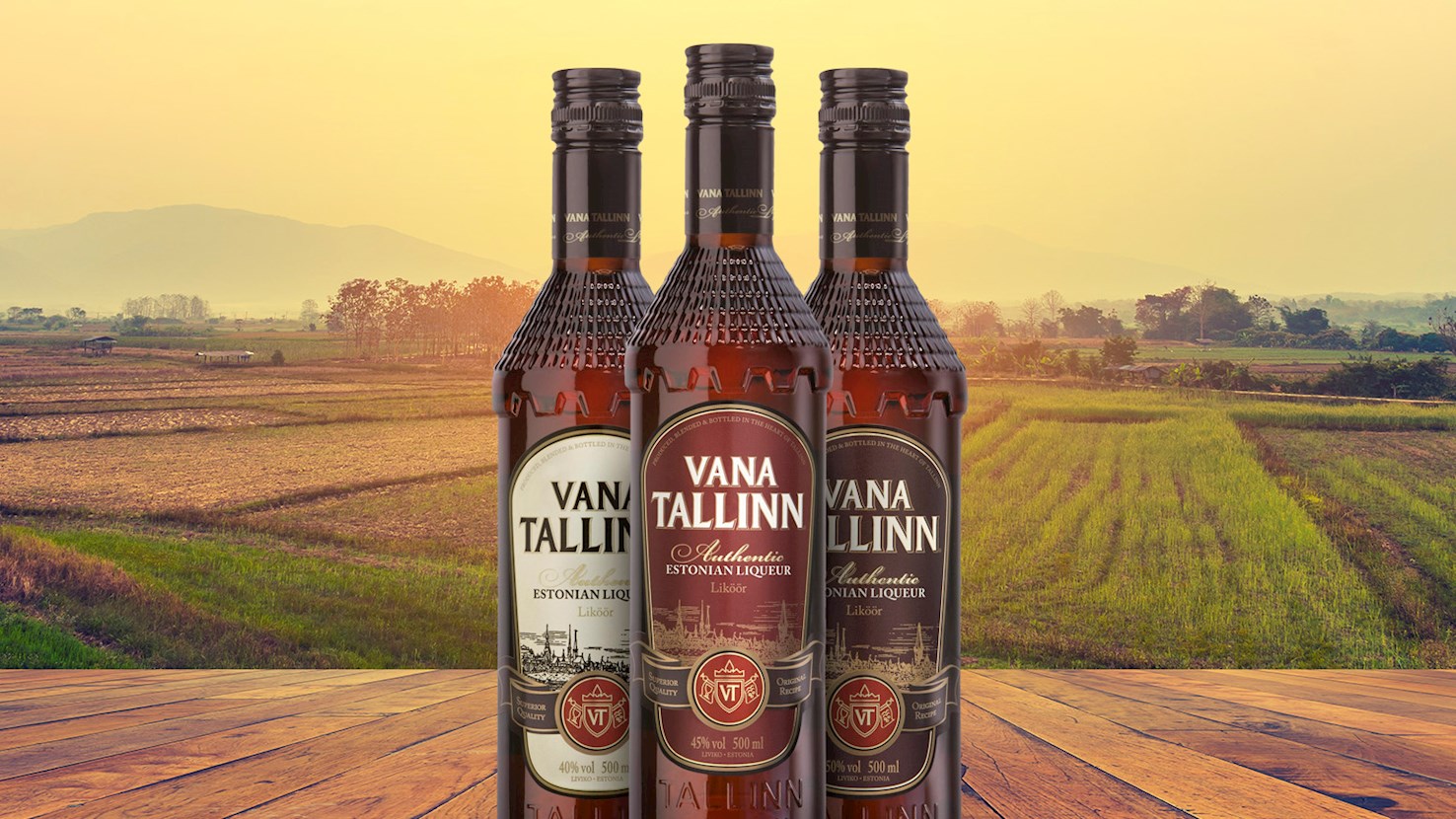
Translated from Estonian as old Tallinn, Vana Tallinn is an Estonian rum-based liqueur that was created by Ilse Maar. Although the recipe is kept secret, some of the flavorings include citrus oils, cinnamon, and vanilla. Classic version is produced in three varieties, which differ in alcohol content, the lightest (white label) with 40% ABV and the strongest (black label) having 50% ABV. The first version of Vana Tallinn (red label) that was created in 1962 has 45% alcohol by volume. Apart from the standard versions, the brand also produces a variety of flavored cream-based liqueurs, as well as several special edition drinks. It is recommended to serve Vana Tallinn on the rocks or as an accompaniment to coffee, but the liqueur also incorporates well into cocktails and long drinks. The drink is produced by an Estonian company Liviko.

07

Starka

3 ·

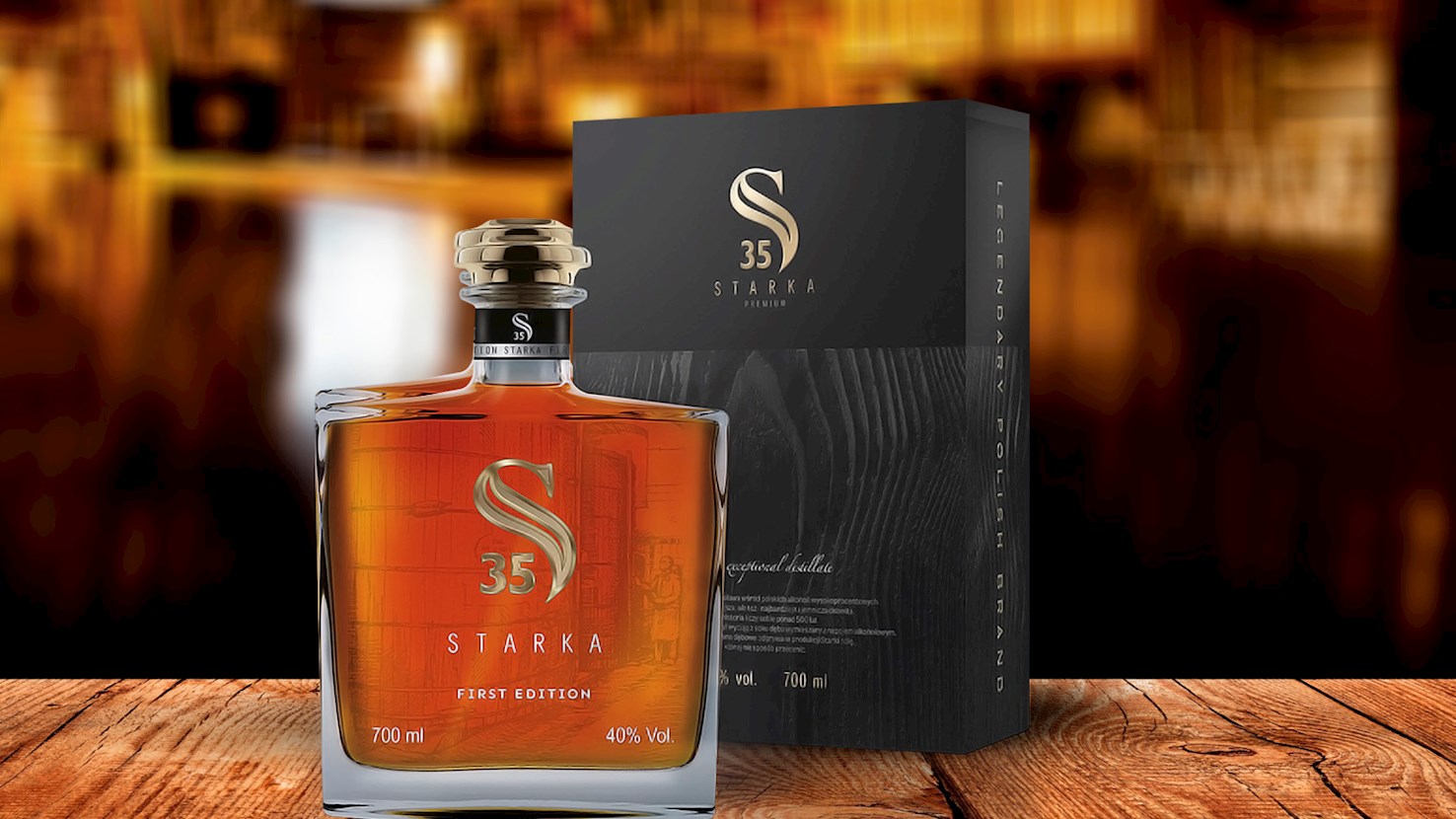
Starka is an alcoholic beverage that is usually based on rye spirit. It dates back to the 15th century, and it is traditionally associated with Poland, Lithuania, and Belarus. Its origin is mostly connected to Polish noble families who would bury and age a distillate in wooden barrels to commemorate the birth of a child. Starka was only consumed on special occasions, most commonly on the child’s wedding day. Nowadays, most varieties of this old drink are made from a rye distillate and a number of secret ingredients, while the best versions are still aged in oak barrels. The aging period can range from a couple up to several decades for the best examples. Oak-aging will give provide caramel color, and it will allow the drink to develop finer flavors, as well spicy and fruity notes reminiscent of vanilla, wood, and dried fruit. Starka is sold in various grades—which are defined by the length of maturation. It should be noted that some producers do not use traditional techniques and add flavorings to a rye distillate. This flavored version is usually of low-quality and cheaper than oak-aged varieties.

08

Midus

2.9 ·

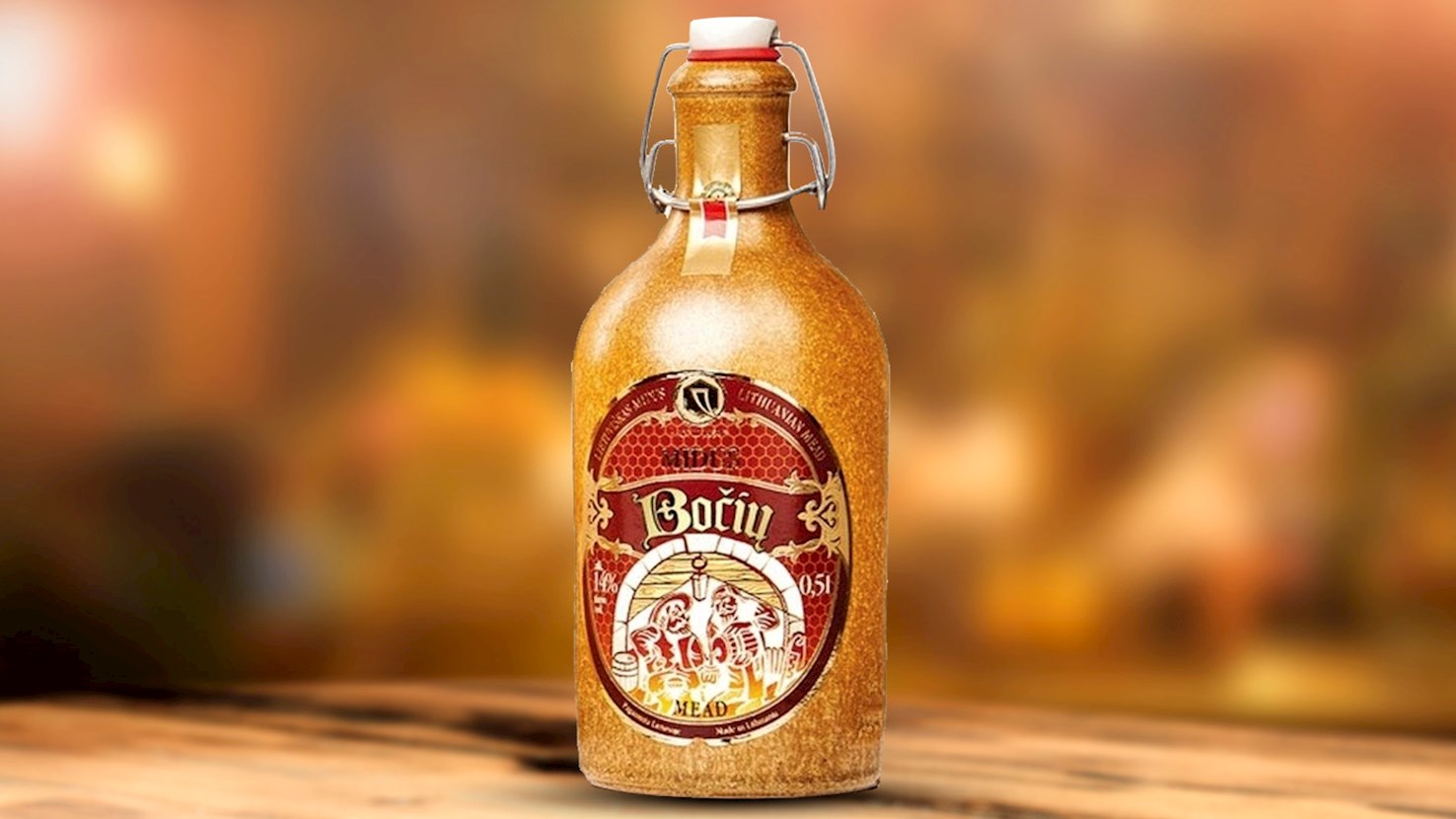
Midus is a Lithuanian term used for traditional mead that is made with honey and water. The mead is fermented and is often enriched with various botanicals. It can range from dark yellow to dark amber, and it varies in strength. The taste is pleasant, with a distinctive honey aroma and flavor. Mead production has a long and rich history in Lithuania, not surprising as it is probably the oldest drink in the world. Evidence suggests that it was already common during the Middle Ages, but the popularity declined in the 17th century when beekeeping and honey production became too costly, and the use of grains in the production of alcoholic drinks increased. Following the decline, mead production almost disappeared, but it regained its importance in the 20th century. It is now strongly promoted as a traditional Lithuanian product. Lithuanian mead comes in several varieties, and it often includes fruits, berries, and herbs. Lietuviškas midus is the biggest producer, but small-size production is also present. Stakliškės, named after the city where it originated, is a variety that holds a protected PGI status by the European Union.

09

Trauktinė Dainava

n/a ·

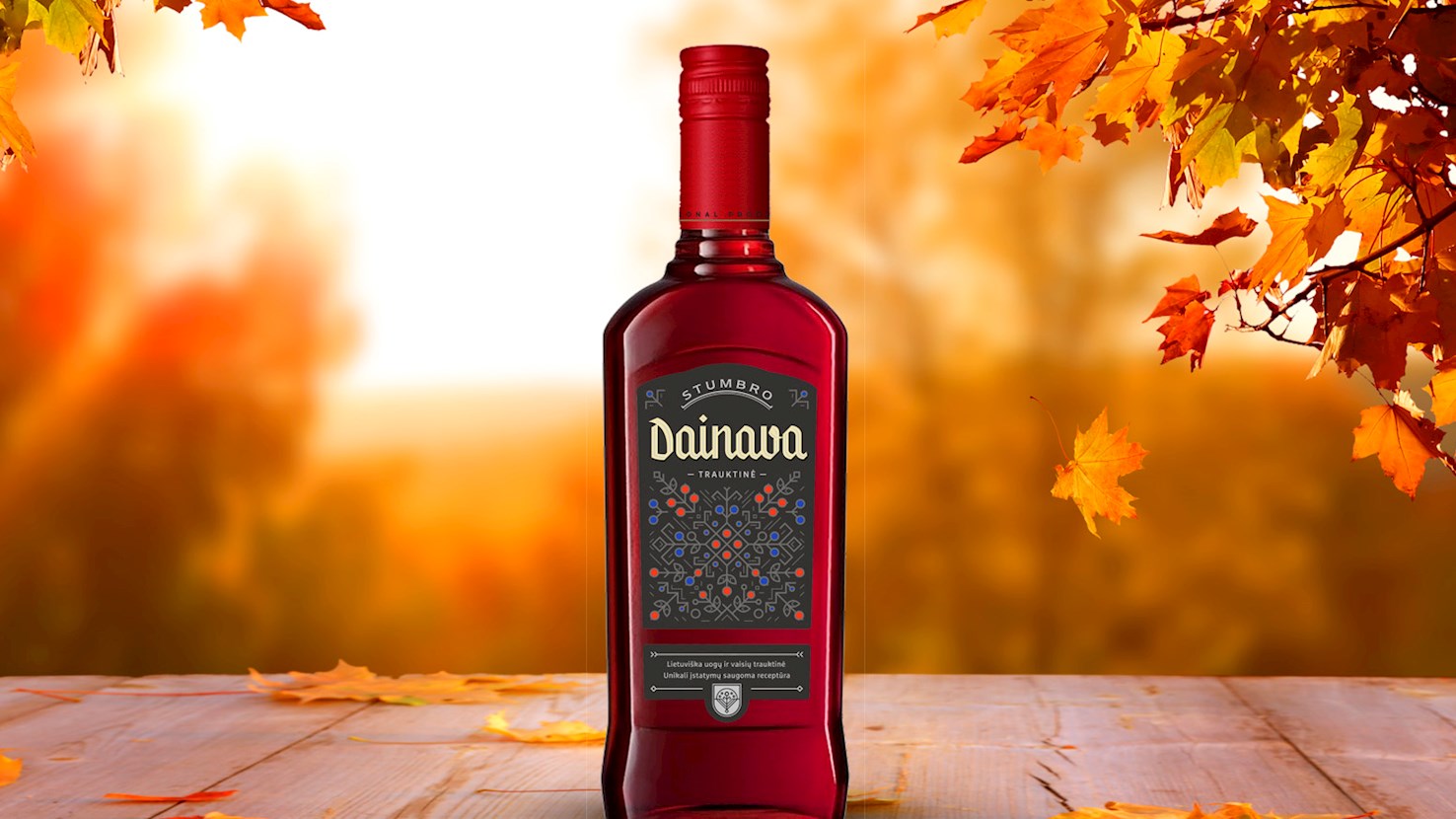
Dainava is a Lithuanian liqueur made with a grain spirit and fruit juices (apple, rowanberry, cherry, cranberry or lingonberry, and blueberry juice). The resulting liqueur has a vibrant red color, fruity aroma, and a complex, bittersweet, subtly sour flavor. The drink was created at the Stumbras distillery, and the production began in the1960s. The name refers to the historical Lithuanian region Dainava (Dzūkija), while the term Trauktinė refers to a traditional Lithuanian drink made with fruit and herbs. Dainava is a drink that can be served on the rocks, but it also goes well with soft drinks or fruit juices.

10

Samanė

n/a ·

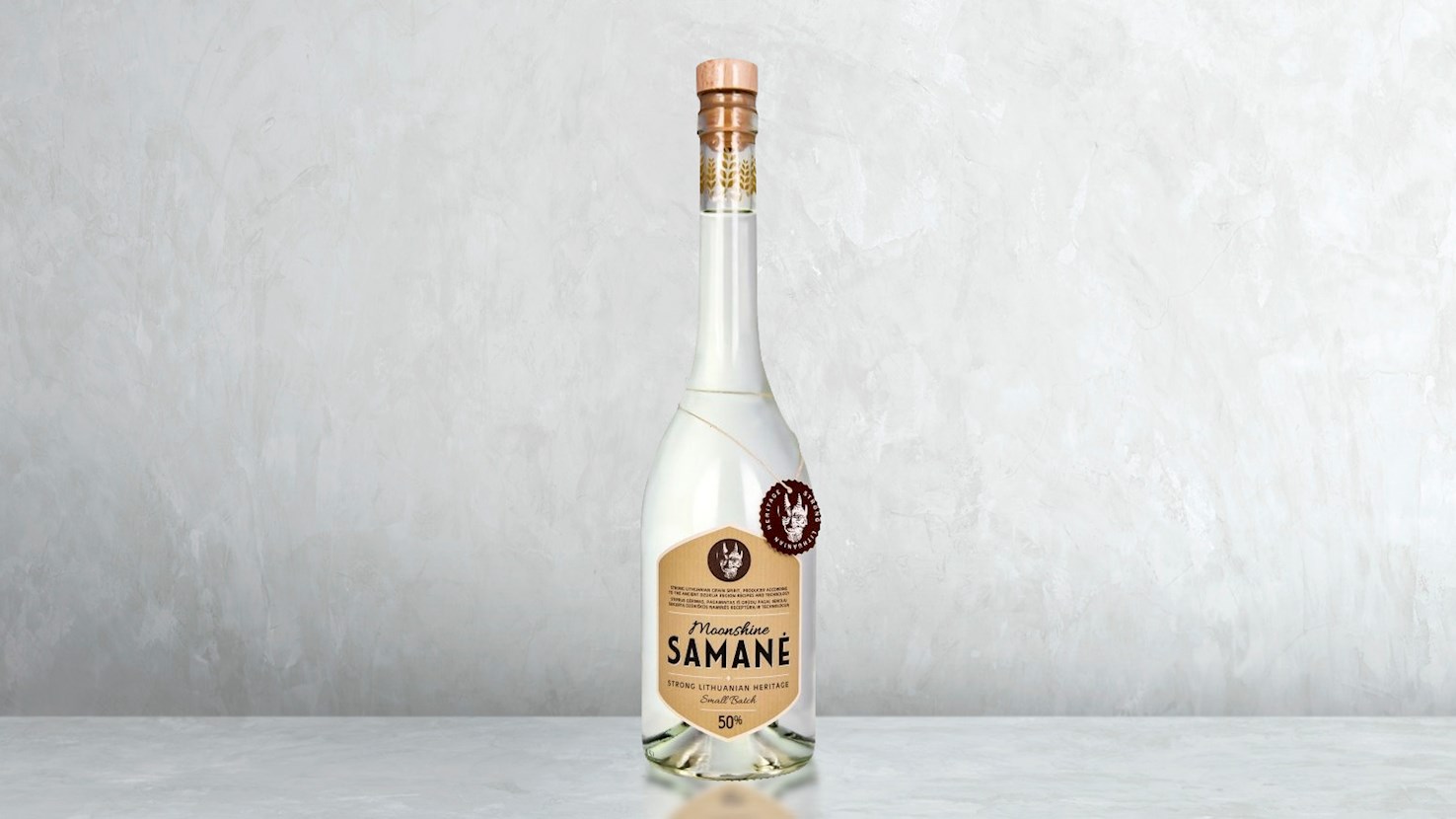
Samanė is a pungent Lithuanian spirit distilled from rye, wheat, or triticale. The grains are mashed and fermented with baker's yeast before distillation. Samanė is a clear and colorless spirit, though it can attain a yellow or light brown hue if aged in oak. The flavor and the aroma are grainy, reminiscent of dark bread. The spirit is twice distilled in copper stills, and no additional sweeteners and coloring or flavoring agents can be added, though aged varieties can be adjusted with caramel. The minimum alcoholic strength of samanė is 50% ABV.

Read more
View all
View map
About this ranking

TasteAtlas food rankings are based on the ratings of the TasteAtlas audience, with a series of mechanisms that recognize real users and that ignore bot, nationalist or local patriotic ratings, and give additional value to the ratings of users that the system recognizes as knowledgeable. For the “Top 17 Baltic Alcoholic Beverages” list until June 03, 2026, 299 ratings were recorded, of which 245 were recognized by the system as legitimate. TasteAtlas Rankings should not be seen as the final global conclusion about food. Their purpose is to promote excellent local foods, instill pride in traditional dishes, and arouse curiosity about dishes you haven’t tried.

The initial list of top producers was compiled based on available reviews, awards, local recommendations, media and blog coverage, and consumer reviews. The list will be updated with ratings from TasteAtlas local ambassadors and TasteAtlas users.

Similar lists