shutterstock

Top 5 Bosnian and Herzegovinian Alcoholic Beverages

Last updated on October 28, 2026

Best Bosnian and Herzegovinian Alcoholic Beverages
01

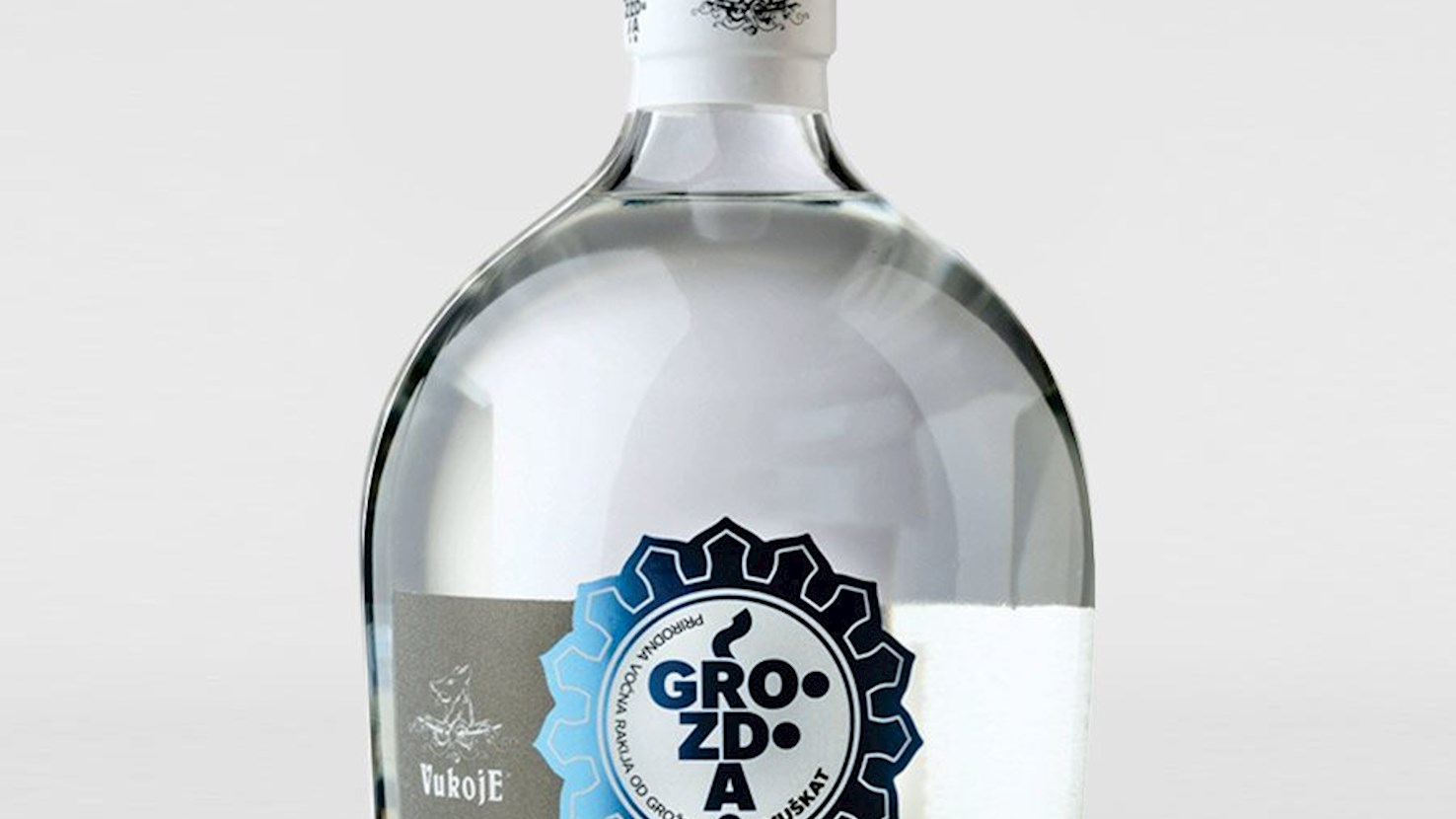
Podrumi Vukoje 1982

5.0 ·
Awards
IWSC- International wine & spirit competition - Spirit Gold Outstanding (2024)
02

Slap Spirits

4.5 ·

Slap Spirits is a family-owned distillery from Bosnia and Herzegovina, renowned for producing premium fruit brandies that blend traditional methods with a modern approach. Their production is rooted in biodynamic principles, with a strong emphasis on quality, aroma, and the authenticity of each distillate.

After restoring their family estate in 2010, Slap Spirits began structured production of noble spirits, employing modern technologies that prioritize quality and flavor over quantity and yield. They pay special attention to fractional redistillation in alembic stills and proper aging of each distillate depending on the type of brandy.

The distillery continuously raises the standards of quality and education in all areas related to the production, care, and tasting of rakija.

Awards
World's Best Steinobst Brandy - Winner (2021)

Best Bosnian and Herzegovinian Alcoholic Beverage Types
01

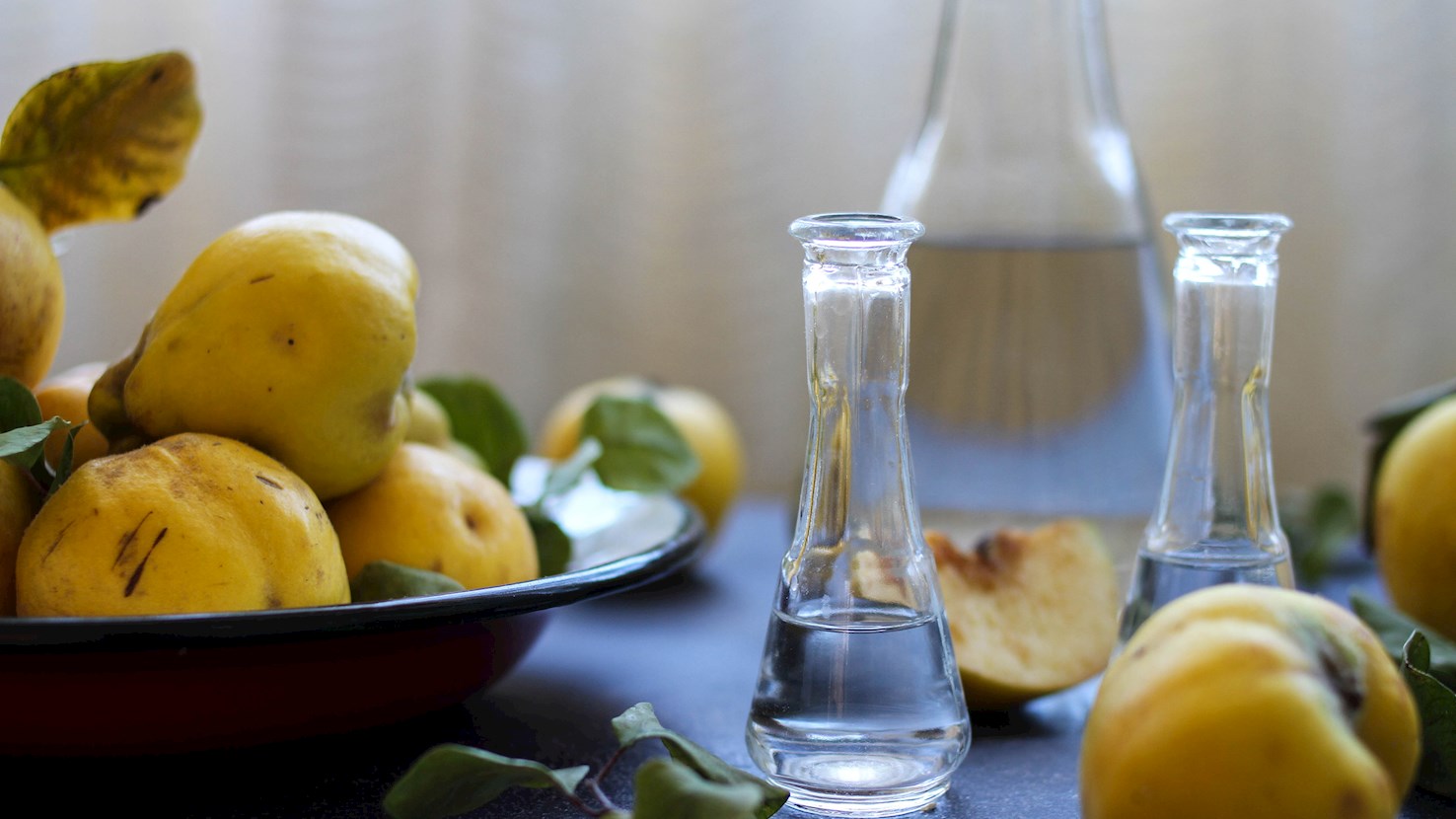
Dunjevača

3.8 ·

Dunjevača (rakija od dunje) is a clear and colorless spirit distilled from ripe fermented quinces. This fruit brandy—known as rakija—is one of the most popular spirits in the Balkans and is usually of excellent quality. Dunjevača is a potent spirit (40% ABV) that has a pleasant quince aroma. Most examples are colorless, but some producers opt for oak-aging, which typically imparts golden color and woody notes. Dunjevača is served neat, preferably well chilled. It is mainly enjoyed as an aperitif.

02

Rakija

3.6 ·

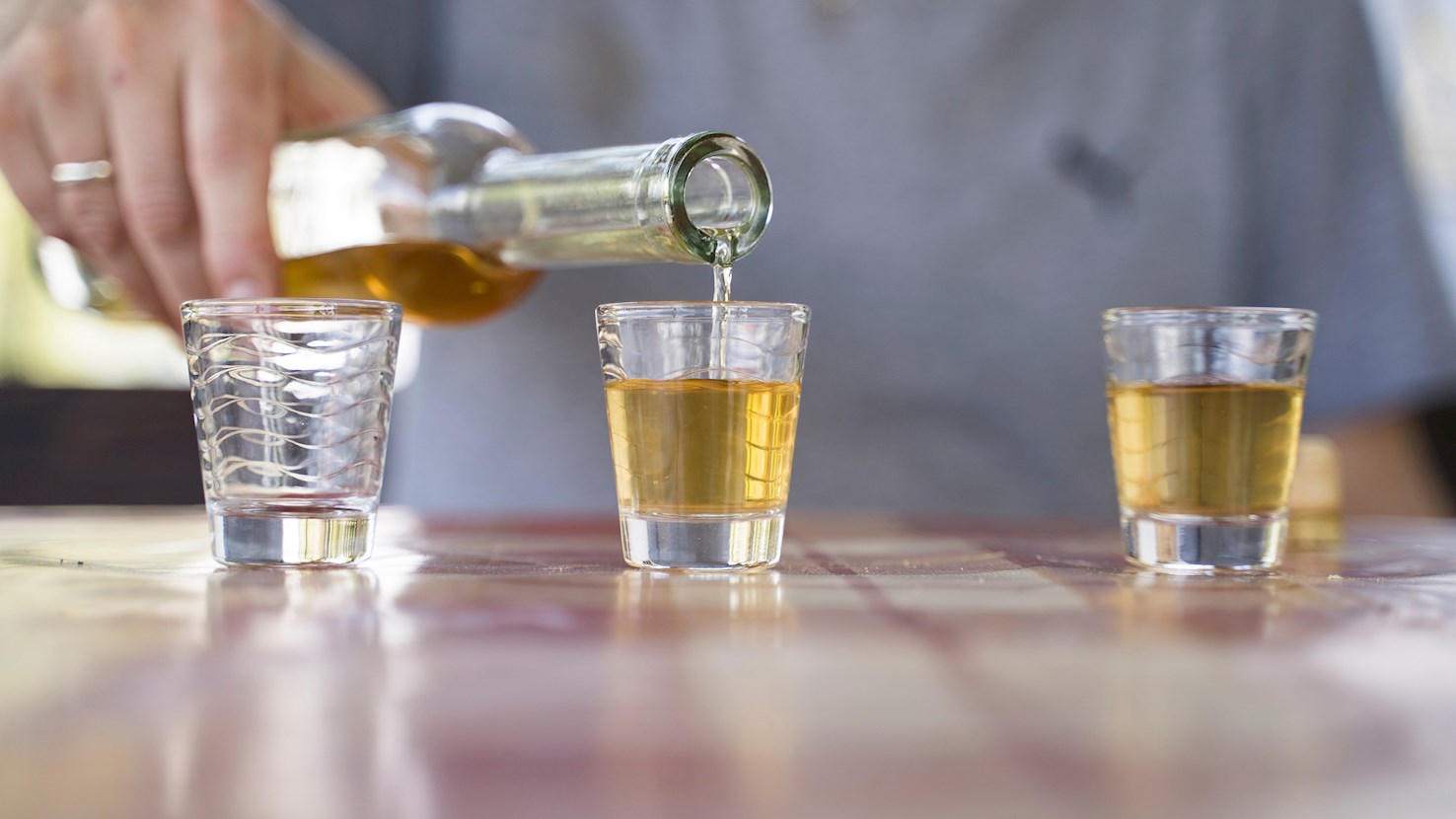
Rakija is a universal term used for various fruit brandies produced in several Balkan countries (Southeast Europe). This strong spirit is distilled from different fruit and is sometimes additionally flavored or used as a liqueur base. The most common versions are made from plums (šljivovica), Williams pear (viljamovka), quinces (dunjevača), apricots (kajsijevača), apples (jabukovača), grapes (lozovača/komovica), and many more. Rakija has present in the region for centuries. It is mainly associated with Croatia, Serbia, Bosnia, Montenegro, and North Macedonia. Although fruit brandies are produced in other European countries and regions, in the Balkans, rakija is a household name and has a large following among all generations. This potent spirit typically falls between 40% to 60% ABV. It is usually served neat, preferably well chilled, in a shot glass. Rakija is primarily a social beverage meant to be consumed with friends or as a welcome drink. Locals also like to believe that rakija is a terrific health remedy, and they use it boosts their immune system or ease any minor medical problems. Rakija can be in the form of a pure distilled spirit, but sometimes it is flavored with herbs and fruits. Many producers often use rakija as a liqueur base, but although these liqueurs are often labeled as rakija—such as orahovac made with walnuts or honey-flavored medica—they are technically liqueurs and not fruit brandies. Although rakija holds a reputation as a crude and harsh drink, many producers try to break away from its traditional image and create exceptional labels, which they promote as savoring and sipping drinks.

03

Žilavka

3.6 ·

Žilavka is the best-known white grape variety from Herzegovina. It is a light-skinned grape that produces wines with high alcohol content and bright acidity. Although it is not exclusive to the region, Žilavka is strongly associated with Herzegovina, and it is believed to be a native Herzegovinian grape. In the past, Žilavka was primarily used in blends, but it is now promoted as an excellent monovarietal wine. The wines are bright, fresh, and mineral, usually accompanied by citrus and herbal notes. They are best enjoyed young, but some producers opt for oak-aging to produce more complex and heavier wines. Žilavka is best paired with lighter dishes, and it goes exceptionally well with lamb, eel, freshwater fish, and vegetable dishes. It can also pair well with seafood, cheese, and cold cuts. This white grape is also used in the production of local brandy.

04

Blatina

3.3 ·

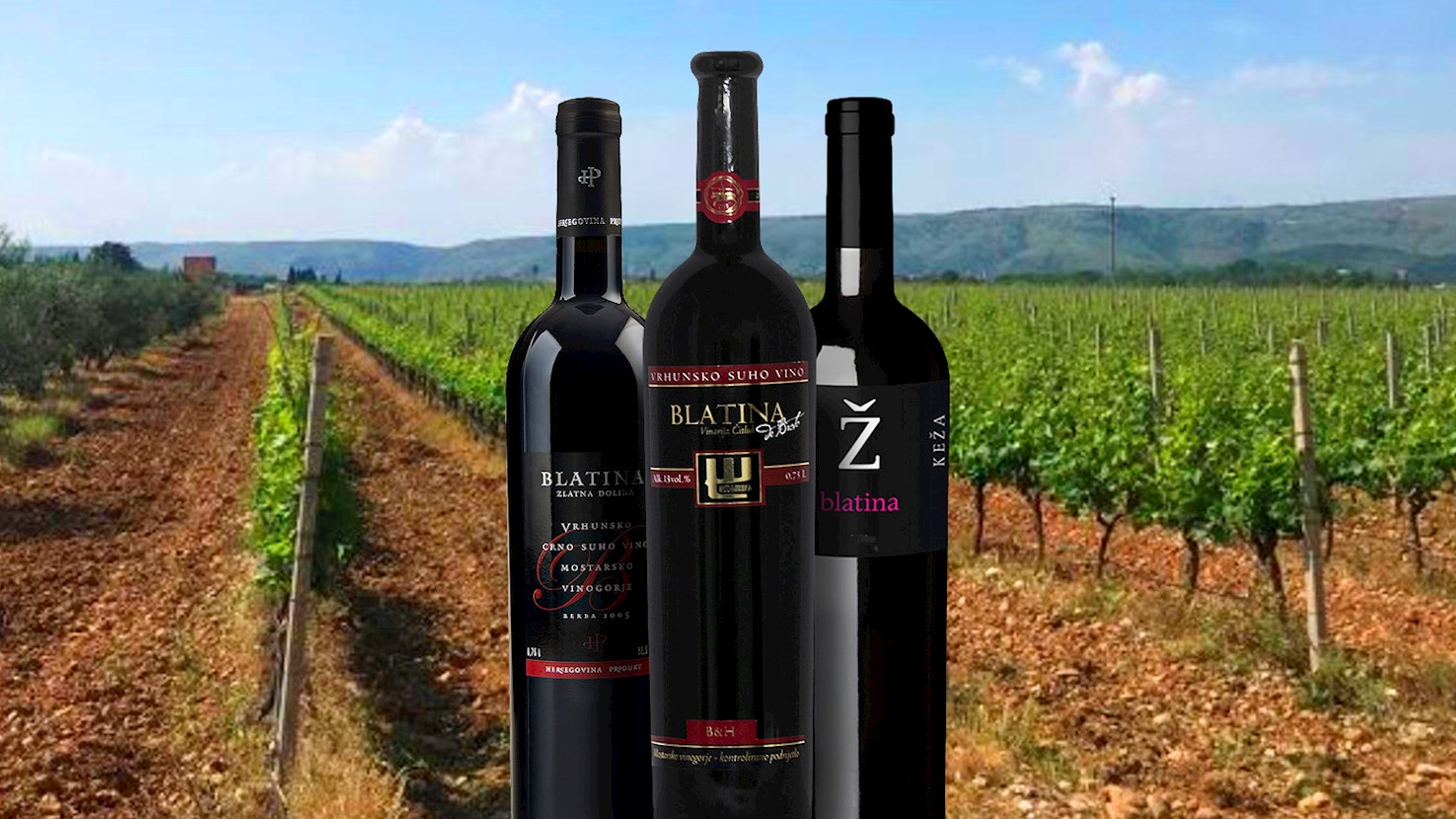
Blatina is a red grape variety that is exclusively cultivated in Herzegovina. The wines produced from Blatina are usually full-bodied, dense, and concentrated with earthy and fruity notes that are often accompanied by well-balanced minerality. Interestingly, the grape only has functional female flowers which means that it needs other grape varieties to pollute and is fairly difficult to grow. Because of this, it earned a peculiar nickname - praznobačva (empty barrel). Blatina pairs well with various meat dishes, charcuterie, and aged cheese.

05

Trnjak

2.8 ·

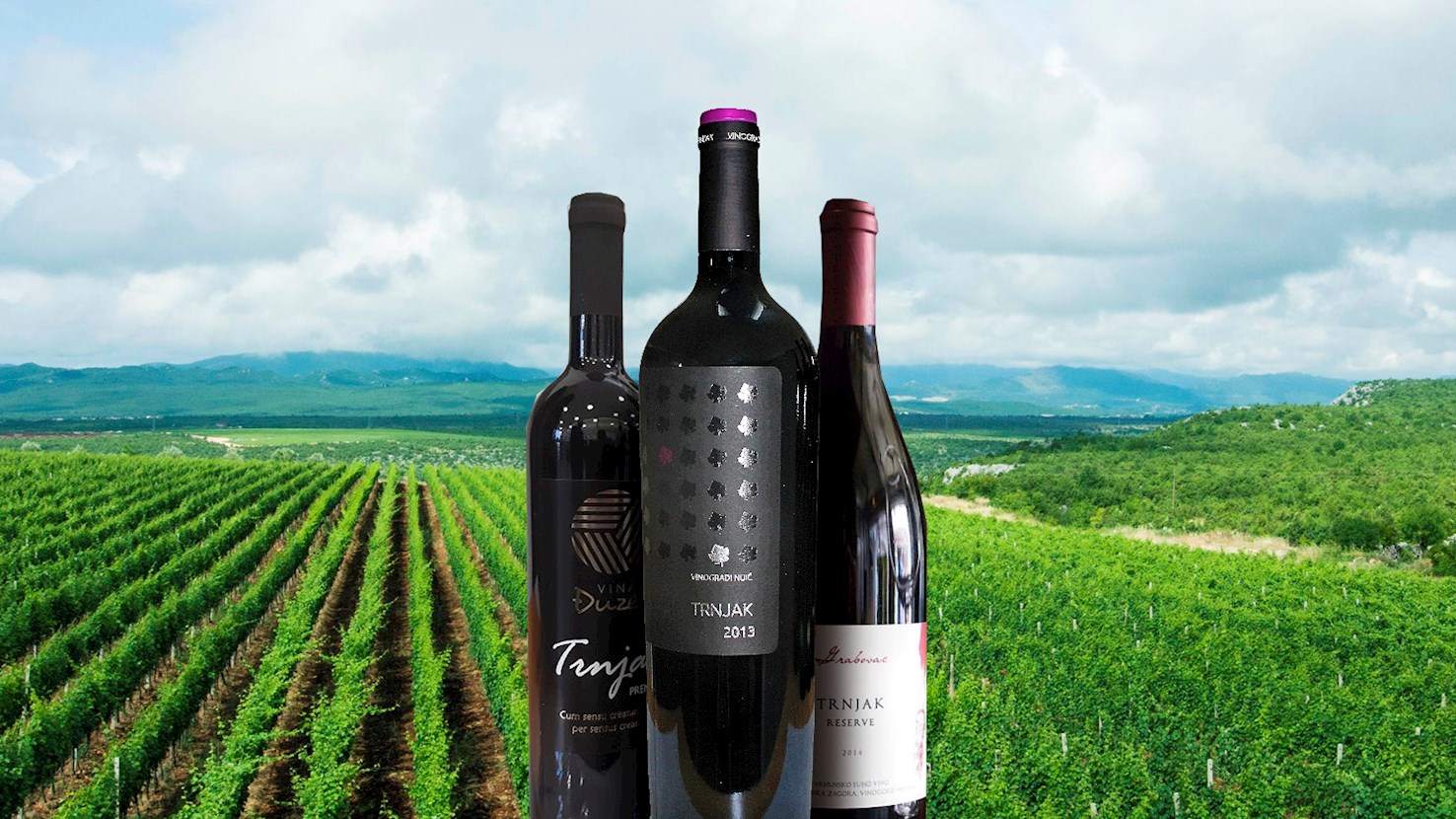
Trnjak is a rare grape variety that is cultivated in Herzegovina and Central Dalmatia (Zagora). In Herzegovina, Trnjak was mainly grown together with Blatina—a grape that only has functional female flowers and needs other grape varieties to pollute. Often both types would be used in blends, but recently, Trnjak has been used in the production of exceptional and well-balanced varietal wines. The best expressions of varietal Trnjak are aromatic, dense, and complex with typical notes of ripe red fruit and spices. Trnjak pairs well with charcuterie, cheese, lamb, veal, and hearty stews.

About this Ranking

TasteAtlas food rankings are based on the ratings of the TasteAtlas audience, with a series of mechanisms that recognize real users and that ignore bot, nationalist or local patriotic ratings, and give additional value to the ratings of users that the system recognizes as knowledgeable.

TasteAtlas Rankings should not be seen as the final global conclusion about food. Their purpose is to promote excellent local foods, instill pride in traditional dishes, and arouse curiosity about dishes you haven’t tried.

The initial list of top producers was compiled based on available reviews, awards, local recommendations, media and blog coverage, and consumer reviews. The list will be updated with ratings from TasteAtlas local ambassadors and TasteAtlas users.

What People Say

Similar Lists