shutterstock

Top 100 Californian Alcoholic Beverages

Last updated on June 10, 2026

Best Californian Alcoholic Beverage Types
01

Mai Tai

4 ·

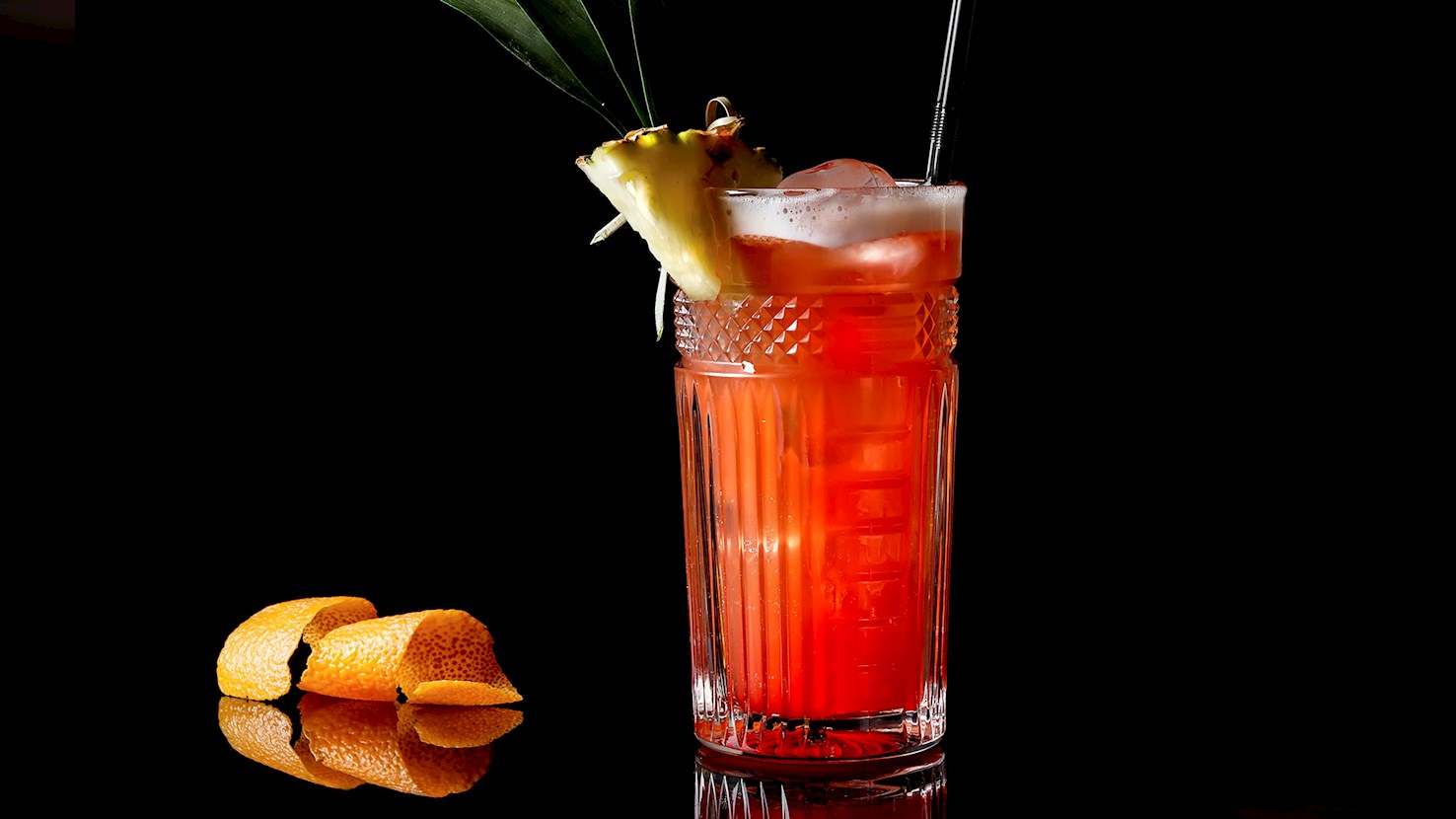
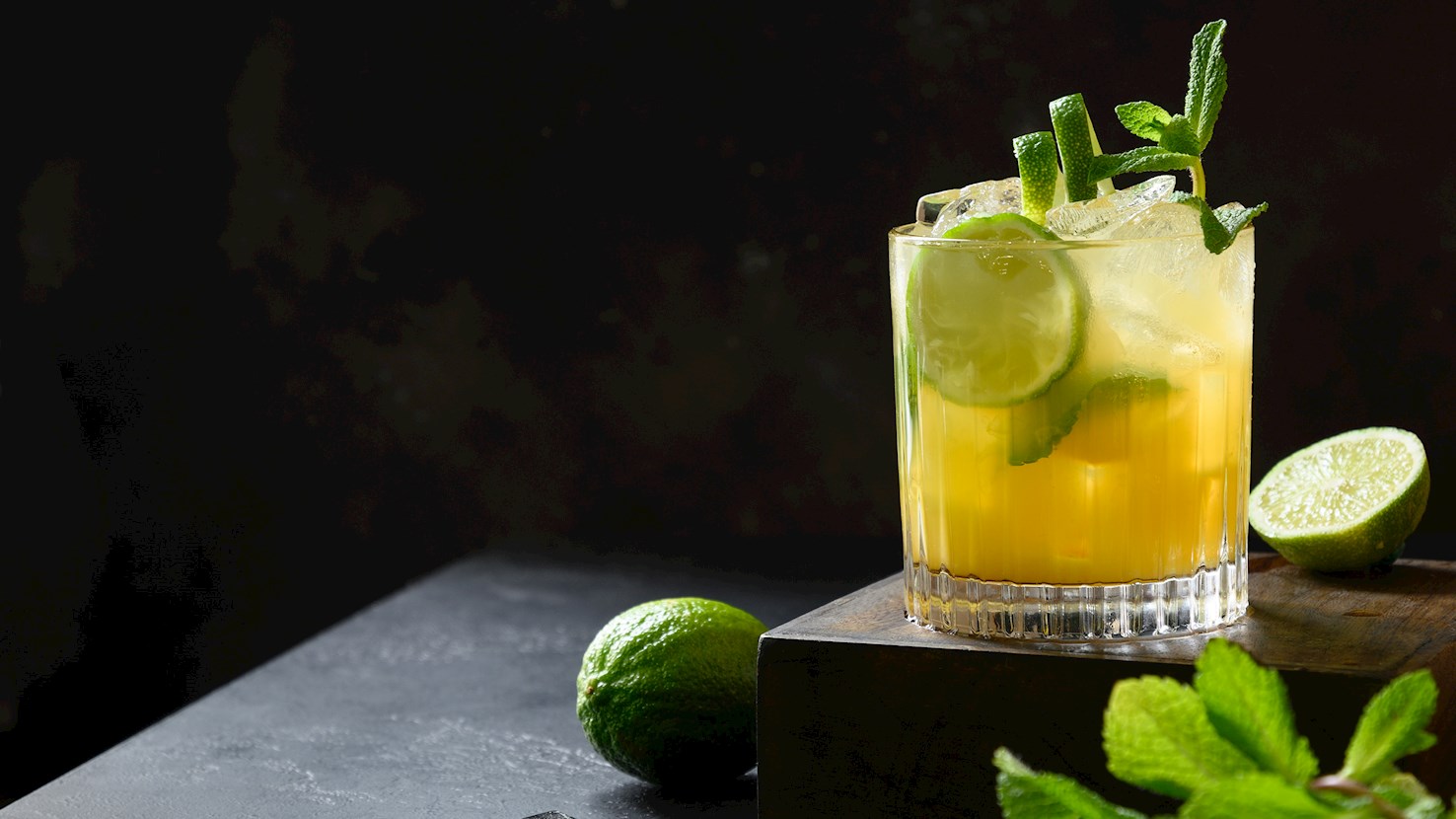
Mai Tai is a popular rum-based cocktail originating from Oakland in 1944. Its name means good in Tahitian. In addition to rum, which can be both spiced and coconut flavored, the cocktail contains lime juice, orgeat syrup, and orange liqueur, typically curaçao, but in some versions it can include grapefruit juice, bitters, or grenadine. All ingredients should be vigorously shaken with ice for a few minutes before the cocktail is strained into an old-fashioned glass. Before serving, Mai Tai is traditionally garnished with fruits such as pineapple, orange, and cherries. It became a trendy cocktail in the 1950s, when Elvis Presley promoted it in his movie, and since then it is heavily associated with Tiki culture and Polynesian-style settings.

02

Shirley Temple

3.8 ·

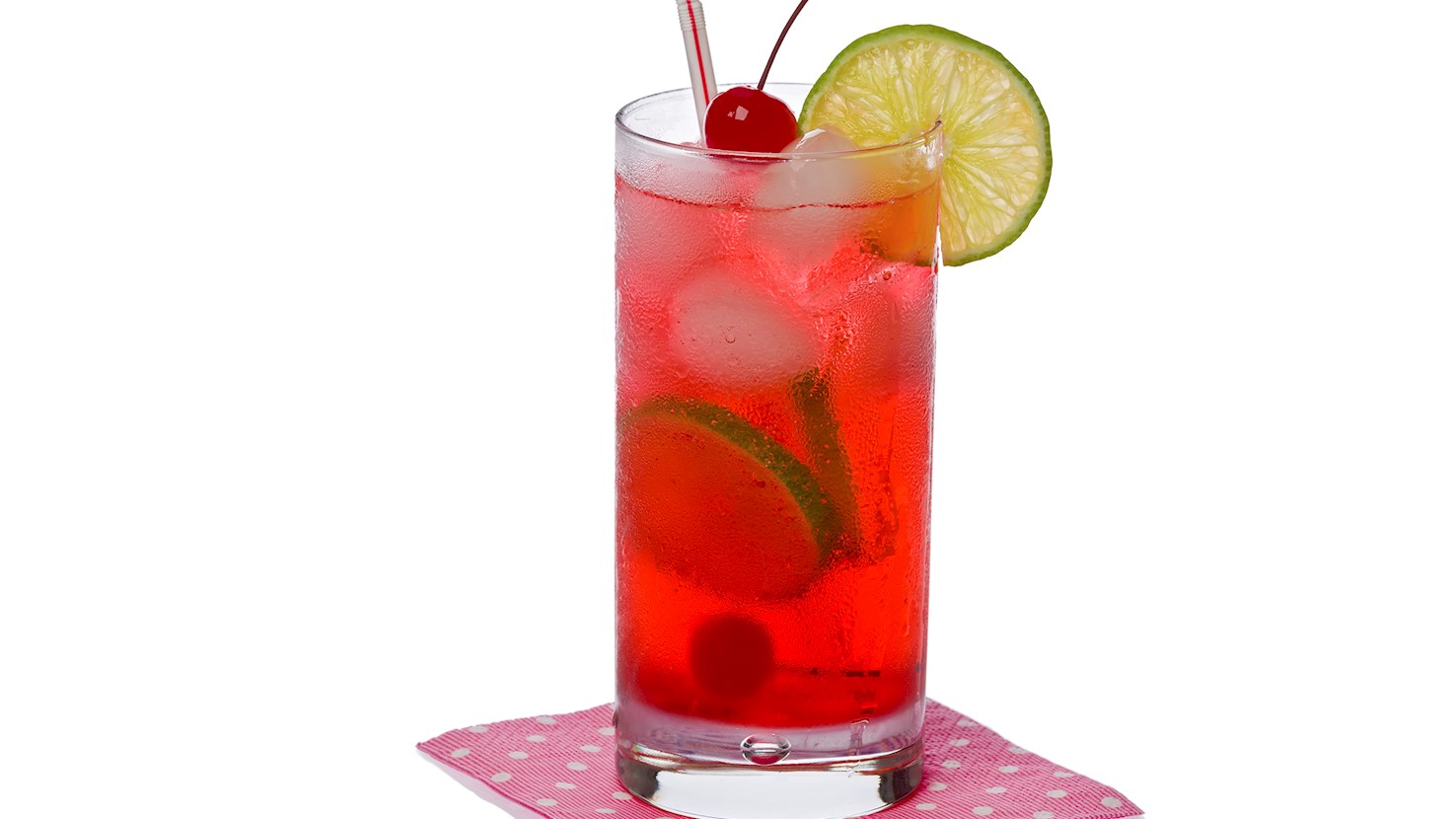
Shirley Temple is a non-alcoholic cocktail made with grenadine and equal parts ginger ale and lemon-lime soda. Grenadine is first poured into a glass filled with ice cubes, and it is then topped with ginger ale and lemon-lime soda before getting stirred and garnished with a cherry. The lemon-lime soda adds a nice citrus flavor, while ginger ale brings sweet, slightly spicy notes to the drink. Shirley Temple cocktail is often served to children because it does not contain any alcohol, but it can be easily modified into the alcoholic version, known as Dirty Shirley, by adding vodka or rum. Although the cocktail was named after the famous actress, she was not a fan of the beverage and thought it was too sweet. It is believed that the first Shirley Temple was prepared by a bartender at a Beverly Hills restaurant called Chasen’s.

03

Tequila Sunrise

3.7 ·

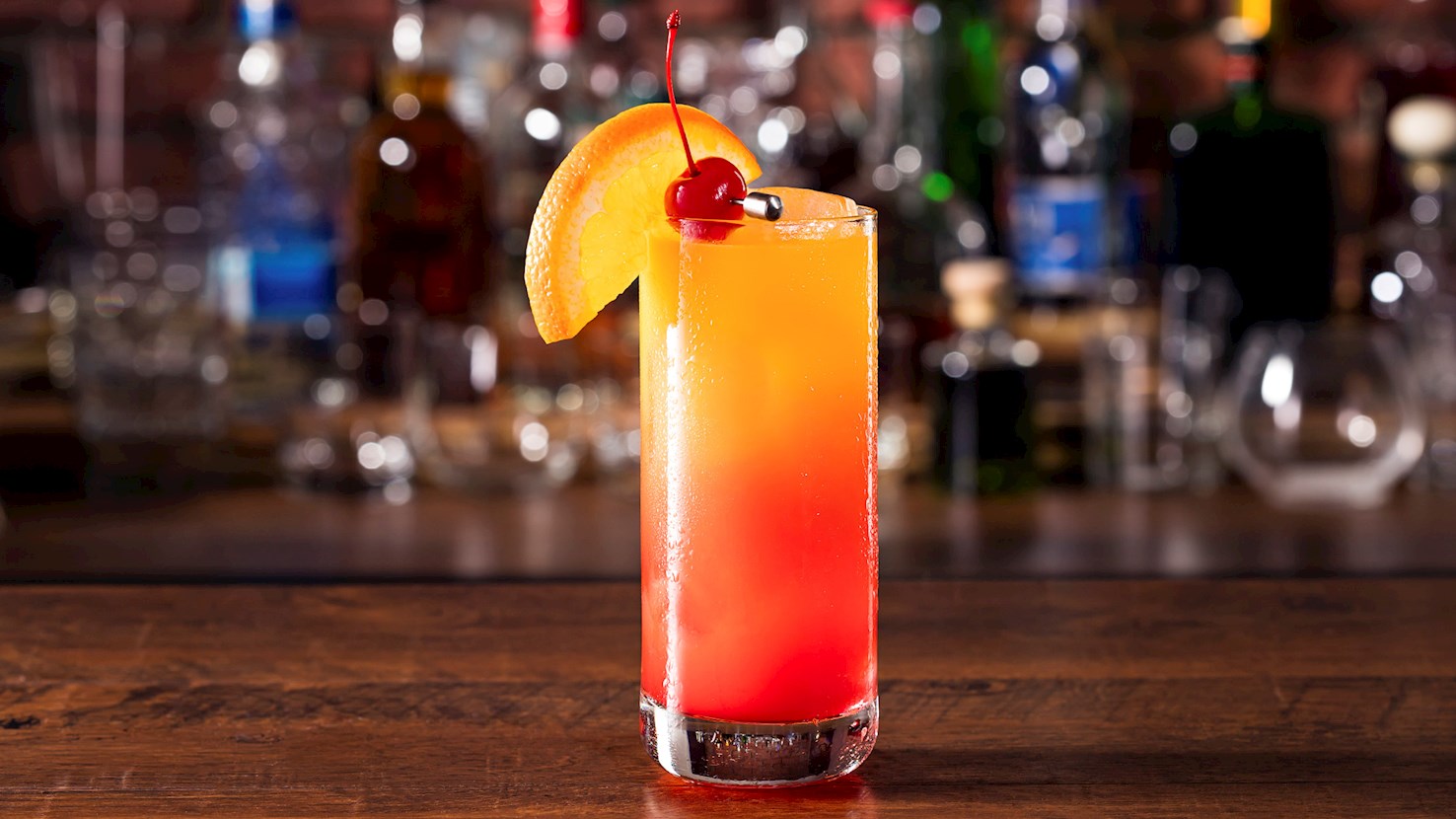
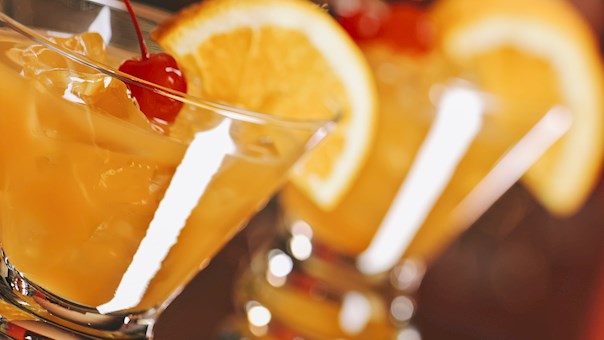
Tequila Sunrise is a classic cocktail that evokes a summer sunrise in a glass. It is made with three basic ingredients: tequila, orange juice, and grenadine syrup. The cocktail was invented around 1930 with a base of tequila and lime juice, soda water, and crème de cassis, but the modern version originated in the 1970s in Sausalito, California, when the cocktail gained a huge leap in popularity because Mick Jagger named the Rolling Stones' tour after it. A traditional way to serve Tequila Sunrise is on the rocks, unmixed, in a tall collins glass, but when presented in a highball glass, the color of its combined ingredients (with grenadine poured slowly through the glass) resembles a sunrise even better.

04

Lemon Drop Martini

3.7 ·

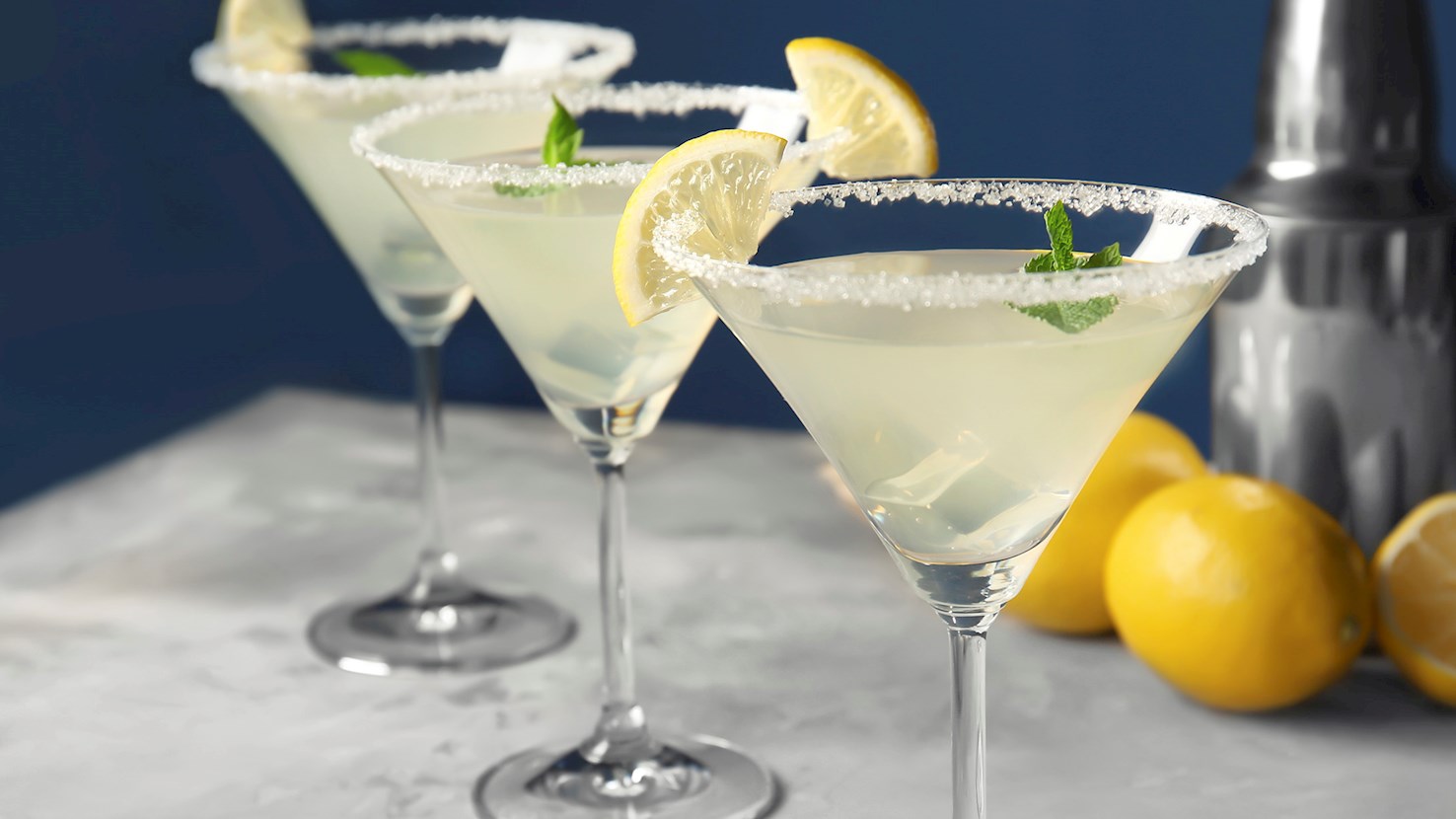
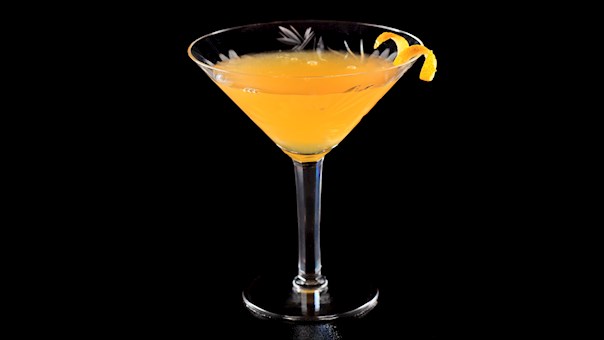
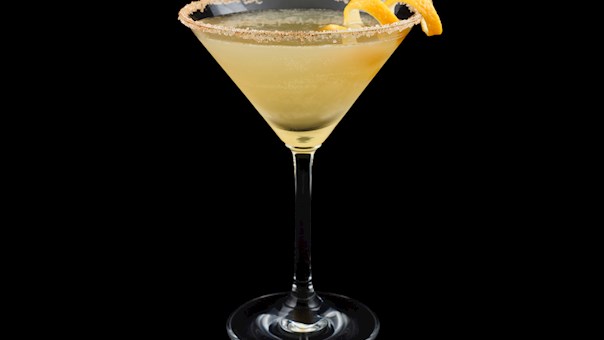
This refreshing cocktail is made with a combination of vodka (preferably of the Citron variety), triple sec, and freshly squeezed lemon juice. To prepare Lemon Drop Martini, all ingredients are shaken and strained into a chilled cocktail glass. The glass should be rimmed with sugar and garnished with a lemon slice. It is believed that the cocktail was invented in the 1970s by Norman Jay Hobday in San Francisco. Originally, it consisted only of vodka, sugar, and lemon juice, and it was inspired by the lemon drop candy. In the 1990s, Lemon Drop Martini was typically served in a shot glass. Today, there are variations of the cocktail made with blueberry-flavored vodka and raspberry-flavored vodka.

05

Zinfandel

3.6 ·

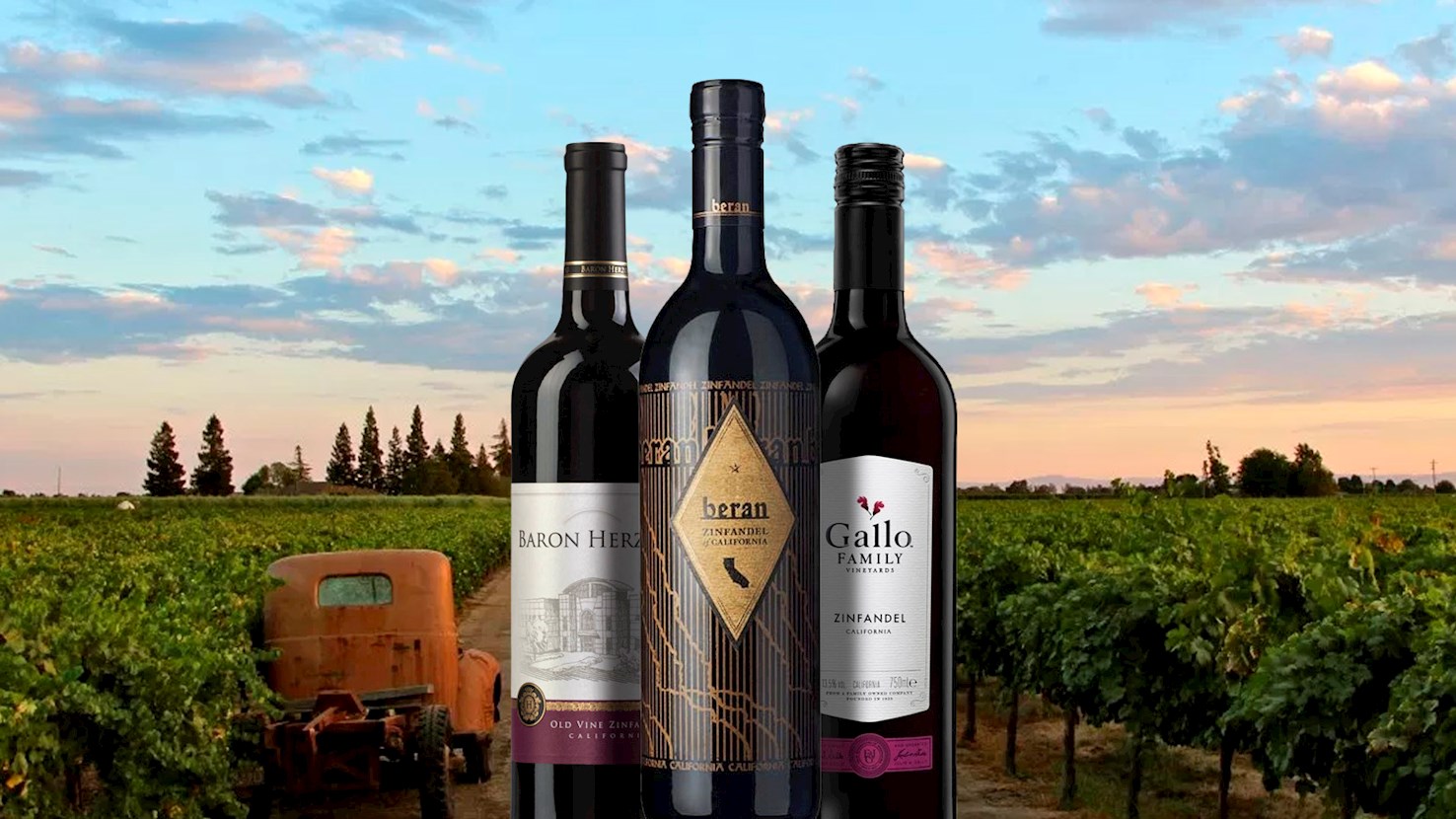
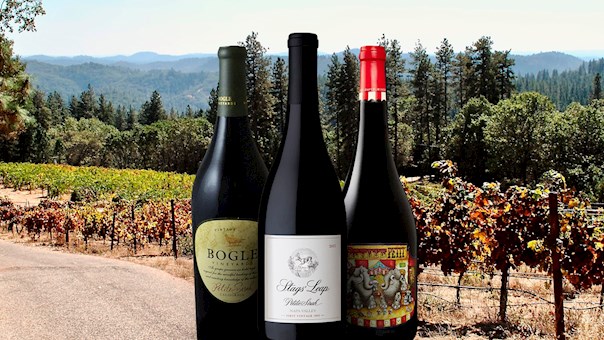
Zinfandel is a red grape variety that was introduced to California sometime in the 1850s. For a long time, its origins were unknown, but recent findings have shown that this flagship Californian grape, as well as the well-known Italian Primitivo, are genetically identical and descend from the somewhat obscure Croatian variety Crljenak Kaštelanski. Since it was introduced, Zinfandel thrived in the United States and became one of the most commonly planted grapes. Despite its origin, the character of American Zinfandel differs from Primitivo and Crljenak. It is heavily terroir-driven and can vary in style, but it is typically dense and fruit-forward with aromas reminiscent of black and red berries, pepper, and herbs. Some styles are oak-aged and may display hints of vanilla and spices. Californian Zinfandel pairs well with poultry, pork, red meat, sheep or cow cheeses, and roasted vegetables. The grape is also used in the production of White Zinfandel—the light, subtly sweet and easy-drinking rosé.

06

Zombie

3.5 ·

Zombie is a Tiki cocktail that was invented in the late 1930s in Los Angeles by Donn Beach. The cocktail is named Zombie after the way it affects the drinkers. The drink is made with demerara rum, golden rum, dark rum, 151 proof Lemon Hart, falernum, lime juice, grenadine, Pernod, Angostura bitters, and Don's mix. However, some variations include absinthe or triple sec, which makes the cocktail even stronger. This high-powered cocktail is prepared by shaking all the ingredients together, except for the 151 proof rum, which is added on top of the drink and can even can be ignited at this point. Zombie is typically served on the rocks in a tiki mug or a hurricane glass, garnished with a cherry, an orange slice, and a pineapple slice. If it is served heated, the cocktail is named Hot Zombie.

07

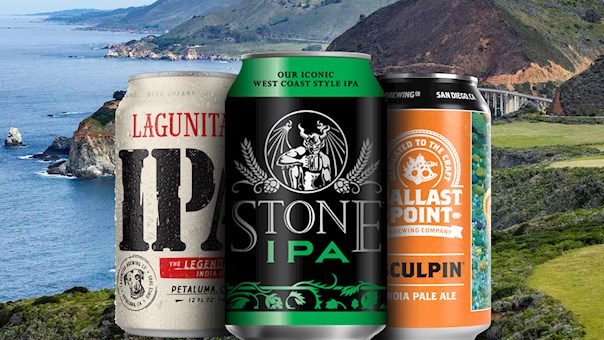
American pale ale

3.5 ·

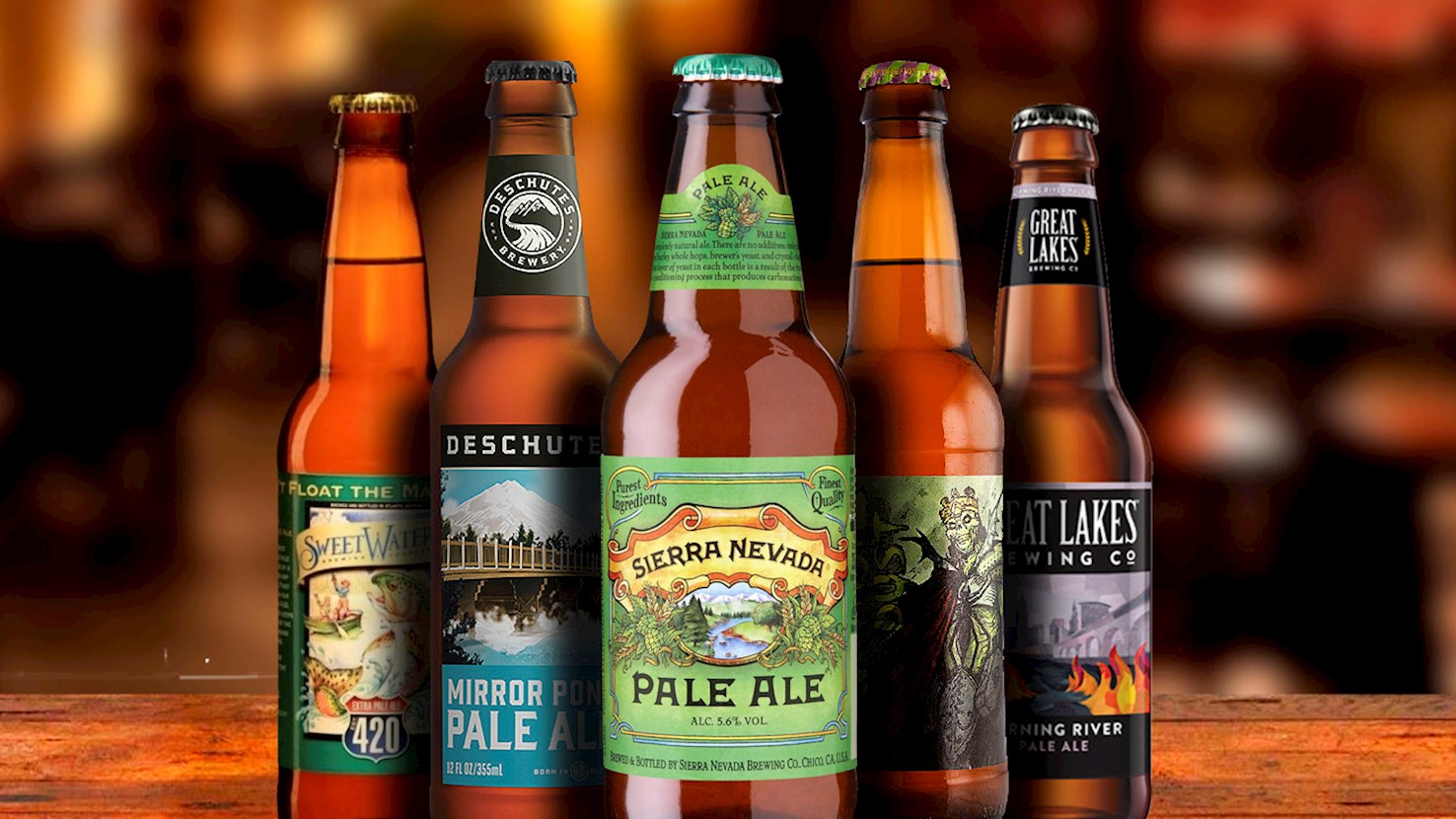
American pale ale was developed in the 1980s as an American counterpart to British pale ales and bitters. These beers are typically clean and crisp, and they will have more hop character than their British equivalents as well as higher alcohol content, usually around 4.4–6.0% ABV. The use of American hops, primarily Cascade, will give these beers distinctive citrus and piney aromas. Their color may range from dark gold to amber and copper. They are usually medium-bodied and have a subtle bitter finish. Sierra Nevada Brewery produced the prototype of American pale ale, and their version was a model on which other breweries mainly relied in production of American pale ale style. These beers are an excellent match to hard cheese varieties, hamburgers, poultry, roasted or grilled meat, and meat pies.

08

California common

3.5 ·

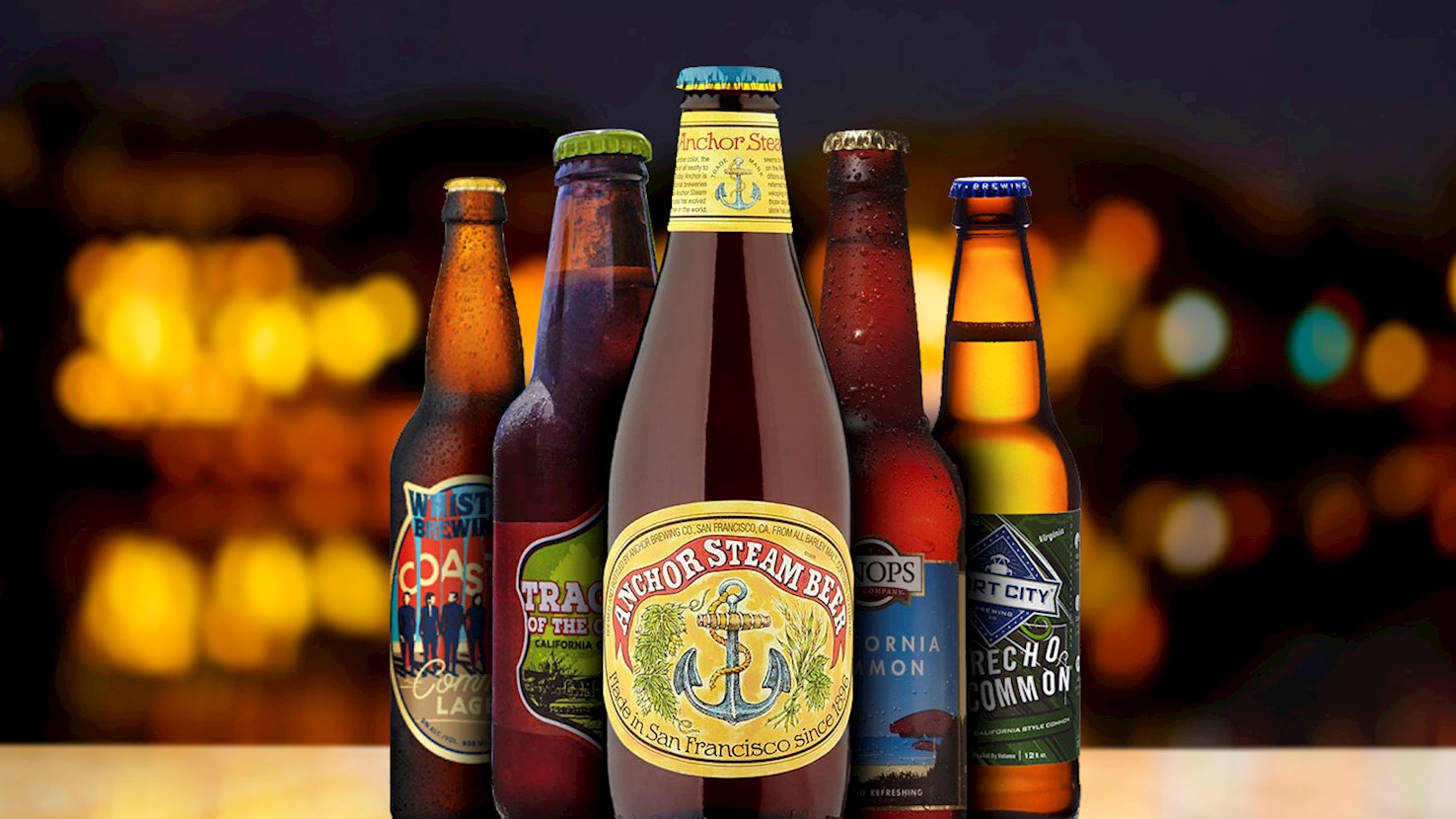
California common is a hybrid beer style that is brewed with lager yeast but is then fermented at ale temperatures. Modern interpretations were made to reflect historical steam beer that first appeared on the West Coast during the Gold Rush era. It was an improvised and somewhat rustic style that grew out of necessity. This upgraded modern version was introduced in the 1970s by the Anchor Brewing Company in San Francisco. Anchor protected the label steam beer, while California common is used for other examples of the style. These beers are usually moderately malty with toasty and grainy flavors and aromas. Their hop character is reminiscent of traditional, rustic American hops, which may come as woody and minty. The beers are crisp and usually have a dry finish. They pair well with grilled or roasted meat and spicy Mexican, Cajun, or Thai dishes.

09

American barley wine

3.5 ·

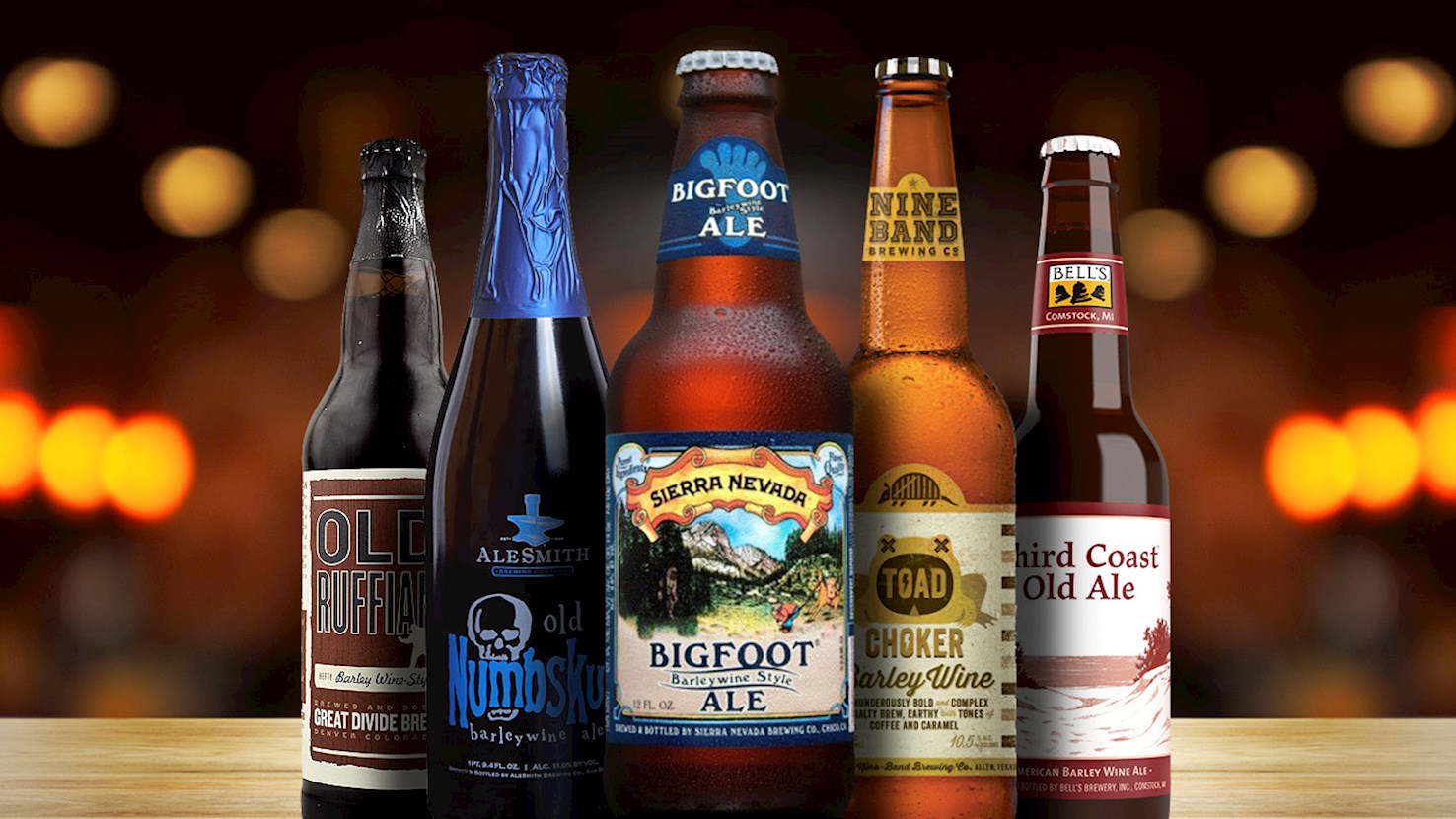
American barley wine originated from the original British style of barley wines—bold brews with strong malty flavors. The first examples of American-style barley wines appeared in 1975 with the first version that was released by Anchor Brewing Co., which was then followed by Sierra Nevada Brewing’s Bigfoot. The American version is also characterized by intense malt character, but unlike the British counterparts, American versions will usually have more assertive hop flavors. The beers that fall into this style are typically rich, full-bodied, light amber to medium copper, and luscious. They usually have a long finish and evident bitterness, while the aromas often include citrus, pine, or resin, as well as typical bread and caramel notes. They are usually aged and high in alcohol, but alcohol strength should never be too harsh or dominant. These beers are mainly associated with winter and holiday season. They are best served in a snifter glass, and though they can be enjoyed on their own, these beers can also work well with hearty dishes, rich desserts, and blue cheese varieties.

10

Amber ale

3.4 ·

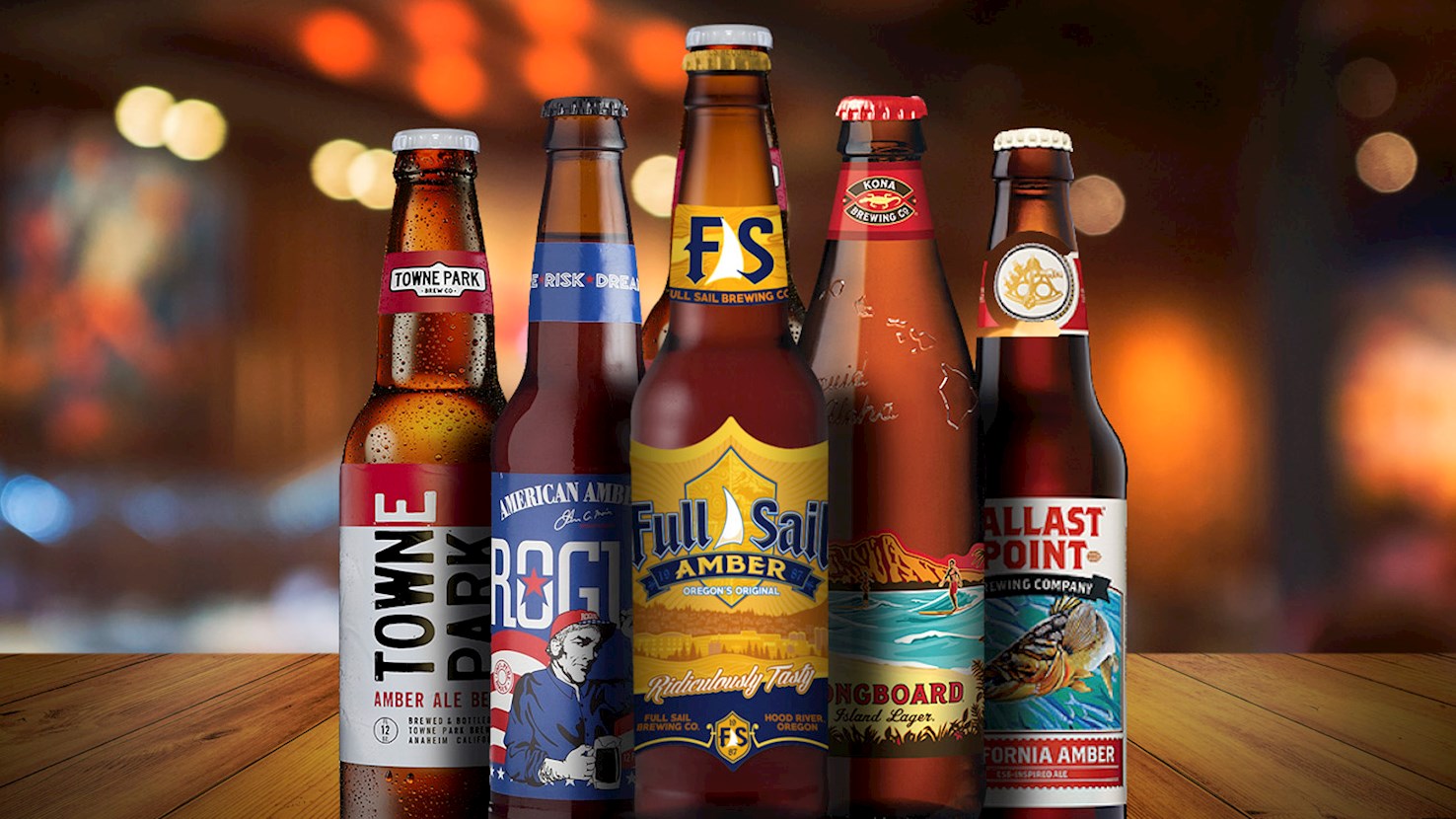
American amber ale originates from California and the Pacific Northwest, where it appeared in the 1980s. The style was modeled on pale ales and strong bitters, but it eventually grew as a separate and distinctive category. Amber ales are brewed with crystal malts, which provide toasty and toffee flavors. The color of these medium-bodied beers may range from amber to copper or deep red. They are characterized by moderate to strong malt sweetness, while the use of American hops occasionally provides for citrusy and piney aromas. Although they often resemble American pale ales, amber ale should typically have more body and more pronounced caramel flavors. These beers are an excellent match with classic American cuisine, barbecued dishes, hamburgers, spicy dishes, chicken, beef, and seafood.

Best Californian Alcoholic Beverages
01

Russian River Brewing

5 ·
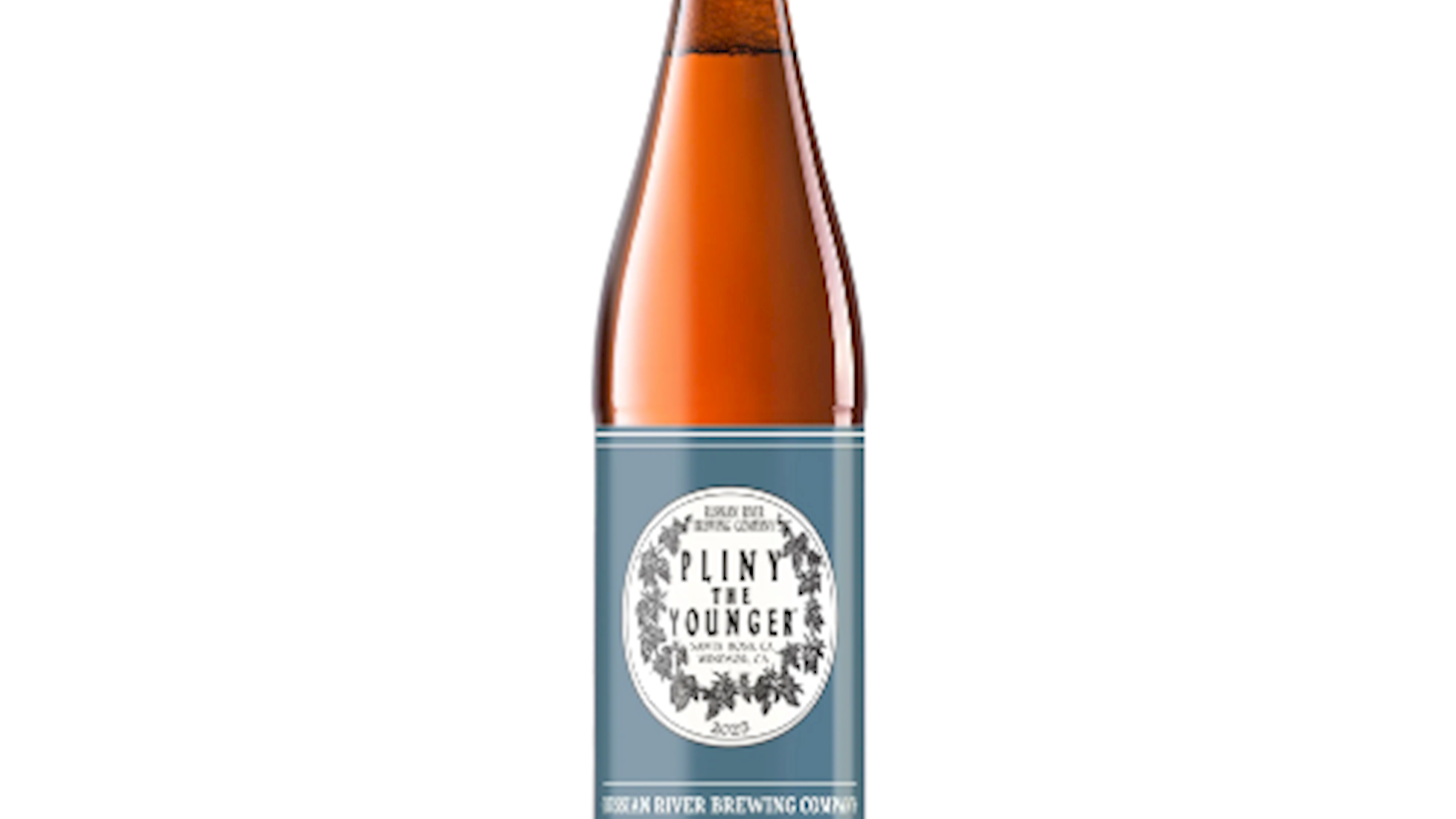
Russian River Brewing was founded in 1997, when Vinnie Cilurzo was hired as the head brewer. As early as 1999, Vinnie created one of the first commercially available Double IPAs - the renowned Pliny the Elder, which remains the brewery’s most famous and acclaimed beer to this day. Their reputation is built primarily on outstanding IPA styles, with Pliny the Elder - Double IPA, and Pliny the Younger - Triple IPA standing out. The latter is brewed only once a year, during a two-week release in February or March, and is available exclusively at their locations -an event that attracts beer enthusiasts from around the world. With the opening of their modern brewery in Windsor, they significantly expanded production capacity while also enhancing the visitor experience. Today, Russian River Brewing is considered one of the most influential and innovative American craft breweries, with its success rooted in a strong commitment to quality, continuous innovation, and deep connection with the community.
Awards
Beer Advocate - 100 World-Class
Untappd - 4.5
02

Monkish Brewing

5 ·
Monkish Brewing Co. is an independent brewery based in Torrance, California, with an additional taproom in Anaheim, known for its exceptional hazy IPAs and sour ales. Founded in 2012, the brewery began with Belgian-style ales but quickly gained a reputation as one of the most innovative producers of New England IPAs on the West Coast. Their shift toward modern, hop-forward styles is marked by a meticulous focus on aroma and dry-hopping techniques, using varietals such as Citra, Nelson, Galaxy, and Mosaic. Monkish also continues to explore fermentation-driven expressions - developing complex wild and mixed-fermentation ales in parallel with their IPA lineup, relying on both spontaneous and controlled processes in oak foeders. Each recipe carries the signature of head brewer Henry Nguyen, who blends technical precision with a creative approach inspired by philosophy and aesthetics.
Awards
Untappd - 4.5
Beer Advocate - 99 World-Class
03

Sine Qua Non

5 ·
Sine Qua Non is one of the most iconic and influential boutique wineries in California, located in Ventura County and renowned for its extremely limited releases, unconventional style and the strong personal imprint of winemakers Manfred and Elaine Krankl. Founded in the early 1990s, the winery has become synonymous with intensely concentrated, artistically conceived wines based primarily on Rhône-style varieties such as Syrah, Grenache, Mourvèdre and Viognier. Production is extremely small, often only a few hundred to a few thousand bottles per wine, which is why nearly all sales take place through an exclusive waiting list. In the vineyard, meticulous vine management and low yields are essential, while in the cellar the team uses long macerations, slow maturation and a combination of new and seasoned oak barrels to achieve maximum varietal expression. Despite its powerful reputation and global demand, the winery remains committed to its individualistic approach - small lots, constant experimentation and a philosophy that each wine must be unique, irreproducible and stylistically free. Today, Sine Qua Non holds an almost mythical status in the wine world, representing a fusion of creativity, boldness and exceptional craftsmanship.
Awards
Falstaff - 100
Falstaff - 99
04

Schrader Cellars

5 ·
Schrader Cellars is a highly regarded Napa Valley winery founded in 1998 by Fred Schrader, with a clear focus on producing top-tier Cabernet Sauvignon from some of the region’s most sought-after vineyard sites. The estate is closely associated with the iconic Napa Valley, particularly the renowned Beckstoffer To Kalon Vineyard, which is considered one of the finest sources of Cabernet Sauvignon in California. A defining element of the winery’s success is its long-standing collaboration with winemaker Thomas Rivers Brown, whose approach emphasizes clonal selection and precise expression of individual vineyard blocks. Schrader Cellars produces limited quantities of single-vineyard and single-block wines, highlighting the nuances of terroir with remarkable clarity. The wines are known for their richness, structure, and depth, balanced by precision and aging potential. Minimal intervention in the cellar allows the fruit and vineyard character to remain at the forefront. Over time, the winery has achieved “cult” status, driven by both critical acclaim and limited availability. Many of its wines have received perfect scores from leading critics, reinforcing its reputation in the premium wine segment. Today, Schrader Cellars stands as a benchmark for modern Napa Valley Cabernet Sauvignon.
Awards
Falstaff - 100
Falstaff - 99
05

Cutwater Spirits

5 ·
Cutwater Spirits is a renowned San Diego-based distillery that began as a passion project by Yuseff Cherney. Initially focused on craft brewing, the brand expanded into the spirits world, creating a diverse portfolio that includes whiskey, rum, vodka, gin, and tequila. Cutwater Spirits is especially known for its innovation in crafting ready-to-drink canned cocktails, which have earned them numerous awards. The company uses a mix of traditional distillation methods and modern techniques, producing high-quality spirits that are recognized globally.
Awards
SFWSC - San Francisco World Spirits Competition - Double Gold (2024, 2023)
IWSC- International wine & spirit competition - Spirit Gold (2023, 2022, 2021, 2020)
06

Shafer Vineyards

5 ·
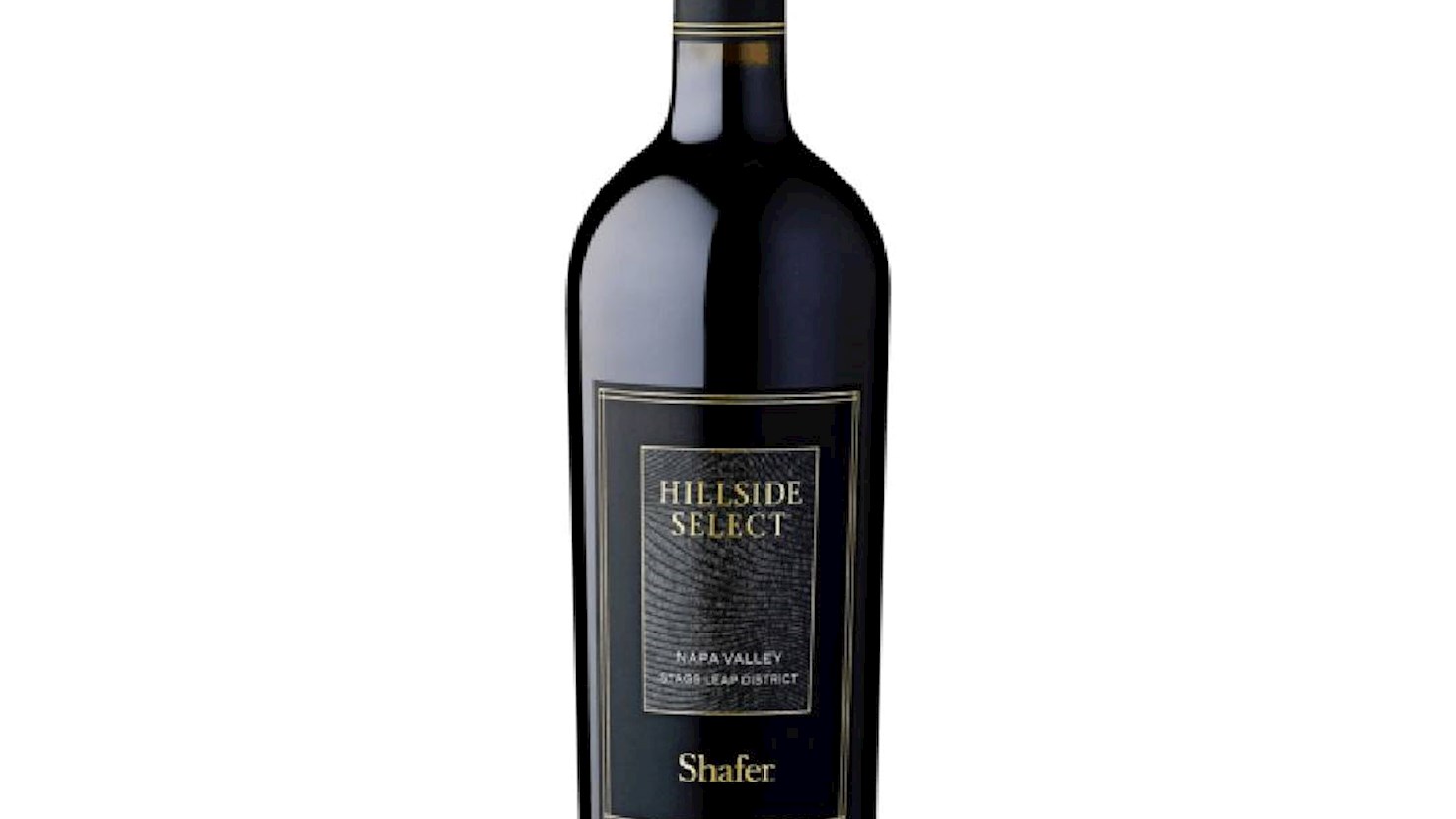
Shafer Vineyards is a family-founded winery located in the renowned Stags Leap District of Napa Valley. Established in 1972 by John Shafer, the estate quickly rose to prominence through a clear vision, dedication to the land, and an uncompromising pursuit of quality. What began as a hillside vineyard soon became one of the most respected names in American winemaking. With over 200 acres of sustainably farmed vines, Shafer produces wines that reflect both the richness of Napa’s terroir and the precision of thoughtful craftsmanship. The winery is best known for its flagship Hillside Select, a benchmark Cabernet Sauvignon celebrated worldwide, along with other acclaimed labels such as One Point Five, Relentless, and Red Shoulder Ranch Chardonnay. Longtime winemaker Elias Fernandez has guided the style of Shafer wines for decades, focusing on depth, balance, and longevity. Together with Doug Shafer, the estate has maintained a philosophy rooted in respect for tradition while embracing innovation.
Awards
Falstaff - 100
Vivino - 4.6
07

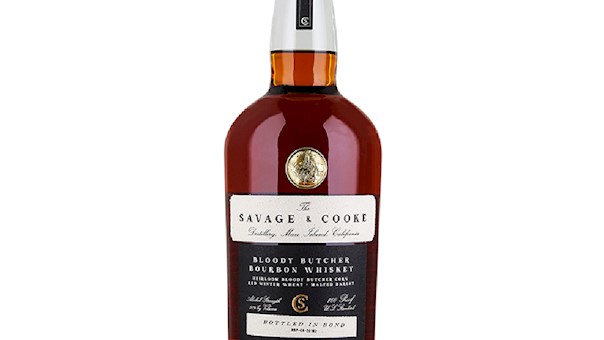
IJW Whiskey

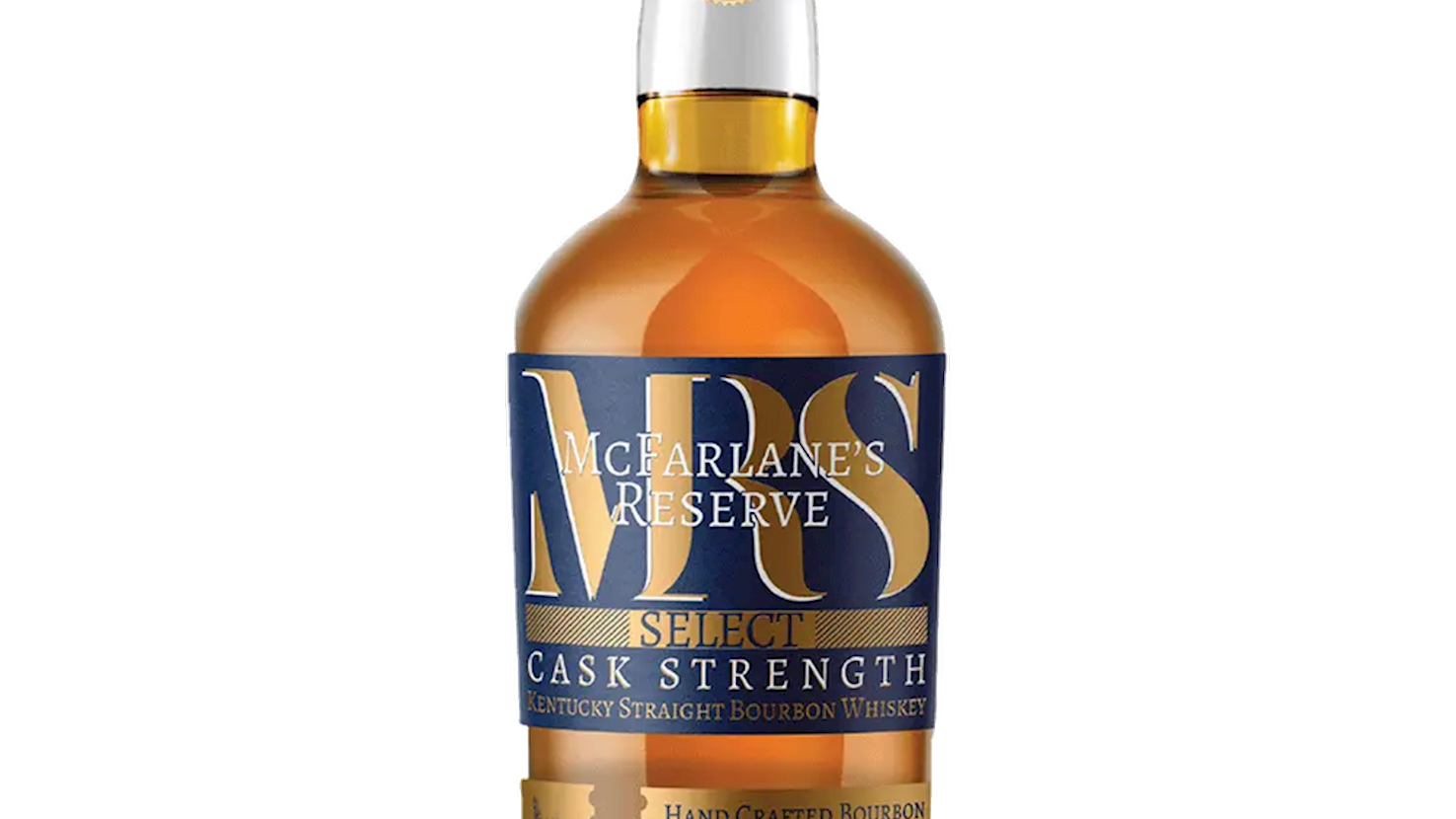
5 ·
Awards
SFWSC - San Francisco World Spirits Competition - Double Gold (2024, 2023)
NYWSC - New York World Spirits Competition - Double Gold (2023)
08

Bond Wine

5 ·
Bond Wine is an exclusive Napa Valley winery founded in 1996 by Bill Harlan, with the ambition of creating wines that reflect a “grand cru” level of quality in California. The concept behind BOND is built around a small collection of exceptional vineyard sites - Melbury, Vecina, St. Eden, Pluribus, and Quella - each selected for its unique terroir within the Napa Valley. Rather than blending across vineyards, each wine is produced from a single site, emphasizing the distinct identity of its origin. The winery focuses exclusively on Cabernet Sauvignon, aiming to express the nuances of each location with precision and clarity. Production is extremely limited, often just a few hundred cases per vineyard, reinforcing its status as a cult winery. The wines are known for their concentration, structure, and depth, combined with remarkable balance and aging potential. Bond Wine’s philosophy is often compared to the Burgundian model, where site specificity takes precedence over house style. Through this approach, the winery offers a collection of wines that collectively define the finest terroirs of Napa Valley. Today, Bond Wine is widely regarded as one of the leading producers of single-vineyard Cabernet Sauvignon in the world.
Awards
Falstaff - 100
Falstaff - 99
09

Stag's Leap Wine Cellars

5 ·
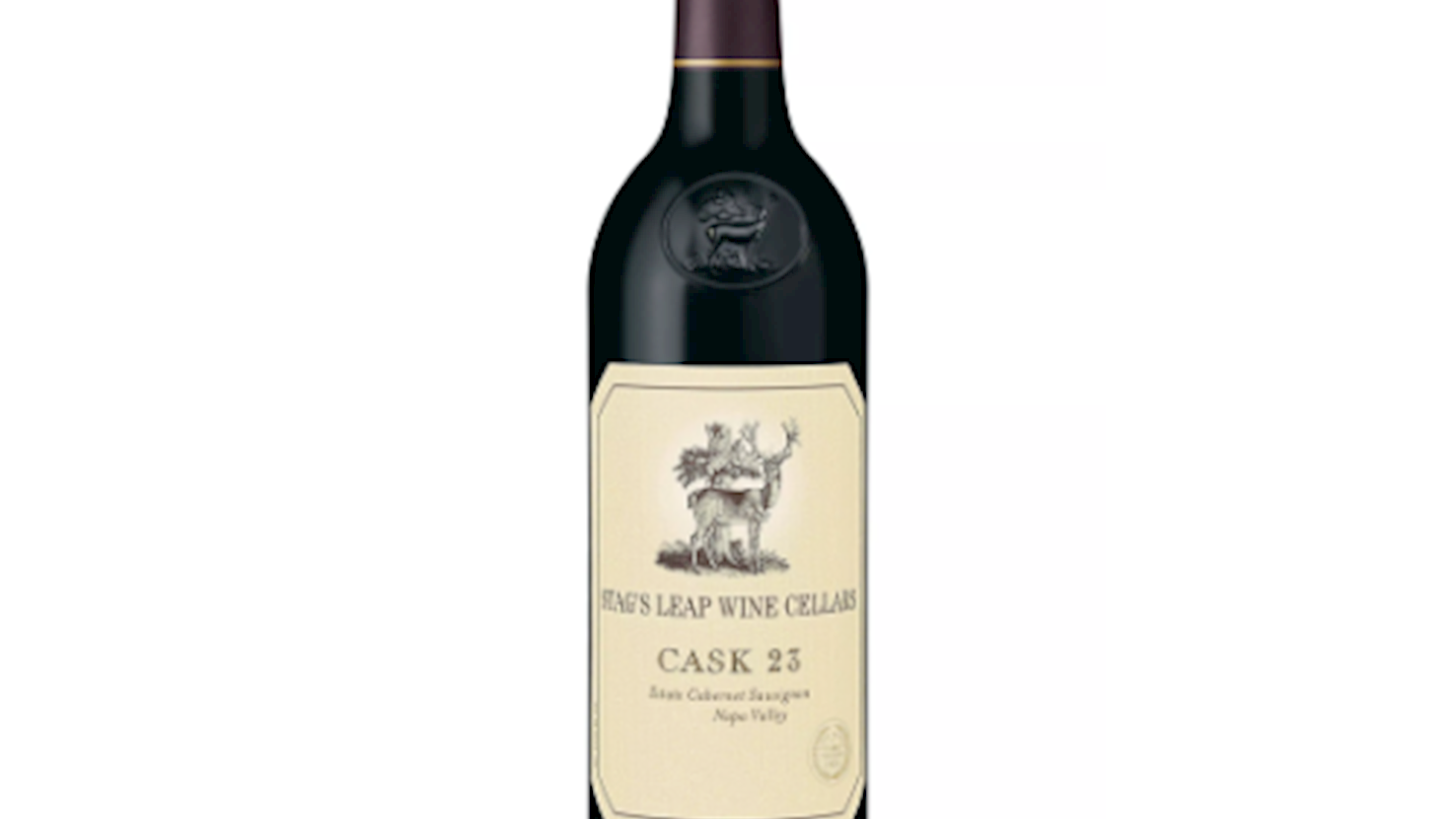
Stag’s Leap Wine Cellars is one of the most influential wineries in Napa Valley and a turning point in American winemaking, especially since the 1976 “Judgment of Paris”, when its 1973 Cabernet surpassed renowned Bordeaux labels. Located in the Stags Leap District, the winery benefits from distinctive volcanic and gravelly soils that allow for wines with remarkable structure and aromatic precision. Its key vineyard sites, Stag’s Leap Vineyard and Fay Vineyard, lie at the base of the Stags Leap Palisades, where a unique microclimate creates a balance of ripeness, freshness, and clarity of aroma. The legendary 1973 Cabernet Sauvignon, which elevated SLWC to global prominence, originated from the Stag’s Leap Vineyard vineyard. While Cabernet Sauvignon is the primary focus, Merlot, Sauvignon Blanc, and Chardonnay also receive meticulous attention through a winemaking approach centered on purity, elegance, and long aging potential. Fermentation is controlled with precision and complemented by careful use of French oak to preserve harmony between fruit expression and subtle notes of vanilla, cedar, and spice. Vineyard management blends scientific insight with traditional practices, respecting natural cycles and the character of the terroir. Visitors can experience guided tastings, explore the library selection, and tour the cellars, further underscoring the winery’s reputation as a place that has shaped the history of Napa Valley. Despite modernization, the estate has preserved a signature style that prioritizes elegance over sheer power, making its wines highly regarded among collectors. Today, Stag’s Leap Wine Cellars remains synonymous with consistent quality, authenticity, and one of the defining stories of contemporary American wine.
Awards
Vivino - 4.6
Vivino - 4.5
10

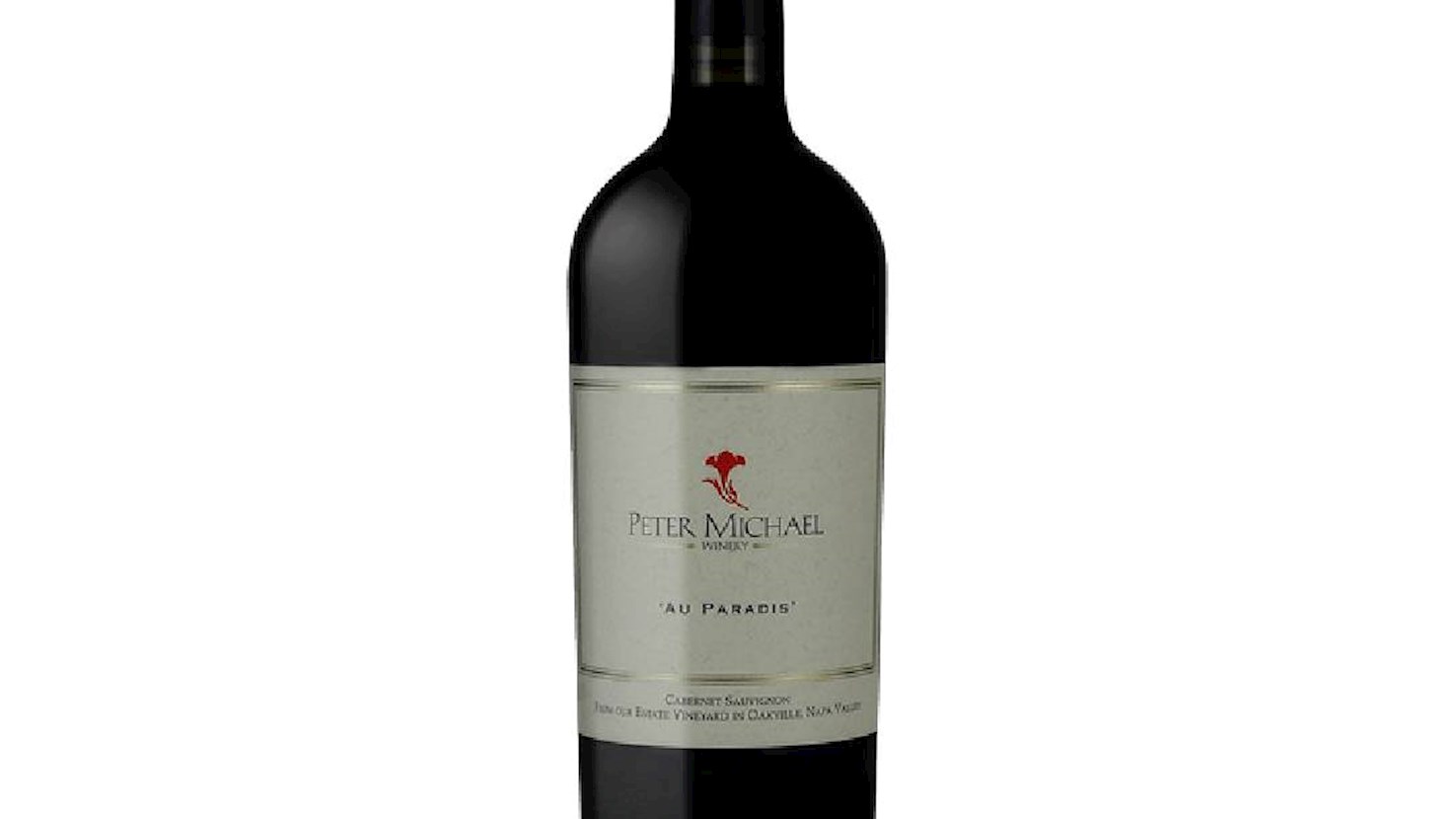
Peter Michael Winery

5 ·
Peter Michael Winery is a family-owned winery established in 1982 by Sir Peter Michael. It is located in the northeastern part of Sonoma County, California, on the slopes of Mount St. Helena. Peter Michael Winery produces wines from varieties such as Chardonnay, Pinot Noir, Cabernet Sauvignon, and Sauvignon Blanc, employing traditional winemaking methods including hand-sorting of grapes, fermentation with indigenous yeasts, and aging in French oak barrels. The Michael family has a long-term vision to keep the winery family-owned for at least 100 years, with a strong commitment to preserving the natural environment and wildlife surrounding the vineyards.
Awards
James Suckling - 99 points (2024)
Vivino - 4.6
Read more
View all
View map
About this ranking

TasteAtlas food rankings are based on the ratings of the TasteAtlas audience, with a series of mechanisms that recognize real users and that ignore bot, nationalist or local patriotic ratings, and give additional value to the ratings of users that the system recognizes as knowledgeable. For the “Top 100 Californian Alcoholic Beverages” list until June 10, 2026, 881 ratings were recorded, of which 825 were recognized by the system as legitimate. TasteAtlas Rankings should not be seen as the final global conclusion about food. Their purpose is to promote excellent local foods, instill pride in traditional dishes, and arouse curiosity about dishes you haven’t tried.

The initial list of top producers was compiled based on available reviews, awards, local recommendations, media and blog coverage, and consumer reviews. The list will be updated with ratings from TasteAtlas local ambassadors and TasteAtlas users.

Similar lists