Top 8 Lithuanian Alcoholic Beverages

Last updated on June 10, 2026

Best Lithuanian Alcoholic Beverages
01

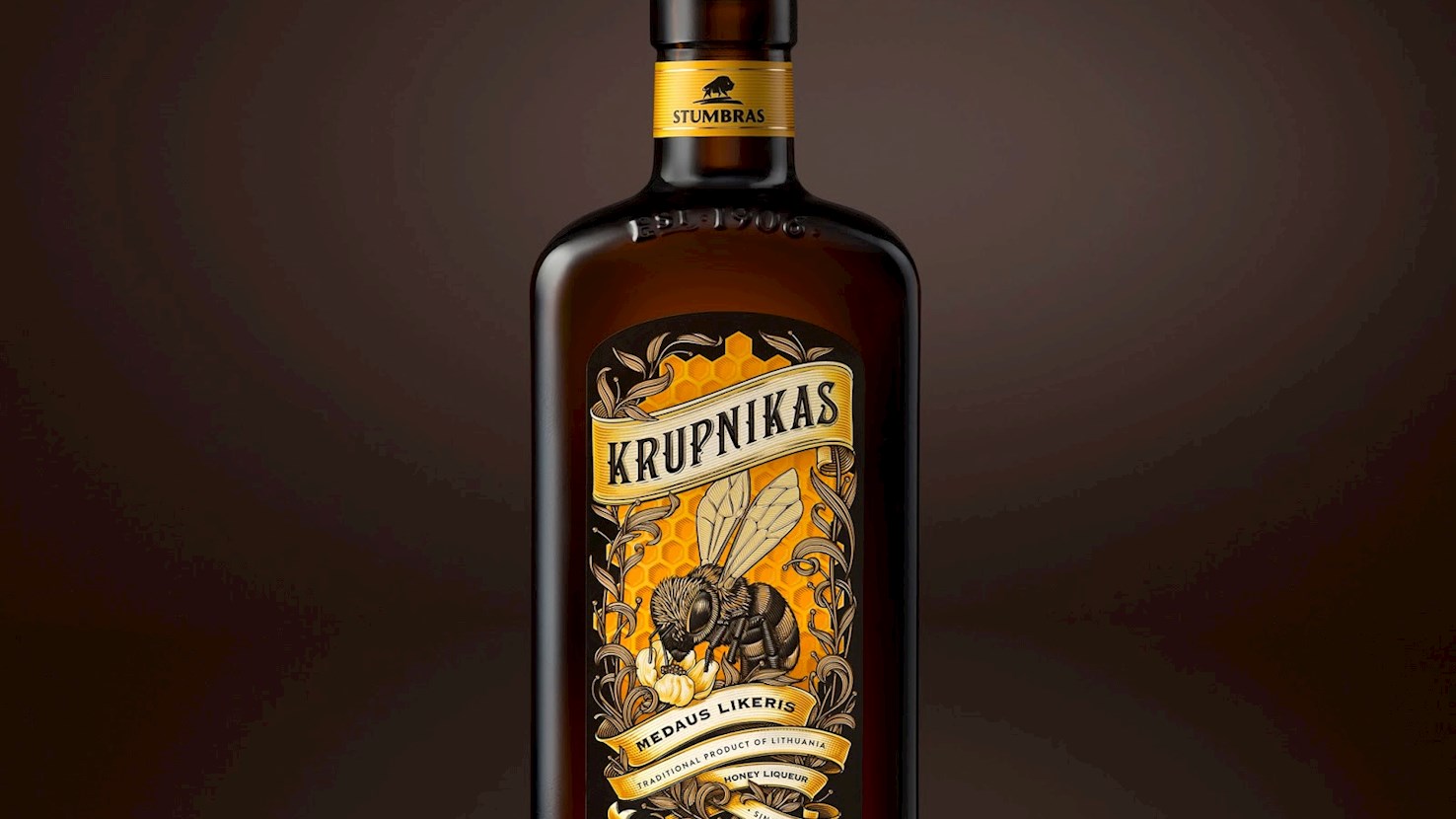
KRUPNIKAS

5 ·
Awards
SFWSC - San Francisco World Spirits Competition - Double Gold (2024)
02

MV GROUP PRODUCTION

4.9 ·
Awards
ISC-International Spirits Challenge - Double Gold (2023)
World's Best Herbal - Winner (2024)
03

STUMBRAS

4.7 ·
Awards
SFWSC - San Francisco World Spirits Competition - Double Gold (2024)
NYWSC - New York World Spirits Competition - Double Gold (2023)

Best Lithuanian Alcoholic Beverage Types

01

Baltic porter

4.1 ·

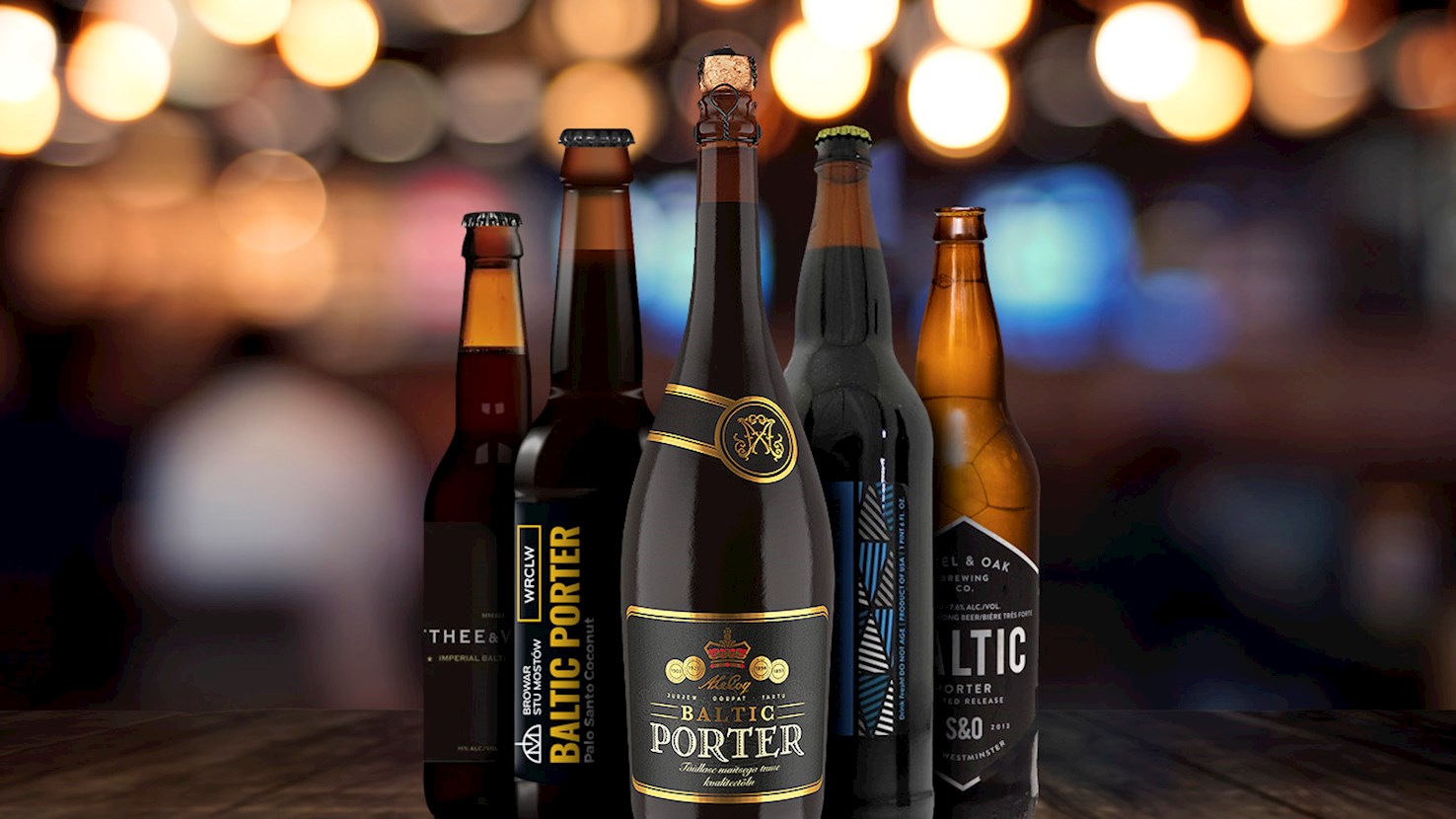
This beer style evolved from the British porter, and it was partially influenced by imperial stouts. The beers that fall under this category will typically have high alcohol content, usually between 5.5 and 9.5% ABV, while their color ranges from mahogany red to dark brown. They are full-bodied and smooth brews with typical malt flavors that are usually complemented by aromas of toast, caramel, licorice, dried fruit, chocolate, and coffee. Baltic porter first appeared when stronger and hoppier versions of British porter were sent to Russia. The shipments first reached Baltic, Scandinavian, and Northern European ports, including those in Finland, Poland, Sweden, Denmark, Lithuania, Estonia, and Latvia. Home breweries soon started to produce their versions using lager yeasts and regional ingredients, eventually creating a style that comes in many local expressions. Baltic porters are an excellent match to hearty dishes, especially roasted or grilled meat, and stews. They can also go well with chocolate or nut desserts and cheese.

02

Farmhouse ale

3.7 ·

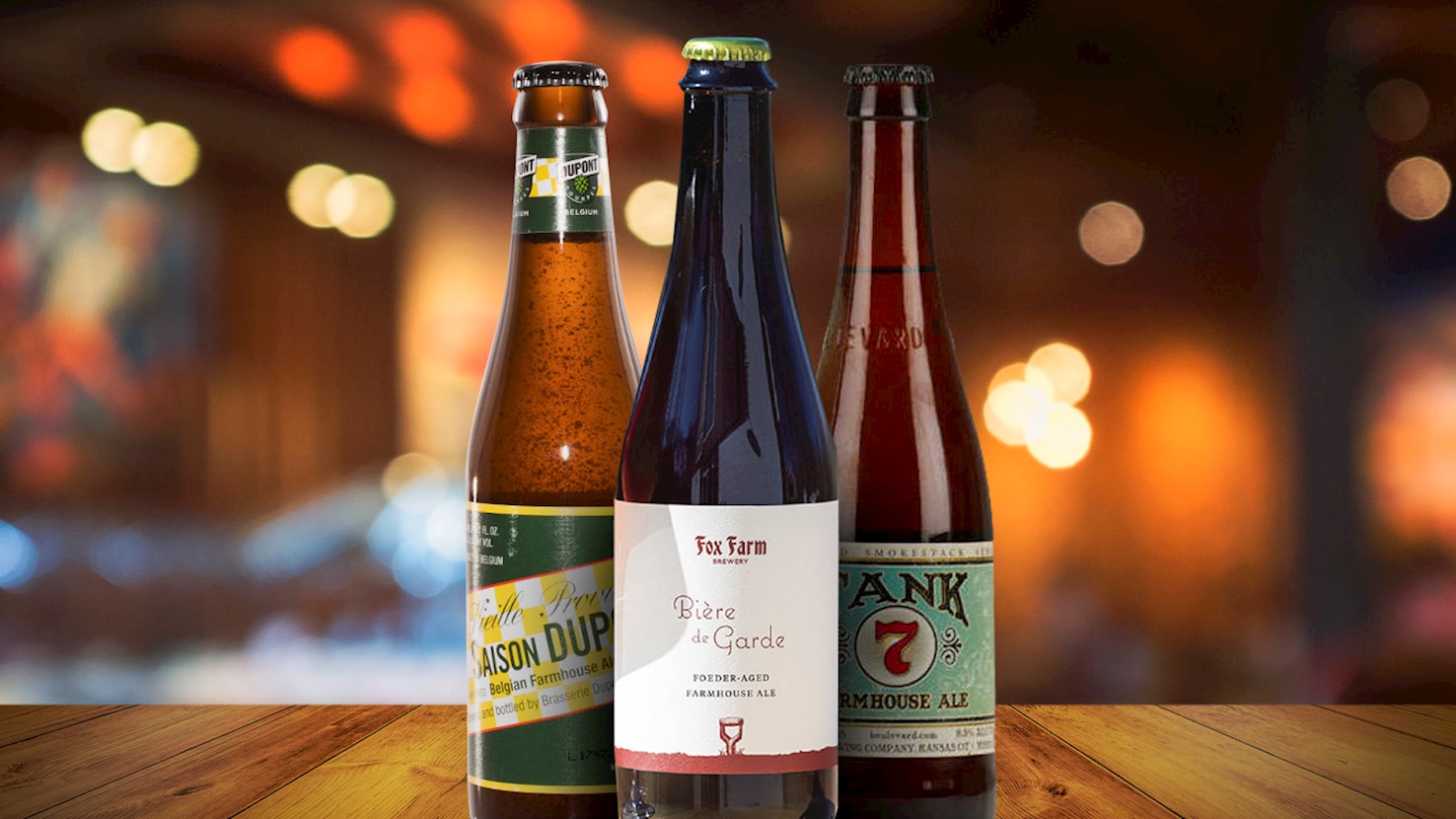
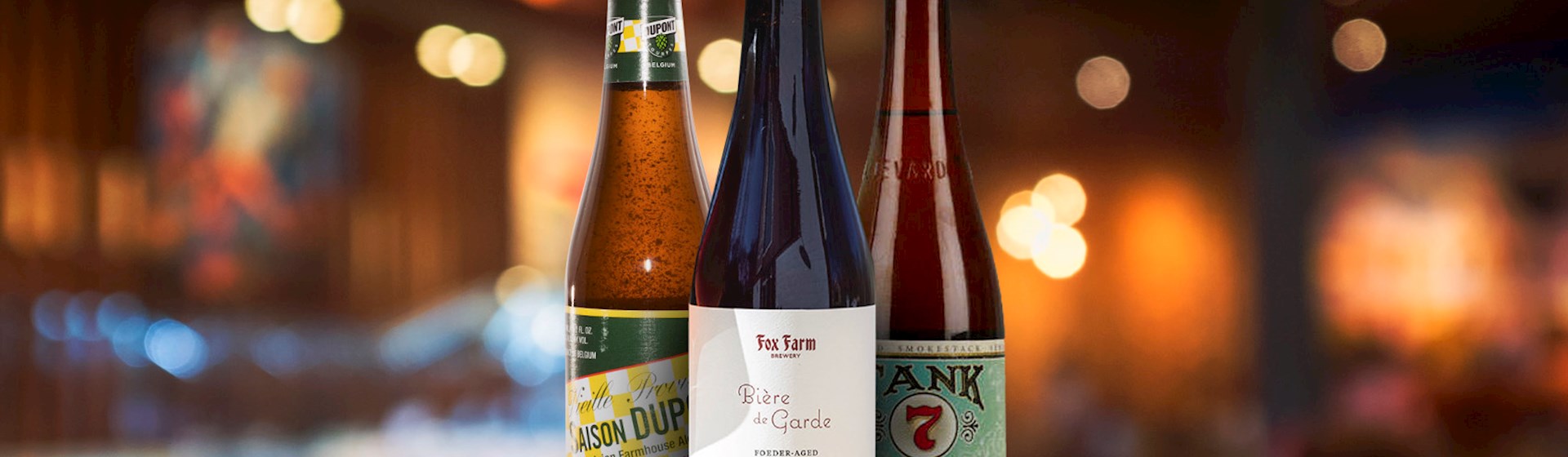
Farmhouse ale is best described as an ancient beer style that was brewed by European farmers who used their grains and hops. These brews were made with techniques that are not used in modern brewing, and because they were brewed in various European regions, the examples are incredibly versatile and include a variety of different sub-styles that are usually very region-specific. Farmhouse ales were made in places where people cultivated grains, and in the early 20th century, it was a prevalent style throughout northern Europe. These beers were a part of everyday life. In some places, they were prepared and enjoyed on special occasions, and in the regions where grains were plentiful, they were enjoyed on a daily basis. The choice of grains depended on availability, barley was the most common, but rye or oats were also used. The techniques were also different, and other ingredients such as herbs and spices were often added to the brew. This is why the examples significantly vary, but most were crisp and dry, with a funky and somewhat earthy character. Examples of the style include Bière de garde (France), Saison (Belgium), and Sahti. (Finland). Some farmhouse ales are still brewed, but the practice mostly disappeared in the 20th century, along with the decline in farming. However, some craft breweries try to imitate the style and include farmhouse ale labels. It should be noted that these brews often do not have much in common with the traditional farmhouse ales.

03

Kaimiškas Jovarų alus

3.5 ·

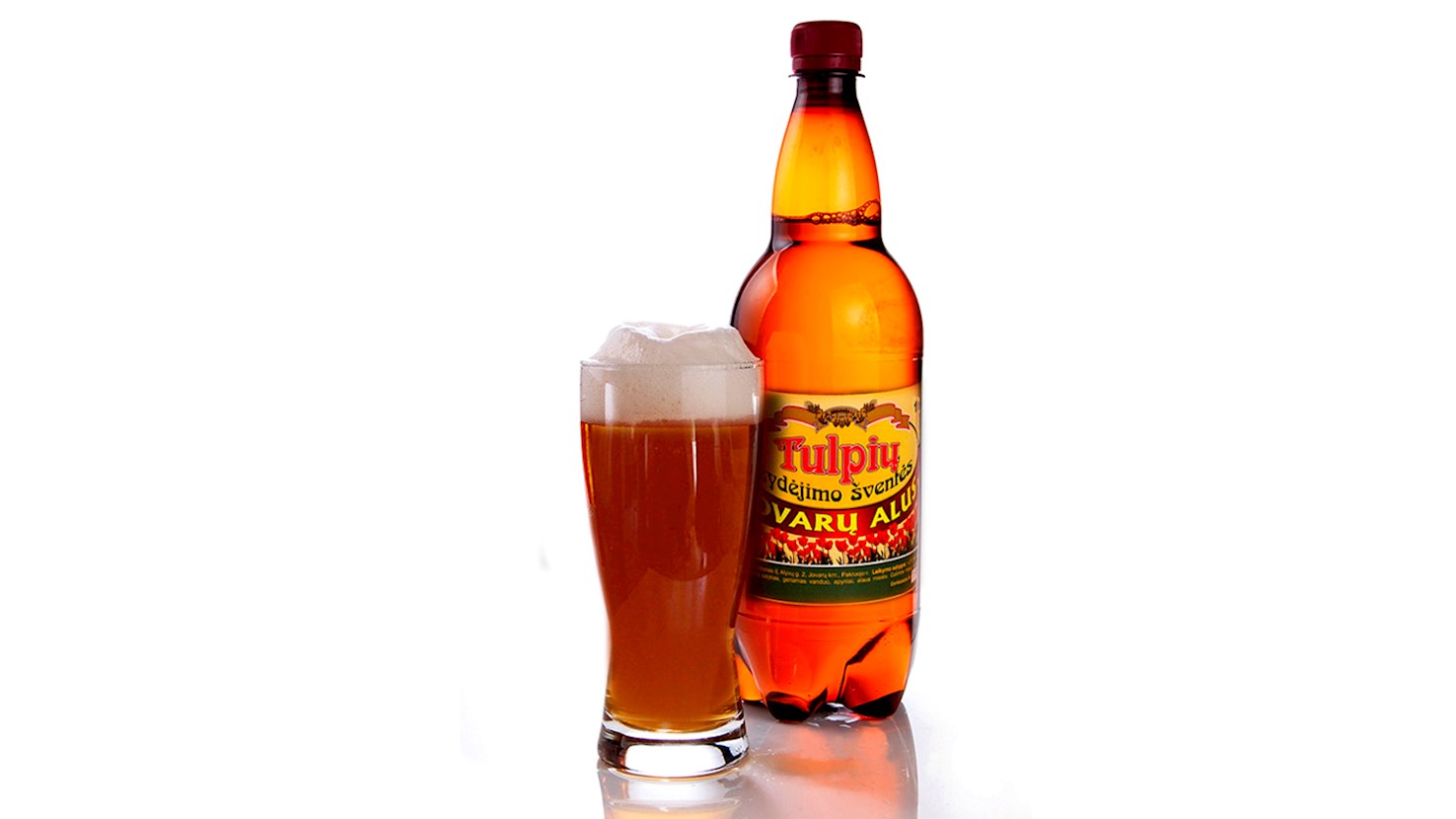
Kaimiškas Jovarų alus is a Lithuanian naturally-fermented beer. This homemade brew has been produced for centuries, following traditional recipes and methods that include grinding the malt, boiling the hops, mashing, lautering, fermentation and maturing. What gives this beer its distinctive character is the unique yeast that is only used in the designated area and which is traditionally passed down through generations. The color of the beer can range from golden yellow to amber, while the flavor is strong, malty, nutty, herbaceous, and bitter. Typical aromas include a combination of bread, yeast, caramel, and fruit. During production, natural honey can be added, which may provide honey-like nuances. Kaimiškas has been produced since the 16th century, and its production remains strictly family-based business in Jovarai.

04

Stakliškės

3.1 ·

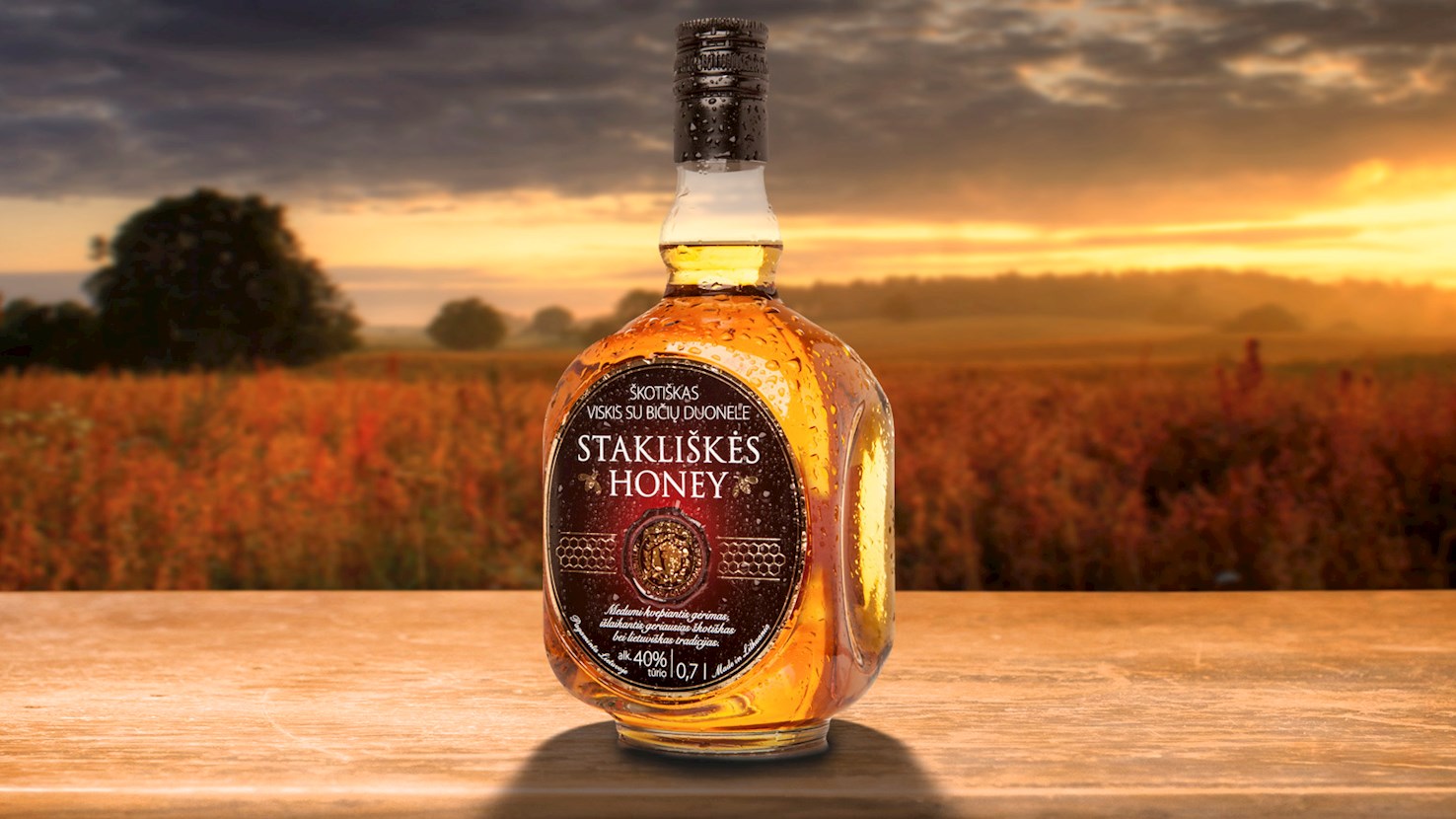
Stakliškės is a traditionally made mead product (an alcoholic drink made from fermented honey and water) produced in the city of Stakliškės in Lithuania. It is amber-colored and made with additives such as hops, juniper berries and lime blossom. Its taste is sweet and sour, with an intense aroma and a typical flavor of honey. The alcoholic content of the beverage is produced solely by natural fermentation, and ethanol addition is strictly forbidden. The mead must is produced by mixing equal parts of honey and water. Stakliškės is bottled in glass containers immediately after maturing and filtration to avoid exposure to air and reduce the risk of oxidisation which destroys its unique organoleptic properties. It is a highly popular product in Lithuania and is often brought home as a souvenir along with Šakotis - a traditional Lithuanian cake.

05

Starka

3 ·

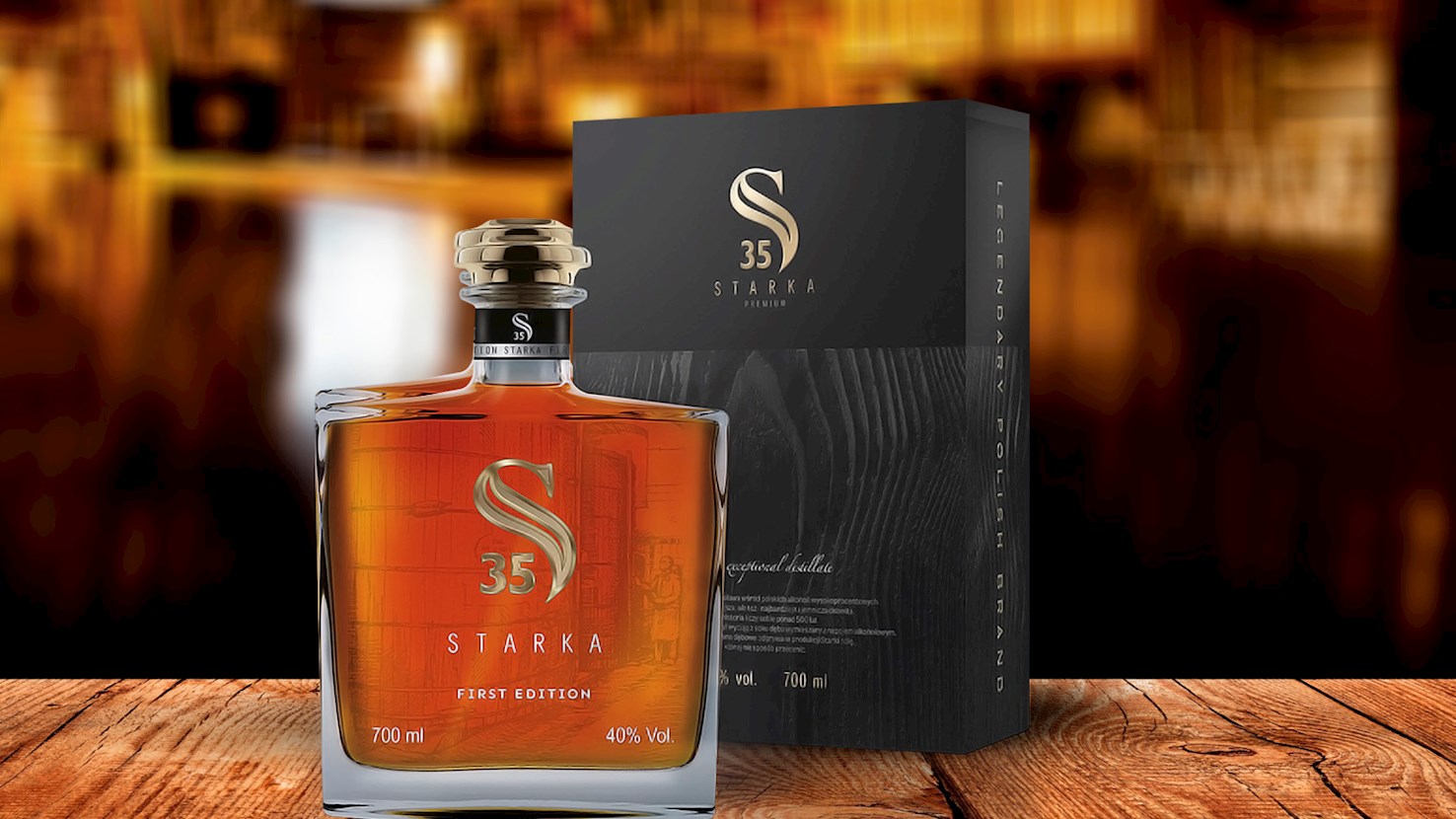
Starka is an alcoholic beverage that is usually based on rye spirit. It dates back to the 15th century, and it is traditionally associated with Poland, Lithuania, and Belarus. Its origin is mostly connected to Polish noble families who would bury and age a distillate in wooden barrels to commemorate the birth of a child. Starka was only consumed on special occasions, most commonly on the child’s wedding day. Nowadays, most varieties of this old drink are made from a rye distillate and a number of secret ingredients, while the best versions are still aged in oak barrels. The aging period can range from a couple up to several decades for the best examples. Oak-aging will give provide caramel color, and it will allow the drink to develop finer flavors, as well spicy and fruity notes reminiscent of vanilla, wood, and dried fruit. Starka is sold in various grades—which are defined by the length of maturation. It should be noted that some producers do not use traditional techniques and add flavorings to a rye distillate. This flavored version is usually of low-quality and cheaper than oak-aged varieties.

06

Midus

2.9 ·

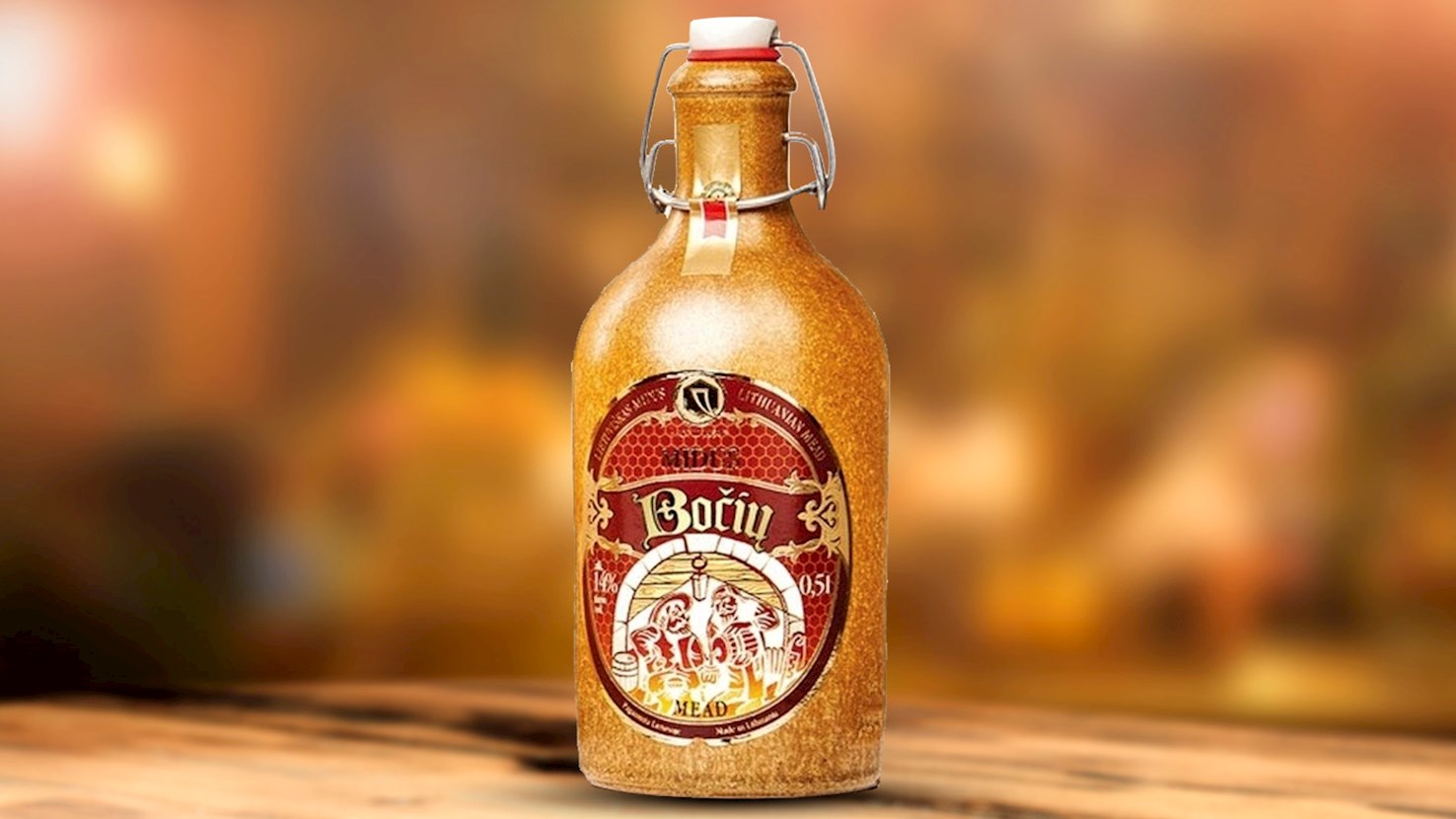
Midus is a Lithuanian term used for traditional mead that is made with honey and water. The mead is fermented and is often enriched with various botanicals. It can range from dark yellow to dark amber, and it varies in strength. The taste is pleasant, with a distinctive honey aroma and flavor. Mead production has a long and rich history in Lithuania, not surprising as it is probably the oldest drink in the world. Evidence suggests that it was already common during the Middle Ages, but the popularity declined in the 17th century when beekeeping and honey production became too costly, and the use of grains in the production of alcoholic drinks increased. Following the decline, mead production almost disappeared, but it regained its importance in the 20th century. It is now strongly promoted as a traditional Lithuanian product. Lithuanian mead comes in several varieties, and it often includes fruits, berries, and herbs. Lietuviškas midus is the biggest producer, but small-size production is also present. Stakliškės, named after the city where it originated, is a variety that holds a protected PGI status by the European Union.

07

Trauktinė Dainava

n/a ·

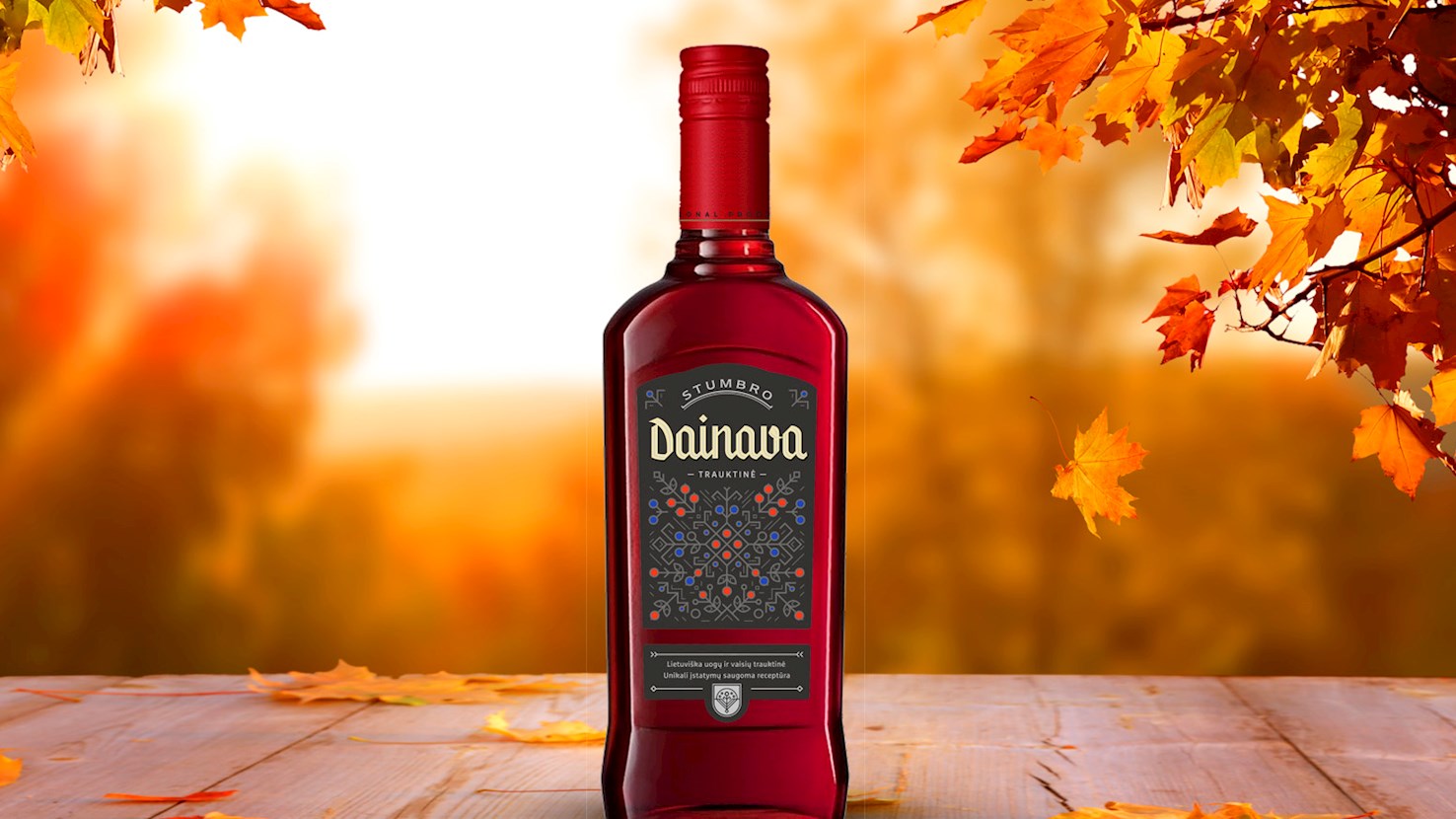
Dainava is a Lithuanian liqueur made with a grain spirit and fruit juices (apple, rowanberry, cherry, cranberry or lingonberry, and blueberry juice). The resulting liqueur has a vibrant red color, fruity aroma, and a complex, bittersweet, subtly sour flavor. The drink was created at the Stumbras distillery, and the production began in the1960s. The name refers to the historical Lithuanian region Dainava (Dzūkija), while the term Trauktinė refers to a traditional Lithuanian drink made with fruit and herbs. Dainava is a drink that can be served on the rocks, but it also goes well with soft drinks or fruit juices.

08

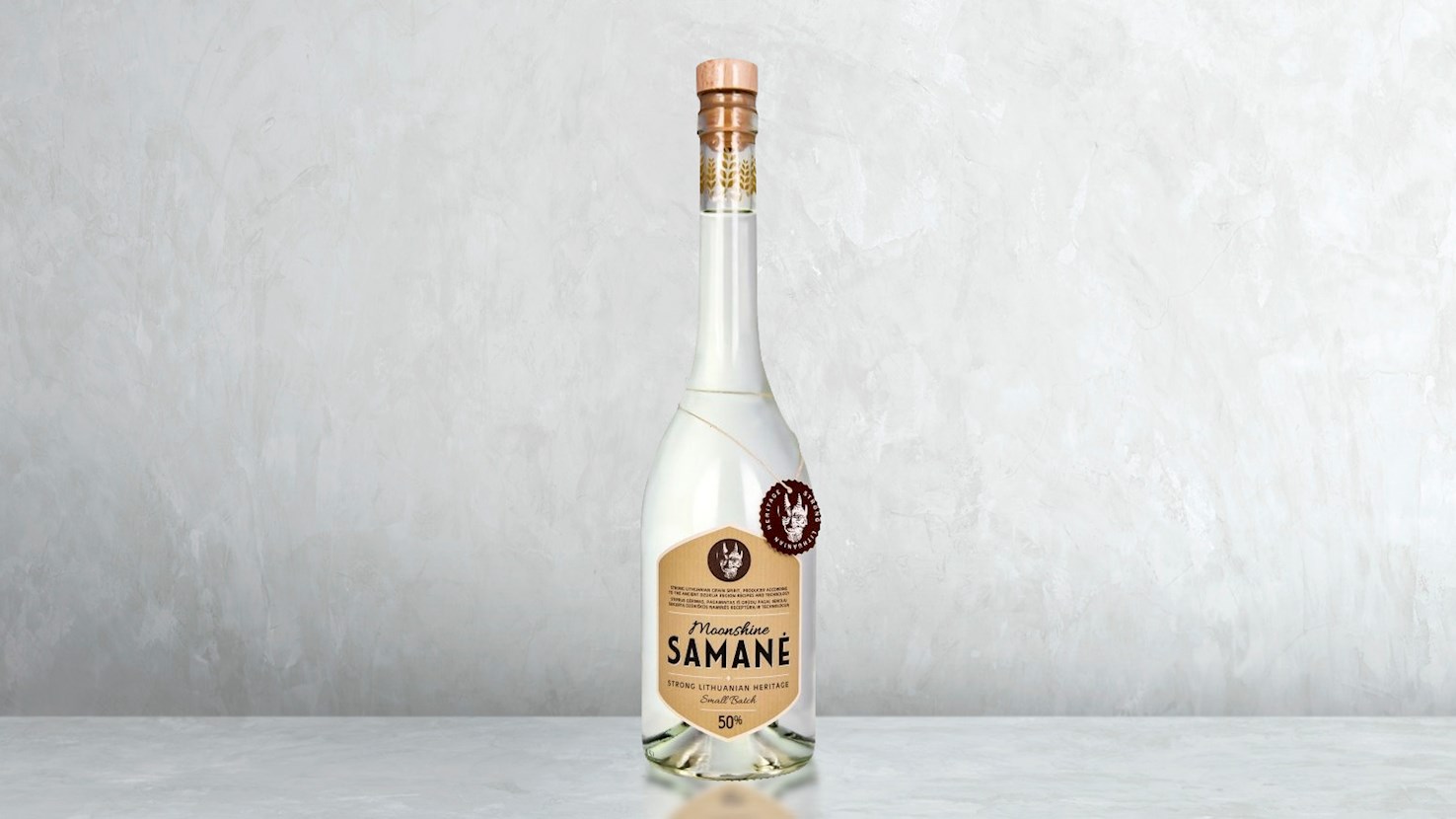
Samanė

n/a ·

Samanė is a pungent Lithuanian spirit distilled from rye, wheat, or triticale. The grains are mashed and fermented with baker's yeast before distillation. Samanė is a clear and colorless spirit, though it can attain a yellow or light brown hue if aged in oak. The flavor and the aroma are grainy, reminiscent of dark bread. The spirit is twice distilled in copper stills, and no additional sweeteners and coloring or flavoring agents can be added, though aged varieties can be adjusted with caramel. The minimum alcoholic strength of samanė is 50% ABV.

Read more
View all
View map
About this ranking

TasteAtlas food rankings are based on the ratings of the TasteAtlas audience, with a series of mechanisms that recognize real users and that ignore bot, nationalist or local patriotic ratings, and give additional value to the ratings of users that the system recognizes as knowledgeable. For the “Top 8 Lithuanian Alcoholic Beverages” list until June 10, 2026, 212 ratings were recorded, of which 181 were recognized by the system as legitimate. TasteAtlas Rankings should not be seen as the final global conclusion about food. Their purpose is to promote excellent local foods, instill pride in traditional dishes, and arouse curiosity about dishes you haven’t tried.

The initial list of top producers was compiled based on available reviews, awards, local recommendations, media and blog coverage, and consumer reviews. The list will be updated with ratings from TasteAtlas local ambassadors and TasteAtlas users.

Similar lists