shutterstock

Top 87 Local Alcoholic Beverages
in London

Last updated on June 24, 2026

Best London Alcoholic Beverage Types
01

Porn Star Martini

4.2 ·

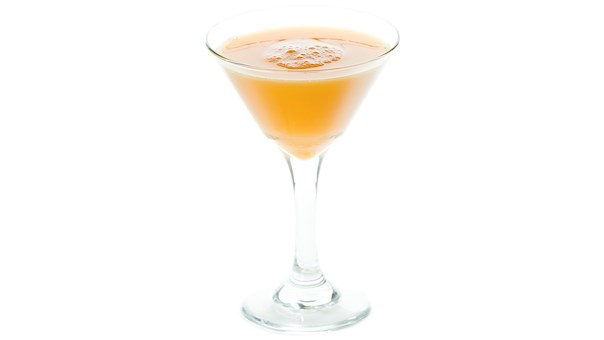
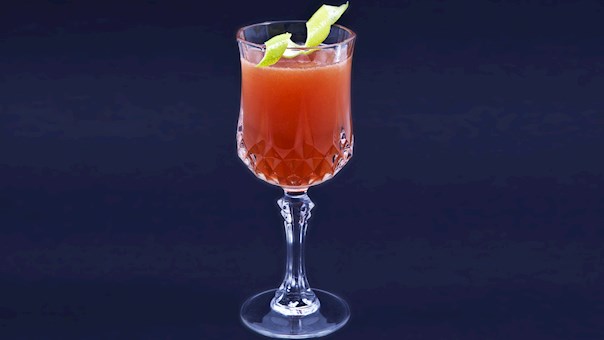
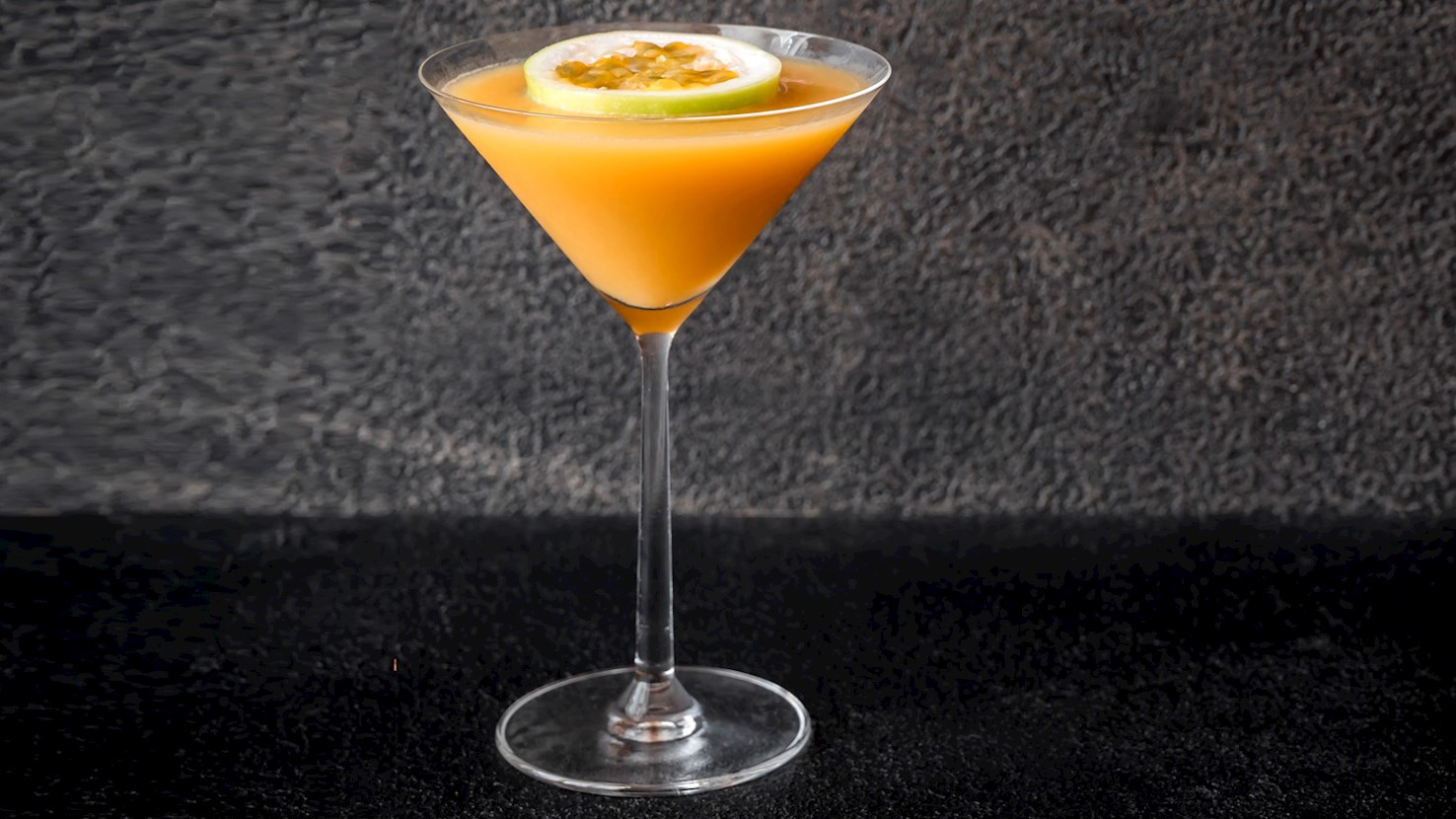
Contrary to its name, this cocktail does not have much in common with a classic Martini. Porn Star is a version that combines vanilla-flavored vodka, passion fruit liqueur, lime juice, and passion fruit purée, while a shot of Champagne (sometimes Prosecco) is served on the side. To prepare it, all the ingredients, except sparkling wine, are poured in a shaker filled with ice and are shaken, and then strained into a chilled glass. The cocktail was created in the early 2000s by Douglas Ankrah at The Townhouse bar. Ankrah initially named it Maverick but decided to change it as the drink reminded him of something a porn star would drink. Soon after its invention, this luscious cocktail became a staple at UK bars. In 2018, it was supposedly the most popular cocktail in Great Britain. This cocktail is usually served in a coupe or a martini glass and comes garnished with a half of fresh passion fruit. Sparkling wine is served in a shot glass, and the drinks should be sipped alternatively.

02

Espresso Martini

4 ·

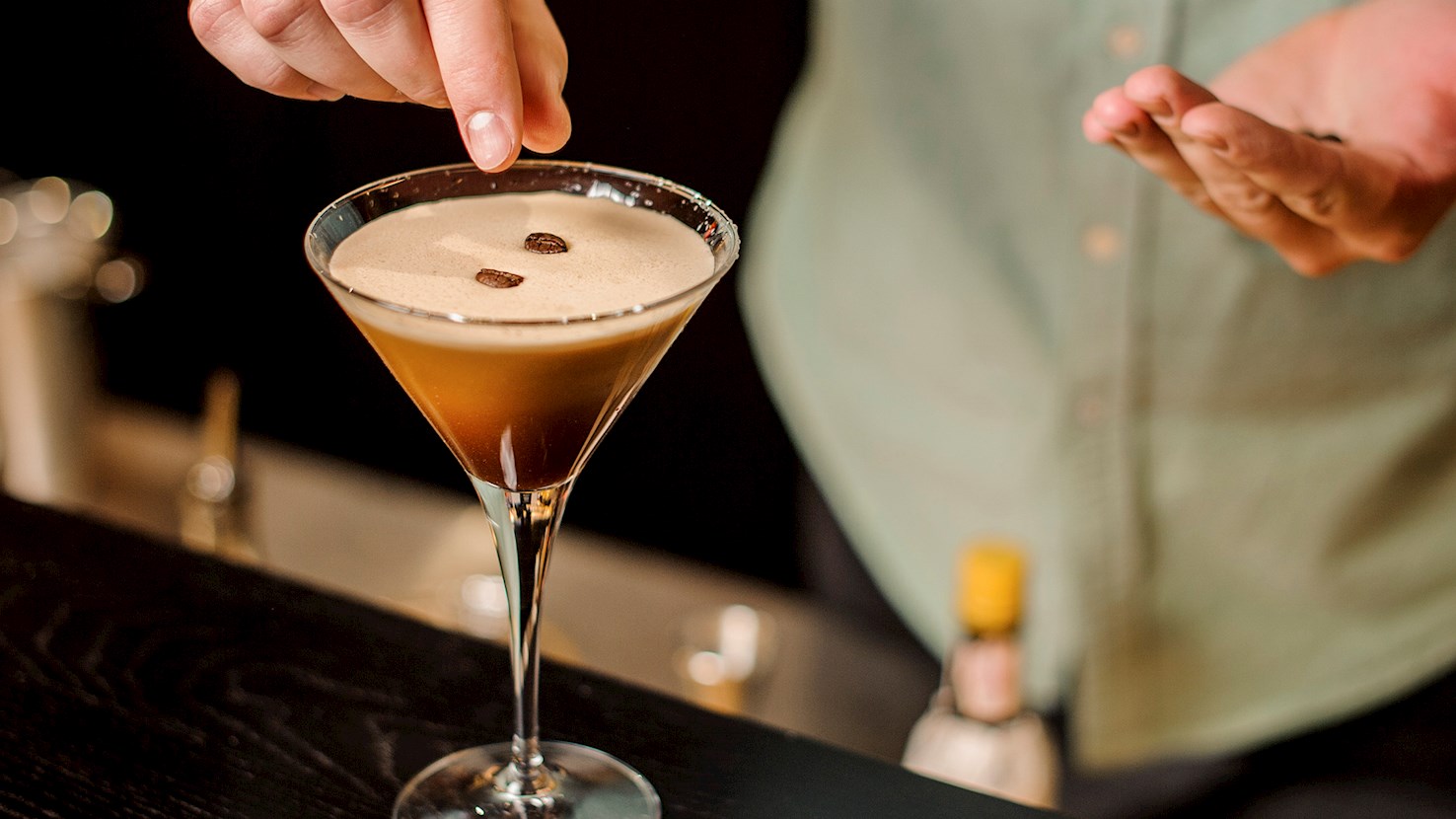
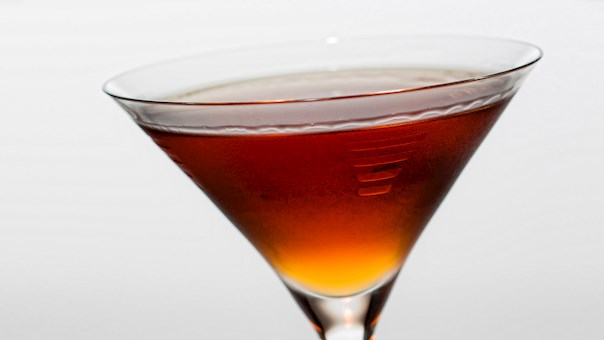
Espresso Martini is a rich and creamy cocktail made with a combination of vodka, espresso, sugar syrup, and coffee liqueur. All ingredients are first mixed in a shaker with ice, and then strained into a Martini glass. There should be a nice froth on top, which is usually garnished with a few coffee beans. This cocktail was invented by Dick Bradsell, a bartending guru, who first named it Vodka Espresso, and then Pharmaceutical Stimulant. He first prepared it at Fred’s Club in the late 1980s for a young model who is now world-famous. Apparently, she wanted something that would "wake her up, and then fuck her up," and what we know today as Espresso Martini was the answer.

Best producers
03

Imperial Stout

3.9 ·

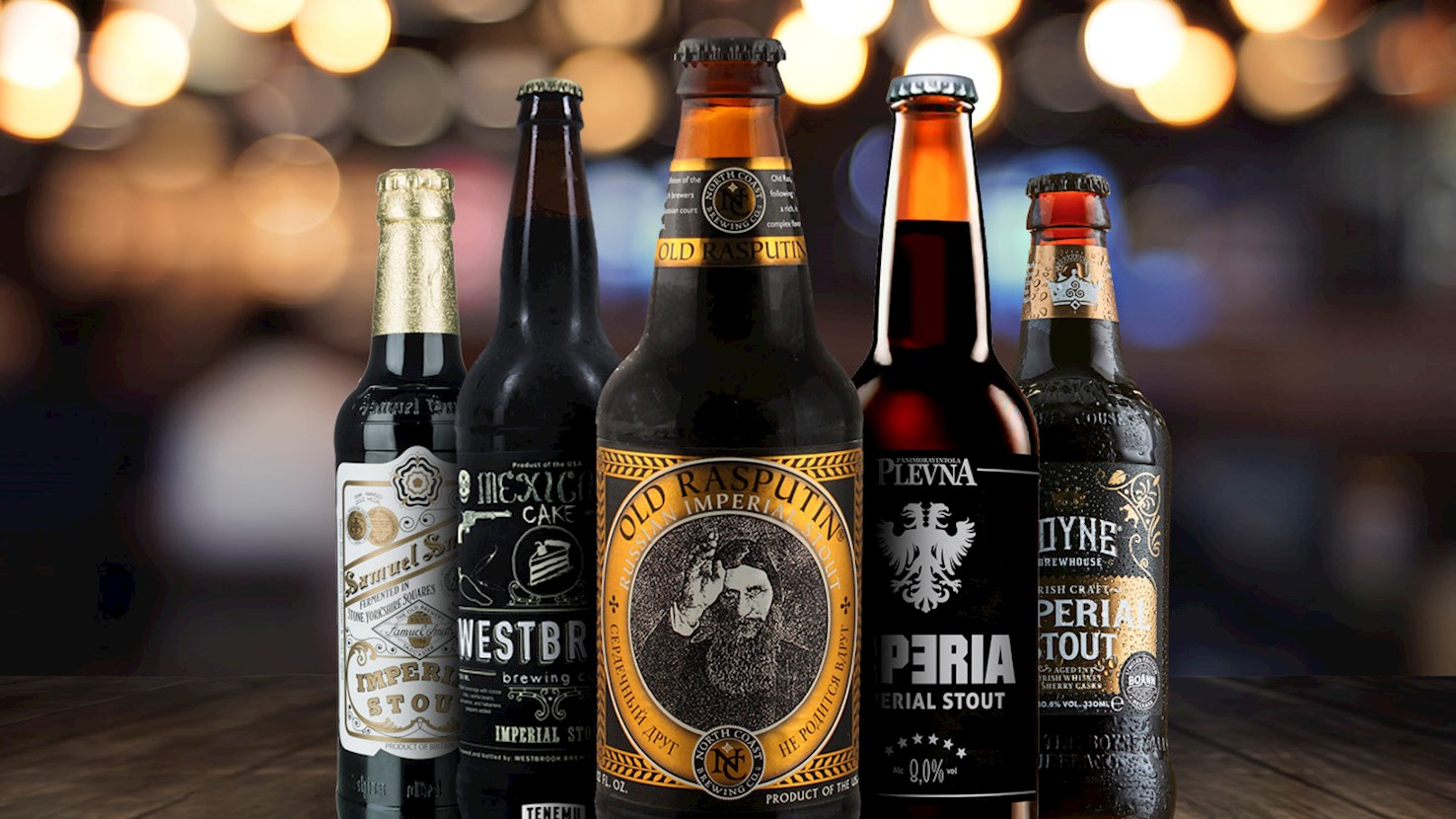
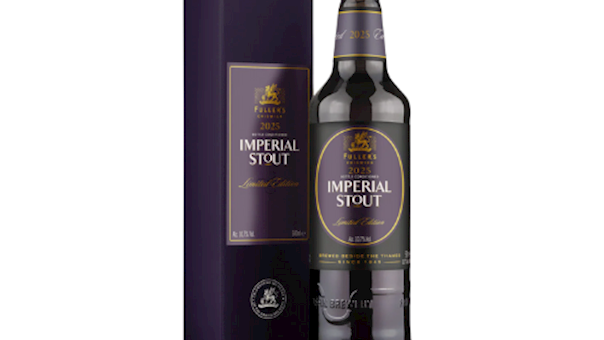
Imperial Stout is a strong and opaque dark beer that was first brewed in London, but which is mostly associated with Russia, Baltic countries, and recently with the United States. Modern imperial stouts will typically range from deep red to dark brown. They are full-bodied, rich, complex, and intense with typical flavors of roasted malt, dark and dried fruit, chocolate, and coffee. Most varieties will be high in alcohol, typically between 8 to 12% ABV, and they will mostly be high in hops and bitter hop flavors. Imperial Stouts are a great match to flavorful and hearty dishes, especially beef, but they also pair well with chocolate-based desserts and cheese. The first versions of this beer style appeared in the 18th century when British breweries started exporting the so-called extra stout or stout porter to the Russian imperial court of Catherine II of Russia. The most common legend claims that when the first batches were sent, it was noticed that stouts could not withstand the journey, and they would go bad before reaching Russia. To preserve the beer, the brewers added more hops and increased alcohol content—eventually creating a new style that will be classified as the Imperial Stout. Despite this popular legend, it is more likely that the beer was intentionally tweaked to make it richer and more suitable for the Russian royals. It has been largely accepted that the model for what would later become imperial stout has been first introduced by the London-based brewery Barclay, Perkins & Co. (formerly Thrale’s Anchor Brewery). The brewery continued to produce this specific stout until 1993—though after the merger with Courage under the name Courage Imperial Russian Stout. The style was revived in the 20th century mainly by American craft breweries.

04

London Dry gin

3.8 ·

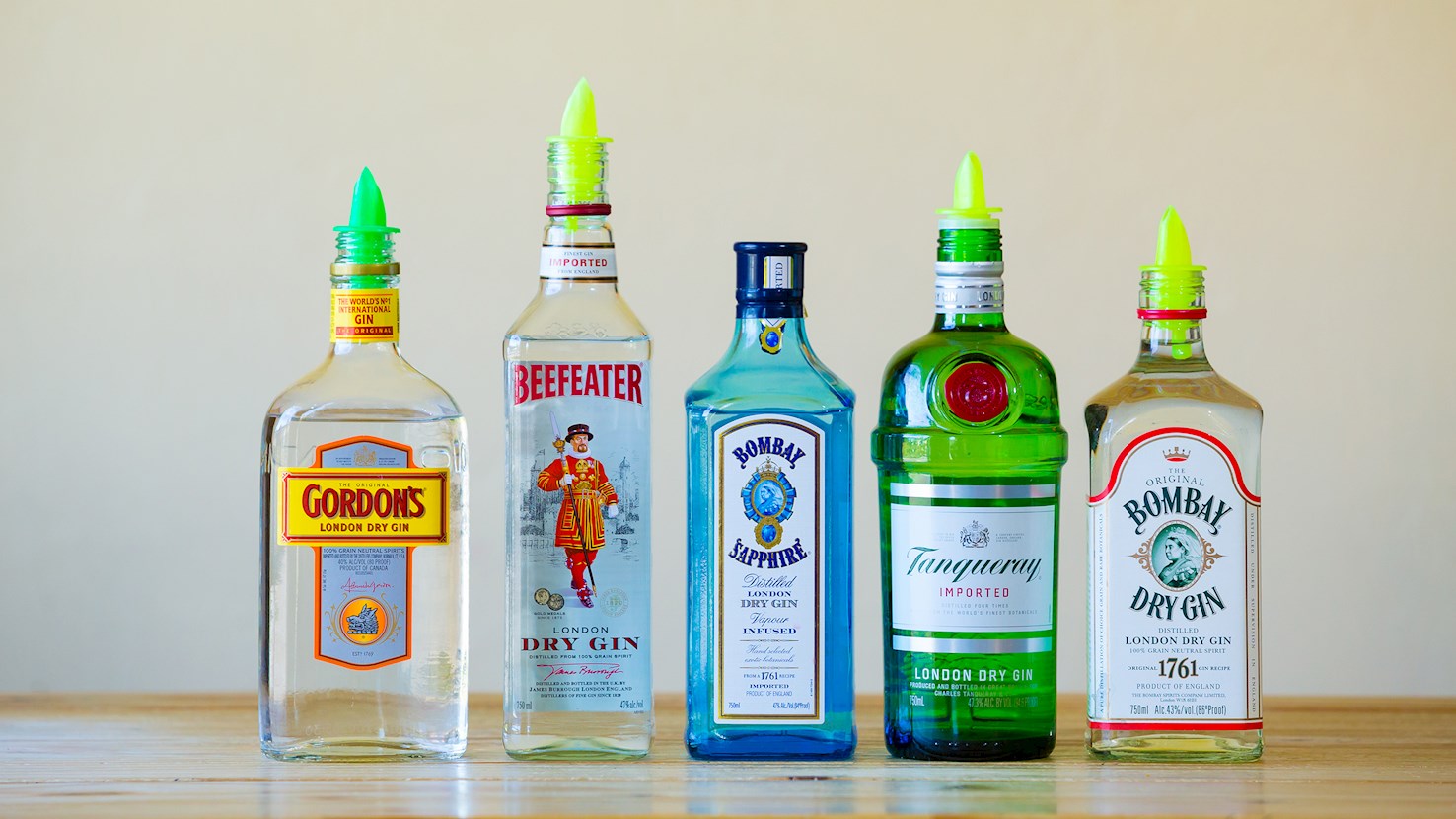
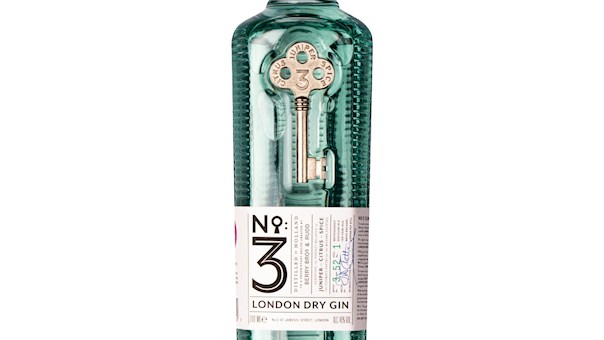
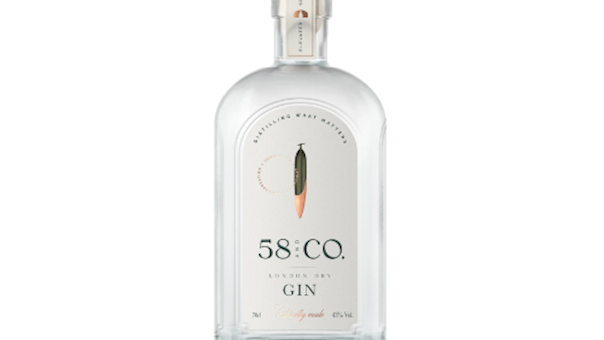
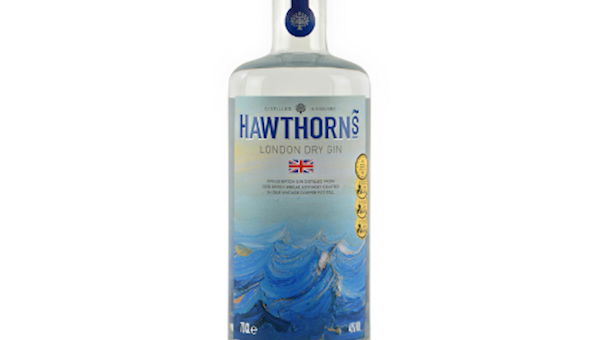
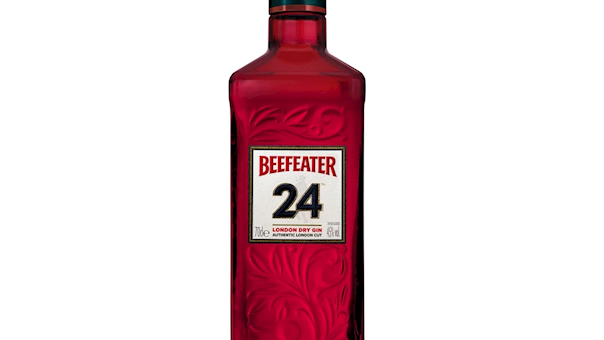
London Dry gin style is a quality designation for a specific gin variety in which all the flavors have to be natural and added through distillation. This gin is also distilled from a neutral base spirit that is enriched with various botanicals. Juniper berries are indispensable for most London dry examples, while other additions usually include citrus peel, angelica root, and coriander seeds. Most traditional gin varieties falling in this category will have dominant juniper flavor as well as herbaceous and citrus notes, though several modern interpretations step away from the conventional approach. London Dry style was introduced after the invention of continuous column stills (Coffey stills), which could distill clean spirits that could reach 96% ABV. Prior to that, most gin styles were crude and harsh, and producers often had to add sweeteners and flavorings to make it more palatable. When the designation first appeared, most examples were labeled simply as dry gin, but because most gin production was concentrated in London, it often included the additional London label. Despite its name, London dry gin has no geographical restriction, and it can be produced anywhere in the world. Additional guidelines stipulate that it can be mixed with water to achieve the minimum strength of 37.5% ABV. It can contain minimal amount of sweeteners, but flavorings or color cannot be added after distillation.

05

Tom Collins

3.7 ·

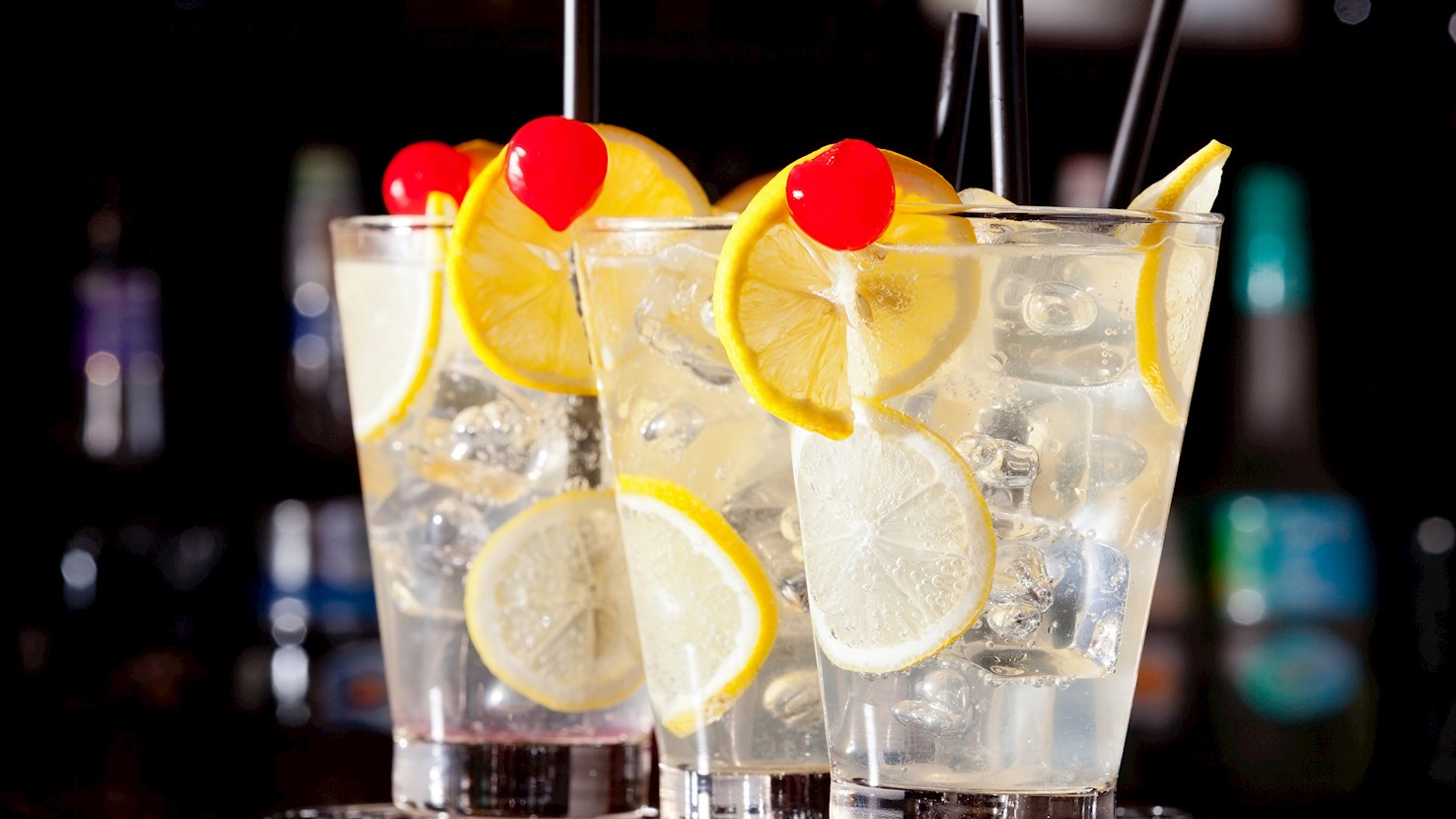
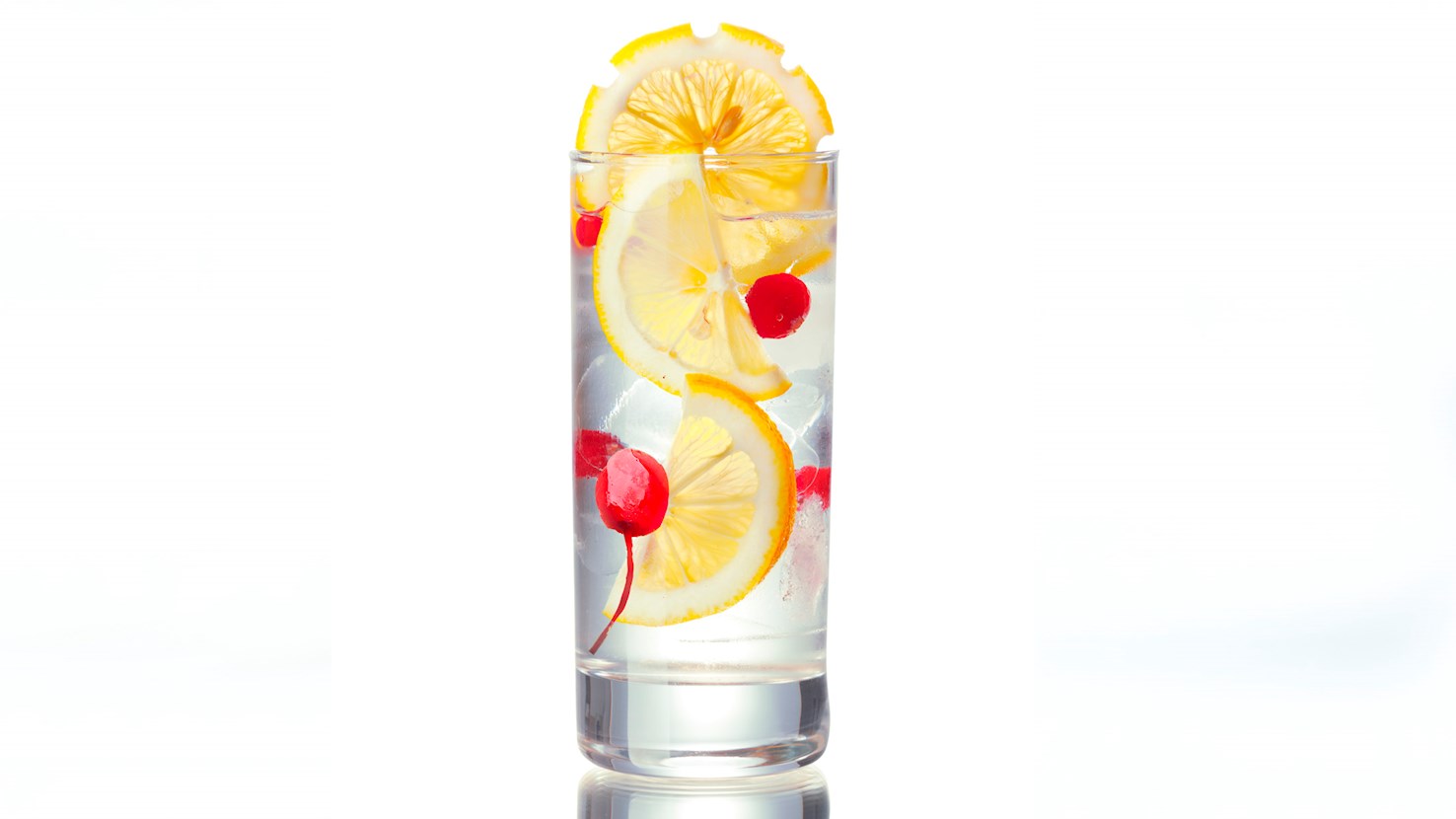
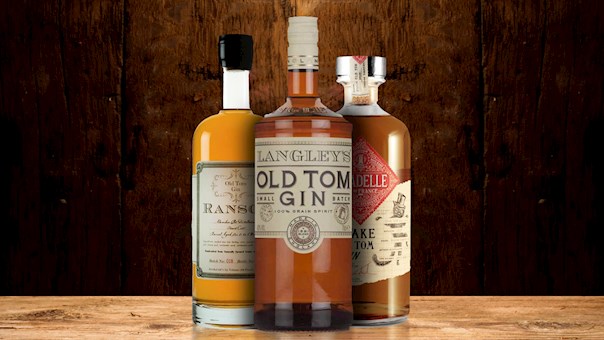
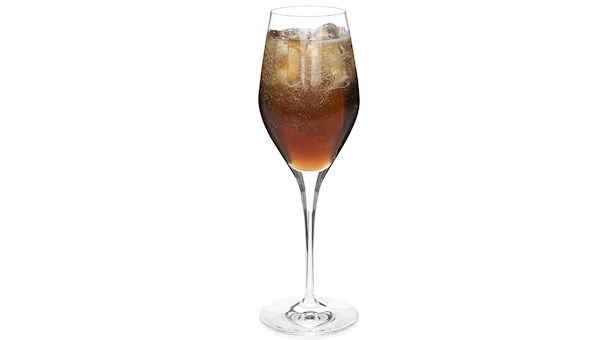
Tom Collins is a classic cocktail hailing from London. It's made with a combination of gin, lemon juice, sugar syrup, and soda water poured into an ice-filled glass. It is believed that this refreshing drink was created by the head waiter at a London restaurant, and the drink was named after him. Although it was originally made with jenever, these days the cocktail should ideally be made with Old Tom Gin, which is a bit sweeter than London Dry Gin used for John Collins. The first recipe for Tom Collins was printed in Jerry Thomas' book The Bartender's Guide in 1876. If desired, garnish it with a lemon slice or a maraschino cherry.

06

Pimm's

3.7 ·

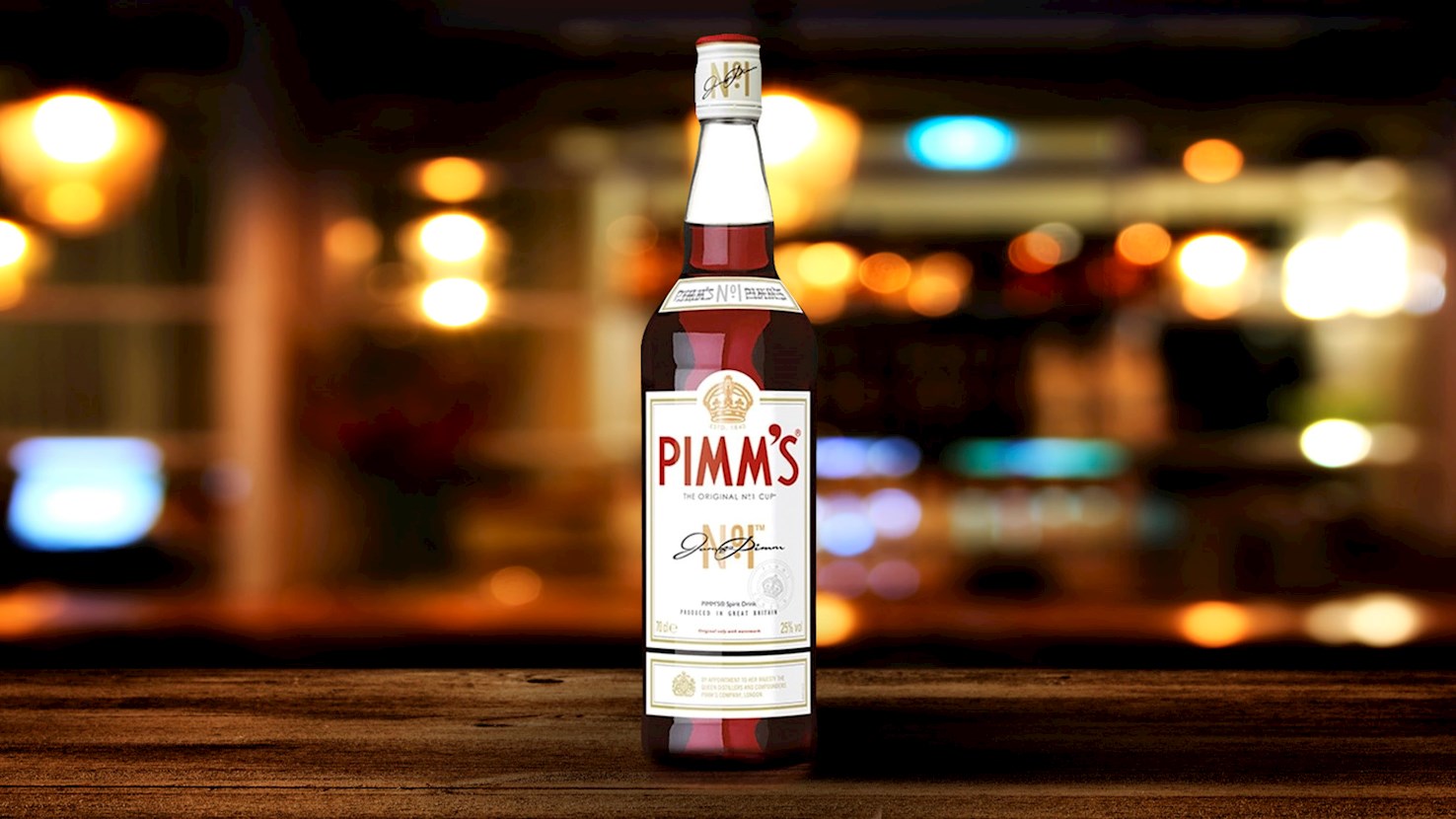
This gin-based aperitif is officially classified as fruit cup—a beverage that is meant to be mixed into a long drink. It was invented in 1840 by a London oyster bar owner James Pimm who first offered it to his guests as a health tonic. Although the recipe is not known, the original Pimm’s No. 1 is based on gin while its characteristic flavor comes from an infusion of a secret combination of herbs and spices. Through history, other spirit bases were used, but could never catch up with the popularity of the original No 1. Pimm's is usually mixed with soft drinks, lemonade, ginger ale, or sparkling wine, while the common additions also include sliced fruits and mint. A summer staple in the UK, Pimm’s is trendy during Ascot and Wimbledon and is also one of the favorite aperitifs in Louisiana.

Best producers
07

Bramble

3.6 ·

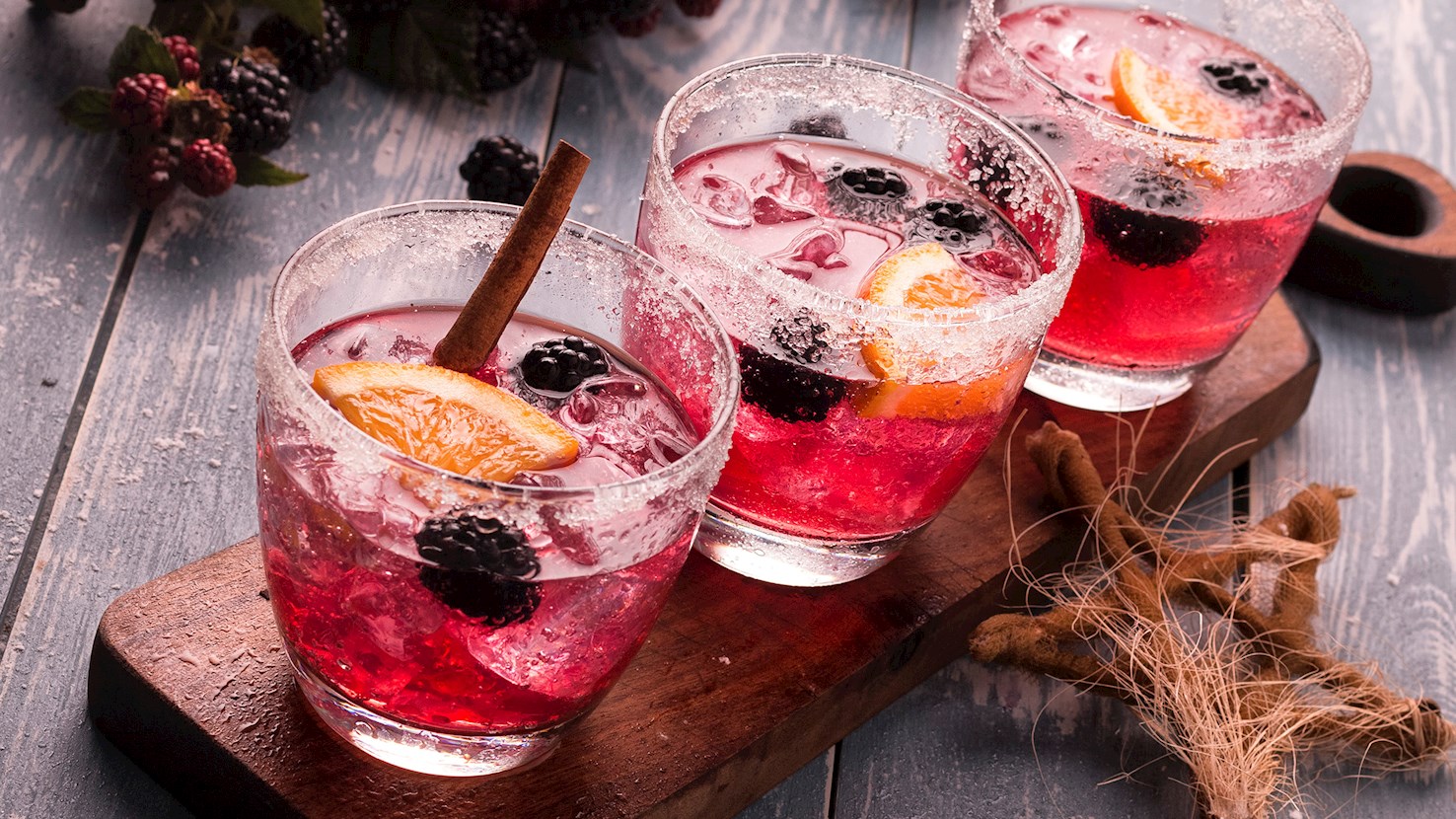
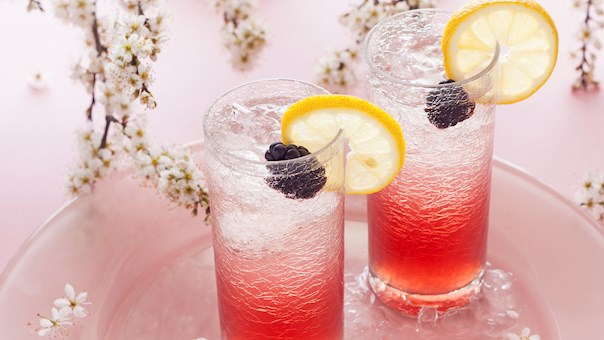
Bramble is a spring cocktail that was created by Dick Bradsell in 1984 in London. The cocktail consists of dry gin, lemon juice, sweet blackberry liqueur, sugary syrup, and crushed ice. It is named after blackberry bushes which are commonly referred to as brambles. This refreshing cocktail has a strong aroma of fresh berries such as blackberries or raspberries. It is prepared by stirring ingredients with crushed ice in an old-fashioned glass, then pouring blackberry liqueur over the combination in order to create a marbling effect. Before serving, Bramble is typically garnished with blackberries and a slice of lemon.

08

Buck's Fizz

3.5 ·

Buck’s Fizz is an English cocktail made with a combination of champagne and orange juice, where the ratio should be 2:1, unlike the Mimosa, which is typically made with equal parts champagne and orange juice. The cocktail is served neat and undiluted in a champagne flute, and it can be garnished with an orange twist. It was invented in the 1920s by Malachy McGarry at Buck’s Club in London, hence the name. Nowadays, Buck’s Fizz is especially popular at weddings, and it is sometimes used as a hangover cure.

09

John Collins

3 ·

John Collins is an English cocktail made with a combination of dry gin, sugar, lemon juice, and carbonated water. To prepare it, all ingredients are poured into a highball glass filled with ice, then stirred and garnished with a lemon slice and a maraschino cherry. However, there are also many references where John Collins is made with bourbon instead of gin. It is believed that the cocktail was invented in the 19th century by a headwaiter at Limmer’s Old House, a popular London hotel at the time.

10

White Lady

3 ·

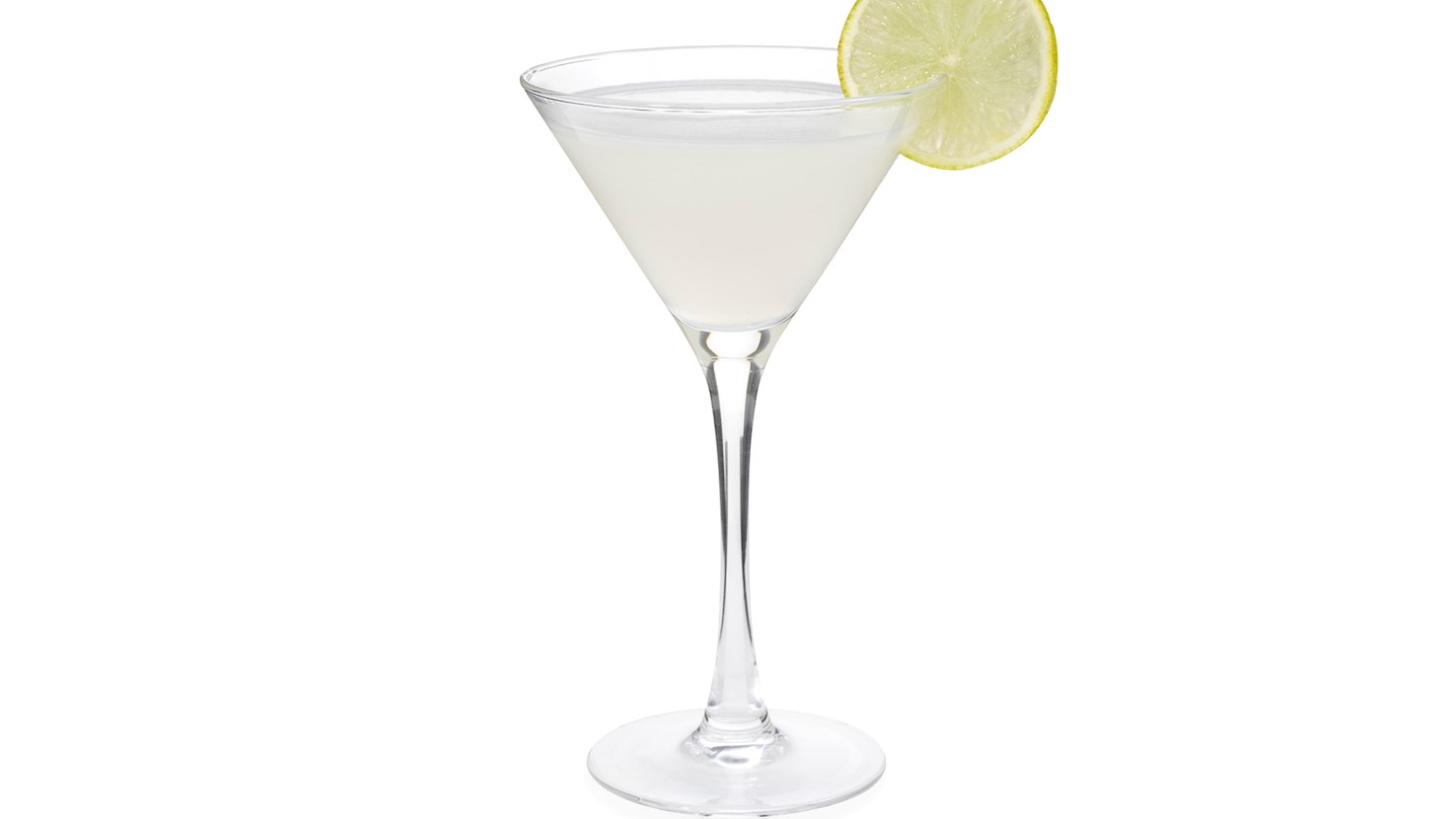
White Lady is an English cocktail made with a combination of gin, triple sec, and fresh lemon juice. In order to prepare it, all ingredients should be shaken with ice, then strained into a large cocktail glass. Many people like to add egg whites and sugar syrup when making the cocktail, which can be garnished with a lemon zest twist, if desired. There are two theories about the origin of White Lady – one says that Harry MacElhone prepared the first version at London’s Ciro’s Club in 1919, when it consisted of equal parts triple sec, crème de menthe, and lemon juice, and the version we know today was also made by MacElhone in 1929 at Harry’s New York Bar in Paris, while the other theory says the cocktail was invented in the American Bar at the Savoy Hotel in London by Harry Craddock, who supposedly named the drink after Zelda Fitzgerald, a platinum blonde.

Best London Alcoholic Beverages
01

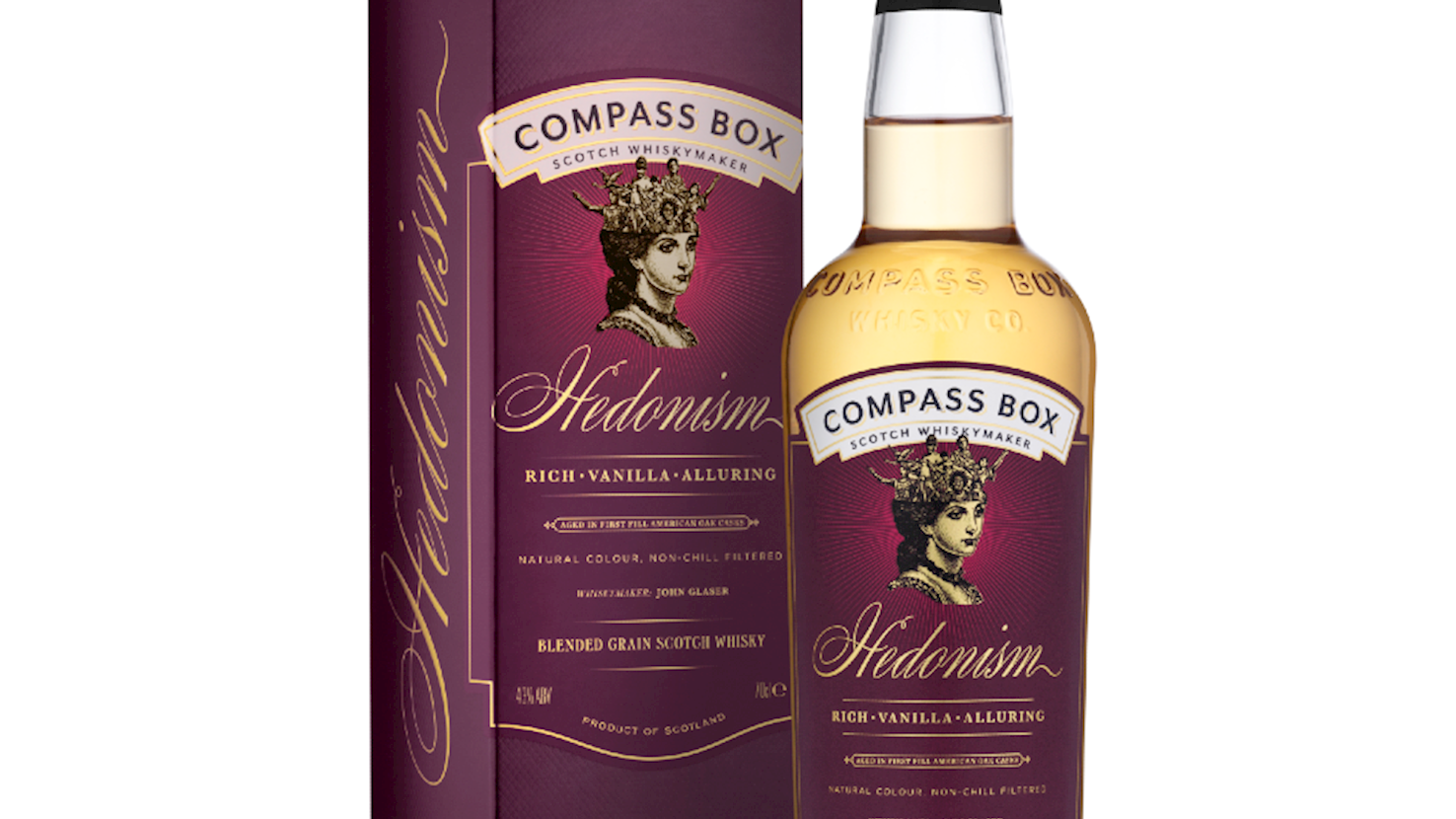
Compass Box

5 ·
Awards
ISC-International Spirits Challenge - Double Gold (2019)
The Scotch Whisky Masters - Gold (2024, 2023, 2022)
02

Elements of Islay

5 ·
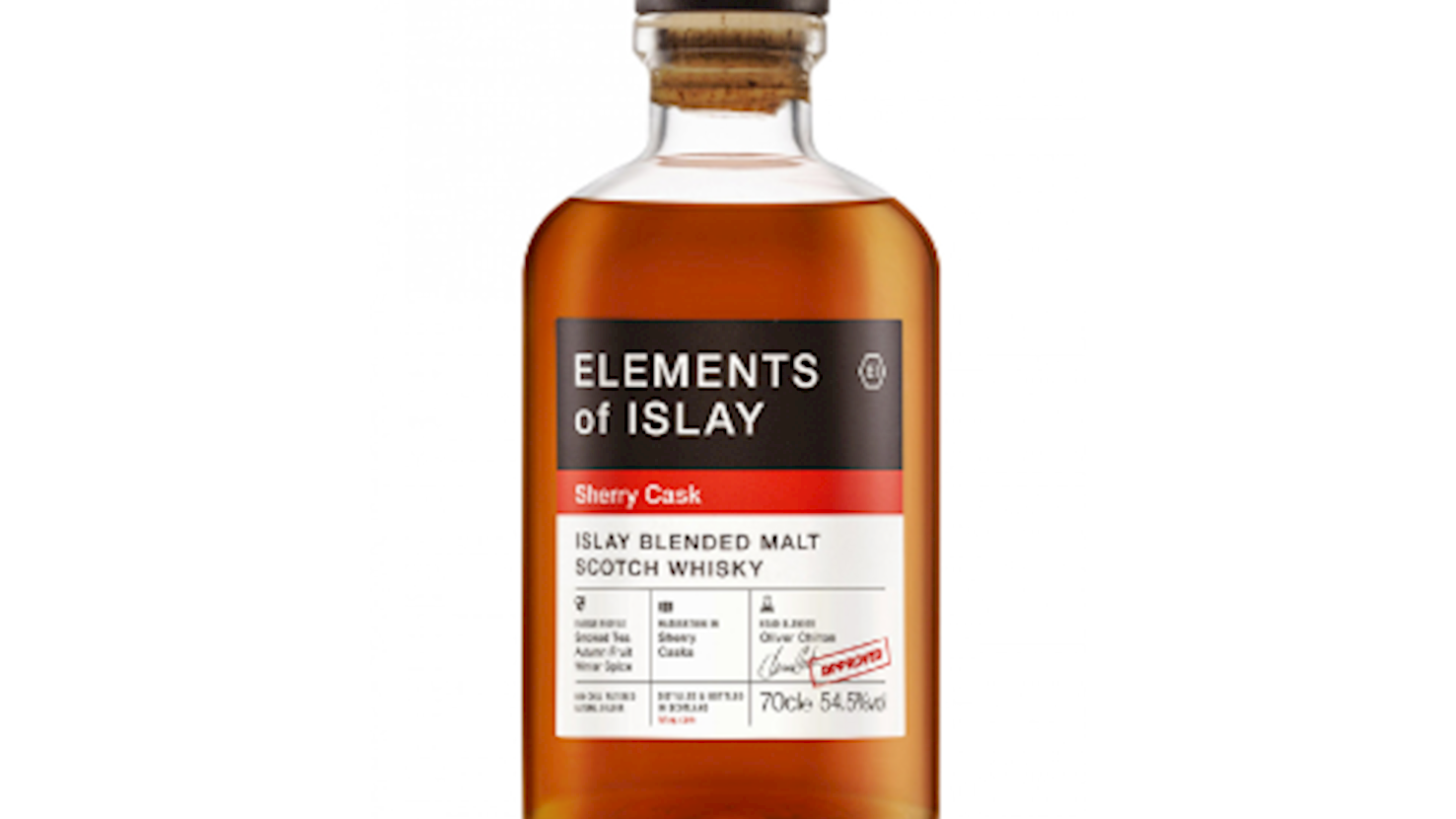
Elements of Islay is an independent whisky brand focused on expressing the terroir of the Isle of Islay as a unified whole rather than promoting individual distilleries. The brand produces limited-edition blended malt whiskies that translate specific elements of the island’s landscape and atmosphere - such as smoke, fire, sea air, and harsh weather - into liquid form. All releases are composed exclusively of Islay single malts, carefully selected and blended to achieve a bold and distinctive regional character. The house style is defined by pronounced peat smoke, maritime salinity, and mineral depth typical of Islay whiskies. Elements of Islay intentionally keeps technical details about the blends to a minimum, placing greater emphasis on sensory experience, storytelling, and emotional connection to the island. Each release is bottled in strictly limited quantities, giving the range a strong collectible appeal. The visual identity is modern and minimalist, often using symbolic or chemical-style references to reinforce the conceptual nature of each edition. The brand is particularly appreciated by experienced whisky drinkers seeking an authentic yet unconventional expression of Islay beyond traditional distillery labels.
Awards
SFWSC - San Francisco World Spirits Competition - Double Gold (2024)
The Scotch Whisky Masters - Master (2024, 2023)
03

Black Tot Rum

5 ·
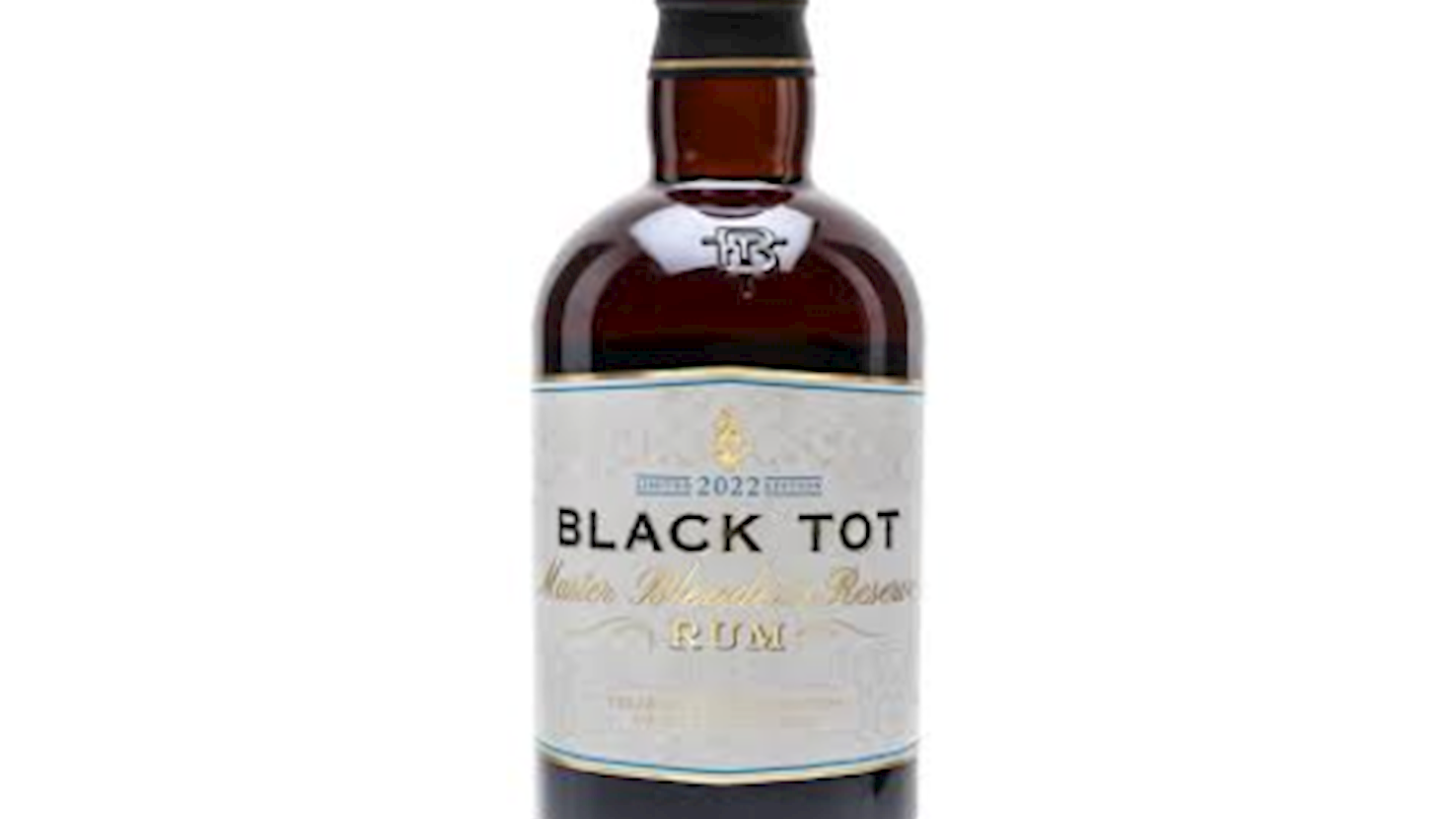
Black Tot Rum is a premium rum brand inspired by the long-standing tradition of the British Royal Navy rum ration and the historic Black Tot Day of 31 July 1970, when the daily issue of rum to sailors officially ended. The brand focuses on high-quality blends of Caribbean rums sourced from classic producing regions such as Jamaica, Barbados, Guyana, and Trinidad. Rather than recreating old naval recipes, Black Tot applies a contemporary blending philosophy that prioritizes balance, structure, and depth of flavor. The portfolio combines permanent expressions with limited annual releases, most notably the Master Blender’s Reserve, which follows a perpetual blending approach by carrying a portion of each release into the next. Black Tot places strong emphasis on transparency, natural flavor development, and the absence of added sugars or artificial additives. Through this approach, the brand positions itself as a modern interpretation of naval rum heritage, appealing to enthusiasts who value authenticity, complexity, and historical continuity in premium rum.
Awards
SFWSC - San Francisco World Spirits Competition - Double Gold (2024, 2023)
The Rum & Cachaça Masters - Master (2023)
04

Port Askaig

5 ·
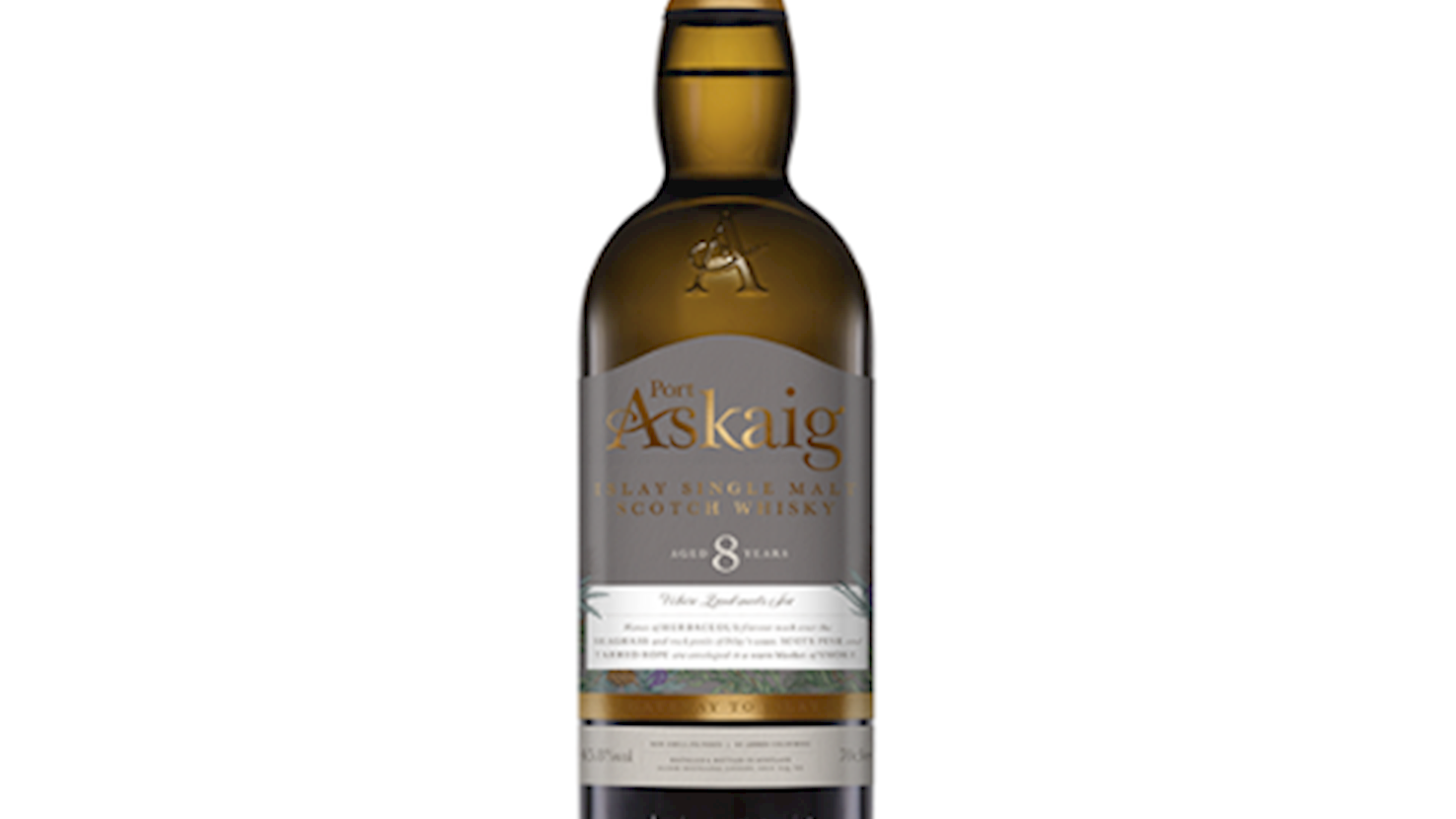
Port Askaig is an independent Islay single malt whisky brand named after the historic port village on the northeast coast of the Isle of Islay, long considered the main gateway to the island. Launched in 2009 by Elixir Distillers, the brand does not operate its own distillery but instead selects and bottles single malt whiskies sourced from established Islay distilleries, with the exact origins typically undisclosed. The focus of Port Askaig is on expressing the classic character of Islay through a refined and consistent house style rather than highlighting individual producers. Its whiskies are defined by a balance of coastal peat smoke, maritime salinity, citrus freshness, and underlying sweetness, reflecting the island’s climate and terrain. The range includes both core bottlings and age-stated or cask-strength releases, all bottled without chill filtration and without added coloring. Port Askaig positions itself as a clear, authentic interpretation of Islay whisky, appealing to drinkers seeking a pure regional expression with depth, precision, and a strong sense of place.
Awards
SFWSC - San Francisco World Spirits Competition - Double Gold (2024)
The Scotch Whisky Masters - Gold (2024)
05

Tanqueray

5 ·
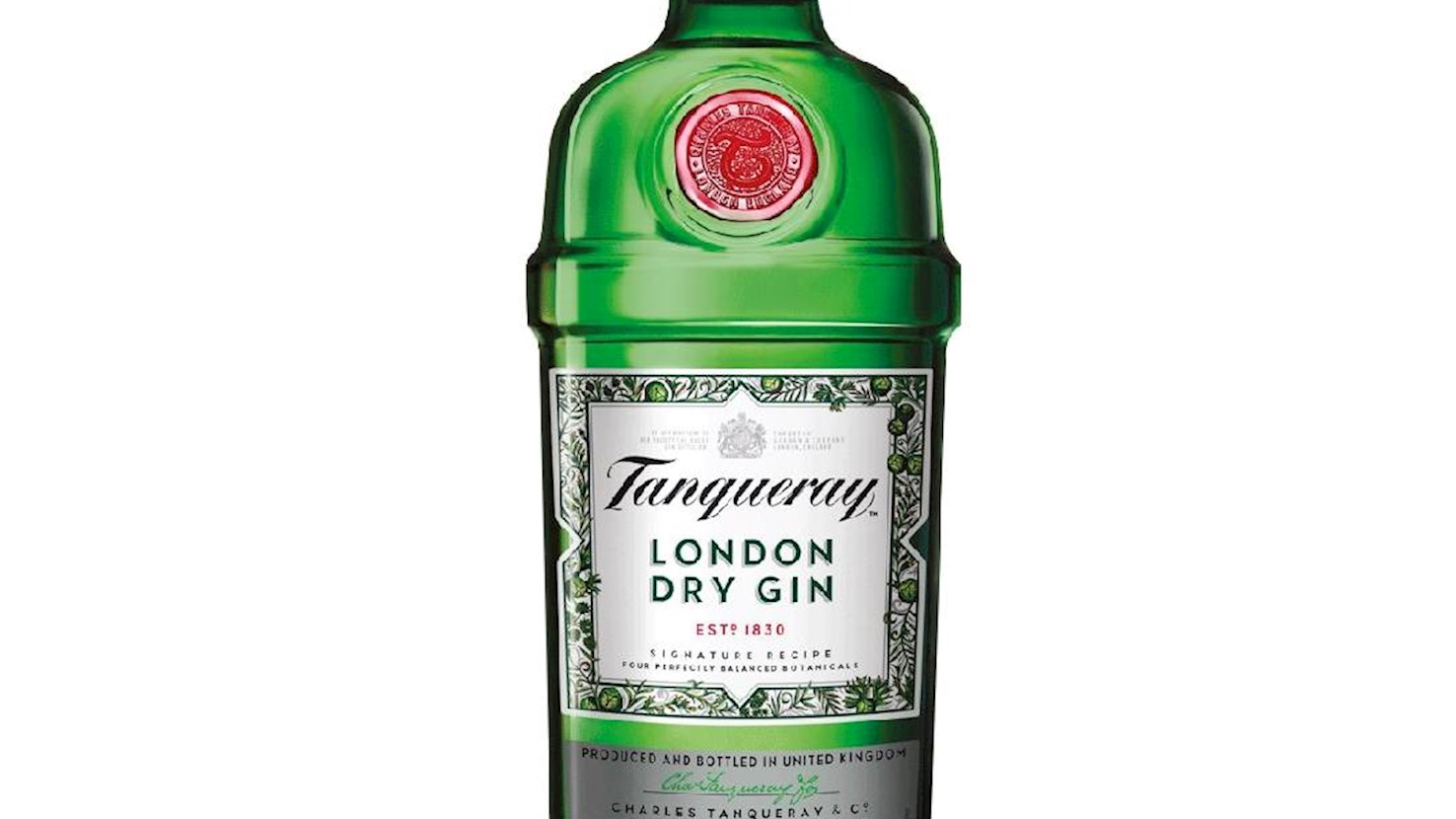
Tanqueray is one of the world’s most established and recognisable gin brands, founded in the 1830s by Charles Tanqueray in London. From its earliest days, the brand set out to define a cleaner, more structured style of gin at a time when many spirits were heavily sweetened or inconsistently produced. Tanqueray’s identity has always been built around precision in distillation and a bold juniper core, supported by a restrained selection of botanicals that create a dry, confident and clearly articulated profile. This emphasis on balance and clarity helped the brand gain early recognition and later establish a strong international reputation. Over time, Tanqueray became closely associated with classic cocktail culture, particularly in drinks where structure and juniper definition are essential. Today, the brand operates on a global scale under Diageo, yet remains strongly identified with the principles of traditional London Dry gin and a legacy of technical consistency and stylistic discipline.
Awards
SFWSC - San Francisco World Spirits Competition - Double Gold (2024, 2023)
Great Taste Awards - 3 Stars (2024)
06

Aerstone

5 ·
Aerstone Scotch Whisky is produced by William Grant & Sons, a well-known distillery group recognized for its craftsmanship in whisky production. William Grant & Sons oversees the development and marketing of the Aerstone brand, which offers two distinct types of single malt Scotch: Sea Cask and Land Cask. These whiskies are crafted to highlight the different environmental influences on maturation, with Sea Cask being smoother and coastal in character, while Land Cask is richer and smokier.
Awards
IWSC- International wine & spirit competition - Spirit Gold (2024)
ISC-International Spirits Challenge - Gold (2024)
07

Opihr Gin

5 ·


Opihr Gin is a British gin brand inspired by the historic Ancient Spice Route, the network of trade routes that connected Europe with Asia, the Middle East, and Africa through the exchange of valuable spices and botanicals. Launched in 2013 by Quintessential Brands, the brand was created to capture the flavors and aromas associated with these historic trading journeys. Opihr Gin Oriental Spiced Gin is produced at G&J Distillers in Warrington, England, one of the world's oldest continuously operating gin distilleries, with a distilling heritage dating back to 1761. The brand is known for incorporating hand-selected botanicals sourced from regions along the Spice Route, including cubeb berries from Indonesia, cardamom and black pepper from India, coriander from Morocco, and other exotic ingredients. This distinctive botanical selection gives OPIHR a bold and aromatic character that sets it apart from traditional London Dry gins. The name "Opihr" is derived from the legendary ancient port of Ophir, historically associated with rare spices, precious metals, and exotic goods. Over the years, the brand has expanded its portfolio with expressions inspired by different regions and spice traditions, while maintaining its focus on exploration, craftsmanship, and global flavors.

Awards
IWSC- International wine & spirit competition - Spirit Gold (2024)
IWSC- International wine & spirit competition - Spirit Gold Outstanding (2022)
08

Sacred Spirits

5 ·
Sacred Spirits is a craft distillery based in Highgate, London, founded in 2009 and distinguished by its unconventional approach to spirit production through low-temperature vacuum distillation. This method allows delicate botanical aromas to be preserved with greater clarity than in traditional high-heat copper stills. Production is carried out in very small batches, with individual botanicals distilled separately and later blended with precision to achieve balance and aromatic definition. Sacred is particularly known for incorporating less common ingredients, such as frankincense resin (Boswellia sacra), which adds subtle resinous depth to their spirits. The house style is expressive yet controlled, focusing on purity, texture and aromatic nuance rather than intensity. Today, Sacred Spirits is regarded as a notable example of innovative London craft distilling, combining technical experimentation with a strong respect for botanical character.
Awards
SFWSC - San Francisco World Spirits Competition - Double Gold (2013)
09

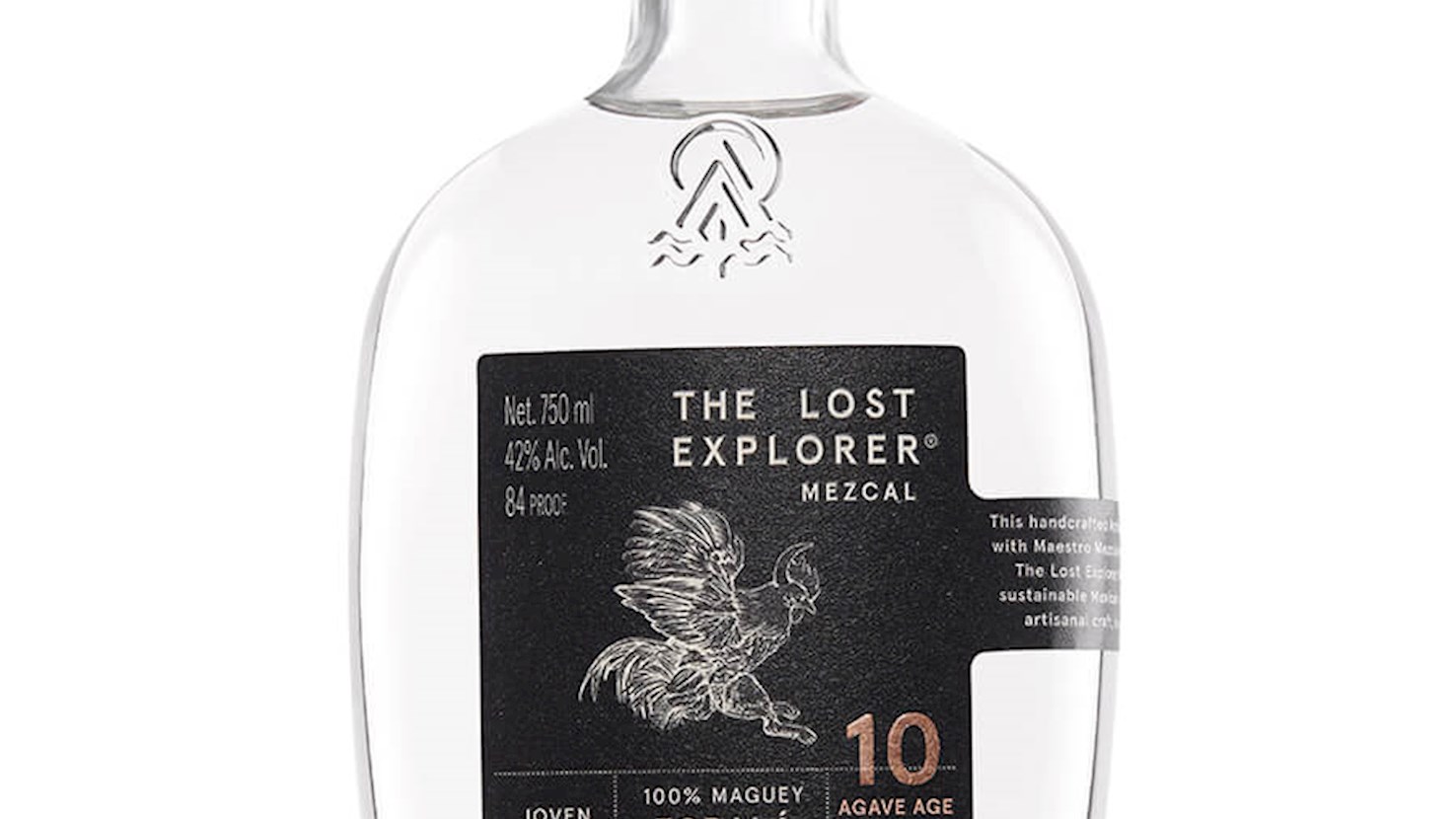
The Lost Explorer Mezcal Company LTD
5 ·
Awards
ISC-International Spirits Challenge - Double Gold (2021)
IWSC- International wine & spirit competition - Spirit Gold (2021)
10

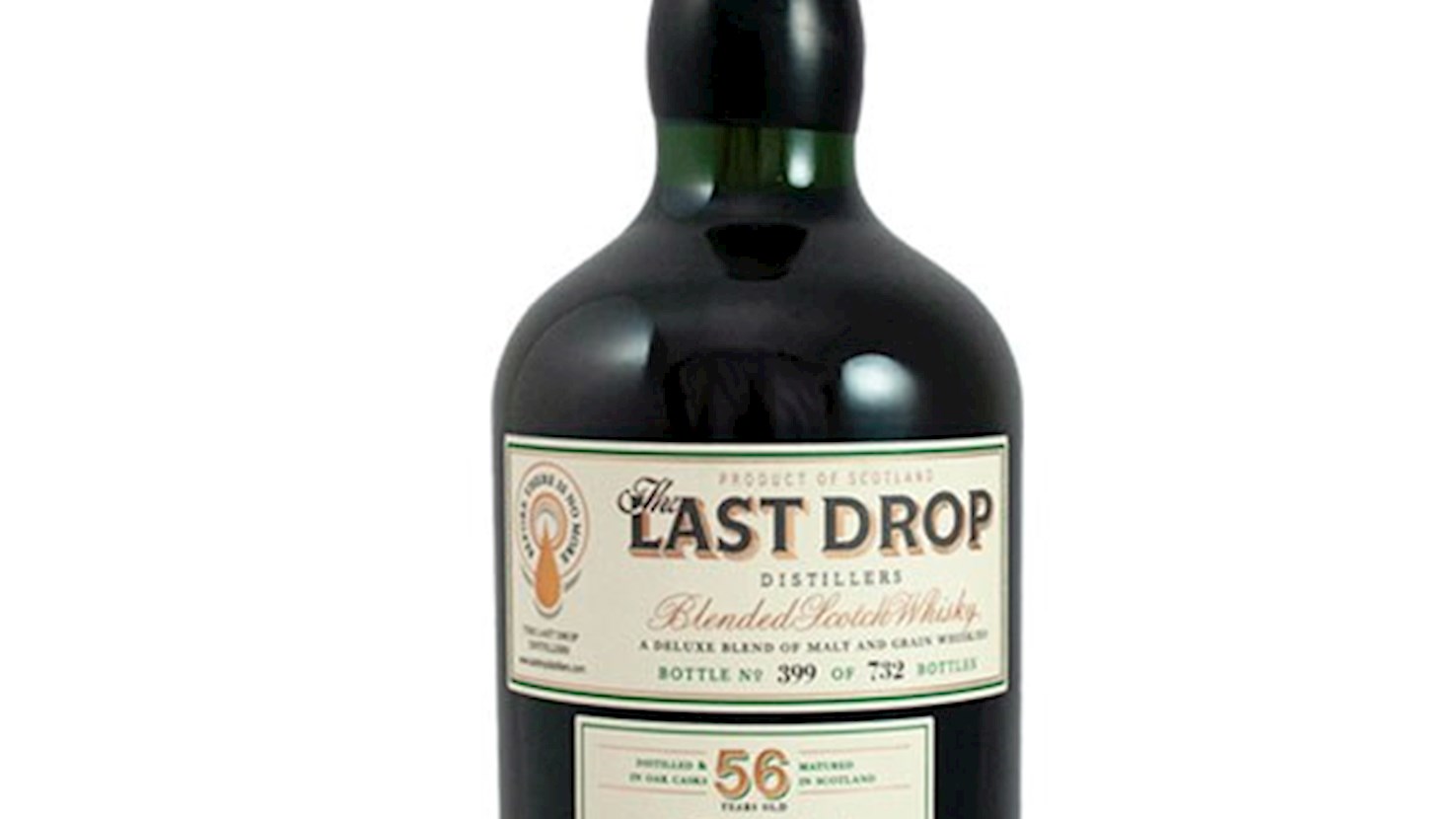
The Last Drop Distillers

5 ·
Awards
USC- Ultimate Spirits Challenge - Top 100 (2020)
About this ranking

TasteAtlas food rankings are based on the ratings of the TasteAtlas audience, with a series of mechanisms that recognize real users and that ignore bot, nationalist or local patriotic ratings, and give additional value to the ratings of users that the system recognizes as knowledgeable. For the “Top 87 Local Alcoholic Beverages in London” list until June 24, 2026, 689 ratings were recorded, of which 617 were recognized by the system as legitimate. TasteAtlas Rankings should not be seen as the final global conclusion about food. Their purpose is to promote excellent local foods, instill pride in traditional dishes, and arouse curiosity about dishes you haven’t tried.

The initial list of top producers was compiled based on available reviews, awards, local recommendations, media and blog coverage, and consumer reviews. The list will be updated with ratings from TasteAtlas local ambassadors and TasteAtlas users.

Similar lists